
Is Using a VPN in China Illegal? A Local’s Honest Explanation for Travelers
If you are planning a trip to China, you may already know that many everyday apps and websites such as YouTube, Google, Google Maps, and TikTok are not accessible here. This is because of the country’s internet firewall (Great Firewall), which restricts access to certain foreign sites.
Using a VPN seems like the obvious solution, but the question many people worry about is whether it is illegal for tourists to use one in China.
I have lived in China for more than 30 years, and I want to give you a clear and honest explanation that covers the official rules, the way things work in real life, and practical tips to make your visit much easier.
1. Legally Speaking: Yes, Using a VPN Is Technically Illegal
According to Chinese internet regulations, it is illegal to establish or use unauthorized pathways, including unapproved VPNs, to access overseas networks. In theory, violators could face fines from 500 to 1,000 RMB, which is about $150.
This sounds intimidating, but the reality is that this rule is almost never enforced against regular users.
Millions of people in China use VPNs every day to access websites outside of the country. This includes students, professionals, expats, and employees at local companies. I have been using a VPN since my college years, almost 20 years now, and so do most people I know. No one I know has ever been questioned or fined for using a VPN to check email or browse Instagram.
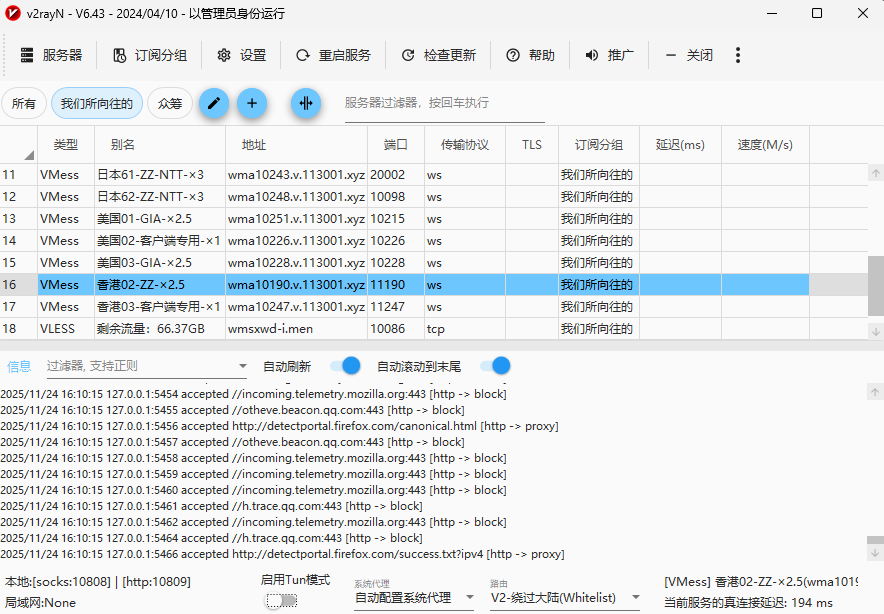
The government’s actual focus is on two groups:
- People who use VPNs for illegal activities such as fraud or distributing illegal content
- People who sell or operate unauthorized VPN services inside China, which can lead to much more serious consequences
If all you want to do is check Google Maps, watch YouTube, or message friends and family, you have nothing to worry about. For both tourists and residents, using a VPN is a normal part of daily life. It exists in a gray area that is widely practiced and generally overlooked.
2. As a Tourist, You Are Even Safer
China welcomes foreign visitors warmly. As a tourist, your reasons for using a VPN are completely understandable.
- You rely on apps from home that are not accessible here
- You need to contact family, navigate, or handle work while traveling.
- It’s a practical need, not a political act
Millions of foreign visitors enter China every year and most of them use VPNs. Tourists do not get in trouble for checking Google Maps or posting travel photos on Instagram.
3. Helpful Tips That Most Tourists Do Not Know
You Might Not Even Need a VPN
Here is a tip many visitors do not know. If your phone uses a foreign SIM card from the United States, Europe, Japan, or other regions, you may be able to access Google, YouTube, and other blocked sites directly without a VPN!
The reason is because the firewall mainly restricts requests from Chinese IP addresses. A foreign SIM uses international roaming, which allows you to bypass local restrictions. Just make sure your plan includes international roaming and that you have enough data.
I sometimes use a Macau Telecom SIM card here in China. The card allows me to access global sites freely, although roaming fees can be high. For daily use, I still prefer a VPN.
Choose Your VPN Wisely
Do not trust every VPN advertisement or review site. Many of them are using affiliate marketing and recommend services that do not work in China. VPNs such as NordVPN, Surfshark, and ExpressVPN are usually unreliable here.
Based on my experience, Astrill and LetsVPN work consistently. There are also smaller services, but their stability can vary.
Besides VPNs, many people in China use tools such as “shadowsocks” or “airport services”. They are cheaper and faster for long-term use and usually cost only around $2-$3/month. However, these websites are typically in Chinese, so they may not be easy to navigate if you do not speak the language. If you are interested, feel free to reach out to me and I can point you in the right direction.
Install Your VPN Before You Arrive
Once you are in China, you will not be able to access most VPN provider websites. Download, install, and test your VPN before you arrive. Trying to set up the VPN after you arrive in country unfortunately makes the process much more difficult.
Local Alternatives to Blocked Apps
China has developed its own digital ecosystem and many local apps work better than their international counterparts:
- Google Maps → Amap or Baidu Map (very accurate in China)
- WhatsApp → WeChat (used by everyone)
- Uber → Didi Chuxing or Amap Taxi
- Apple Pay → WeChat Pay or Alipay (mobile payments are everywhere)
If you are open to using Chinese apps, you may find certain tasks such as paying or hailing rides even more convenient here. However, if you need access to your email, social media, or work tools, a VPN is still essential.
Summary
For tourists, using a VPN for communication, navigation, and entertainment is completely safe. Millions of visitors do it every year without any issues.
Feel free to use a VPN to stay connected, share your travels, and make the most of your trip. There is no need for worry or stress, as long as you prepare ahead of time.
I hope this helps you feel more confident about your visit. If you have more questions about traveling in China, feel free to ask. Have a wonderful trip!