Tianzifang: Shanghai’s Hidden “Nongtang” Soul
When most people think of Shanghai, they likely picture a modern city with glowing skyscrapers. But the city’s true heartbeat is tucked away in its narrow, historic alleys, or what locals call “nongtang.” This magic can be found in Tianzifang. Instead of the steel skyline, you’ll find the authentic, lived-in side of Shanghai. The area is like a time capsule, as most of the buildings, ranging from traditional family homes to repurposed factories, date back to the 1930s. And in my opinion, experiencing the local lifestyle is what makes traveling truly meaningful.
Table of Contents
- How to Get to Tianzifang
- The Best Time to Visit Tianzifang
- A Maze-Like Experience
- The History of Tianzifang: An Organic Evolution
- Architectural Heritage: A Masterclass in "East-Meets-West" Fusion
- A "Living" Community: Where Art and Life Collide
- A Fresh Chapter for Old Alleys
- Curated Picks: Shops with a Soul
- Local Eats: Where to Refuel
- The Verdict: Is Tianzifang Worth the Trip?
How to Get to Tianzifang
Tianzifang is located in the heart of downtown, making it easy to reach:
- By Metro (best option): Take Line 9 to Dapuqiao Station. Use Exit 1, and the entrance is right across the street.
- By Taxi or Didi: Very convenient, and drivers will drop you right at the gate.
Pro-tip: Avoid rush hour (8:00–9:00 a.m. and 5:00–7:00 p.m.) unless you want a expensive tour of Shanghai’s traffic! Make sure you have Alipay or WeChat Pay set up for easy payment.
The Best Time to Visit Tianzifang
The shops in Tianzifang usually open around 10:00 a.m. and stay open until about 11:00 p.m.
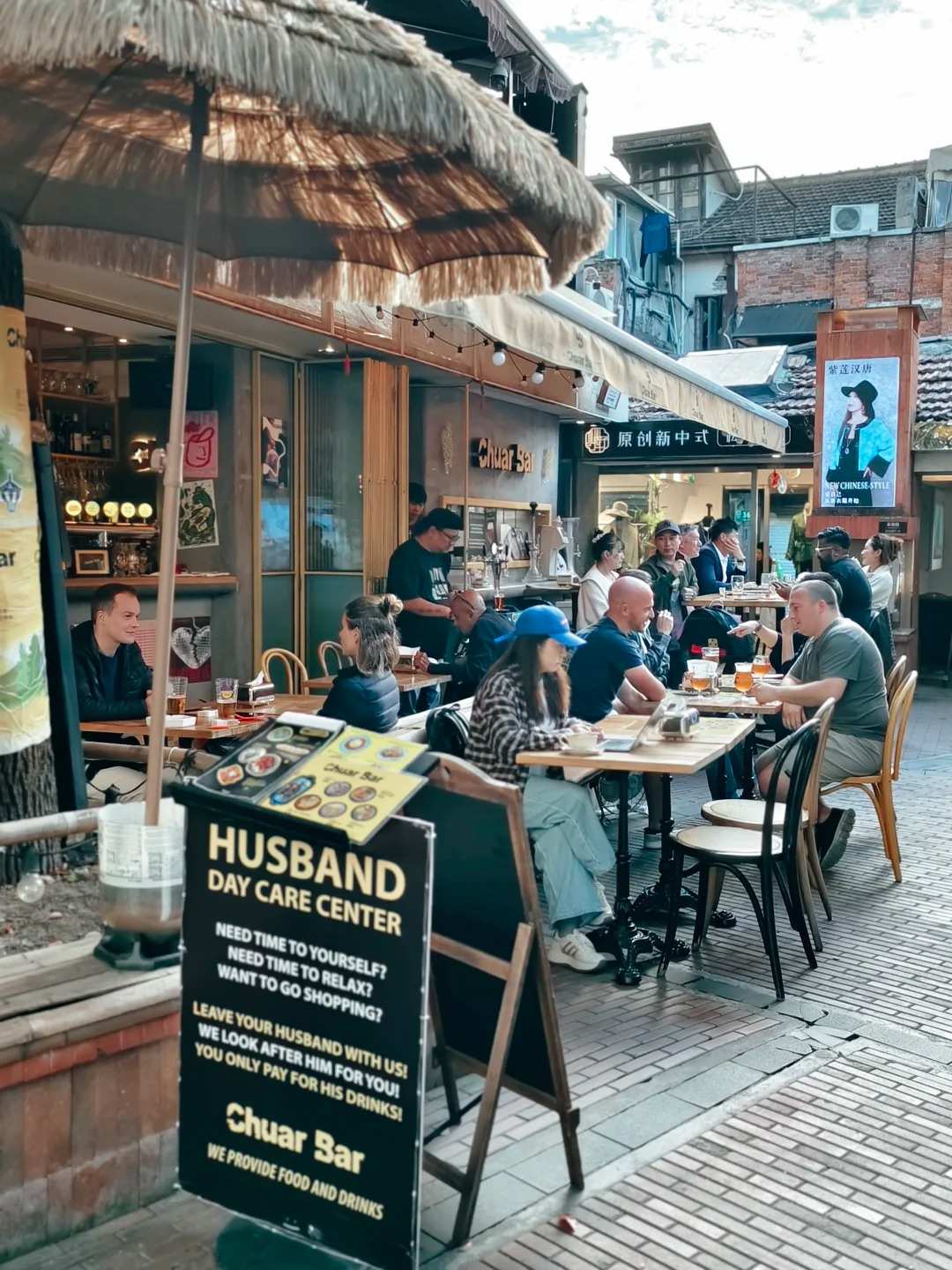
If you prefer a quieter experience, I suggest heading there early in the morning, when the alleys are empty. This is also a great time to take photos. If you like a livelier scene, come by in the evening for dinner under the lights, when the atmosphere is at its best. Some bars also stay open for late-night drinks.
A Maze-Like Experience
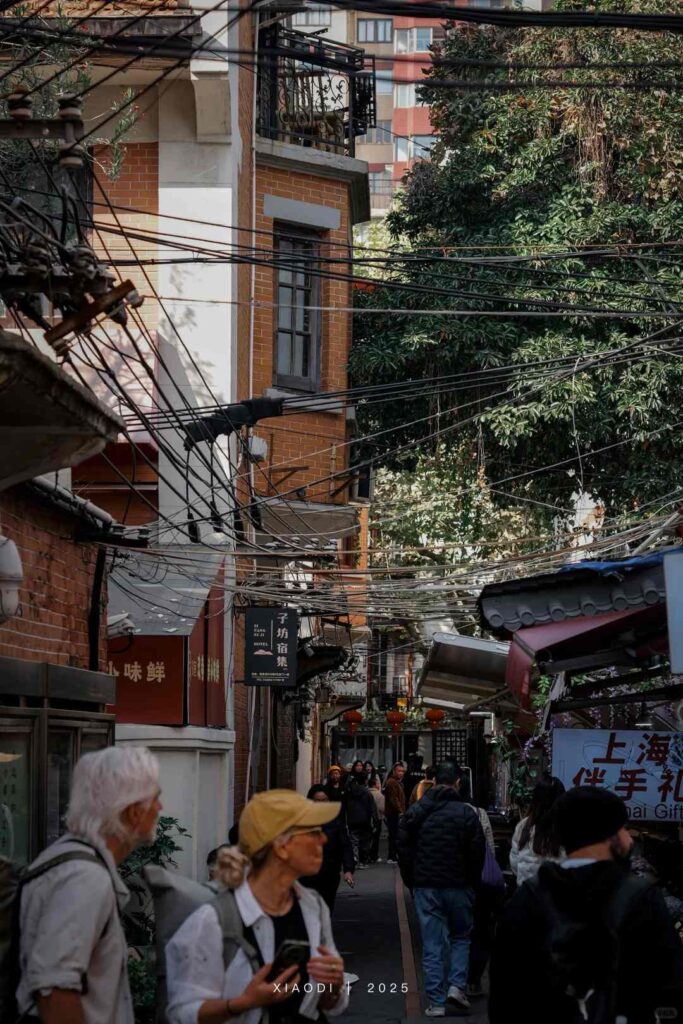
When you arrive at Tianzifang, you won’t see the wide boulevards characteristic of other areas, but instead a tight space that’s full of life. The alleys here are incredibly narrow—barely 4 meters (13 feet) at their widest and less than 2 meters (6 feet) at their narrowest. Navigating them can make you feel like you’ve wandered into an escape room of residential alleys.
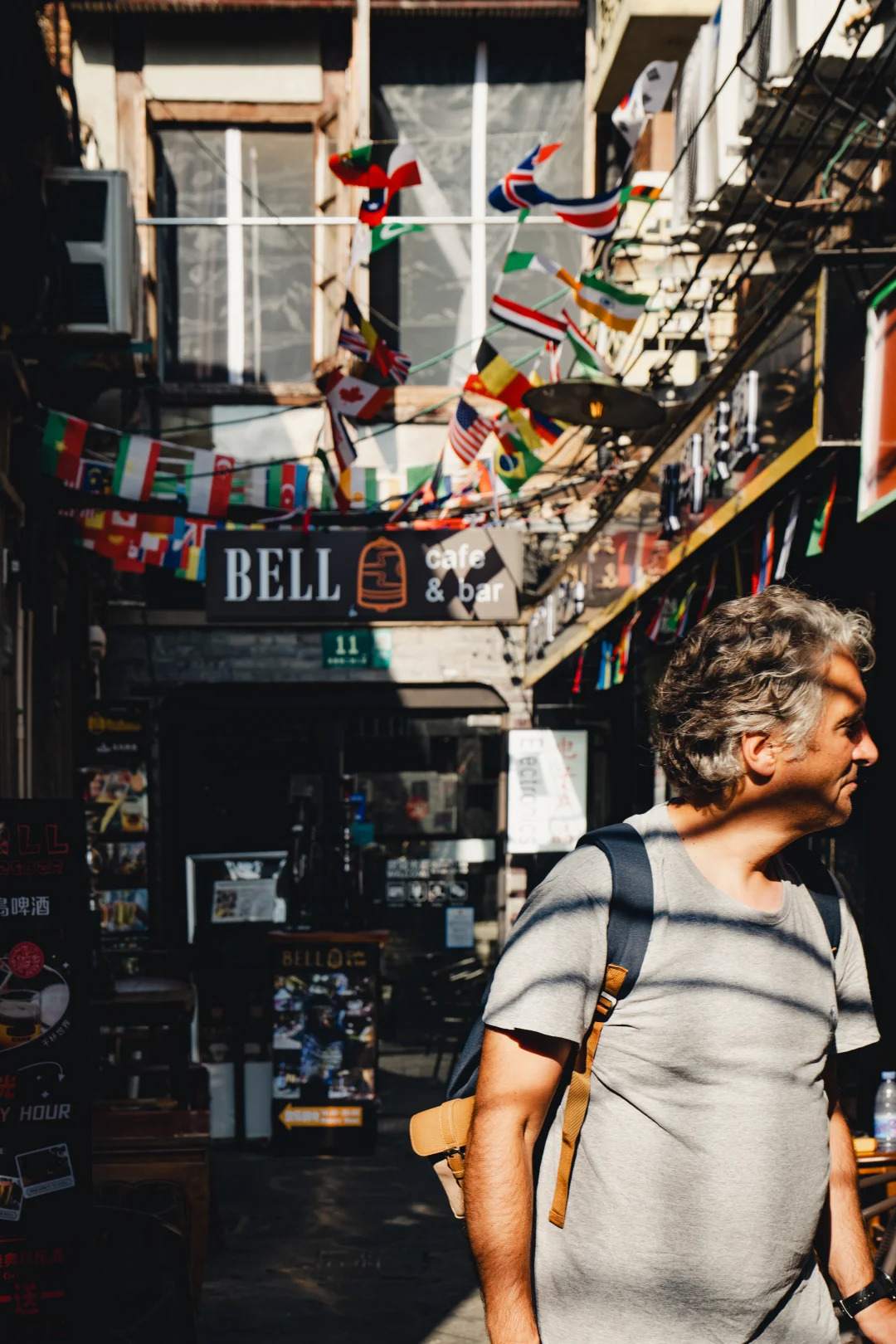
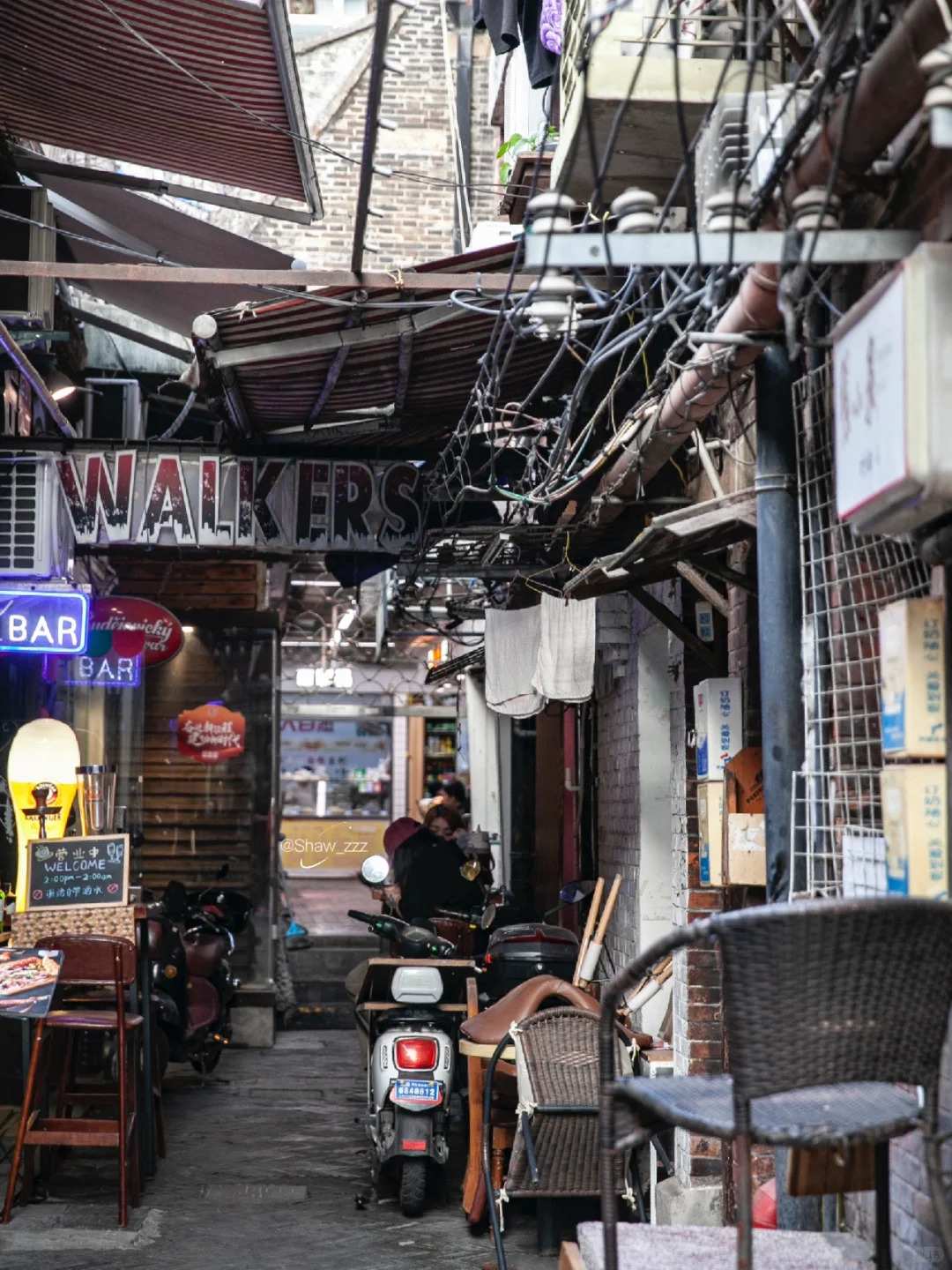
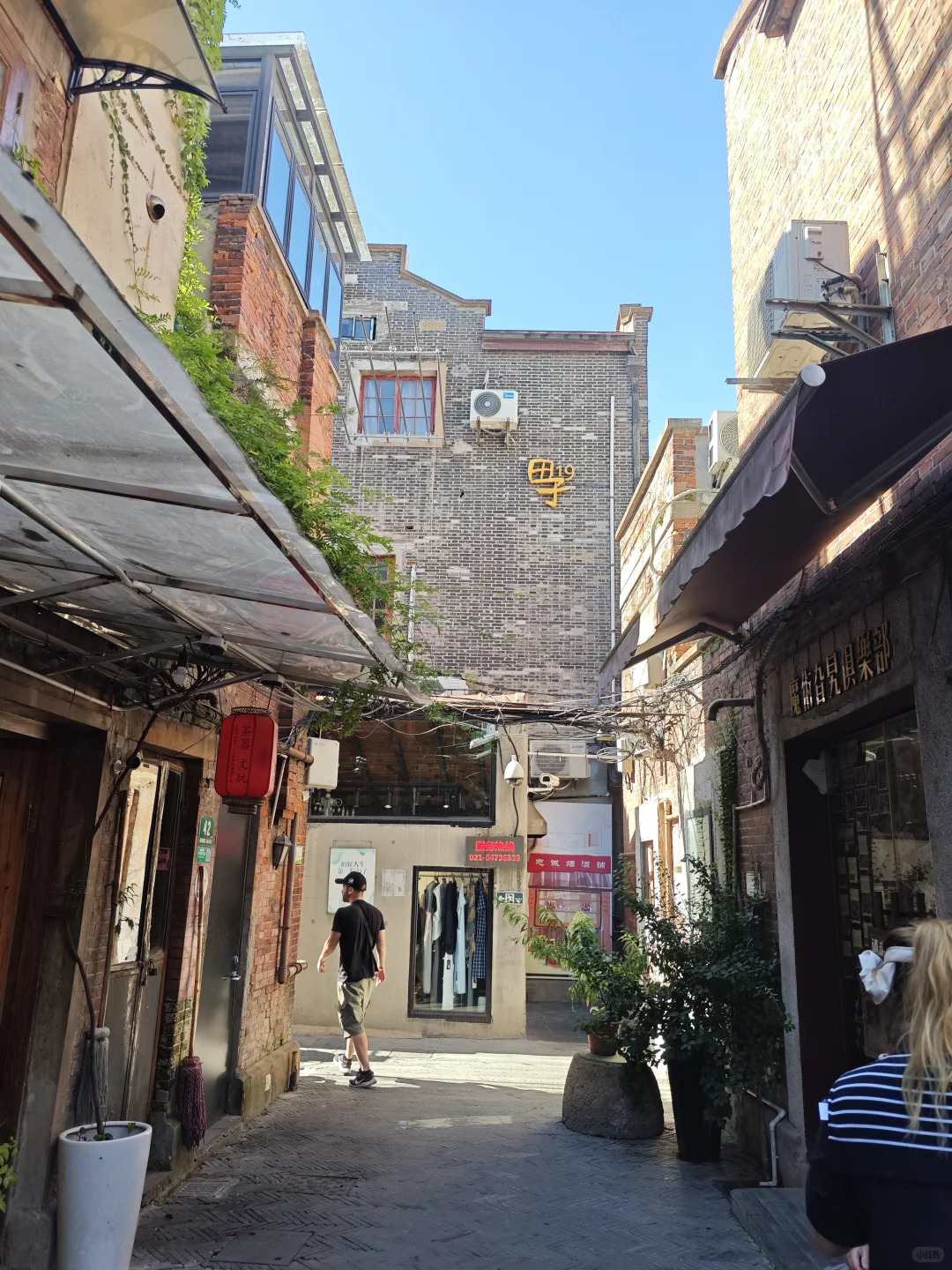
Each corner offers something unique, from chic boutiques tucked within a brick wall, to the smell of rich coffee from a wooden window. This blend of old neighborhoods and modern lifestyles is exactly what makes Tianzifang so charming.
The History of Tianzifang: An Organic Evolution
The history of Tianzifang is particularly interesting because it wasn’t designed to be a tourist attraction, but rather, it grew into one organically.
In the 1930s, this area was a prestigious residential enclave in the Former French Concession, a district often celebrated as the “Paris of the East.” It was home to Shanghai’s elite, like doctors, sailors, and bankers, and was a high-end community much like the luxury neighborhoods of today.
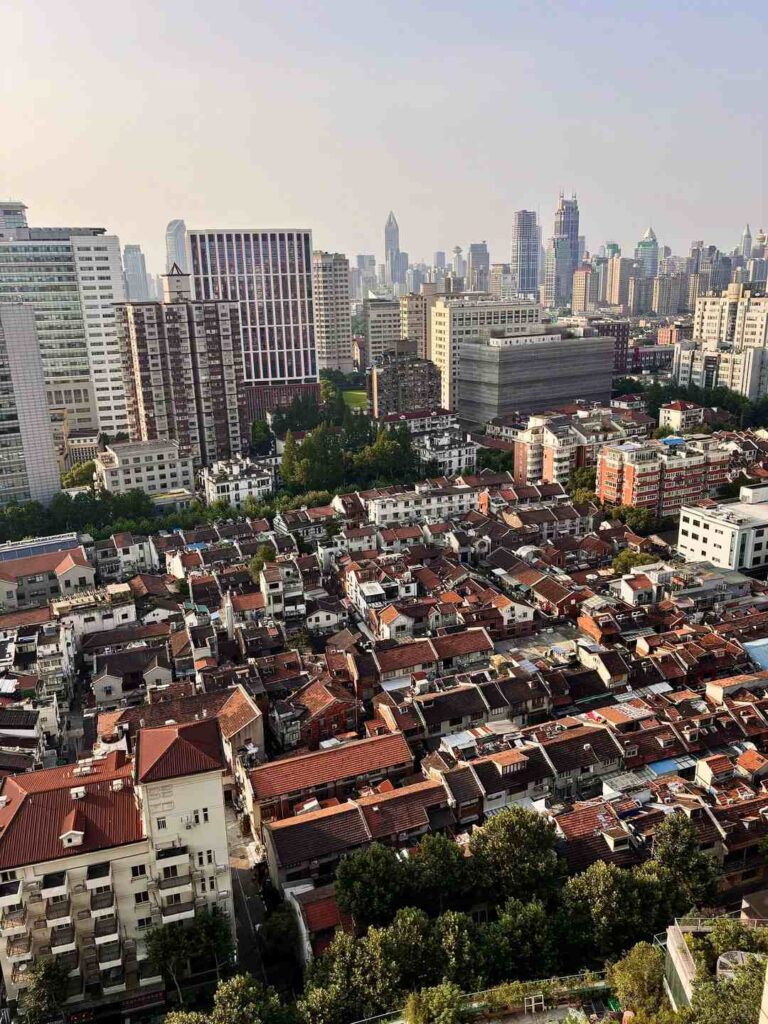
Because of its charm, many famous artists also settled here, adding a bohemian flair to the area.
The neighborhood’s modern revival began in 1998, when the legendary Chinese painter Chen Yifei discovered two abandoned factories. He transformed them into studios for painting, sculpture, fashion, and photography, and other global creatives soon followed.
If it weren’t for these artists, these historic buildings likely would have been demolished years ago.
Even the name “Tianzifang” is an artistic tribute, coined by the famous painter Huang Yongyu.
He used a clever pun on “Tian Zifang,” the name of China’s earliest-known painter, but changed the last character to “Fang (坊),” meaning a workshop or lane. The name was officially displayed at the entrance in 2002, marking its transformation into the vibrant arts district you see today.
Architectural Heritage: A Masterclass in “East-Meets-West” Fusion
If you want to experience the soul of old Shanghai architecture, this is the place. Tianzifang boasts over 150 historic buildings in the Shikumen style, many of which are over a century old.
Shikumen is a unique architectural mix, with houses that blend traditional Chinese courtyard layouts with Western-style row houses. As you explore, keep an eye out for the ornate stone doorframes (the literal translation of Shikumen is “Stone Gate House”), and the iconic heavy, black wooden doors.
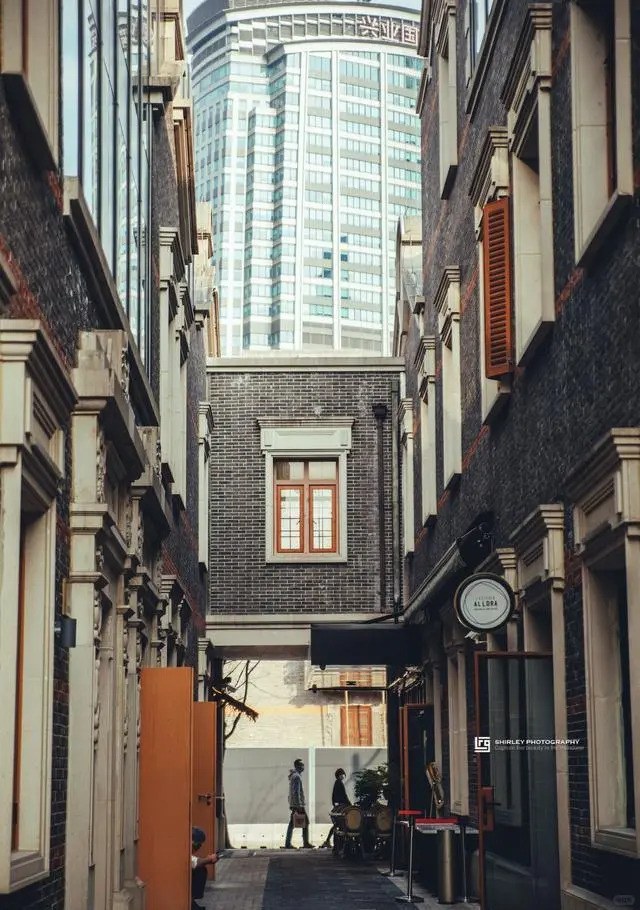
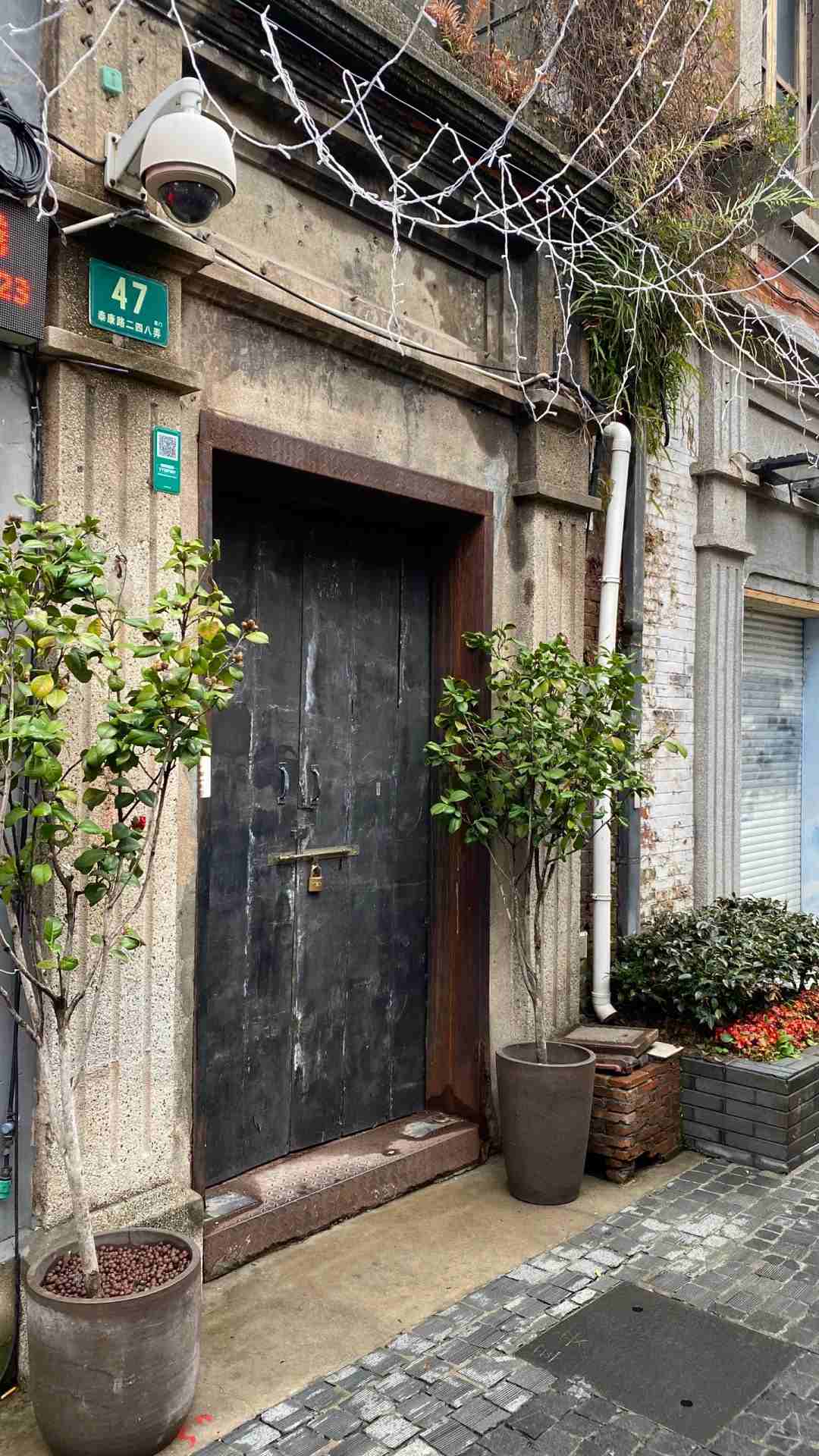
The houses are packed tightly together along winding stone paths. If you look up, you’ll see tangled powerlines above, which looks chaotic, but embodies the pulse of a local Shanghai neighborhood. While there are about 20 different variations of Shikumen architecture in the city, Tianzifang houses the most complete and best-preserved collection.
A “Living” Community: Where Art and Life Collide
What truly sets Tianzifang apart from other commercial spots is that it is a living history site. Unlike a museum, this is a breathing neighborhood, where local residents still live in the apartments above trendy art galleries and cafes.
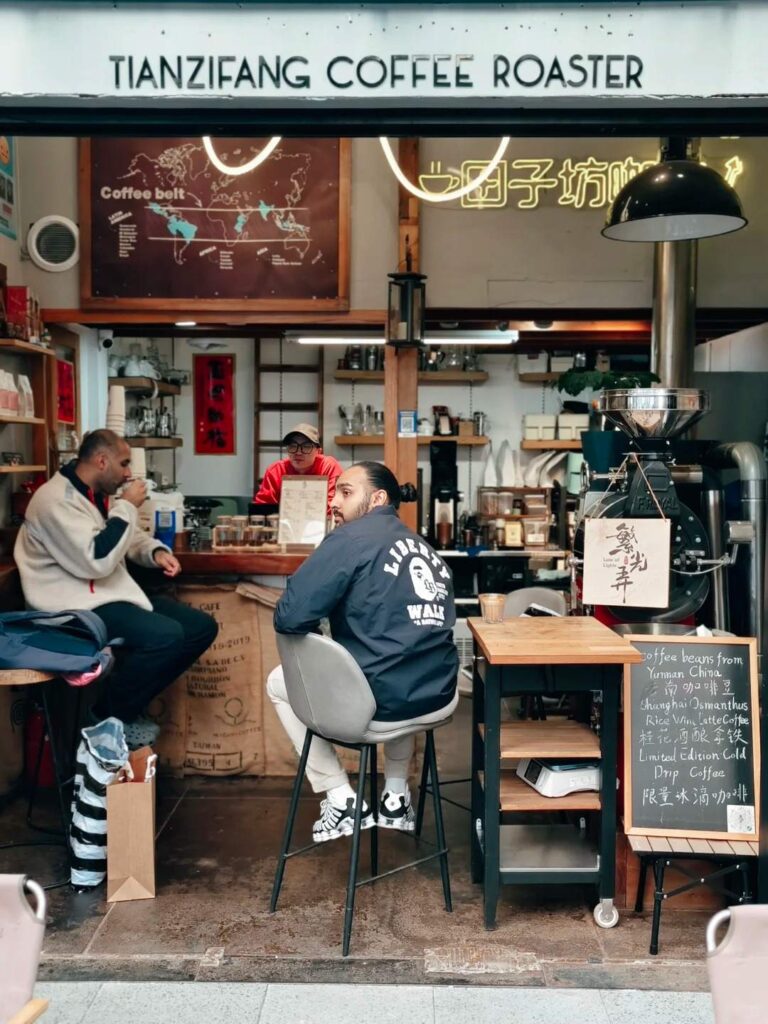
You’ll see tourists from around the world enjoying a gourmet meal, while a local grandmother hangs her laundry on a bamboo pole above. This fusion of art and everyday life is what makes Tianzifang authentic, and the busy, narrow alleys bring it to life.
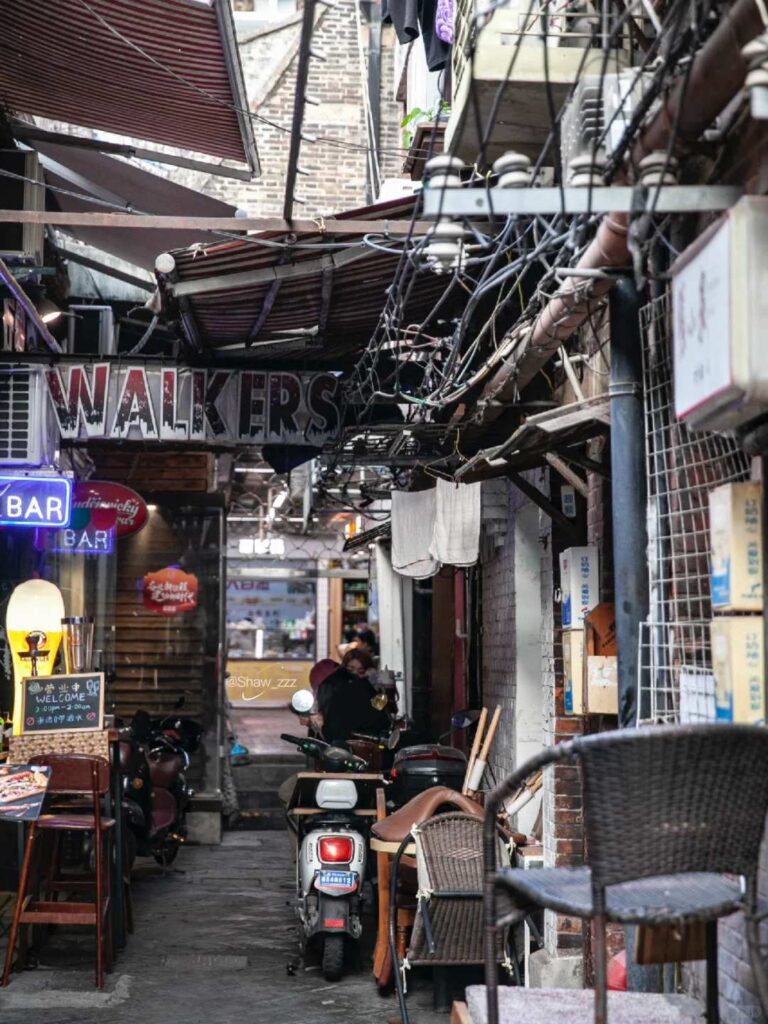
A friendly reminder: The coexistence of locals and tourists in quiet harmony is what makes this place so special, so please respect the residents’ privacy and avoid disturbing their daily lives.
A Fresh Chapter for Old Alleys
Tianzifang was once Shanghai’s hidden gem, but its recent fame has brought a few growing pains. For one, rent prices have skyrocketed, and for a while, it felt like the area was losing its soul to cookie-cuttersouvenir shops and noisy snack stalls.
Fortunately, Tianzifang is making a major comeback. The district is shifting its focus back to its roots by moving away from generic trinkets and welcoming back artisanal workshops and independent design studios.
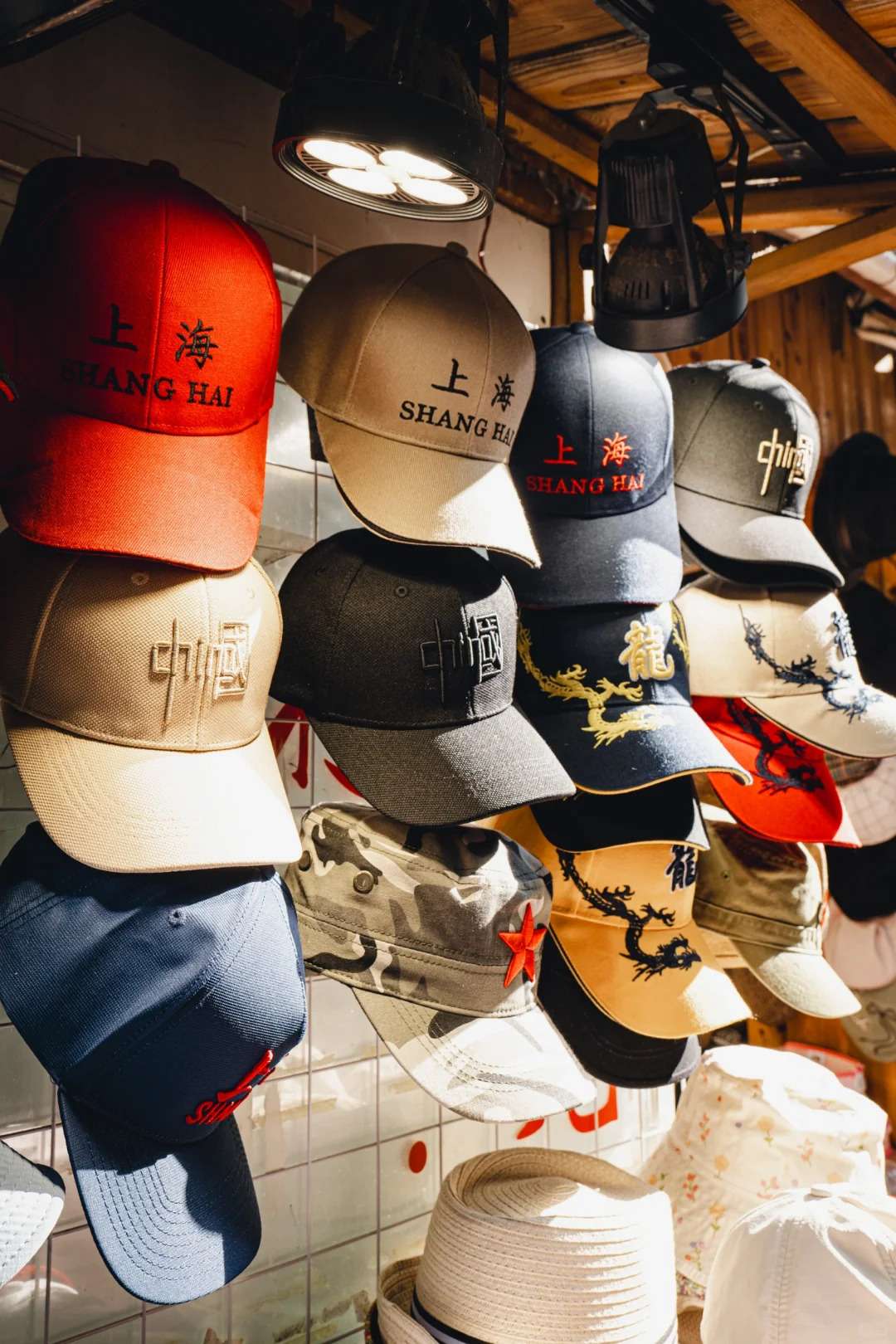
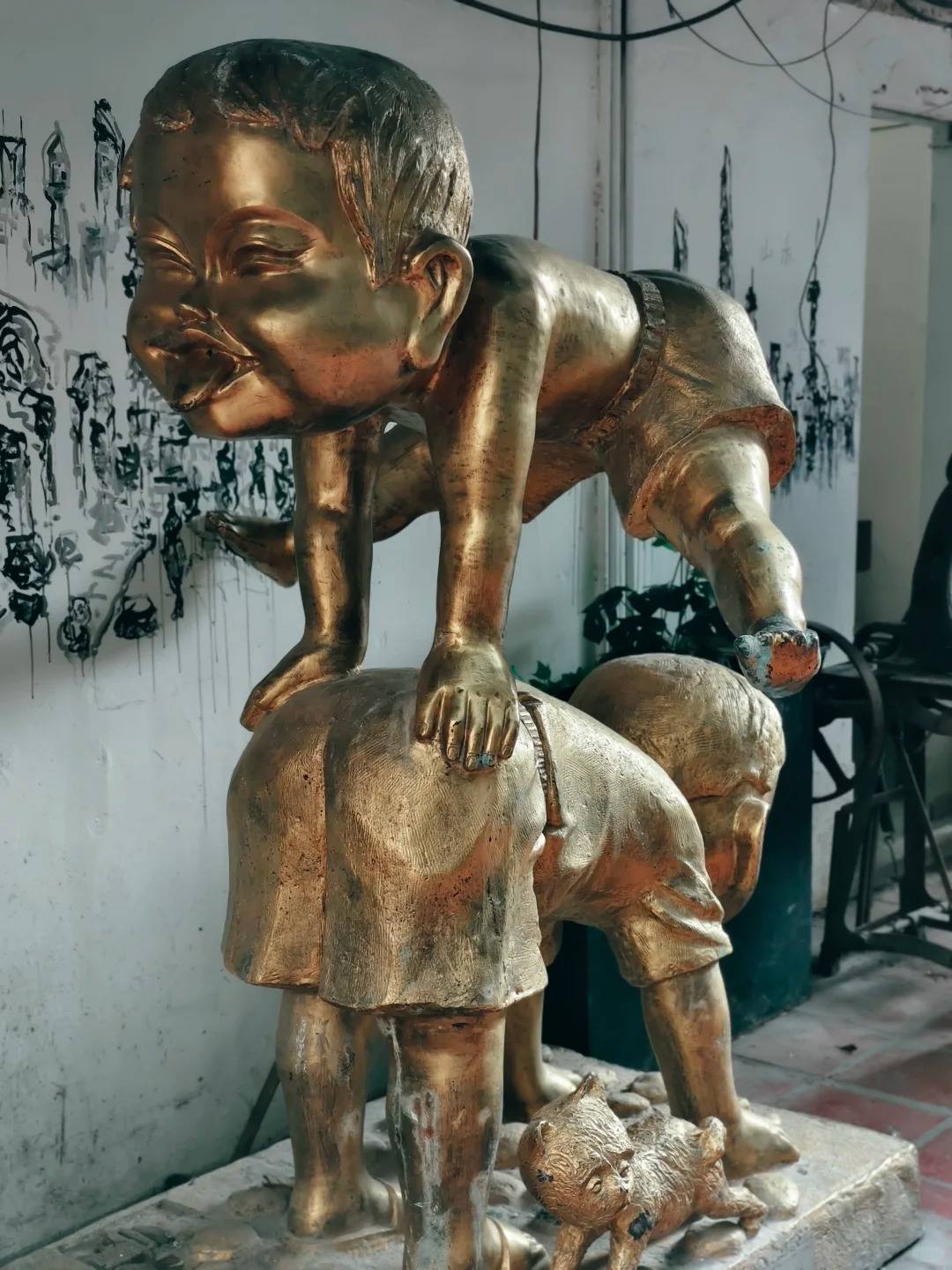
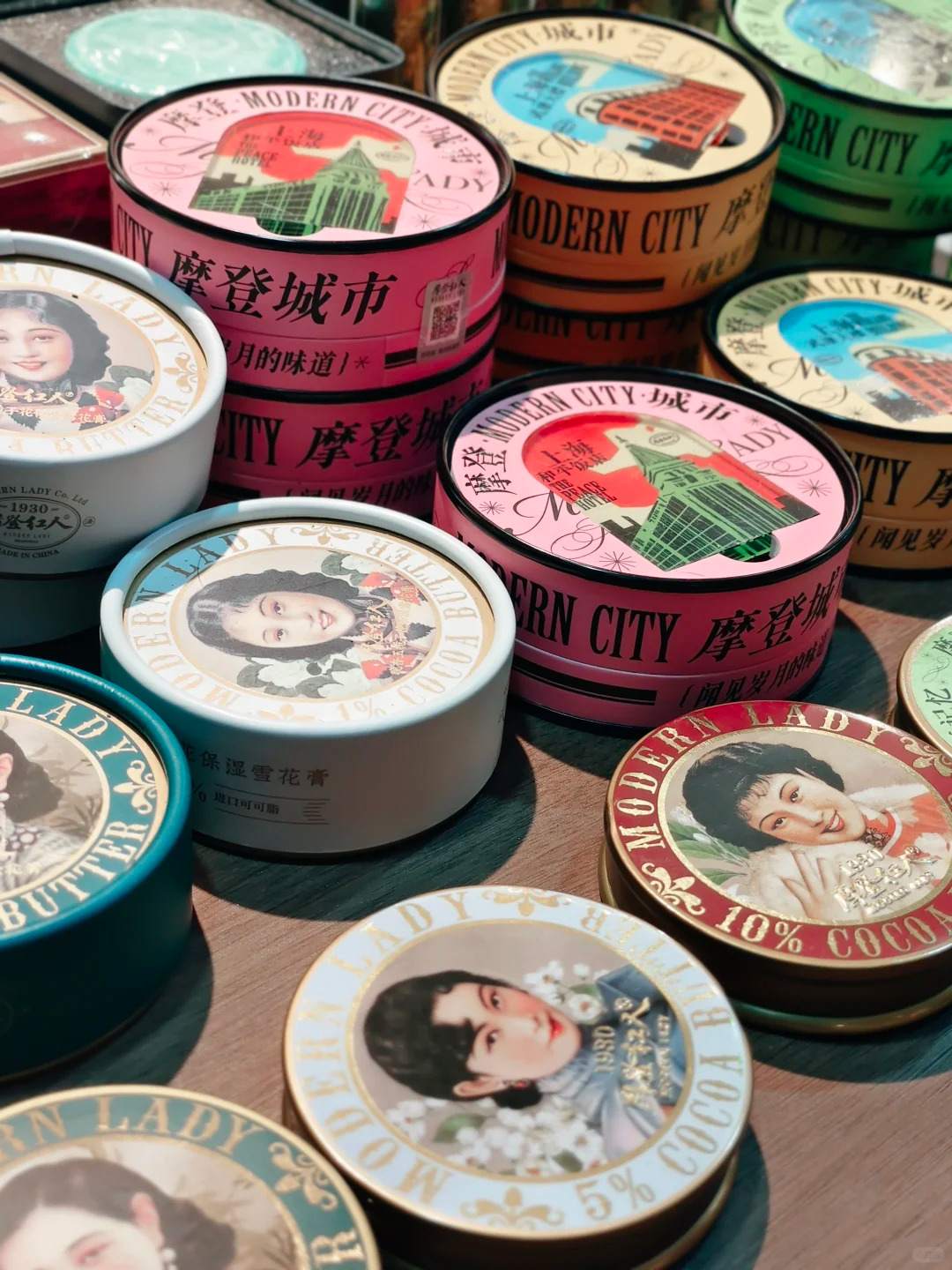
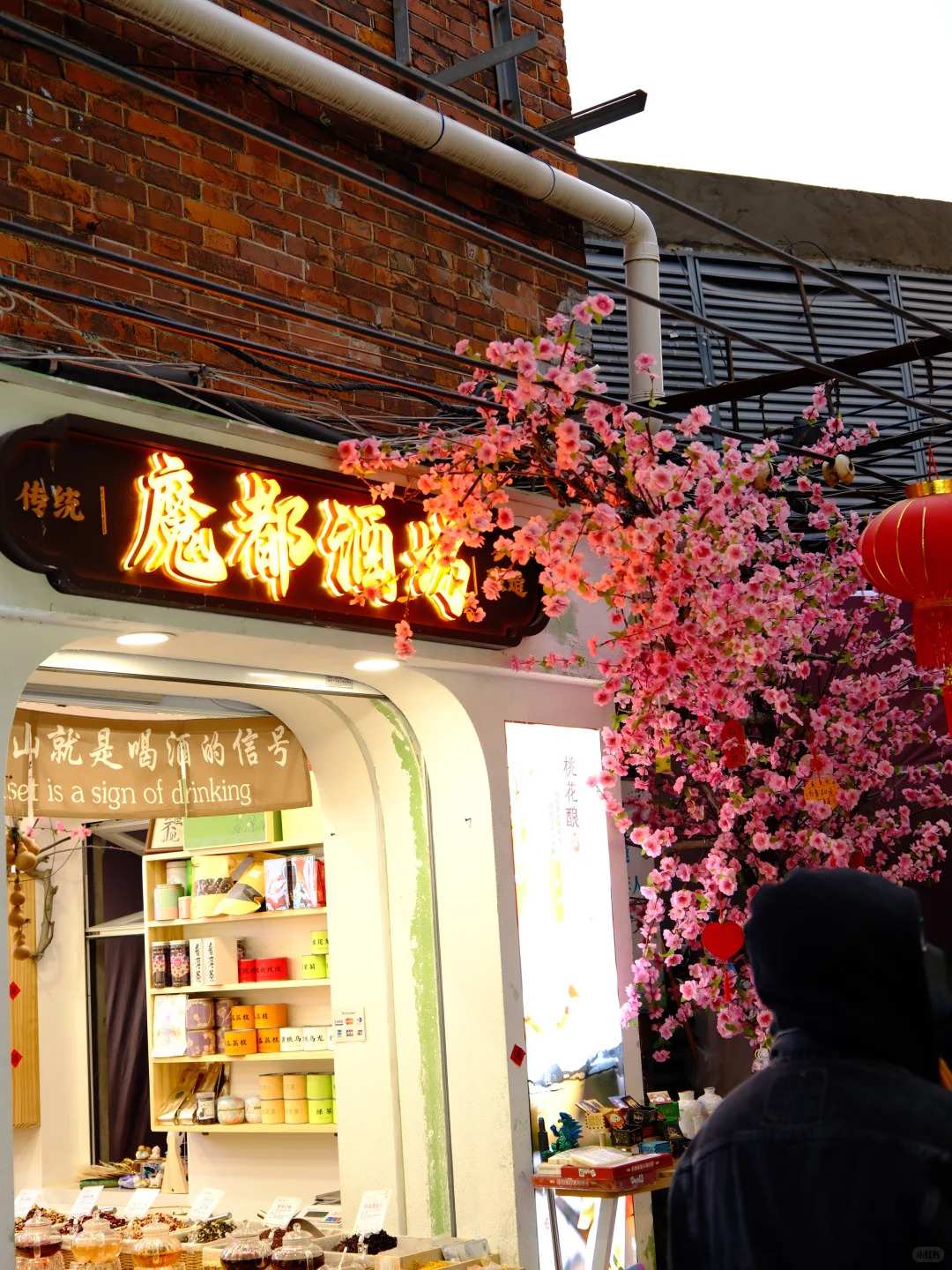
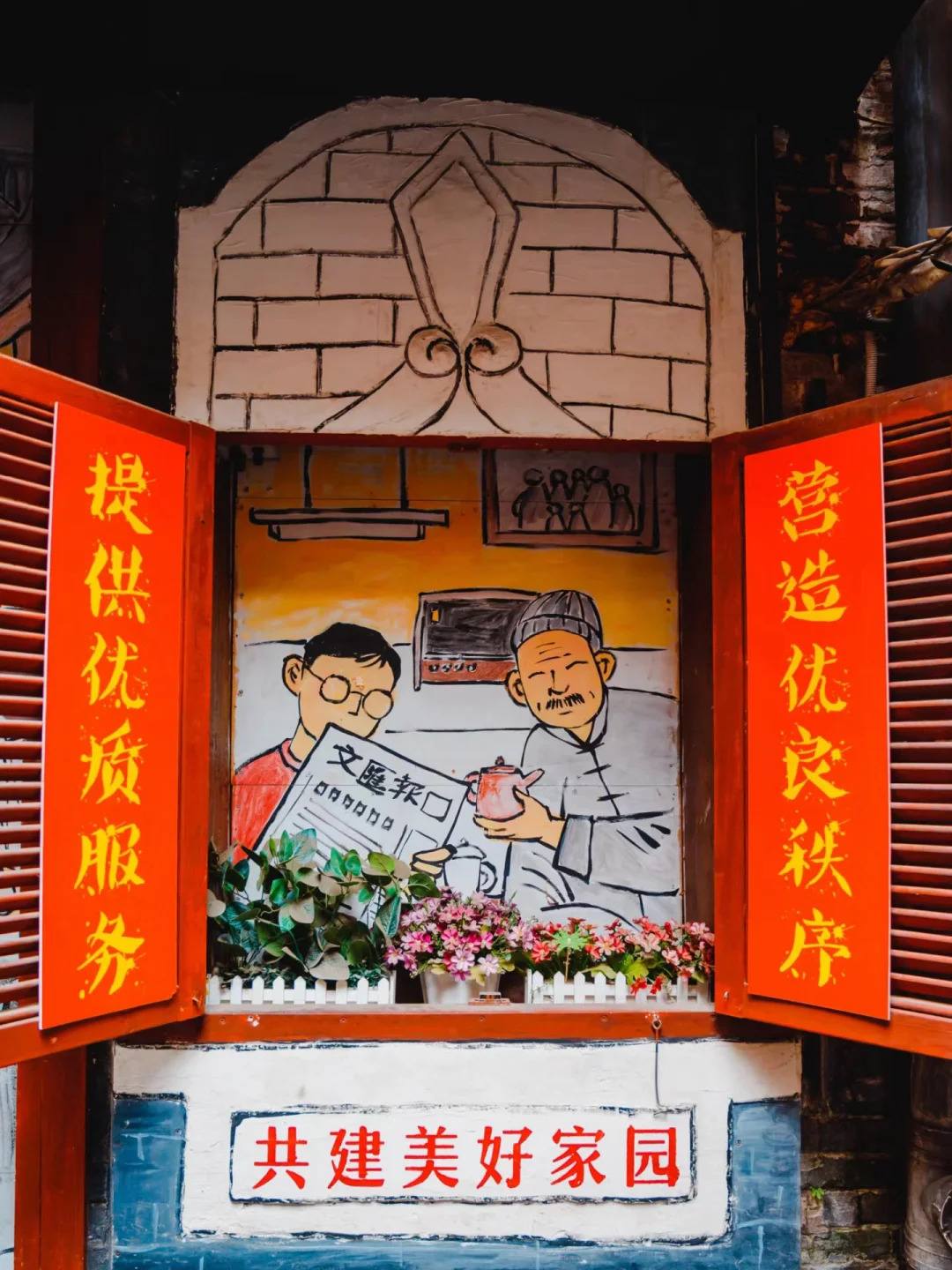
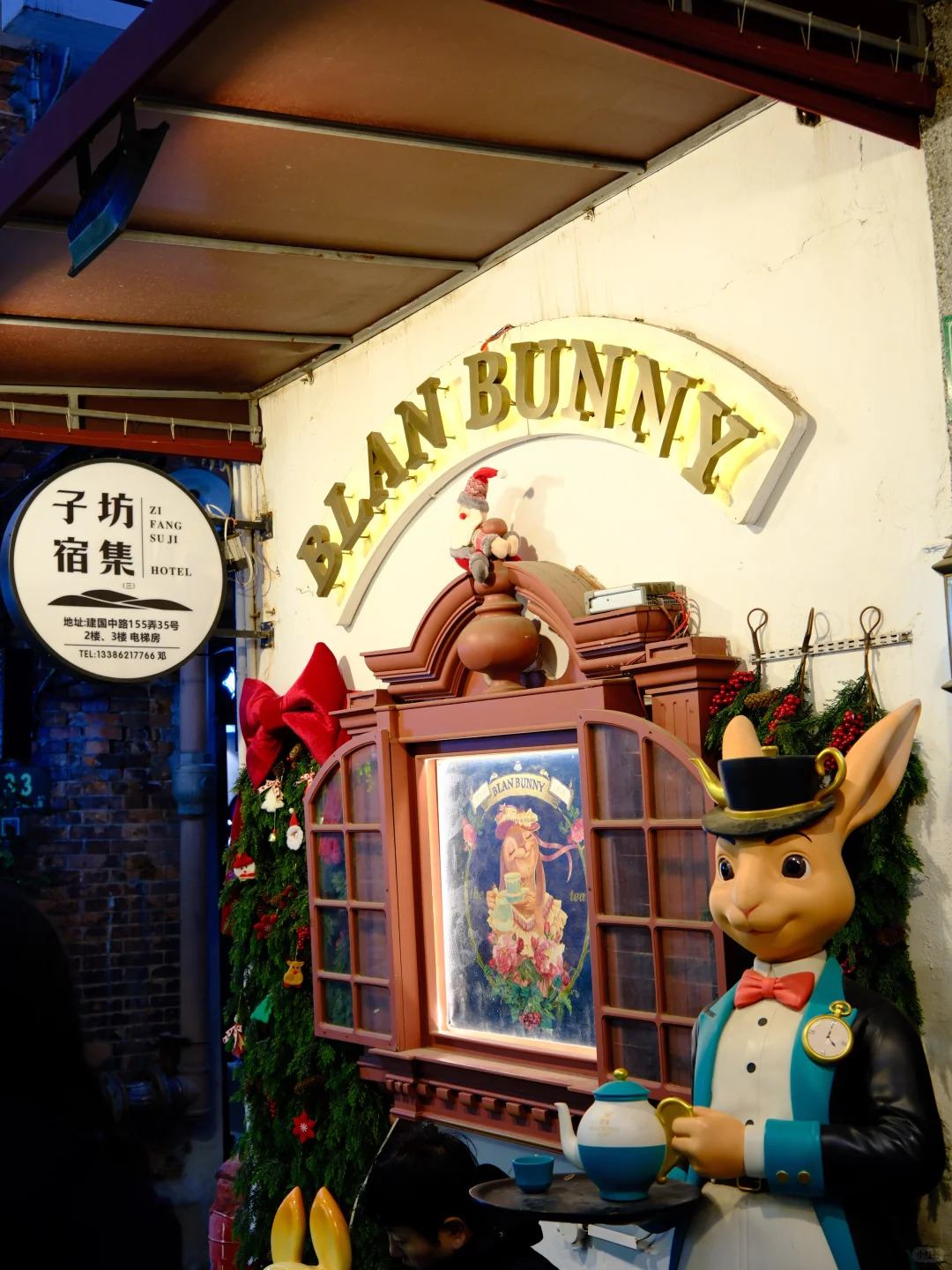
Today, you’ll find a mix of weathered street art and a new wave of young creators attracted to the area’s revitalized energy. It’s also becoming a social media hotspot again (highly “Instagrammable!”), and even locals are rediscovering their love for its unique charm.
Curated Picks: Shops with a Soul
If you want to skip the generic stuff, here are a few spots that embody the real spirit of the district:
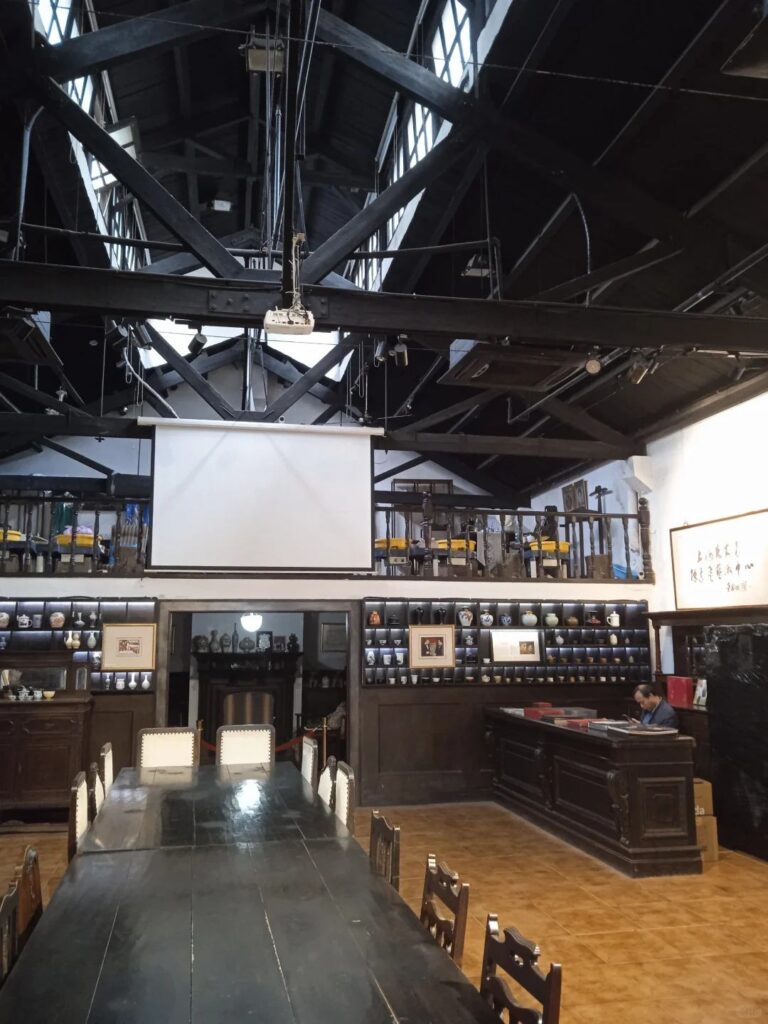
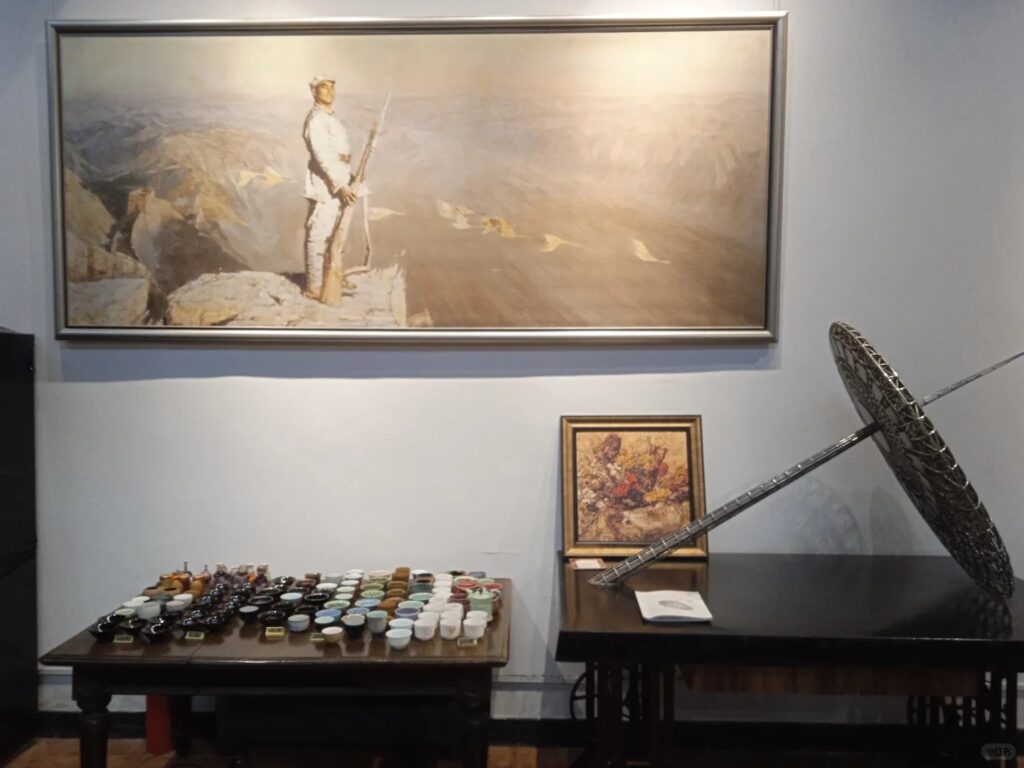
Chen Yifei’s Former Studio (陈逸飞工作室): The “heart” of Tianzifang. Features his original palettes and vintage furniture, giving a special look into the work of the artist who saved this neighborhood. The studio is particularly beautiful in the afternoon, when the sun makes the room glow.
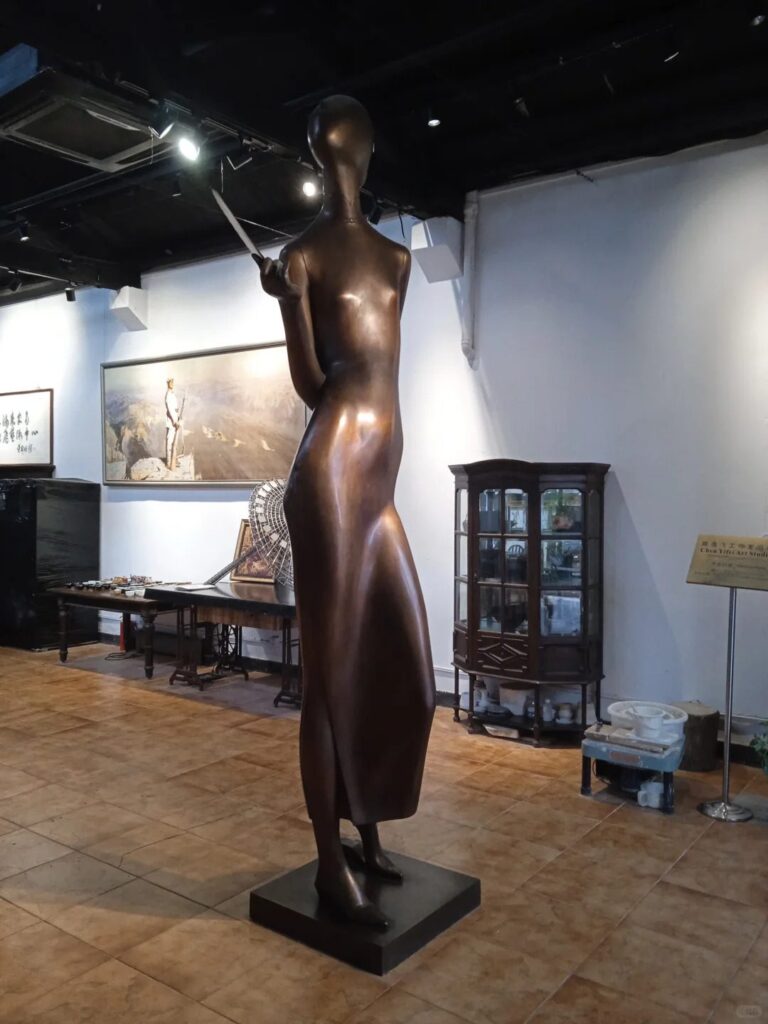
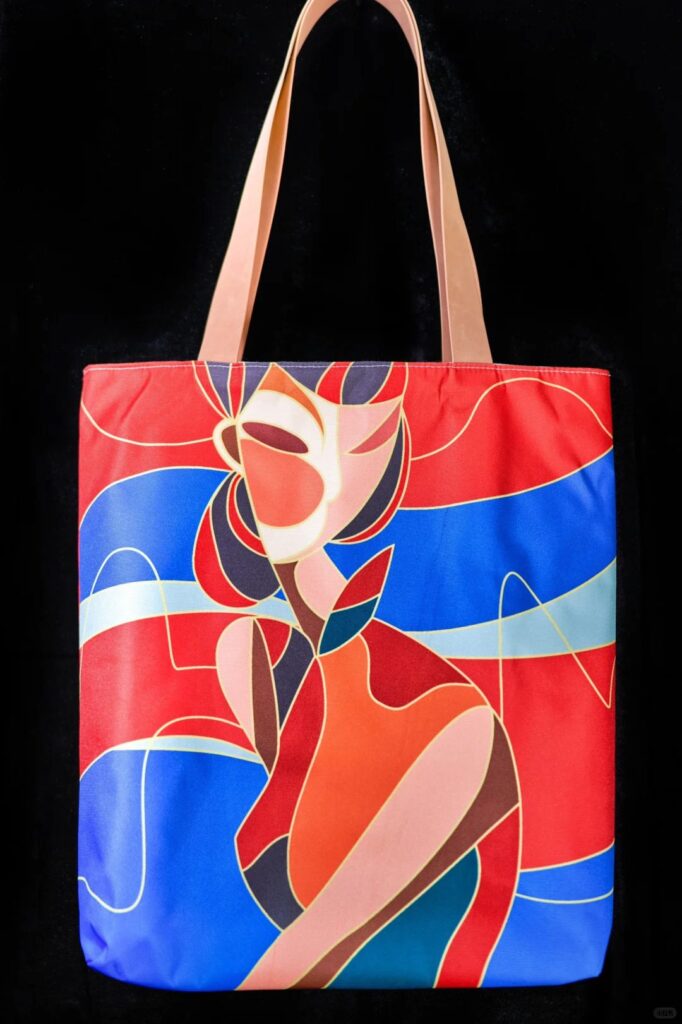
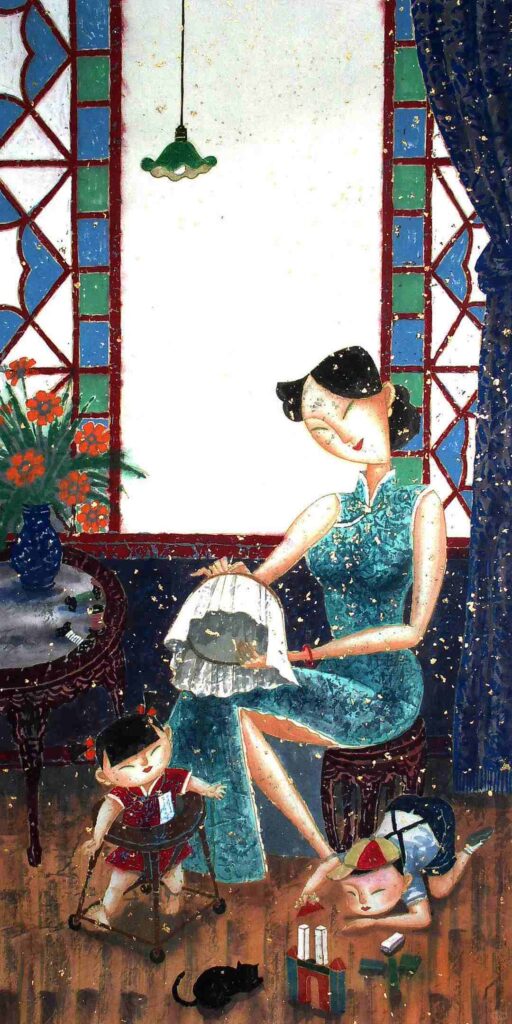
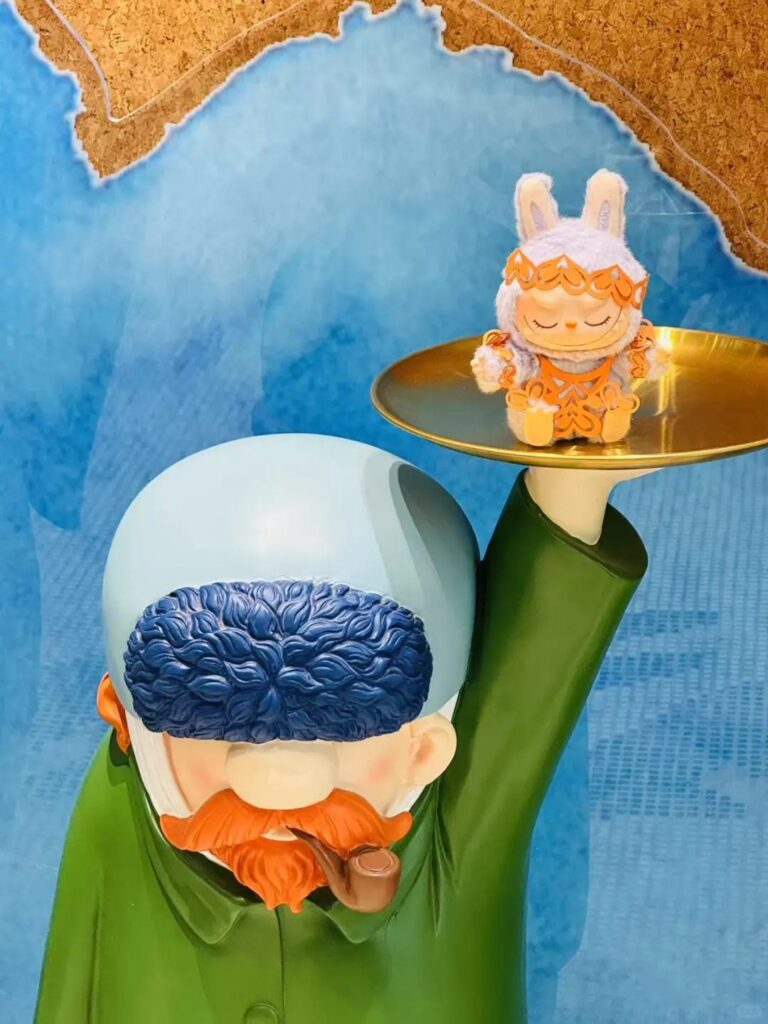
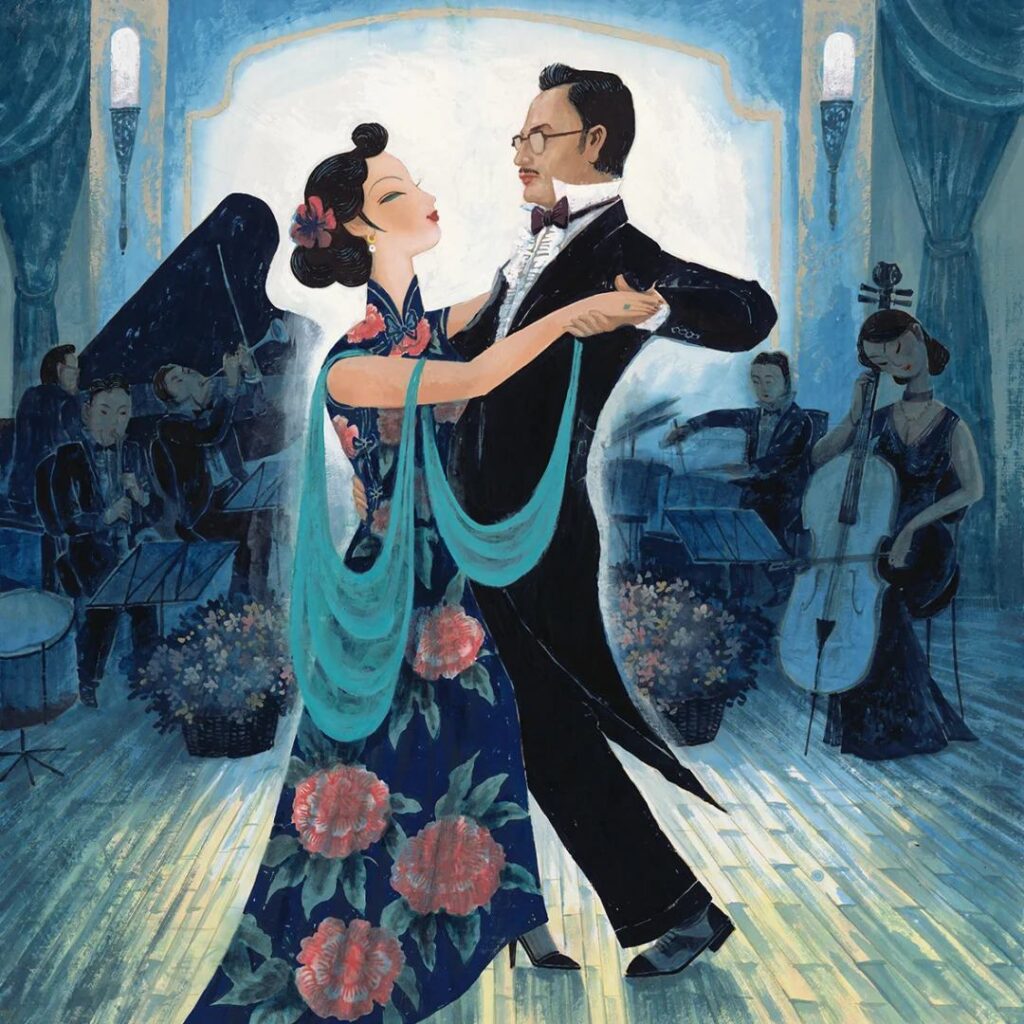
Shoubai Art (守白艺术): Perfect for high-quality, Shanghai-themed gifts. They blend traditional paper-cutting with modern painting, creating vibrant pieces inspired by Qipao and Shikumen architecture.
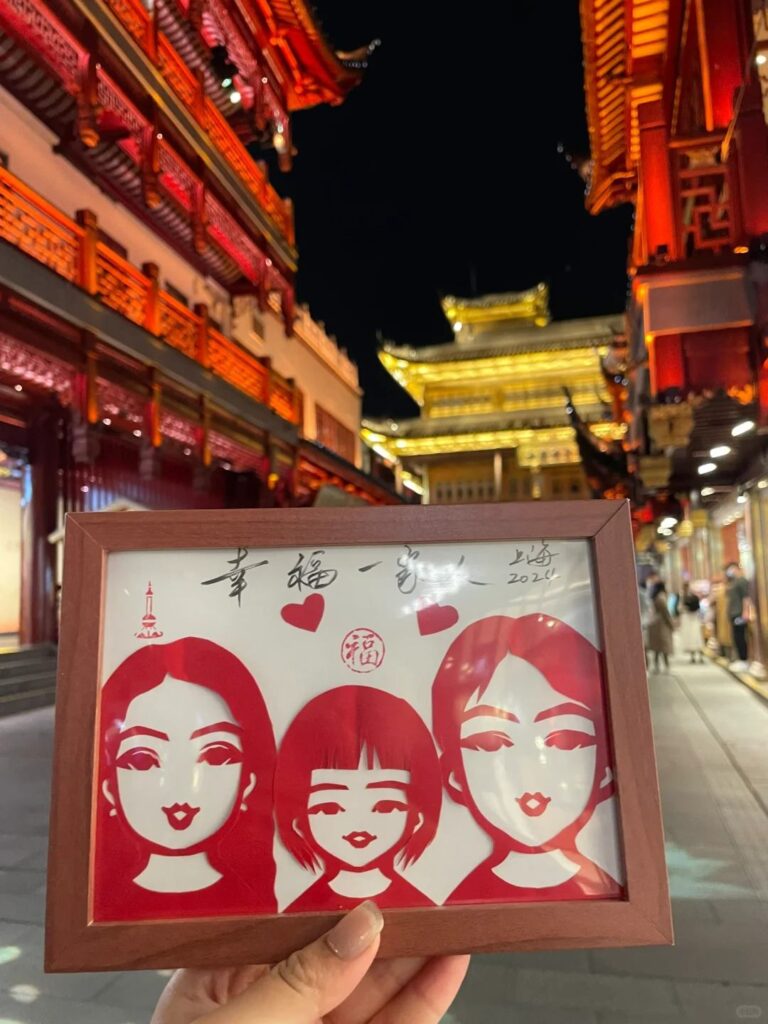
Deng’s Paper Cutting (邓氏剪纸): This tiny shop is a masterclass in detail. For a truly personalized souvenir, the artist can cut a hand-crafted silhouette of your profile from a photo in minutes.
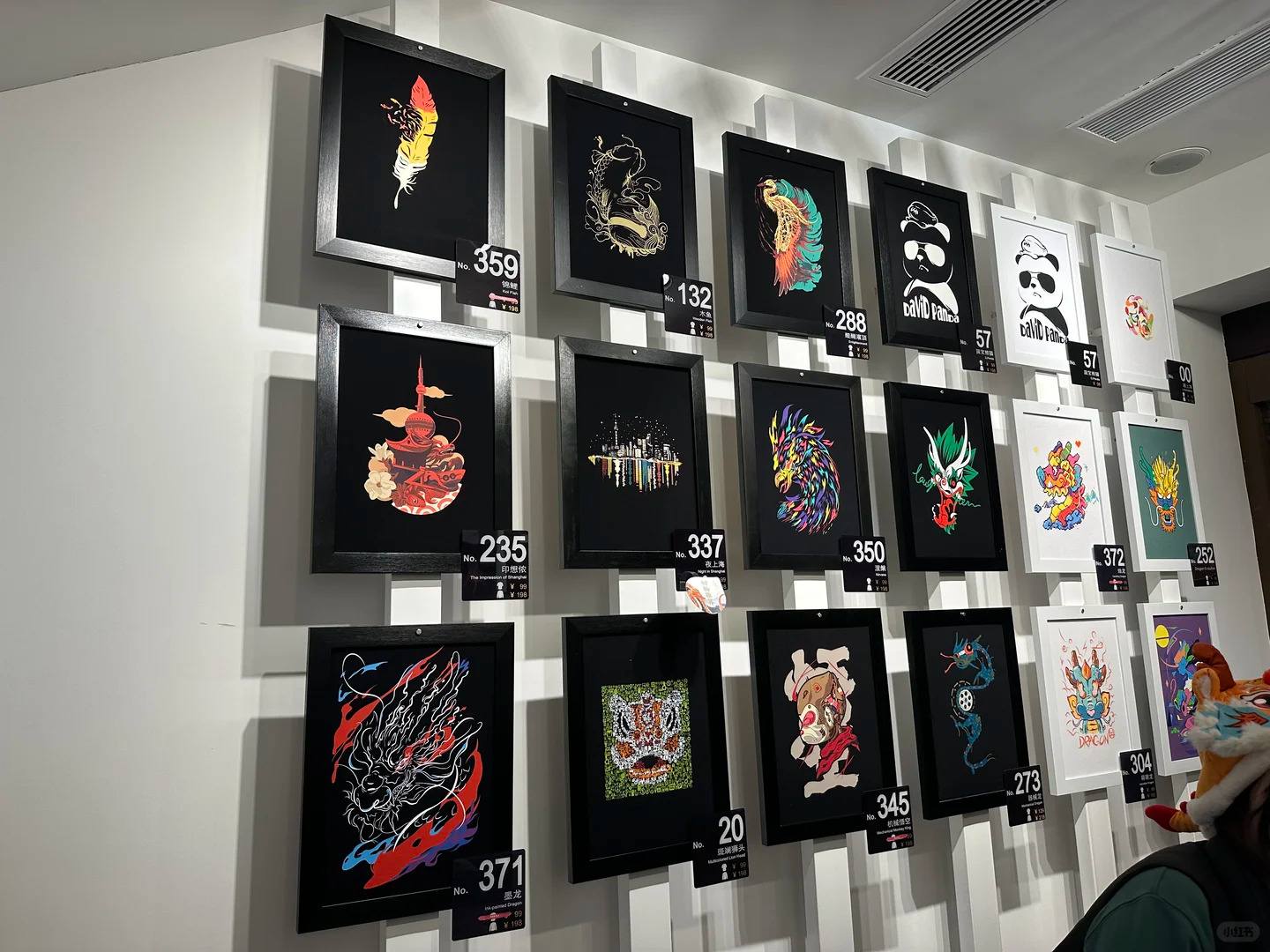
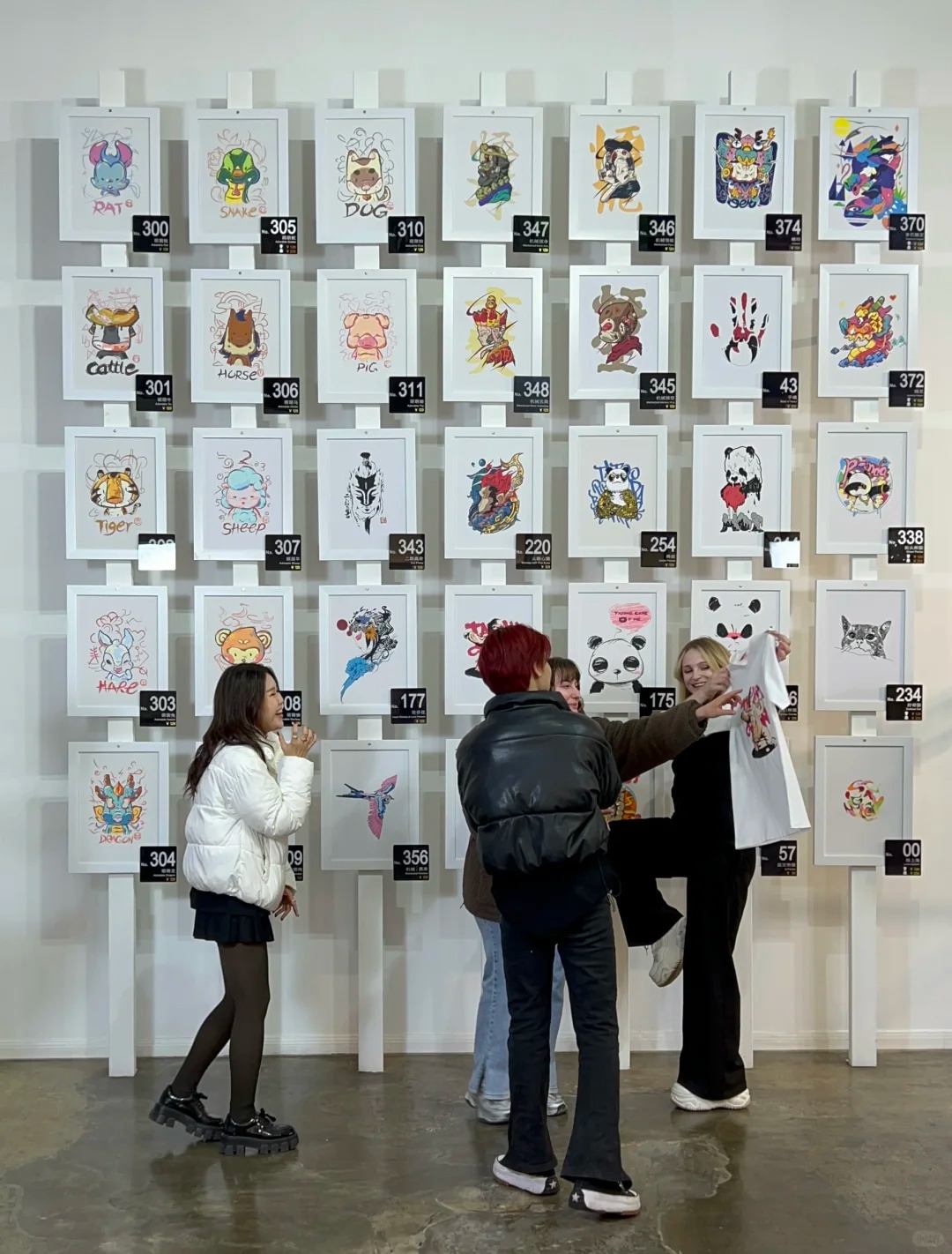
LUSHANGHAI (路上海): For streetwear with a Chinese twist. Their designs feature classic figures like dragons and pandas, but in a way that feels modern and not cheesy. Most pieces range from 100–300 RMB ($15–$40), so they’re great for unique gifts.
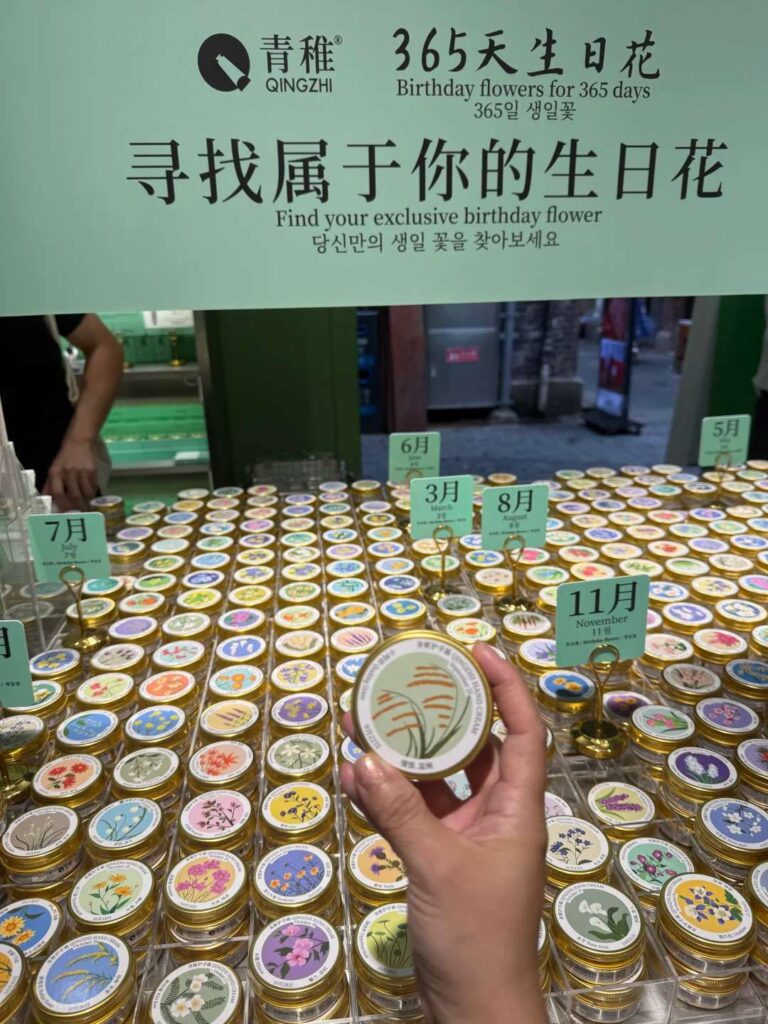
Qingzhi (hand cream, 青稚): A hit with travelers for its clever concept: hand creams categorized by date. You can pick one for your birthday or a special anniversary, and the vintage “Old Shanghai” packaging is a beautiful touch.
Local Eats: Where to Refuel
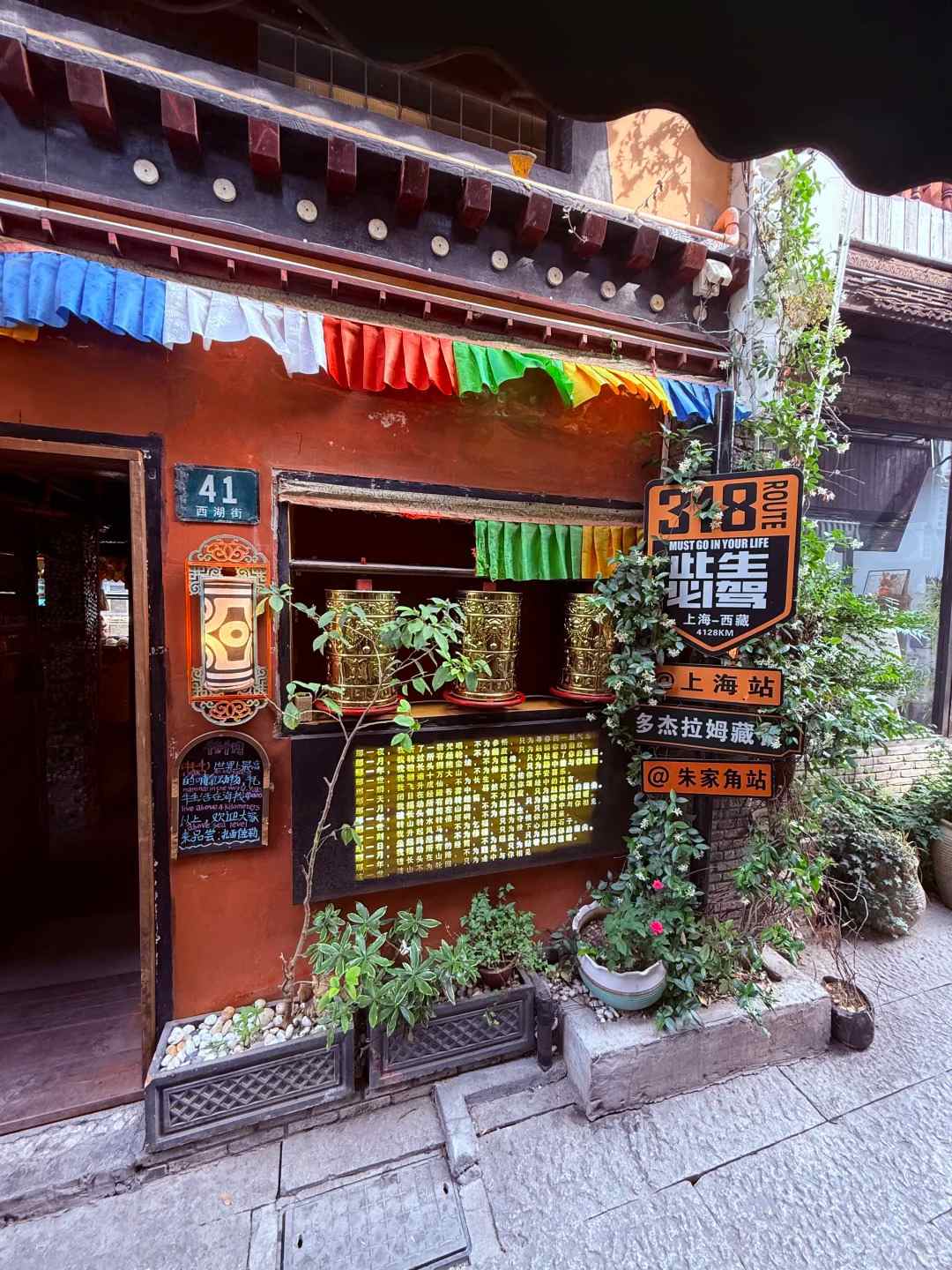
Dorje Lhamu Tibetan Restaurant (多杰拉姆藏餐吧): A vibrant, soulful spot for something different. I recommend you try the yak meat pizza and the sweet milk rice, two unexpected but delicious dishes.
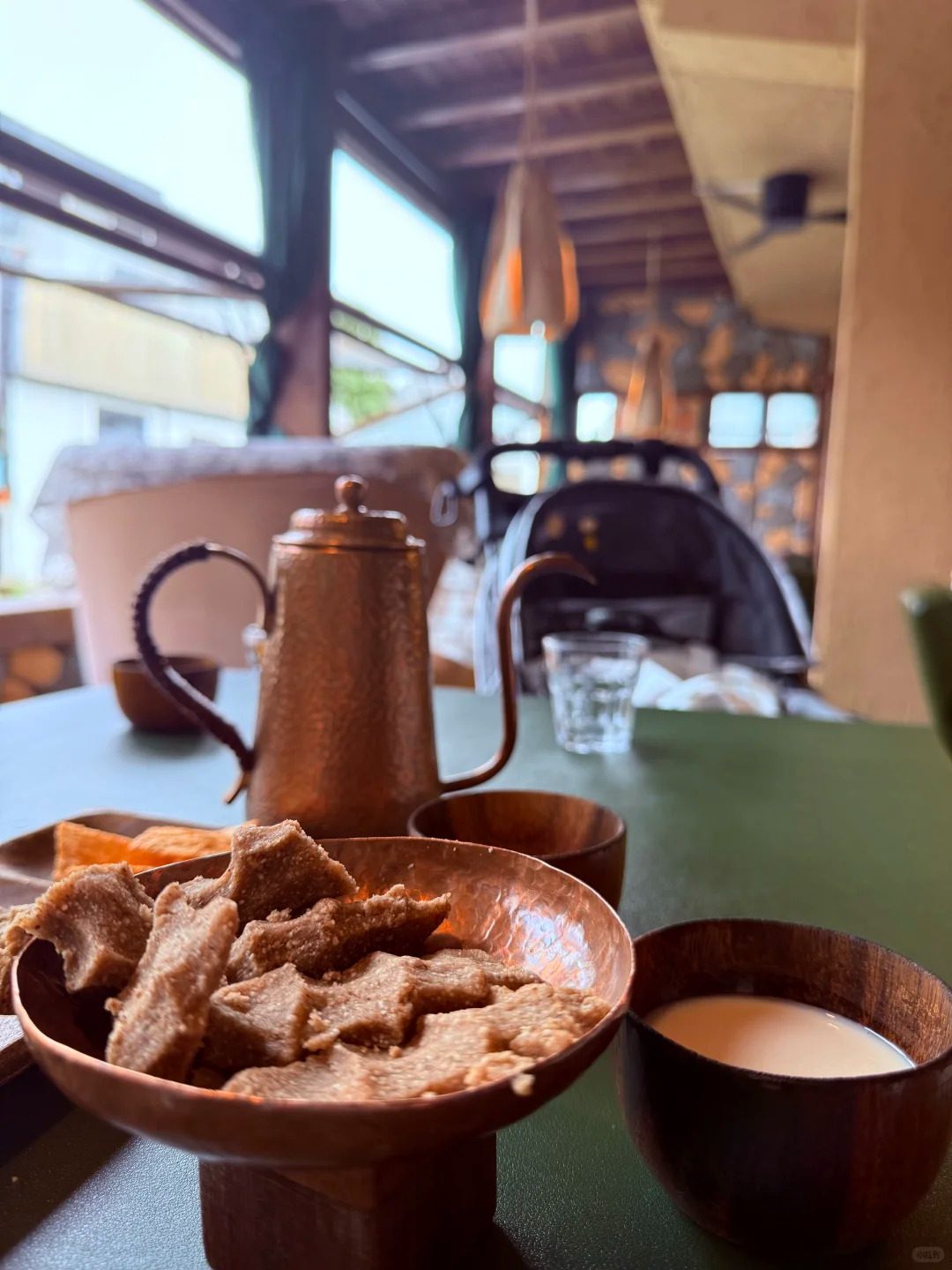
BOHEMIA: The ultimate spot for people-watching. Grab a seat in their Shikumen-style courtyard with a coffee or a plate of pasta and observe the busy alleys.
PONGCIAO Chocolate (碰巧巧克力): A quirky new addition. Their packaging taps into the MBTI personality trend and workplace humor (very popular in China!).
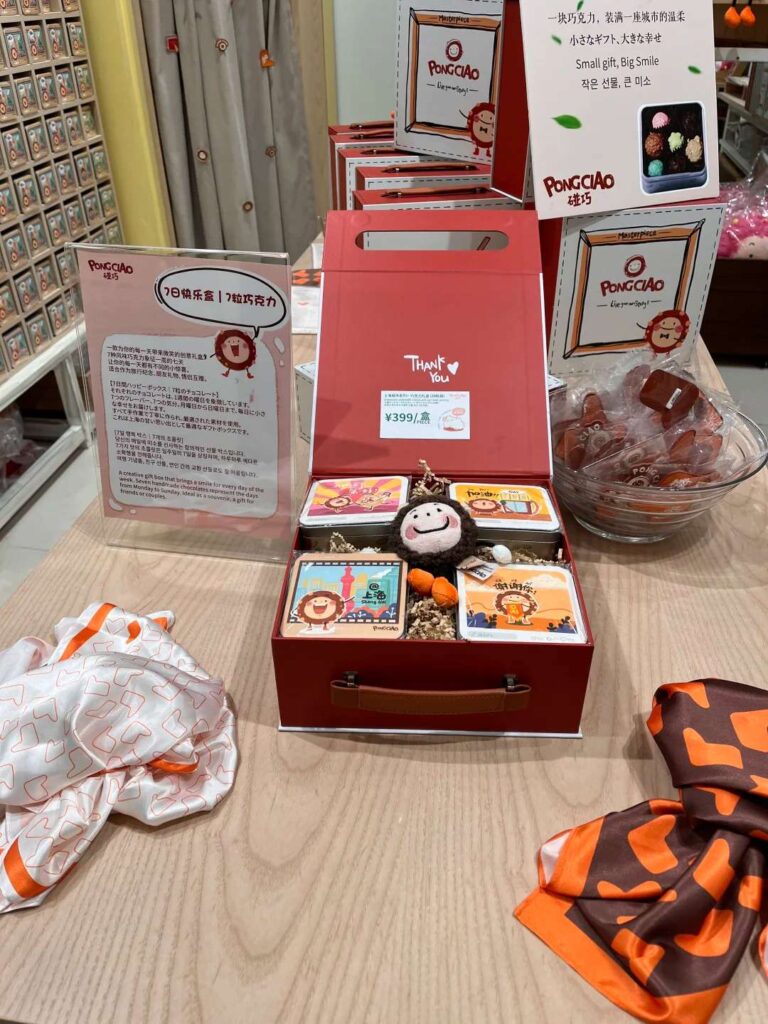
As a bonus, the boxes double as fridge magnets, making them an eco-friendly souvenir.
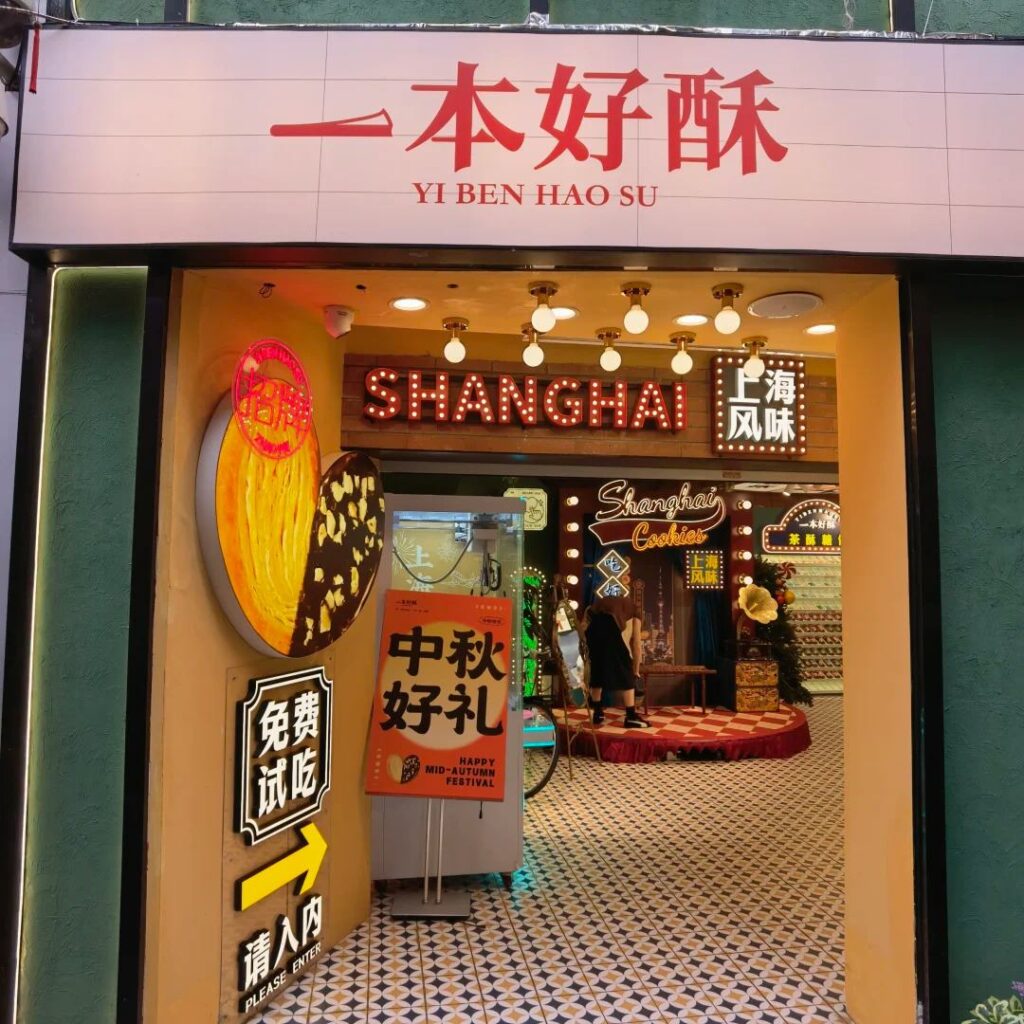
Yibenhaosu (一本好酥, palmiers/butterfly pastries): You can’t leave without trying a classic Shanghai palmier. These crispy, flaky heart-shaped pastries are a local favorite, and the traditional packaging makes them a great snack to take home.
The Verdict: Is Tianzifang Worth the Trip?
In short: Absolutely. For travelers who want to see the side of Shanghai that exists beyond the glitzy skyscrapers, the “nongtang” (lane house) culture here is unbeatable. However, keep a few things in mind:
Don’t expect a pristine monument: It’s not the Forbidden City, but a living neighborhood. The fun is in getting lost, so embrace the energy that exists beyond just souvenir shops.
Look beyond the storefronts: Take the time to admire the truest version of Tianifang, in the gray bricks, the tangled wires overhead, and the quiet alleys.
Read More:
Best Things to Do in Shanghai
Is Shanghai Safe for Tourists?