Zhujiajiao Day Trip from Shanghai – An Authentic Shanghai Water Town
Honestly, before I visited Shanghai, all I knew of it was the Bund and the massive skyscrapers. I’d heard of famous water towns nearby, like Wuzhen near Hangzhou, but it had never occurred to me that Shanghai could have its own ancient town. It wasn’t until a local friend strongly recommended that I visit Zhujiajiao that I decided to check it out. She described it as “Shanghai’s Venice” and a fantastic place to experience the culture of the Jiangnan water regions.
It turned out my friend was absolutely right… It was a masterpiece! With its crisscrossing waterways, ancient bridges, and Ming and Qing dynasties houses along the water, it looked almost like a painting. And the best part? The town itself doesn’t charge an entrance fee; you only need tickets for a few specific attractions, and a combined pass is very reasonably priced.
Combo Ticket: ¥60 (approximately 7.50 USD) — includes admission to Kezhi Garden, Hexin Garden, and Helong Art Museum.
Getting to Zhujiajiao
Getting to the town from Shanghai is super convenient. You take Metro Line 17 to the Zhujiajiao Station, take Exit 1, and then it’s about a 900 meter (0.6 mile) walk to the town’s entrance.
This is a bit of a walk, so you also have the option to take a wooden sightseeing boat directly to the town’s center, the Fangsheng Bridge. It does take a while, but the scenery along the way is quite nice. The boat ride costs 40 RMB (5.5 USD) per person.
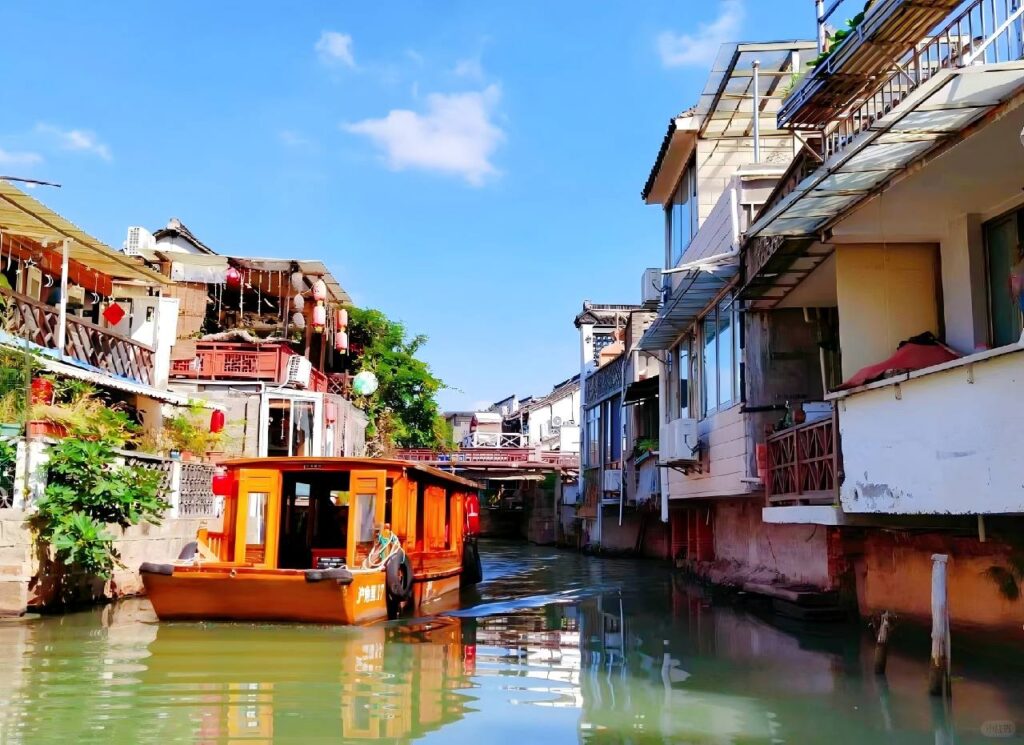
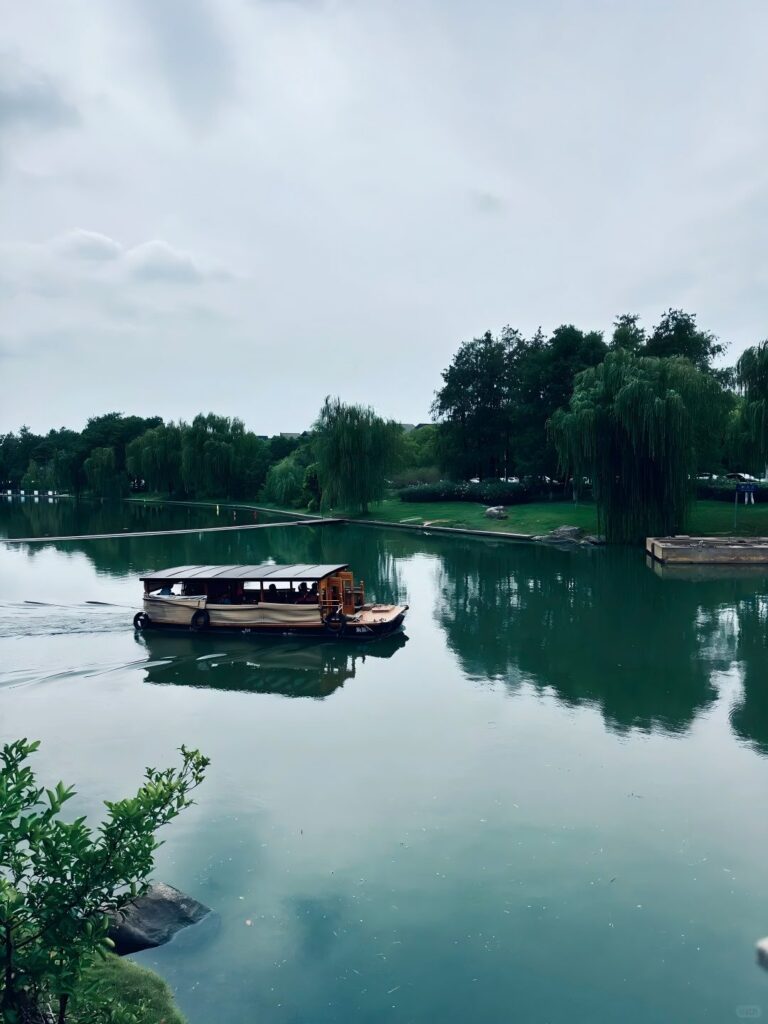
I chose to walk, as I’d already taken a boat in Suzhou, and it took me about 10 minutes.
If you decide to skip the boat, there are other boat rides available within the scenic area. These are more traditional, hand-rowed sculling boats, which adds an authentic touch to the experience. The rides last only about 15 minutes, and the price is similar to the sightseeing boats. Either way, since you are in a water town, taking a boat makes the experience all the more enjoyable.
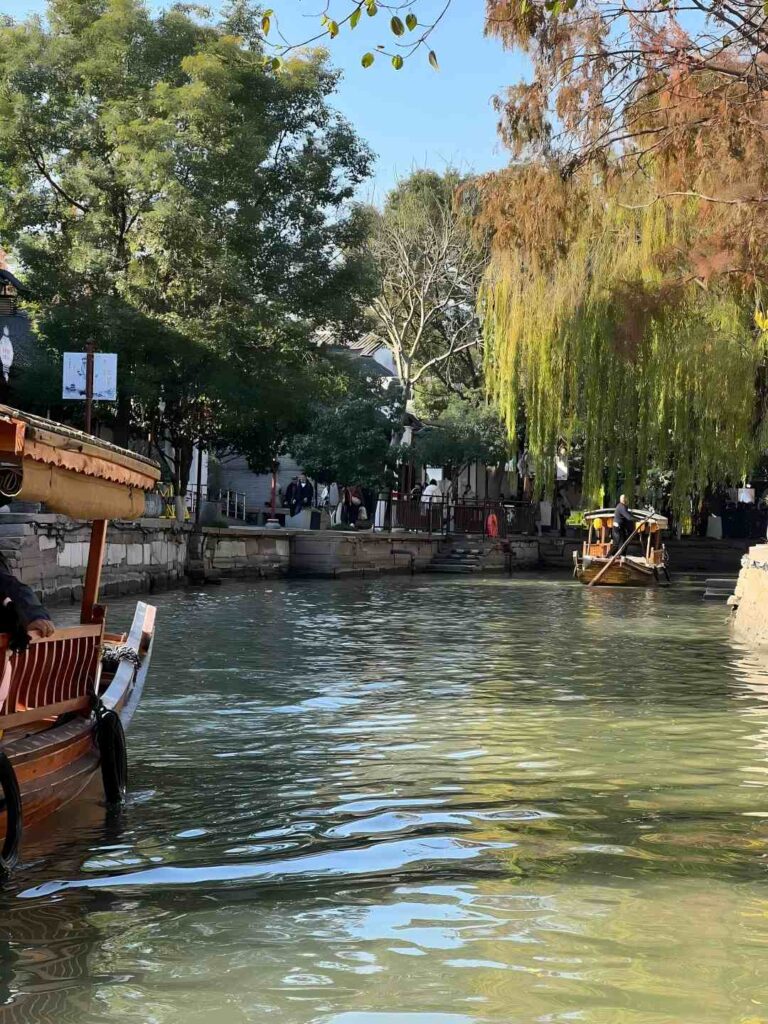
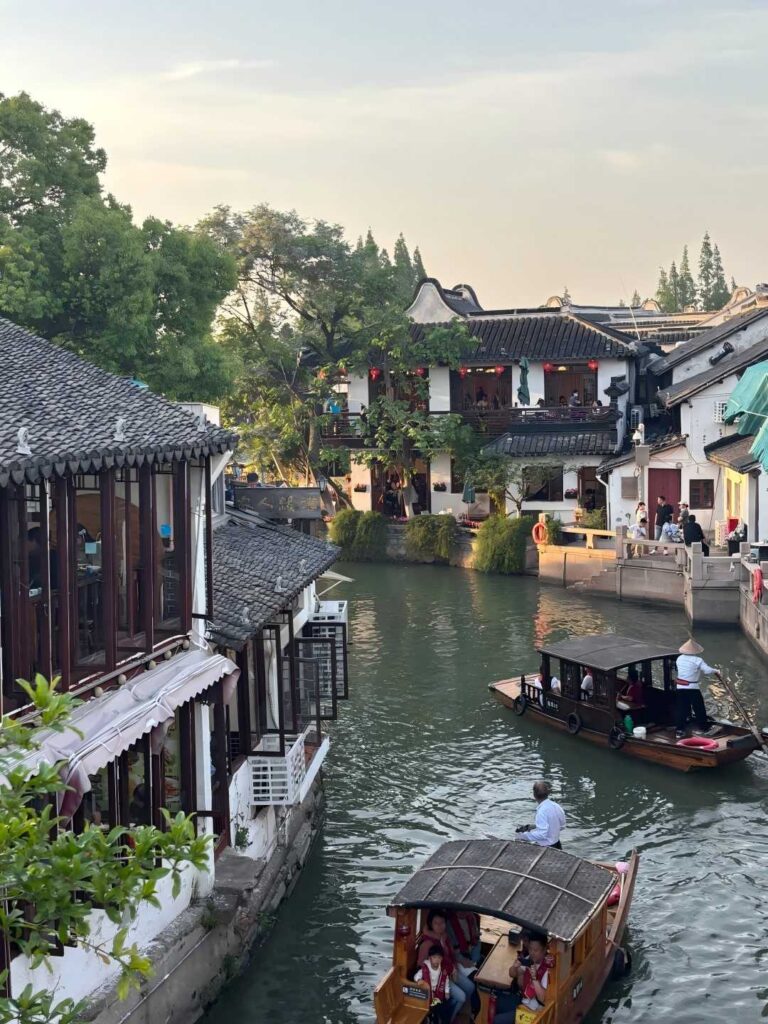
Quick tip: The Zhujiajiao scenic area provides an online English map with real-time positioning, which is really helpful for navigating!
A Stroll Through History: Key Stops
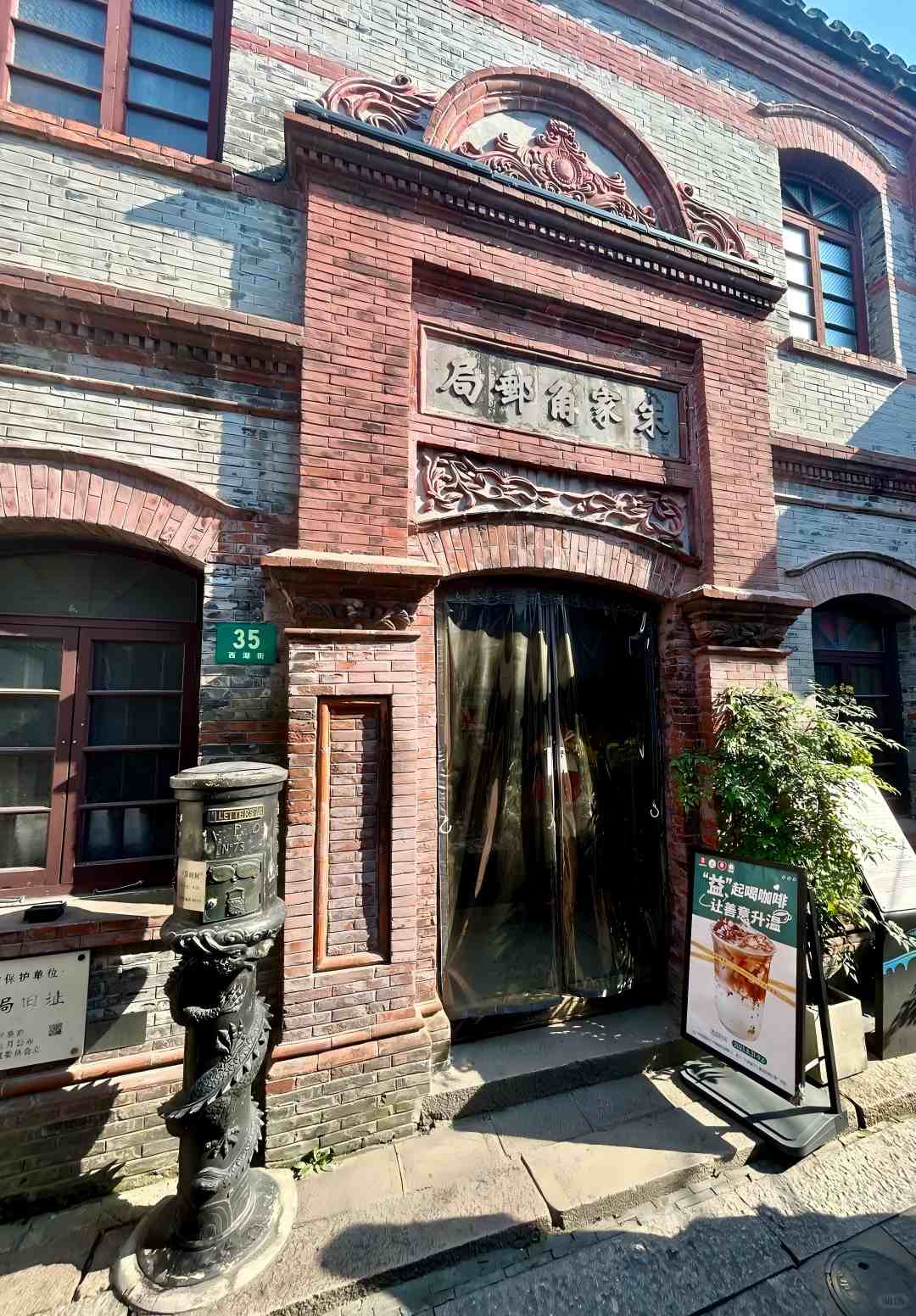
When I arrived, the first landmark I saw was the famous Former Post Office of the Great Qing Dynasty.
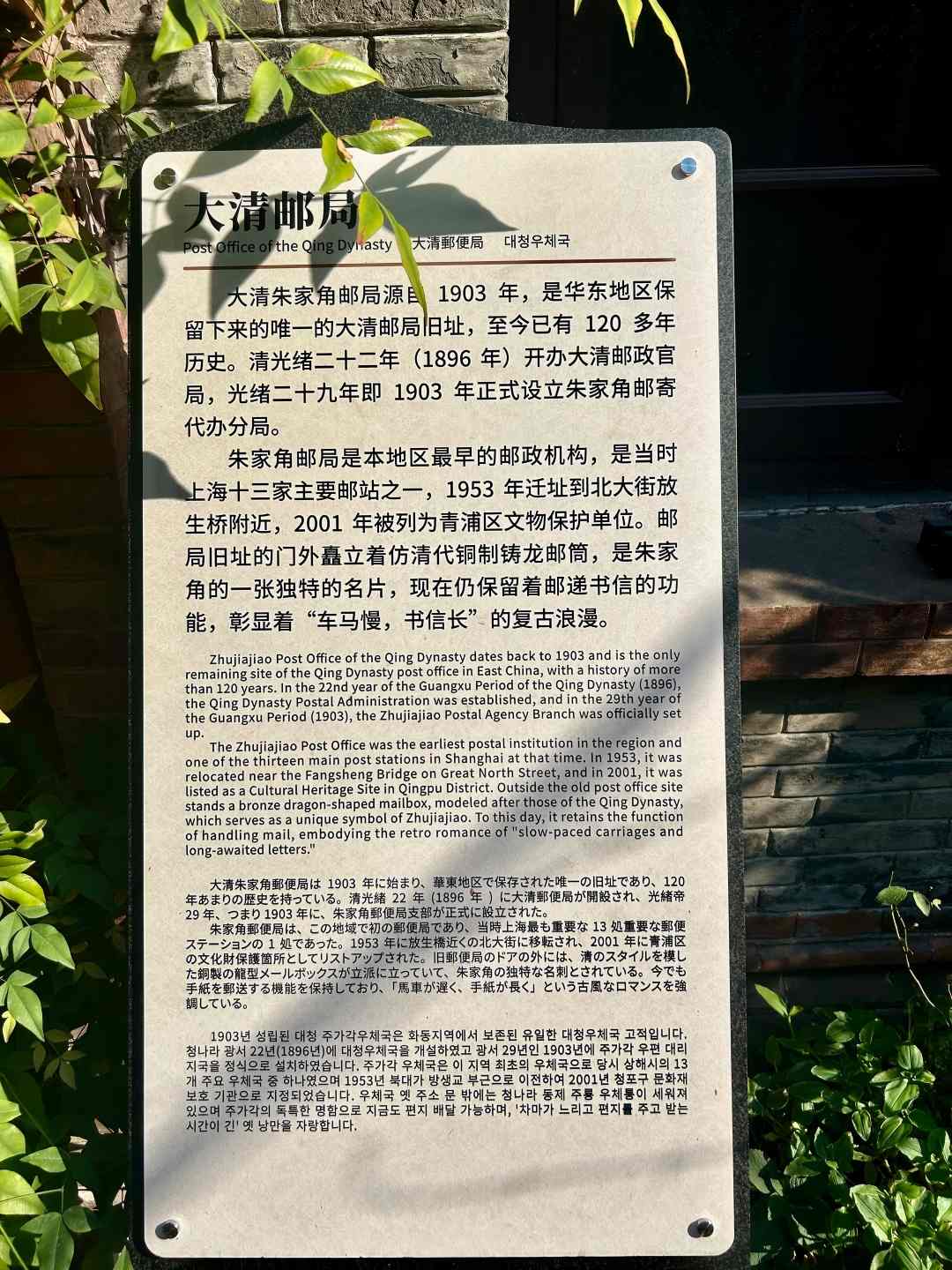
This distinctive, two-story European-style red brick building is historically significant, as it’s the only surviving Qing Dynasty post office in the entire East China region.
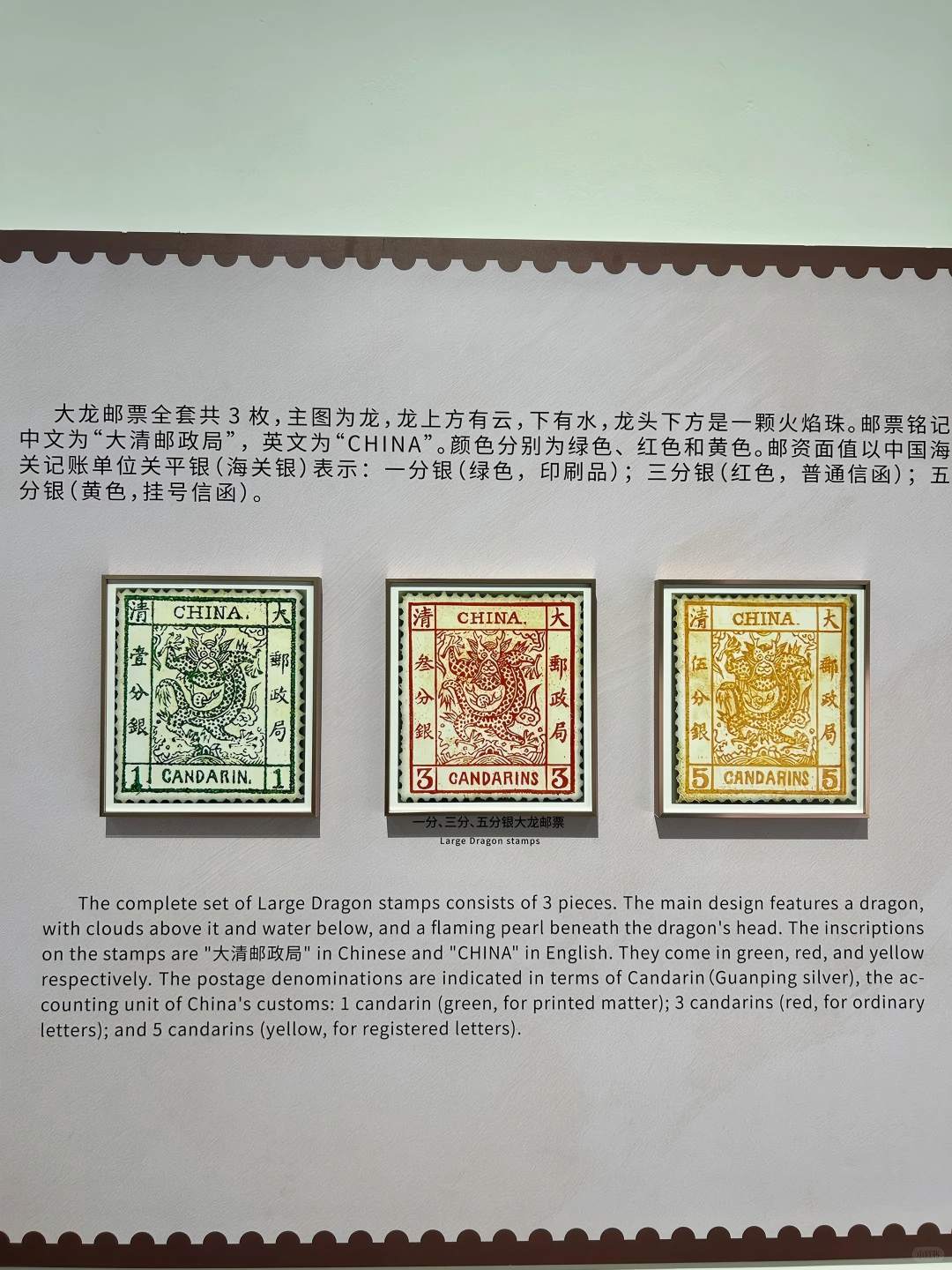
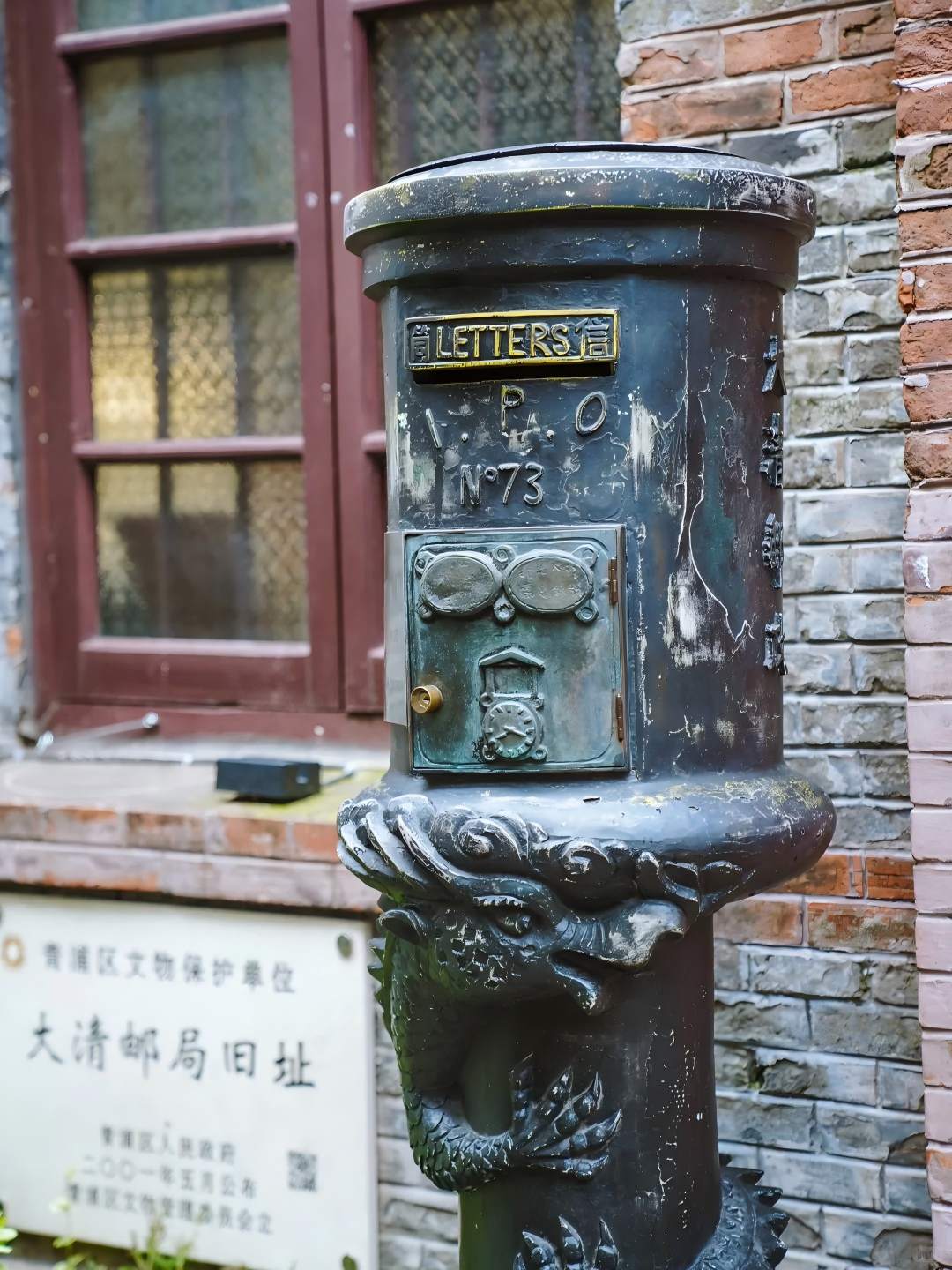
Founded in 1903, during the 29th year of Emperor Guangxu’s reign, it was one of Shanghai’s 13 main postal stations. It was the information hub that connected Zhujiajiao to the outside world, and standing in front of it, you can feel its history. Inside, you can buy cultural souvenirs on the first floor, and see original postcards and letters on the second floor. Make sure to look for the Qing Dynasty coiling dragon copper mailbox outside; it’s still in use, and I hear mail is collected every day at 2:20 p.m.
Afterward, I followed the quiet river, crossing both the Yongfeng Bridge and the Zhong Guanyin Bridge. The Yongfeng Bridge, built in 1627, means “perpetual abundance,” reflecting the locals’ wish for “plenty of food and clothing.”
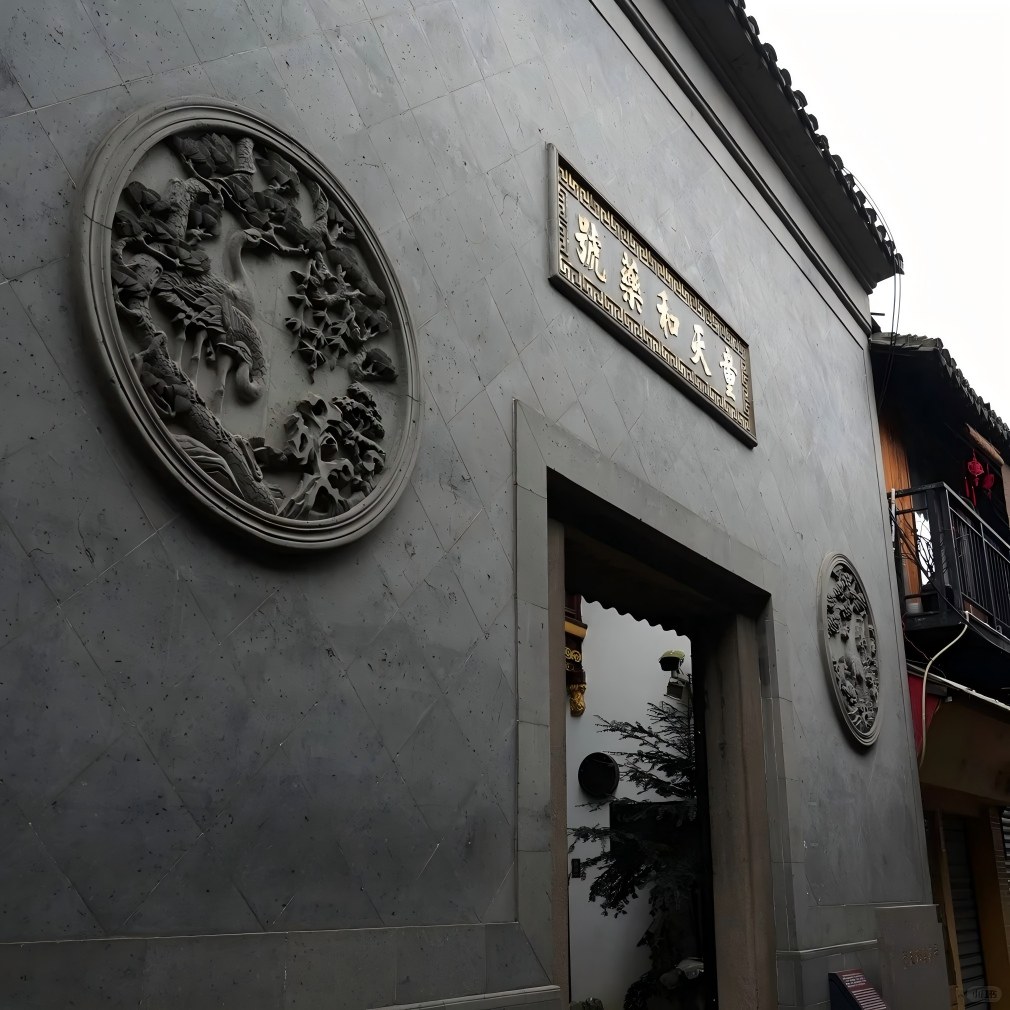
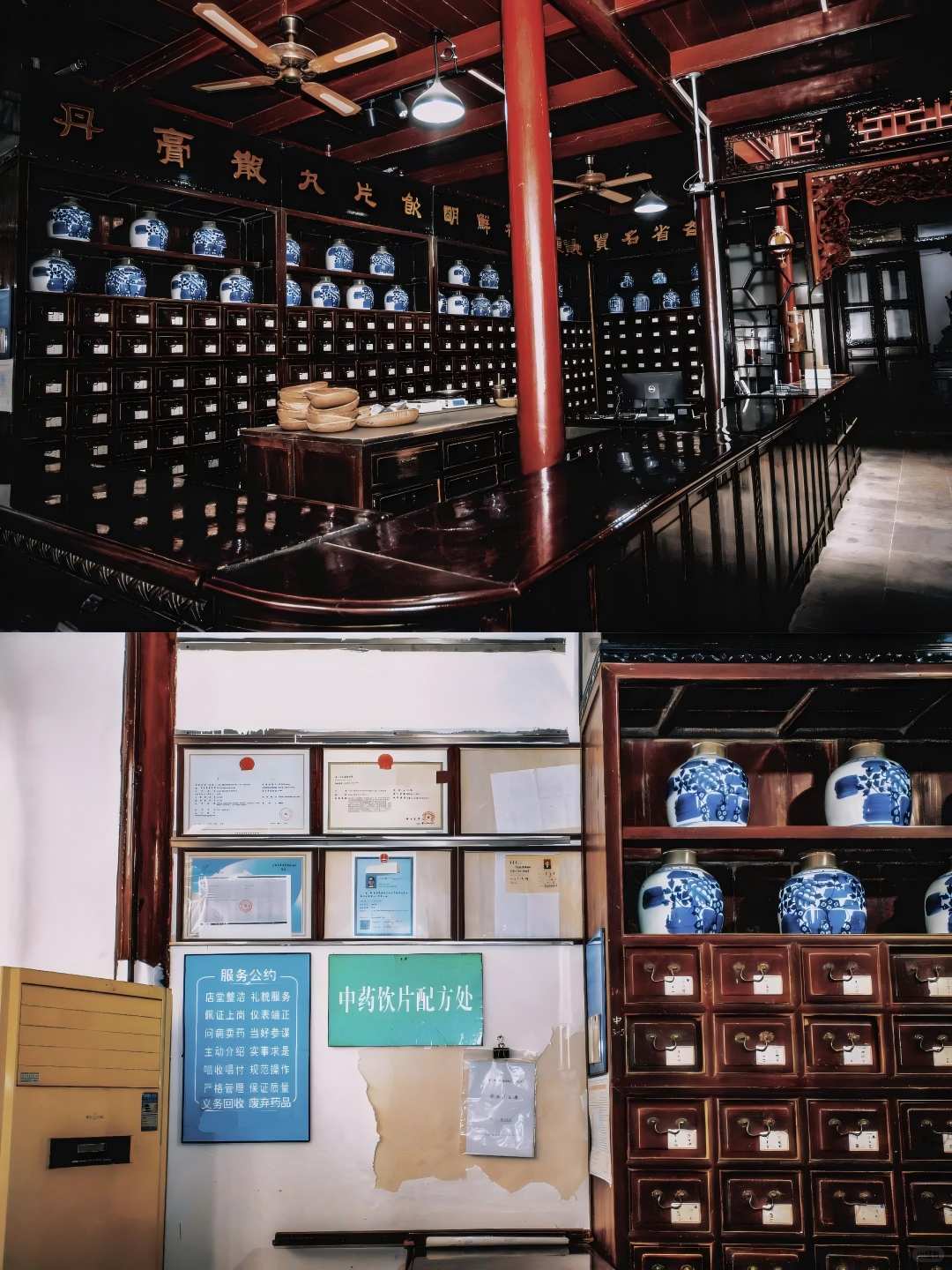
In addition to a few lovely coffee shops along the way, you’ll see the century-old Tongtianhe Pharmacy (童天和药号), established in 1877. Even if you don’t need to buy any medicine, it’s fascinating to step inside to get a feel for a traditional Chinese apothecary.
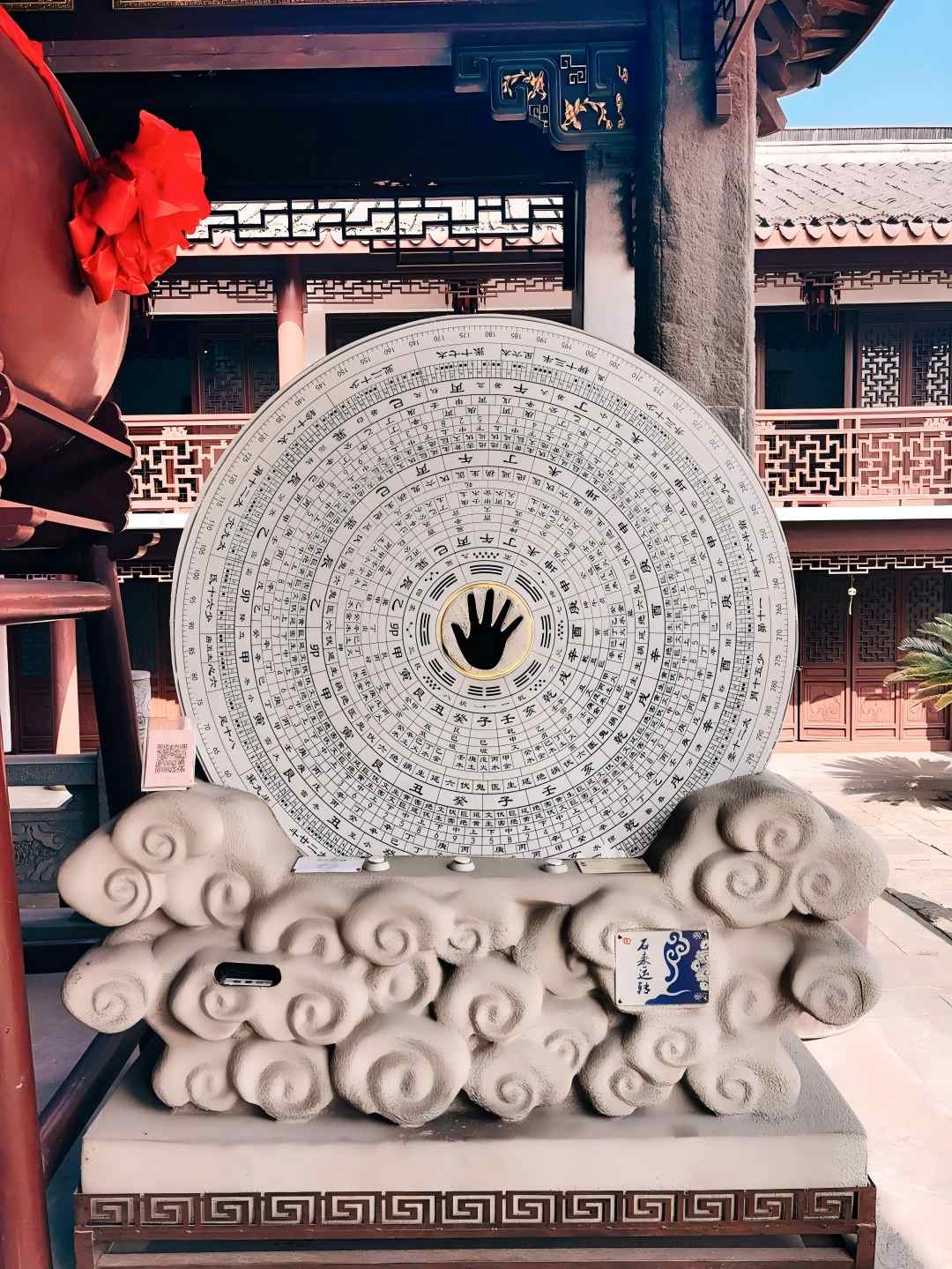
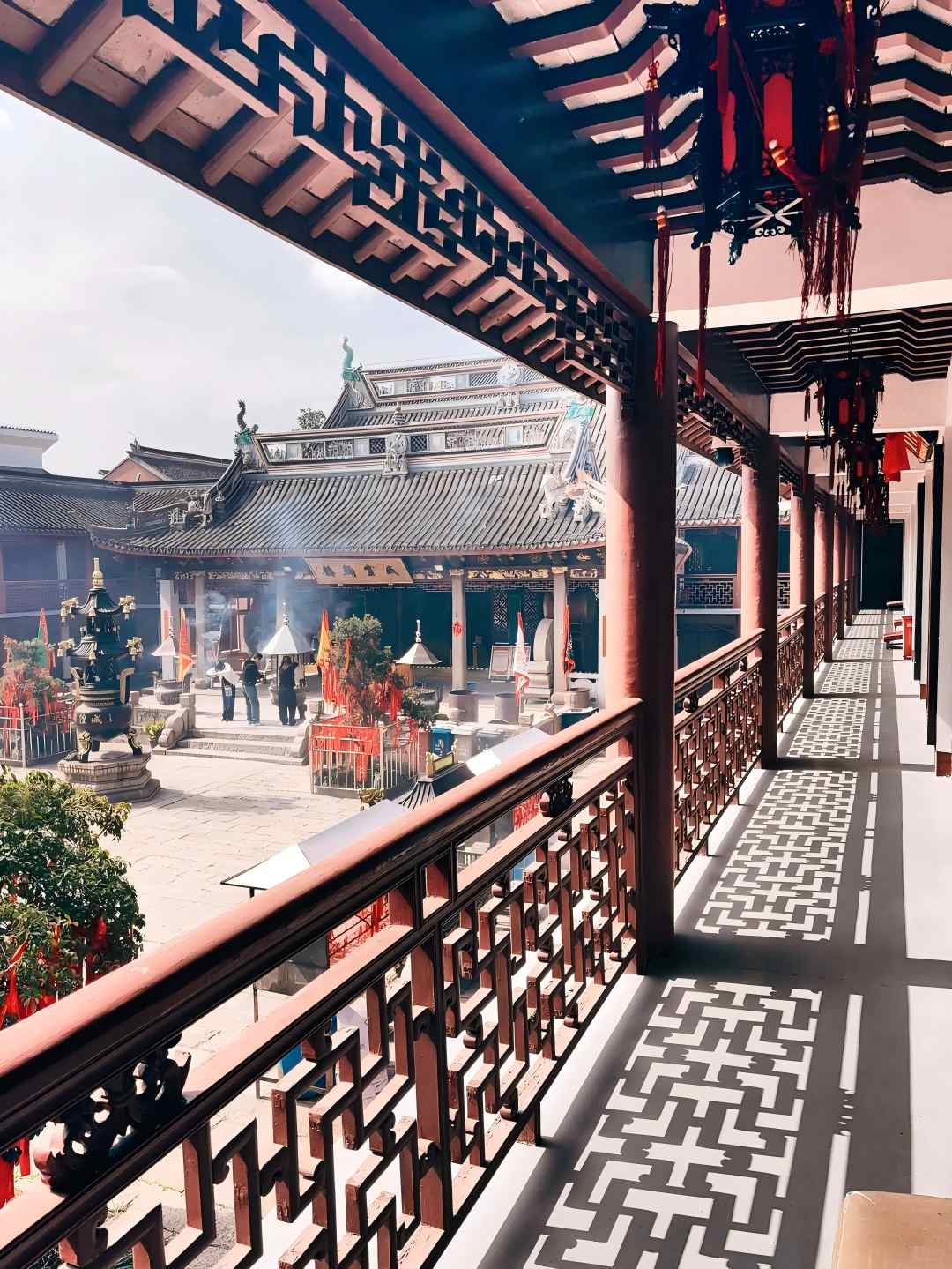
Further along is the City God Temple. In ancient Chinese folk religion, every town had a temple dedicated to the guardian deity of that area, and this particular temple enshrines the protective deity of the ancient Qingpu County.
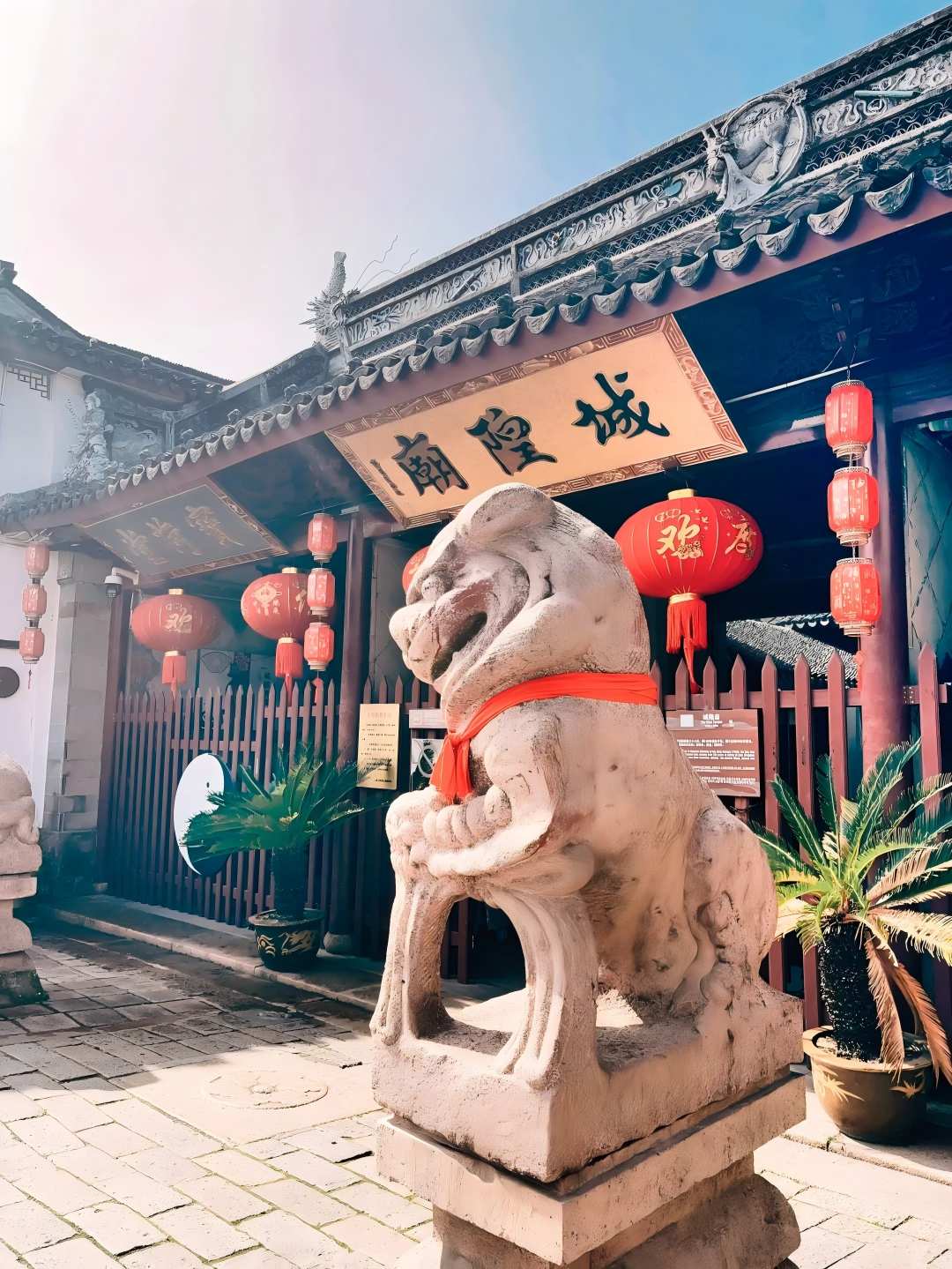
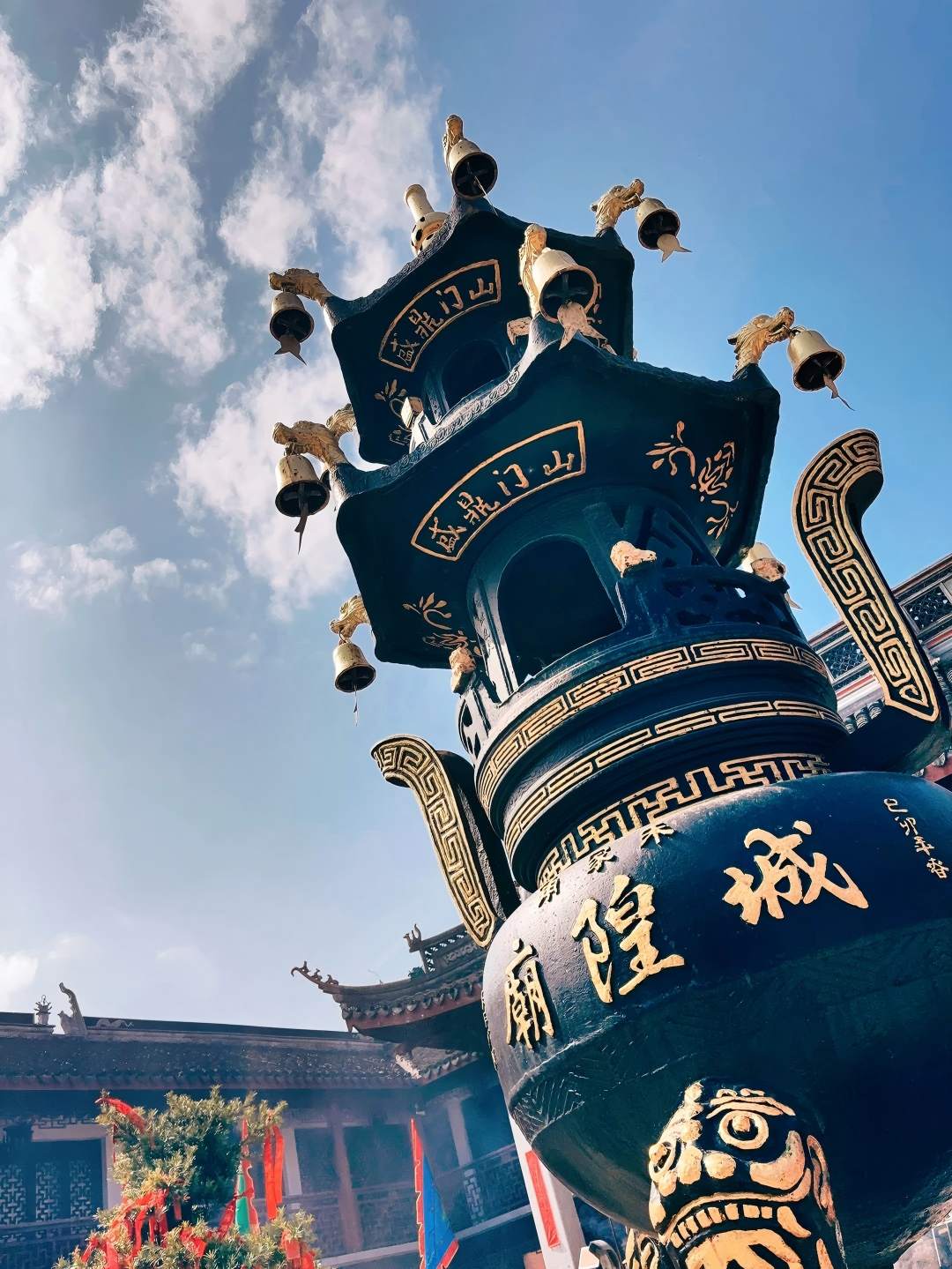
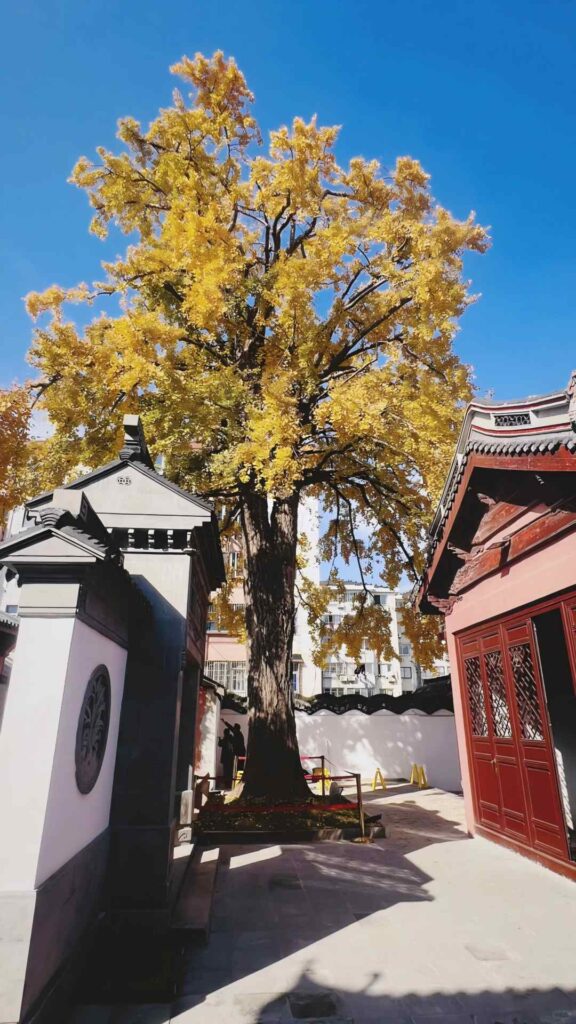
Here you’ll find a beautiful 300-year-old ginkgo tree, which makes for great photos.
Heading north, I came to the Pingan Bridge (平安桥), also known as the Qijia Bridge (戚家桥), which was one of my favorite spots.
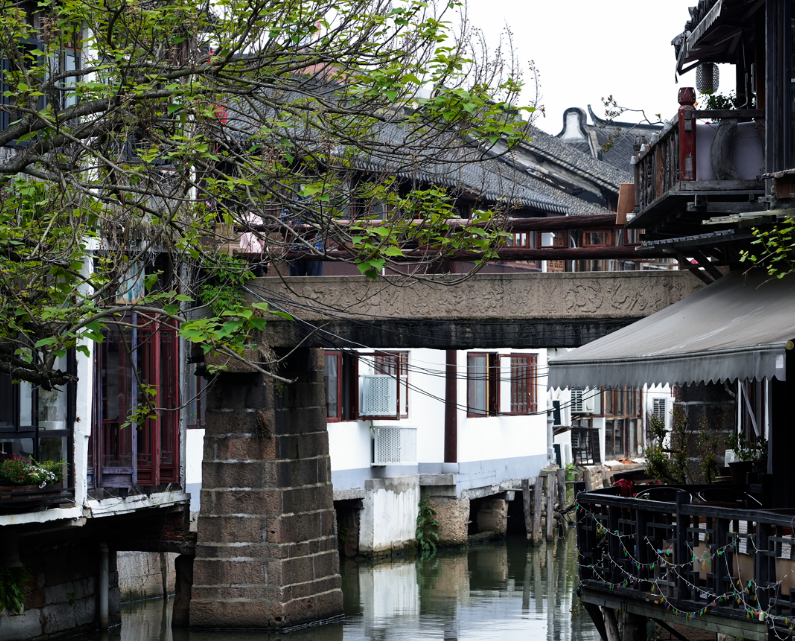
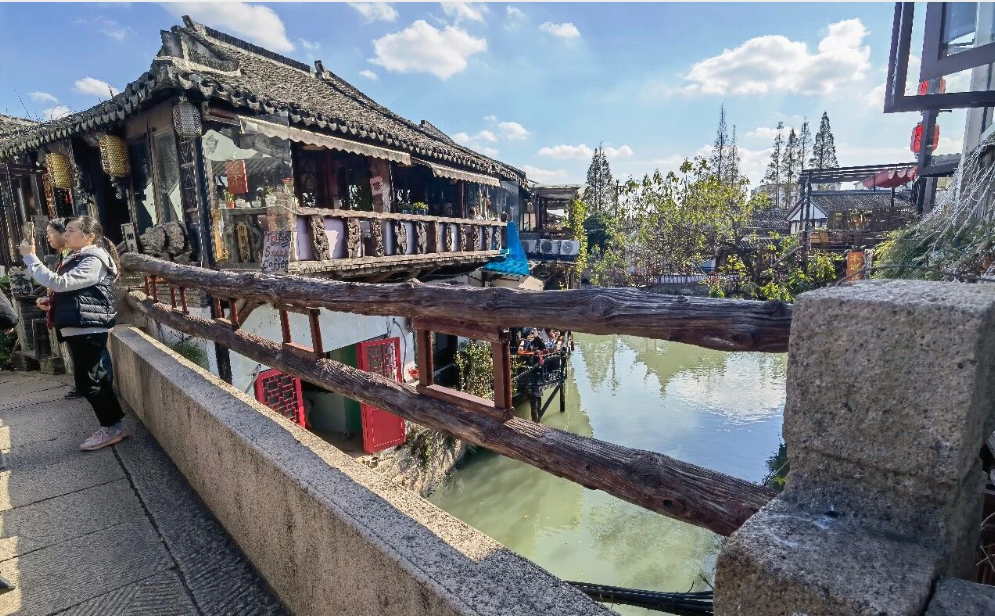
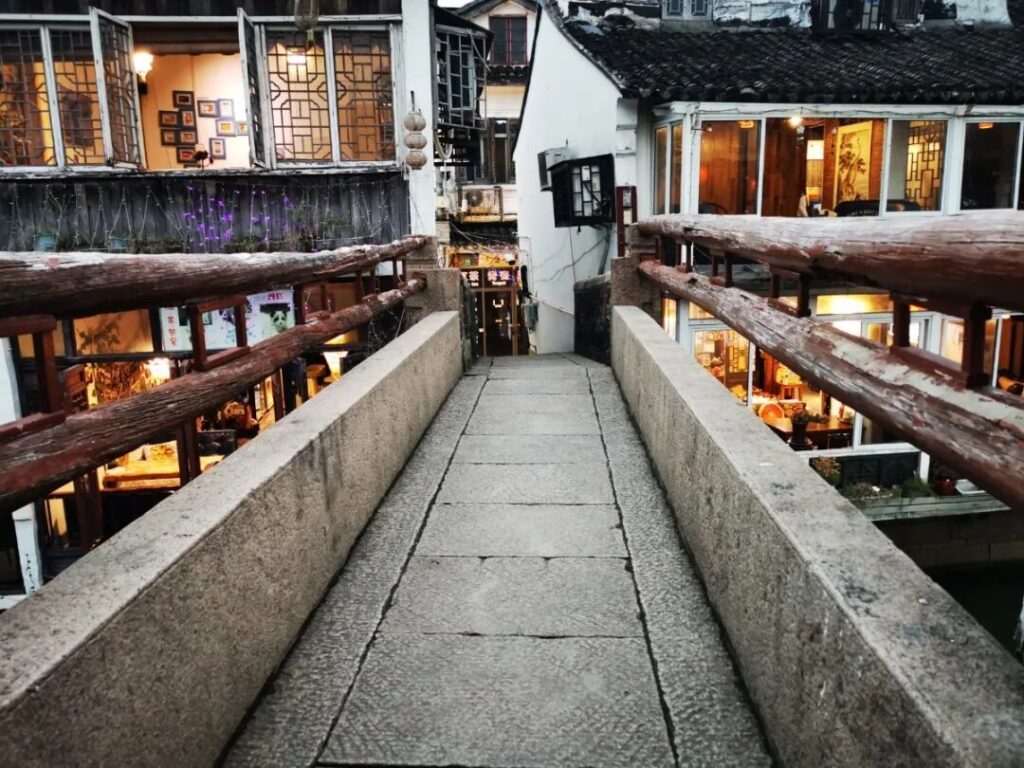
The bridge’s body and base are granite, but the handrails are just two uncarved logs. It’s the only stone bridge in this ancient town that makes a unique sound underfoot when I walk on it.
A Slice of History: Legend says it was built when Qi Jiguang, the famous Ming Dynasty general, passed through with his army. Qi Jiguang and his “Qi Family Army” are famous for successfully fighting off Japanese pirates along the southeast coast. Though the truth is hard to verify, the bridge likely represents the locals’ commemoration of this national hero.
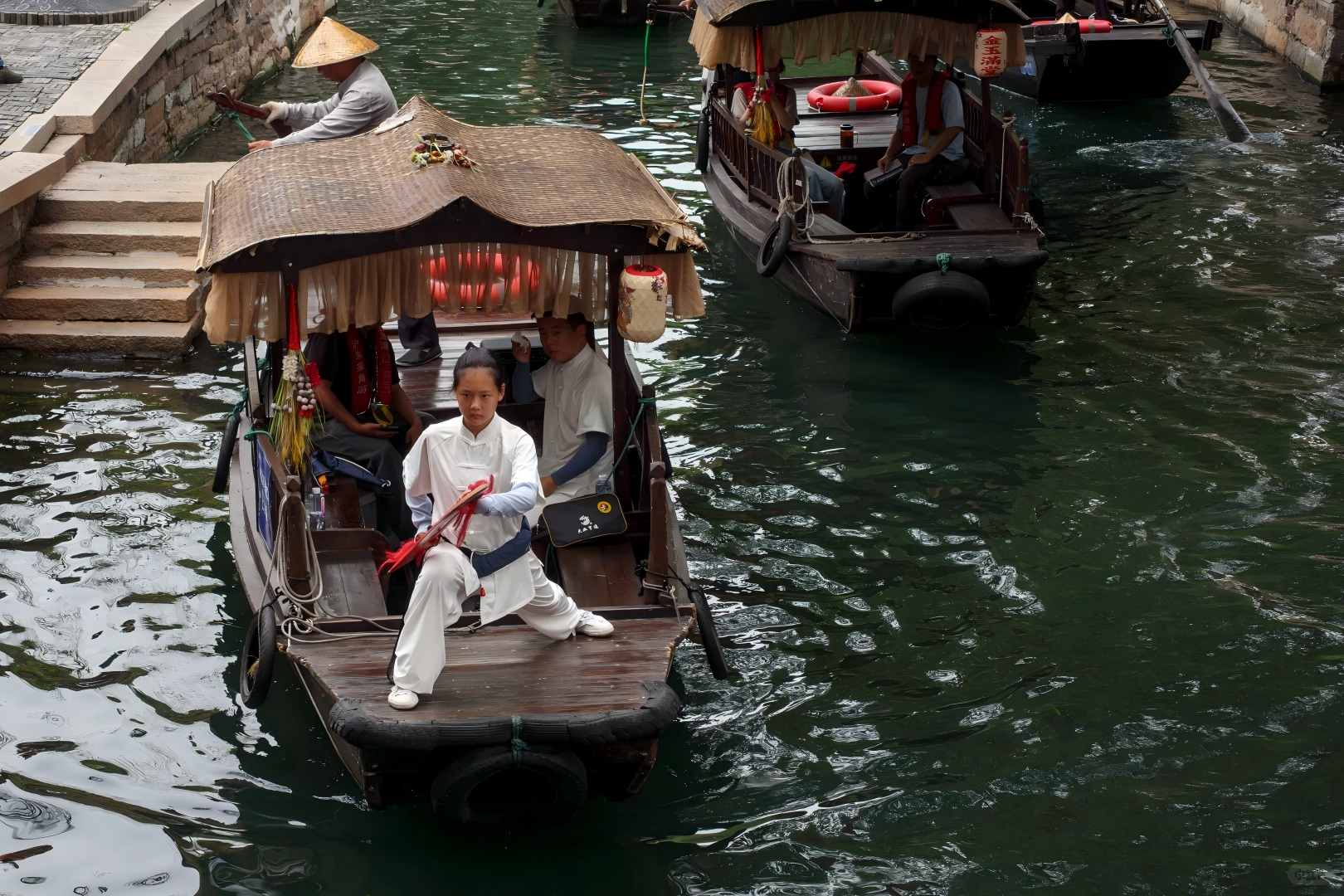
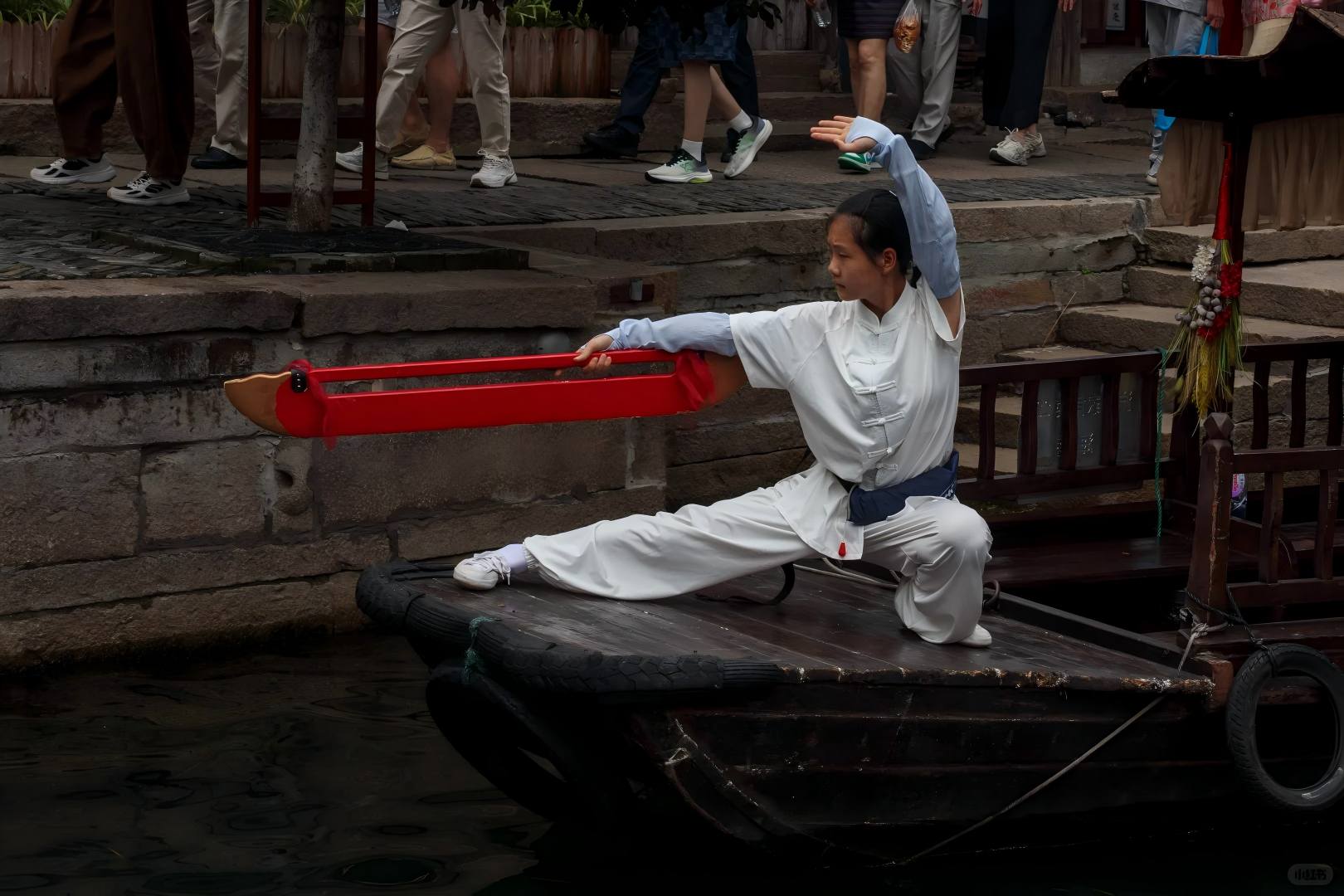
It was here that I was lucky enough to see a rare boat boxing performance. This is a unique local martial art, created by Zhujiajiao villagers for self defense during the pirate incursions in the Ming Dynasty.
It is performed on the small space of a boat’s bow, and is the only indigenous martial art practiced in Shanghai.
After passing the City God Temple Bridge, you’ll encounter the Covered Bridge (廊桥), also called the Huimin Bridge.
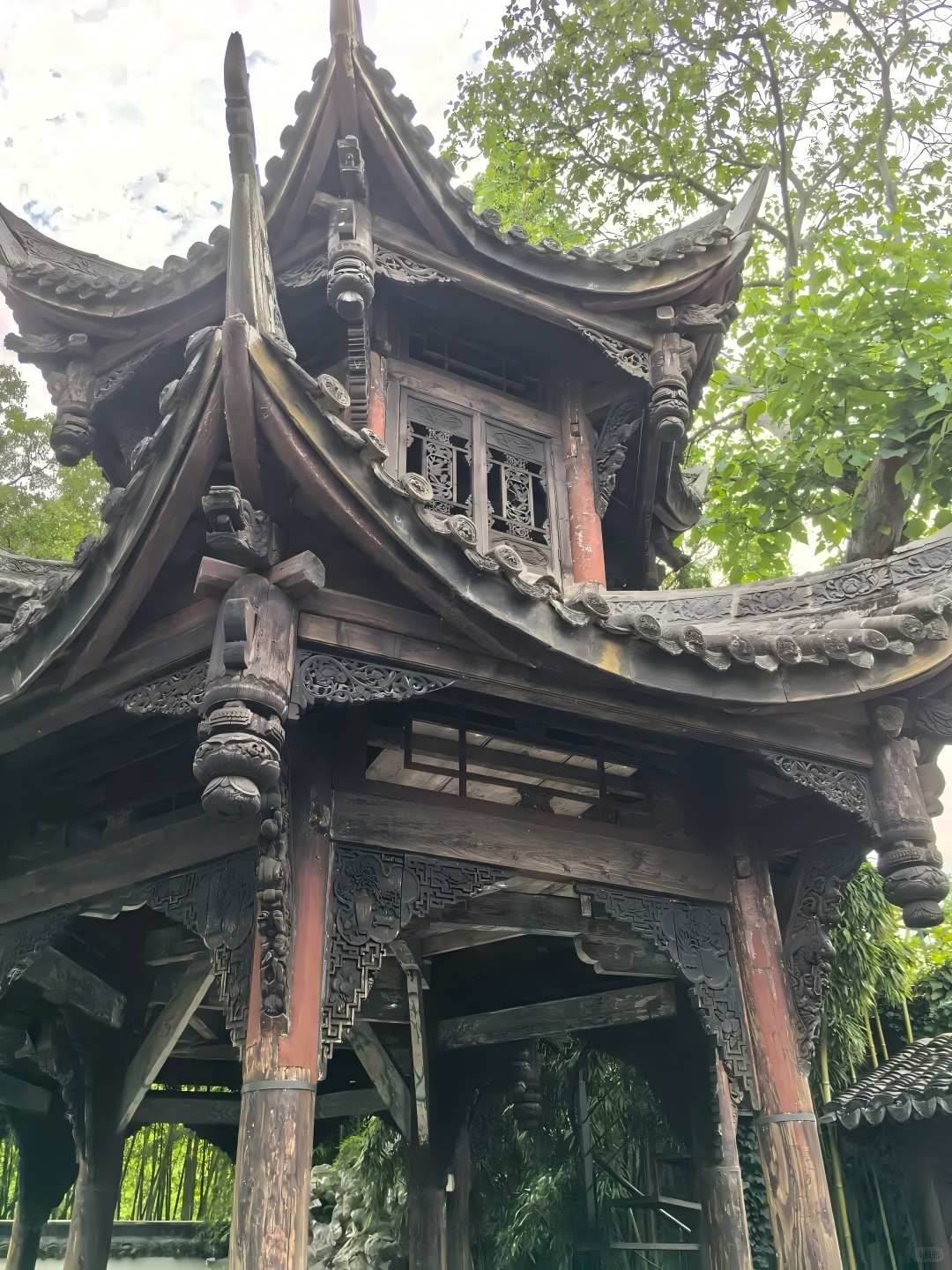
This is the ancient town’s only wooden structure bridge. It’s a nice spot to rest and view the scenery, and the roof provides relief from the sun and rain. The bridge has white walls on both sides, with beautiful octagonal lattice windows and a gently upturned lower roof.
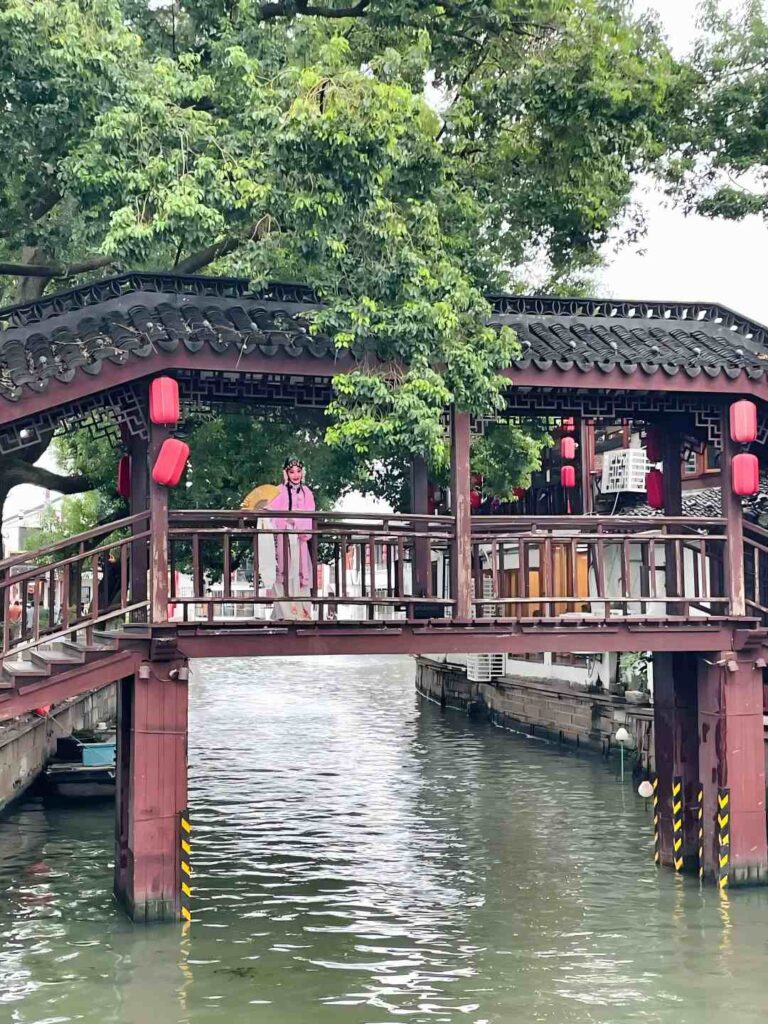
Covered bridges like this one were practical during ancient times, and are especially common in the southern part of the Zhejiang province. While this one is small, it nonetheless feels both graceful and solid.
The bridge led me directly into the heart of the ancient town, Beidajie, or North Street. This busy area is known as the “first Ming and Qing Dynasty street in Shanghai,” and boasts a history of over 400 years. An old saying describes it as a “three-li-long street with a thousand shops” (about one mile). The rooftops of the shops are so close together that when you look up, you can see only a thin sliver of sky, which is why locals refer to it as “one-line street.”
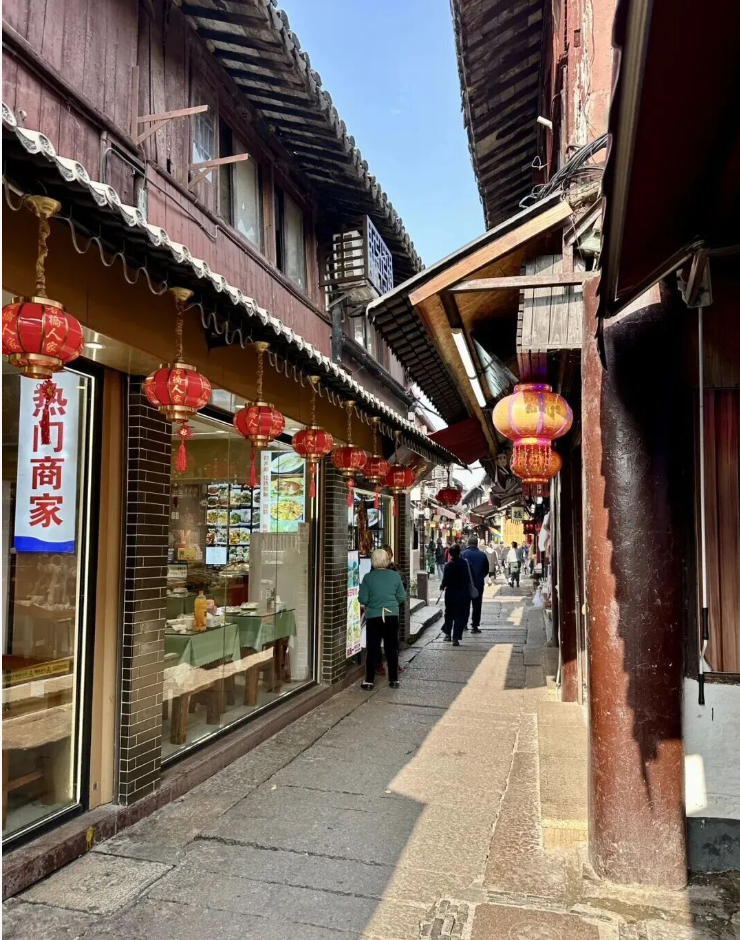
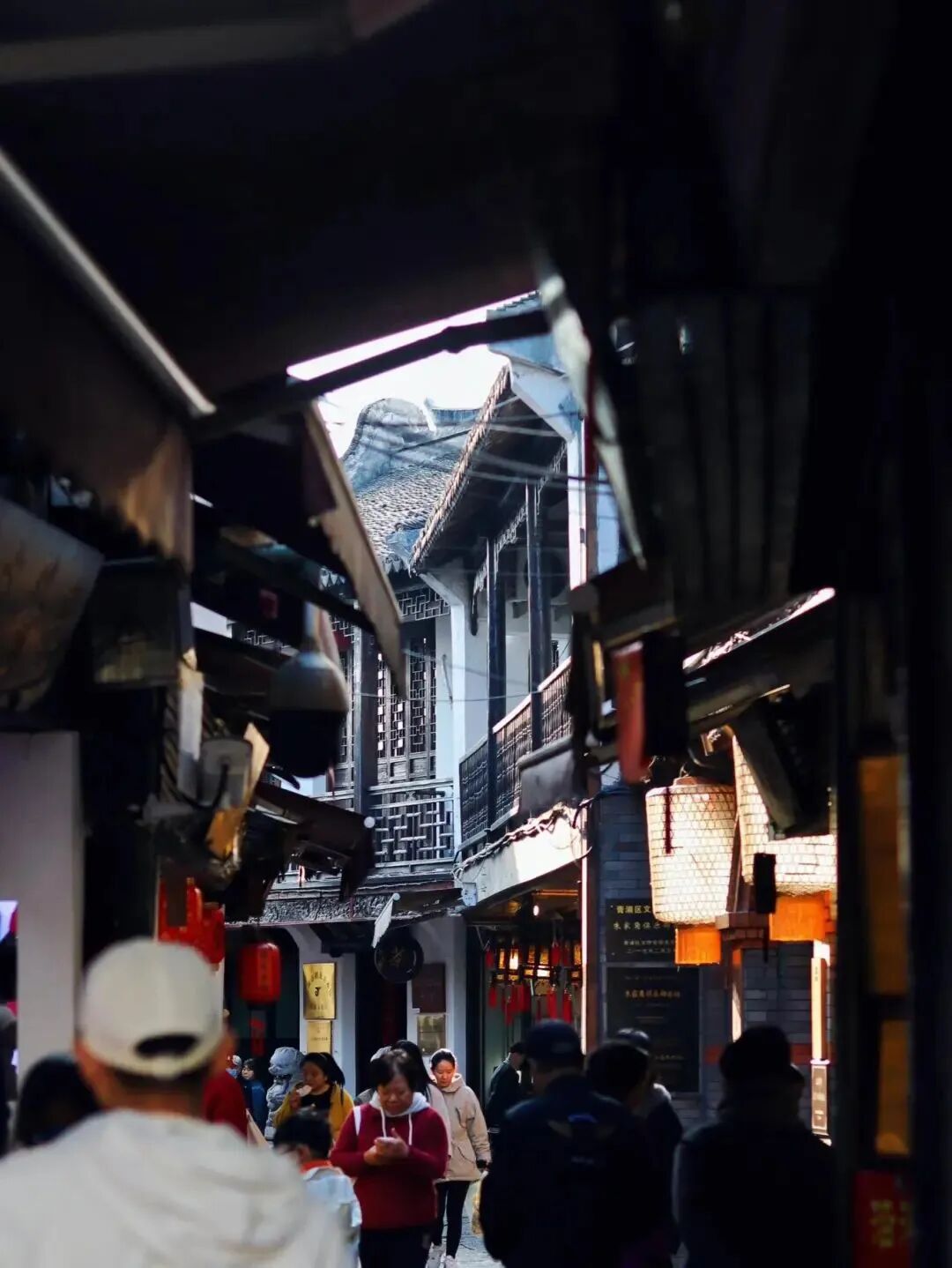
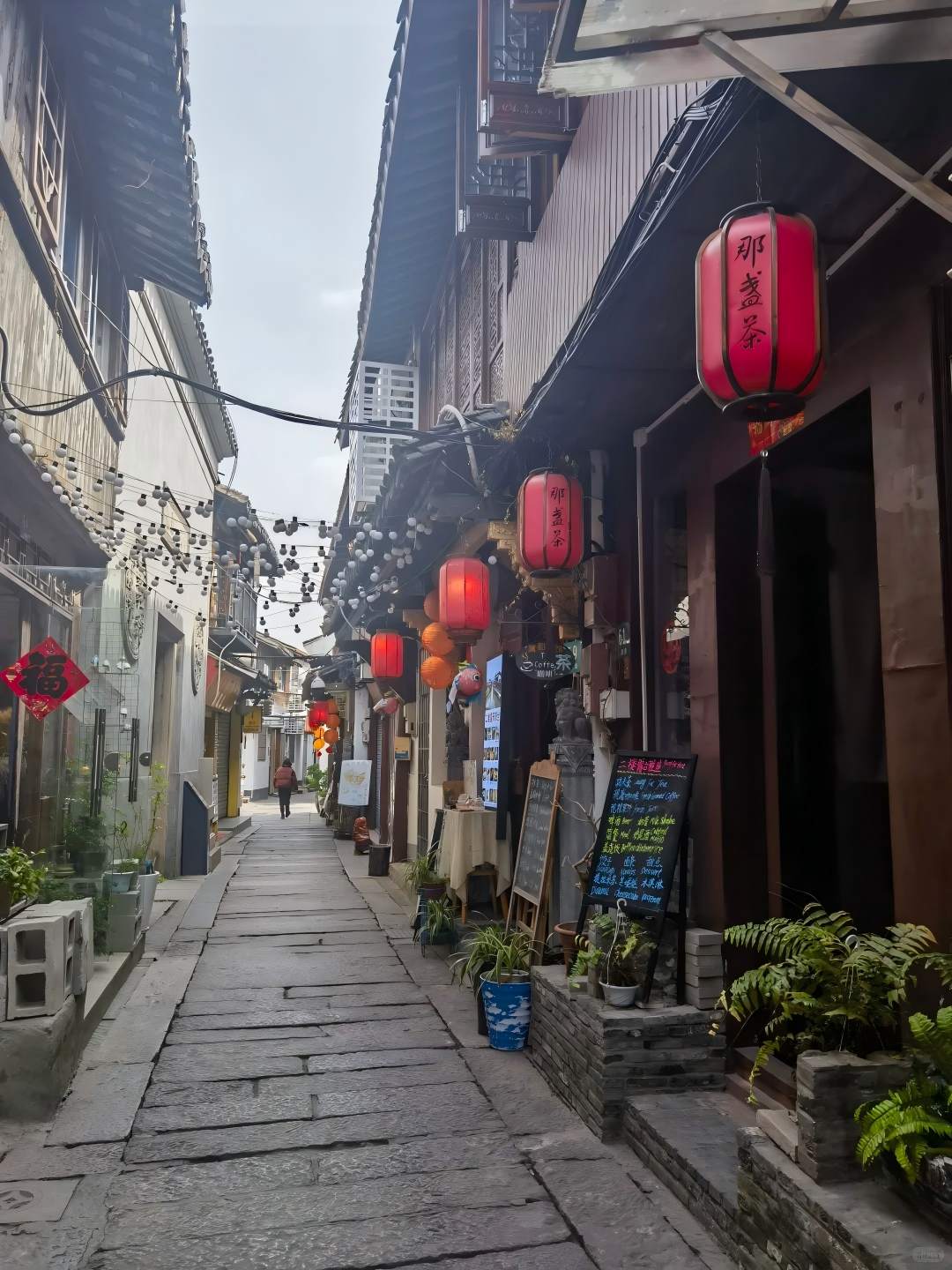
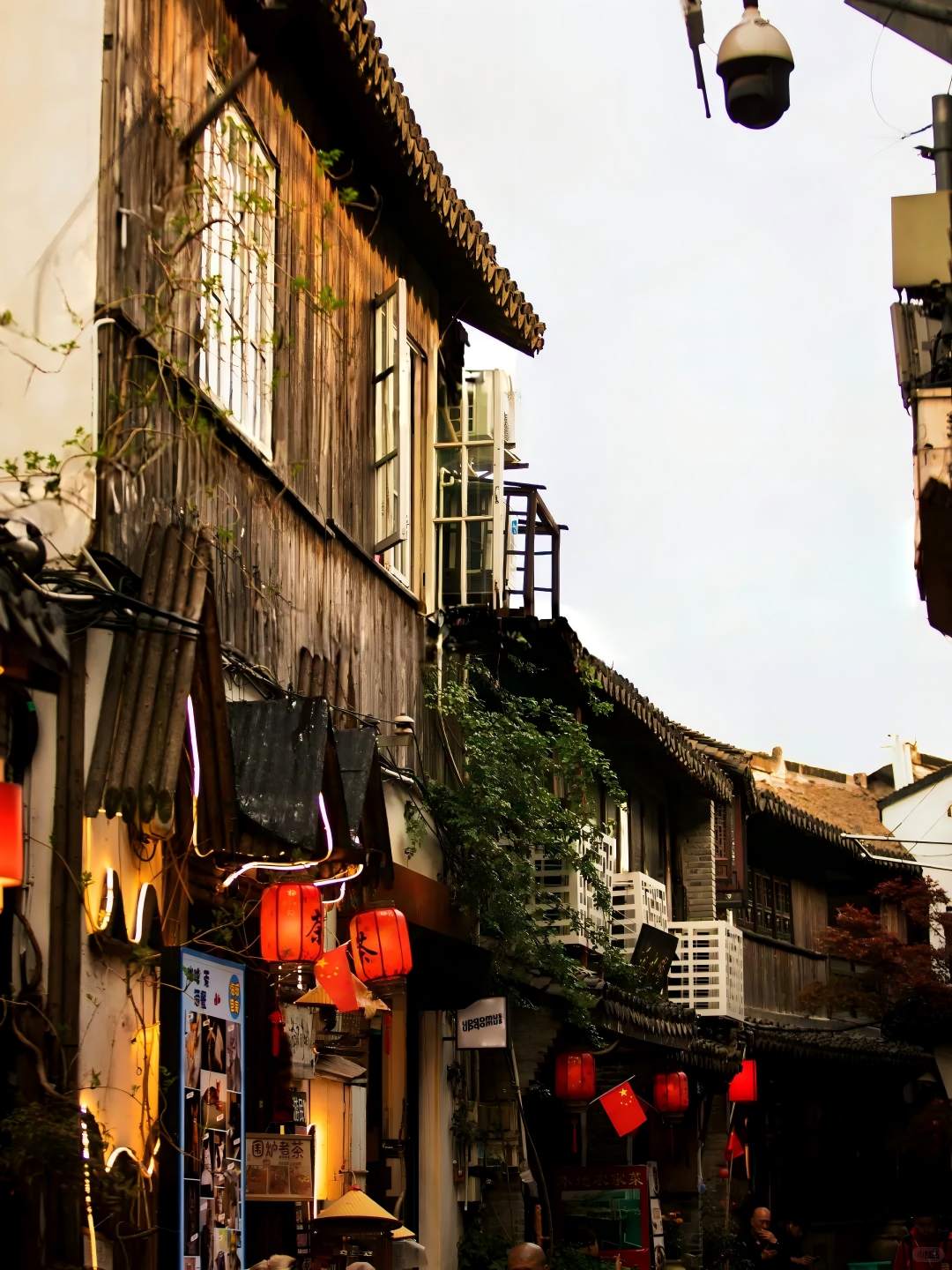
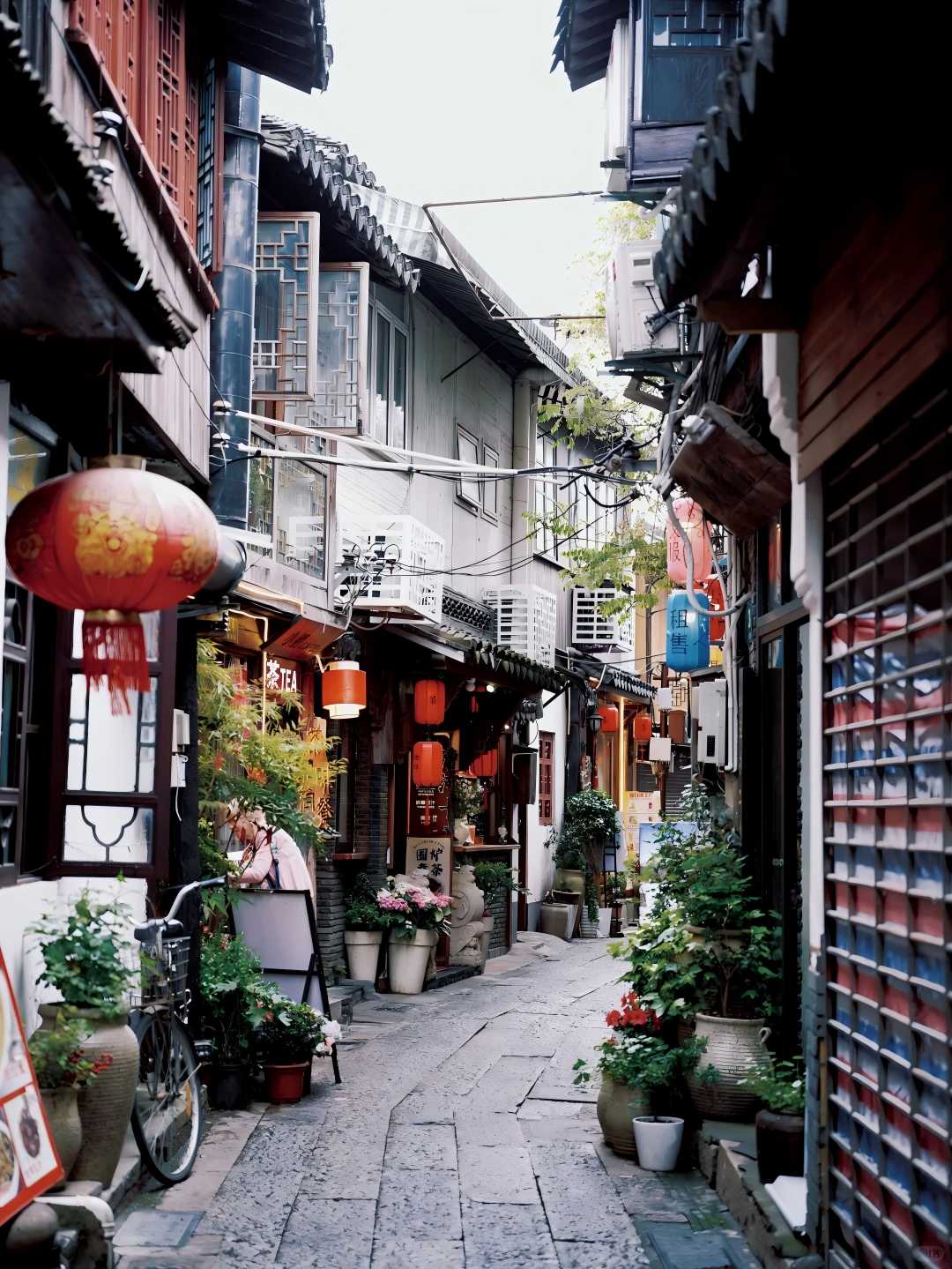
The atmosphere here is incredible. Shops made from carved beams and painted rafters line the blue flagstone road, and stone lions of various styles guard doorways. The air is filled with the aroma of local snacks like Apo Zongzi (grandma’s sticky rice dumplings), Zharou (braised pork wrapped in straw), smoked green beans, and pickled vegetables. From the Ming and Qing lattice doors, to the carved windows and high roofs, everything here creates the authentic experience of an ancient market.
Bridges, Temples, and Sauces
Continuing our stroll, we soon reach the Taian Bridge, a single-arch stone bridge built in 1548 during the Ming Dynasty. It’s the steepest bridge in the town, and the blue stone railings on both sides feature ancient carvings of “floating clouds.”
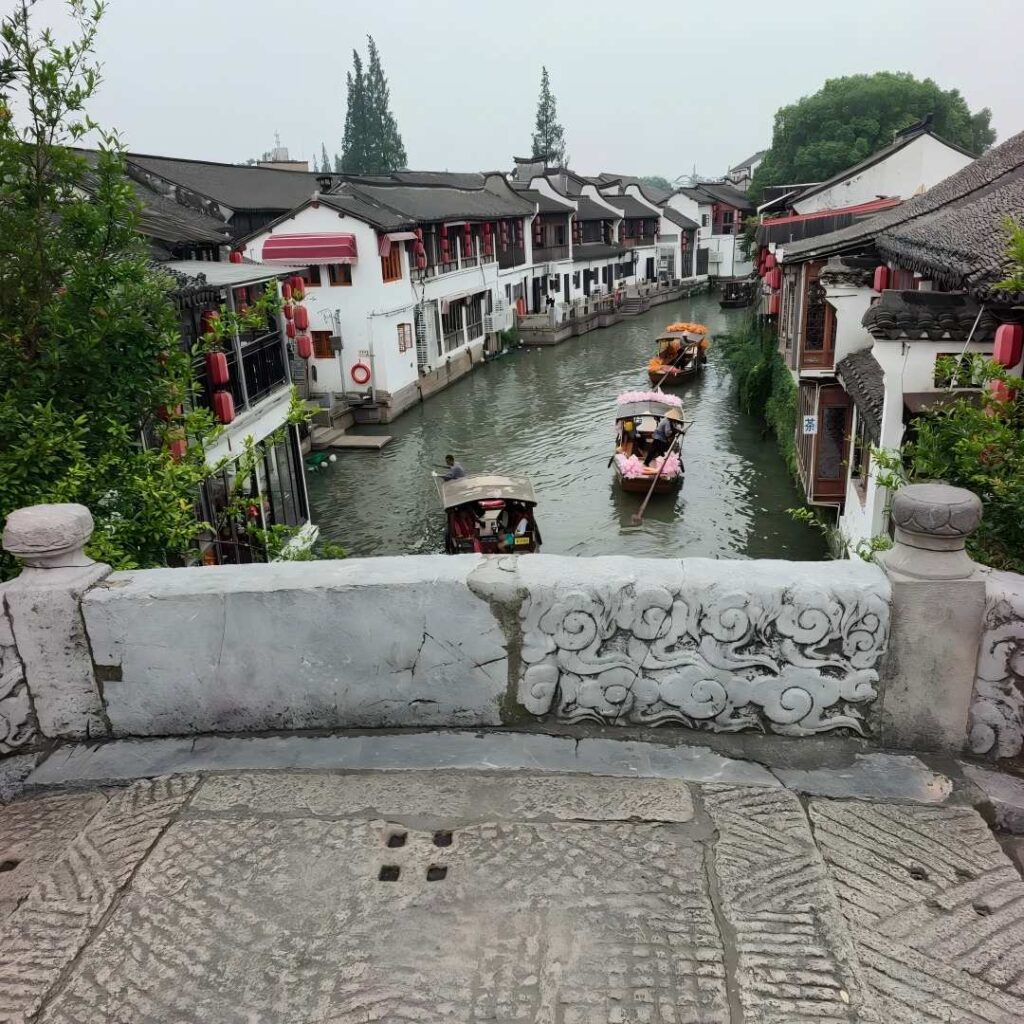
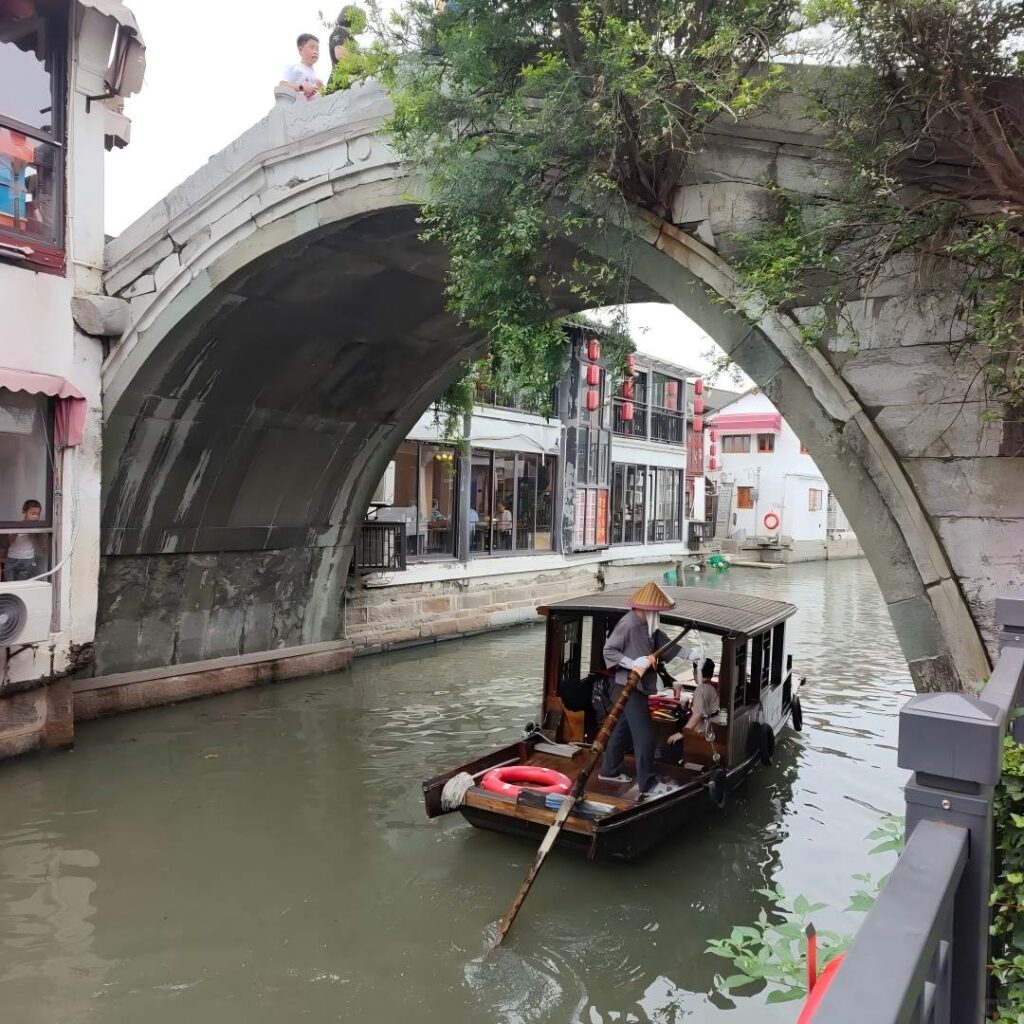
To the left and the right of the Taian Bridge are two other must-see spots: the Yuanjin Zen Temple (Yuanjin Chanyuan) and the Han Da Long Sauce Workshop (Ha Da Long Jiangyuan).
The Yuanjin Zen Temple is a famous Buddhist temple, founded in 1341 during the Yuan Dynasty. It is known locally as the “niangniang temple,” (“goddess temple”) as it enshrines a statue of the Holy Mother of Chenzhou. Its layout is small and elegant, displaying the asymmetrical garden style typical of the Jiangnan region.
It costs 10 RMB (1.5 USD) to enter, but it’s included in the combined ticket. This is a popular scenic viewpoint, where many photographers stand on the north bank of the Cao River to capture the temple.
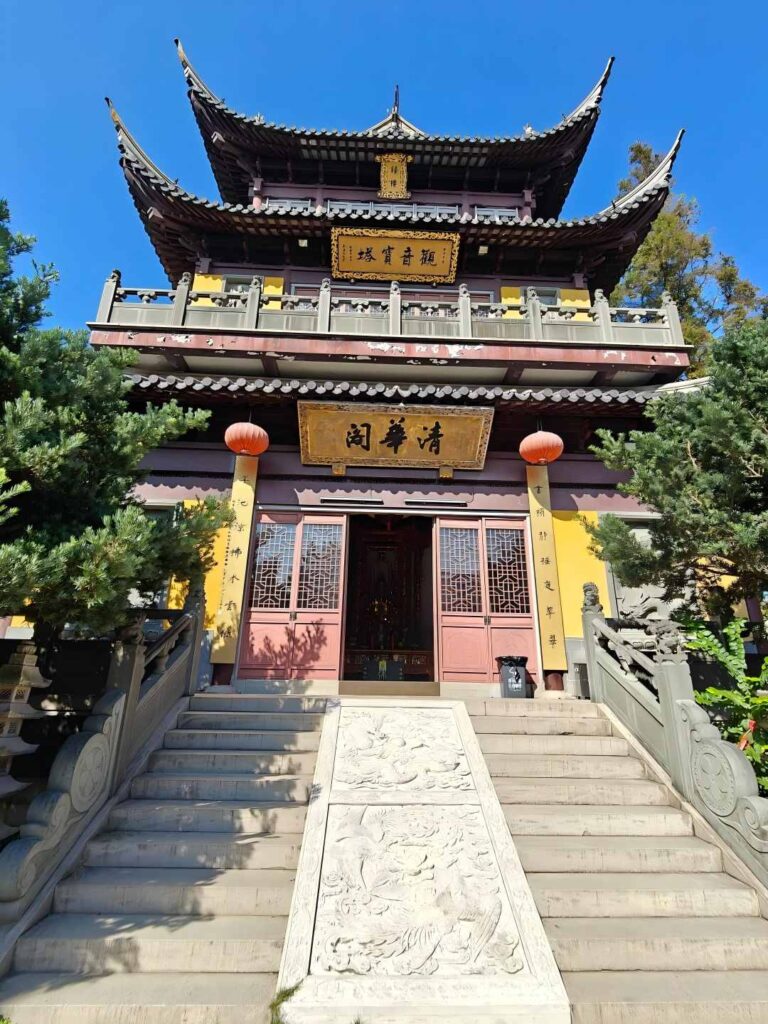
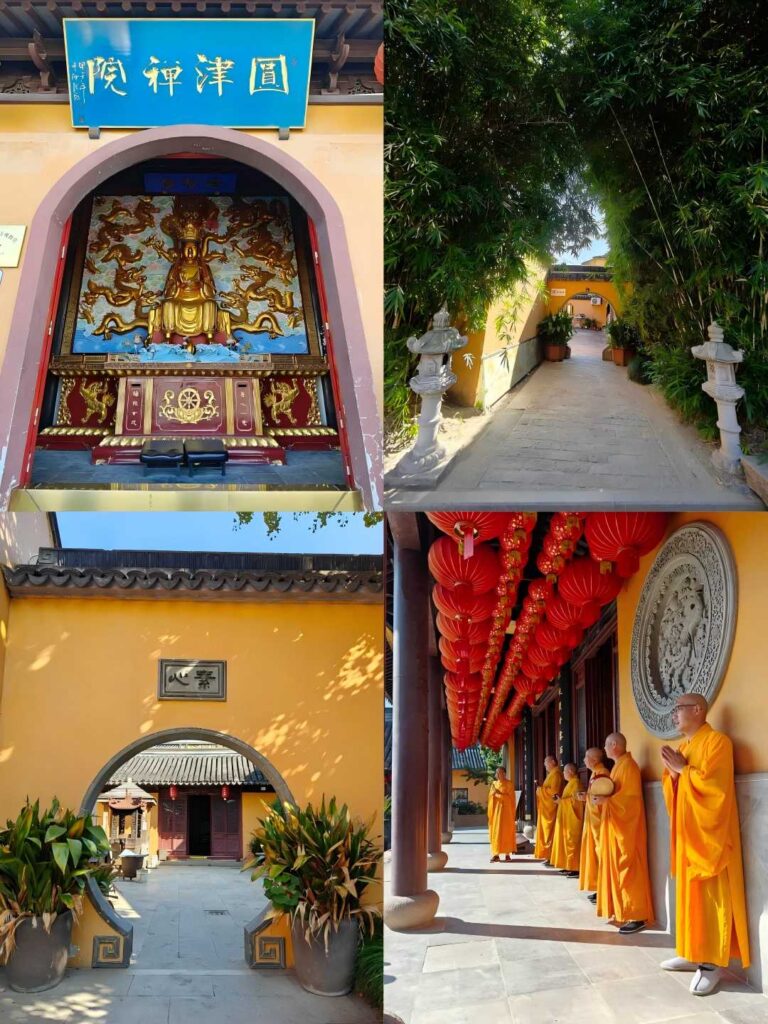
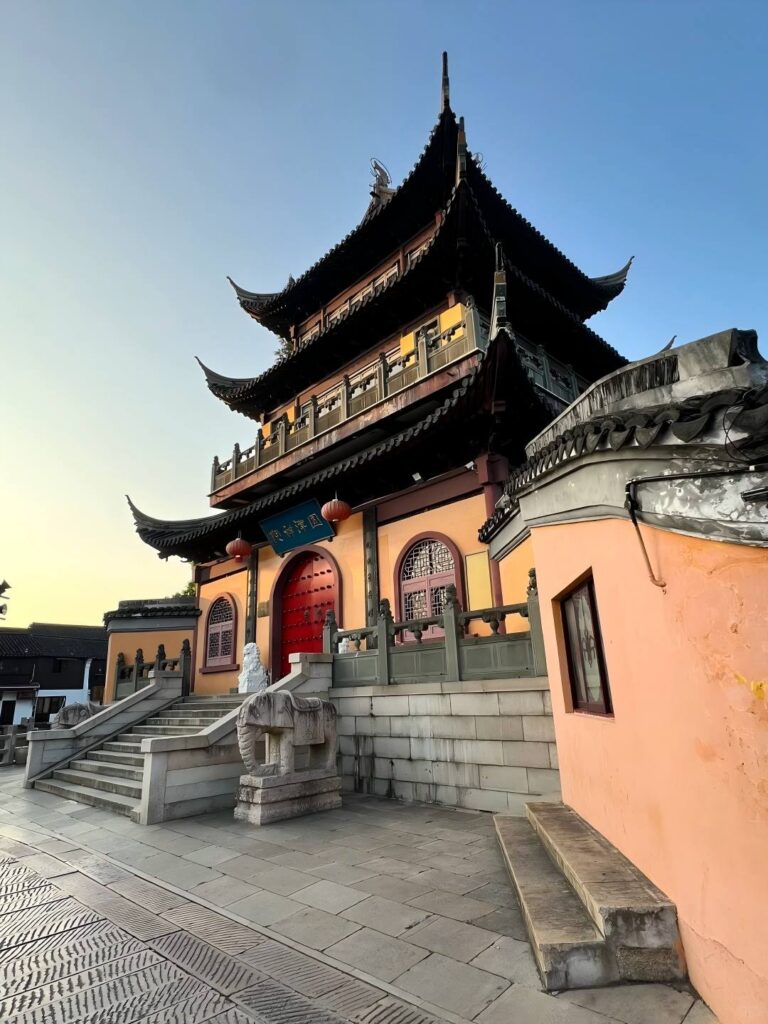
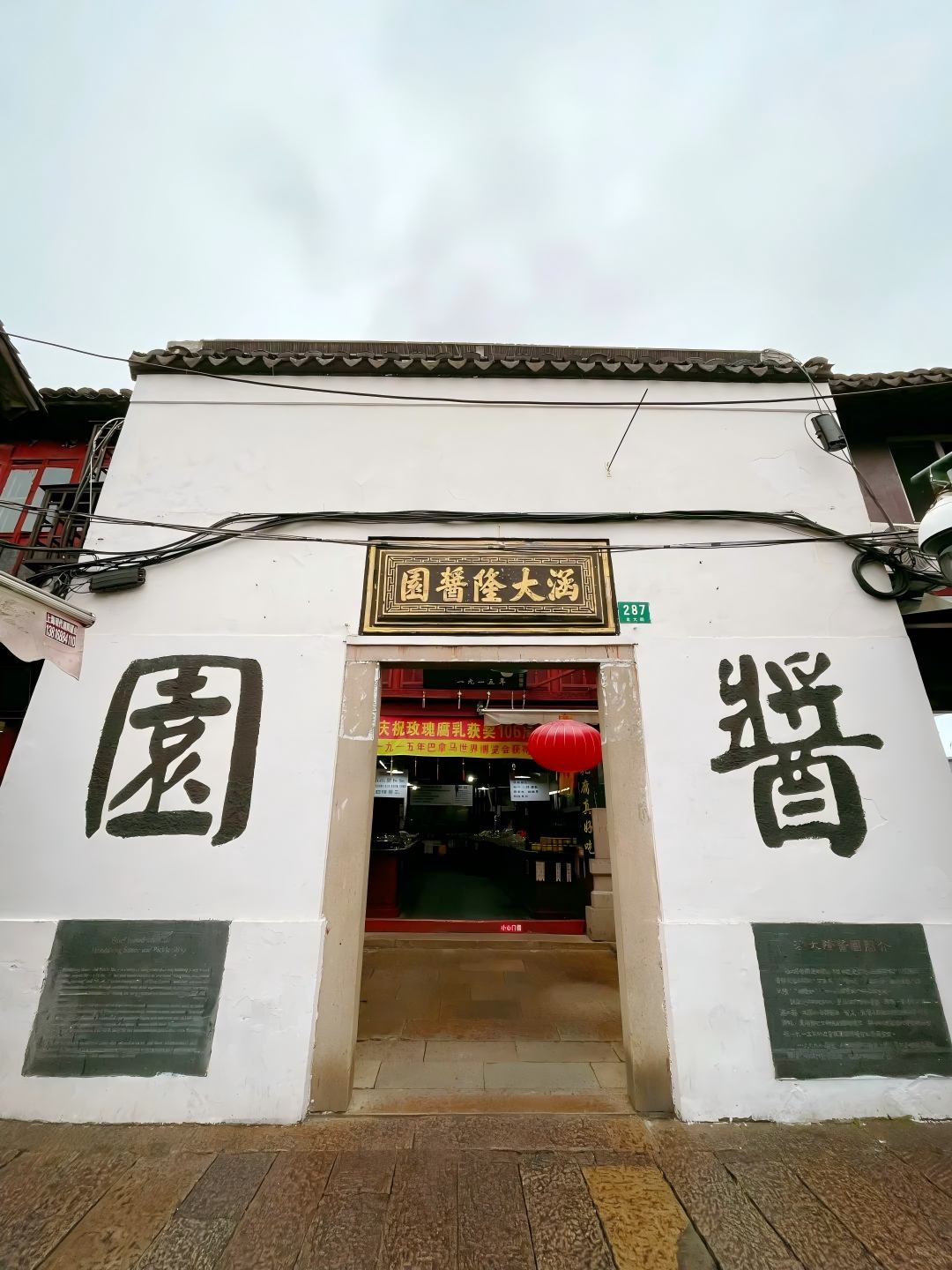
The Han Da Long Sauce Workshop is the most famous establishment of its kind in Zhujiajiao, and has become increasingly renowned thanks to the popular TV drama Blossoms Shanghai.
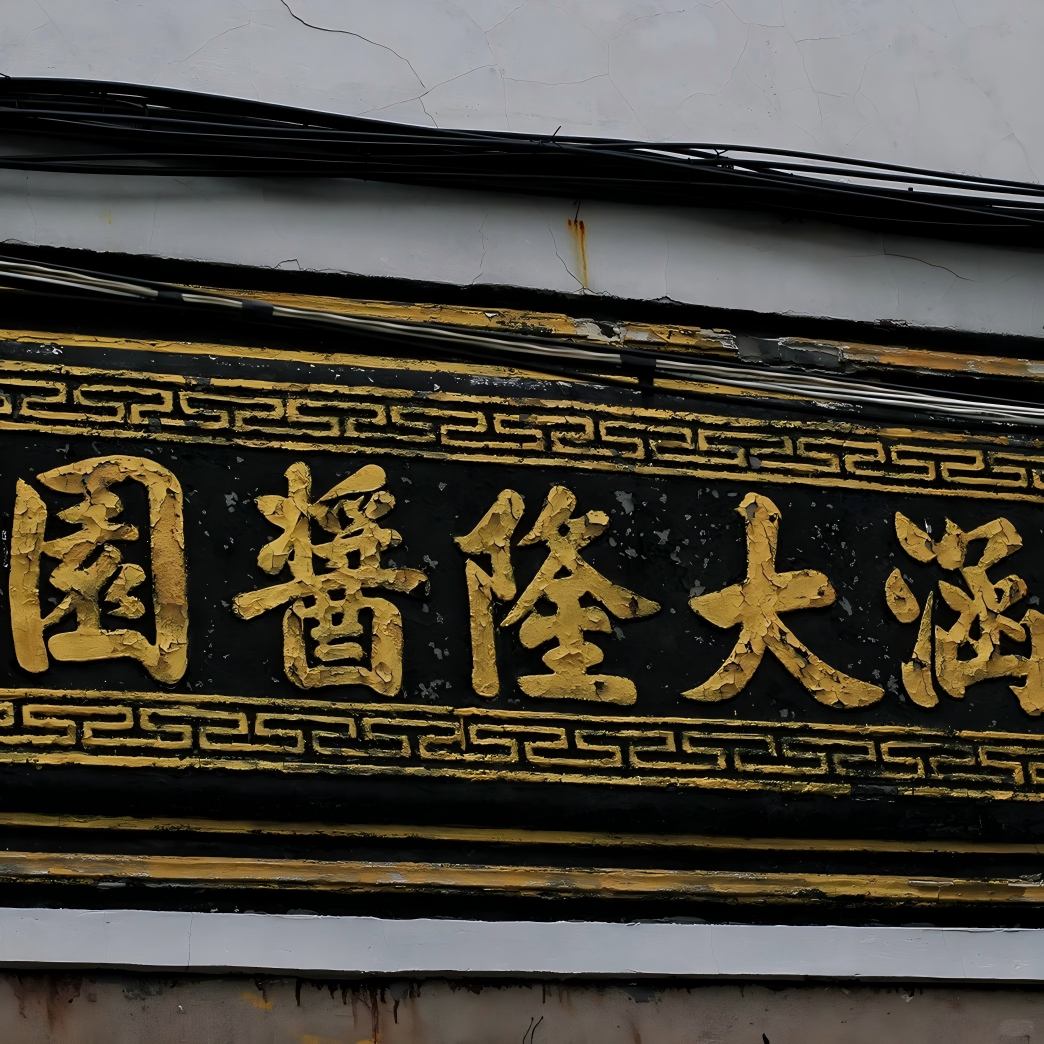
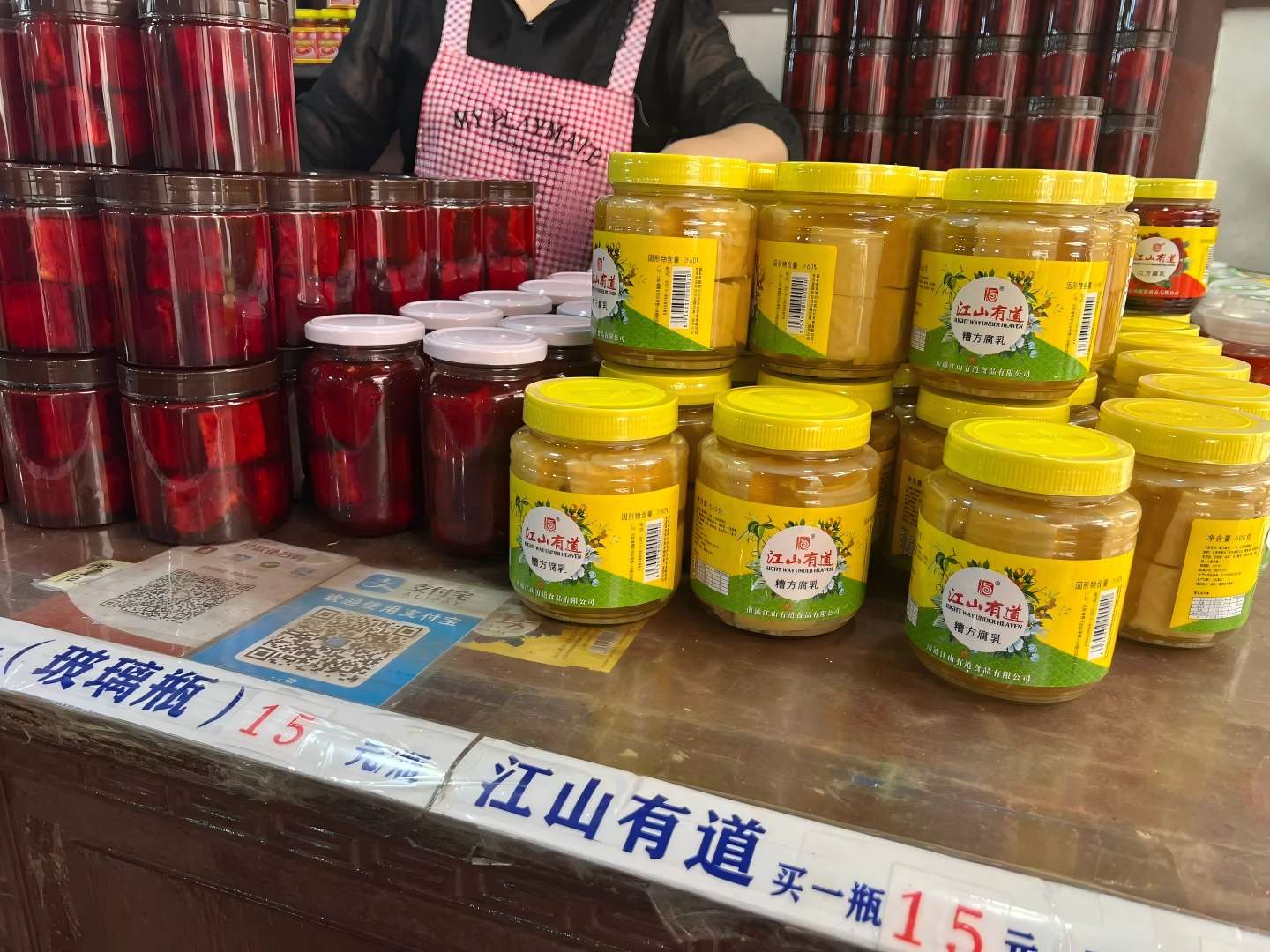
Founded in 1886 during the Qing Dynasty, this is a century-old brand, with its original signage still above the door. The shop won an award at the 1915 Panama-Pacific International Exposition, famous for its soy sauce, pickles, fermented bean curd (furu), and aged vinegars, all produced using traditional techniques. If you’d like to try some yourself, their prices are fair.
I personally really liked the Rose-flavored Fermented Tofu—the flavor was excellent.
Local Flavors and Art
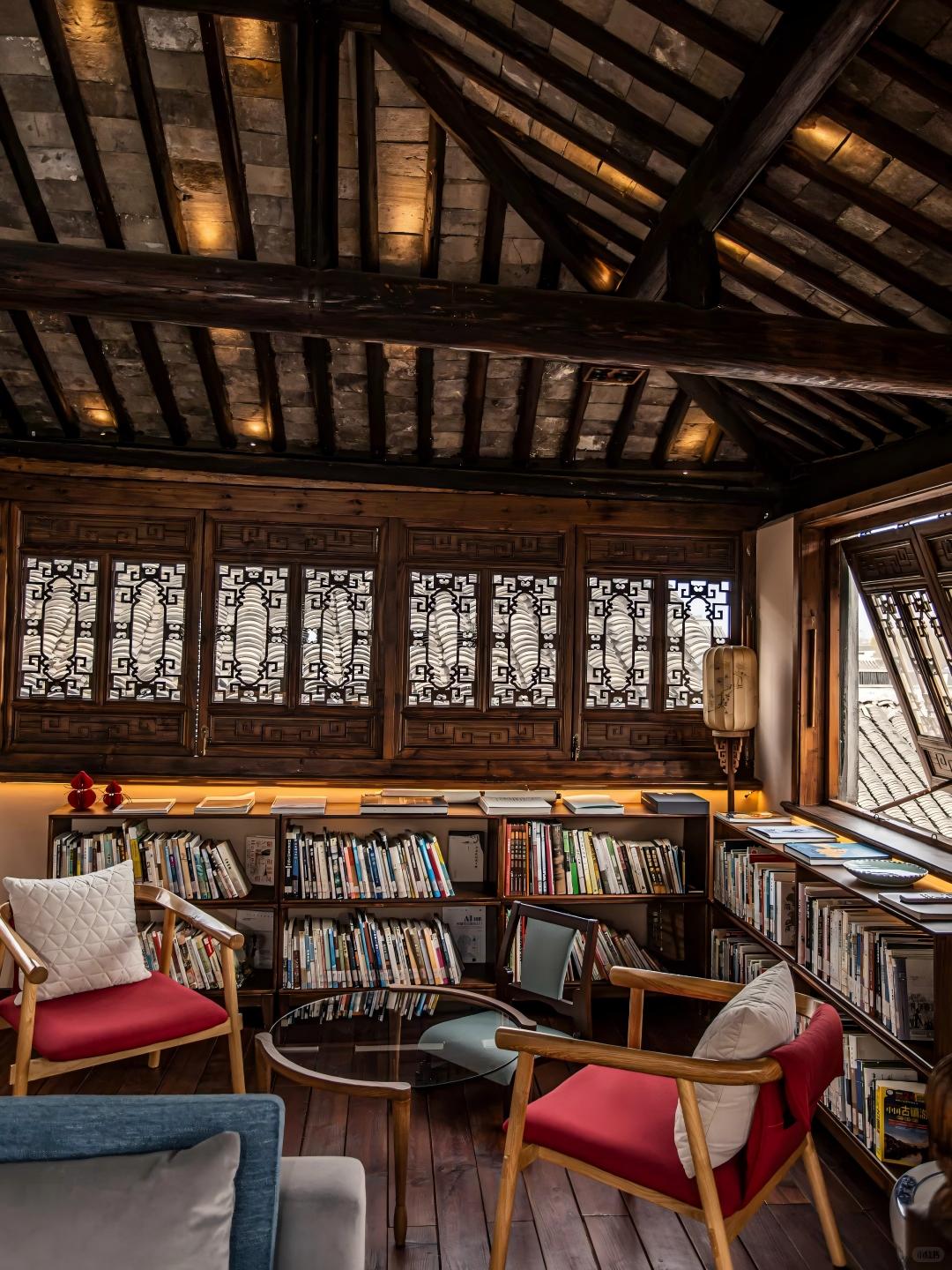
Continuing along North Street, you’ll find the Jiangnan First Teahouse (江南第一茶楼), originally named the Club Teahouse. This is another century-old establishment, dating back to the late Qing Dynasty. It’s a quaint and spacious two-story red brick building, located right along the water, with an arched doorway that has the distinctive charm of old Shanghai’s Shikumen (stone-gate house) style.
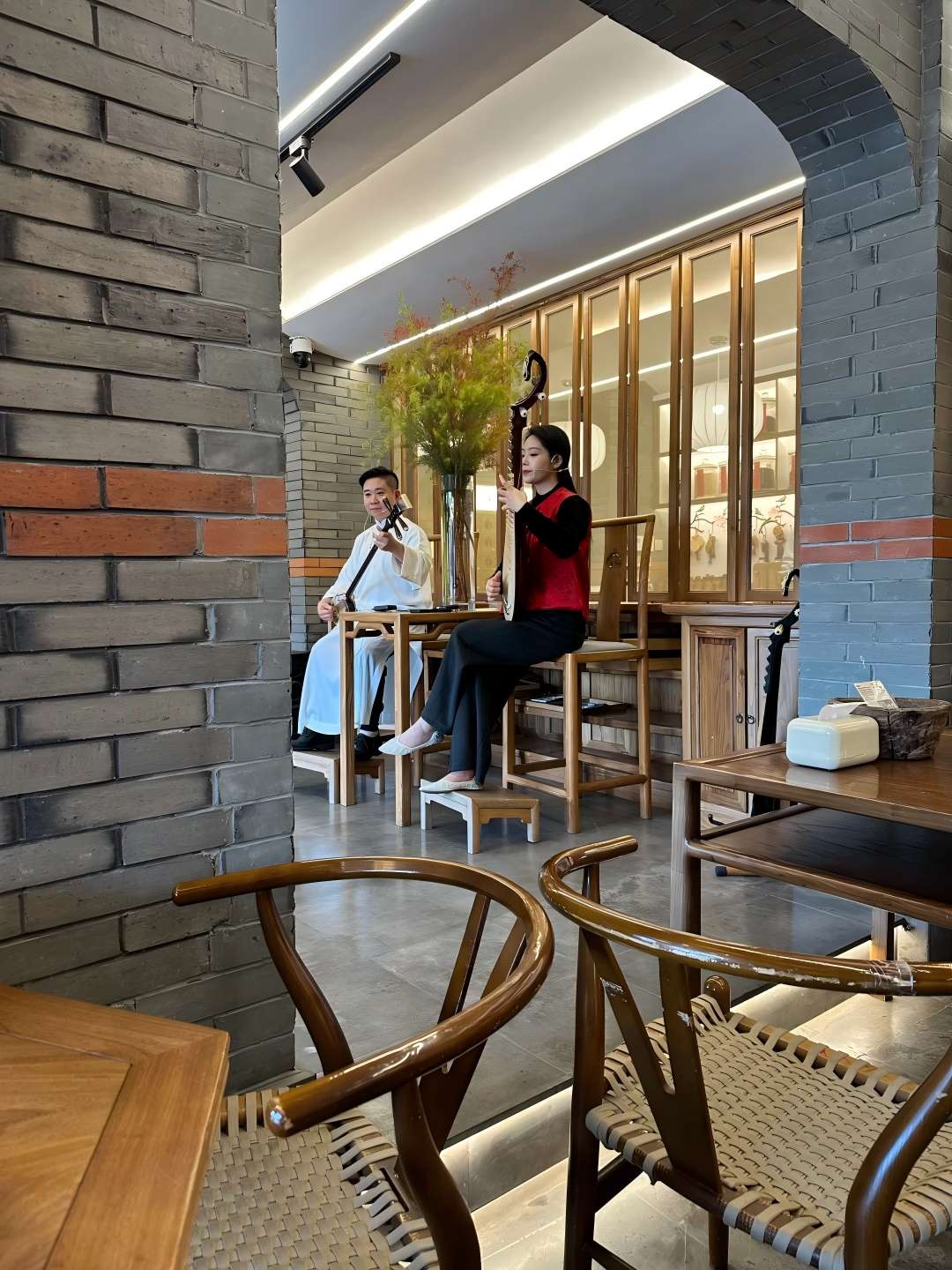
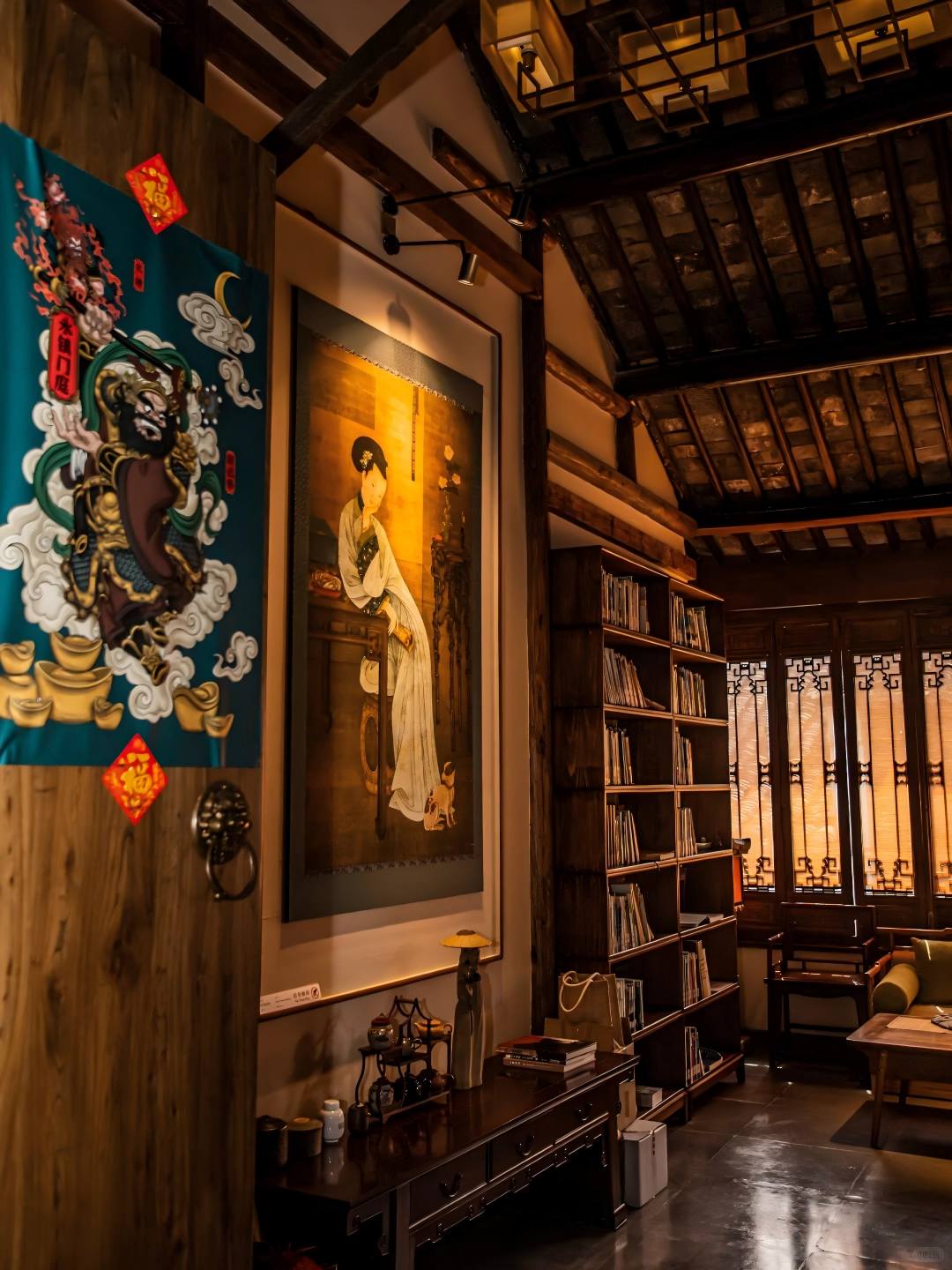
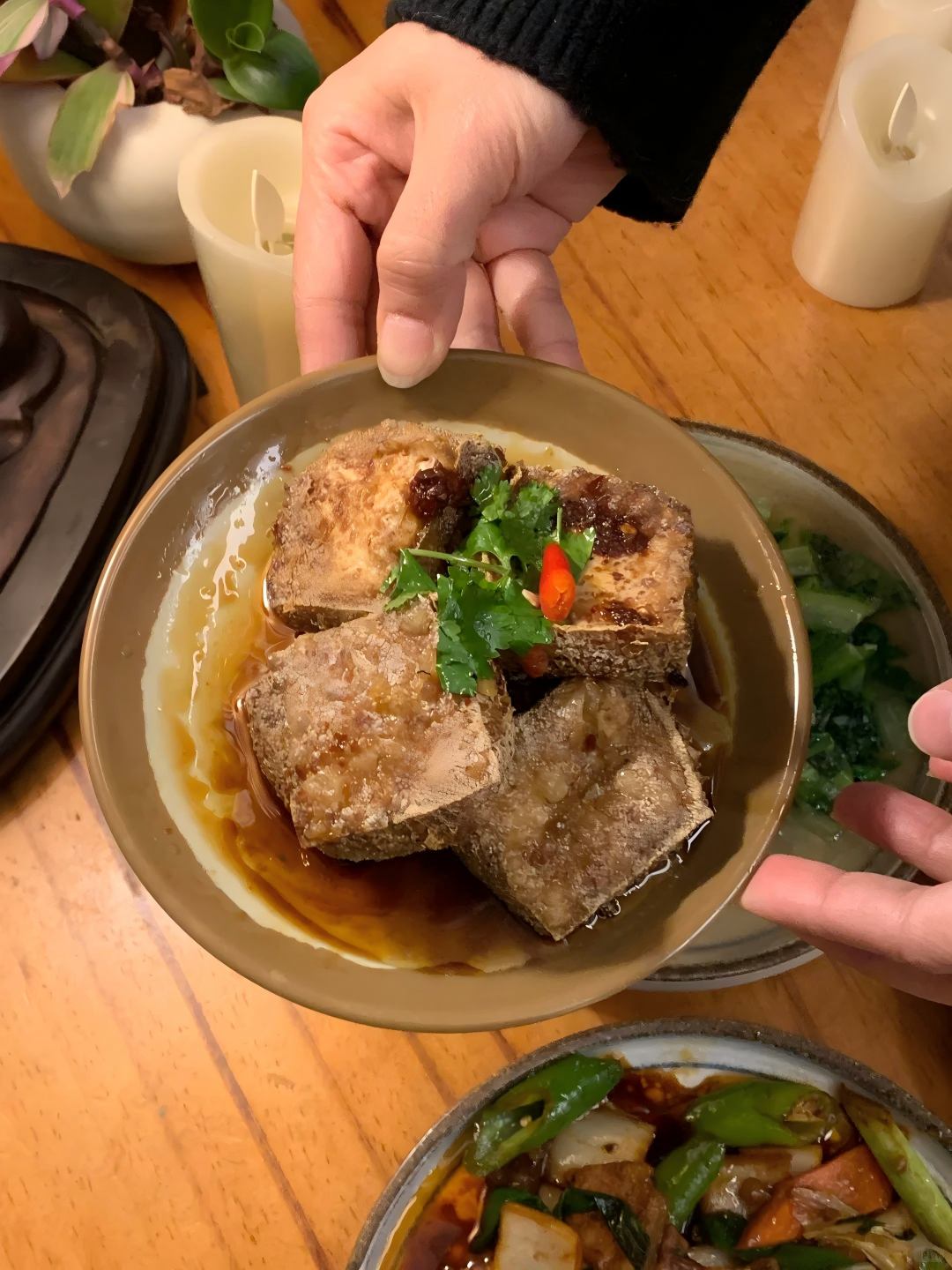
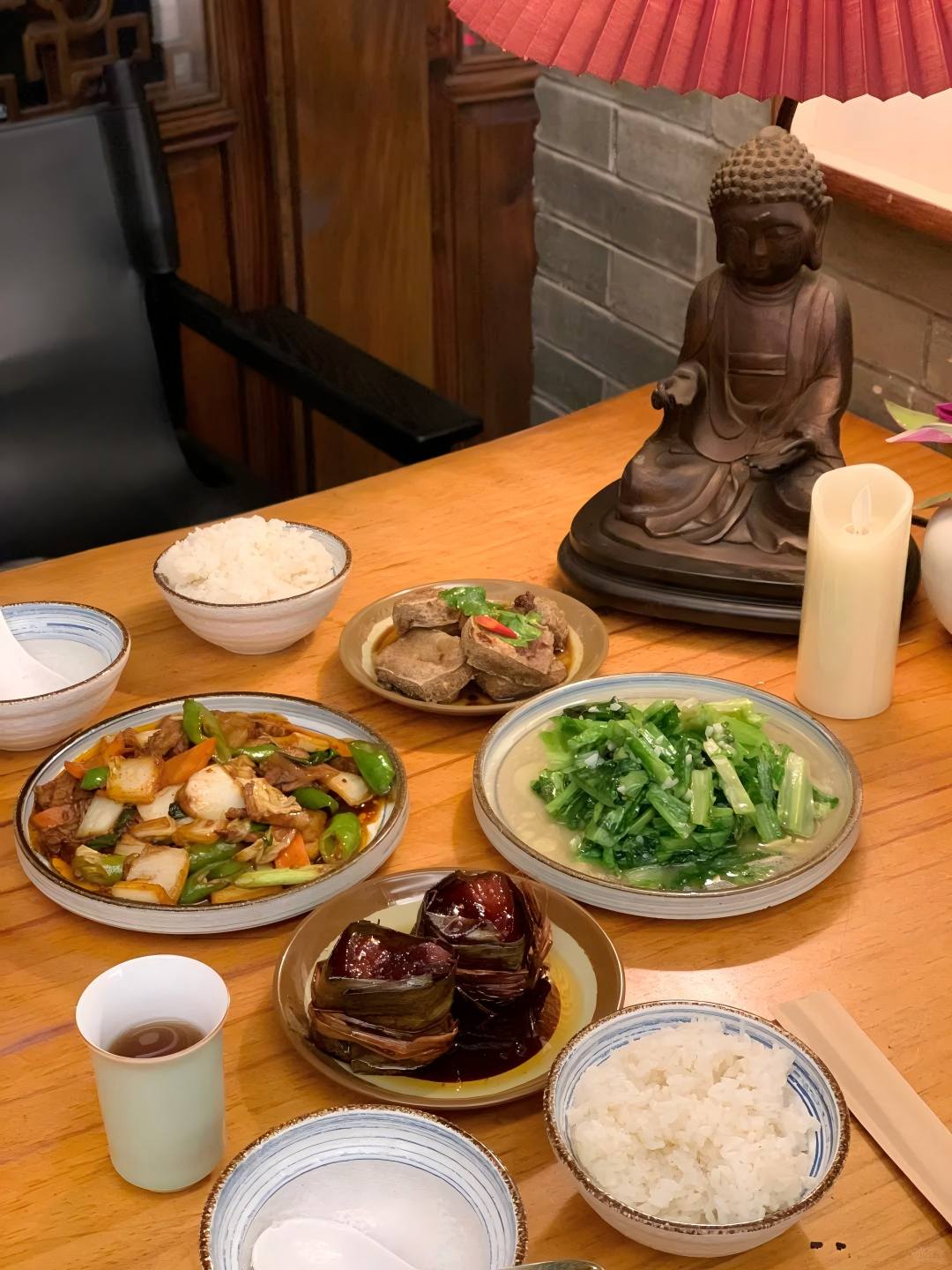
This is a nice spot to have tea and a meal. I tried the stinky tofu (chou dofu) and the zharou. Stinky tofu is a traditional Chinese snack that, yes, smells terrible, but tastes delicious. The zharou is a bit like Chinese braised pork belly—it melts in your mouth—though it was slightly on the oily side.
For other food spots, there’s a restaurant called Jiu Tan Zi Fan Tong (酒坛子饭桶, Wine Jar Rice Bucket) not far from the south side of Fangsheng Bridge. I haven’t tried it yet, but many people recommend it for its good food and prices that are more reasonable than the restaurants in the main area. I definitely plan to try it next time I visit.
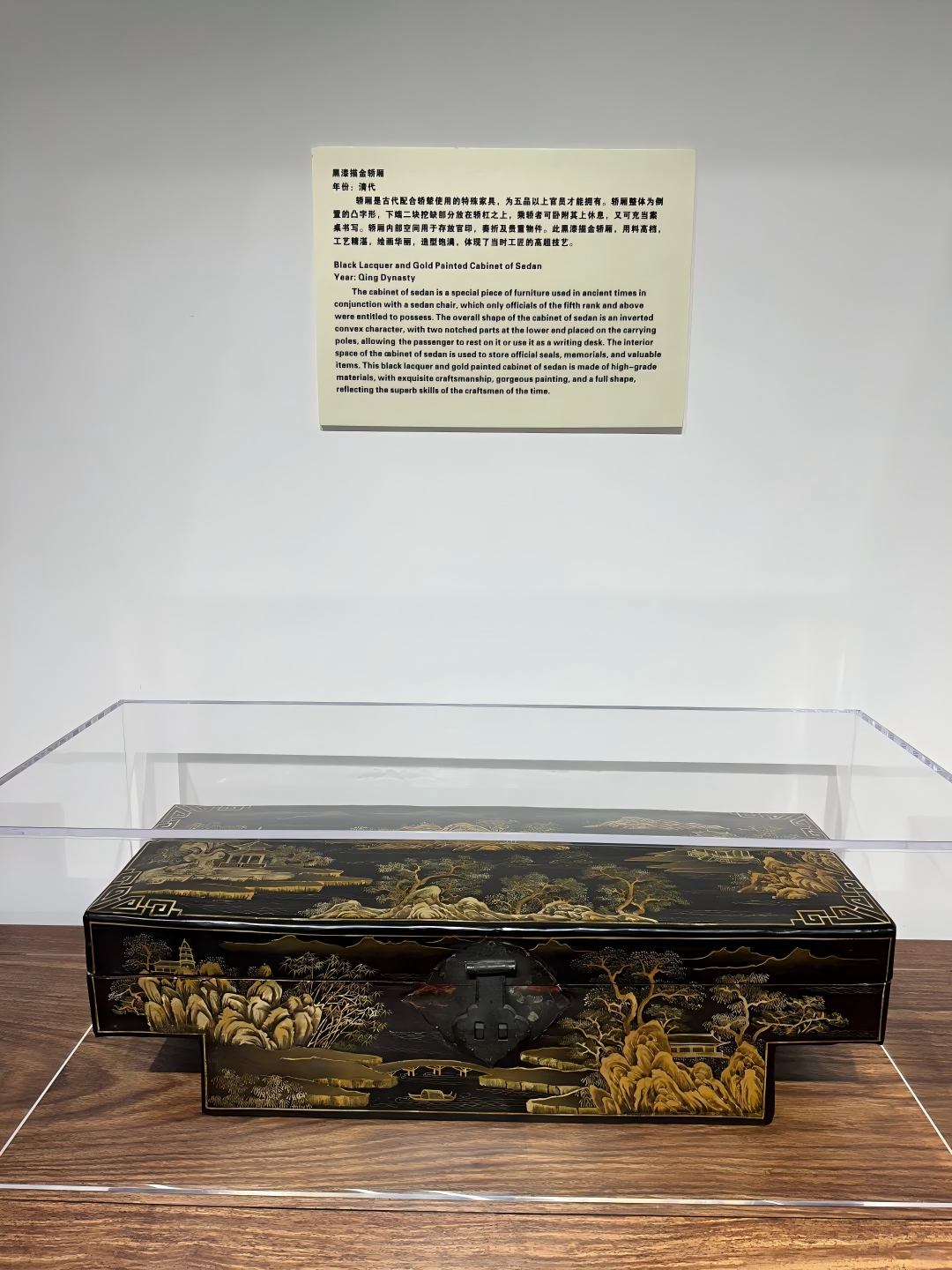
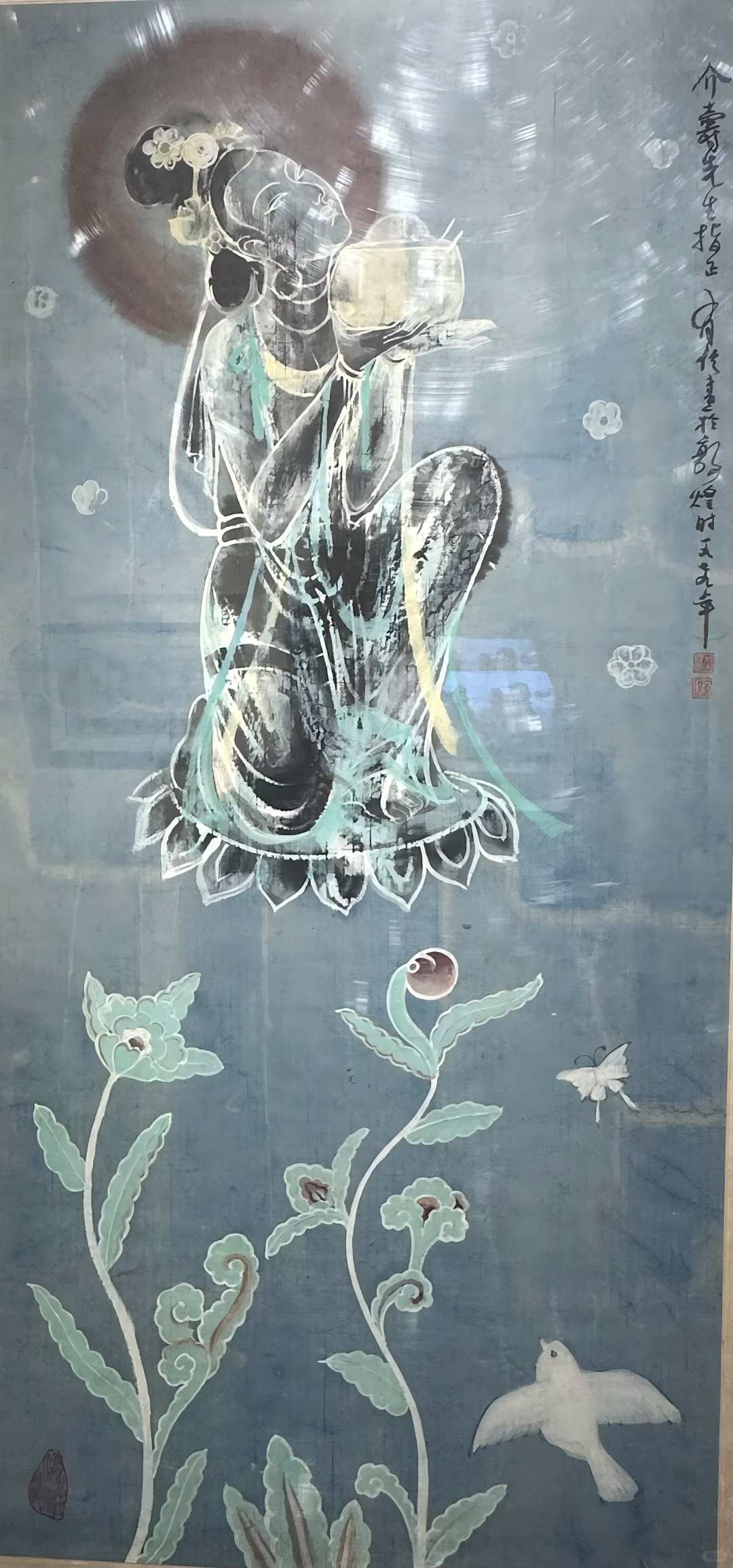
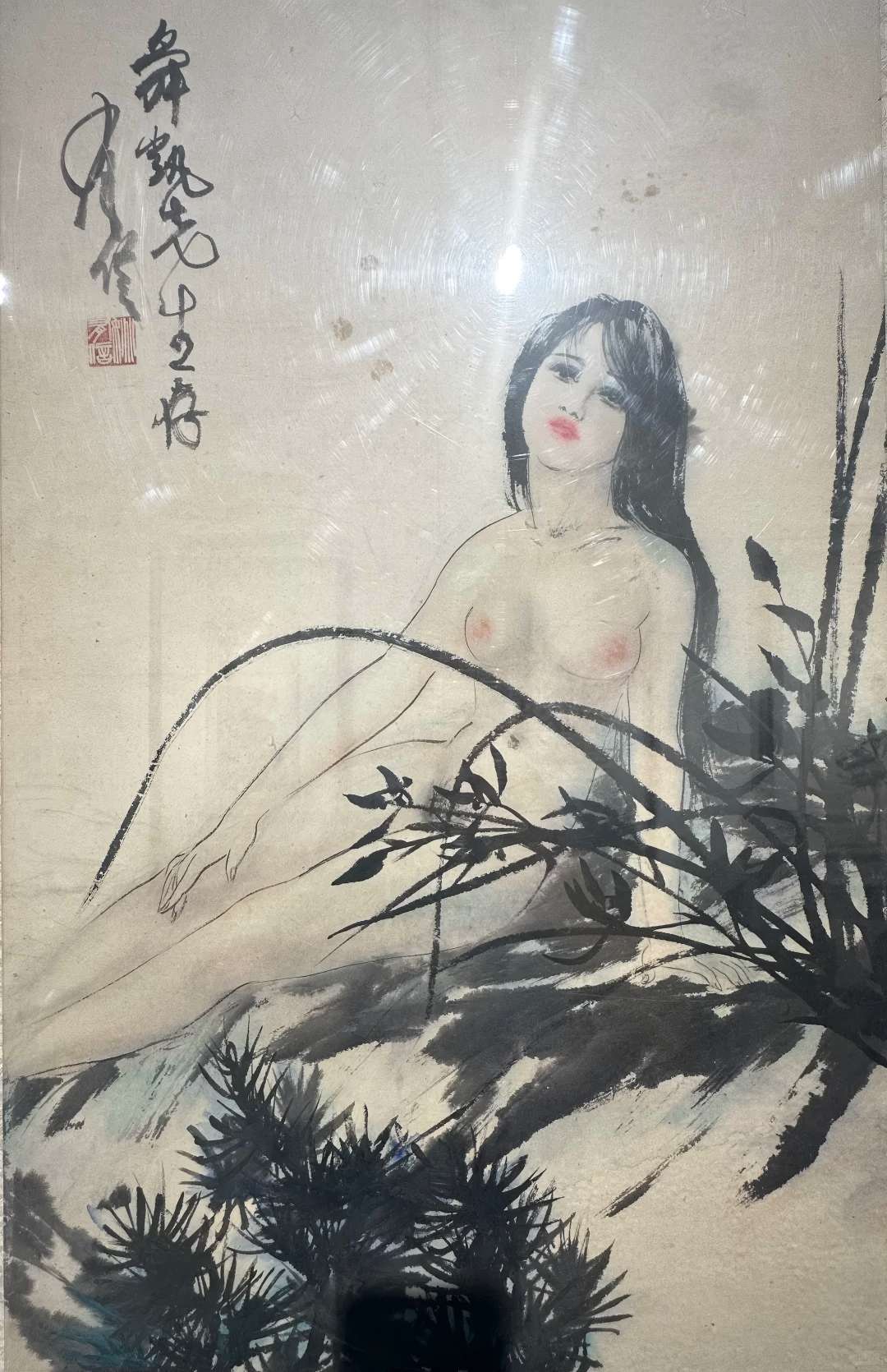
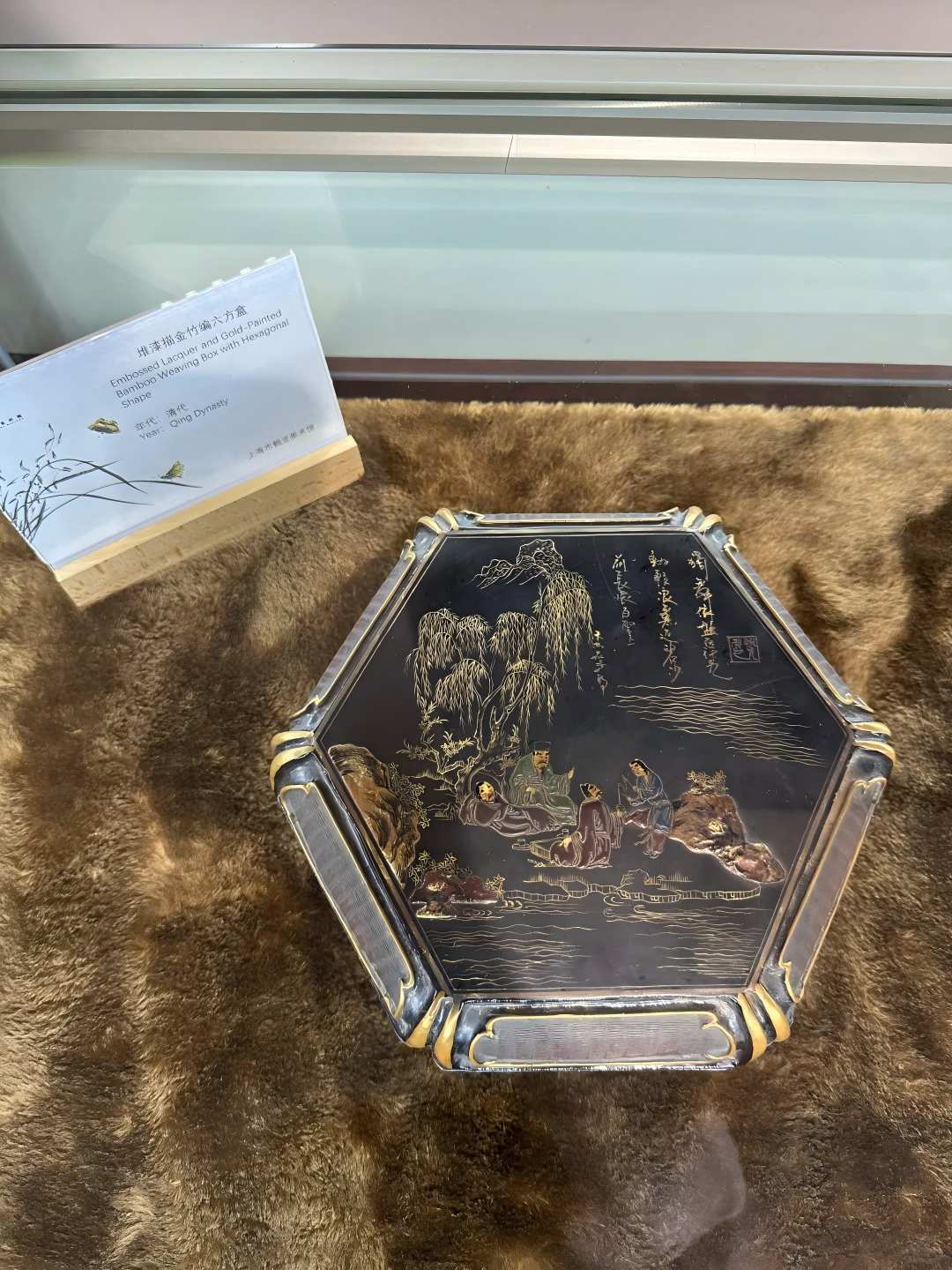
Right next to the Teahouse is the Helong Art Museum (鹤龙美术馆). It’s small, with three exhibition rooms showcasing various paintings and artifacts. If you have the combined ticket, it’s worth taking a quick look, or you can purchase a separate ticket for only 20 RMB (3 USD).
The Landmark Bridge and Historic Gardens
Next, I arrived at Zhujiajiao’s most iconic landmark: the Fangsheng Bridge (放生桥), or the Releasing Life Bridge. At 7 meters (23 feet) high, this magnificent five-arch bridge is the largest, longest, and highest stone bridge still standing in Shanghai.
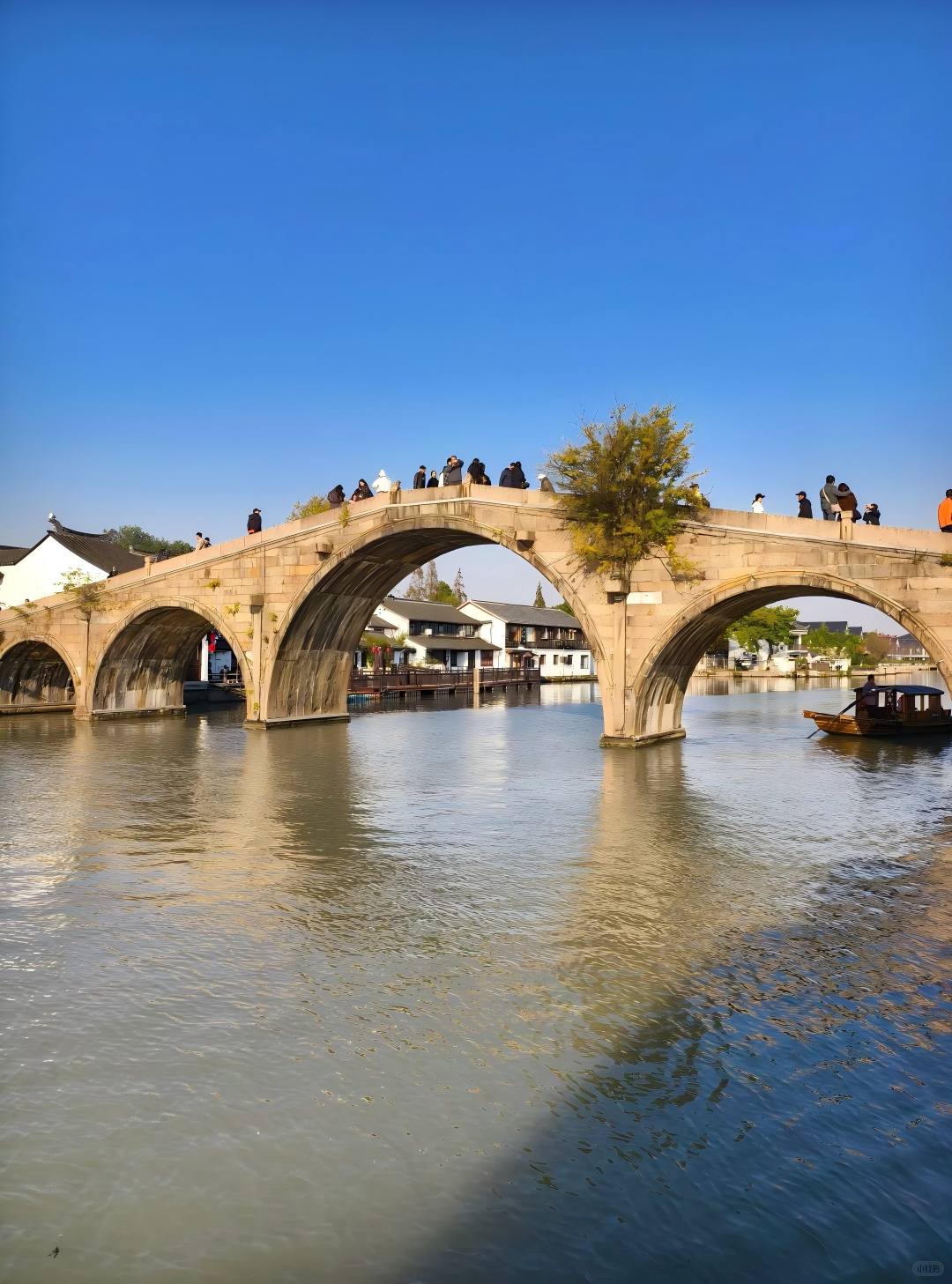
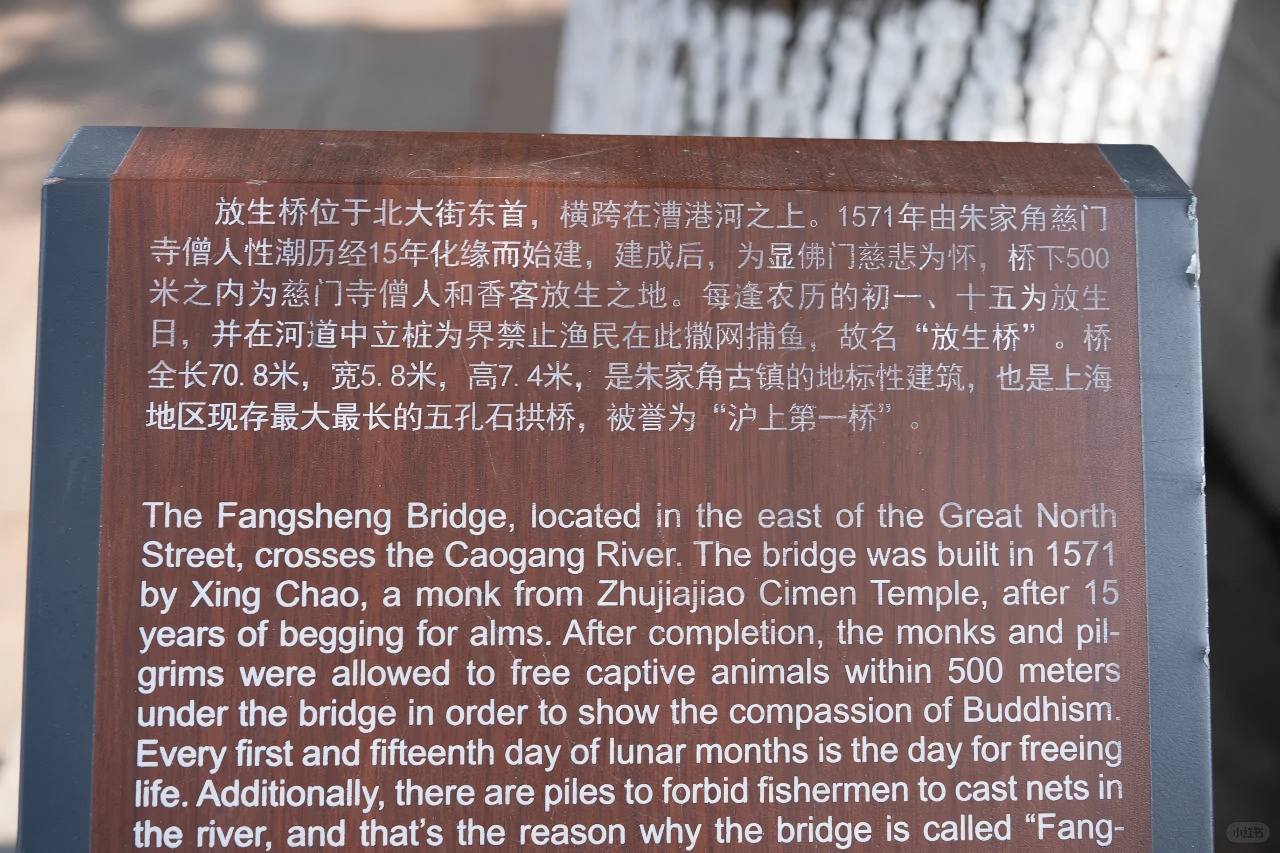
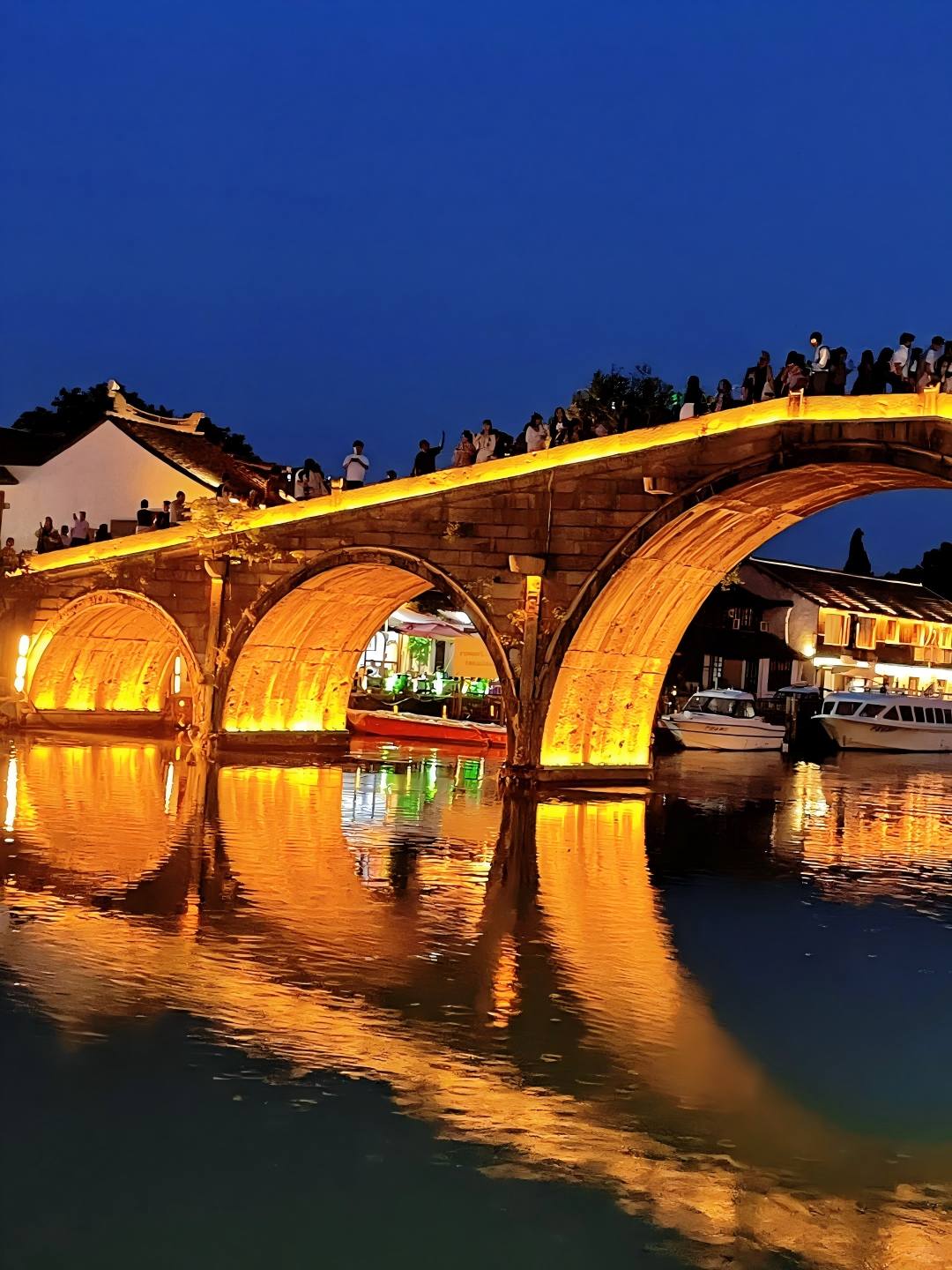
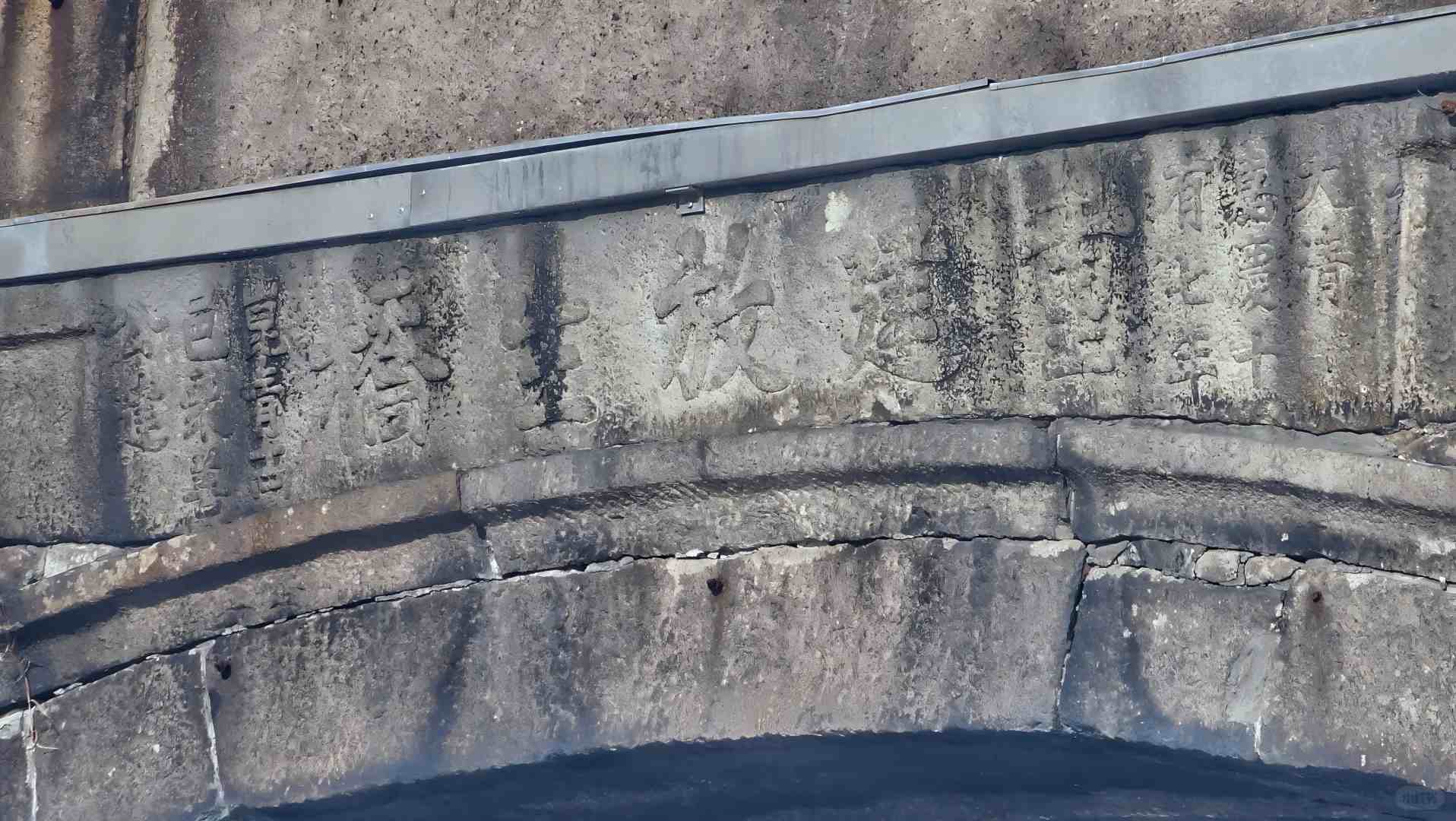
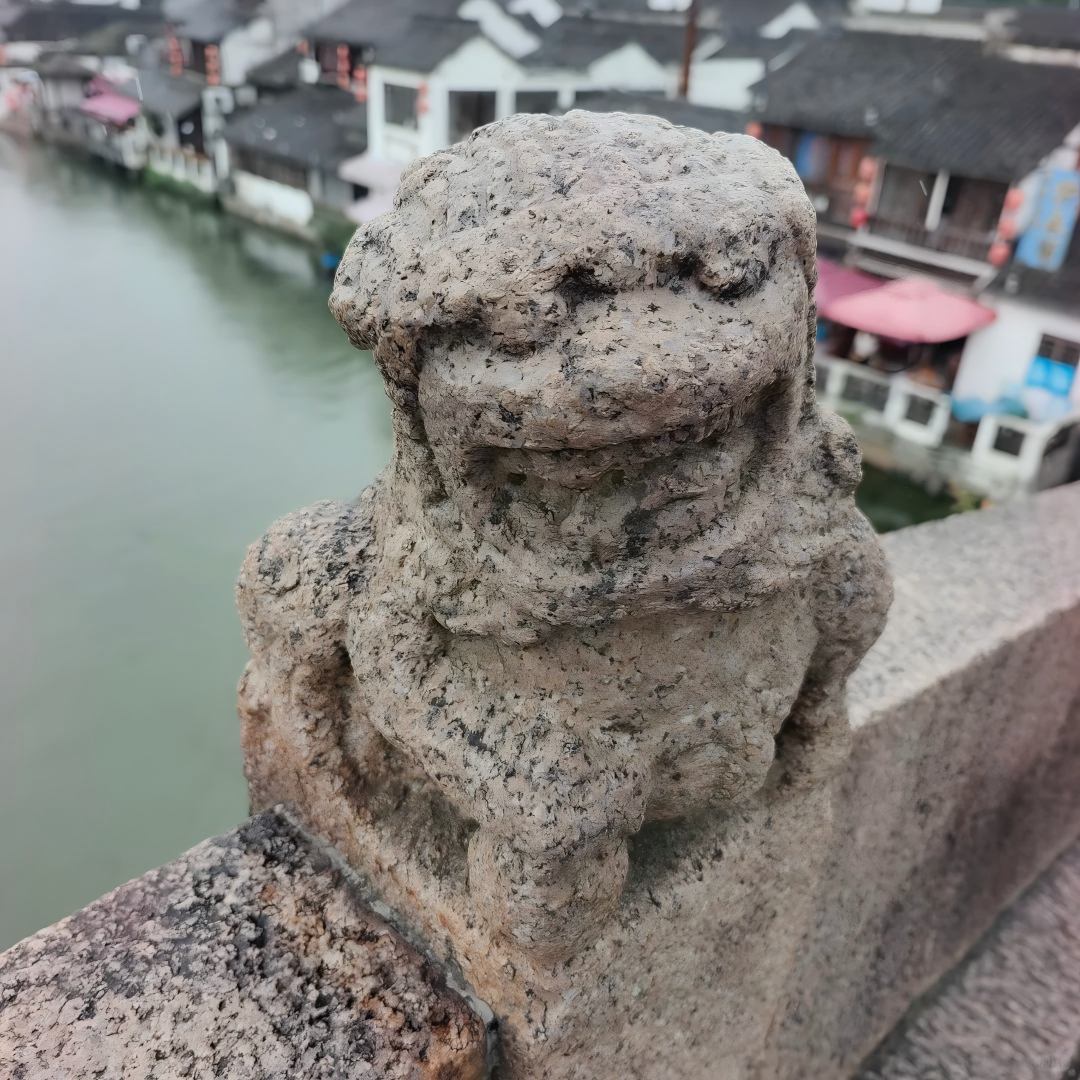
It was originally built in 1571 by monks from the Cimen Temple, and was rebuilt in 1812. Its name comes from the life-releasing ceremonies once held here by monks on the first and fifteenth days of the lunar month. The stone carvings on the bridge are incredible, featuring coiling dragons and lifelike lions. Standing on the bridge, you get a stunning panoramic view of the entire water town.
The Fangsheng Bridge area is the most crowded part of the town, so I chose to continue south across the Yongan and Zhonglong Bridges, which led me to a quiet riverbank.
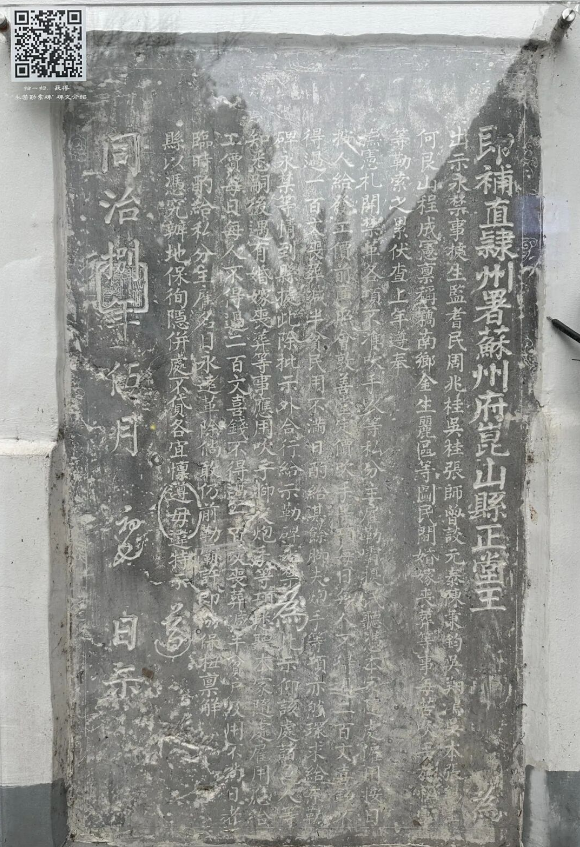
Here I saw an ancient stone known as the “No Extortion Stele,” an inscription nearly 200 years old, erected in 1869 by the county magistrate Wang Ding’an. The message refers to the practice of officials extorting money and price gouging during weddings and funerals. It served not only as a warning to public officials, but also to protect common people by setting clear standards for labor costs.
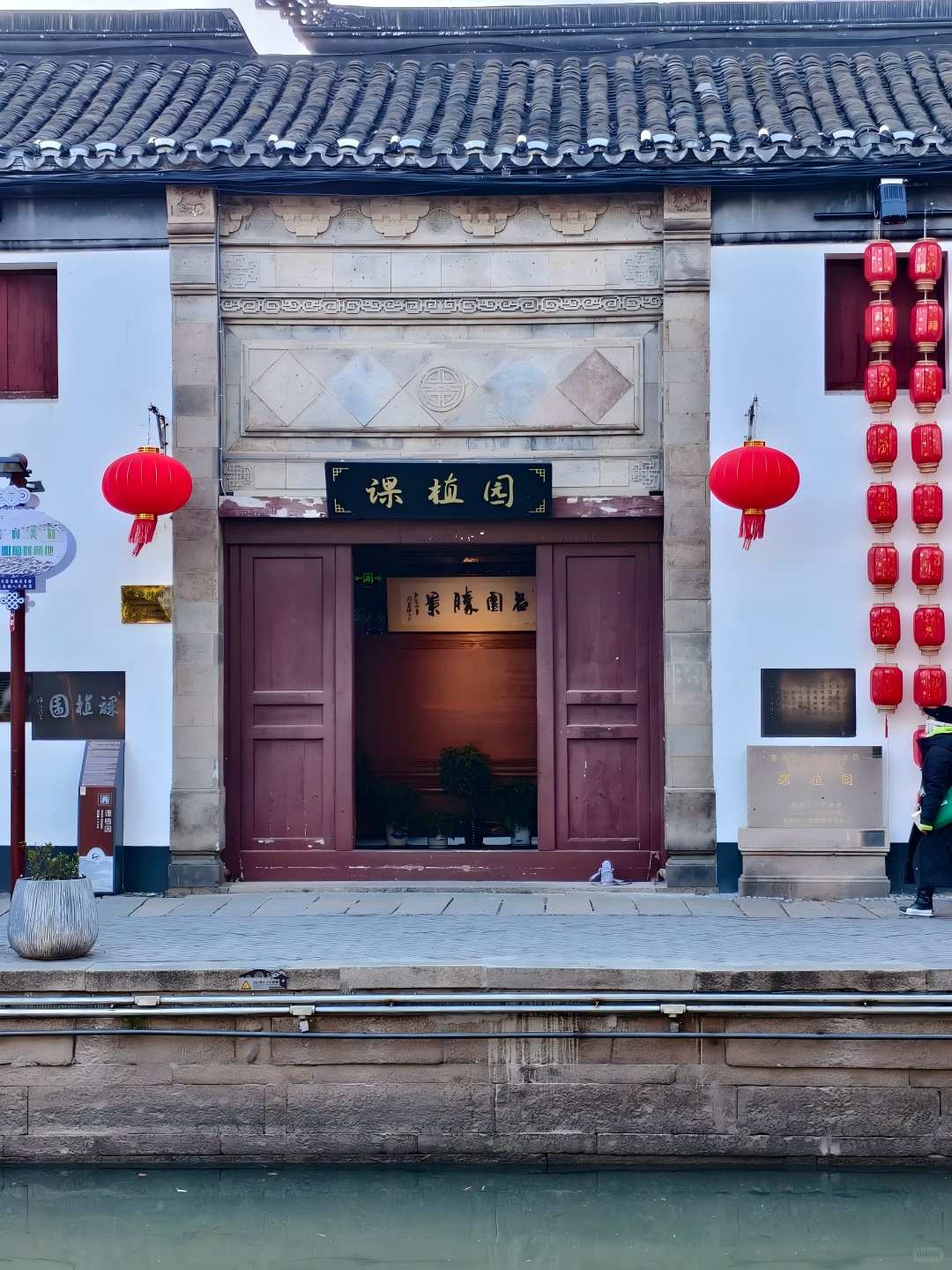
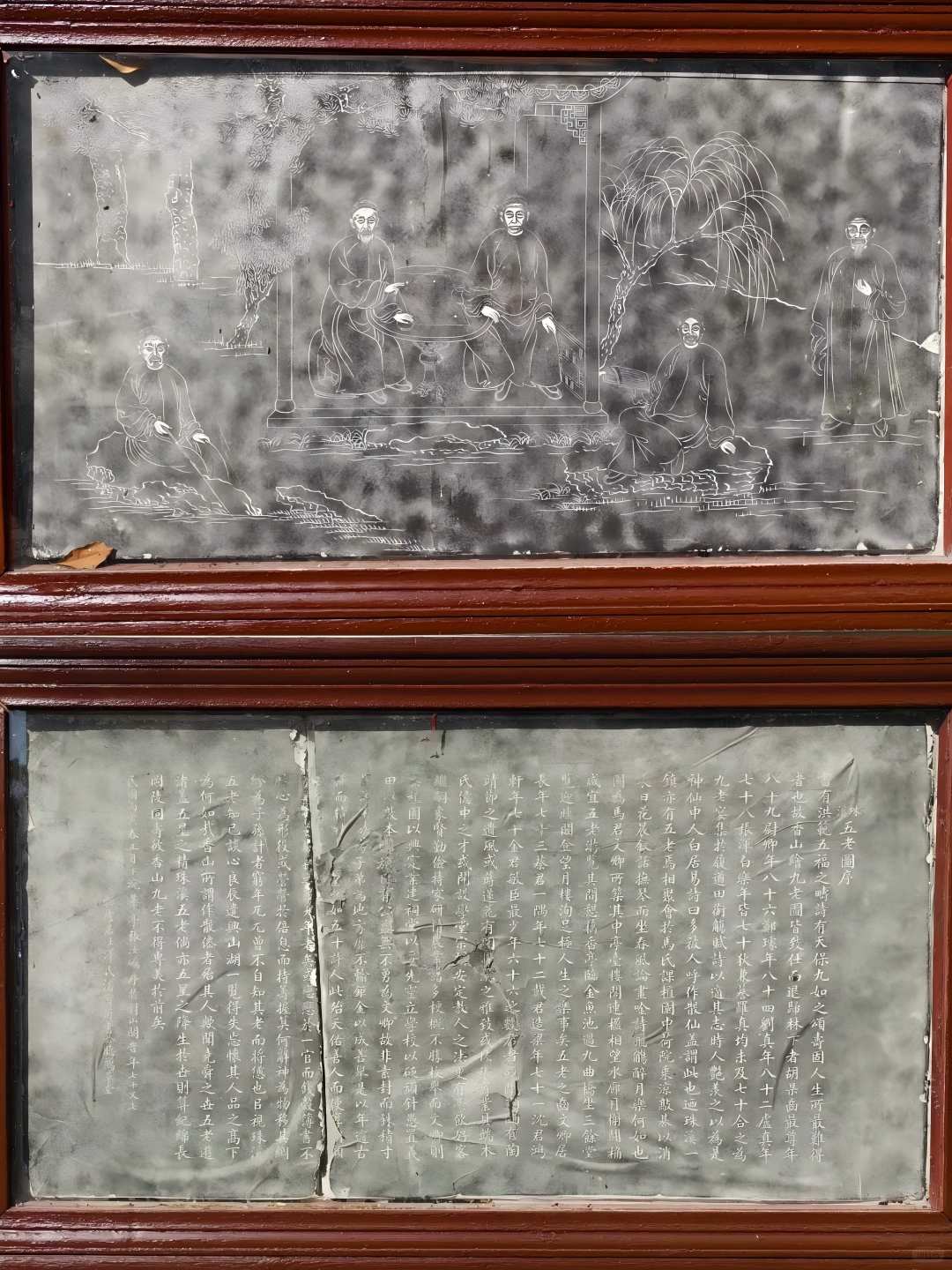
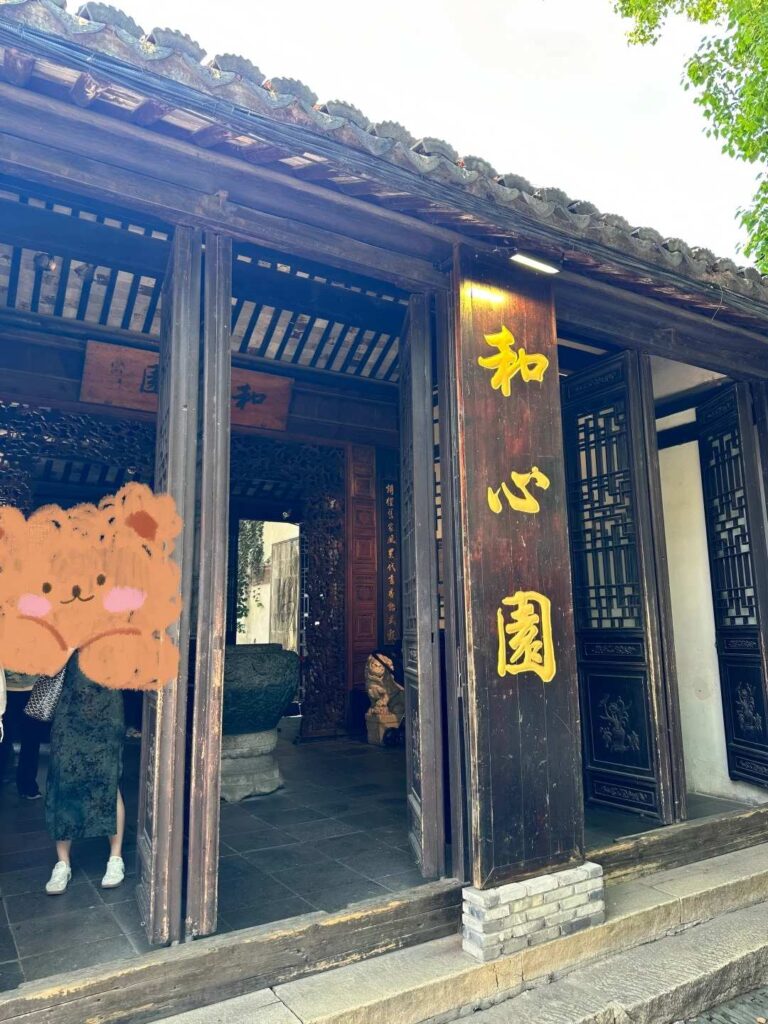
Finally, I visited two other highlights of the town, the Kezhiyuan (课植园) and Hexinyuan (和心园) gardens.
The peaceful Kezhiyuan is the largest manor-style garden in Zhujiajiao. Its name comes from “study,” (Ke), and “plant” (Zhi), reflecting the traditional Chinese value of study and farming passed down through the family.
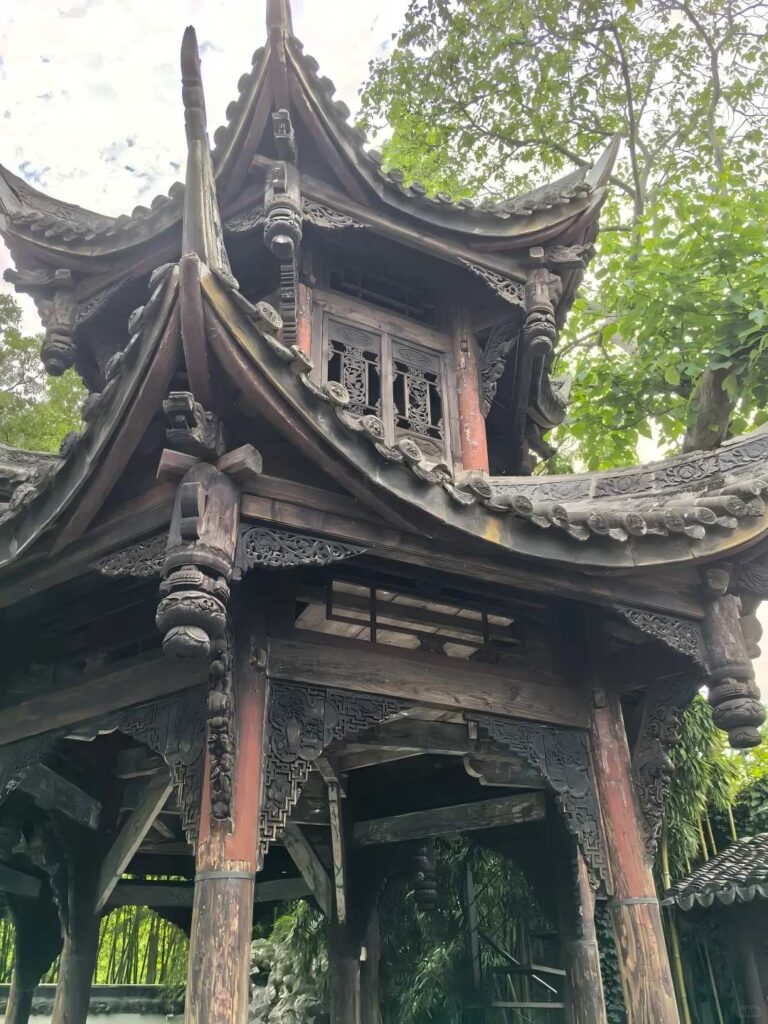
This garden is the largest private estate in the Shanghai region that blends Chinese and Western styles. It is divided into two parts: the Study Garden (Ke Yuan) and the Planting Garden (Zhi Yuan). It incorporates design elements like the Nine-Turn Bridge (similar to the one in Shanghai’s Yu Garden) and the Lion Pavilion (inspired by Suzhou’s Lion Grove Garden), while also integrating Western architectural elements.
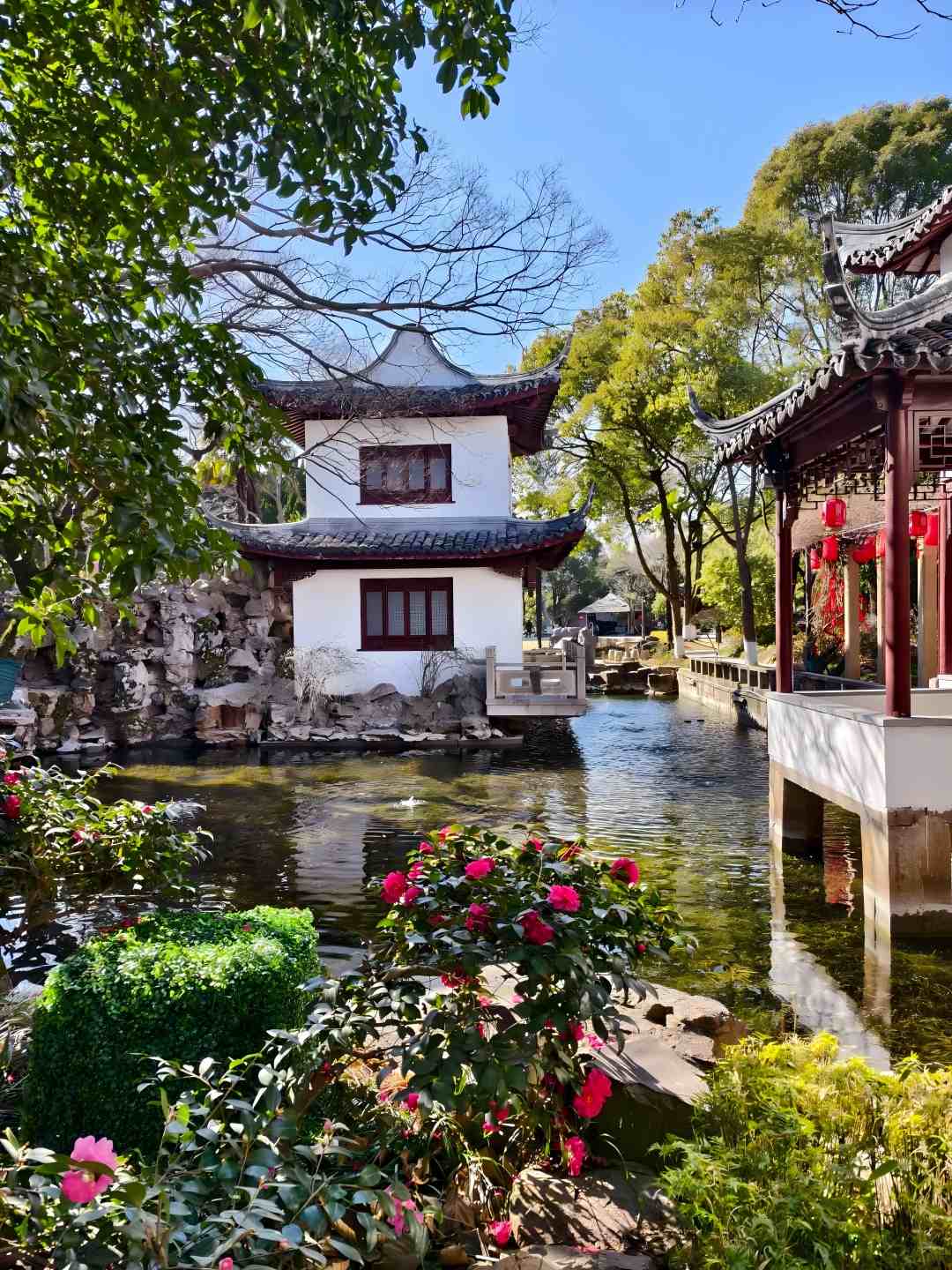
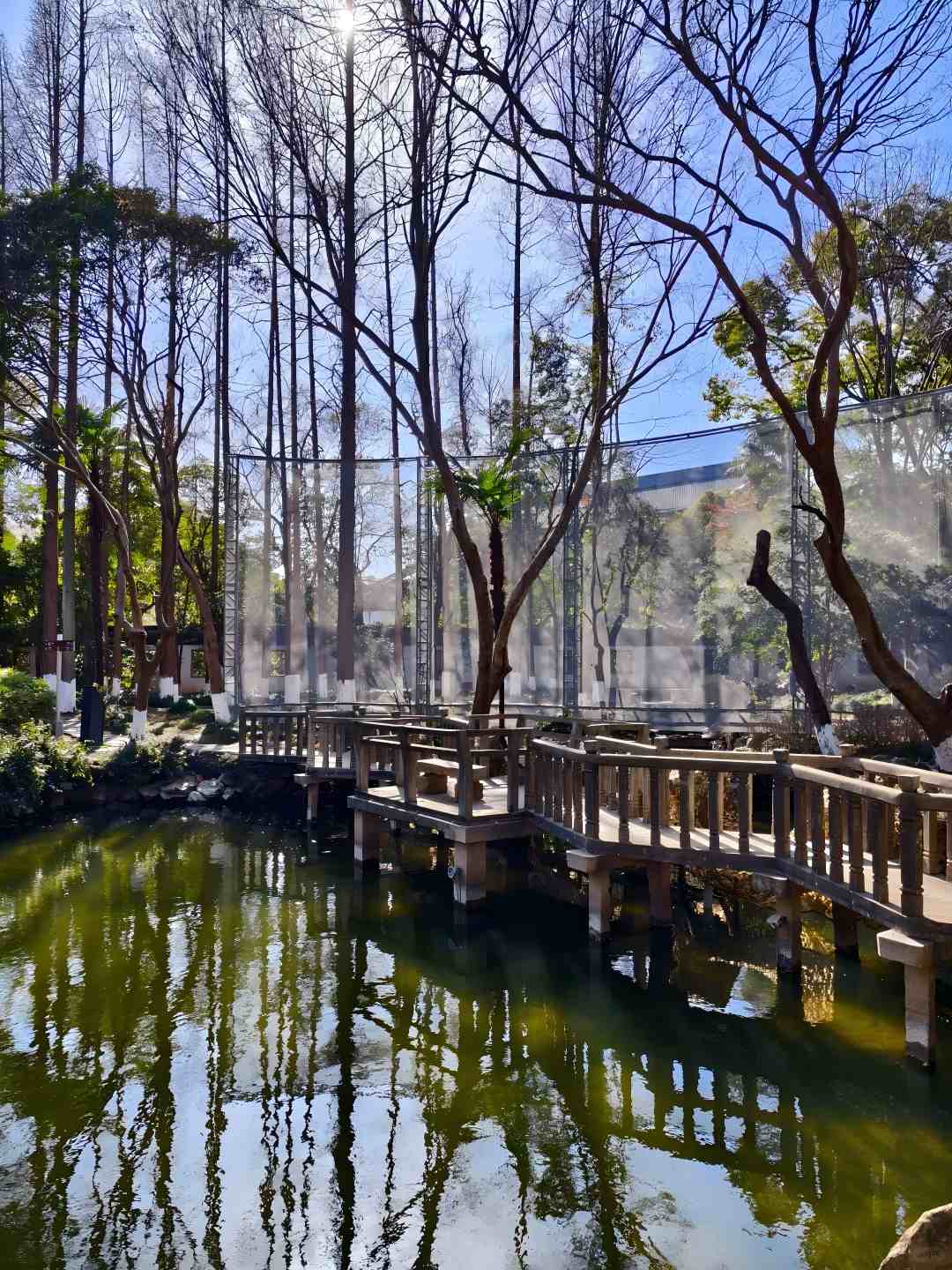
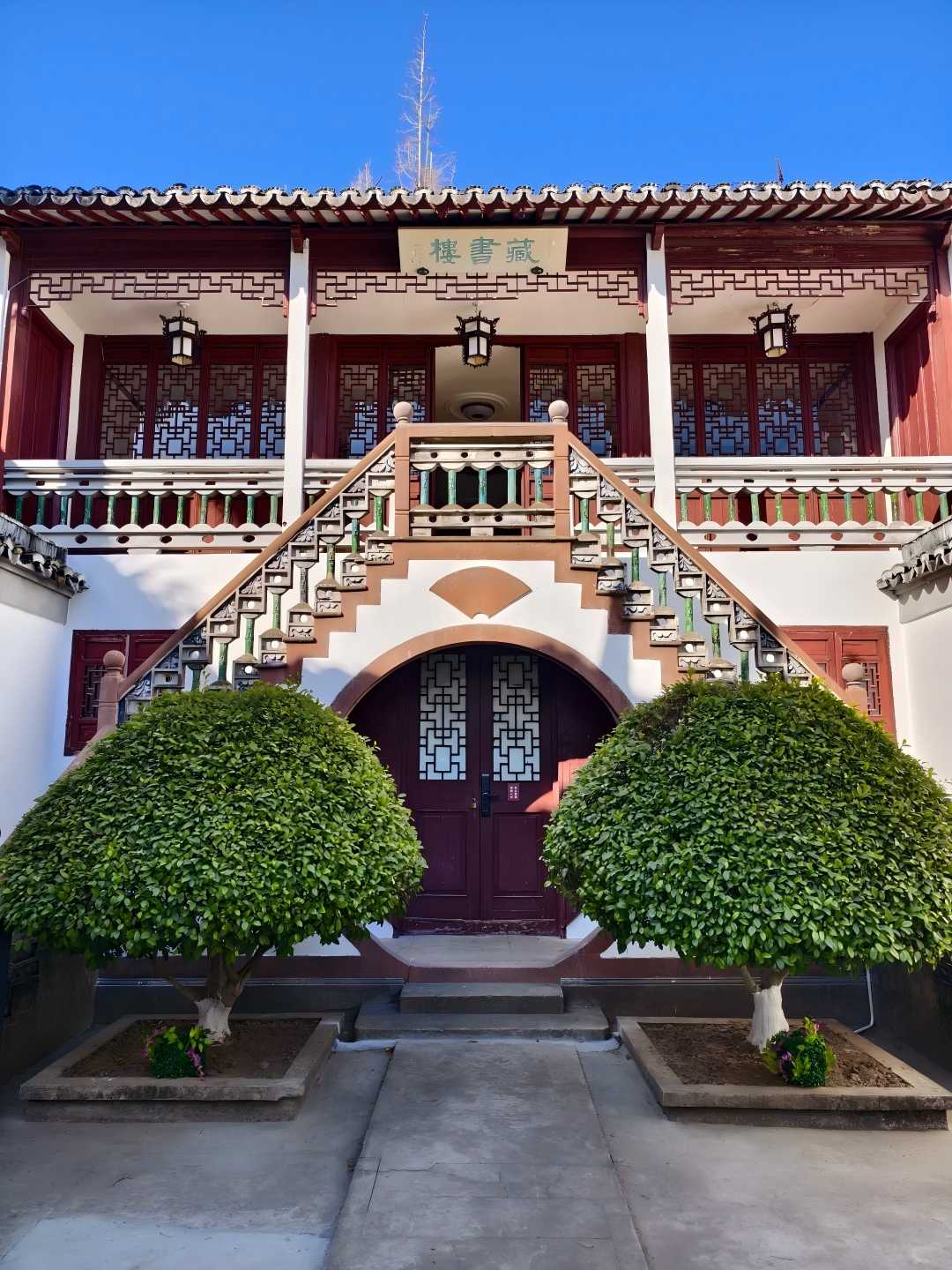
Between the two, I personally preferred Hexinyuan, and believe this is a must-see spot.
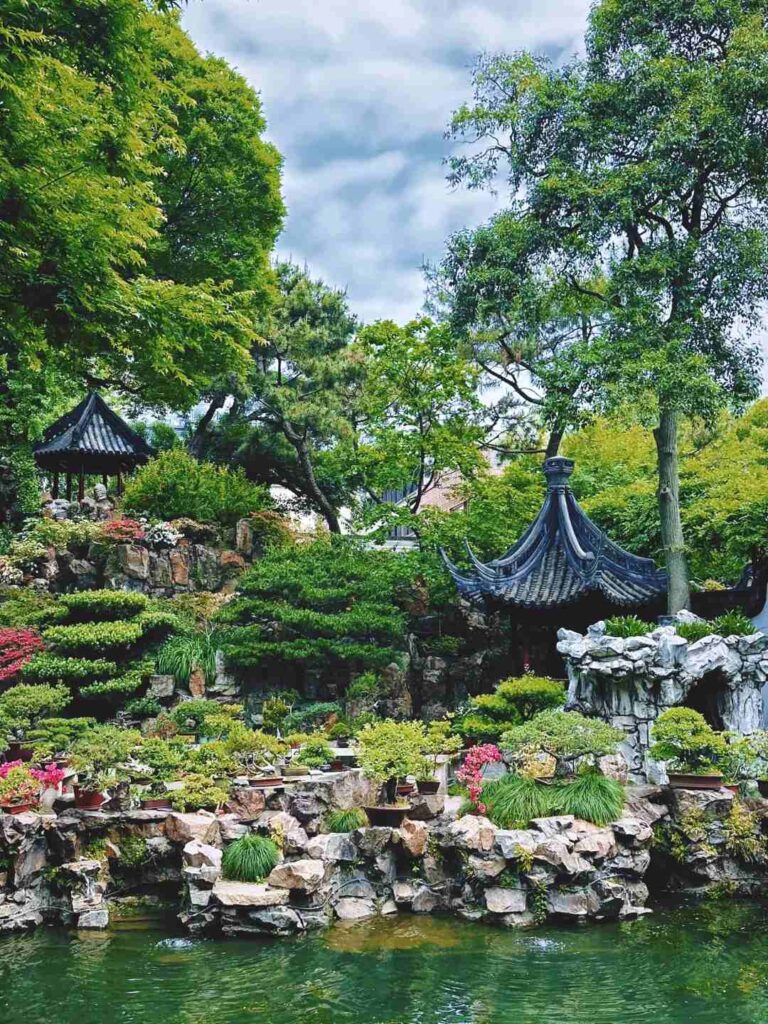
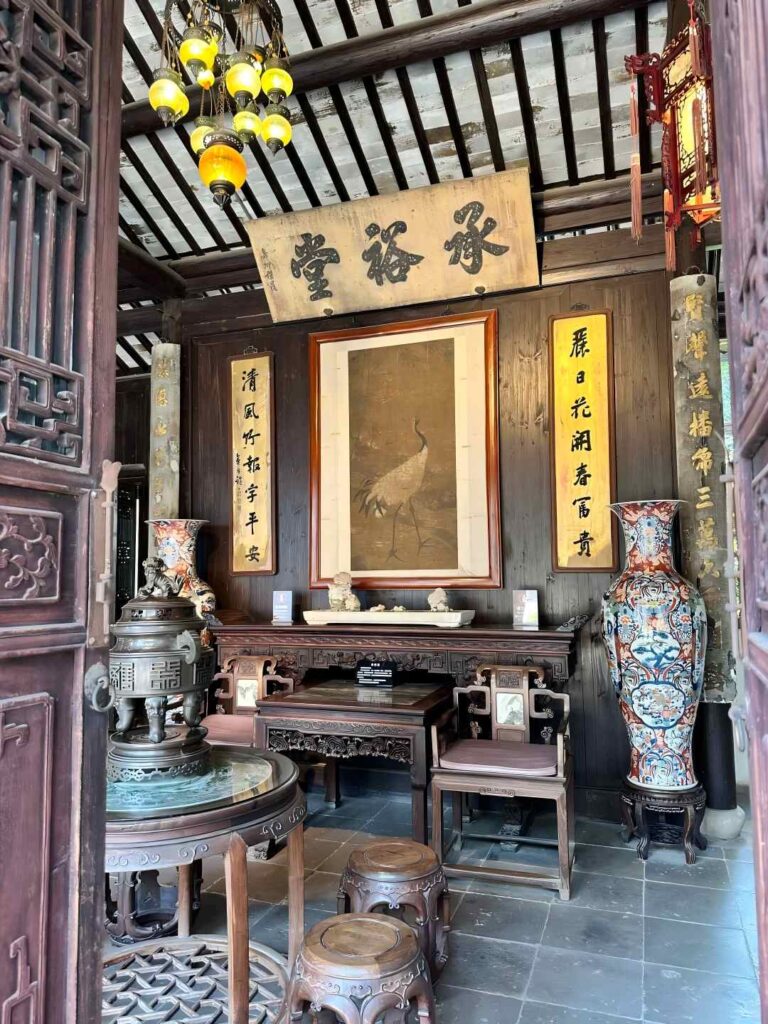
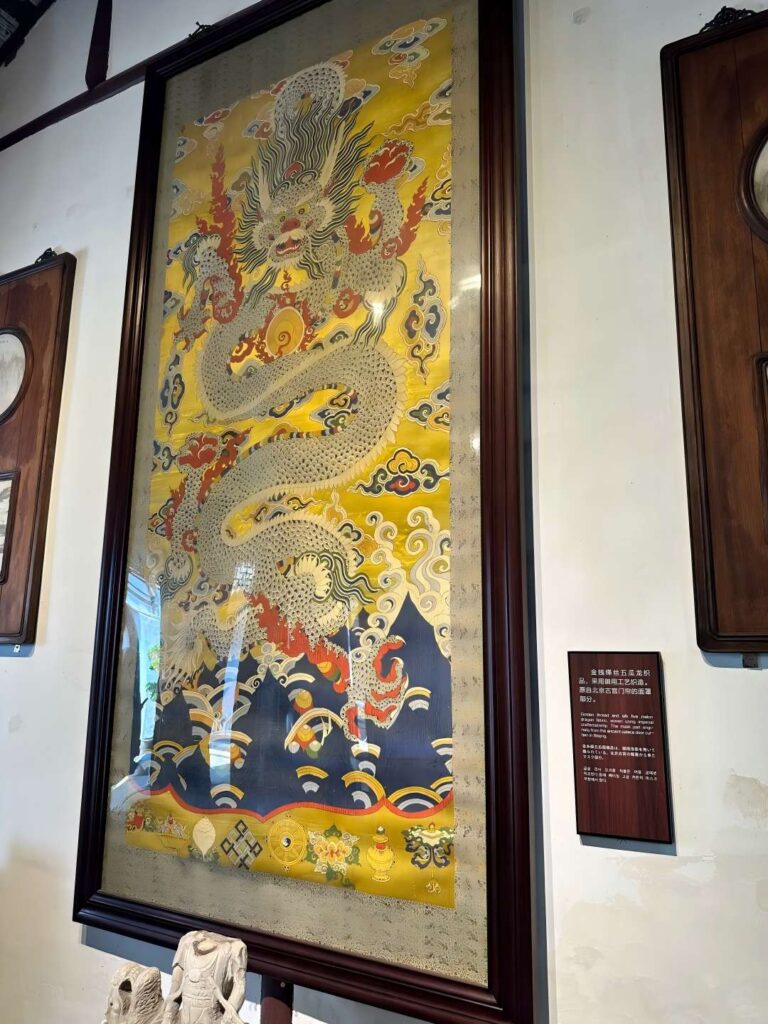
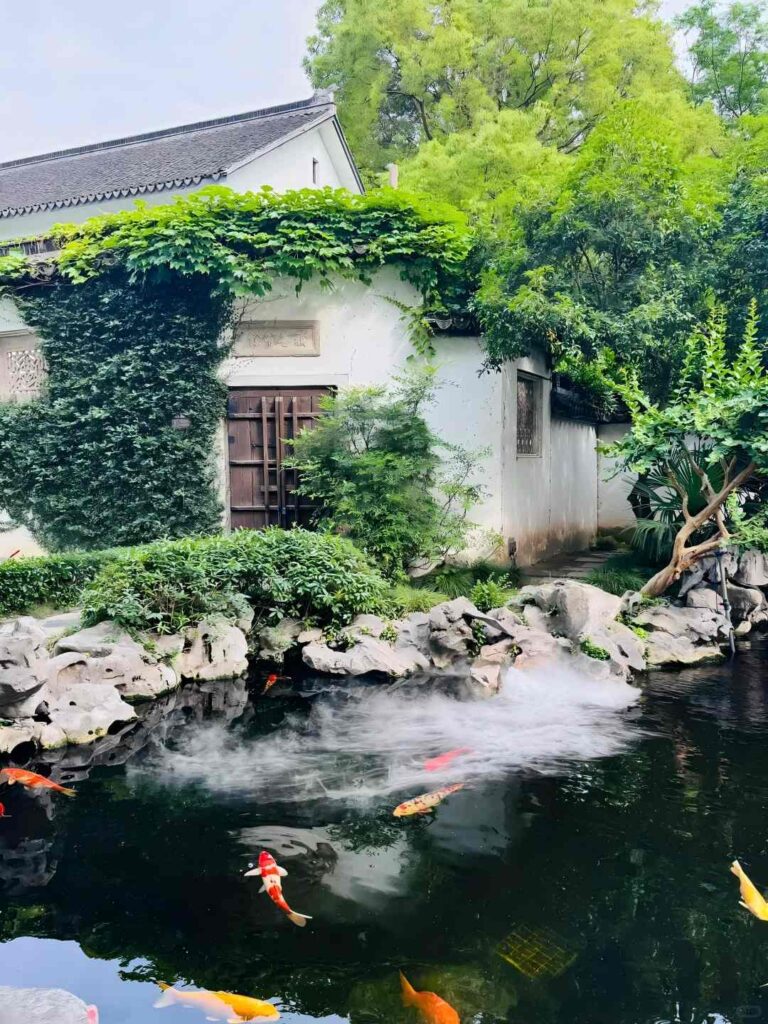
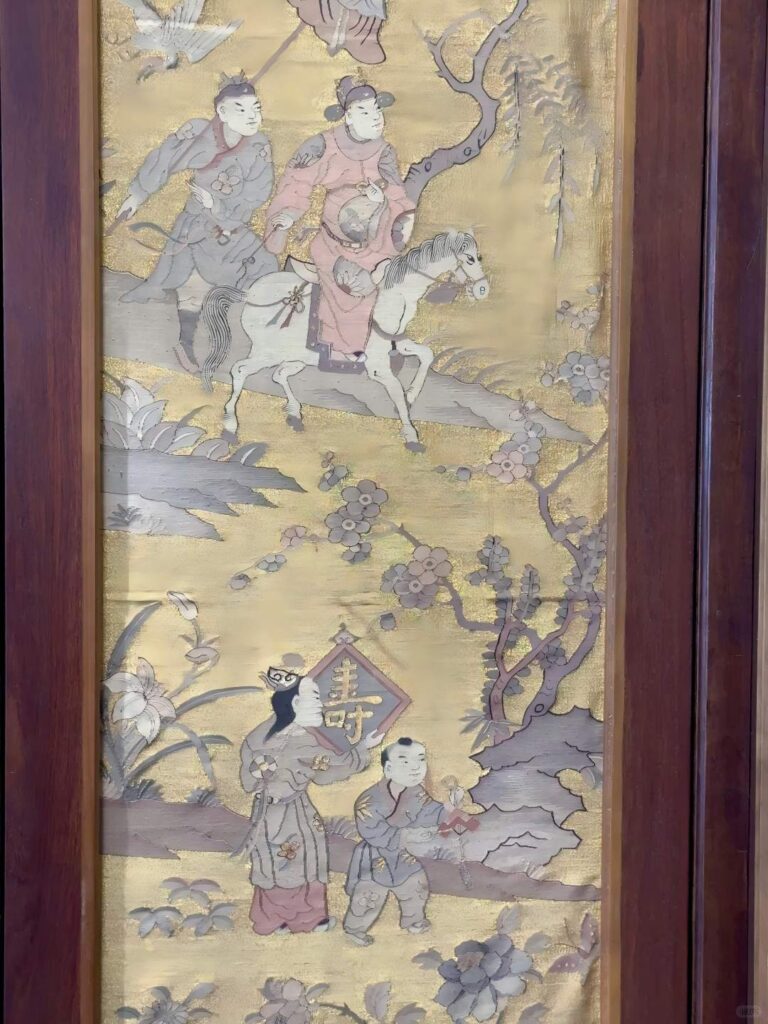
While smaller than Kezhiyuan, it is striking and well-manicured, and more authentically reflects the charm of Jiangnan gardens. It also houses a collection of Ming and Qing Dynasty artifacts, so walking through the garden feels like visiting a small museum.
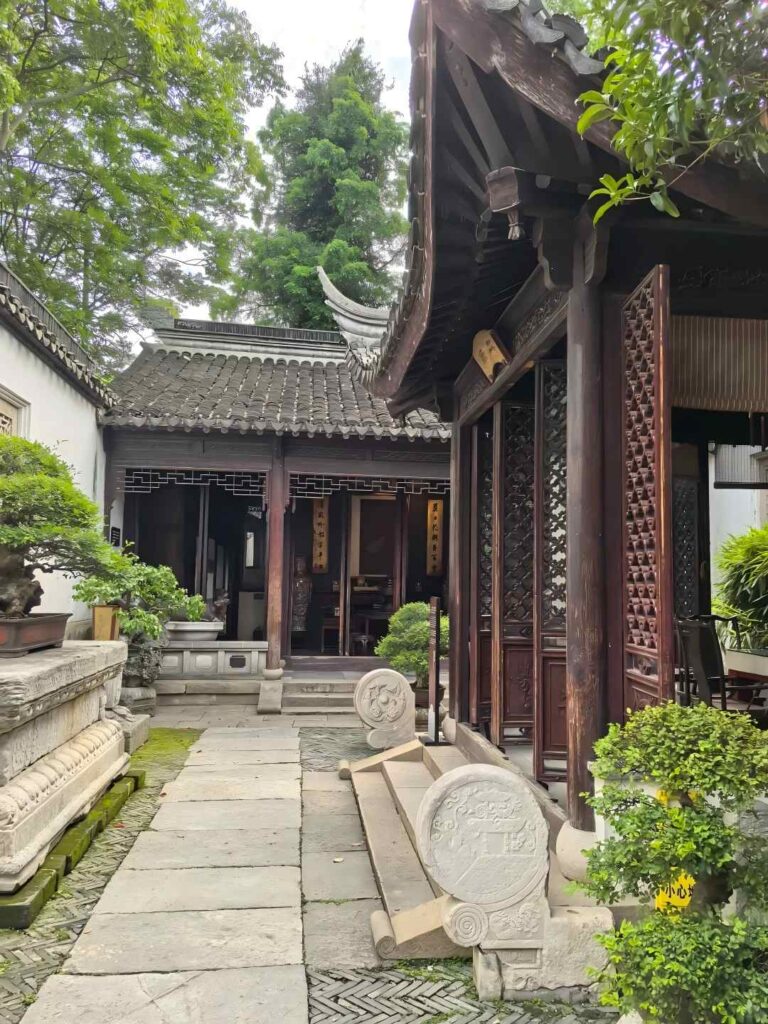
My visit wrapped up near the Quan Hua Watercolor Art Museum.
Final Thoughts
In short, Zhujiajiao is a water town full of culture and history. From the ancient Ming and Qing streets and 36 bridges, to the Kezhiyuan garden reflecting family farming traditions, to the striking view and life releasing stories of the Fangsheng Bridge, every corner of the town feels like a step back in time. It is certainly worth a visit, especially for international travelers hoping to experience traditional and authentic China.