What Shanghai Is Known For?
For many travelers, Shanghai is a popular first destination in China for many reasons. It’s known for being one of the most modern cities in the world, but it has also maintained its historical character well. Tourists often come to see the skyline and the complex metro system, but leave charmed by the local snacks, everyday street life, and the older neighborhoods that preserve the feeling of old Shanghai.
After opening as a treaty port in the 19th century and attracting foreign investment, Shanghai developed a distinctive East-meets-West style. This style is still present today, seen in European facades decorated with Chinese details, and is one of the most memorable aspects of the city.
Here are some of the things that make Shanghai so famous:
1) One of China’s biggest cities (in population)
Shanghai doesn’t cover as much land as some of the other populated areas in China, but it feels enormous because of its concentration of people. The municipality covers about 6,340.5 sq km (2,448 sq miles) and is home to roughly 24.8 million permanent residents (as of 2024). That works out to around 3,900 people per sq km, which is noticeably dense if you’re there.
Size comparison: With around 24.8 million residents, Shanghai is comparable to the population of Australia (approximately 27 million people), and roughly three times the size of New York City (approximately 8.48 million people) or London (approximately 9.06 million people).
In addition to being densely populated, Shanghai’s size is emphasized by its fast-paced lifestyle and design, such as the high-speed metro, long city blocks, and bright glow of the skyscrapers at night. For most visitors, the pace, crowds, and energy make the city feel larger than many other destinations in the world.
Read More: Things to Do in Shanghai
2) A multicultural city where history and the future exist together
Shanghai is best summarized by the word haipai (海派), which represents the city’s blend of Jiangnan taste with its advanced global pace. When you visit, you’ll inevitably see this contrast, especially if you’re in Old Shanghai but still within sight of the skyscrapers.
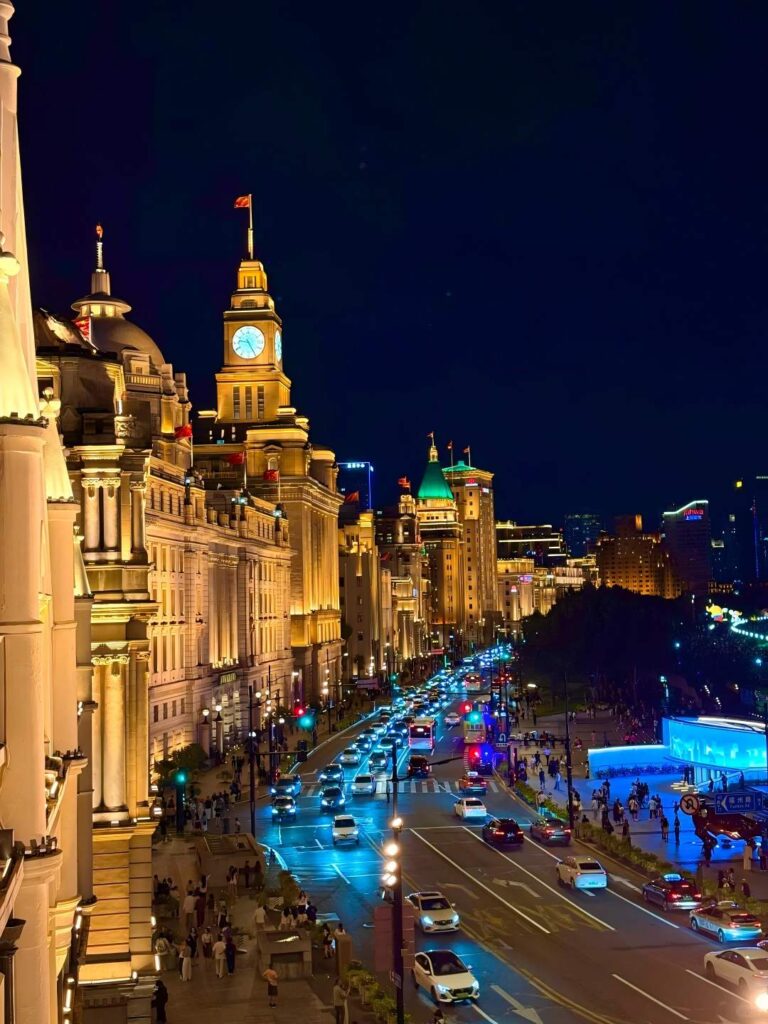
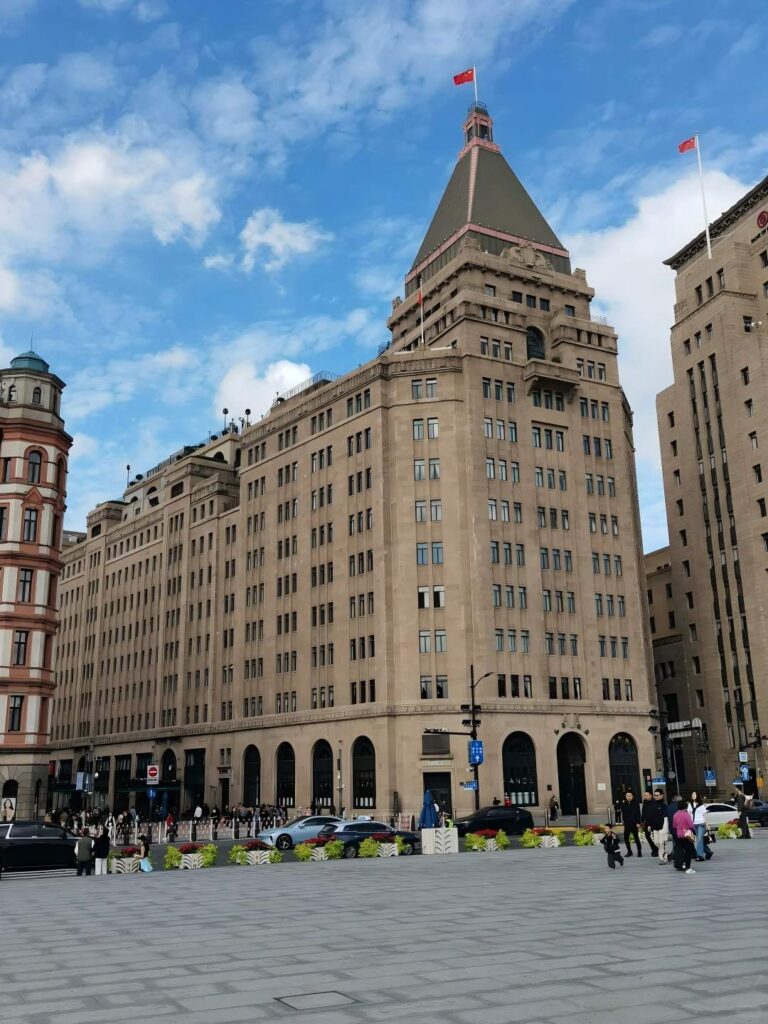
Shanghai began as a modest town focused on fishing and textiles, but changed dramatically after 1842, when it was forced to open as a treaty port and foreign communities began to take root. By the 1920s and 1930s, trade and finance were booming, Shanghai had earned its “Paris of the East” nickname, and Western-style buildings lined the waterfront. Much of what you see today along the Bund and in the former French Concession traces back to that era.
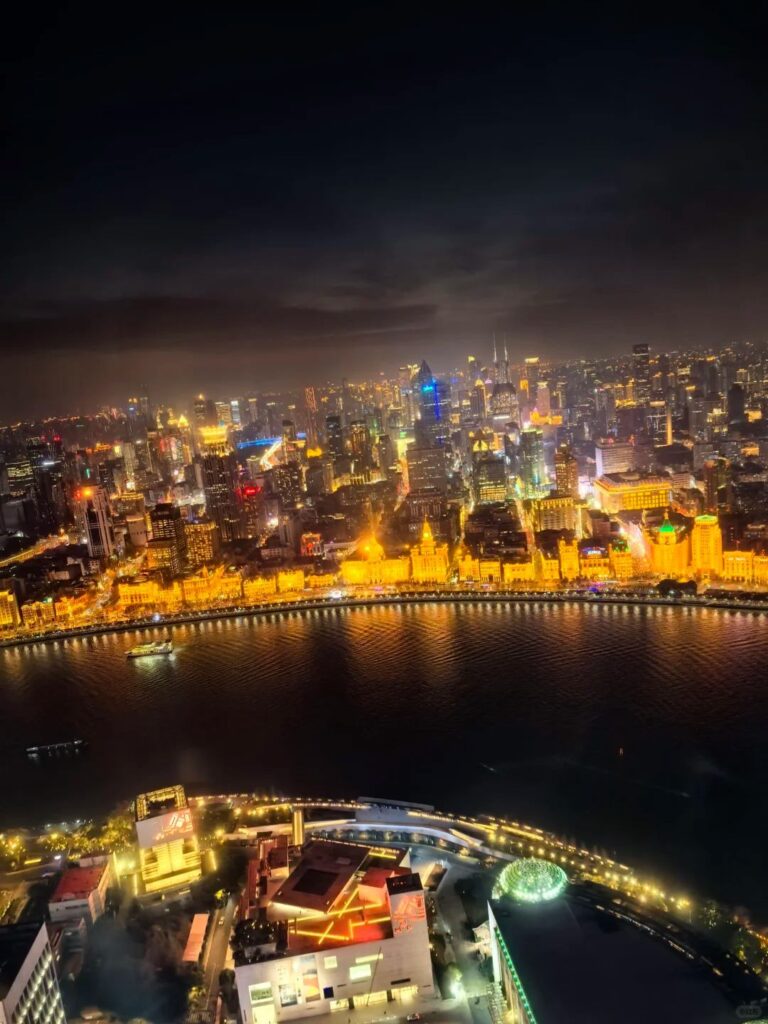
The Bund is perhaps Shanghai’s most famous landmark, a collection of early-20th-century banks, hotels, and clubs along roughly 1.5km (about a mile) of the Huangpu River. There are about 52 buildings in a variety of styles, often described by locals as resembling an open-air architecture show. When you turn towards Pudong, you see the contrast the city is known for, with historic facades on one side and the wall of high rises in Lujiazui on the other. It’s like seeing a before-and-after photo.
To see more of everyday life in Shanghai, spend some time walking through the alleyways, lined with shikumen houses. They have a Jiangnan-style layout of courtyards, tight lanes, and family living, but borrow the look of European row houses.
Read More: Tianzifang: Shanghai’s Hidden “Nongtang” Soul
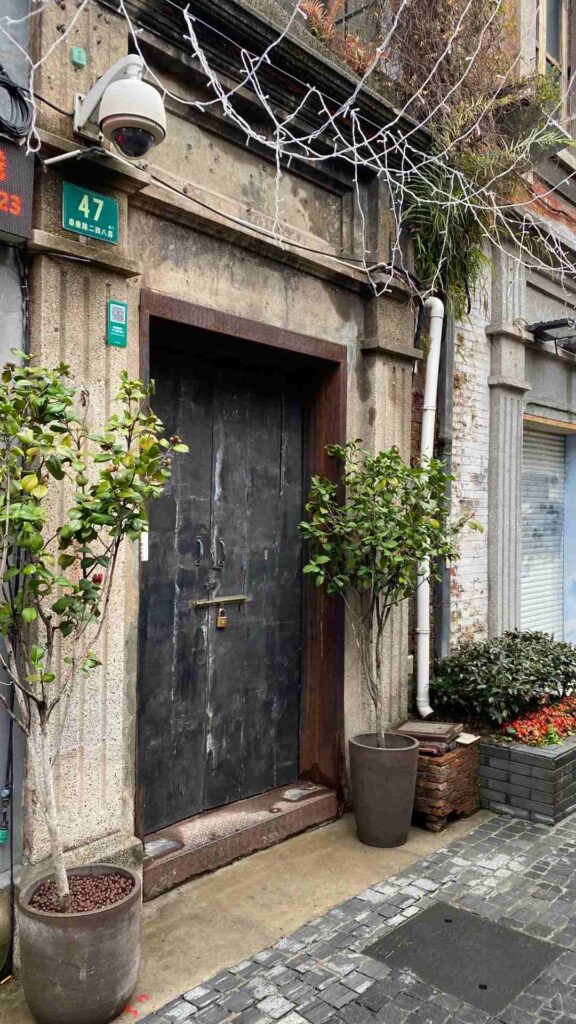
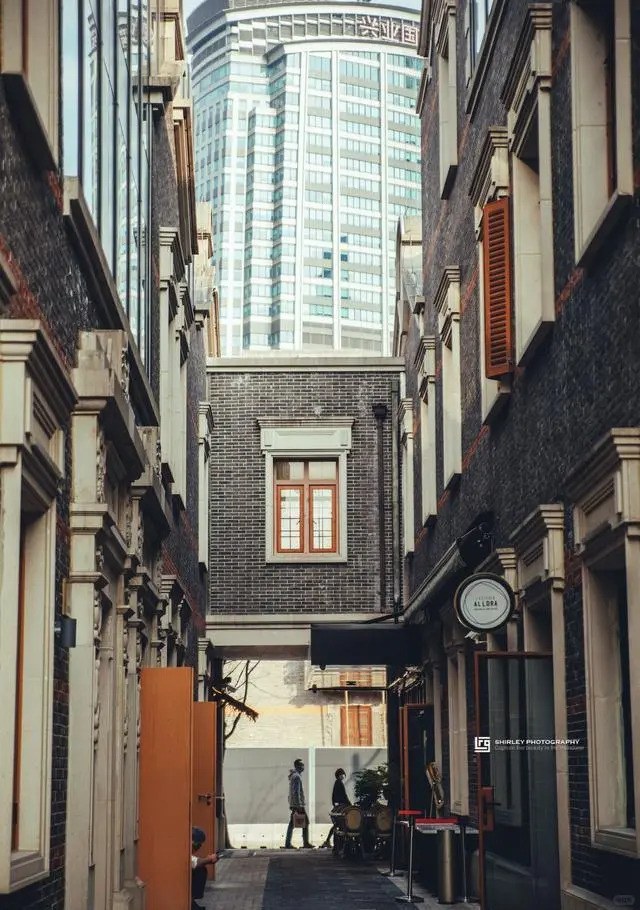
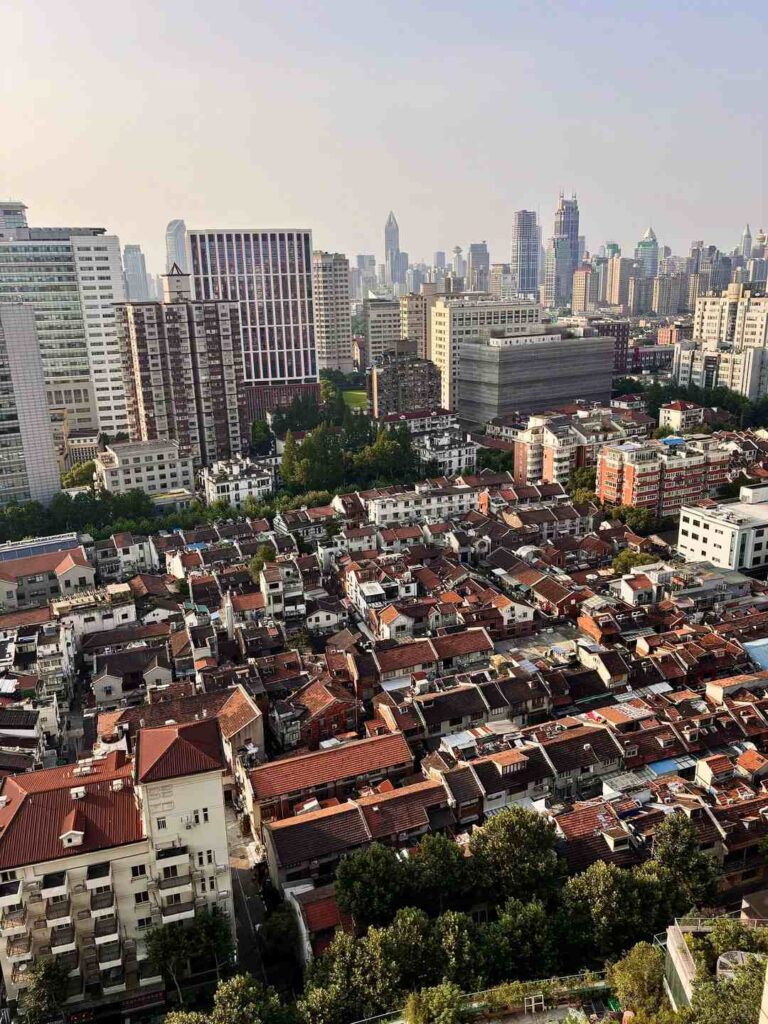
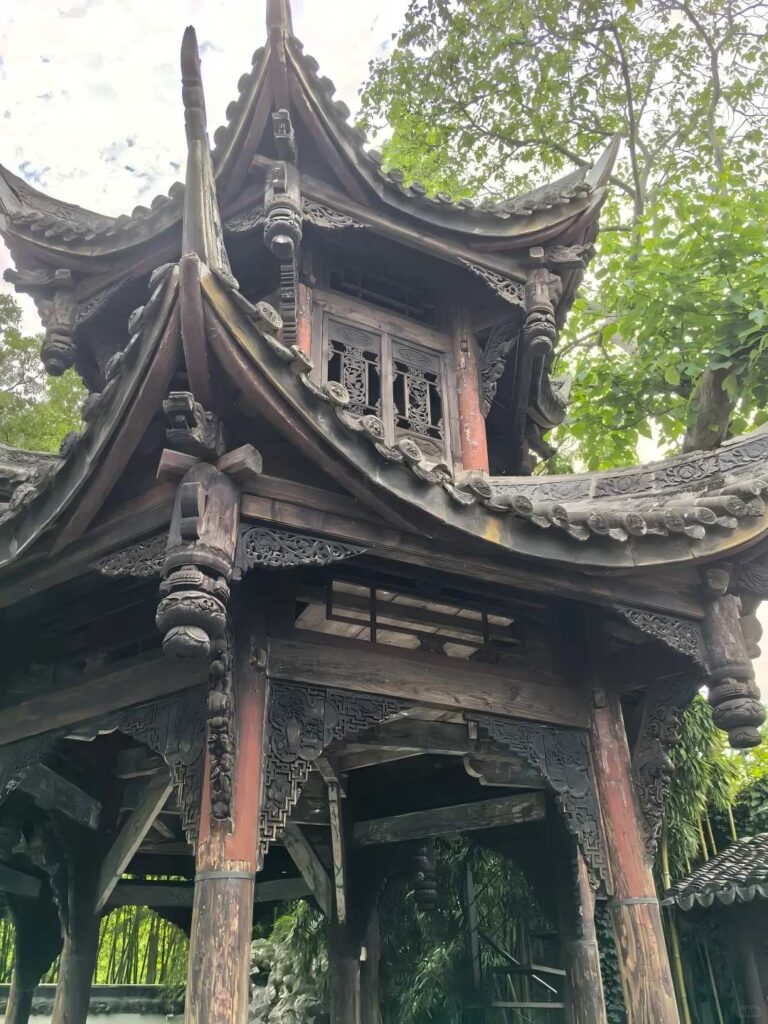
If you travel into the Old City around Chenghuang Temple (City God Temple) and Yu Garden, you’ll find more of the architecture and atmosphere that embodies the city’s roots.
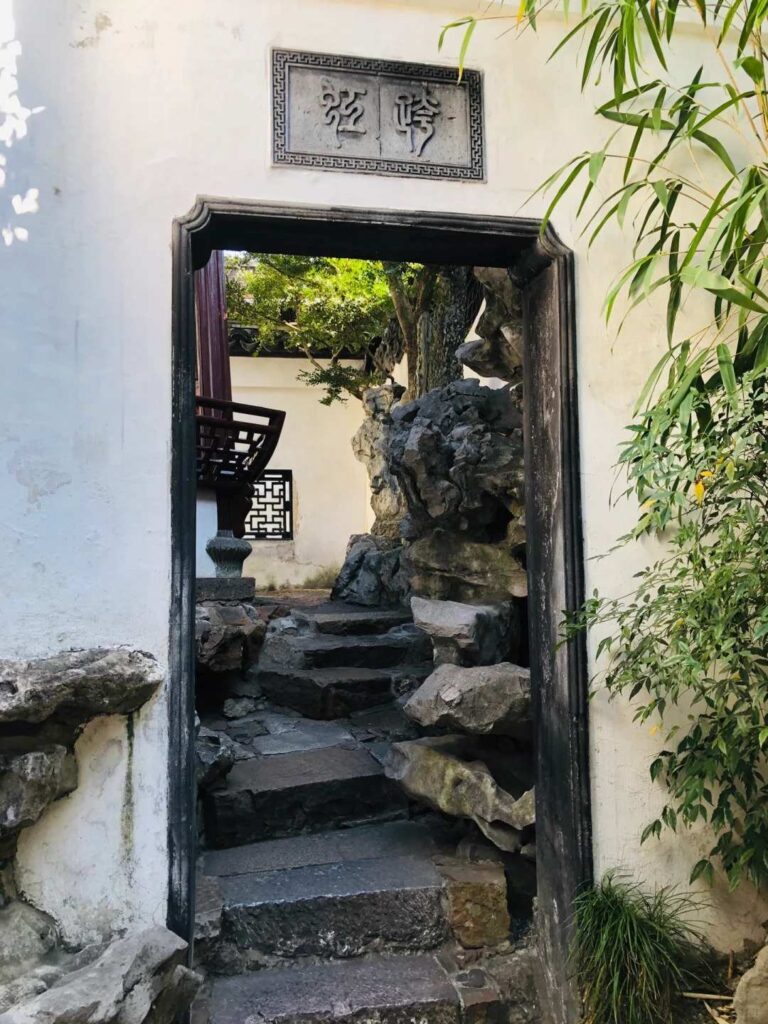
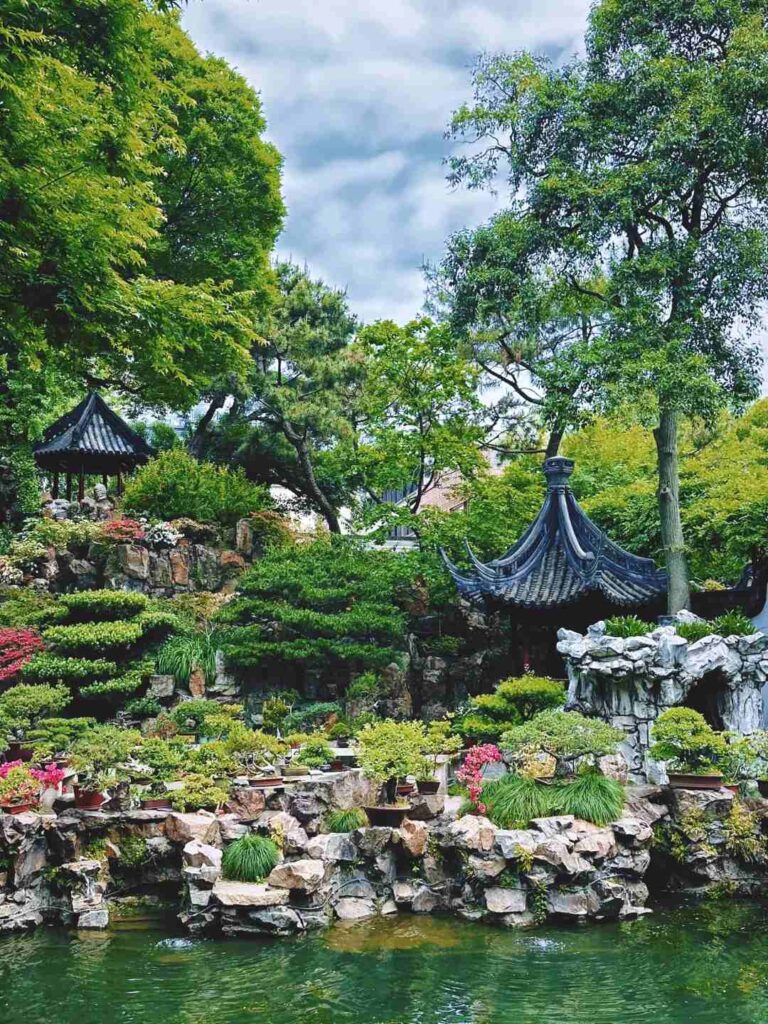
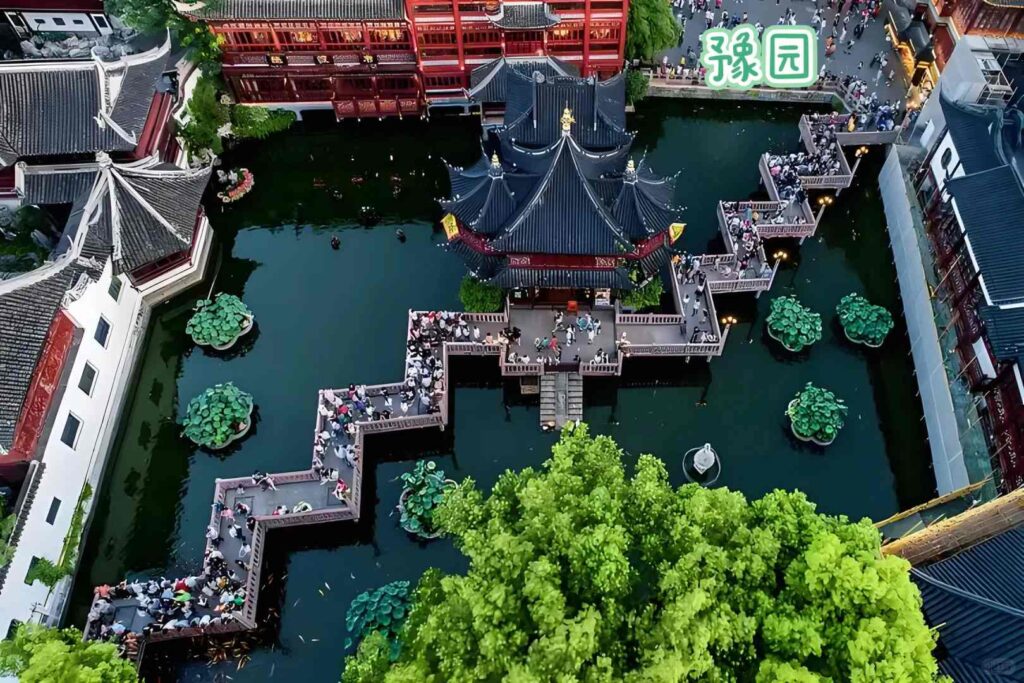
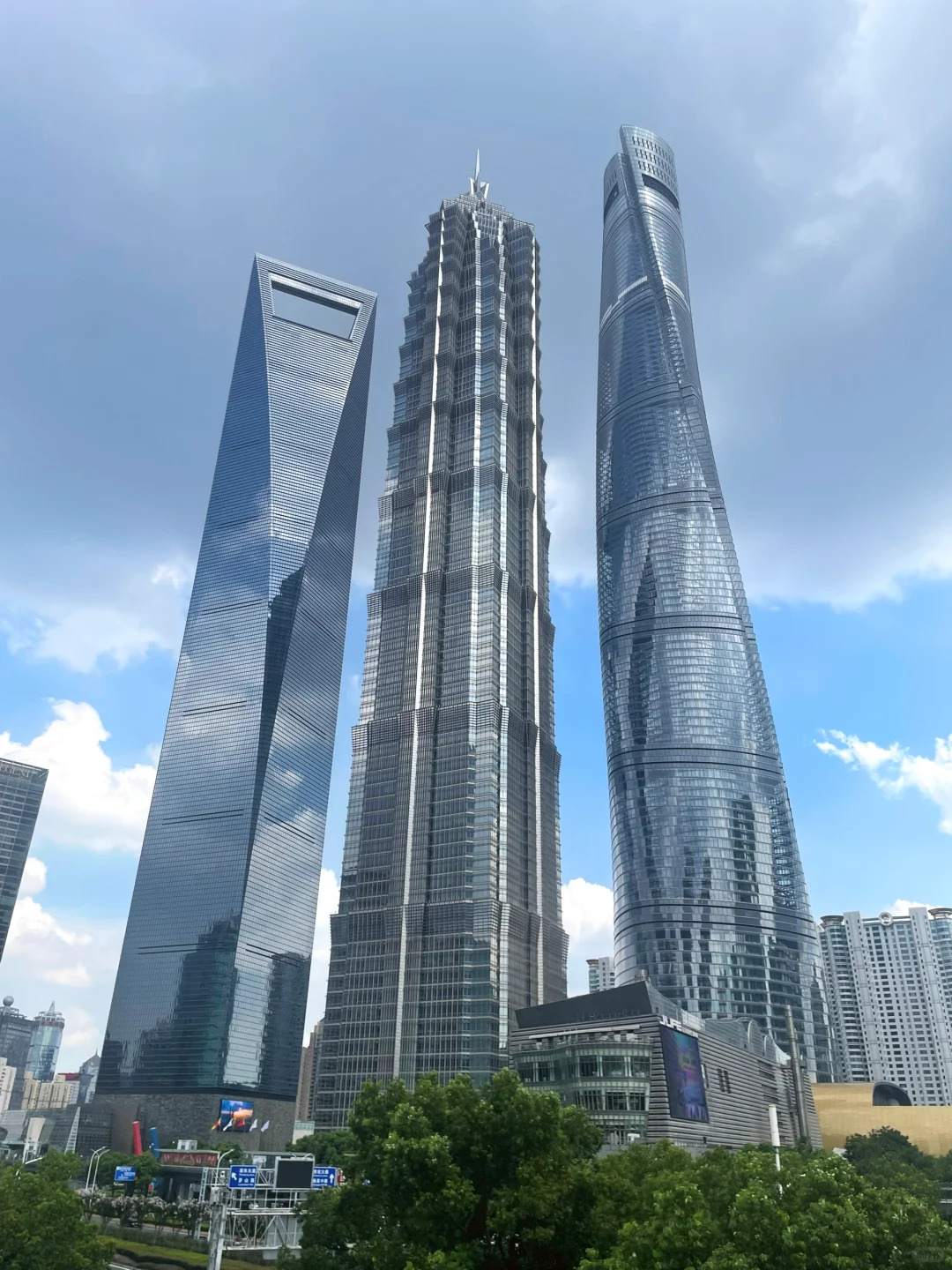
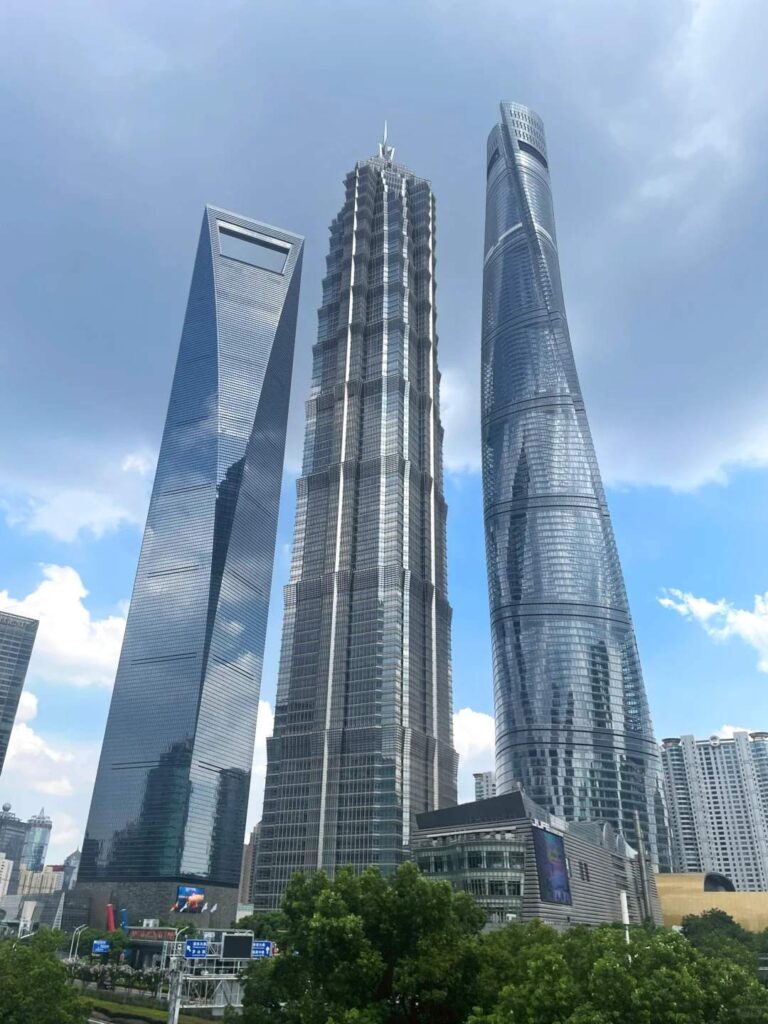
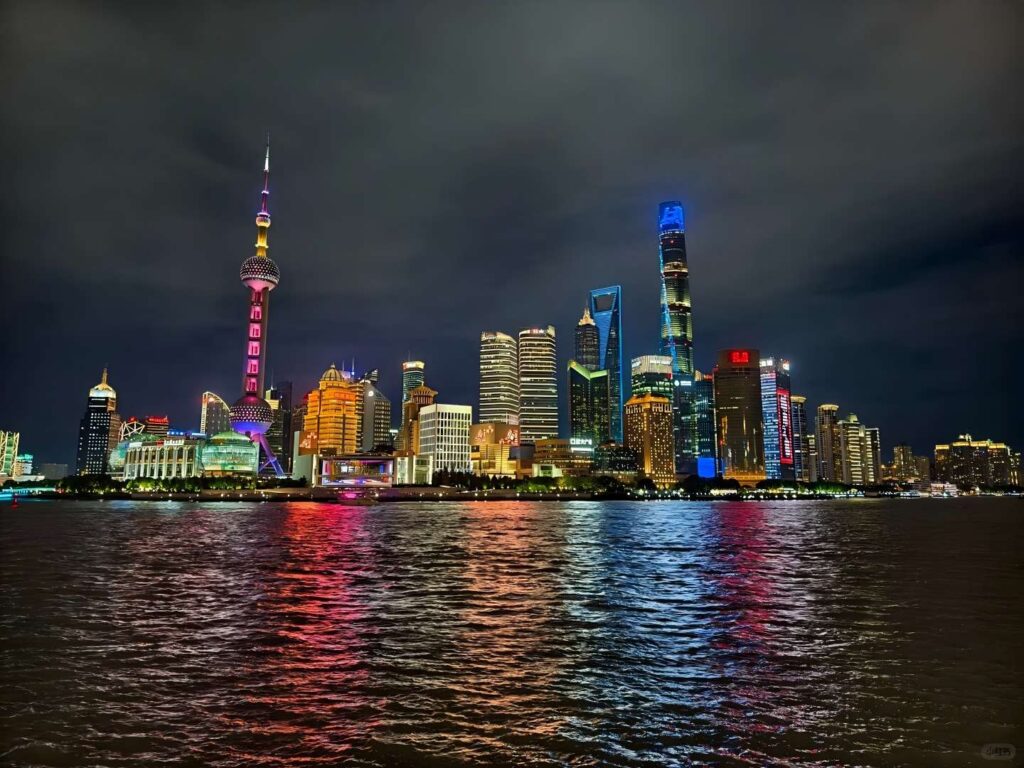
From 1990 onward, Pudong’s development reshaped Shanghai’s skyline rapidly, and landmarks like the Oriental Pearl Tower, the Shanghai World Financial Center and the Shanghai Tower became internationally-known. Shanghai’s ability to add culture, rather than change it, through these eras allows tourists to experience this history while they sightsee.
3) One of the world’s major financial hubs
Beyond its aesthetic appeal, Shanghai is highly significant in international business, ranked 6th worldwide in the Global Financial Centres Index (GFCI 35) released in March 2024. The Lujiazui skyline is central to it, with skyscrapers occupied by banks, insurers, exchanges, headquarters, and the services that keep a global city running.
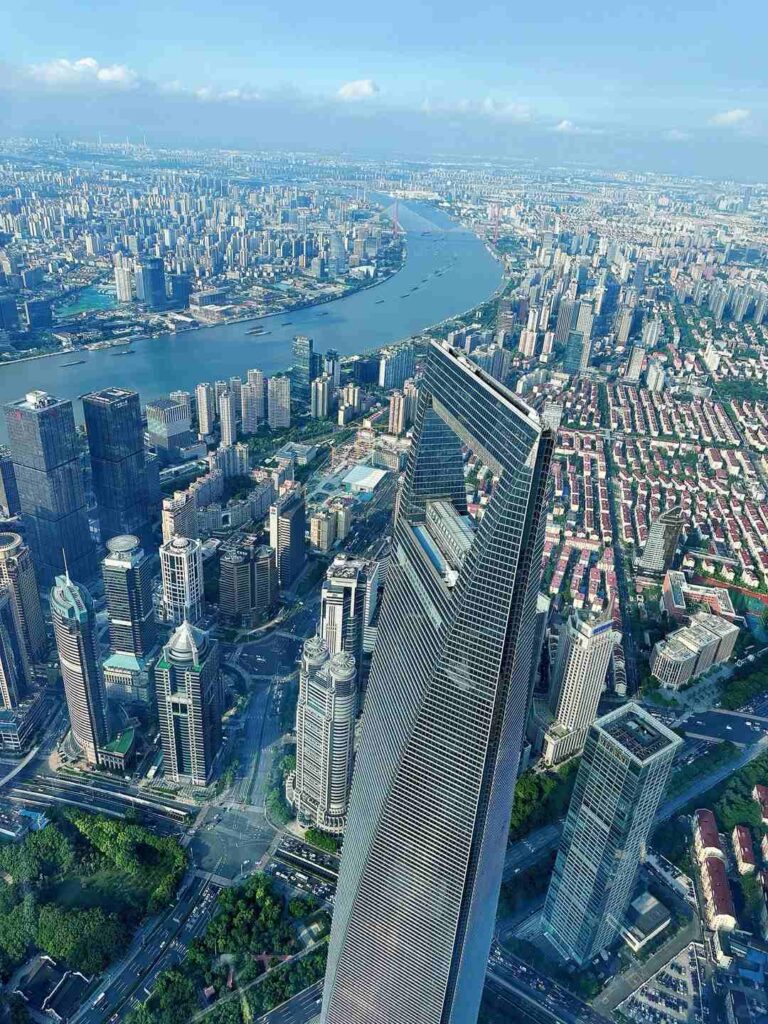
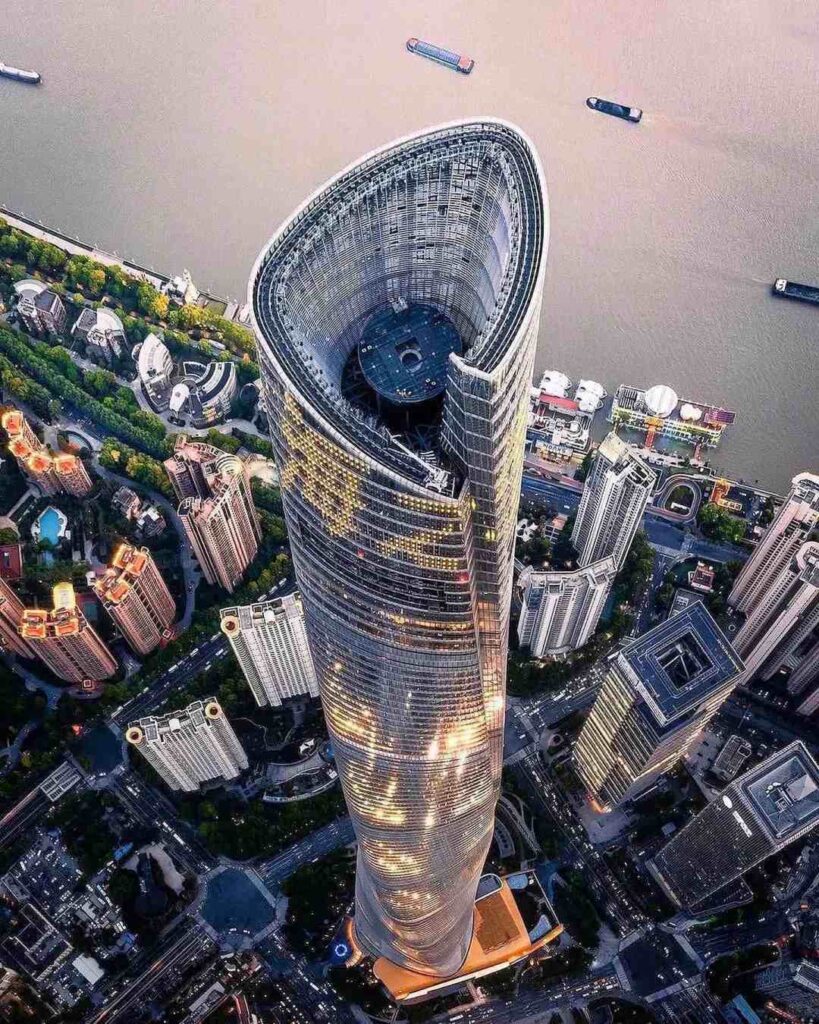
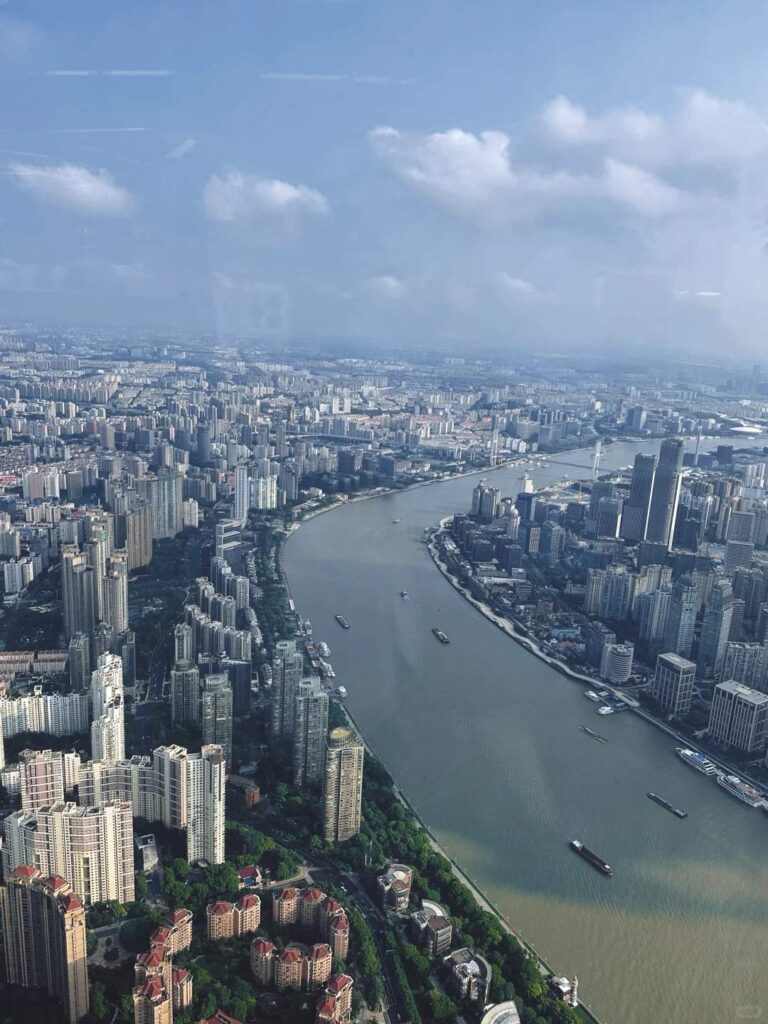
Shanghai’s position as a global financial hub is accentuated by the high-end malls full of luxury brands, busy convention centers, business hotels, and an efficient, service-heavy economy. It’s a city where plans get made, meetings happen, and things move forward fast!
4) One of China’s best transportation systems
For visitors, Shanghai’s transportation infrastructure makes travel very straightforward. It’s one of China’s key transport hubs, with two major airports—Pudong (PVG) and Hongqiao (SHA)—about 40km apart. Pudong handles more long-haul and international routes, while Hongqiao is closer to the city centre and common for domestic flights and regional trips.
Travel is convenient both within Shanghai and away from it. The main stations connect to the national high-speed rail network, and Hongqiao Railway Station links with Hongqiao Airport, which is ideal if you’ve included day trips to Suzhou, Hangzhou, or Nanjing in your itinerary.
Within the city, the metro is the most common form of transportation for locals and tourists alike, with 21 lines, 517 stations, and 896km of track (as of April 2025), reaching most major sights and neighborhoods. If something’s a little far from a station, the bus system fills the gaps: by year-end 2022, Shanghai had 1,596 bus routes throughout the city.
On top of that, taxis and ride-hailing cars are everywhere and easy to book. Fares are generally reasonable compared to many big Western cities, and if you avoid rush hour, getting a ride can save a lot of time.
5) The city that doesn’t really go to sleep
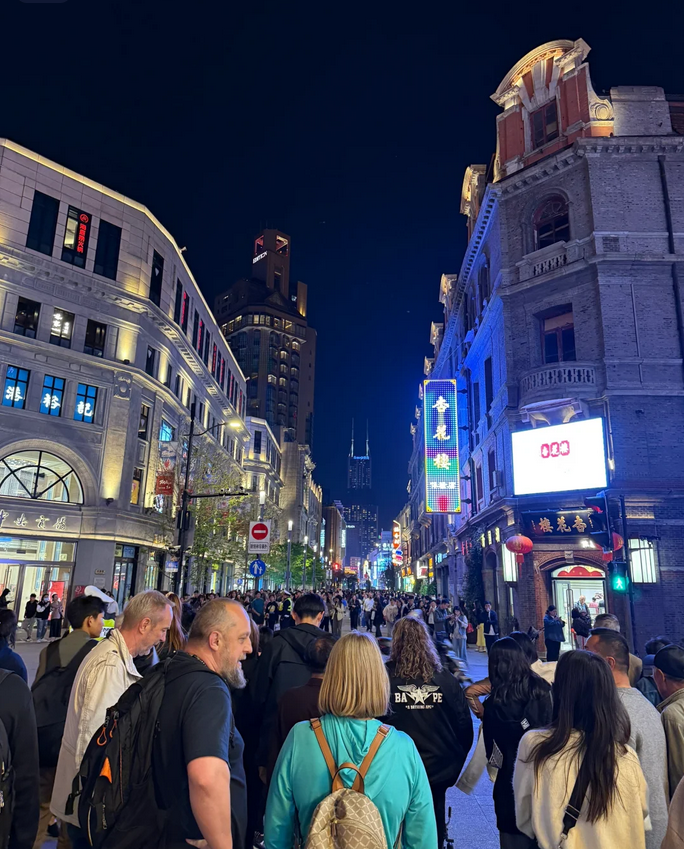
Shanghai doesn’t follow the usual rhythm of cities that slow down after dinner. When the sun sets, the city lights come on, and places like the Bund and Nanjing Rd stay busy well into the night. Shanghai’s reputation as a “city that never sleeps” means that nighttime isn’t the end of the day, but just a time to experience other aspects of the city’s culture.
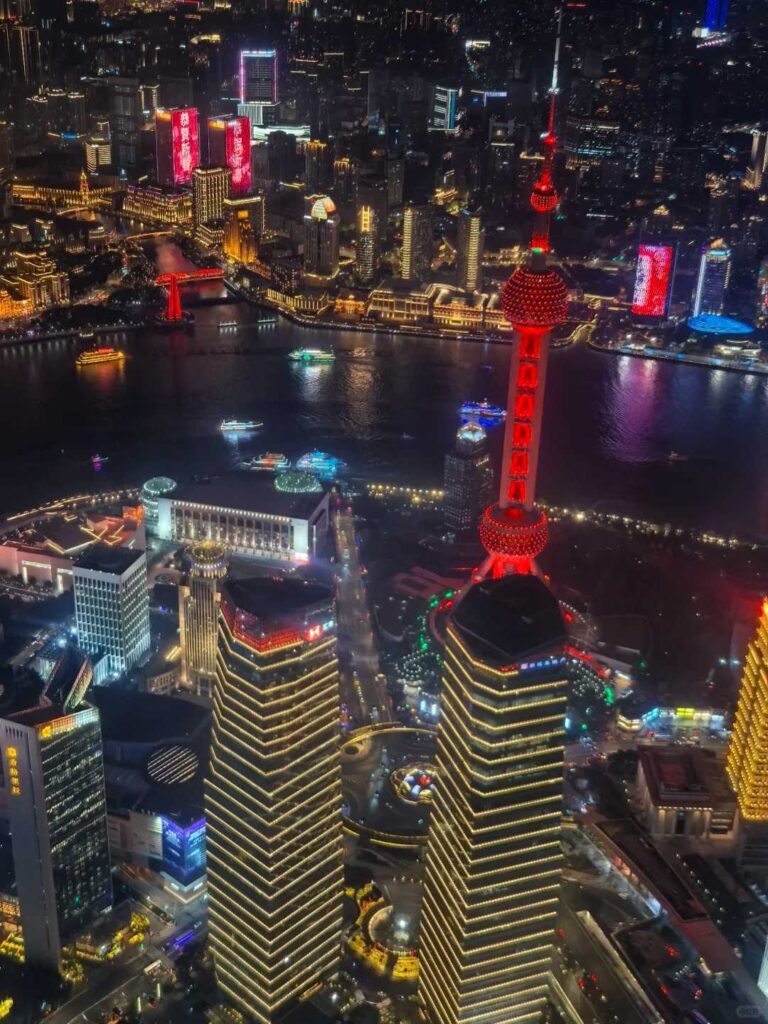
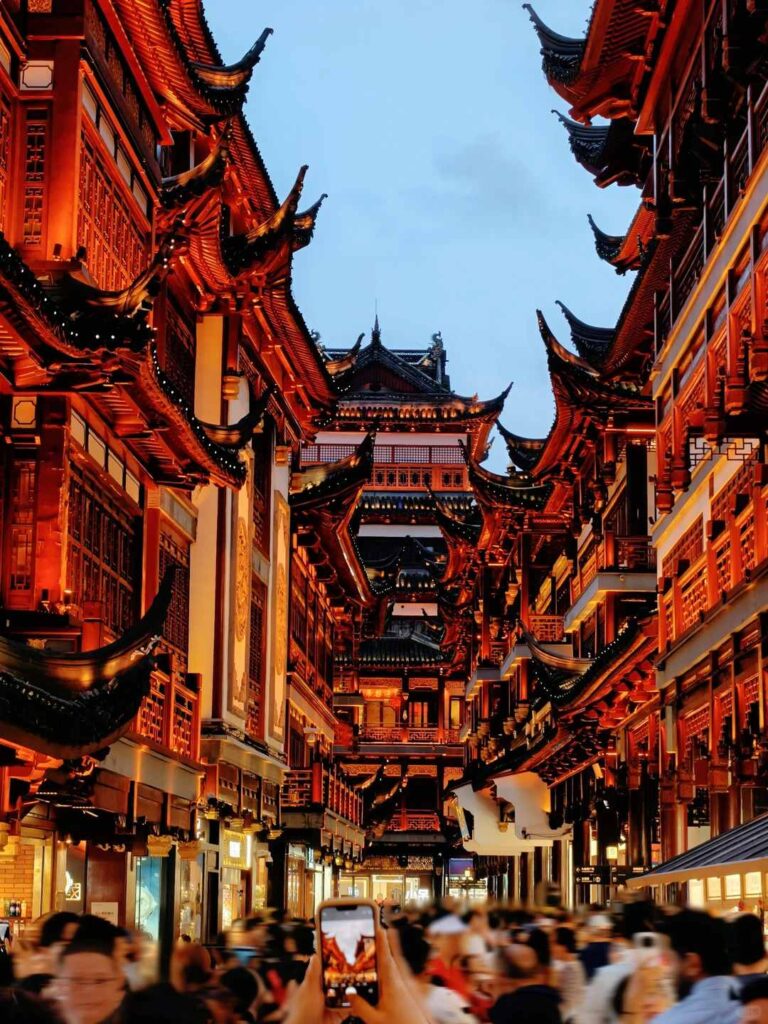
A Huangpu River night cruise is one of the best ways to experience both sides of Shanghai: the warmly-lit historic buildings of the Bund and the towering skyscrapers of Pudong standing in contrast.
I also recommend taking a stroll along Nanjing Rd Pedestrian Street. Pick up a few snacks, maybe a drink, and experience a typical evening in the city.
For something more upscale, head to Xintiandi, where you’ll find restaurants, cafés, and bars inside of restored buildings on shikumen lanes. If you’re looking for a more traditional bar scene, Hengshan Rd is lively with plenty of nightlife. And if you still have energy afterwards, Shanghai offers plenty of rooftop bars, clubs, and shows, from acrobatics to live music, that keep the city alive after dark.
6) A diverse food culture
Eating in Shanghai is never just a quick bite. The choices are endless, from quick snacks to high-end dining, traditional favorites to international cuisines. I recommend trying the famous xiaolongbao, which are thin soup dumplings filled with hot broth. For your first one, set it on a spoon, bite gently, and let the soup spill out first. Another classic is shengjianbao, pan-fried buns with a crispy bottom and a juicy filling—a perfect start to a Shanghai breakfast.
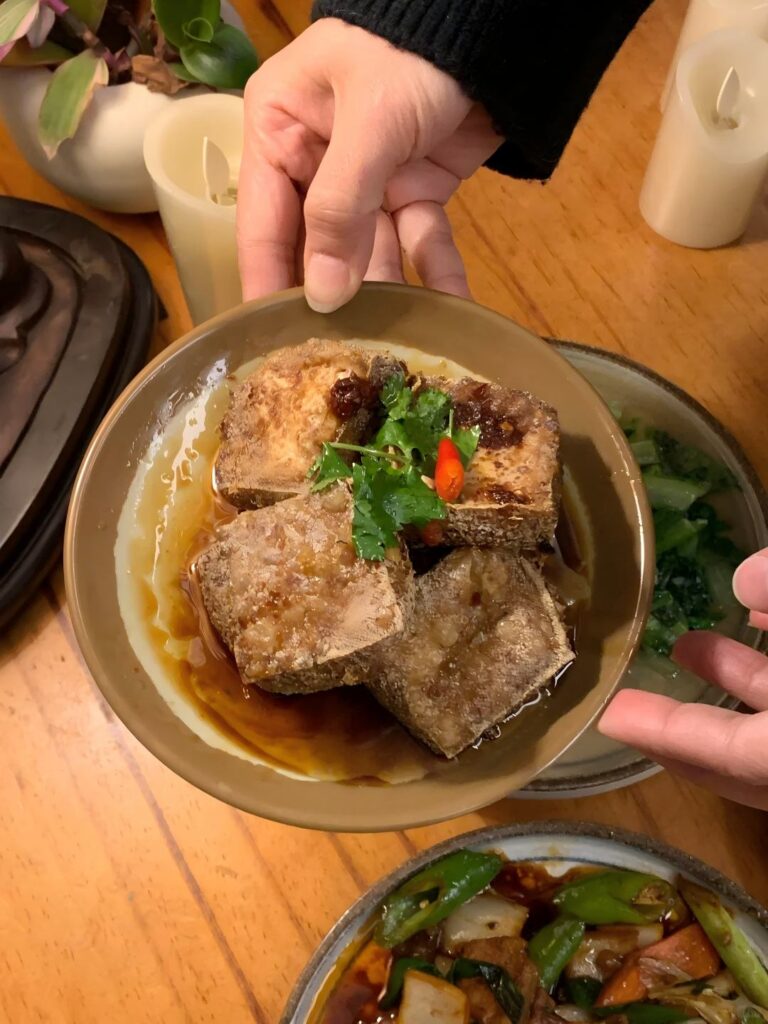
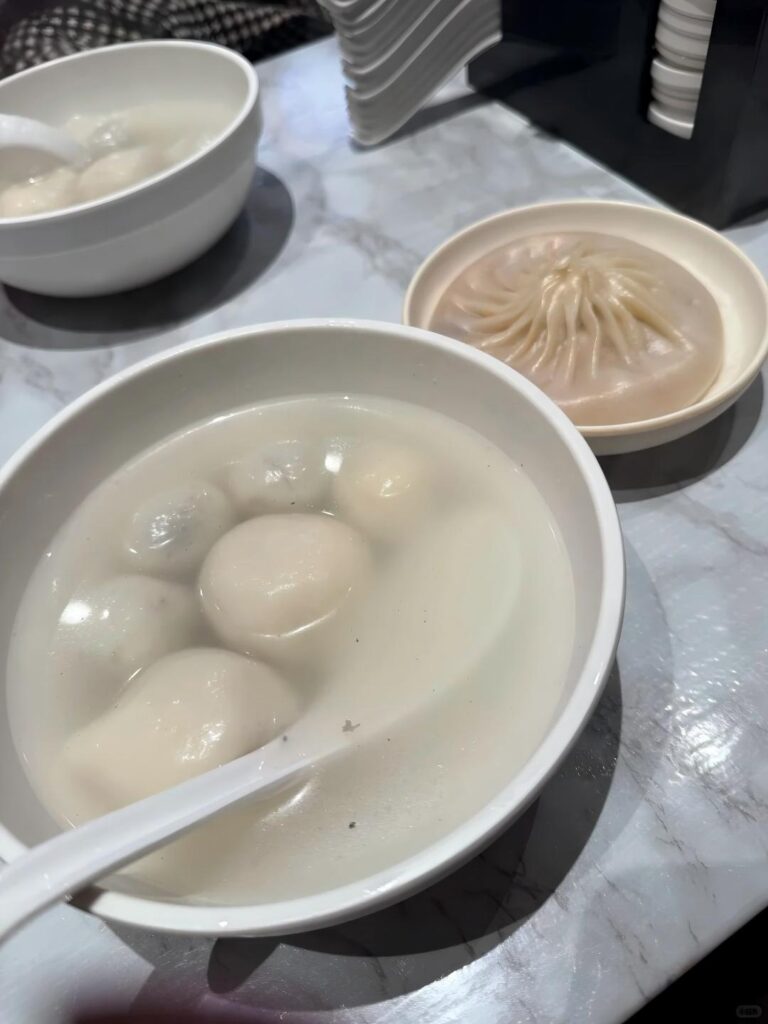
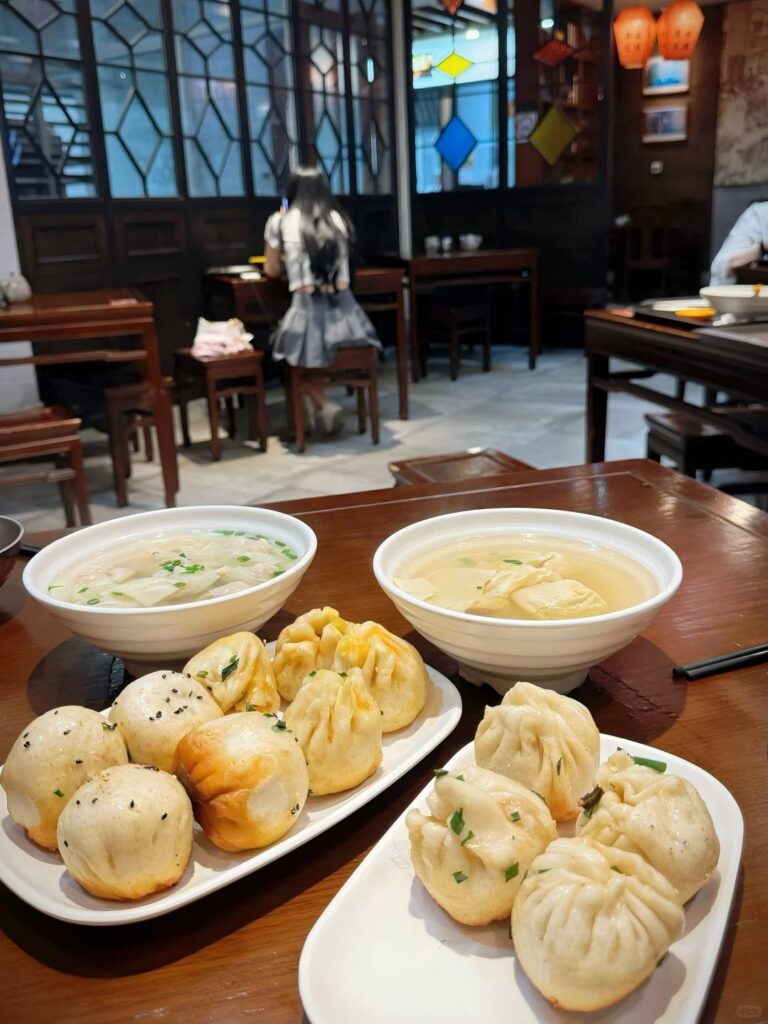
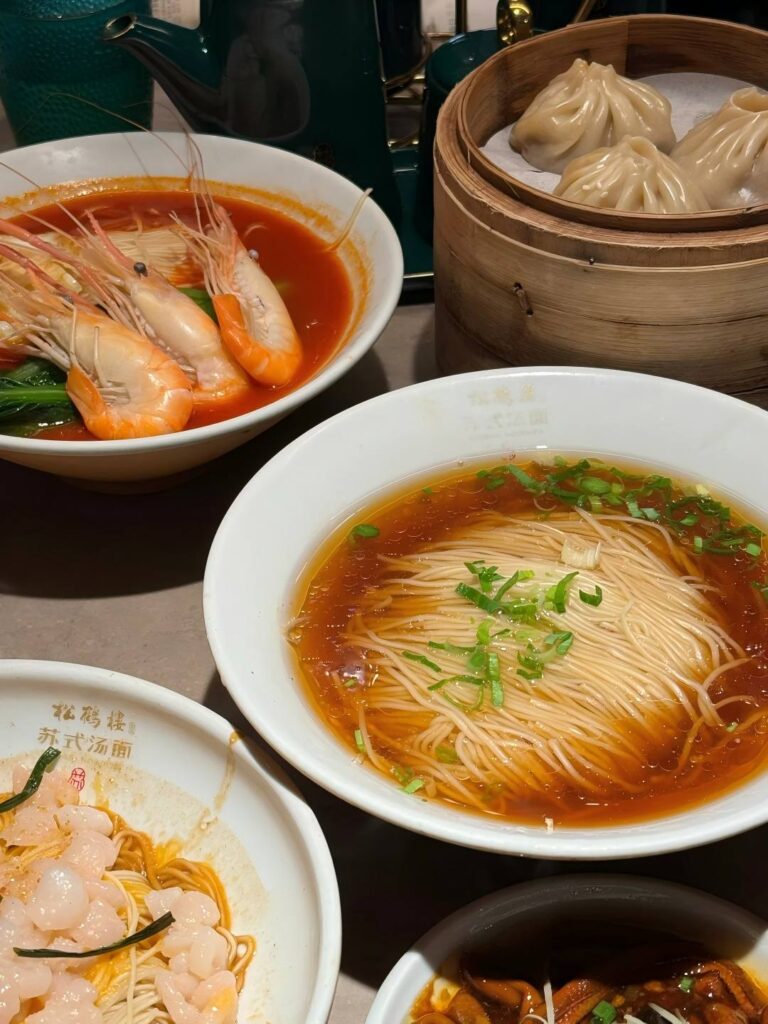
As you explore, you’ll come across street food favorites like cong you bing (scallion pancakes), paigu niangao (pork chop with rice cakes), and xiekehuang (crab-shell pastry). These aren’t foods made just for tourists or Instagram, they’re traditional Shanghai dishes that locals eat daily. I suggest snacking on street foods throughout the day, and then finding somewhere to sit down for a full meal in the evening.
Shanghai’s international atmosphere means the food scene is just as diverse as the city itself. You can have traditional Shanghai dishes today, a cozy Italian meal tomorrow, and sushi or Thai food the next. Cafés and bars also offer global variety, so you can enjoy familiar favorites or try something new.
7) China’s most futuristic skyline
If you want to see Shanghai at its most futuristic, head to Lujiazui in Pudong. This is the city’s cluster of landmark towers, where every building is characterized by glass, steel, and height.
The most famous towers are the easiest to spot. The Oriental Pearl Tower is the most recognizable, known for its space-age silhouette. Nearby, the Shanghai Tower rises to 632m, joined by the Shanghai World Financial Center and Jin Mao Tower. Seen together, they create one of the most distinctive skylines in Asia.
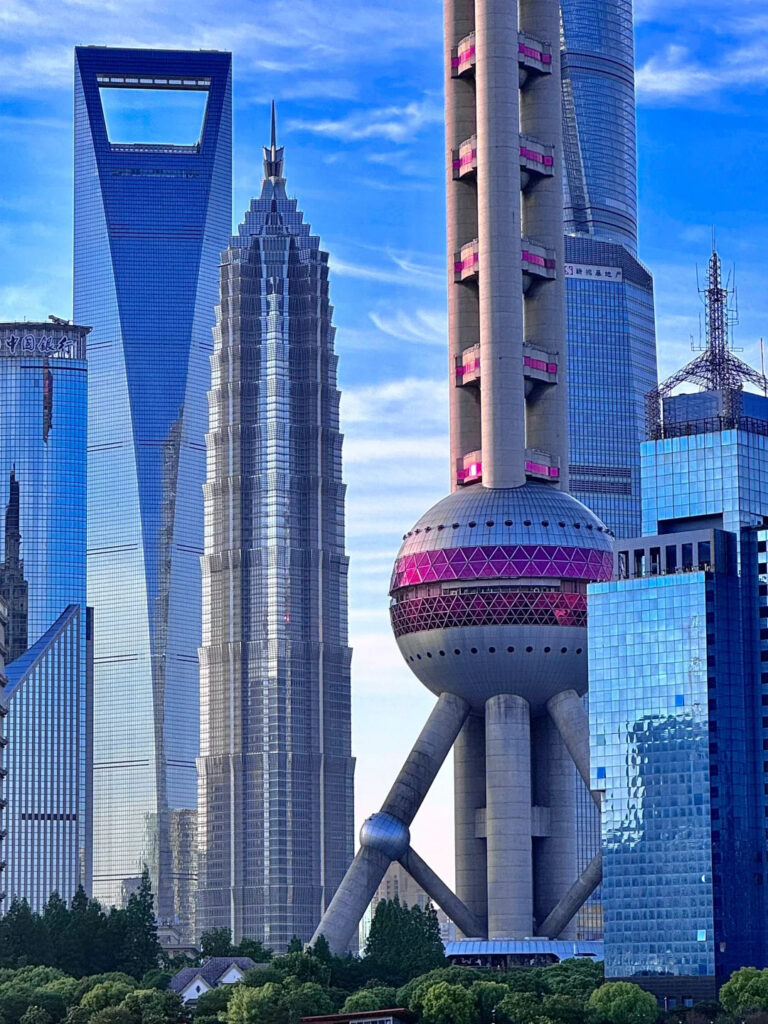
This is what most people picture before they visit Shanghai, and once you see it in person, it’s easy to understand why. The towers are so close together that, rather than just a collection of buildings, they appear almost like a single vertical wall. I recommend coming in the evening or after dark, when the night lights come on and the area glows.
8) A shopping scene with a little bit of everything
Shanghai is easy to shop in, and easy to spend in! Within one day, you can browse through luxury brands, streetwear boutiques, and small local stores, without having to travel to different areas in the city.
Nanjing Rd is the most popular shopping area for tourists, known for bright, busy storefronts with a mix of both international brands and local Shanghai names. Here you can find everything from snacks to silk to specialty gifts. Even if you aren’t looking to buy anything, I still recommend going to experience the area.
If you’re looking for higher-end options, try Huaihai Rd, which offers more boutiques and fashion-forward brands. Xujiahui has multiple big malls within one area, so it’s a good option if you want to do a lot of shopping without going all over the city.

If you want shopping that is more authentic to Shanghai, spend time around Yuyuan Bazaar and the City God Temple area, where you’ll find tea, fans, jade, crafts, and traditional trinkets. Some are cheap souvenirs, but there are also plenty of items that would make great gifts.
If you want to build an entire day of shopping into your visit to Shanghai, start with one of the busy, modern areas first, and then pick one of the older streets to find more unique items.
Read More: What to buy in shanghai china?
9) Safety for both locals and visitors
One thing that surprises many international visitors to Shanghai is how safe it feels. Tourists find that walking alone at night, even as a solo female traveler, feels more comfortable than some other popular travel destinations around the world.
While many Chinese cities are also quite safe, Shanghai stands out because it’s a mega-city with over 24 million residents, yet it manages to maintain a sense of safety even at this size.
You’ll see police throughout the city, and areas like the metro and major shopping districts are well-managed. Going out for late-night food, taking a walk, or riding the metro back to your hotel doesn’t feel scary, which is very reassuring when you’re traveling far from home.
Travelers often share their positive experiences online, from YouTube to travel blogs, agreeing that Shanghai feels safer than expected.
Read More:
Is Shanghai Safe for Tourists?
Is It Safe to Travel to China as a Tourist
10) One of the easiest Chinese cities for foreign travelers
If it’s your first time in China and you want to avoid any “oops” travel moments, Shanghai is one of the easiest cities to navigate. It’s welcoming in many practical ways, from bilingual signs to foreigner-friendly services.
Shanghai is home to many universities, meaning students and young professionals are a prominent part of daily life. This also means it’s easier to find service staff who can communicate in English, especially compared to other cities in China. Whether you’re looking for help or recommendations, you’re likely to encounter people who are happy to assist in English.
Read More: How to Travel in China Without Speaking Any Chinese
Thanks to its large foreign population, many parts of Shanghai’s infrastructure cater to linguistic and cultural diversity. Some hospitals and government offices have dedicated counters for foreigners, and many tourist attractions and transportation hubs have multilingual signs in both Chinese and English.
Shanghai is a mix of both Chinese and Western influences. From the historic Bund to the former French Concession, from old alley neighborhoods to modern shopping streets, the city blends authentic China with elements familiar to Western visitors. There are also a variety of cafés, bars, exhibitions, and community events where you’re likely to meet other travelers or locals with similar interests. This can make international travel feel less lonely or intimidating.
Wrap-up
Traveling to Shanghai doesn’t require much preparation, as it is known for being welcoming and approachable. One short metro ride can take you from a spot to enjoy steaming soup dumplings to a rooftop bar. The convenience the city offers makes it easier to enjoy your time sightseeing and appreciating the scenery.
You can move through Shanghai quickly to see all of the attractions, or slow down and wander to experience everyday culture. Then, when the sun sets, you can see the skyline light up and enjoy the nightlife. As a first stop in China, Shanghai is a great option, because it’s modern, diverse, and welcoming.
And when you leave, in addition to amazing photos and souvenirs, you’ll have gained the experience of Chinese culture, both old and new.
Read More:
Complete Guide to China’s 240-Hour Visa-Free Transit Policy
Where to stay in shanghai From a Local
Shanghai Disneyland Itinerary