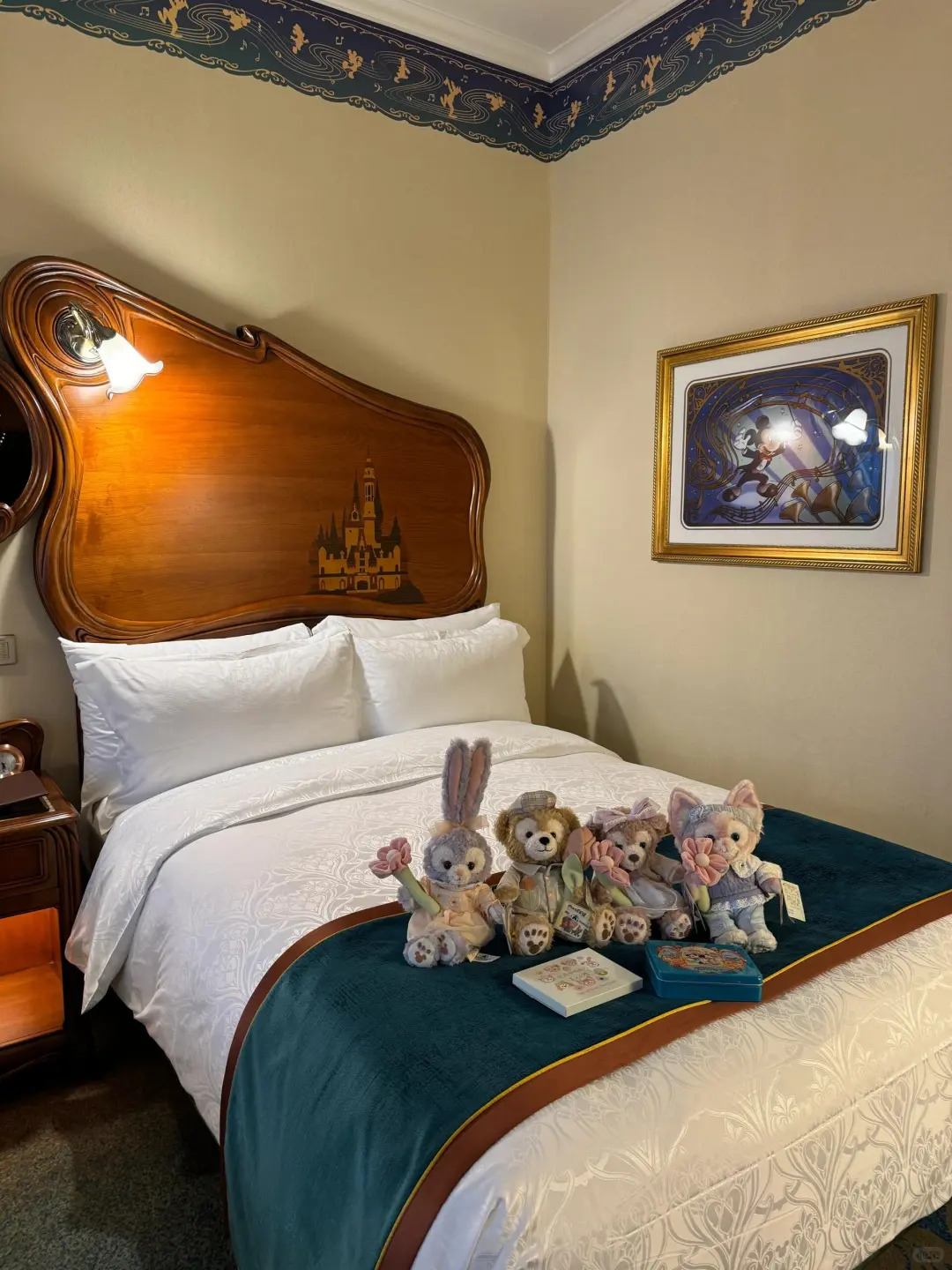
Where to Stay in Shanghai From a Local – Best Areas & Hotels
Shanghai is a massive city, and its main attractions are spread across different neighborhoods. If it’s your first time visiting, picking the right place to stay can be more challenging than you’d expect. If you want practical advice, from someone who knows the city, on where to stay depending on your plans, this guide is for you.
This guide will help you answer a few practical questions:
- If it’s my first time in Shanghai, which neighborhood makes traveling the easiest and least stressful?
- On a tighter budget, how do I find a place that is well-located and easy to navigate from?
- If I’m traveling with kids, especially if Disney is on the agenda, where should I stay?
Where to stay in shanghai From a Local
1. People’s Square & East Nanjing Road: The Ultimate Transit Hub
Best for: First-timers who want to hit the ground running and save time.
Whenever friends visit Shanghai for the first time, I almost always tell them to stay around People’s Square. It may not be the most unique or trendy neighborhood, but it’s a safe and easy bet.
This is the heart of Shanghai. Logistically, it’s arguably the most stress-free area to use as a base. Metro Lines 1, 2, and 8 all cross here, so getting to the Bund, Lujiazui, or Yu Garden is a breeze—often with no transfers.
If it’s your first trip, staying here will save you a lot of time you’d otherwise spend staring at subway maps, and it makes your whole itinerary run much smoother.
While the subway is excellent, I do recommend walking to places like the Bund or Nanjing Road if you can. They’re only about a mile (1.6 km) away, and walking is the best way to get a feel for the city and its energy.
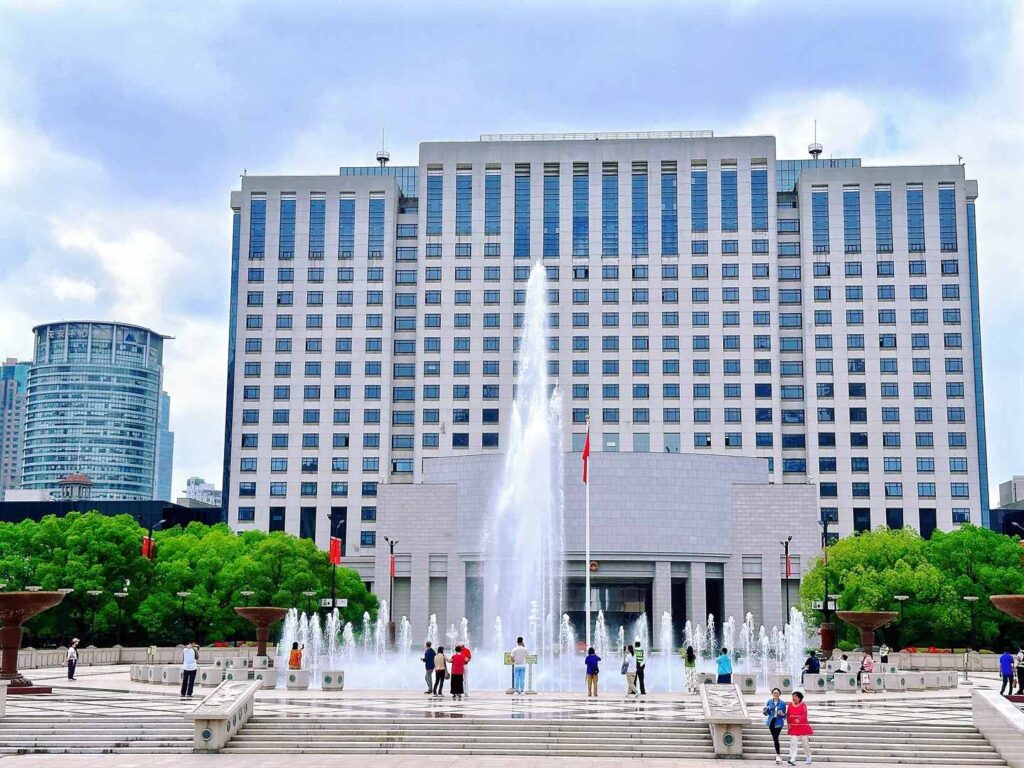 People’s Square
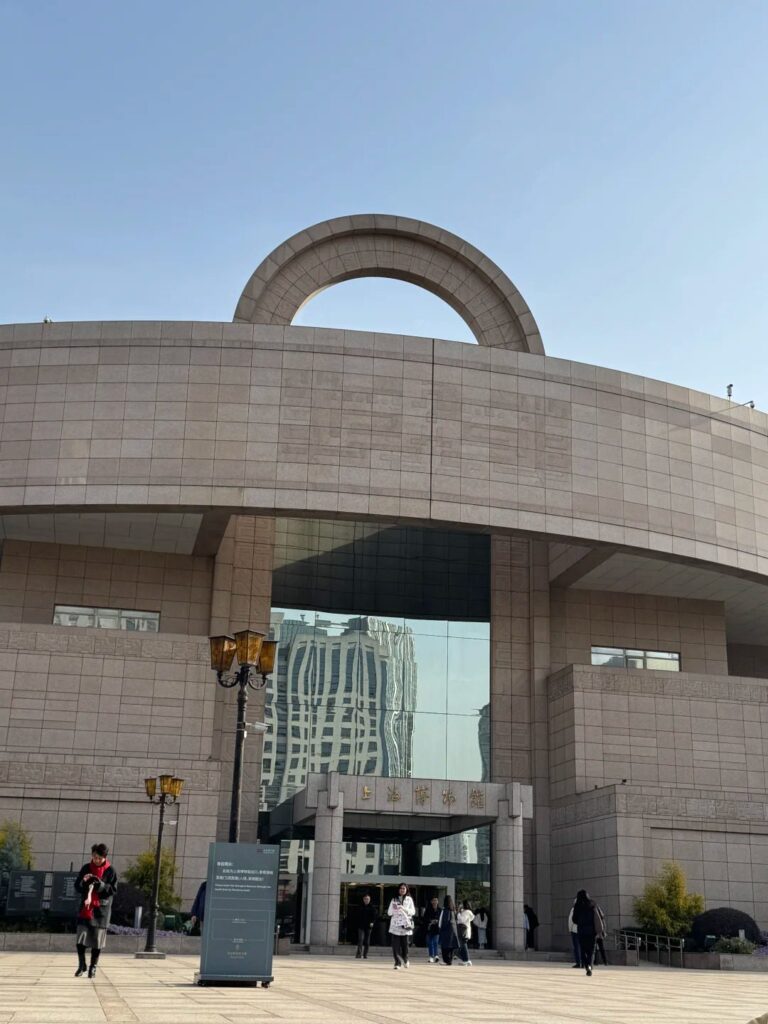 People’s Square
People’s Square itself is a destination. People’s Park, the Shanghai Museum, and the Urban Planning Exhibition Center are all within a ten minute walk. Each is worth visiting, and since they’re so close together, you don’t need to think about transport between. I usually tell people to carve out an entire half-day just to explore everything right in this area.
When it comes to hotels, you’ve got plenty of choices, from international chains to dependable mid-range business hotels. Service standards here are well-established and professional, which is a relief for travelers who are new to China.
One thing to keep in mind: prices in the immediate center can be a bit steep.
If you want a better deal, try hotels one or two subway stops west, near Hanzhong Road or the Natural History Museum station. You’ll get better value for your money, and the extra commute is negligible.
Overall, if you’re a first-time visitor with a packed schedule and want the major sights within reach, People’s Square is my go-to recommendation.
2. South Shaanxi Road & Middle Huaihai Road: For Travelers Who Want to Take It Slow
Best for: Travelers who want to do more than just check off the main tourist spots. If you’d rather wander the streets and soak in the city’s everyday vibe, this is for you.
If you prefer to explore at your own pace, I’d suggest staying around South Shaanxi Road and Middle Huaihai Road. This area is part of what was formerly the French Concession. The pace here is much slower than what you’ll find at the Bund or People’s Square, but there is a ton of local life.
Because of this, it is one of Shanghai’s most famous spots for a city walk. The streets are lined with plane trees, which is why locals often call it the “plane tree district.” If you head west from South Shaanxi Road, you’ll find yourself in the “Ju-Fu-Chang” area (Julu, Fumin, and Changle Roads), which has become more popular recently.
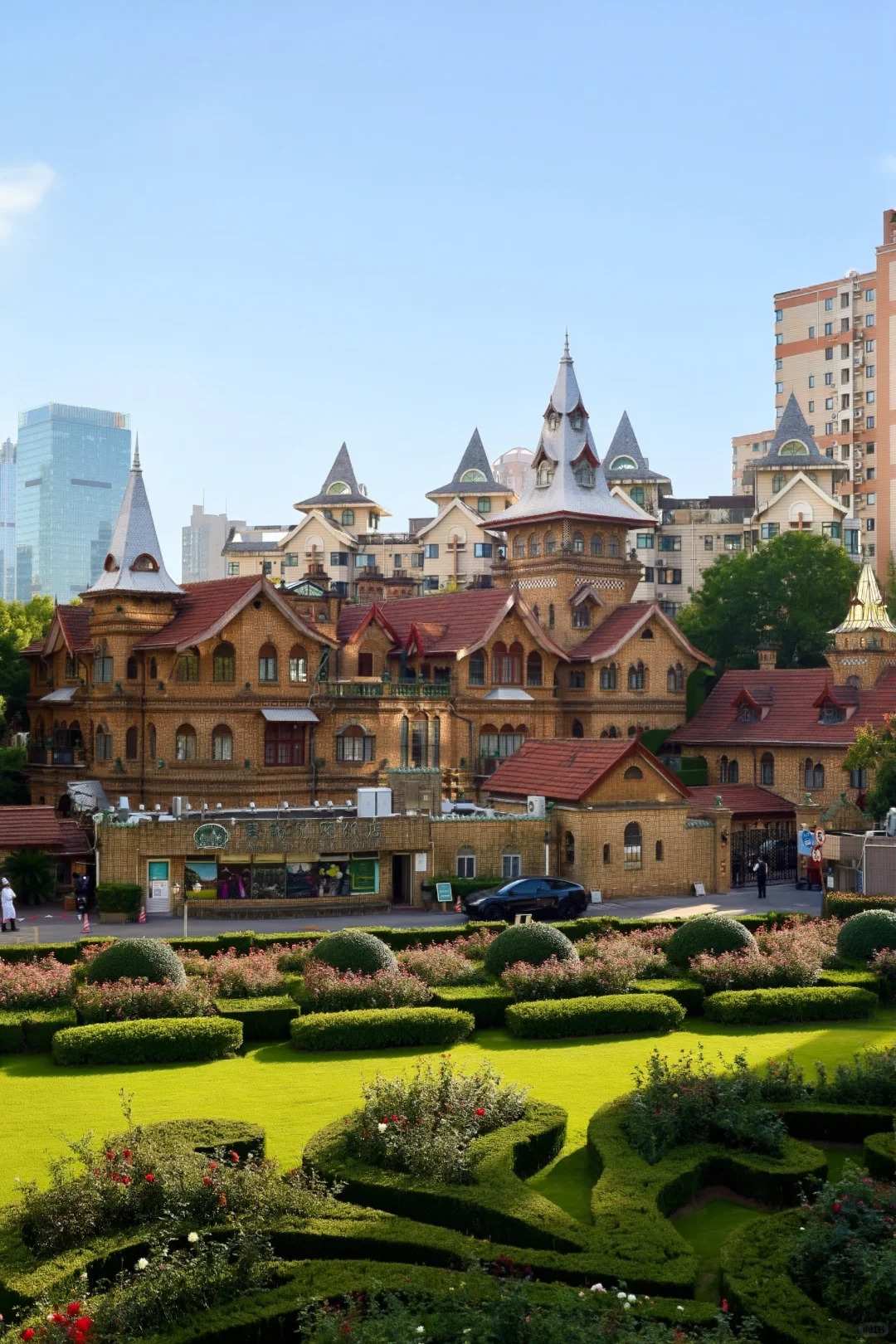
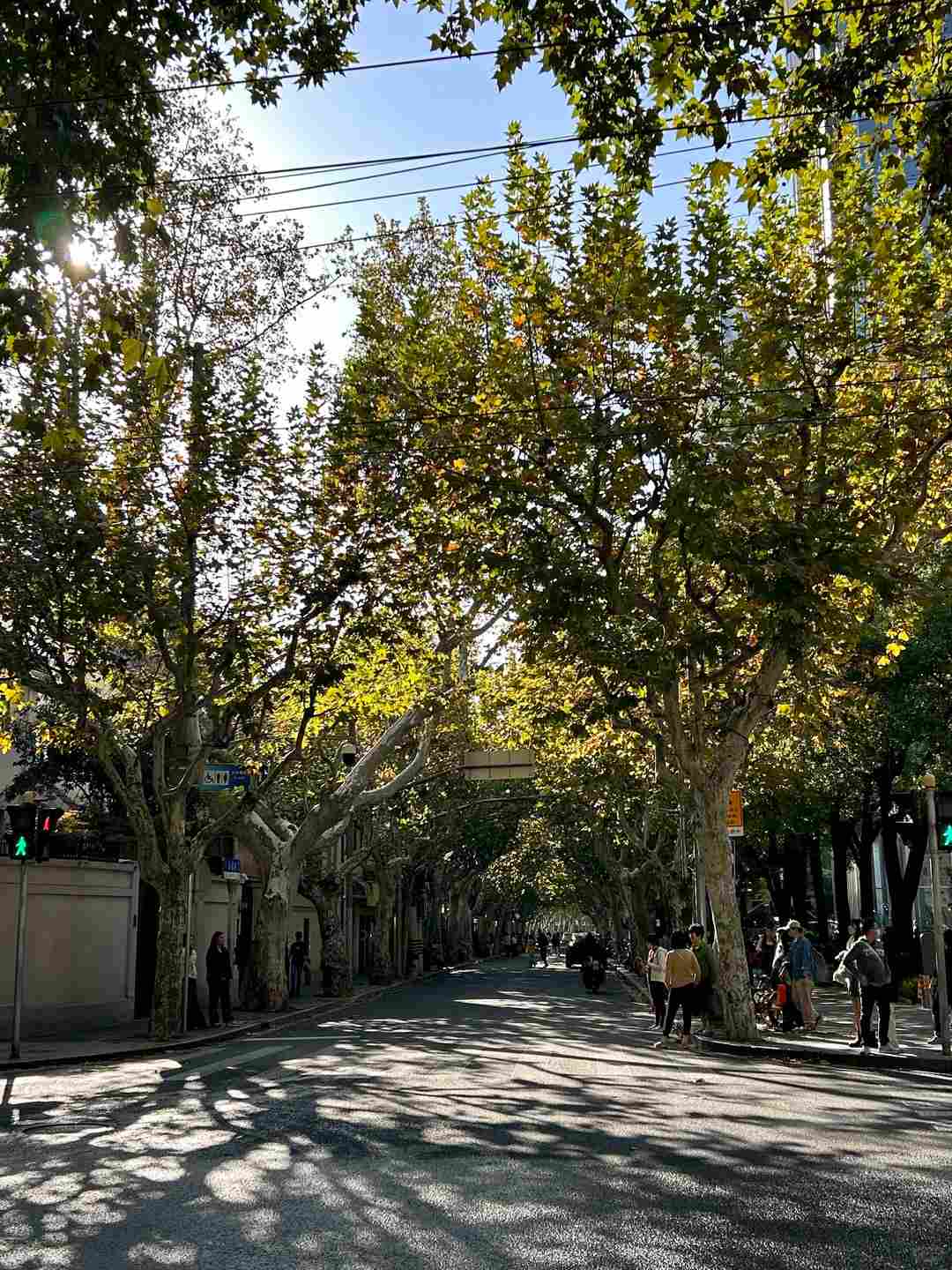
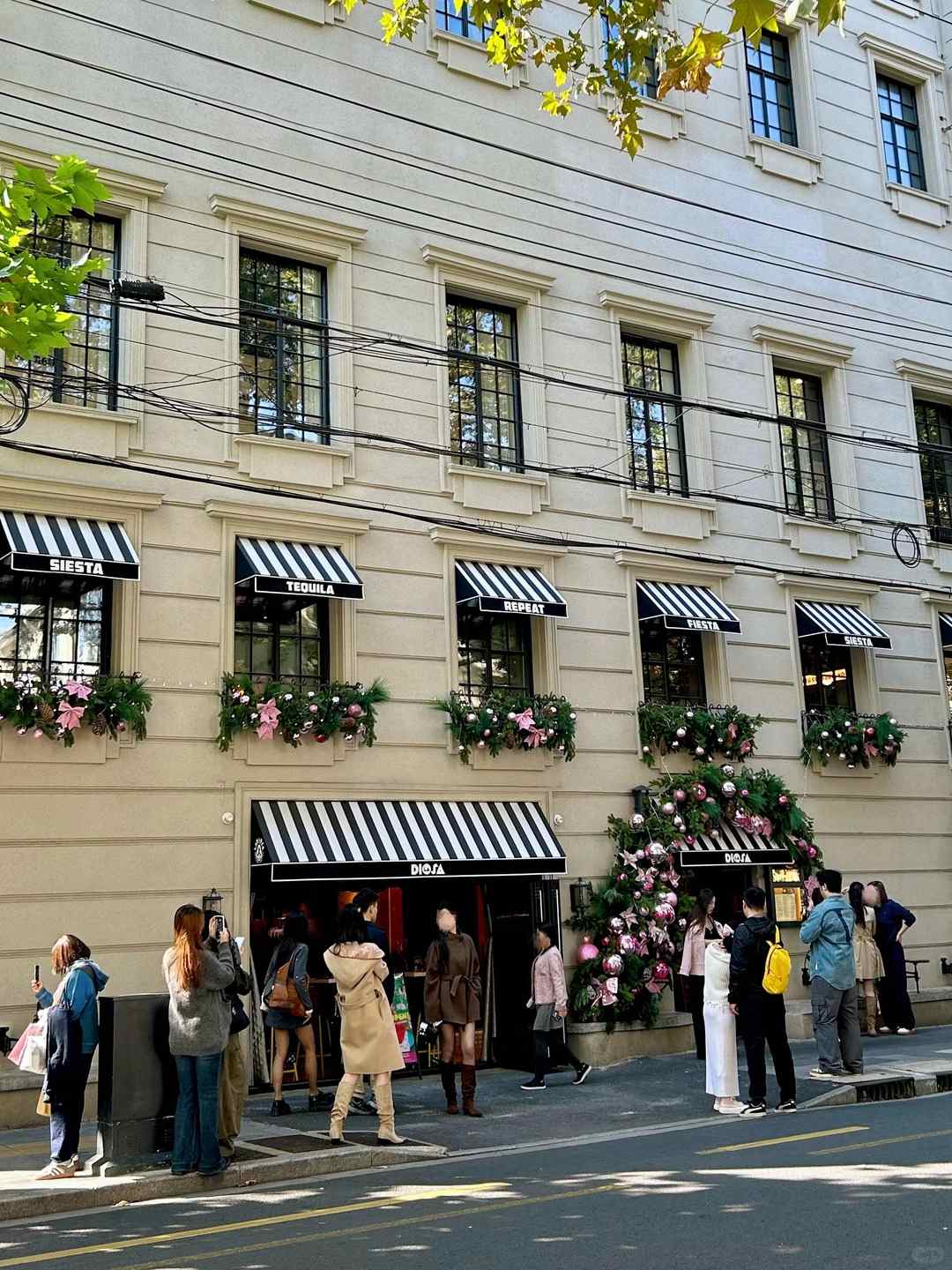
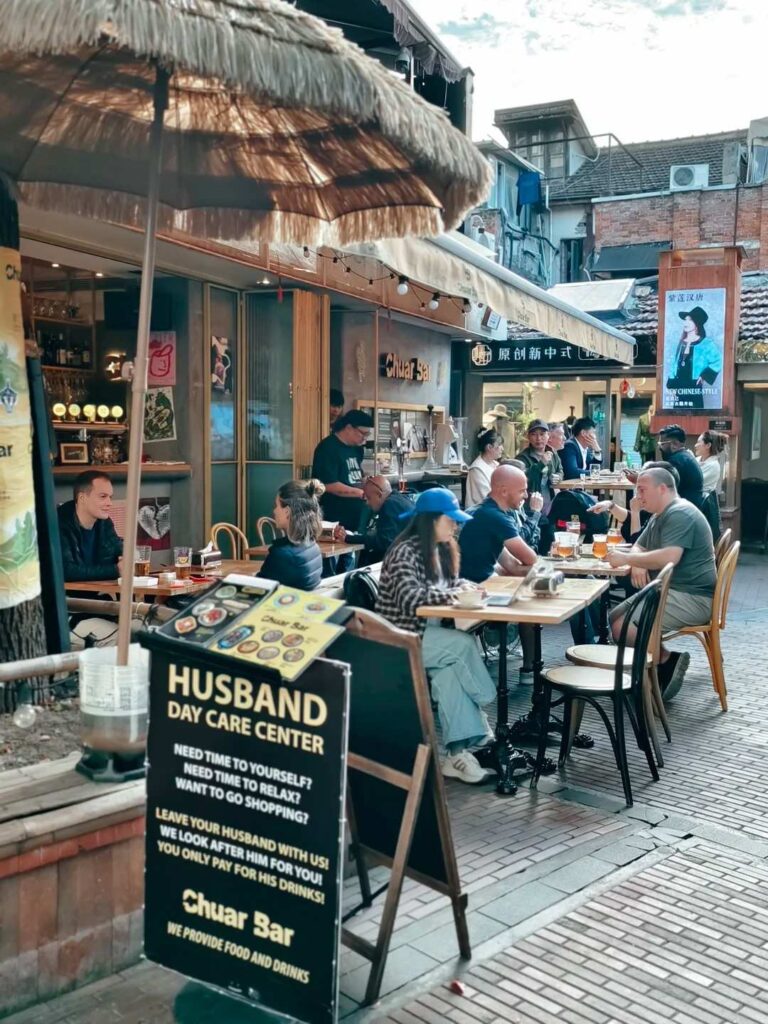
This is a route I walk all the time. The streets aren’t wide, but they have a real sense of community. You’ll find independent boutiques, cafes, and bars on every corner. It’s a great spot for a daytime stroll, and it has a great atmosphere at night.
Logistically, this area is ideal. South Shaanxi Road is a major hub where Metro Lines 1, 10, and 12 all meet, so getting to most parts of the city from here is very straightforward.
Right outside the station is Middle Huaihai Road, which has long been known as Shanghai’s fashion avenue. It’s a mix of historic architecture and high-end boutiques, perfect for window shopping.
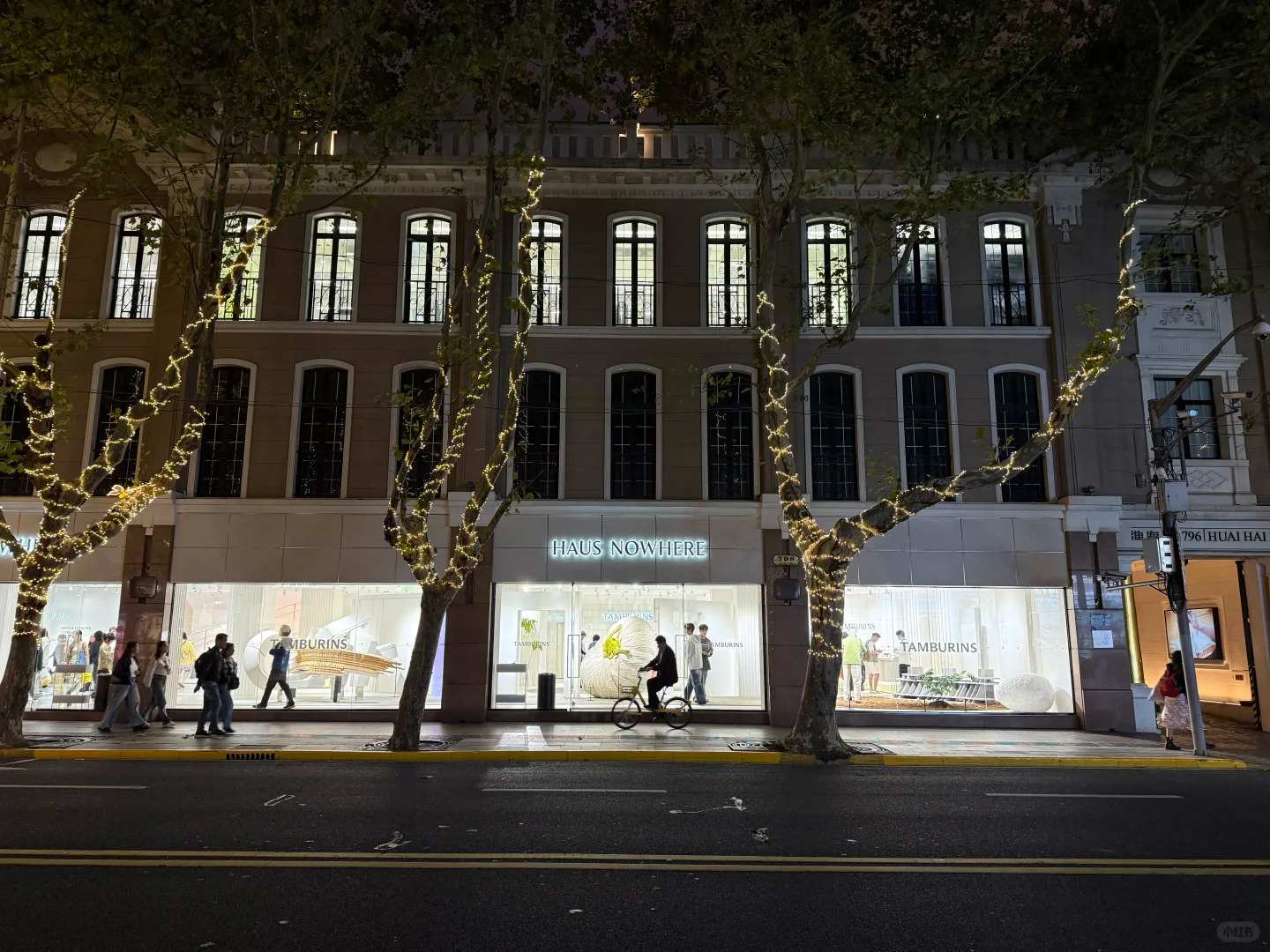
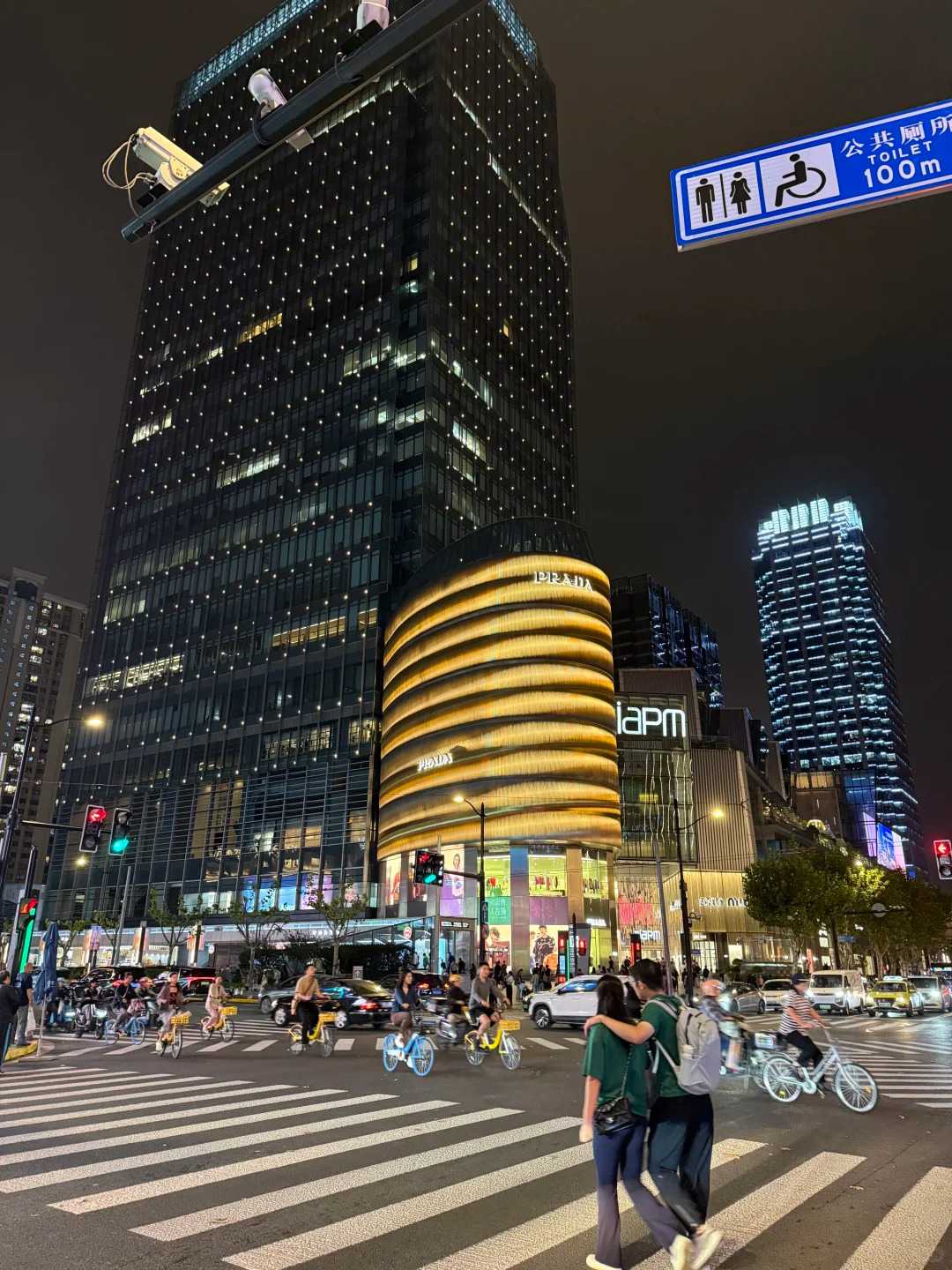
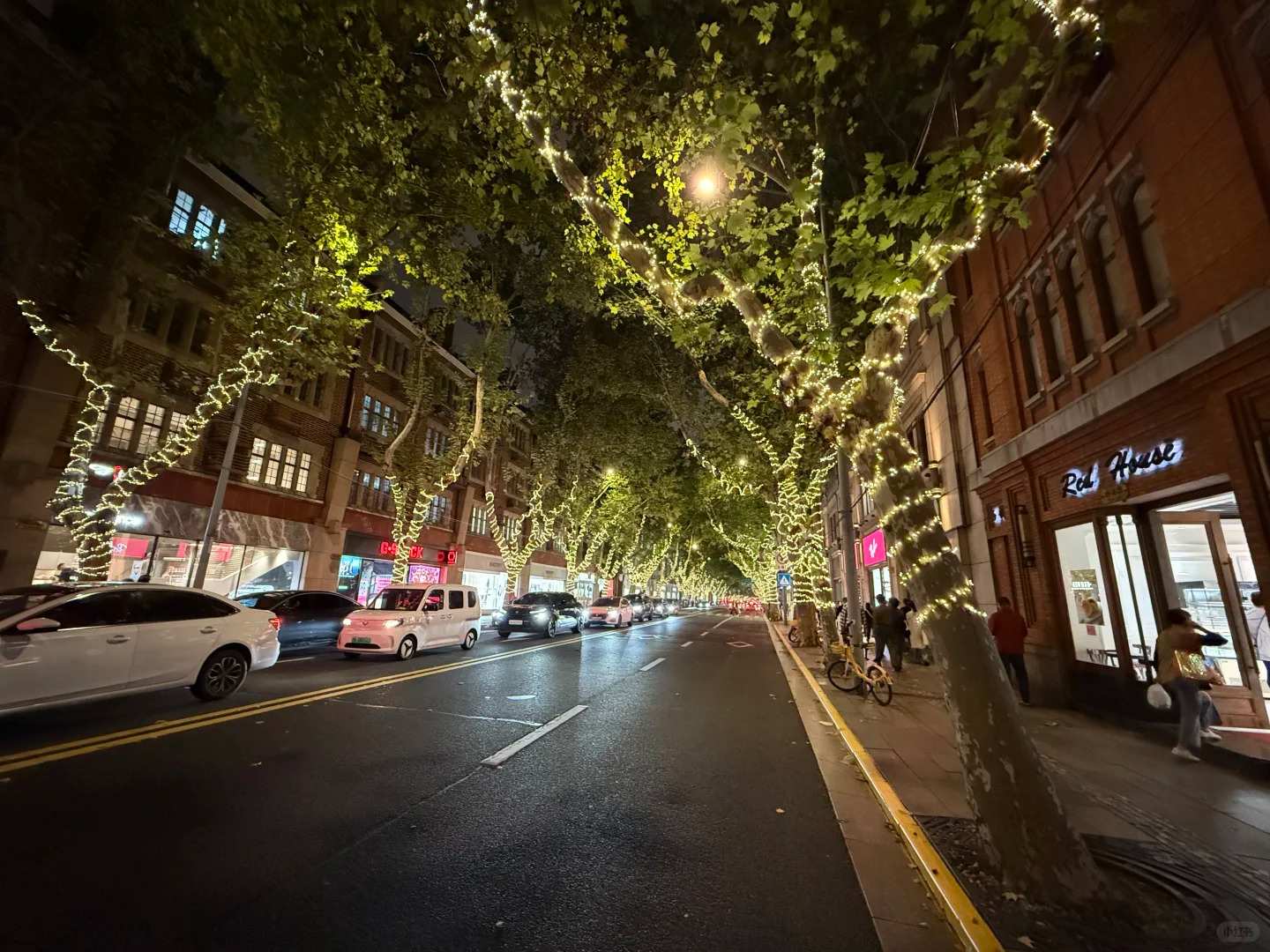
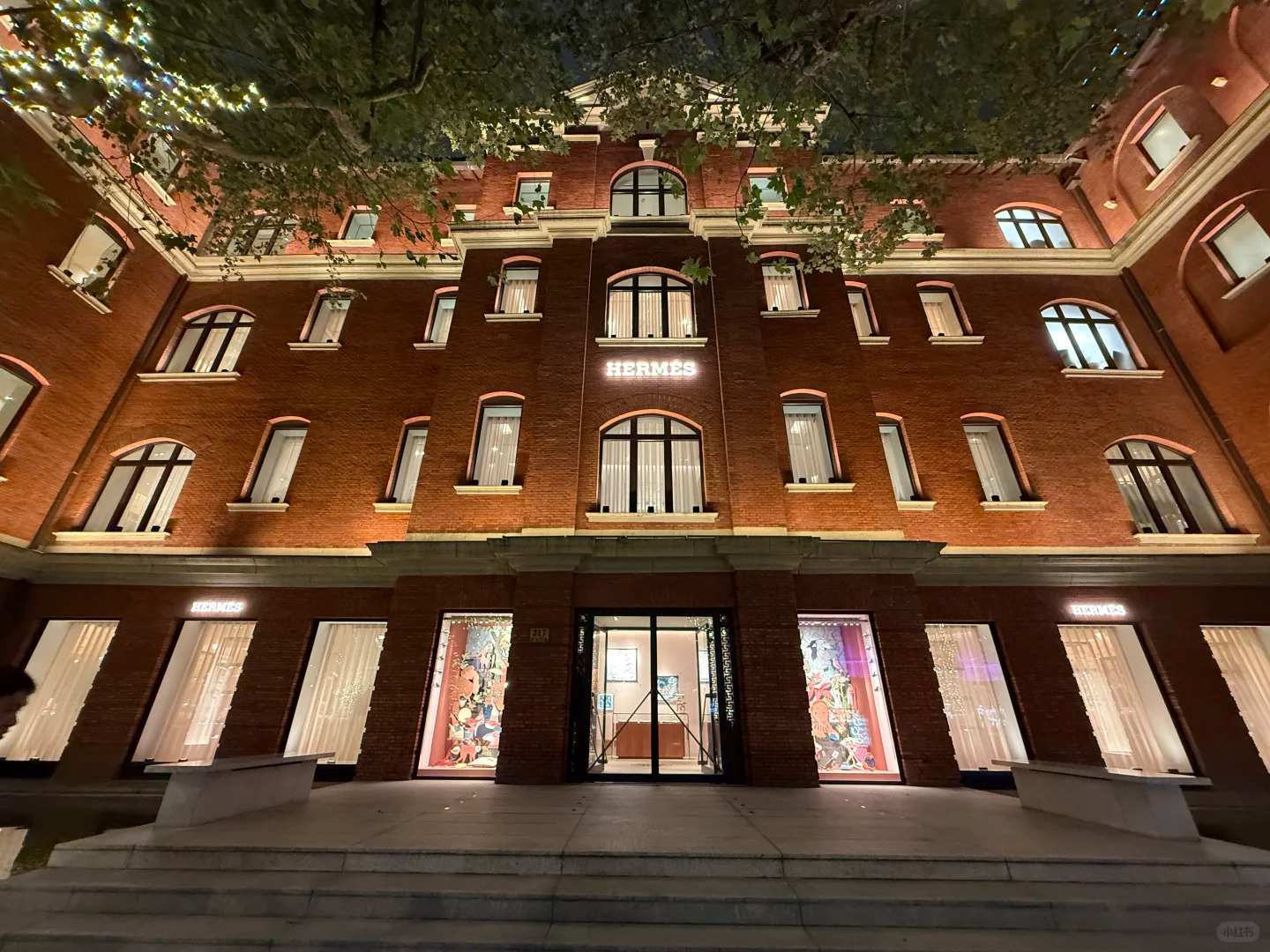
I personally love spending an hour or two here with no plan—finding a fun café and just hanging out. This kind of go-with-the-flow experience is exactly why I love this neighborhood so much.
As for where to stay, the hotels are surrounded by restaurants, cafés, and local shops, so the street life is right outside your door. Most are boutique or mid-sized spots that feel more personal and quiet than in the transit hubs. If you care more about location and energy than luxury, you’ll love it here.
My advice for staying here is simple:
- To balance atmosphere and budget: Look for hotels a street or two off Middle Huaihai Road, where the prices are more reasonable.
- For pure convenience: Stay as close as you can to the South Shaanxi Road metro exits to keep things stress-free.
Overall, if you’re willing to slow down and live like a local for a few days, the area around South Shaanxi Road will show you a more authentic side of Shanghai.
3. The Bund & Lujiazui: Splurge for the Iconic “Postcard View”
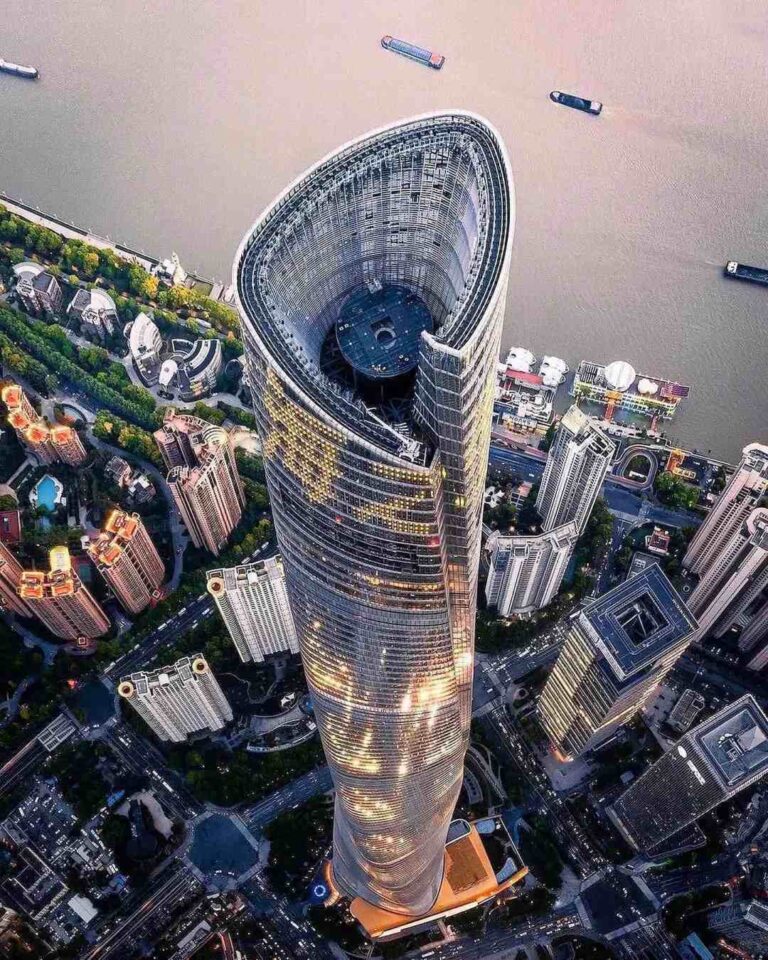
The Bund and Lujiazui are famous for the skyline and the Huangpu River night views, and it’s usually the first thing people think of when they picture Shanghai. Because it’s such a “face of Shanghai” location, the nicer hotels here can be pricey.
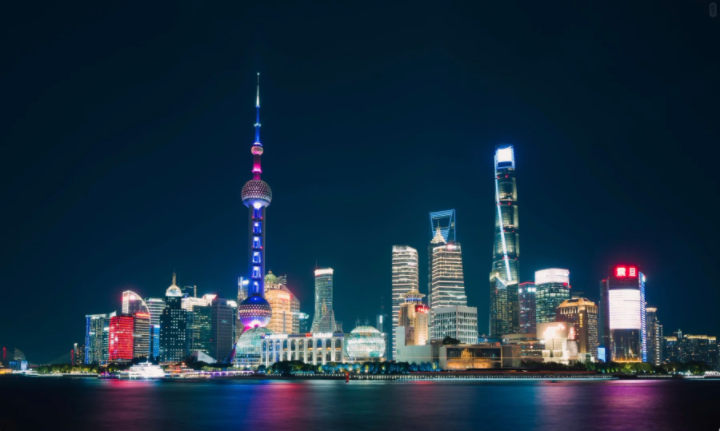
Unless you’ve got a bigger budget to work with, I wouldn’t recommend staying here for the entirety of your trip. The Bund and Lujiazui sit right across the river from each other, but they have different vibes.
The Bund is more historic Shanghai, while Lujiazui represents the speed of modern China. But I’ve always seen them as a pair, as they really complement each other.
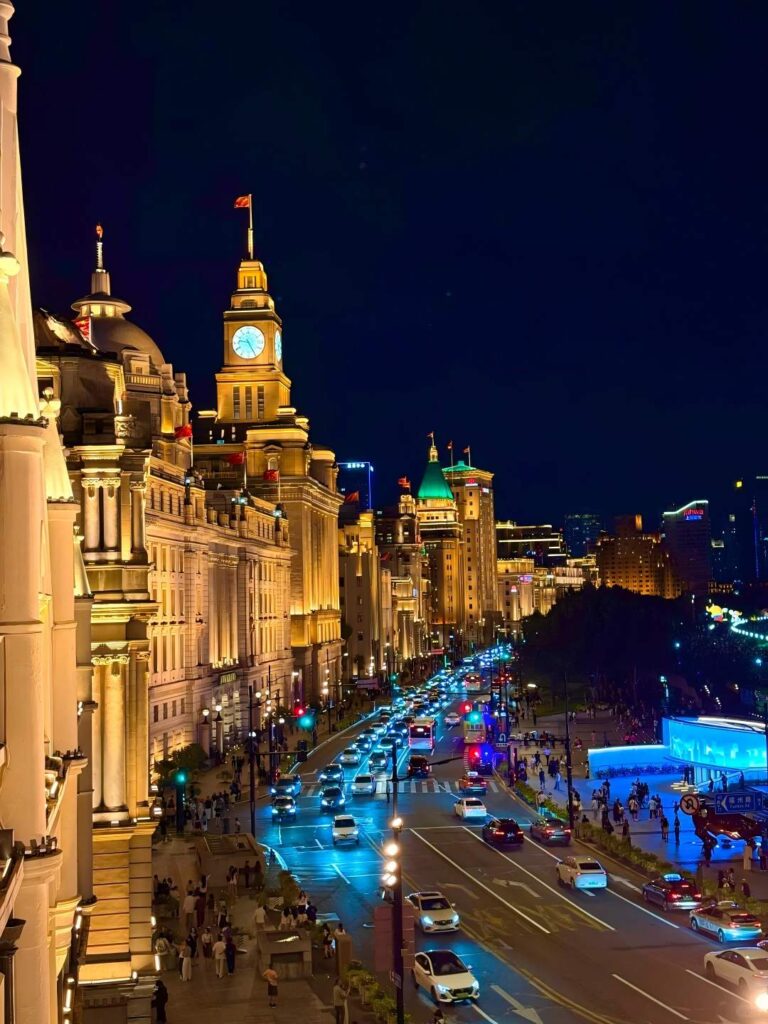
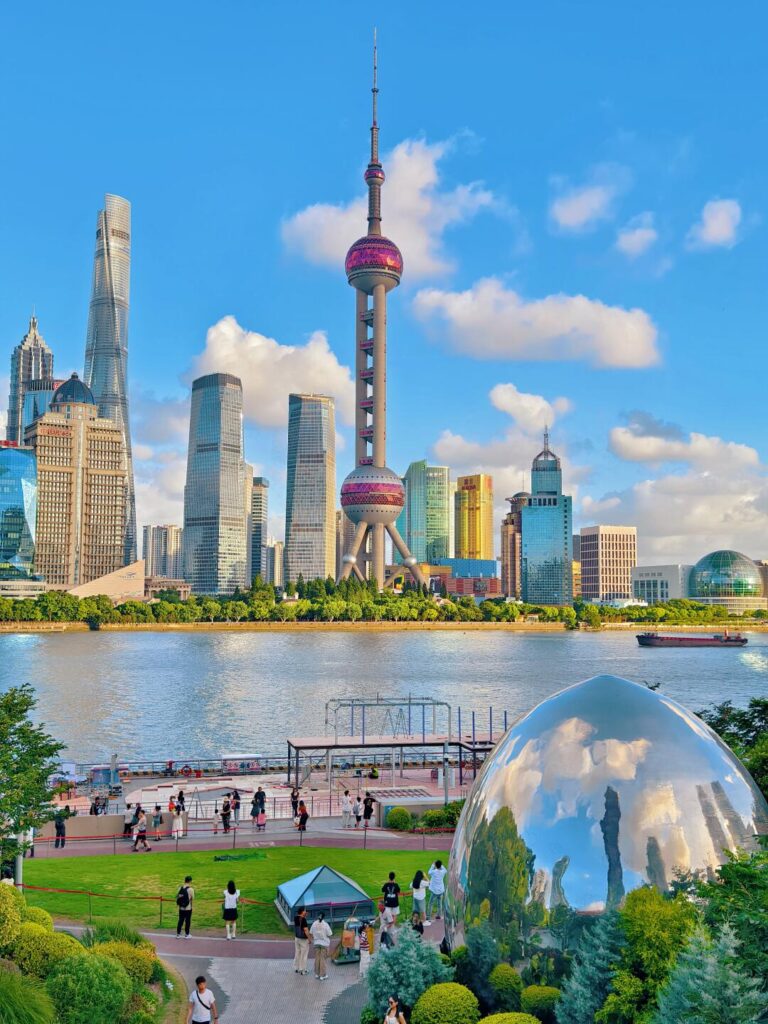
If you stay on the Bund, the best part is definitely the view. A lot of these hotels are in gorgeous historic buildings where your window looks straight out at the river and the Lujiazui skyline, where you can watch the lights change from day to night. For first-time visitors, it’s hard to beat feeling like you’re staying in a postcard. Every evening, the riverfront lights up, usually around 6 p.m. (7 p.m. in the summer), and the whole skyline puts on a show.
Beyond the views, I also love how convenient the Bund is for sightseeing. You can walk right over to Yu Garden to enjoy a traditional Chinese garden and explore the old city. Nanjing Road is right there too. It’s the city’s biggest shopping street, where you’ll find huge malls with everything from local Chinese brands to international names. It gets crowded, but the street is wide so it doesn’t feel suffocating.
Also, I highly recommend taking the 2-RMB (around $0.30 USD) local ferry from the Bund over to Lujiazui. It’s a short ride, but it’s an easy way to see incredible views of the city. Once you’re on the Lujiazui side, you can find spots, like Fellas Terrace, that also have amazing views. They’re perfect for having dinner while you watch the lights on the water. If you stay in this area, you’ll always have something to do without needing an itinerary.
Of course, I always tell my friends that this convenience comes with a catch. The Bund and Nanjing Road are tourist central, especially on weekends and in the evenings, so it can feel more like a showroom than a neighborhood. Also, the prices at cafes and restaurants around here are definitely higher.
If you’re looking for quiet streets and a slower local pace, this area might feel a bit too loud for you. That’s why, if people ask me where to go for a local Shanghai experience, I usually point them toward the Huaihai Road area I mentioned earlier. This is where I personally love to stay because it’s slower and better for longer trips. I see the Bund and Lujiazui as more of an experience stay—maybe book one night for the night view, and then move to a more neighborhoody part of town. If you do end up staying here, definitely check out my travelogue to help you make the most of your time around the Bund.
4. Jing’an Temple & West Nanjing Road: The Style and Convenience Sweet Spot
If you’re looking for a spot that’s central but doesn’t feel like you’re constantly surrounded by tour groups, Jing’an is where it’s at. Compared to the Bund or People’s Square, you’ll find way more locals here just going about their day.
One of the things I love most about Jing’an is the balance it strikes. You have West Nanjing Road with all its large malls and name brands, which makes shopping easy. But if you duck into the side streets, like Yuyuan Road, the pace changes to historic houses, quiet cafes, and authentic indie shops.
For me, Jing’an is a great home base, because you have all the big-city amenities next to peaceful, relaxing streets.
The location itself is also a major selling point. Jing’an Temple station is a major hub for Metro Lines 2, 7, and 14, so getting to the Bund, Lujiazui, or the French Concession is straightforward. I often just walk or hop a couple of stops to hit the museums and malls near People’s Square, as it’s all very close.
You should also check out Jing’an Temple itself. The tickets are cheap, and you get to see the unique contrast of a traditional temple in the middle of skyscrapers. I always take my friends here. Even if you don’t go inside, it’s a great spot for pictures.
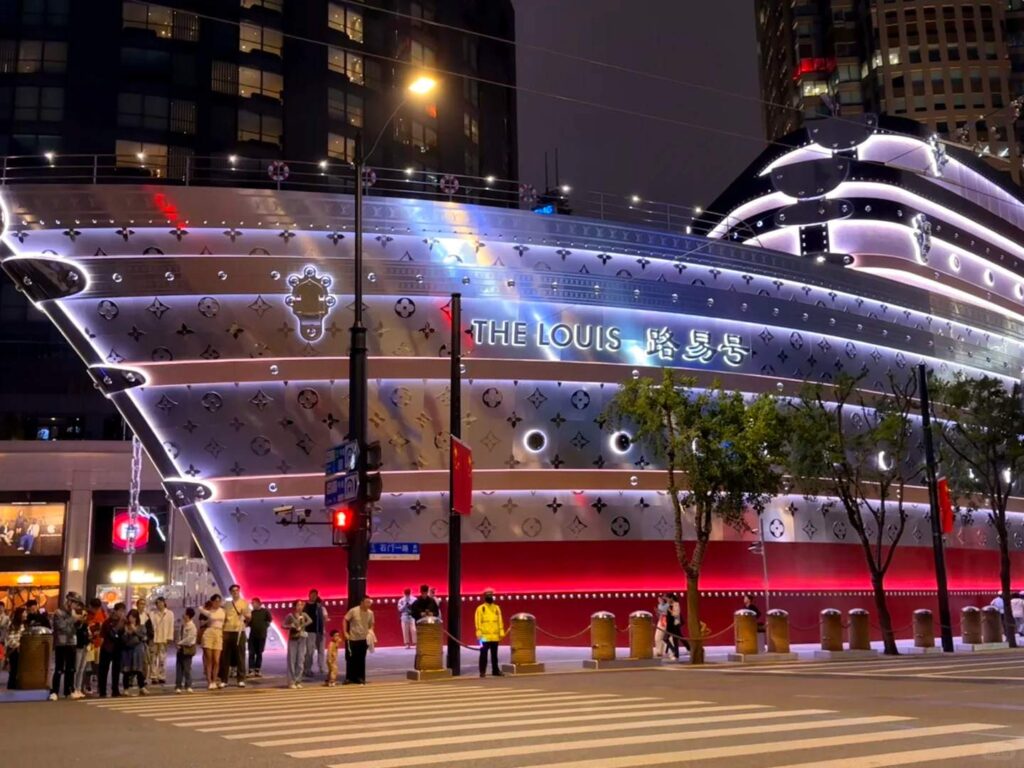
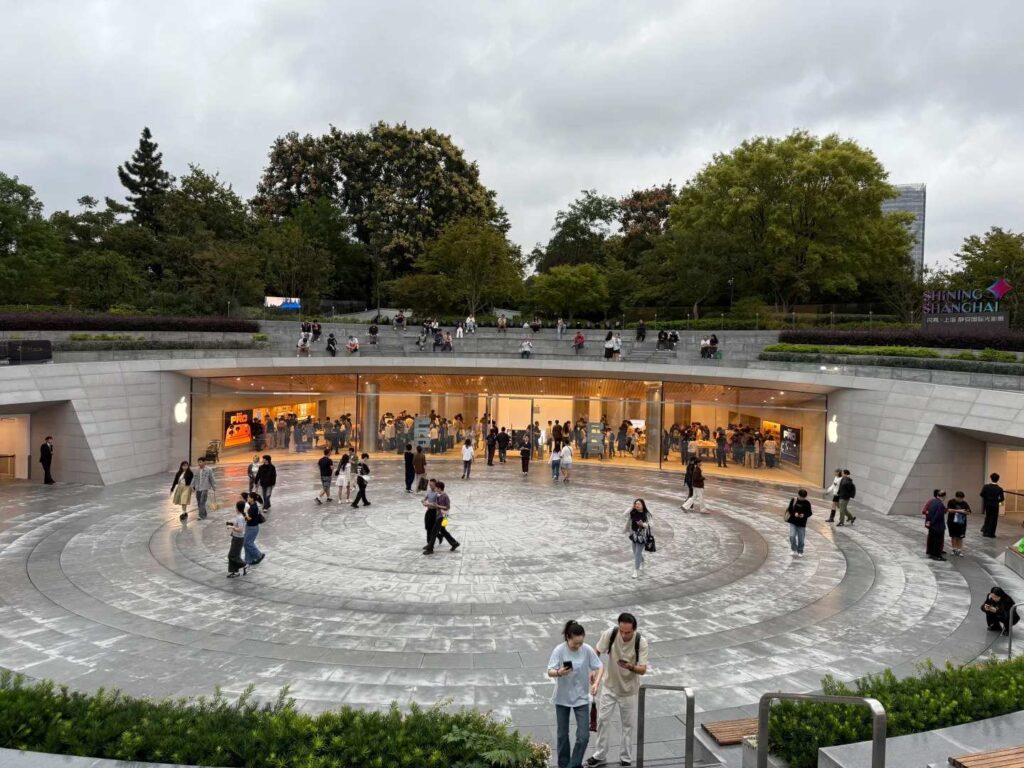
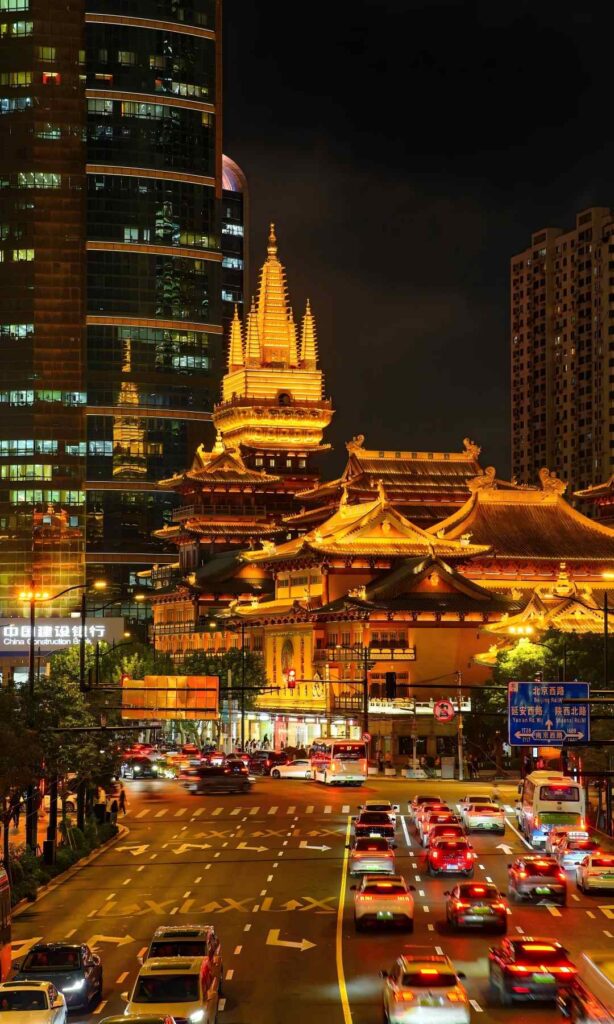
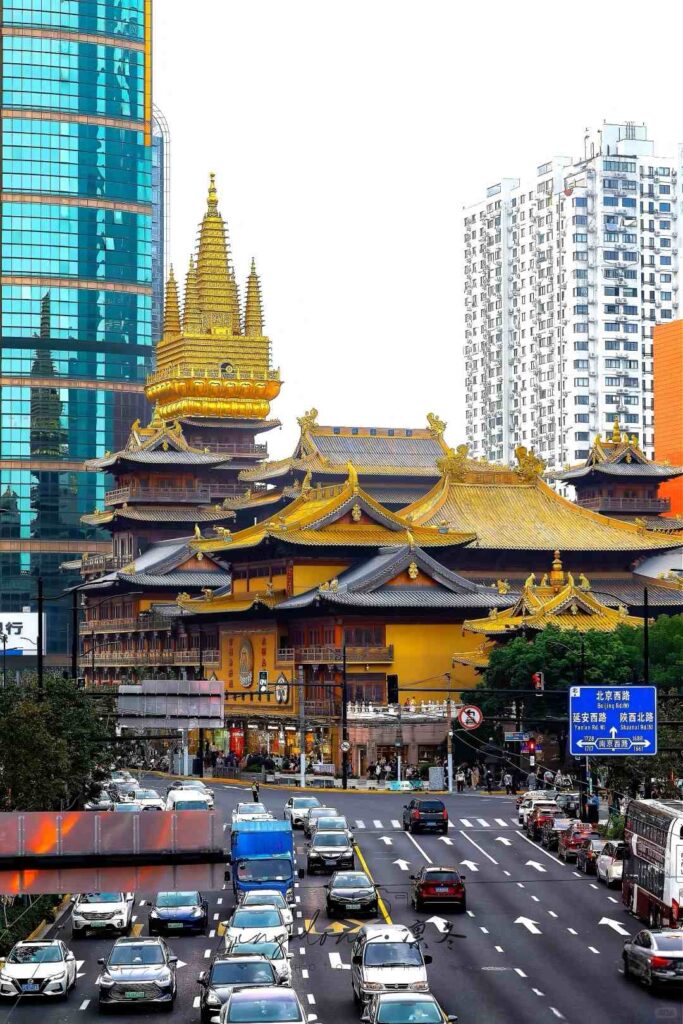
When it comes to picking a hotel, the price range in this area is pretty wide. I usually suggest looking slightly off the main drag of West Nanjing Road, because the side streets are usually quieter and offer better value for your money. If you’re really trying to save, try looking one or two stops west on Line 2 or north on Line 7, where prices are better but you’re still basically right in the action.
Another perk that people often forget is how easy it is to get to the main transit hubs. Staying in Jing’an or near Middle Huaihai Road makes getting to the Shanghai Railway Station or Hongqiao Airport super easy. As long as there isn’t a traffic jam, it’s only about a 20 to 30-minute cab ride, which takes a lot of the stress out of your travel days.
5. Zhongshan Park: The Budget-Friendly Transit Hub
If you want to dodge the tourist traps but still want to be in a central area, I usually recommend Zhongshan Park. It’s a great choice if you’re trying to be smart with your budget.
Most first-time travelers have no idea what Zhongshan Park is, and probably assume it’s just a regular park. But from a local’s perspective, it’s also an ideal transit spot. Metro Lines 2, 3, and 4 all meet here, which makes it easy to head east into the heart of the city or west toward Hongqiao.
Whether you’re just arriving in Shanghai or getting ready to leave, staying here is definitely convenient in terms of transit.
I’ve always found the vibe here to be very normal, in a good way. It’s not crazy busy with tourists, but it’s also not a ghost town.
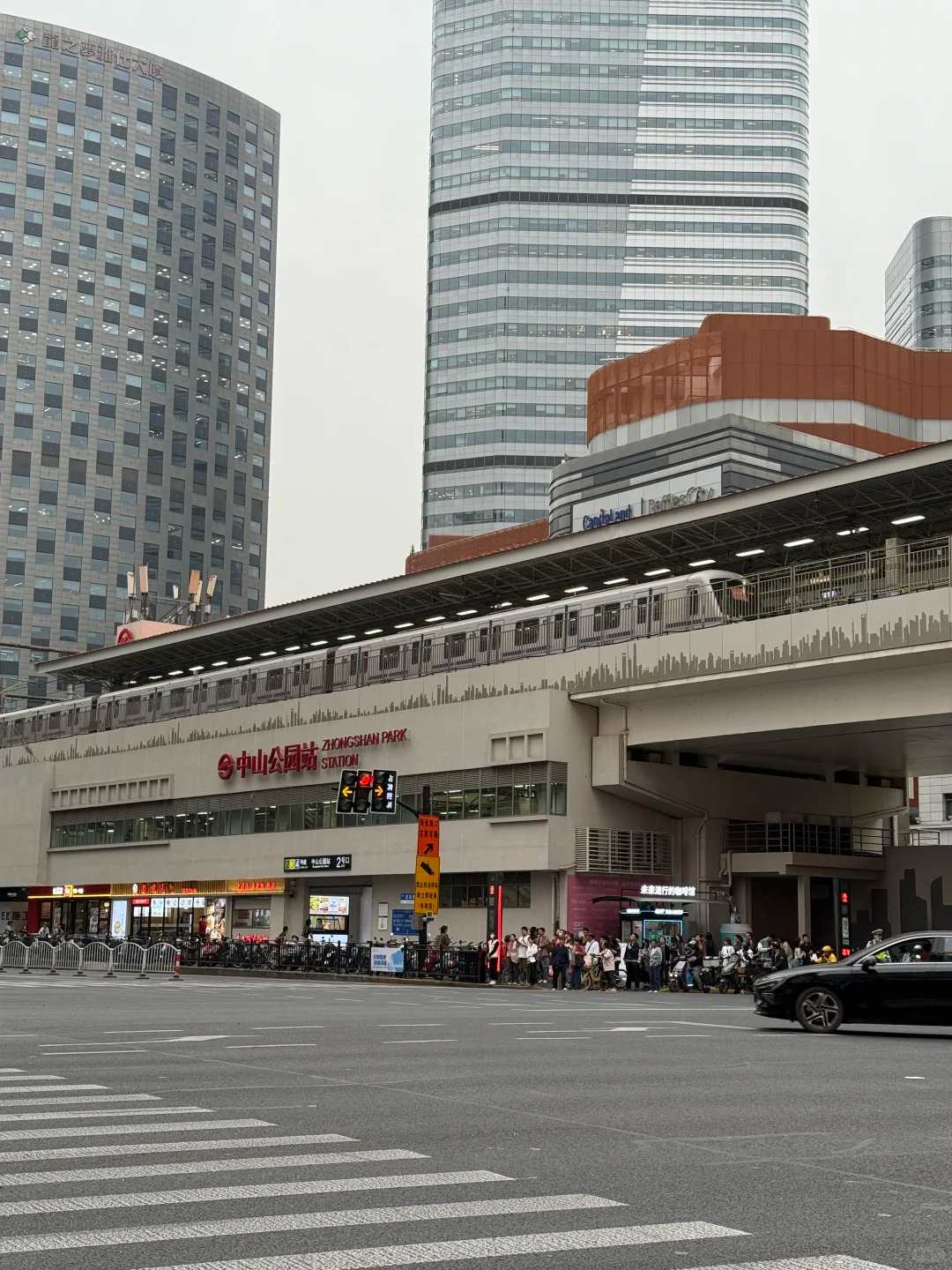
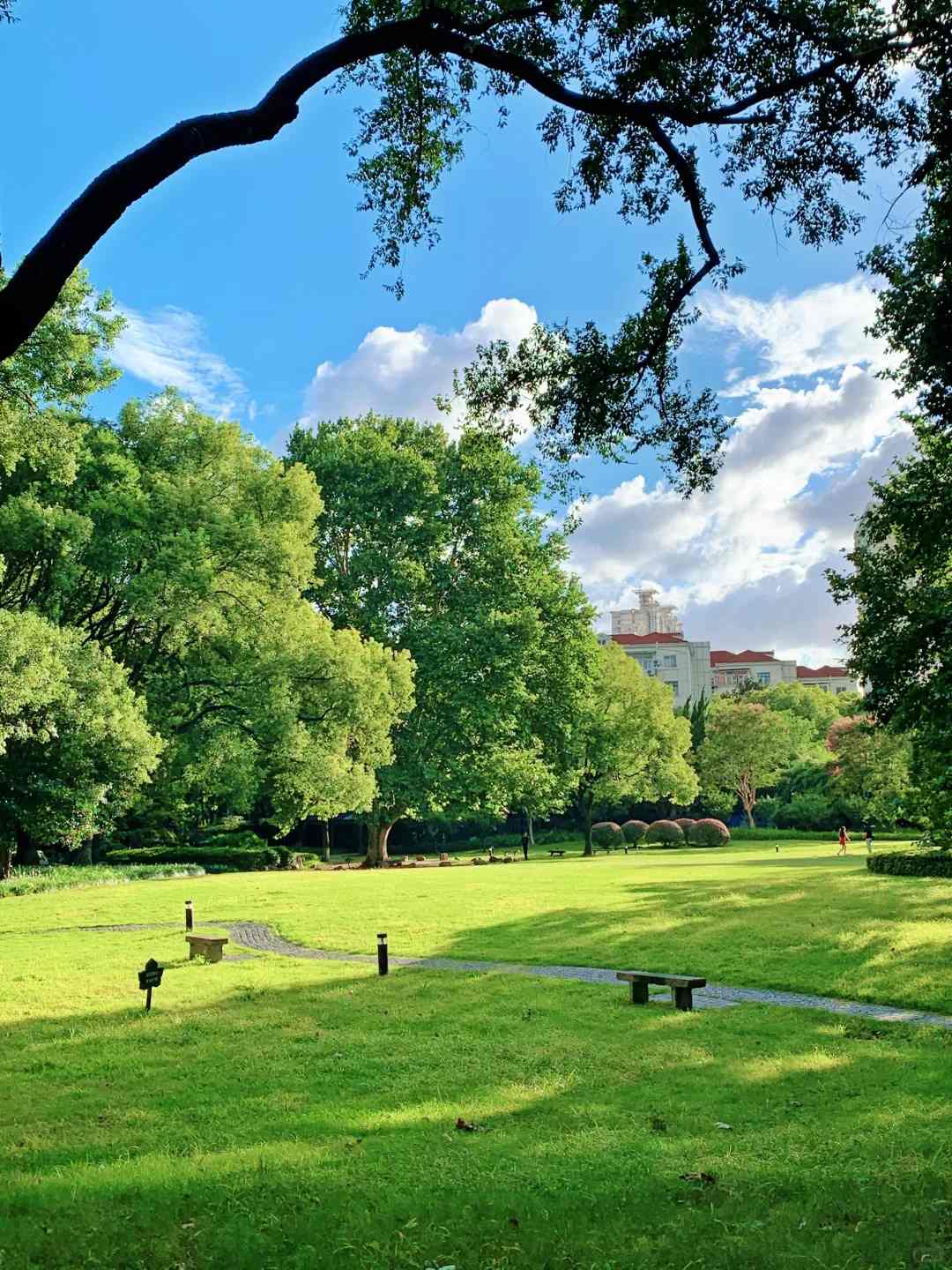
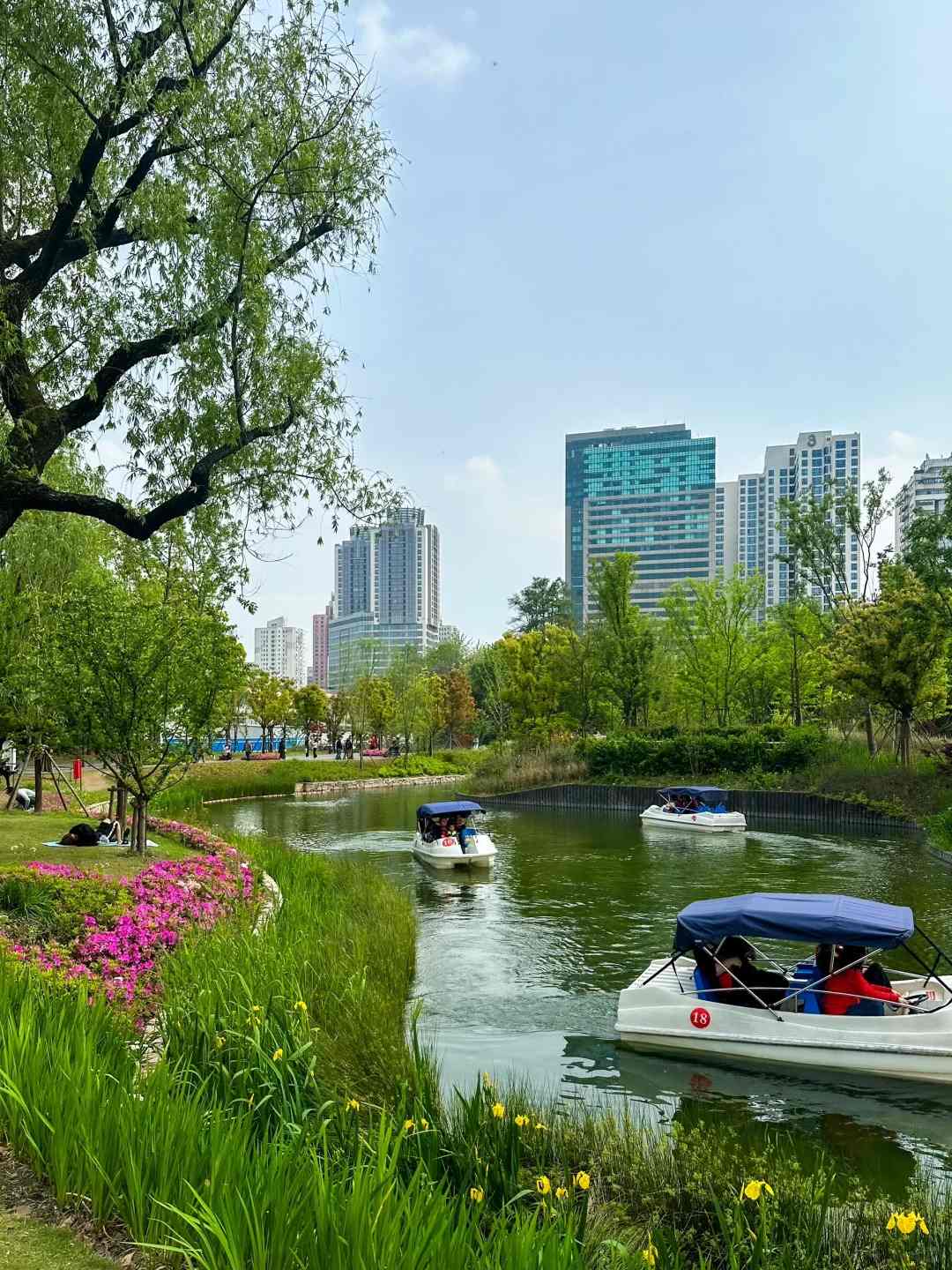
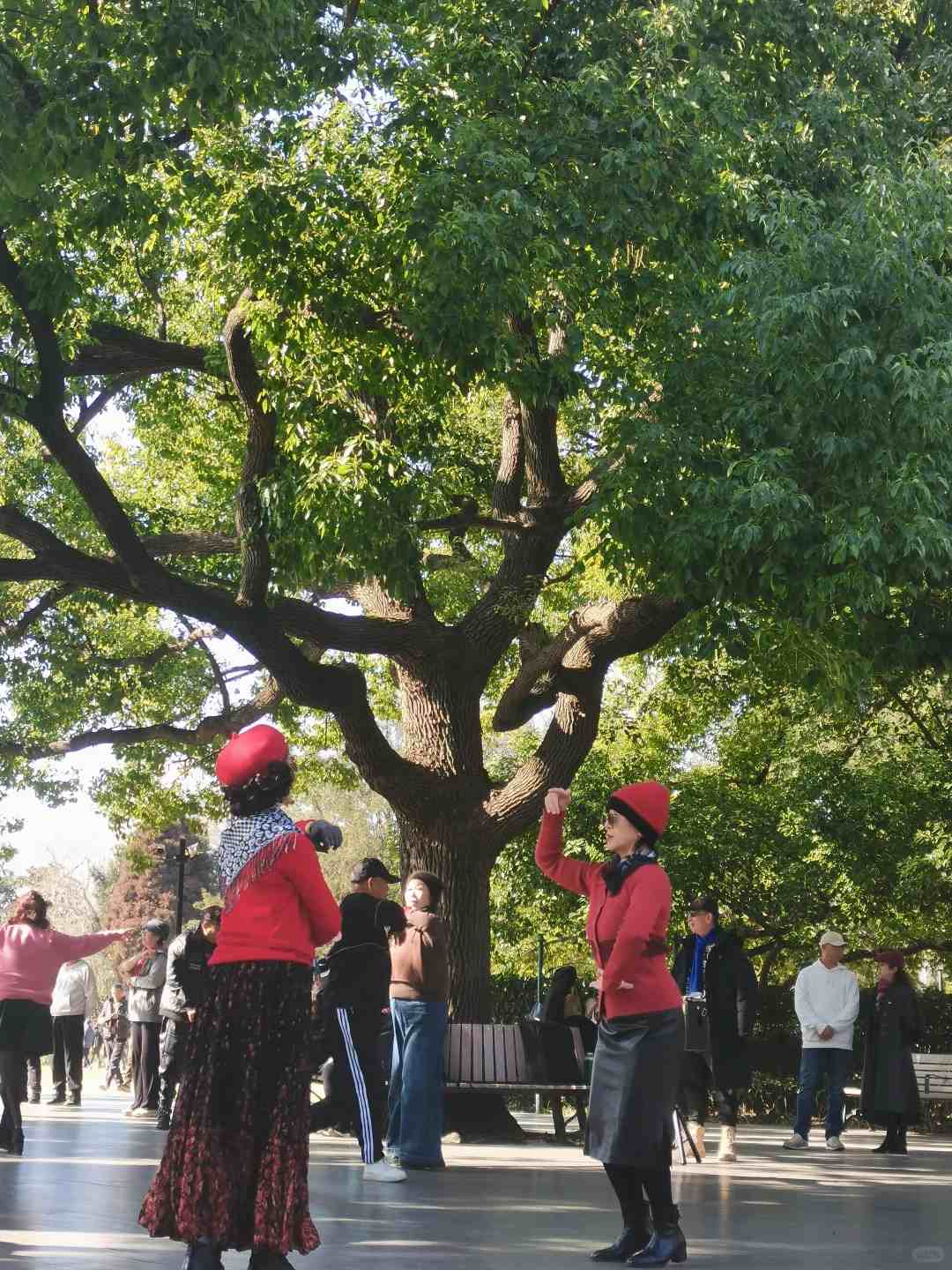
During the day, you’ll see commuters and locals going about their days, and at night, the neighborhood settles down. Since it isn’t a major tourist zone, you can get some rest here without the noise.
Price-wise, this location provides a significant advantage. Compared to places like Jing’an, West Nanjing Road, or People’s Square, you can get the same level of hotel for a much lower cost. The room quality is usually just as good, but without the prime location markup.
It’s especially useful if you’re flying in or out of Hongqiao Airport or catching a high-speed train, because you’ll save time and energy on your commute.
Getting around is easy, too. You can hop on Line 2 and be at East Nanjing Road in about 15 or 20 minutes, which makes the Bund and the main shopping districts easily accessible. I usually tell my friends: spend your day exploring the city center, then head back here for the night to recharge.
To be frank, this isn’t exactly a scenic area. It’s mostly shopping malls, apartment buildings, and offices. If you’re looking for a spot where you can step outside and take Instagram photos or find a tiny boutique cafe, Zhongshan Park might feel a bit plain.
But if you’re looking for a good option without the premium for a fancy location, staying here is a smart move. It might not be the most glamorous part of your Shanghai trip, but it’ll definitely make your whole itinerary a lot easier on your wallet and your schedule.
6. Disney Area Accommodations
Disney is a huge part of the Shanghai experience and a must-do for families. If Disney is a priority for you, I strongly advise against staying in downtown Shanghai.
Many families book a hotel in the city center and end up spending two hours a day just sitting on the subway. You’re already up early to beat the crowds, and by the time the fireworks finish (usually around 8:00 or 9:00 p.m.), everyone is completely wiped out. Dragging tired kids back on a long commute is very inconvenient at best. Taking a cab might sound easier, but with the morning rush hour and the crowds leaving the park at night, you’ll likely just end up stuck in traffic anyway.
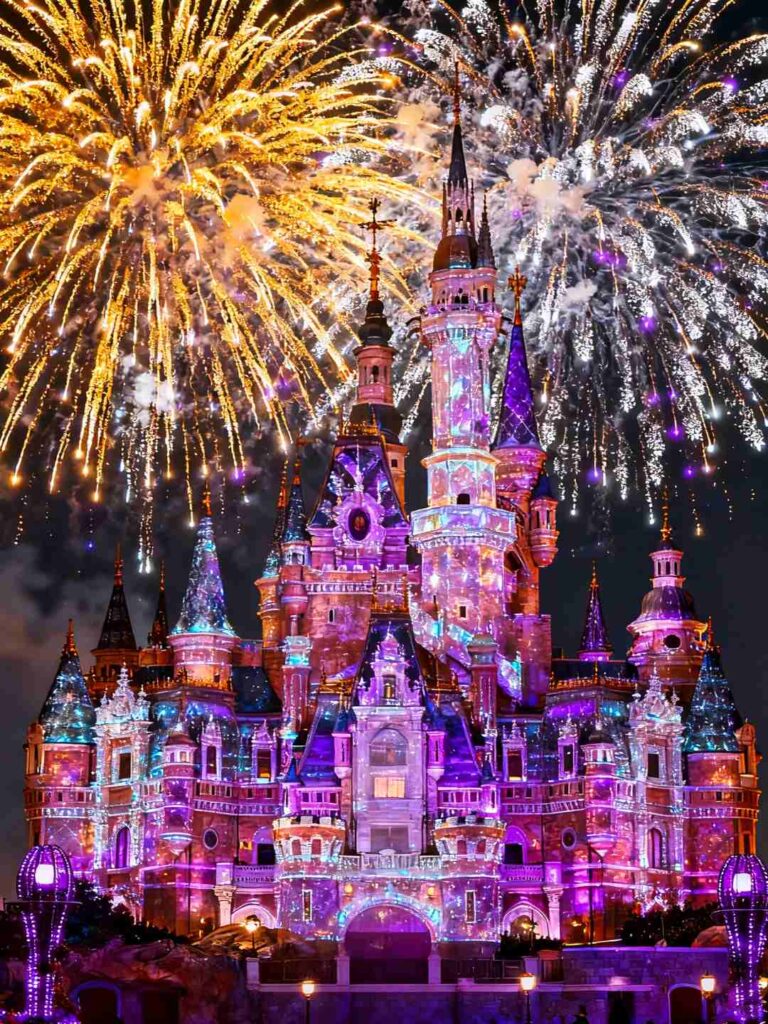
Therefore, I suggest that you treat Disney as its own dedicated trip rather than just an outing from downtown. If you’re planning on doing a full day or two at the park,staying nearby is the best option.
You’ll save anywhere from 2 to 3 hours of commute time, and you even have the option to head back to the hotel for a midday break. Plus, you don’t have to worry about squeezing onto a crowded train with bags of souvenirs and exhausted kids.
In my opinion, you don’t need to overthink which specific hotel to pick. The hotel and vacation rental market around Disney has been established for years and is very professional. As long as you’re within about 6 miles (10km) of the park, the experience is pretty similar.
Most of these hotels offer free shuttle buses to and from Disney, and some even include pick-ups from the airport or the metro station, which is super convenient. Even if a hotel doesn’t have a shuttle, you’re only a 5 to 15-minute taxi ride away.
However, I still highly suggest picking a place with a free shuttle. When the fireworks end, tens of thousands of people are leaving at the exact same time, and trying to call a ride-share in that chaos is very difficult.
Grabbing breakfast at the hotel, taking the shuttle straight to the gate, and then catching that same shuttle back after the show is way more relaxed than trying to figure out transportation on your own, which is why I really recommend this option for families.
If you prefer more flexibility or want to stay at the park until the very last second, look for a hotel along Metro Line 11 near the park. Since cabs are almost impossible to get when the park closes, the subway is your most reliable way out. Just keep in mind that the last train leaves around 10:30 p.m., so make sure you don’t lose track of time and miss it.
Should You Stay at an Official Disney Hotel?
The resort has two official spots: the Shanghai Disneyland Hotel and the Toy Story Hotel. These options are similar, both 100% Disney and very immersive, but, as you’d expect, the price tag is also very Disney. If you stay at one of the official hotels, you do get some perks:
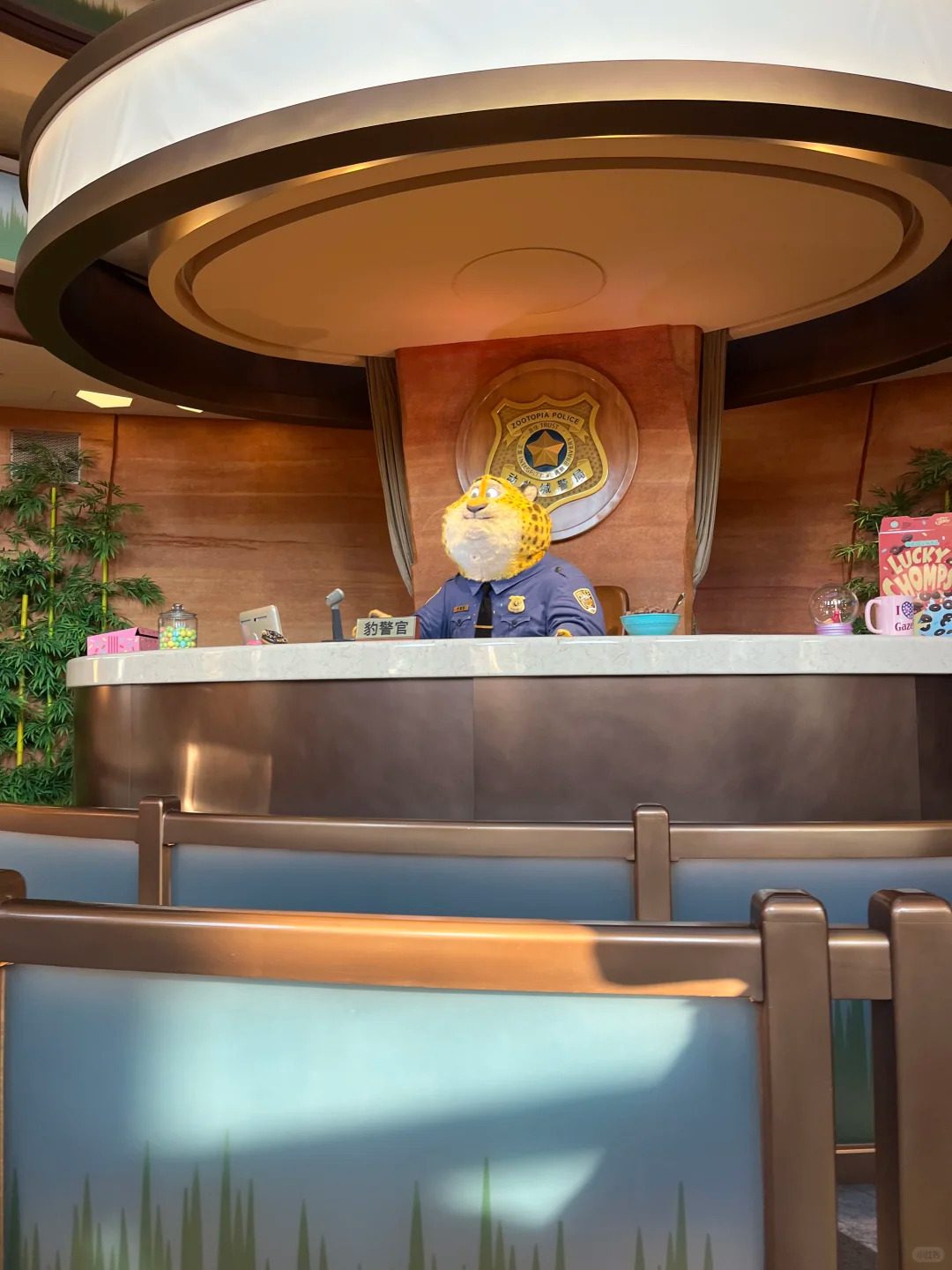
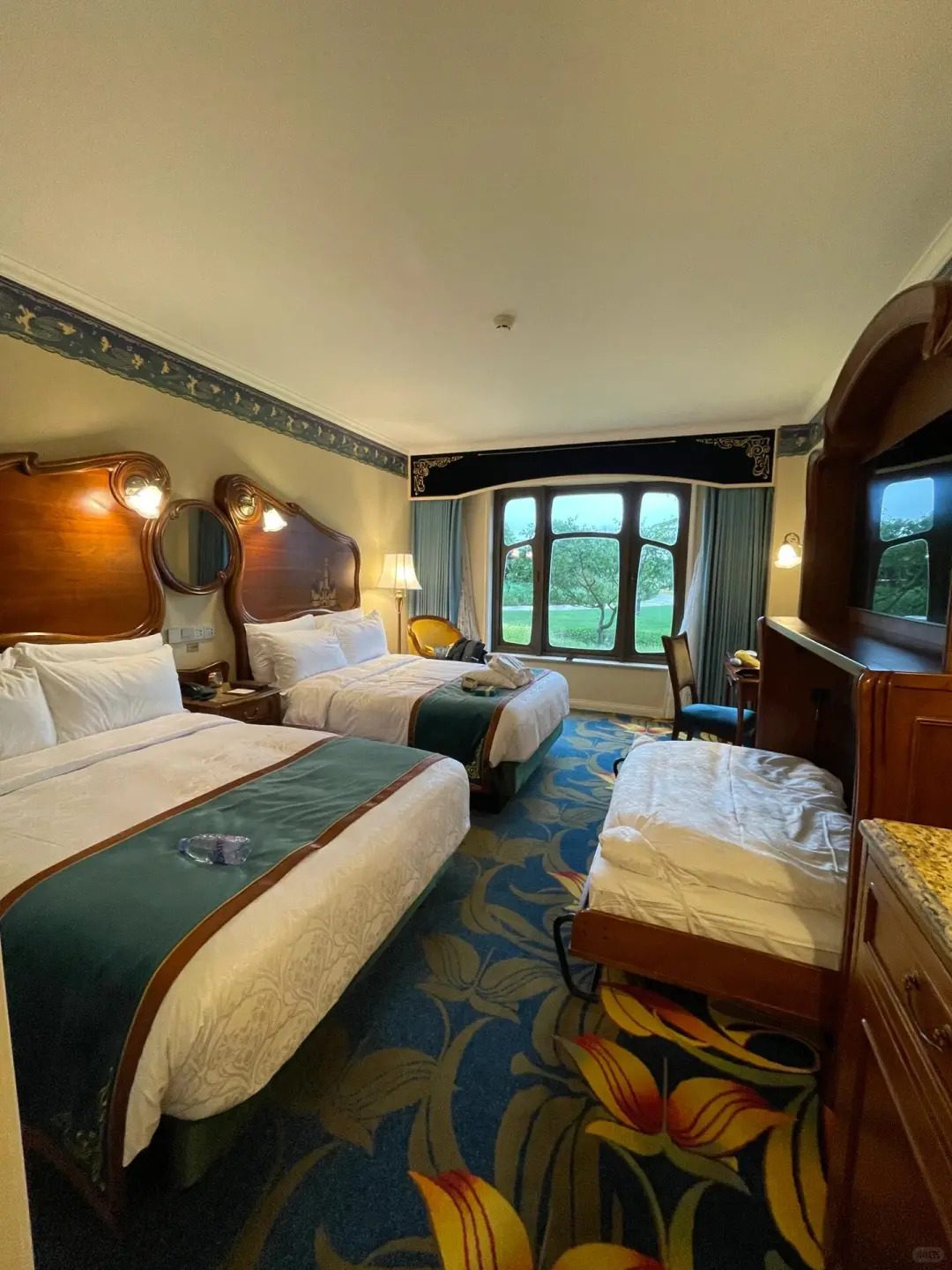
- Early access: You can enter the park an hour early, which is basically like getting a free Early Entry Pass. This allows you to hit the most popular rides before the general crowds arrive.
- Disney Premier Access (formerly FastPass): If you buy your tickets directly at the hotel (at the regular price), they often include a complimentary Disney Premier Access pass for certain attractions.
In my opinion, if you’ve got the budget and really care about the Disney theme and magic for your kids, the official hotels are definitely worth the splurge.
But if the official hotels aren’t for you, you can definitely DIY your own experience. You can simply pair a regular hotel nearby with a purchased Early Entry Pass and then play it by ear on whether you need to buy extra Premier Access passes later in the day. This is a much more flexible way to keep your budget under control.
Read more: Where to Stay Near Shanghai Disneyland?
Shanghai Stay FAQs: Essential Tips for First-Time Visitors
The Bottom Line: Where Should You Actually Stay in Shanghai?
Shanghai is massive, and there isn’t one perfect spot for everyone. It all comes down to what you’re looking for:
- For the first-timers: If you want to be right in the heart of the action and keep things simple, stay in the city center near major transit hubs like People’s Square.
- For the vibe-seekers: If you’d rather wander down unique streets and discover hidden cafes, you’re going to love the Former French Concession (South Shaanxi Road) or the trendy side of Jing’an.
- For the budget-cautious: If you want a nice hotel without the prime location price tag, Zhongshan Park is the best bet. It’s a transit hub that’s much easier on the wallet.
At the end of the day, as long as you pick a spot near a metro line that fits your travel pace, you’re going to have an amazing time. Shanghai is a world-class city, and no matter where you end up, there’s always something incredible just around the corner.
Read More:
Best Things to Do in Shanghai