First Trip to China: Beijing or Shanghai?
As a Chinese travel blogger, my friends from abroad often ask whether, for their first trip to China, they should visit Beijing or Shanghai. And I almost always recommend Beijing over Shanghai for first-time visitors to China.
That doesn’t mean I don’t recommend visiting Shanghai, because I absolutely do. It’s more international and modern, and therefore usually easier for international travelers to adjust to. But if you’re coming to China to experience the country’s history, culture, and everyday life, Beijing is the better destination.
Beijing and Shanghai: two different sides of China
A lot of people describe the difference between these cities as simply Beijing being traditional and Shanghai being modern. That’s not necessarily wrong, but once you’ve spent time in both cities, you learn there are other differences that make each one unique.
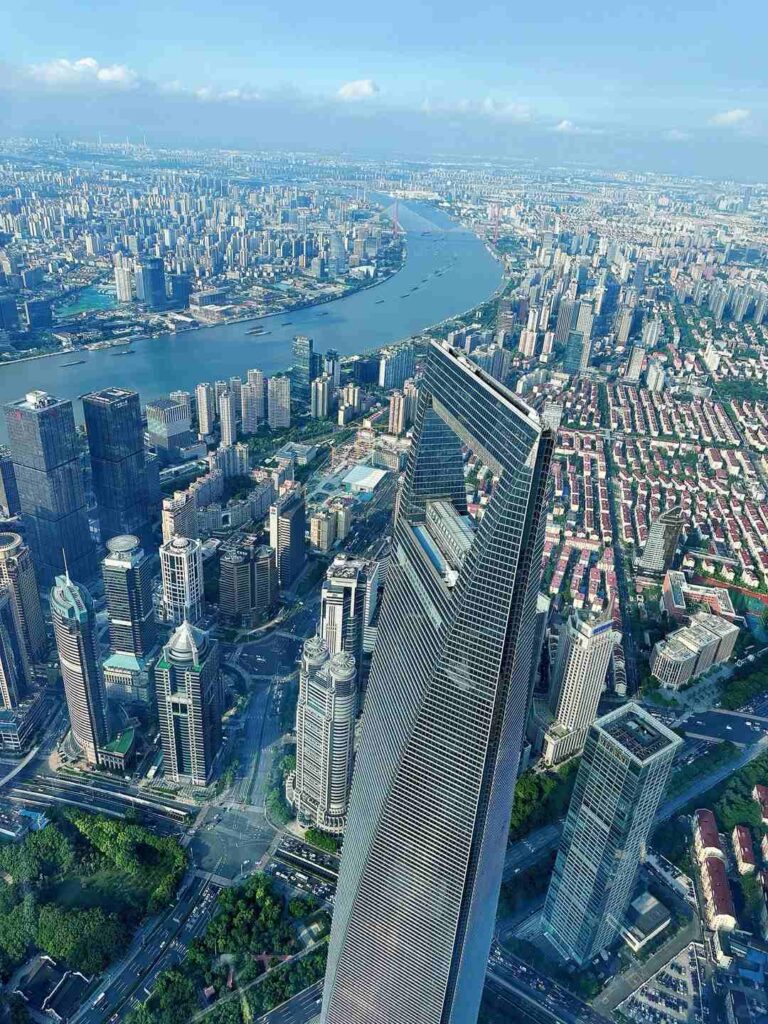
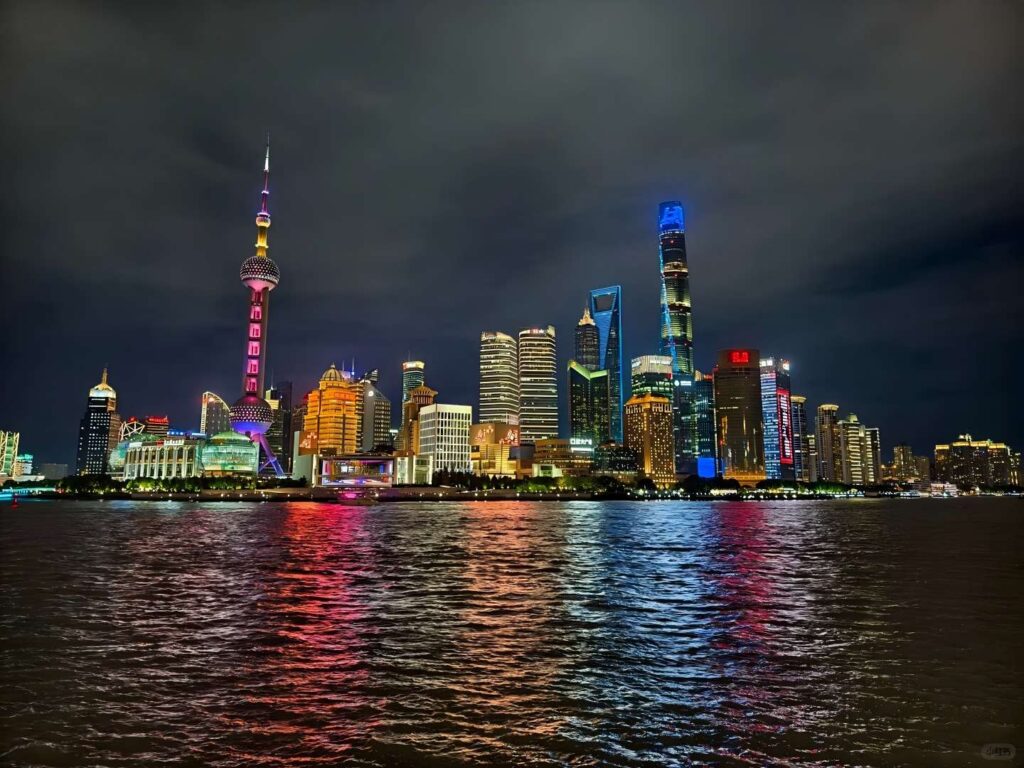
Shanghai is well-designed and full of attractions, so it’s easy to see why many international travelers end up loving it. The skyscrapers, the view of the skyline at night, and the unique neighborhoods are memorable. In many ways, Shanghai is reminiscent of other big cities like New York, London, or Singapore. Beijing, on the other hand, is completely different.
As China’s capital, Beijing has much stronger local identity, which for many foreign visitors, makes the trip more meaningful. With more than a thousand years of history, Beijing has preserved a remarkable amount of its character, architecture, and traditions. This feeling is not only evident at famous landmarks like the Forbidden City, Yonghe Temple, or the Temple of Heaven, but also when exploring smaller local places.
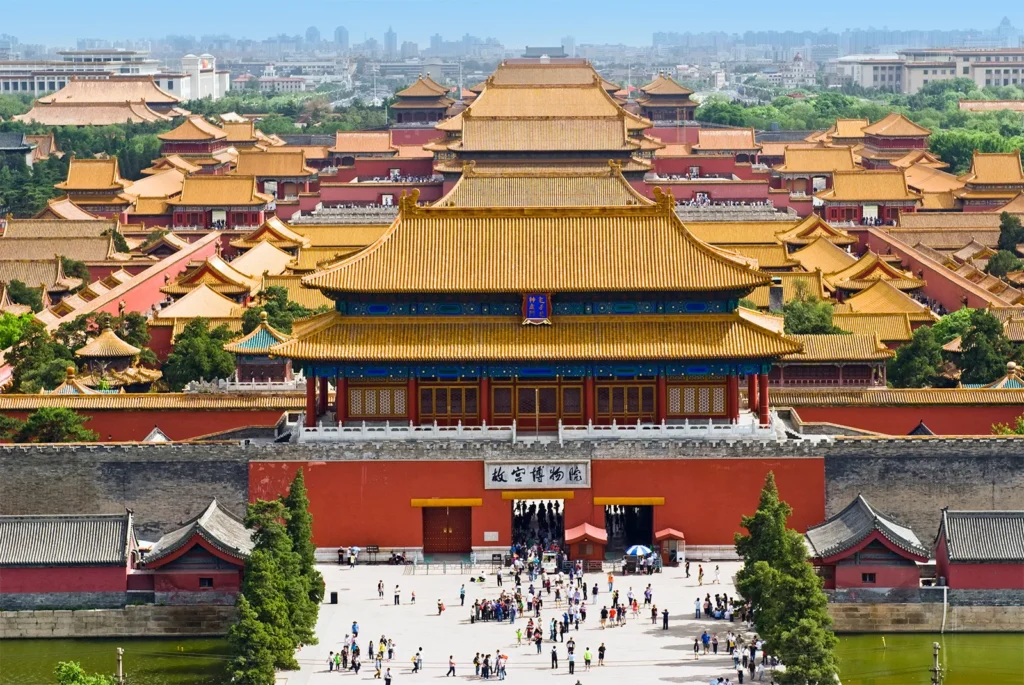
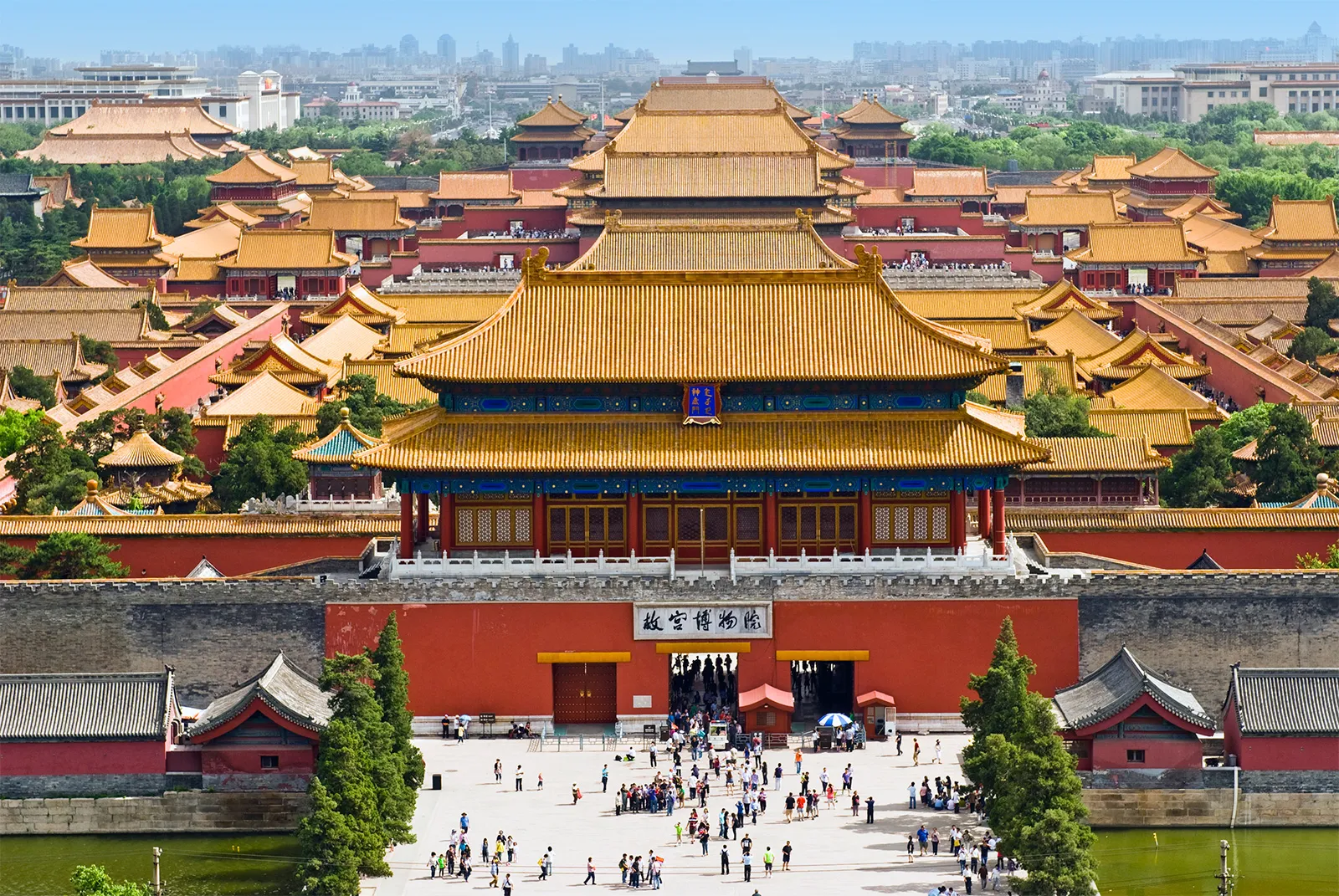
The first time I visited, I noticed that the city offers the experience of both old and new China. The Forbidden City gives visitors a view of China’s imperial past. In the hutongs, Beijing’s traditional narrow alleyways and courtyard neighborhoods, you can see everyday local life. The National Museum of China, one of the best museums in the country, displays some of the most important cultural relics from thousands of years of Chinese history. And in the parks, you see locals walking, exercising, playing chess, and chatting.
Pro-tip: If you have time, I’d especially recommend the Summer Palace and Beihai Park. Both are beautiful imperial gardens, and you’ll see what makes Chinese gardens distinctive from typical parks in the Western world.
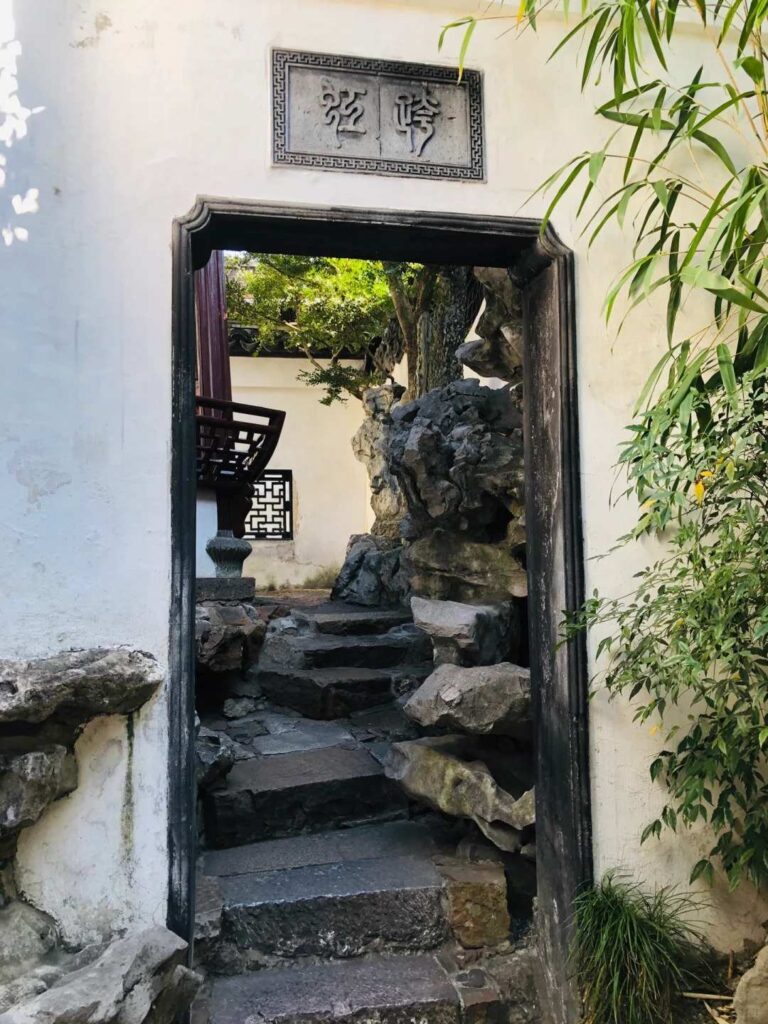
Shanghai, of course, has a history of its own. But compared with Beijing, its character is shaped much more by modern history and colonial influence. There are many places in Shanghai where Western influences are blended with traditional Chinese influences, such as the shikumen houses, the former French Concession, and the Bund. Jing’an Temple and Yuyuan Garden retain more of the city’s traditional Chinese character. All of these places are certainly worth visiting, but to see a city that is unmistakably Chinese, I recommend Beijing.


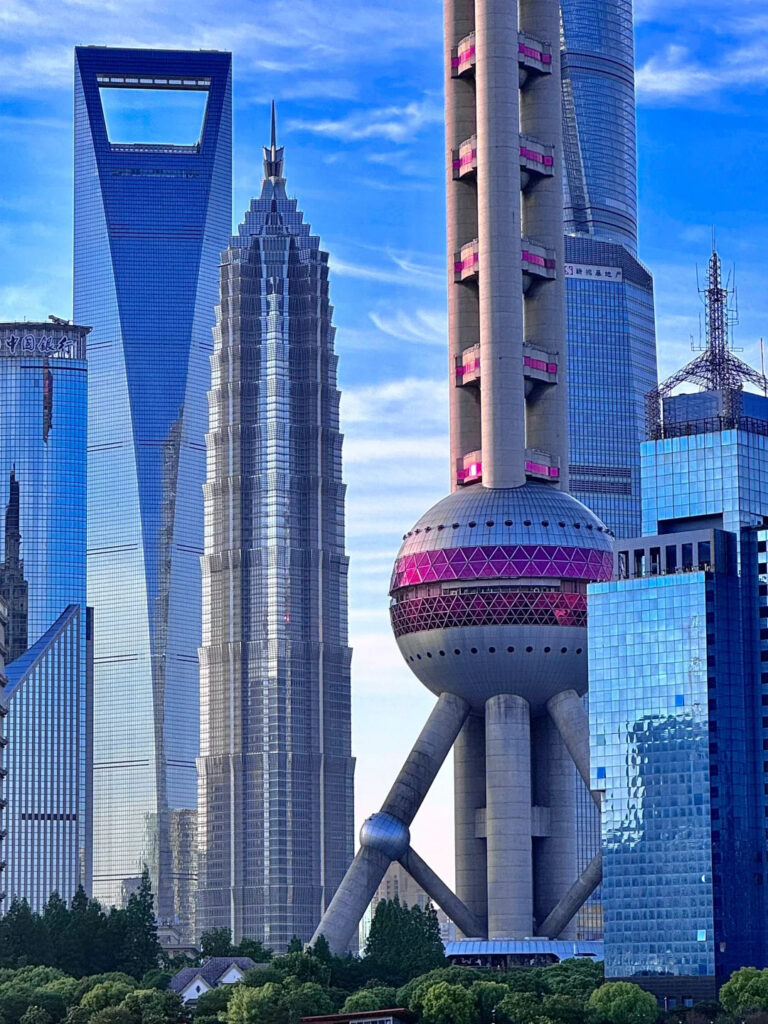
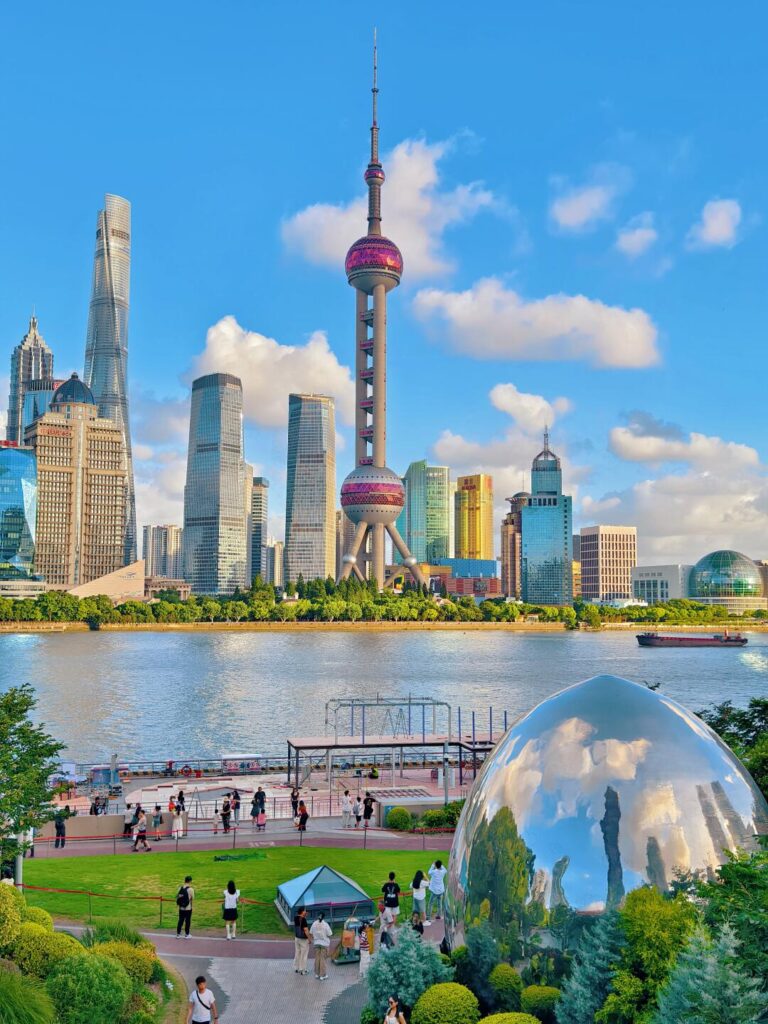
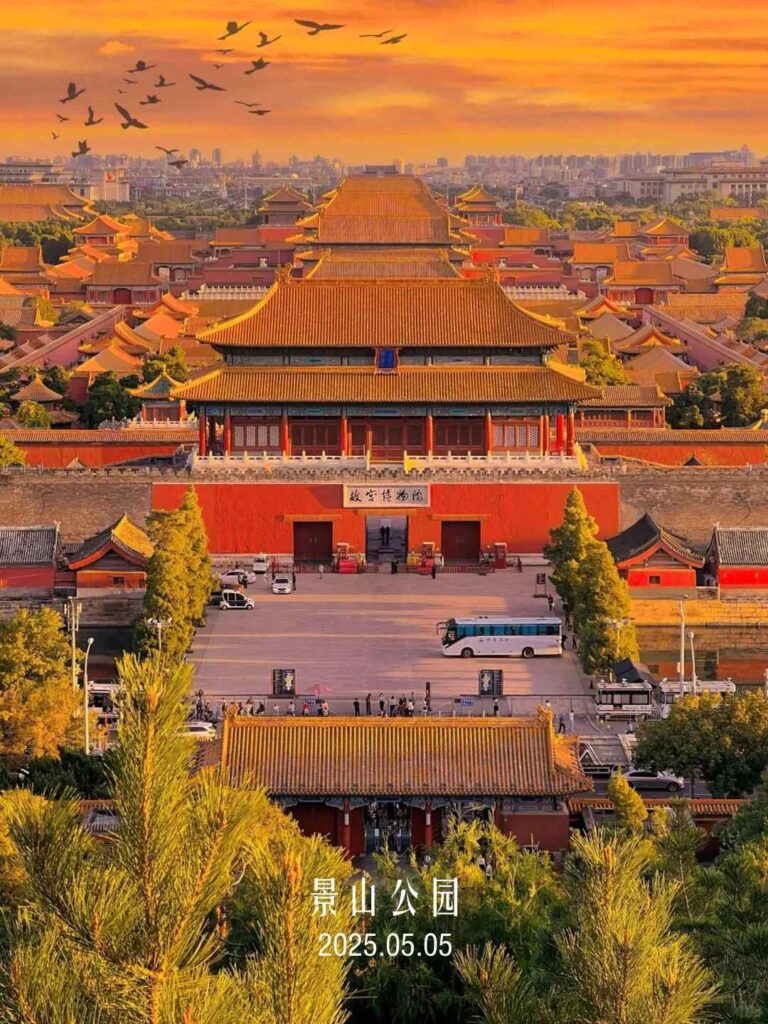
Shanghai also has the most recognizable skyline in China, with the Lujiazui skyscrapers and the Oriental Pearl Tower well-known throughout China and abroad. Beijing’s skyline doesn’t have as many recognizable skyscrapers, but its charm lies in its blend of history and modernity. One of my favorite things to do on a clear day is go up to Jingshan Park, where you can look out over the Forbidden City and, farther off, the skyline of modern Beijing.
A visit to Shanghai is definitely enjoyable, but if it’s the only city you’ve been to in China, you may not have seen the full picture of the country. I think Beijing offers a more diverse experience, which is why I recommend it for most international travelers.
Beijing vs. Shanghai with kids
A lot of people assume that because Shanghai is more modern, it must also be the easier city to visit with kids. But in my experience, despite being older, Beijing is modern in all the aspects that matter for travel.
Like Shanghai, Beijing has good public transportation and travel infrastructure. The subway is easy to use, the high-speed rail system is excellent, and taxis are reasonably affordable, so both are easy to navigate with kids. But what really matters when you’re traveling as a family is whether everyone can slow down and enjoy each day of the trip without feeling rushed.
Beijing is huge, but many of its main sights are close together, which makes it easier to plan your itinerary. You can visit the Forbidden City and Jingshan Park back to back, take your time around the Drum Tower, Shichahai, and the hutongs, or set aside half a day for the Temple of Heaven area. A lot of neighborhoods, especially around the hutongs, are also enjoyable on foot, which makes Beijing more family-friendly than many travelers expect.
Shanghai is absolutely fun with kids too, but many of the most family-friendly attractions are much farther apart. Some of the most popular sites, like Disneyland, the Planetarium, and Haichang Ocean Park, are quite far from downtown. Often it makes more sense to stay near these places if you want enough time to enjoy them fully, otherwise, you spend a lot of the day in transit.
I also think Beijing can be a more meaningful family experience because kids leave the trip with a lasting impression of China. They may not remember a skyscraper, but they’re much more likely to remember the huge Forbidden City, how impressive the Great Wall was, what it was like to wander through the hutongs, or the local people they saw in parks and around the Temple of Heaven. I believe that these kinds of cultural experiences are what kids remember most about traveling.
By comparison, many of Shanghai’s main family attractions are more commercial. Disneyland is unique to Shanghai, of course, though Beijing has some smaller attractions that are similar. But Beijing offers a distinctly local feeling that makes it more unique among other popular destinations in China.
Beijing is a city to explore; Shanghai is a city to enjoy
If I had to sum up the difference between the two cities, I’d put it this way: Beijing is a city that reveals itself through exploration, while Shanghai is designed to simply be enjoyed.
Beijing encourages visitors to explore beyond the major sites, with the most memorable experiences often being in local streets, parks, and hole-in-the-wall restaurants. I’ve found that Beijing offers a greater sense of discovery, which makes it interesting every time I visit.
Shanghai, on the other hand, is better suited to just enjoying a vacation. It’s an easy city to settle into, the food scene is more upscale, and the neighborhoods are clean and modern, which makes them enjoyable to walk through. It is an easier getaway, but the trade-off is that it can be more predictable.
Shanghai is also no longer the only city that can give you a feel for modern China. Plenty of Chinese cities, like Shenzhen, Guangzhou, and Hangzhou, now offer a very modern urban experience. But what other cities don’t offer is the history of the country’s capital in Beijing.
Beijing is more budget-friendly
For many international travelers, especially families with kids, budget is a consideration when deciding where to travel within China. And once you add up hotels, meals, and entry fees, Beijing is often a little more affordable.
Beijing and Shanghai are both among the most expensive cities in China, but it’s easier to find enjoyable experiences in Beijing without spending too much. There are more traditional places to eat and entry fees at many major sights are affordable. Shanghai is more modern, which is usually reflected in costs as well. You can still save money if you plan well, but when comparing hotels, meals, and attractions, Shanghai is generally more expensive.
The travel experience is similar in winter
One major difference between Beijing and Shanghai is the weather, and in winter, a lot of travelers worry that Beijing will be too cold, so they choose Shanghai instead.
Beijing is indeed cold in the winter. At places where you’ll be primarily outside,
like the Great Wall, the Forbidden City, or the Summer Palace, winter can be unpleasant. But Shanghai gets cold too, and the humidity often makes the cold more intense. Indoor heating is also less common in Shanghai than in Beijing.
So if you’re coming to China in winter, Shanghai is only a little warmer than Beijing, and not enough to base your decision on. In both cities, you’ll need to pack warm clothes for outdoor attractions. Beijing is more of a dry cold, while Shanghai is a damp cold, so you might just consider which type of cold you can handle better.
One advantage Beijing does have in winter is easier access to nearby ski areas if that’s something you’re hoping to do while in China.
Who should choose Shanghai
While I usually recommend Beijing for first-time visitors to China, there are times when Shanghai is the better choice.
If you prefer modern cities and want your first trip to China to feel easier and more familiar, then Shanghai will probably suit you better. The same is true if you’re wanting more predictable experiences like Disneyland, shopping, and a good food scene.
Shanghai is also a better starting point for taking day trips, such as to one of the many water towns in the area (Zhujiajiao is my personal favorite). Farther out, Suzhou, Hangzhou, Nanjing, and Huangshan are all great choices too, and many are worth spending at least a day, if not a few days, exploring.
There are not as many options for day trips around Beijing. The exception is the Great Wall, which is usually one of the top sights on most travelers’ lists. You can visit the classic Badaling section, or head to Simatai if you want something more unique.
If you can, visit both!
If you have the time, the ideal scenario is to include both cities in your trip to China. Even though the two cities are more than a thousand kilometers apart, you can get from central Beijing to central Shanghai in under five hours by plane or high-speed rail.
Final thoughts
I feel Beijing is a better place to start because it gives you a better chance to experience China’s history, culture, and everyday life more directly. And for kids, those experiences are often more memorable.
Shanghai is still a highly-recommended destination. It’s more modern, more international, and a better fit if your priority is city life, shopping, and great food, or if you want to combine the trip with places like Suzhou and Hangzhou.
If you can only choose one city, go to Beijing, but if you have the time, I’d do 4–5 days in Beijing and 2–3 in Shanghai.
Read More:
Where to Stay in Shanghai From a Local
Best Things to Do in Shanghai
Shanghai Disneyland Itinerary