The Bund Shanghai and Beyond – My Ultimate “No Backtracking” Guide
If you’re planning a trip to Shanghai, the Bund is an absolute must-see landmark. Whether you’re a local or a visitor, this spot is where you meet the soul of the city. Here you can see both the past and the present of Shanghai at the same time. On one side is a stunning collection of classical, century-old historical buildings. On the other, you’ll see the modern skyscrapers of the Lujiazui area, like the Shanghai Tower and the Oriental Pearl TV Tower. Seeing this contrast of the old and the new, shining together, is a truly unforgettable experience.
After visiting Shanghai a number of times myself, I’ve compiled what I believe is the ideal itinerary for your own visit to Shanghai. And the best part? I’ve designed a route with no backtracking. It perfectly connects all of the must-see spots in and around the Bund, making your trip effortless and efficient. As an added bonus, you’ll also catch the most spectacular night view of the city.
Practical Tips for a Smooth Visit
Here are a few tips to help you plan ahead, especially if you’re visiting from out of the country:
Mobile payments & ID: It’s essential that you set up either AliPay or WeChat Pay before your trip. You can link your own foreign bank cards. It’s still a good idea to keep some cash handy, just in case. It’s also crucial that you carry your passport throughout your trip. Some attractions, such as Yu Garden, require ID verification for tickets, so you won’t get in without it.
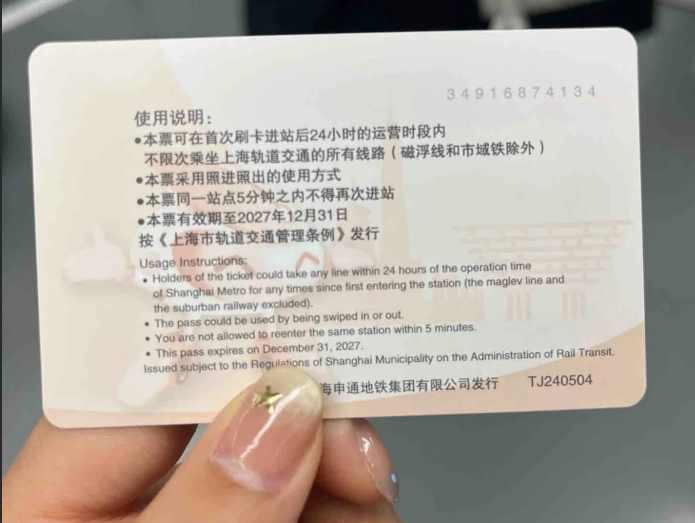
The metro is your friend: Most of the sights are easily reached by subway, so I strongly recommend buying a Shanghai Public Transportation Card. You can purchase one at any station. You can get a One-Day Pass for ¥15 (about $2), or a Three-Day Pass for ¥45 (about $6). They offer unlimited rides within their hour-based validity, which is a great deal. It’s also helpful to download the “Metro Transfer” app (iOS/Android) to easily check routes, transfers, and travel times.
The metro is your friend: Most of the sights are easily reached by subway, so I strongly recommend buying a Shanghai Public Transportation Card. You can purchase one at any station. You can get a One-Day Pass for ¥15 (about $2), or a Three-Day Pass for ¥45 (about $6).
Each day pass starts timing from your first subway ride and includes unlimited rides, so it’s a great deal. It’s also helpful to download the “MetroMan” app (iOS/Android) to easily check routes, transfers, and travel times.
Book ahead: For high-demand attractions like Shanghai Disney or the Duoyun Bookstore, it’s best to book tickets or reservations in advance. Waiting to buy last-minute tickets, especially during peak season, is risky.
Where to stay: I’d suggest choosing a hotel near a subway station and a commercial center. This makes dining, shopping, and getting around more convenient—especially if you’re traveling with family.
My Essential “No Backtracking” Route
This route begins in the futuristic Lujiazui, and takes you seamlessly to the historic Bund by the evening.
Phase 1: Sky-High Shanghai: A Modern Opening Act
Lujiazui Metro Station & Skywalk: Take the metro from wherever you’re beginning
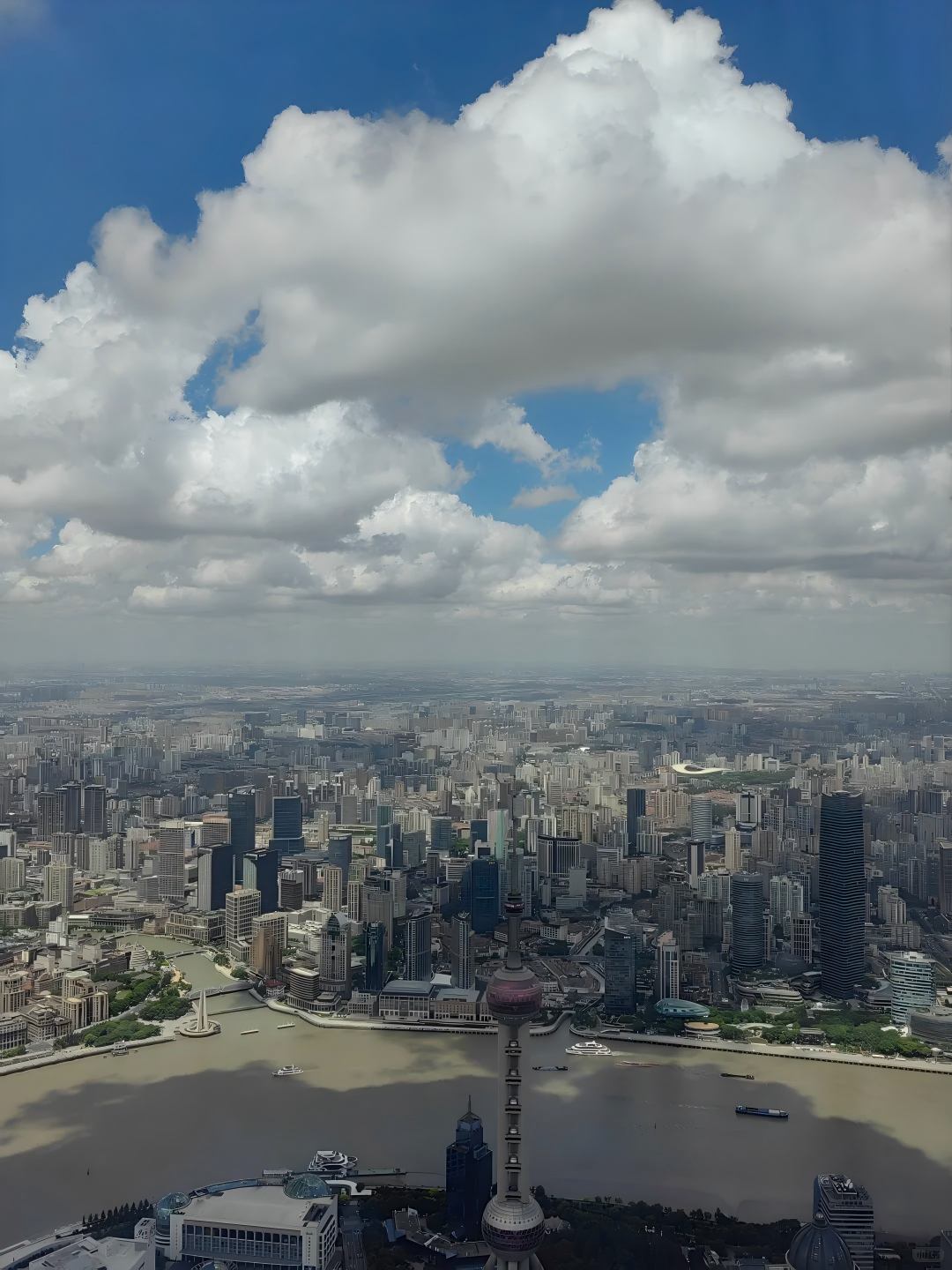
your visit to the Lujiazui Station. Exit from Gate 6, and you’ll step onto a circular viewing platform. From this elevated walkway, the Oriental Pearl TV Tower feels practically close enough to touch, and you have a perfect view of the “Lujiazui Trio” of skyscrapers. This is an amazing spot for photos. If you have some extra time, the Pudong Art Museum is close by and definitely worth checking out.
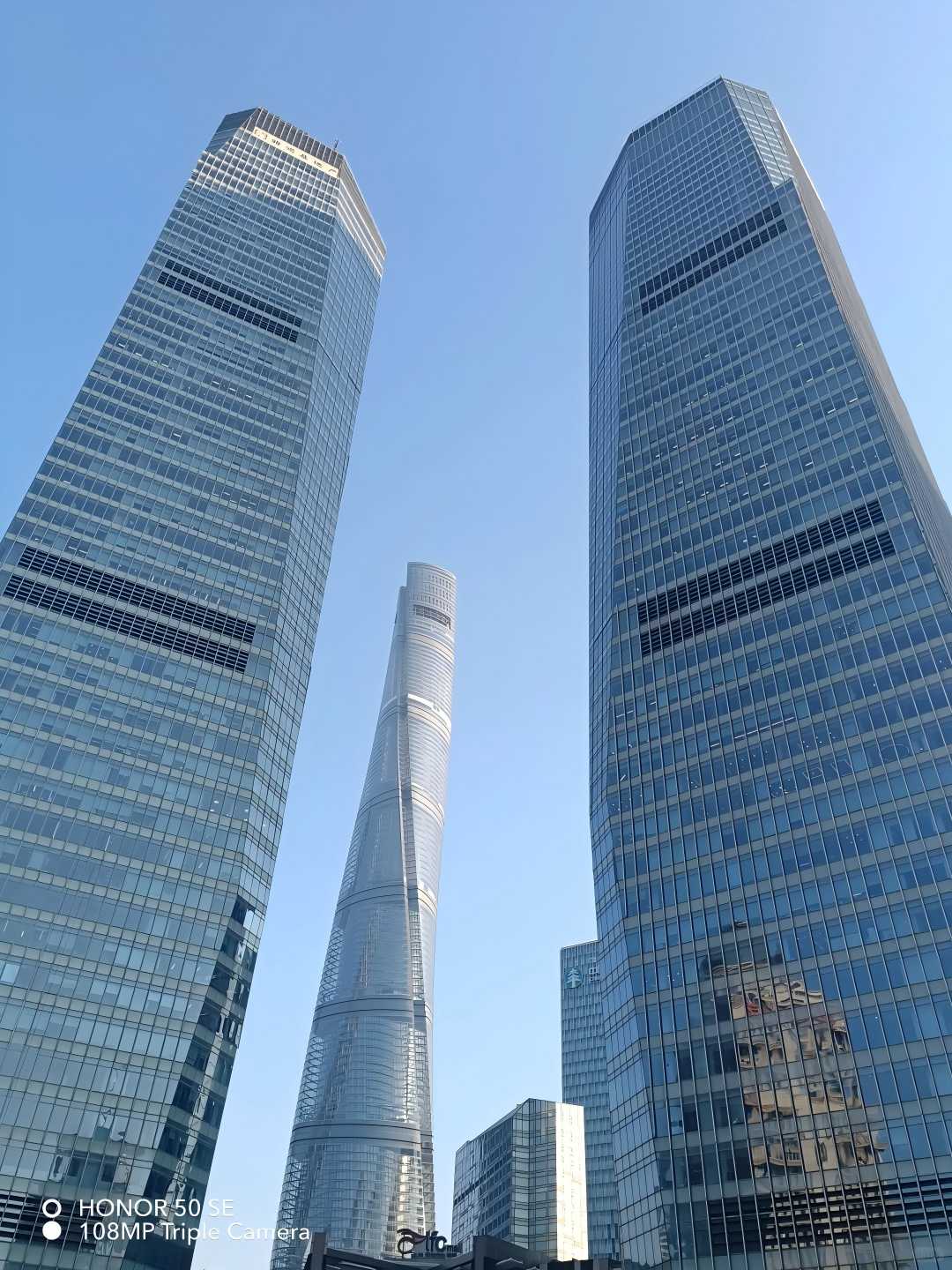
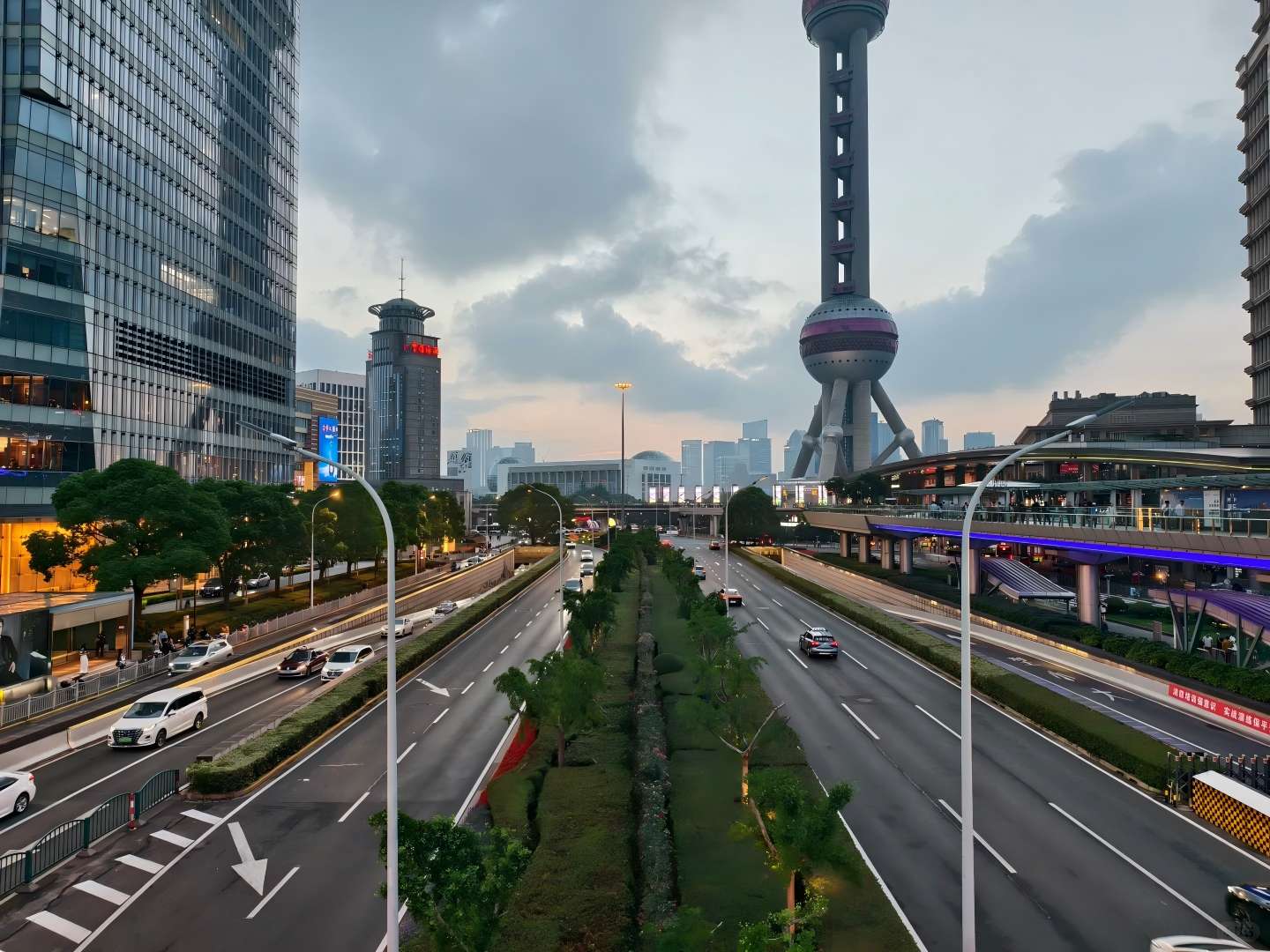
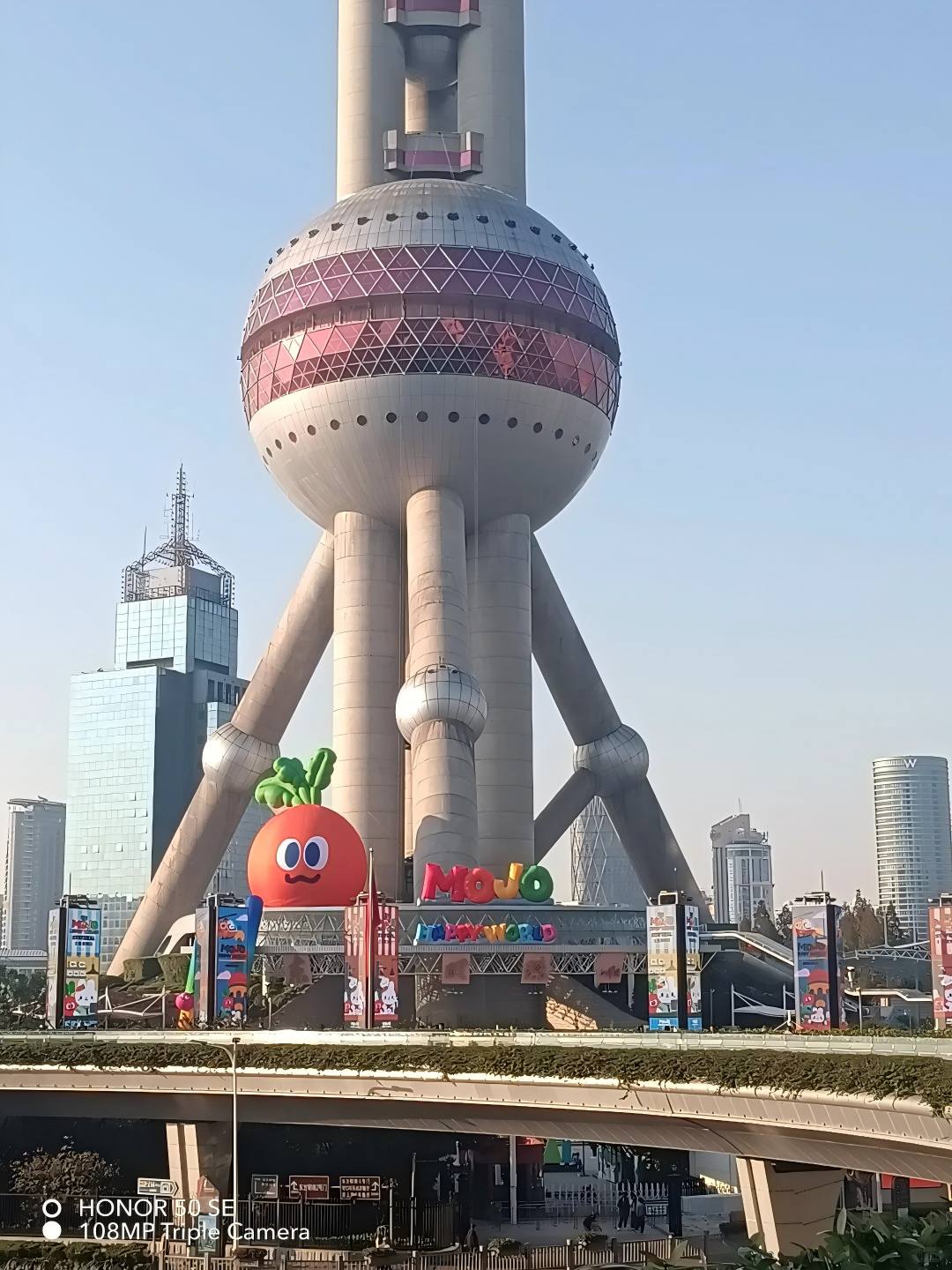
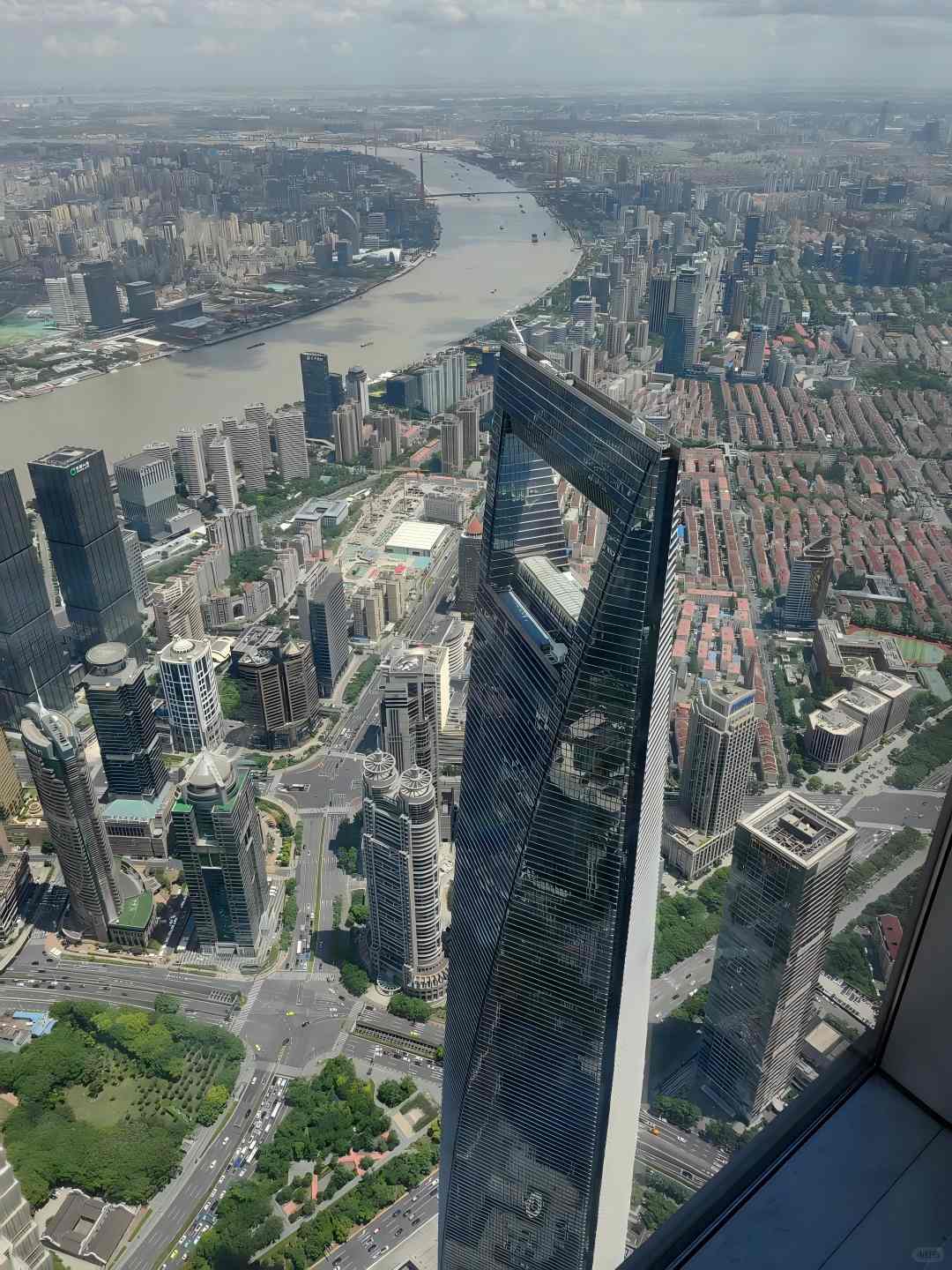
Duoyun Bookstore (Shanghai Center): Your next stop is the Duoyun Bookstore, located on the 52nd floor of the Shanghai Tower, one of the “Trio” skyscrapers visible from the last spot. Enter the building through Gate 2, and staff will help you get tickets. It’s important to reserve a spot in advance via their WeChat mini-program. From my experience, sometimes foreign visitors are let in without a reservation, but it’s not a guarantee.
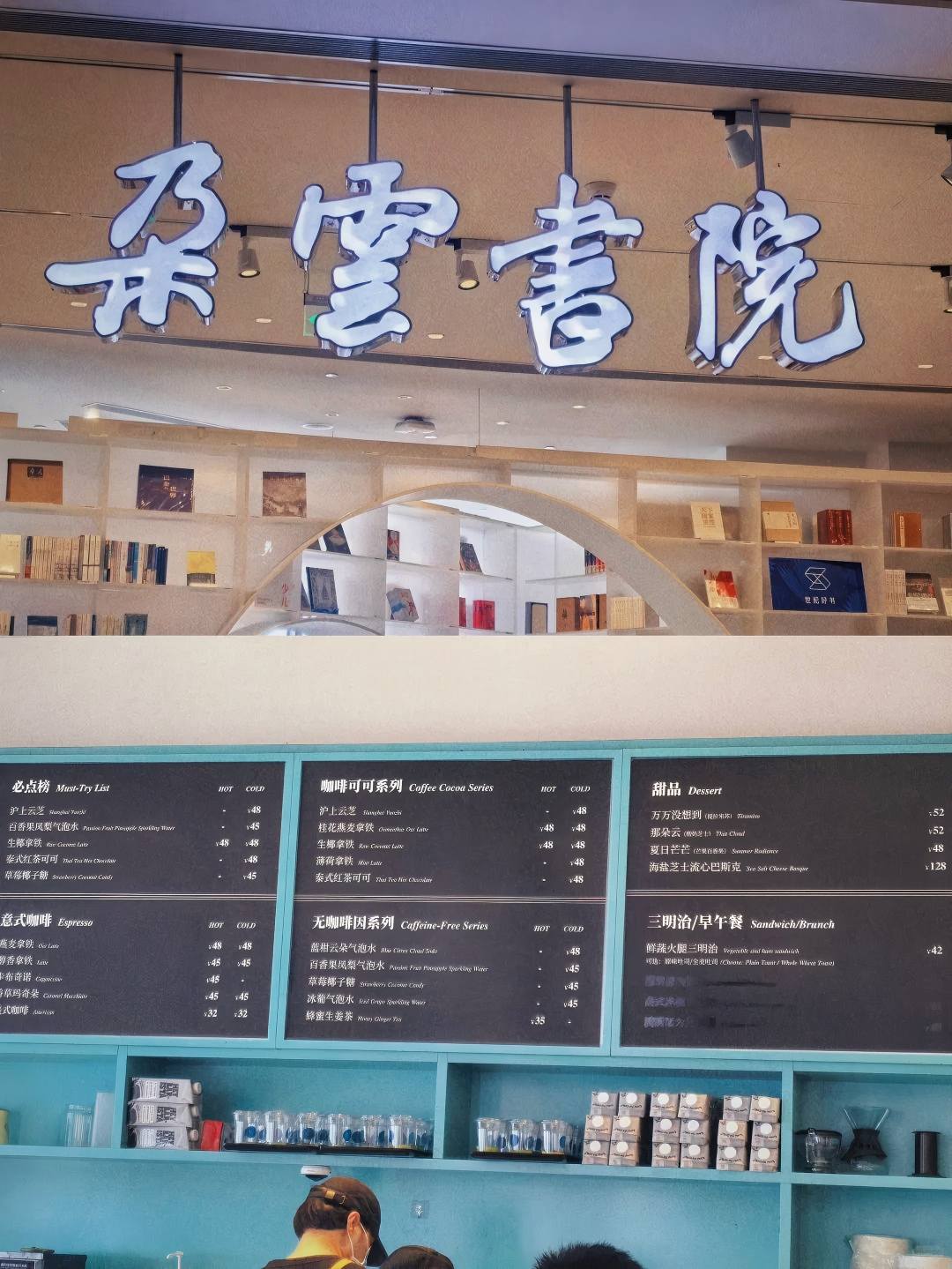
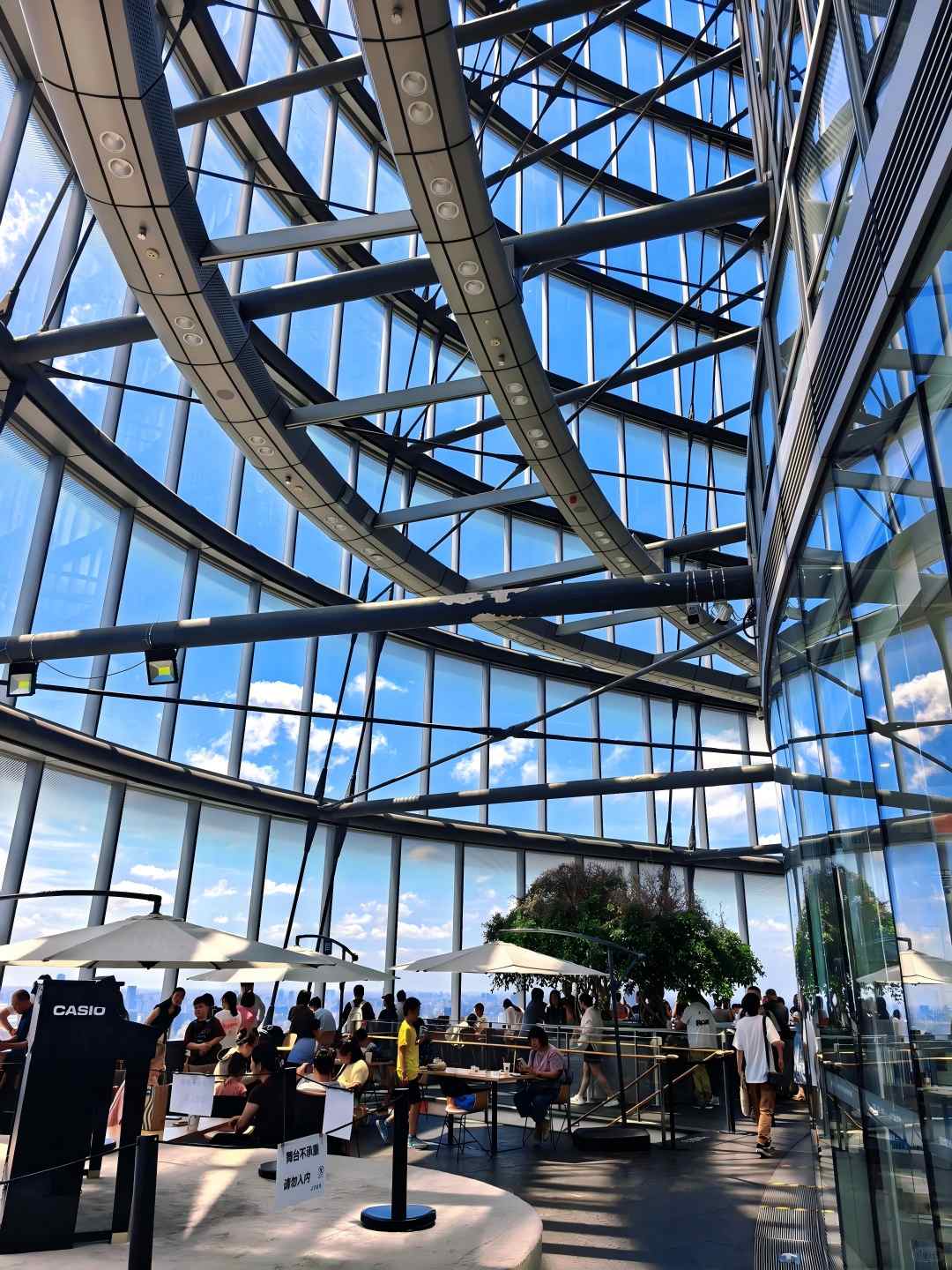
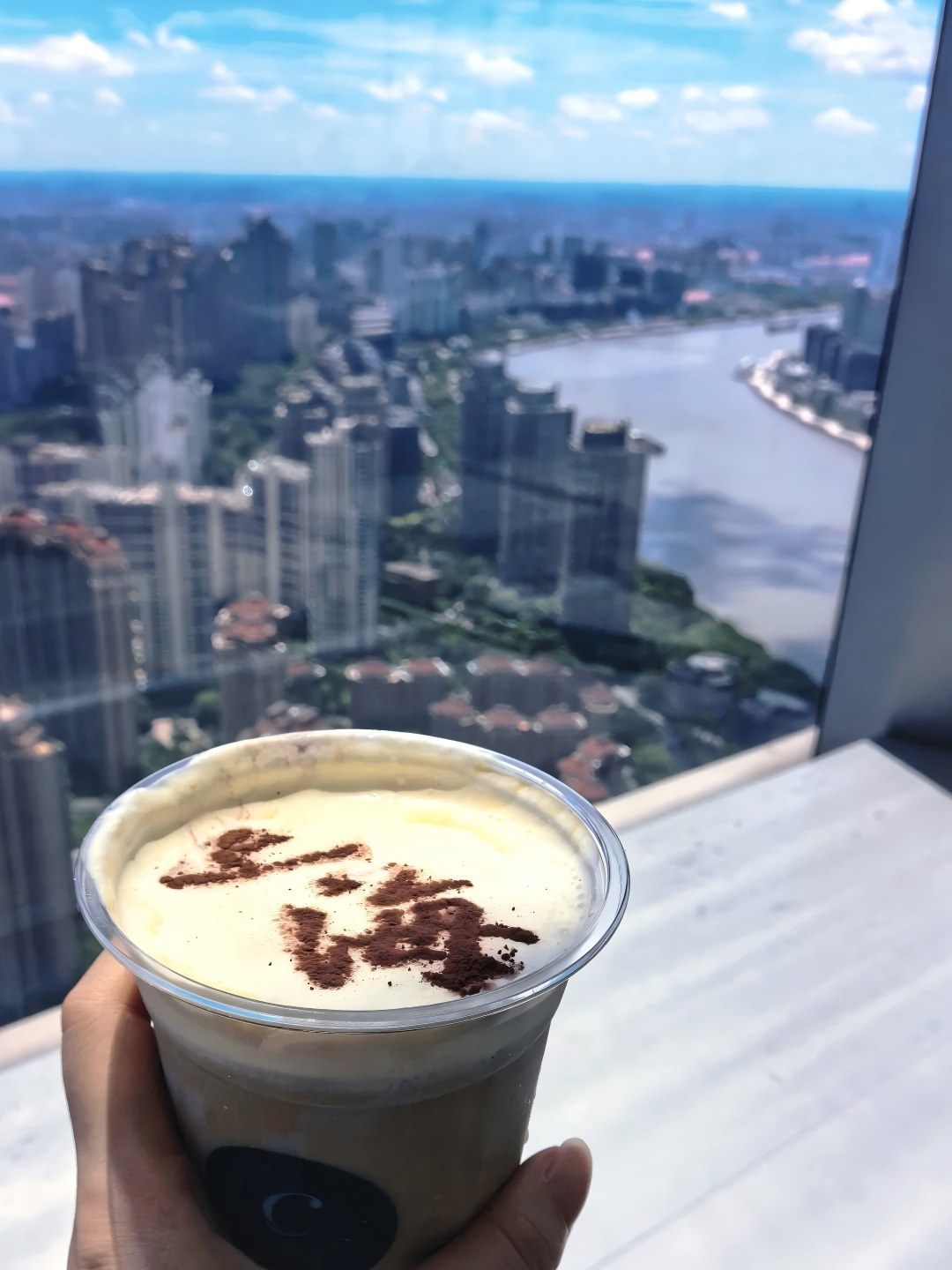
The cafe here has massive windows with an incredible view. The spot overlooks the whole city and gives a direct view across to the Oriental Pearl Tower. The average price of a drink is around ¥40+ (about $6), but you don’t have to buy a drink to enter the viewing area. Either way, getting to relax in the clouds is absolutely worth it.
Pro tip: Weekends are busy, so you may have to wait for a seat. Also, you may want to skip this stop if it’s foggy or raining, as it will hide the view.
Alternative: If your budget allows, consider the “Top of Shanghai” Observation Deck on the 118th floor of the same building. It’s 546 meters (1,791 feet) high and features a mind-blowing 55 second elevator ride to the top. It costs ¥180 ($26).
Phase 2: Crossing the River and Old Shanghai Charm
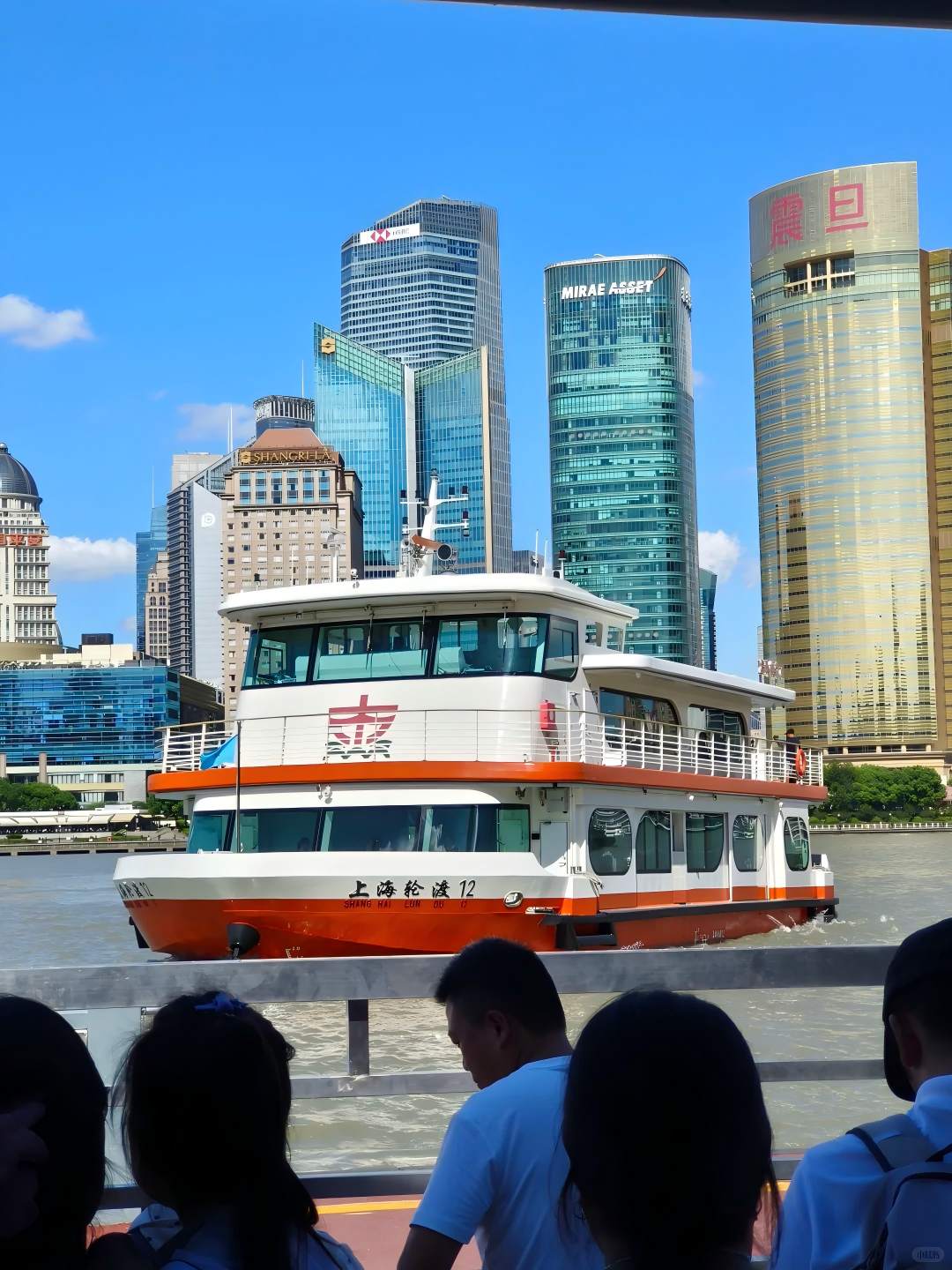
The Huangpu River Ferry
After the bookstore, walk about five minutes to the Dongchang Road Ferry Terminal.
At just ¥2 ($0.30), this is Shanghai’s most budget-friendly way to see the Huangpu River. You can buy a ferry ticket using your metro card, AliPay, or WeChat.
After going through security, head straight to the second floor. This is the open-air deck, which offers a fantastic view of the river and skyline. The first floor is enclosed, so it’s not nearly as good. The ferry ride takes about ten minutes, and ends at the Jinling Road Ferry Terminal on the other side.
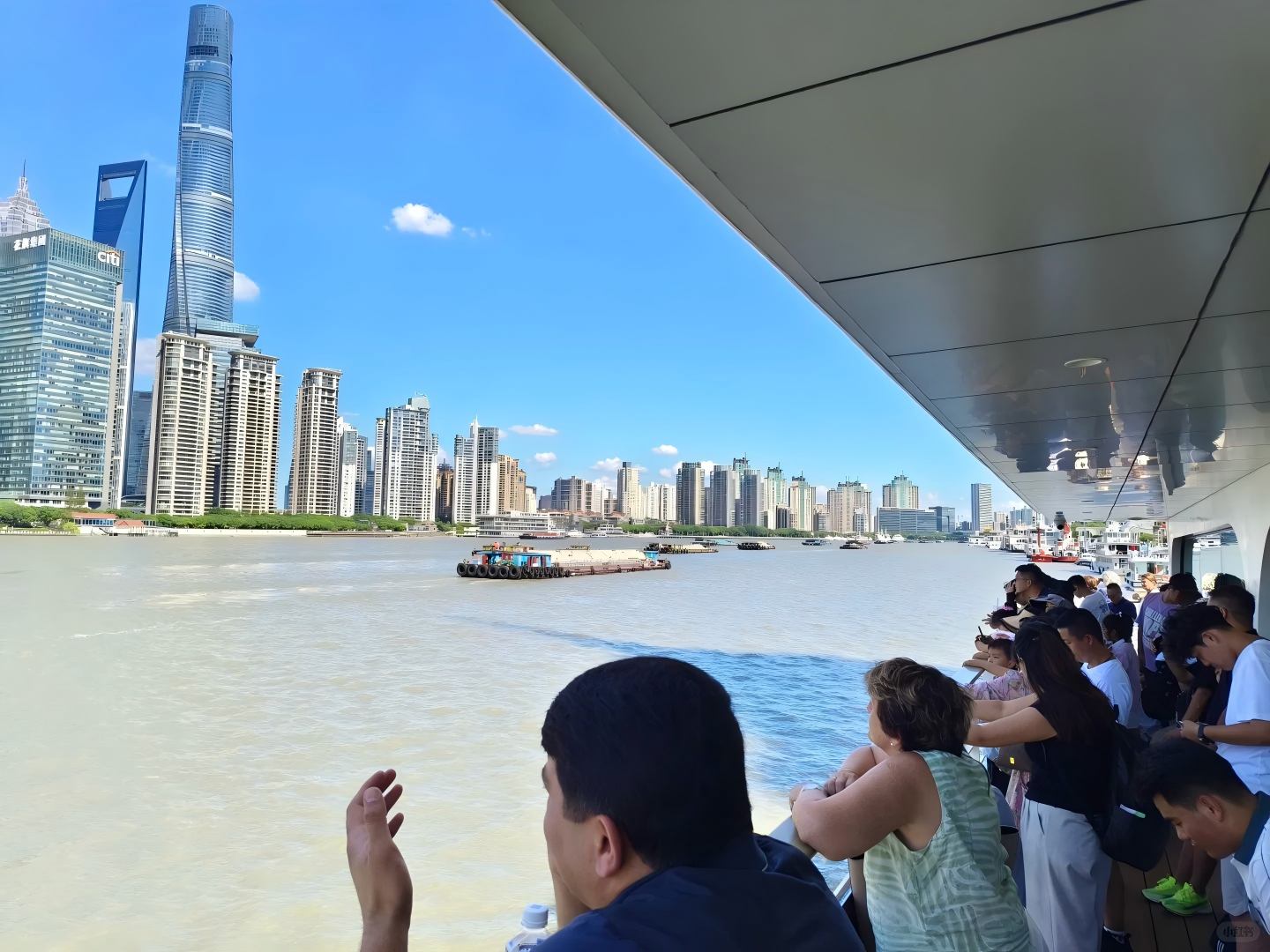
Heads up: The ferry gets crowded, especially on weekends, so I’d recommend going early to snag a prime spot at the bow of the second-floor deck.
The ferries run every 12-15 minutes from 7:00 a.m. to 10:00 p.m.
Yu Garden and City God Temple Area
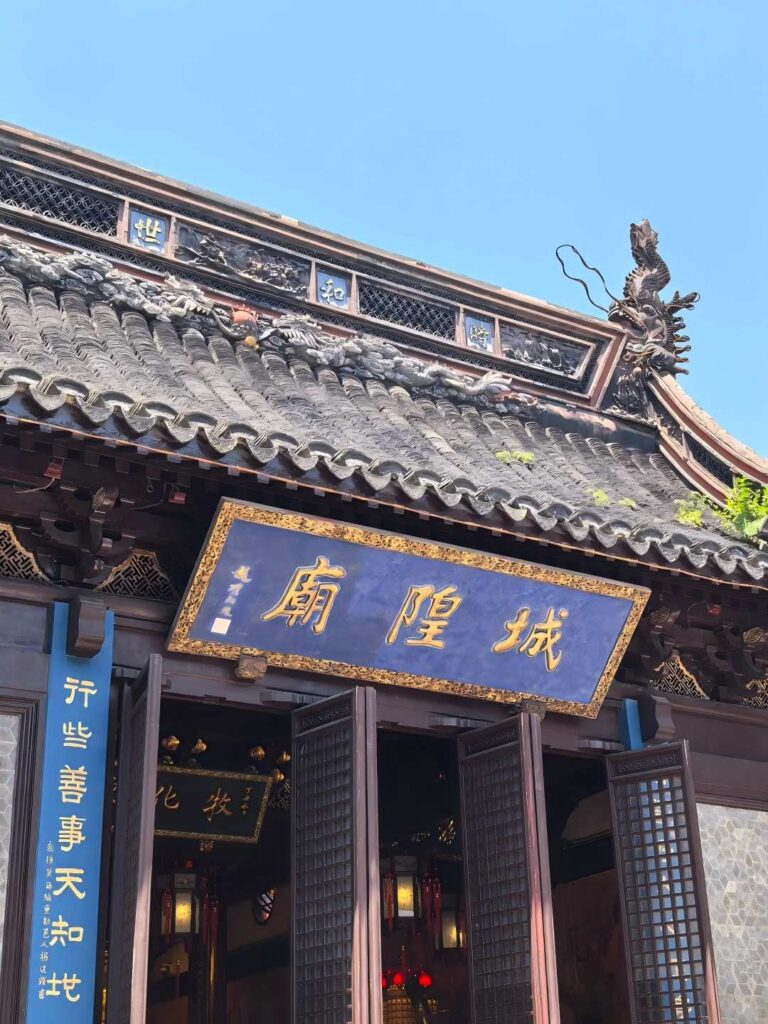
From the ferry, it’s about an 800 meter (2,600 feet) walk to your next stop: Yu Garden and the City God Temple.
For my international friends in particular, these stops are highly recommended. After visiting the skyscrapers, this spot is where you’ll get a feel for traditional Shanghai culture and local life, truly showing the city’s “Oriental charm.”
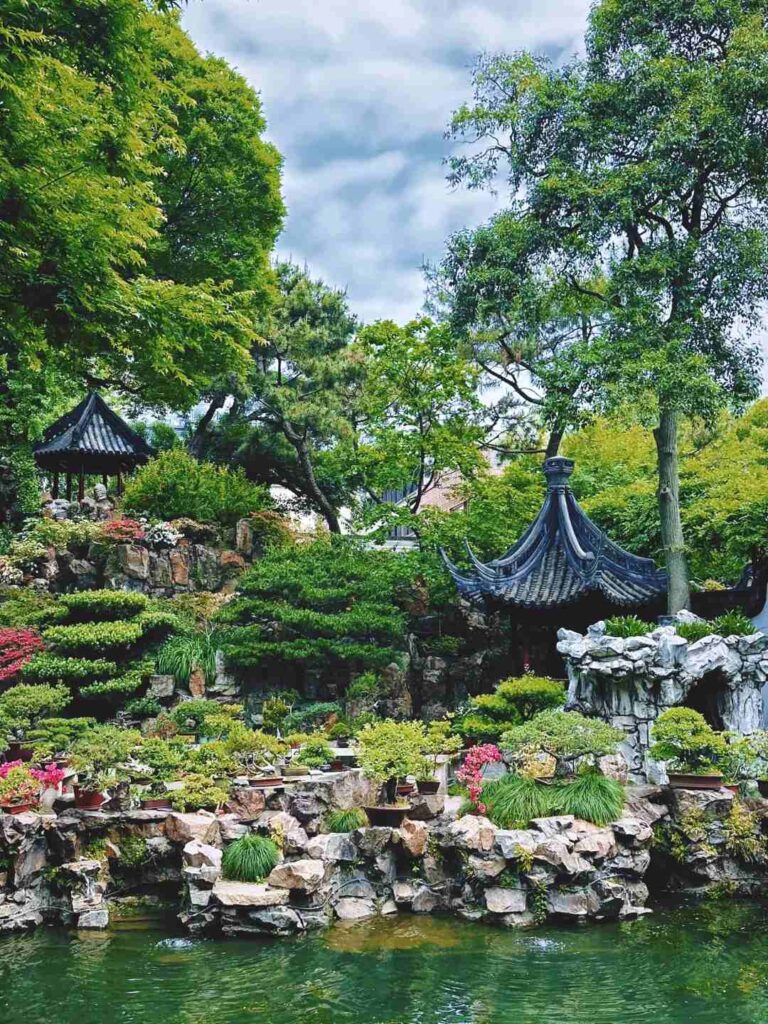
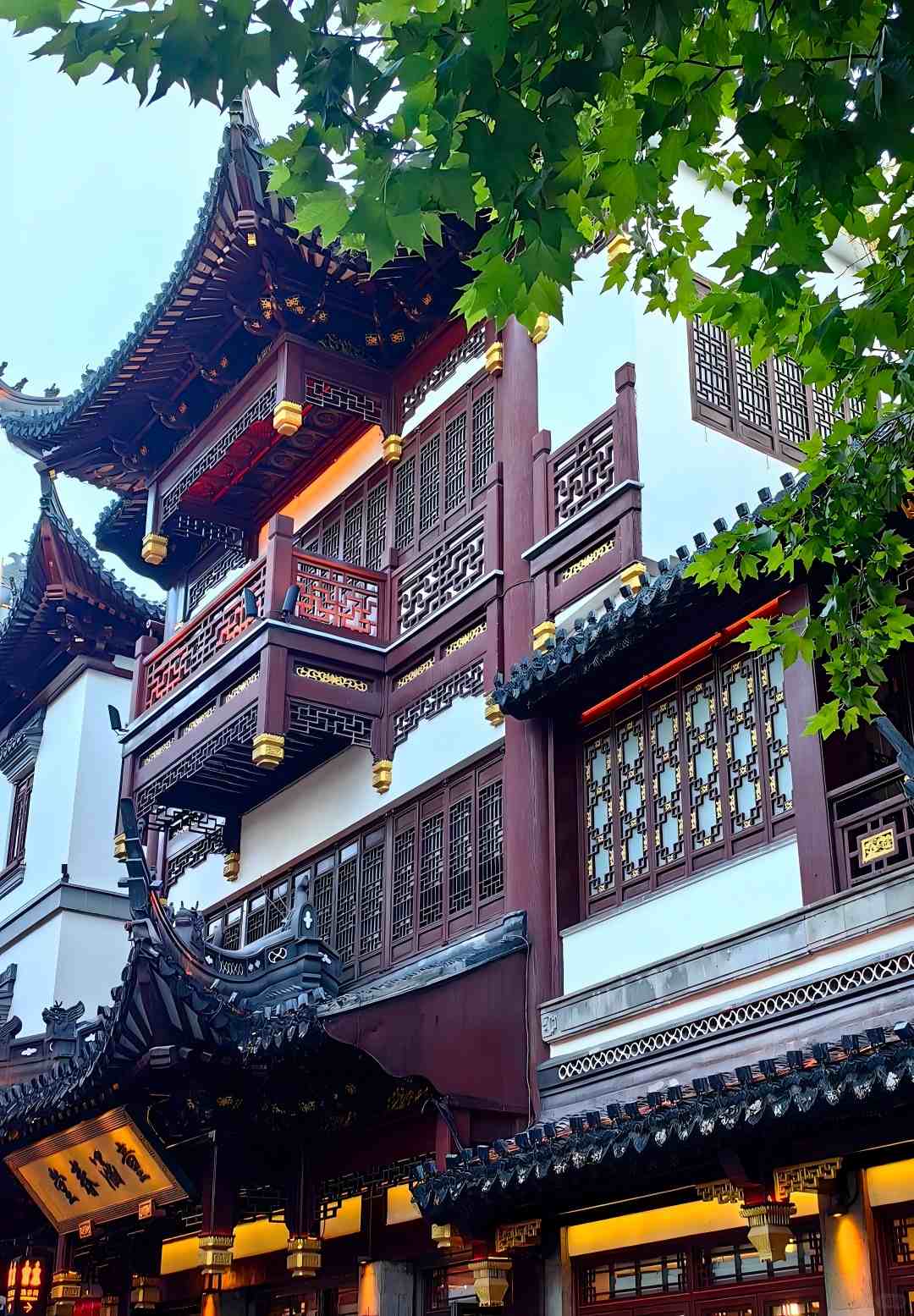
Yu Garden: This is a 400-year-old garden from the Ming Dynasty. It’s a meticulously designed maze of pavilions, rock gardens, and ponds, decorated with ancient Chinese Chinese philosophy and poetry.
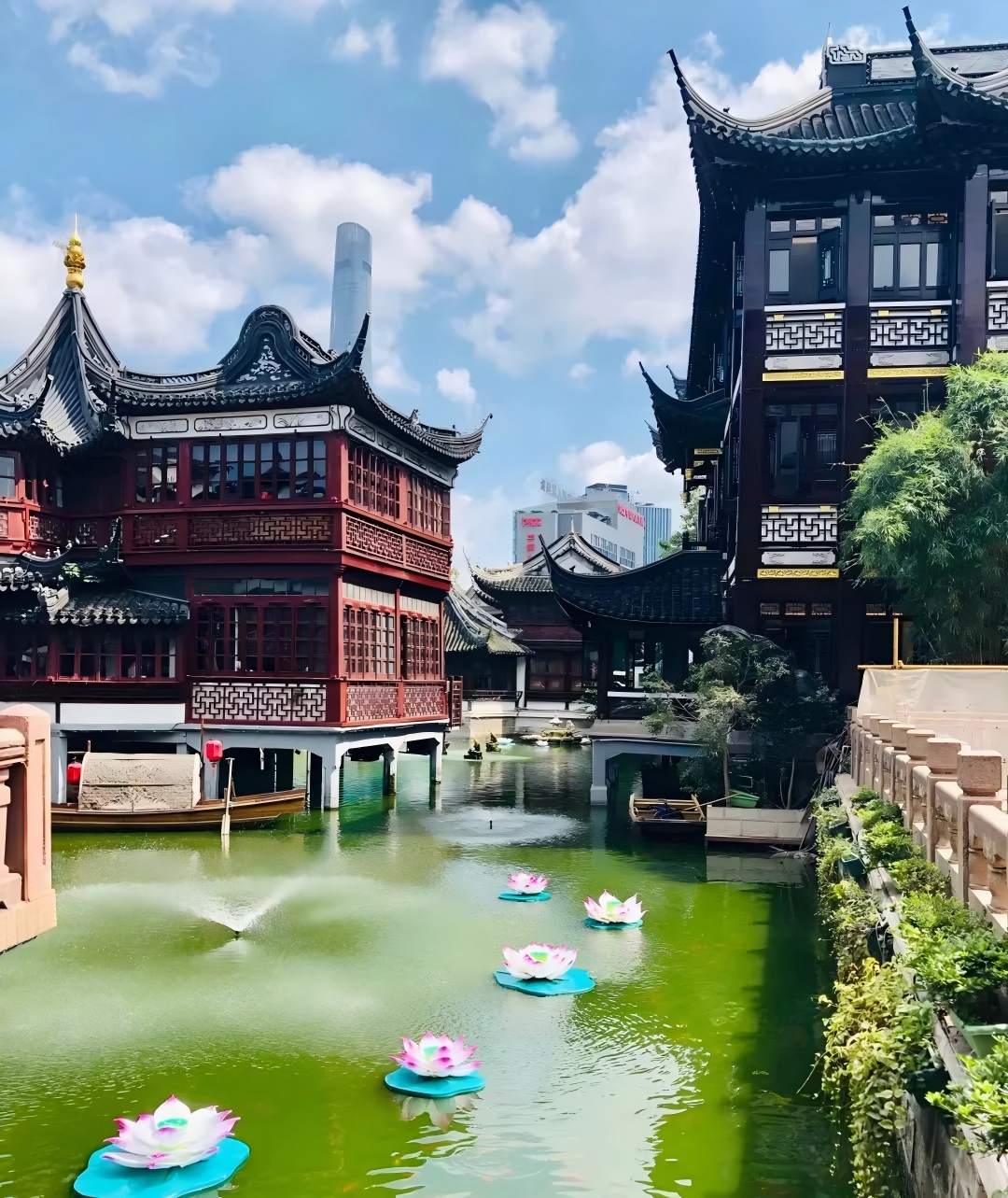
Tickets & hours: During peak season (April-June, September-November), tickets are ¥40 ($6) per person, and ¥30 ($4.50) during the off season. There are also discounts for seniors and children.
The garden is open from 9:00 a.m. to 4:30 p.m., with the last entry at 4:00 p.m.
It’s important to note that the garden is closed on Mondays, except for public holidays. I’d recommend planning about an hour for your visit.
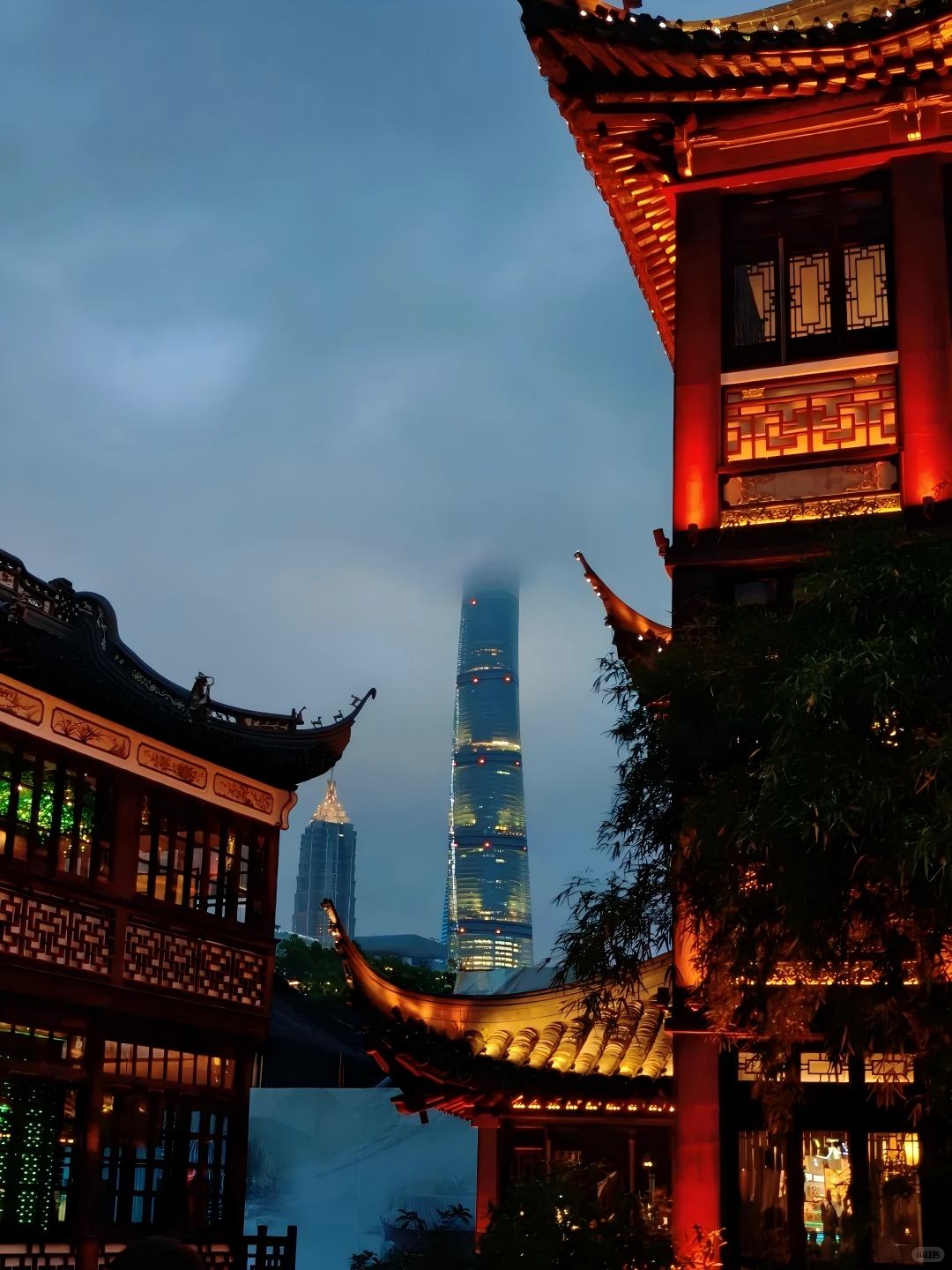
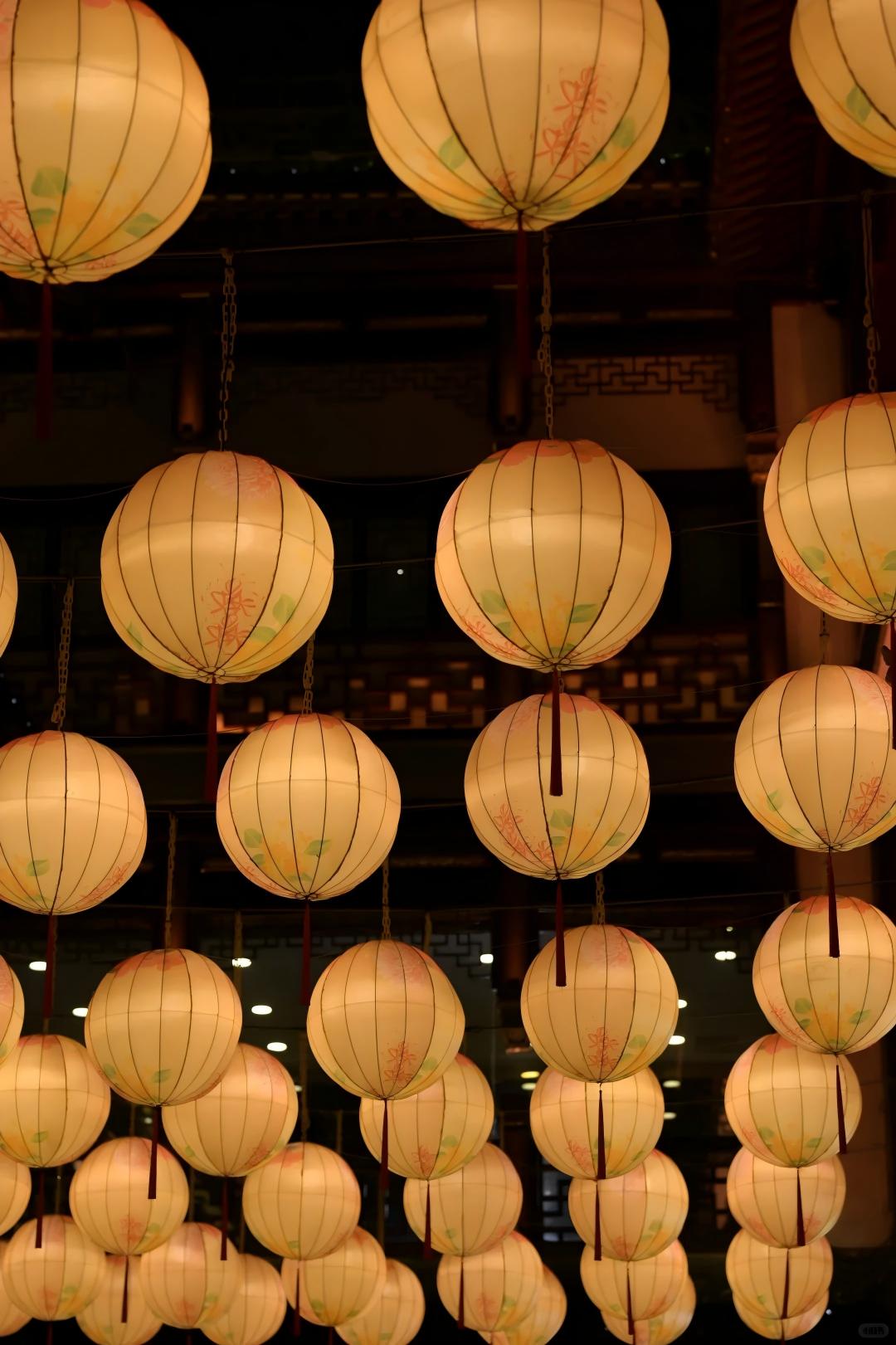
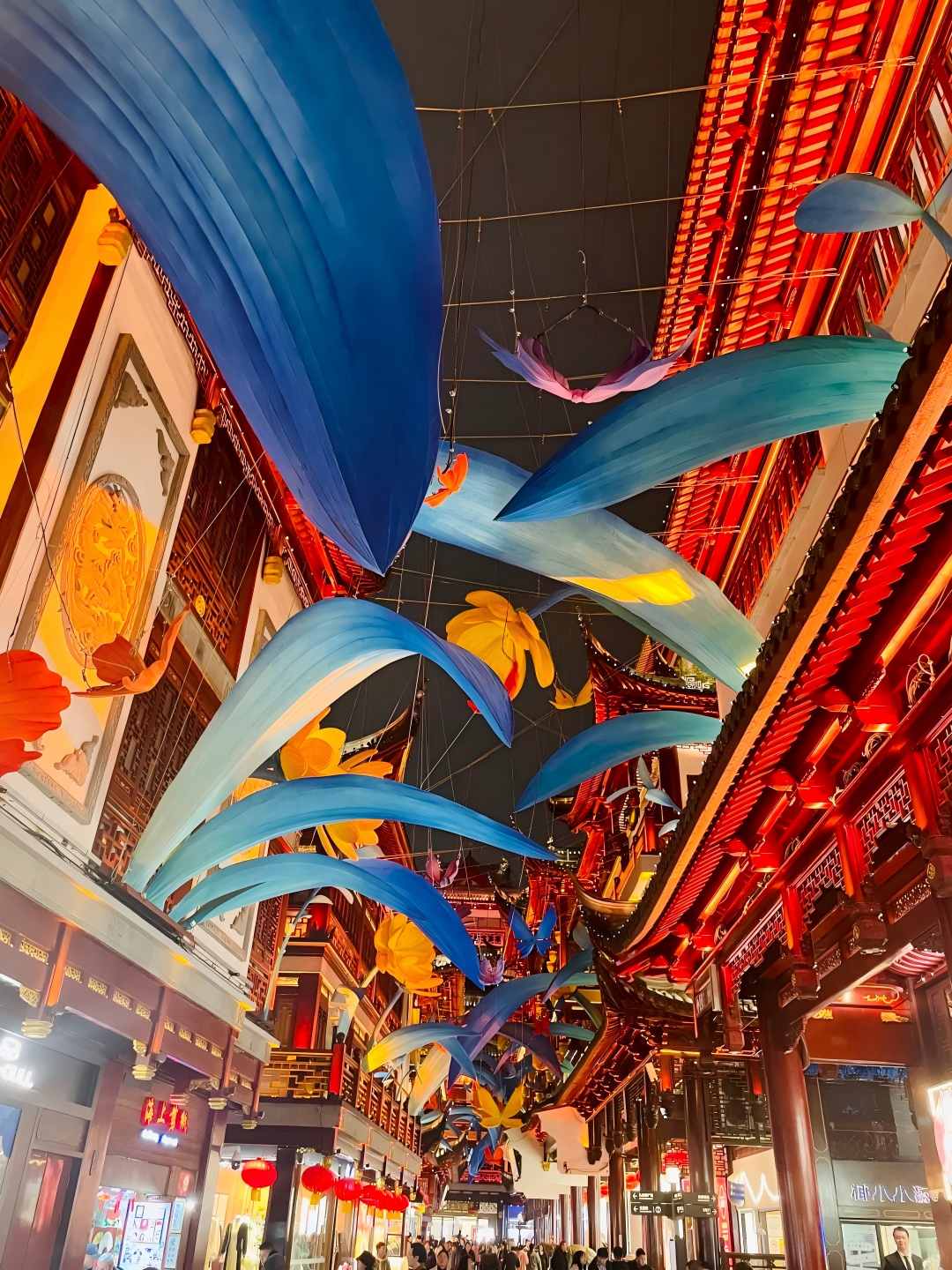
City God Temple Street: This is an area bursting with local Shanghai life. The winding Nine-Bend Bridge and the strings of red lanterns show a classic Chinese scene. This is also a great place to try unique Shanghai snacks. I would recommend planning to spend about 20 minutes here.
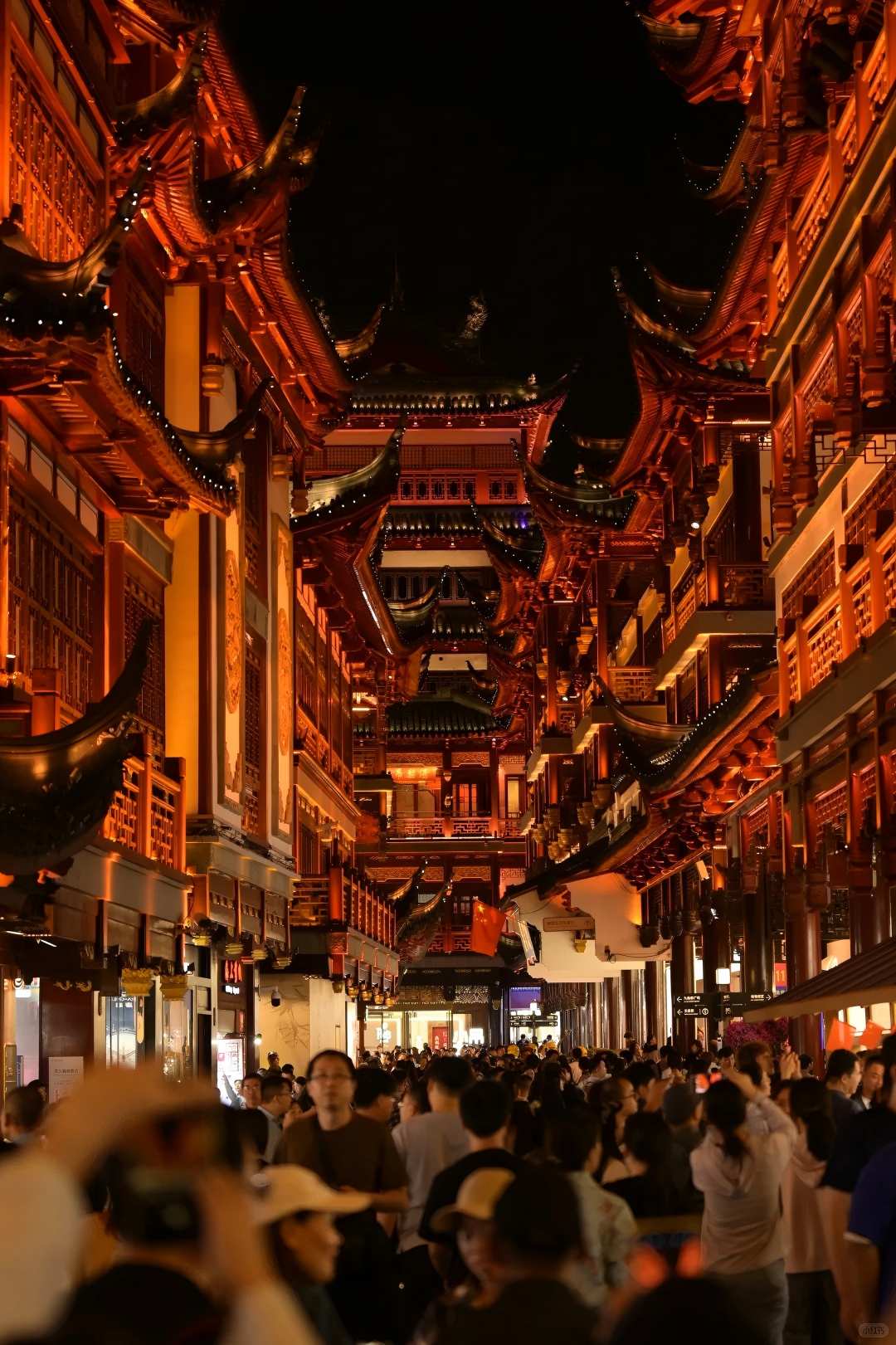
Yuyuan Bazaar: This is a commercial area that is great for shopping, dining, and enjoying the nighttime views. It’s usually free, but they do charge admission for some dates around the Chinese New Year Lantern Festival. The area is open from 9:30 a.m. to 10:00 p.m., and the lights turn on at 7:00 p.m.
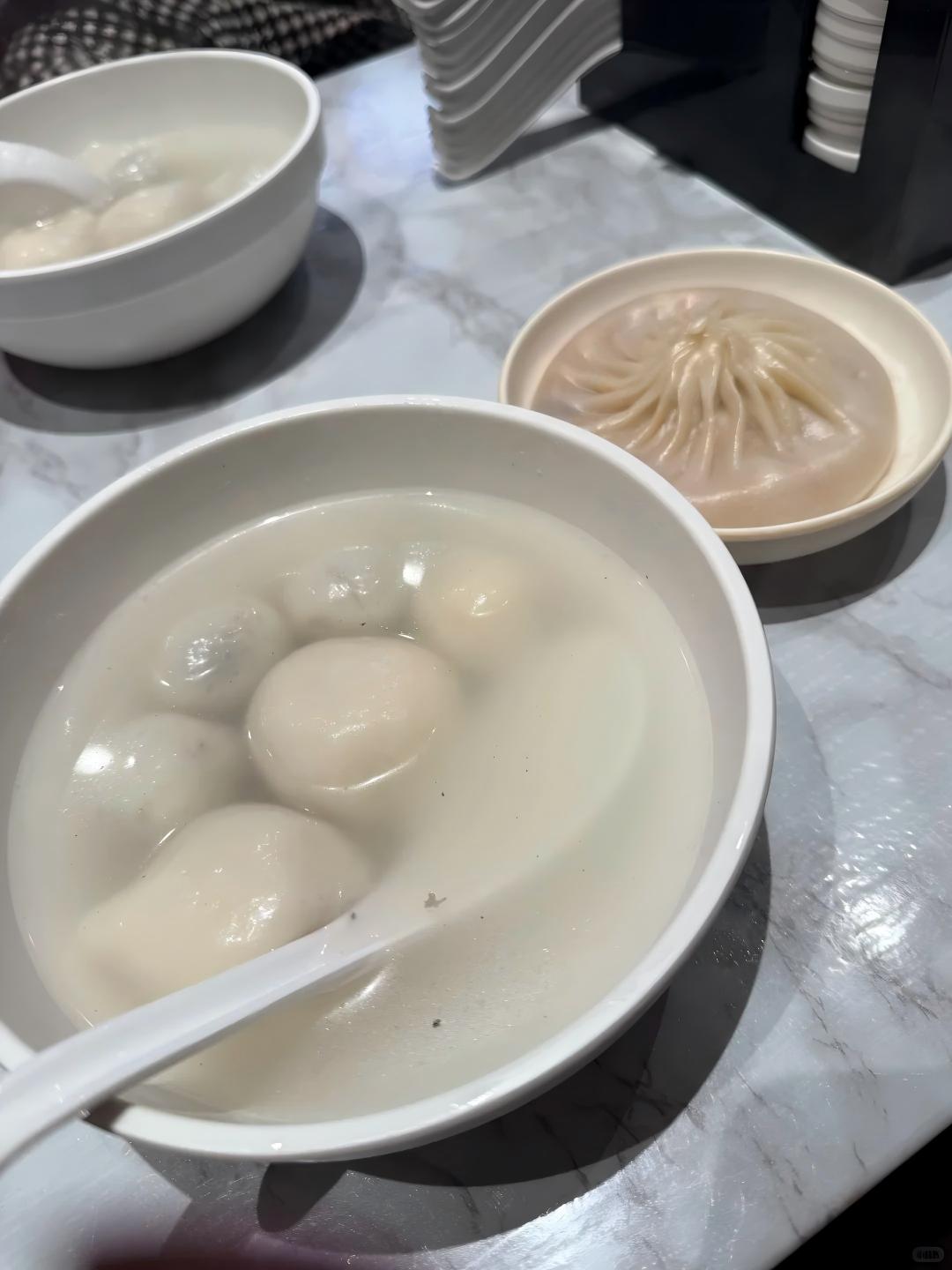
Where to eat: The City God Temple area is a foodie’s paradise. Here are my personal top picks:
- Nanxiang Steamed Bun Restaurant(南翔馒头店): This is a famous spot, so be prepared for a line during meal times. Their fresh pork xiaolongbao (soup dumplings) and crab roe guangtangbao (large soup buns) are my recommendations.
- Lu Bo Lang (绿波廊): A historical restaurant famous for its authentic Shanghai cuisine. It’s featured in the Michelin Guide and has hosted a number of famous guests, including Queen Elizabeth II and U.S. President Bill Clinton.
- Ningbo Tangyuan Store (宁波汤圆): This is a must-try for traditional Chinese sweet dumplings.
- Da Hu Chun (大壶春): Another old favorite. Try the pan-fried buns with fresh pork or shrimp, and the pork ribs with sticky rice cake.
- Xiande Lai (鲜得来): The sticky rice cakes at this spot are unforgettable.
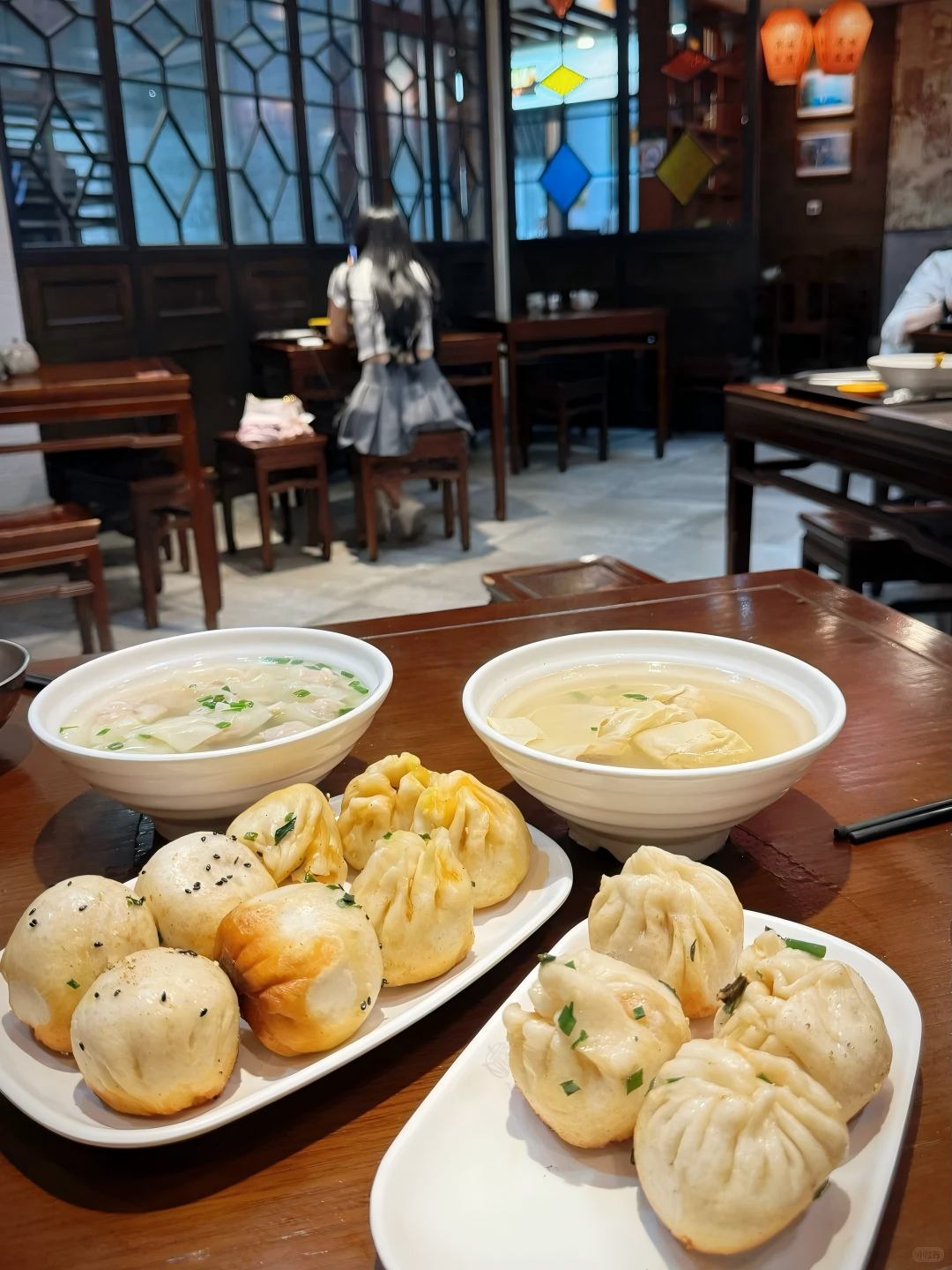
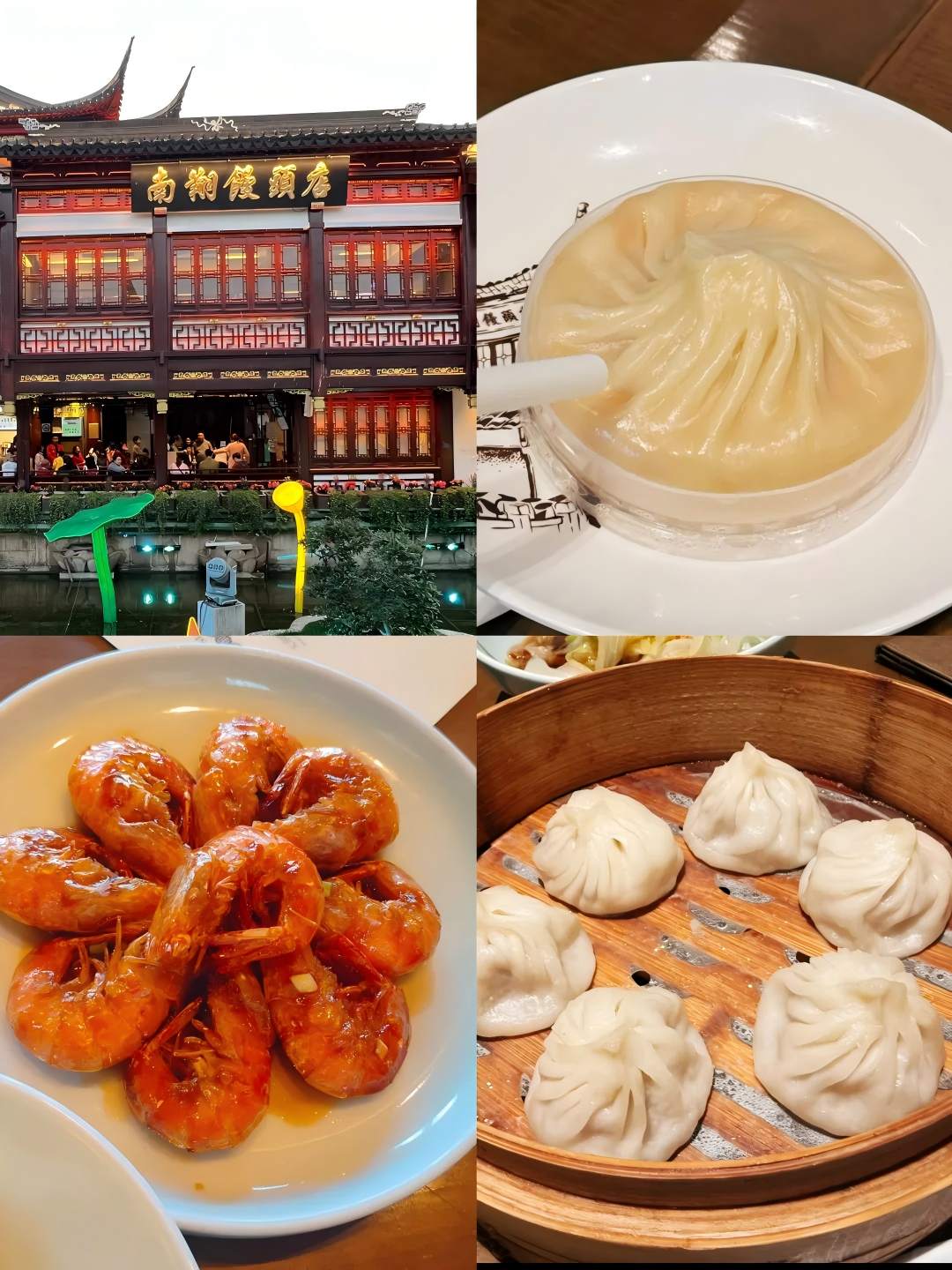
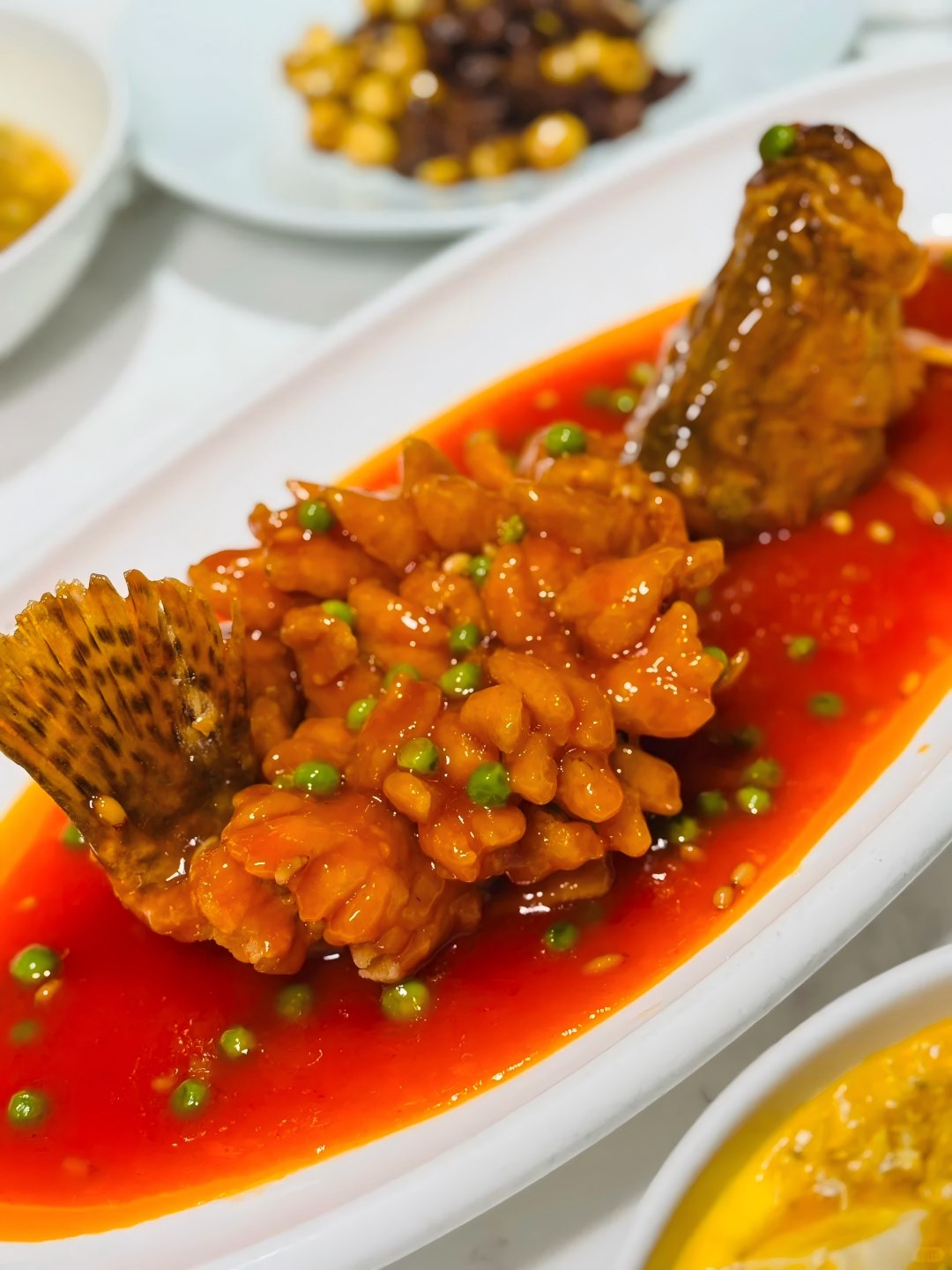
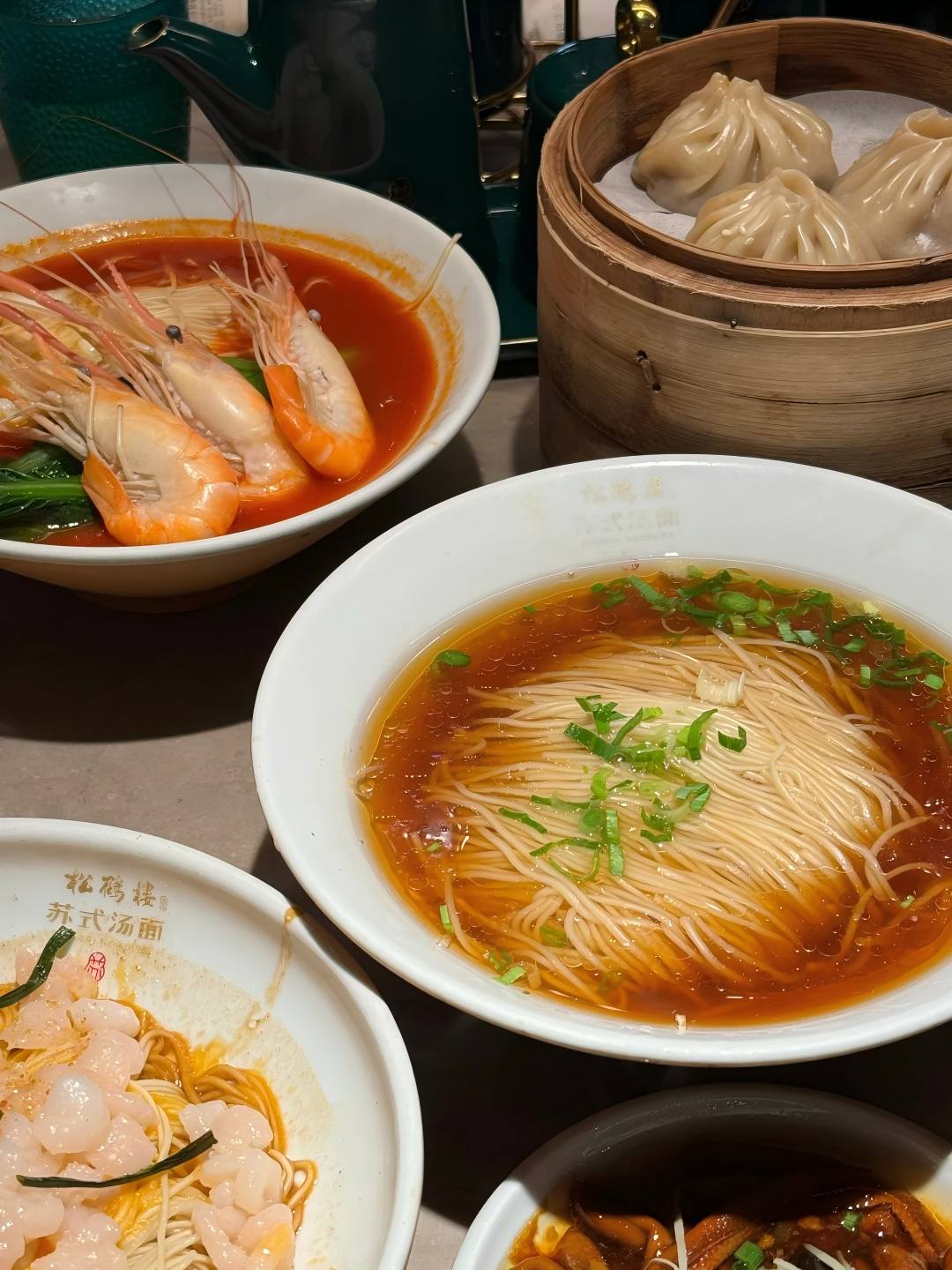
Pro tip: If you’re tight on time, I’d suggest visiting City God Temple at night so you can catch the lights. That being said, it is more crowded in the evenings.
Phase 3: North Bund Citywalk: History & Night Views
Baiyulan Plaza and the “People’s Cafe with a View”
From Yu Garden, take subway Line 10 to the Tiantong Road Station, then transfer to Line 12 to the International Cruise Terminal Station. Exit from Gate 2, and walk 110 meters (360 feet) to Baiyulan Plaza.
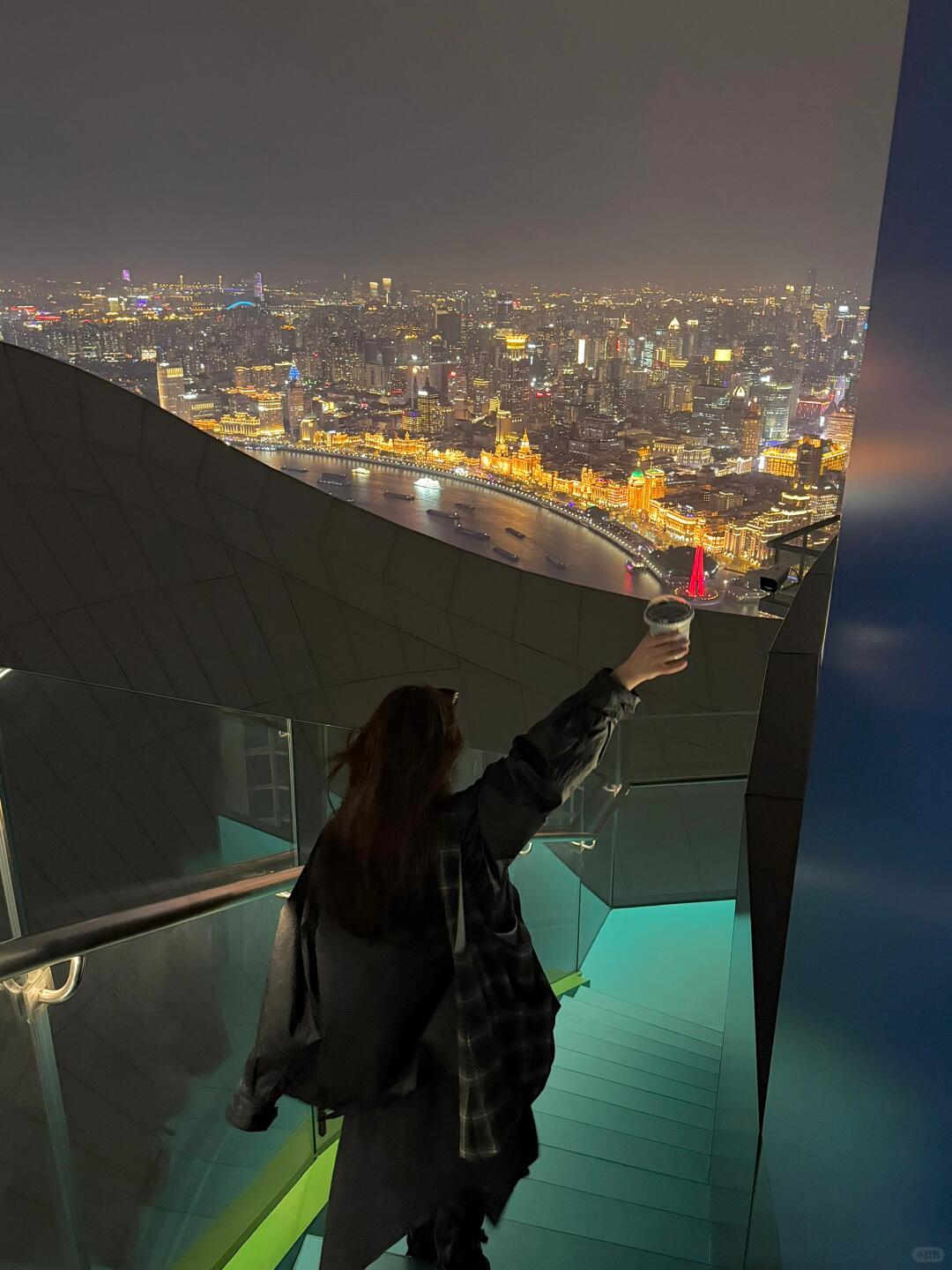
Here you’ll find the famous “People’s Cafe with a View.” As the name suggests, this is an incredible place to see the sites—and best of all, it’s free!
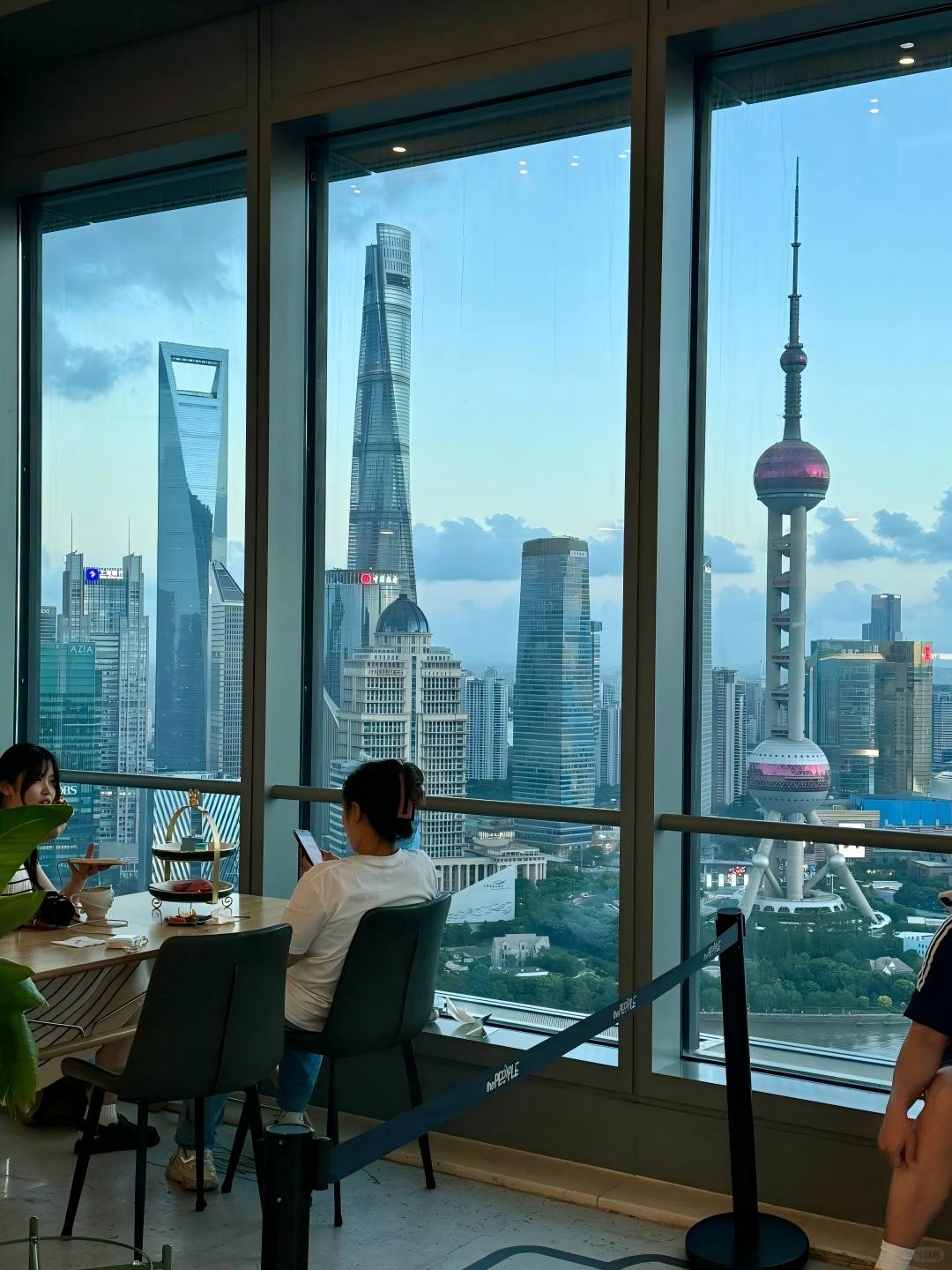
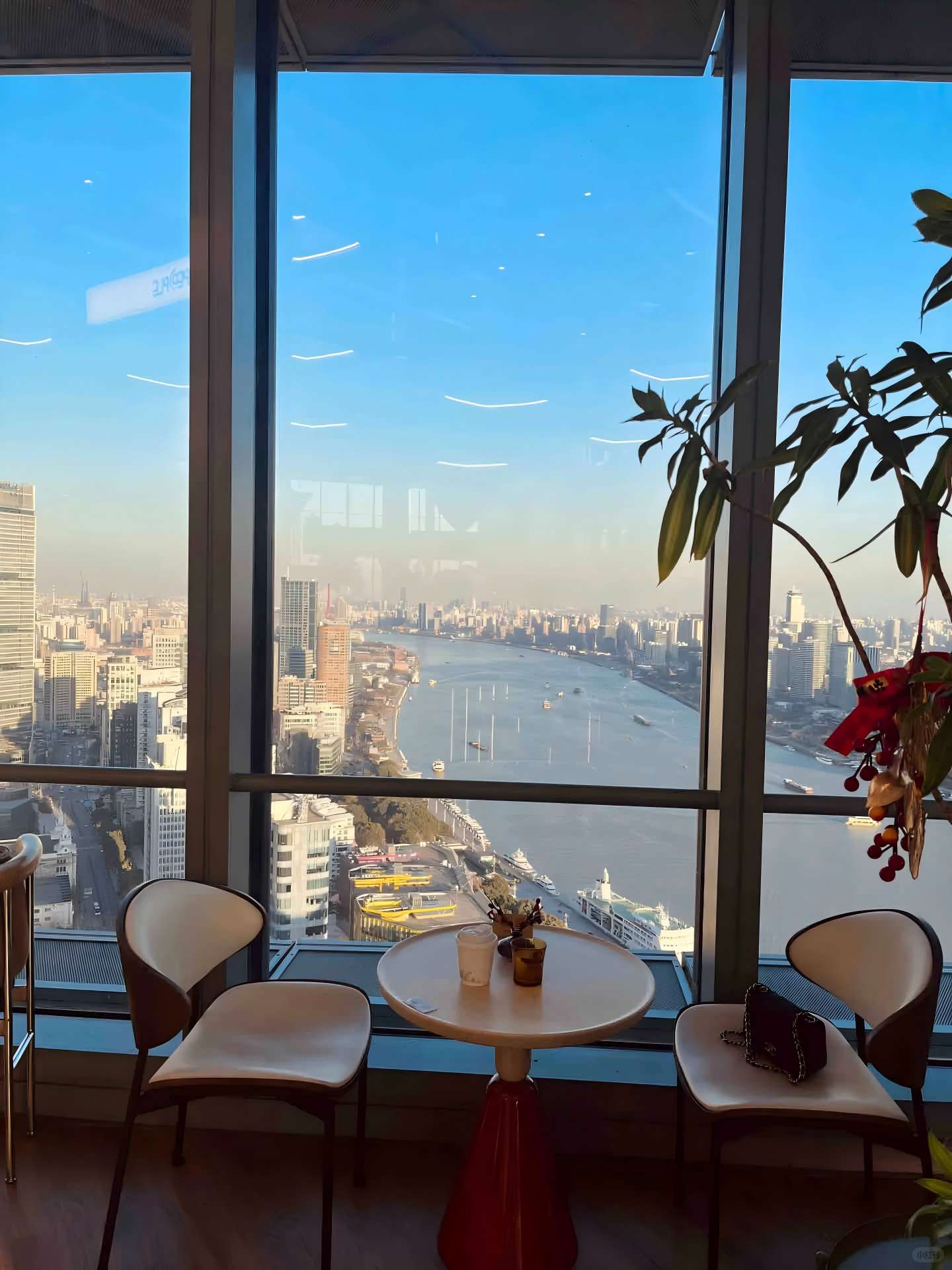
How to enter: Follow the signs into the building, where you’ll find a robot next to the service desk. Call the coffee shop and ask for the password, which you’ll type in for the robot to guide you upstairs. The cafe is located in a spacious skylounge and offers a sweeping view of the city.
Alternative: If it’s already evening, you might prefer the Stage Observation Deck on the building’s top floor. The spot has a cool “cyberpunk” vibe and an amazing view, but you do have to pay ¥230 (about $35) to access it.
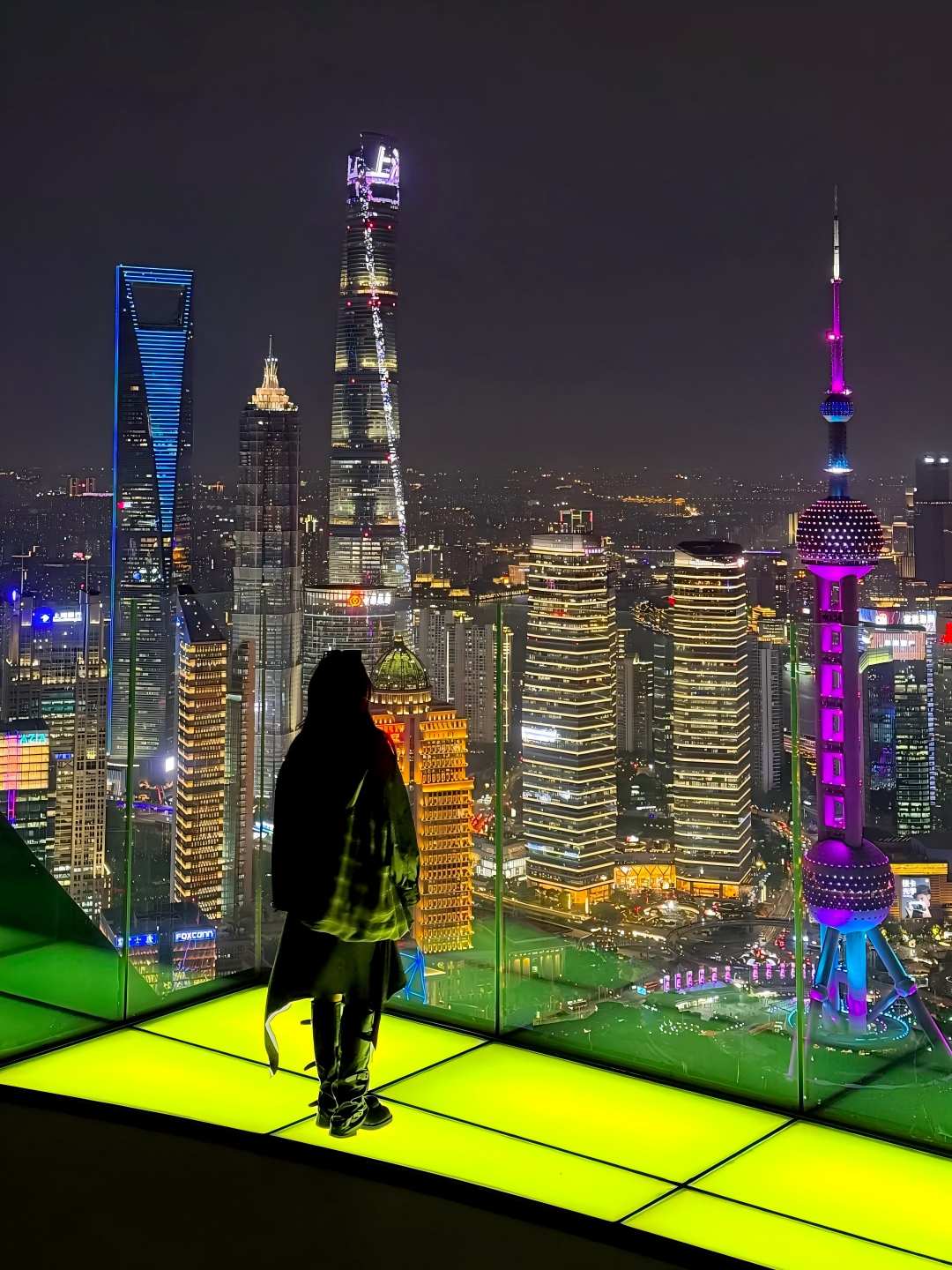
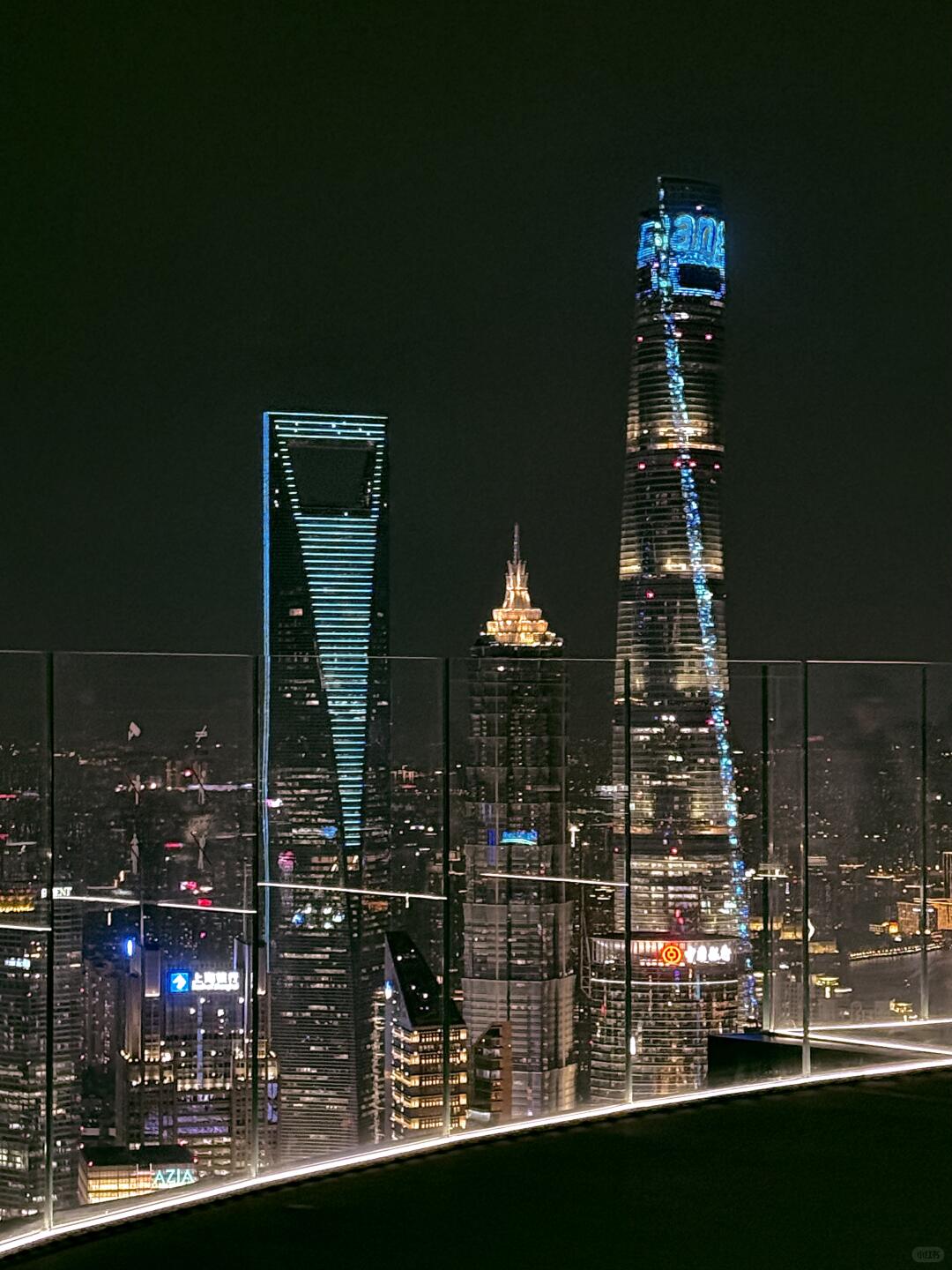
The Bund Promenade Citywalk: After you grab some coffee, walk straight to the North Bund Shipping Park. This park also offers a nice view, but it’s far less crowded than the main Bund area.
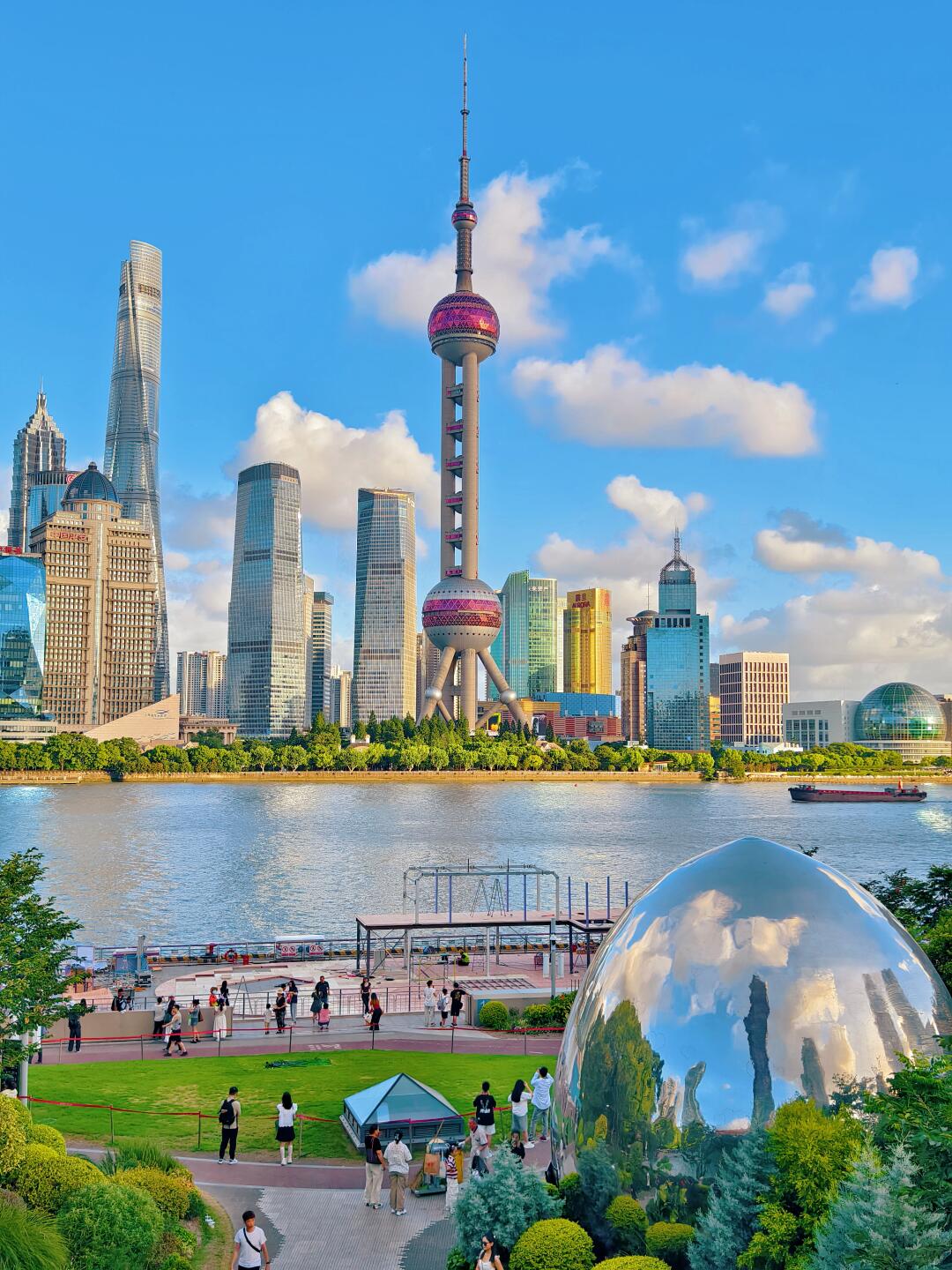
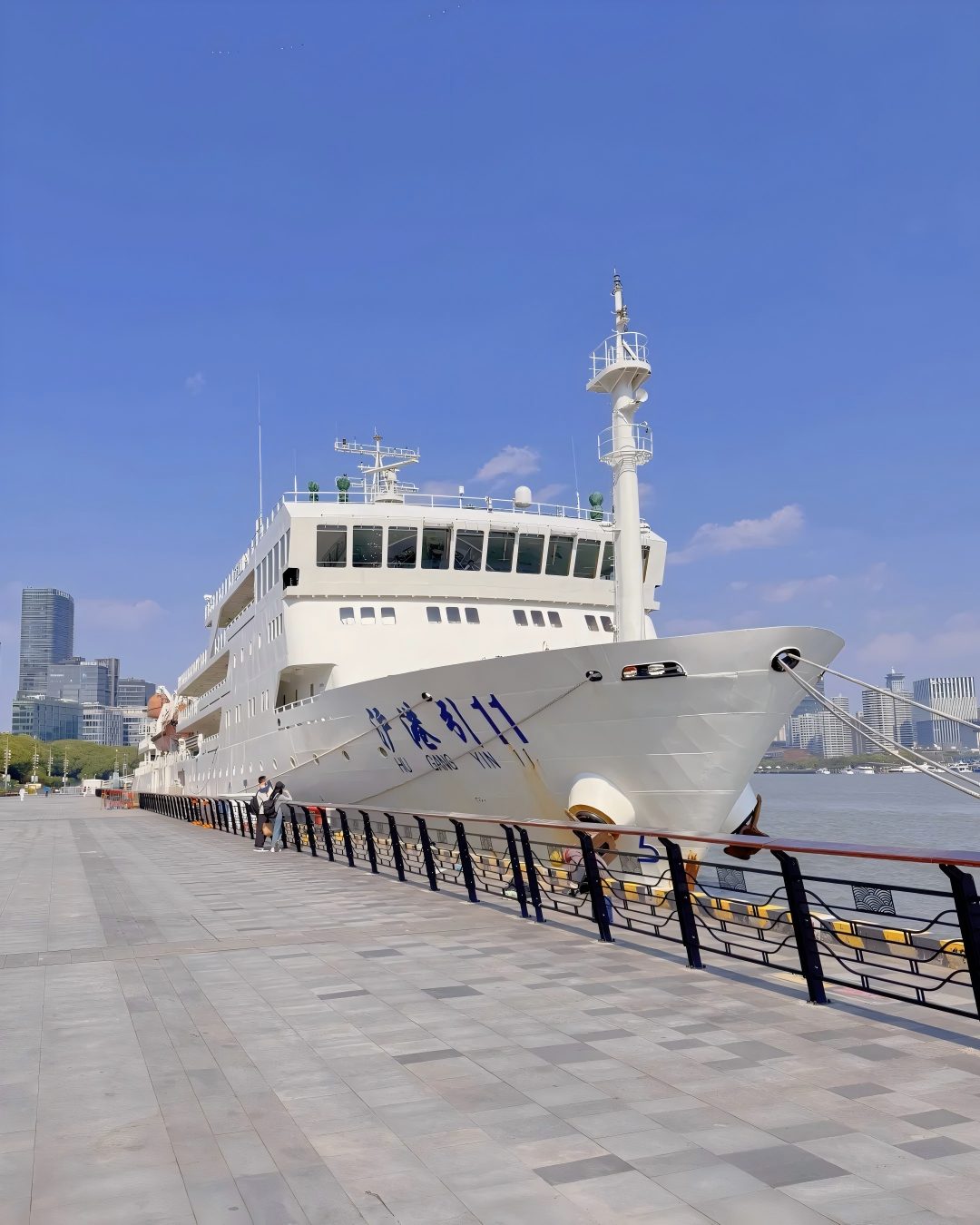
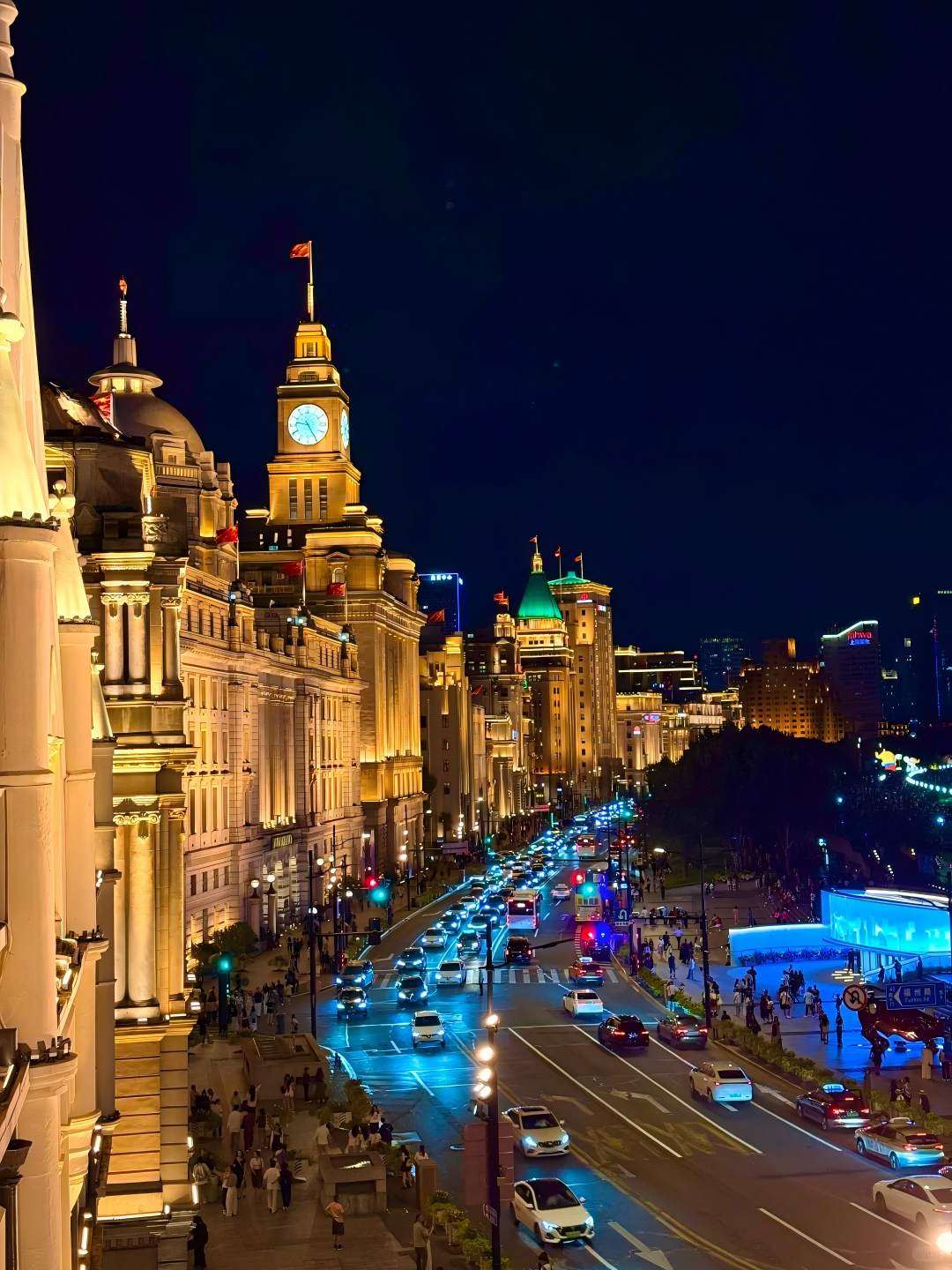
From here, you’ll start your Citywalk along the river to the main Bund Observation Deck. As you walk, you’ll pass architecture that tells the story of Shanghai’s past, including:
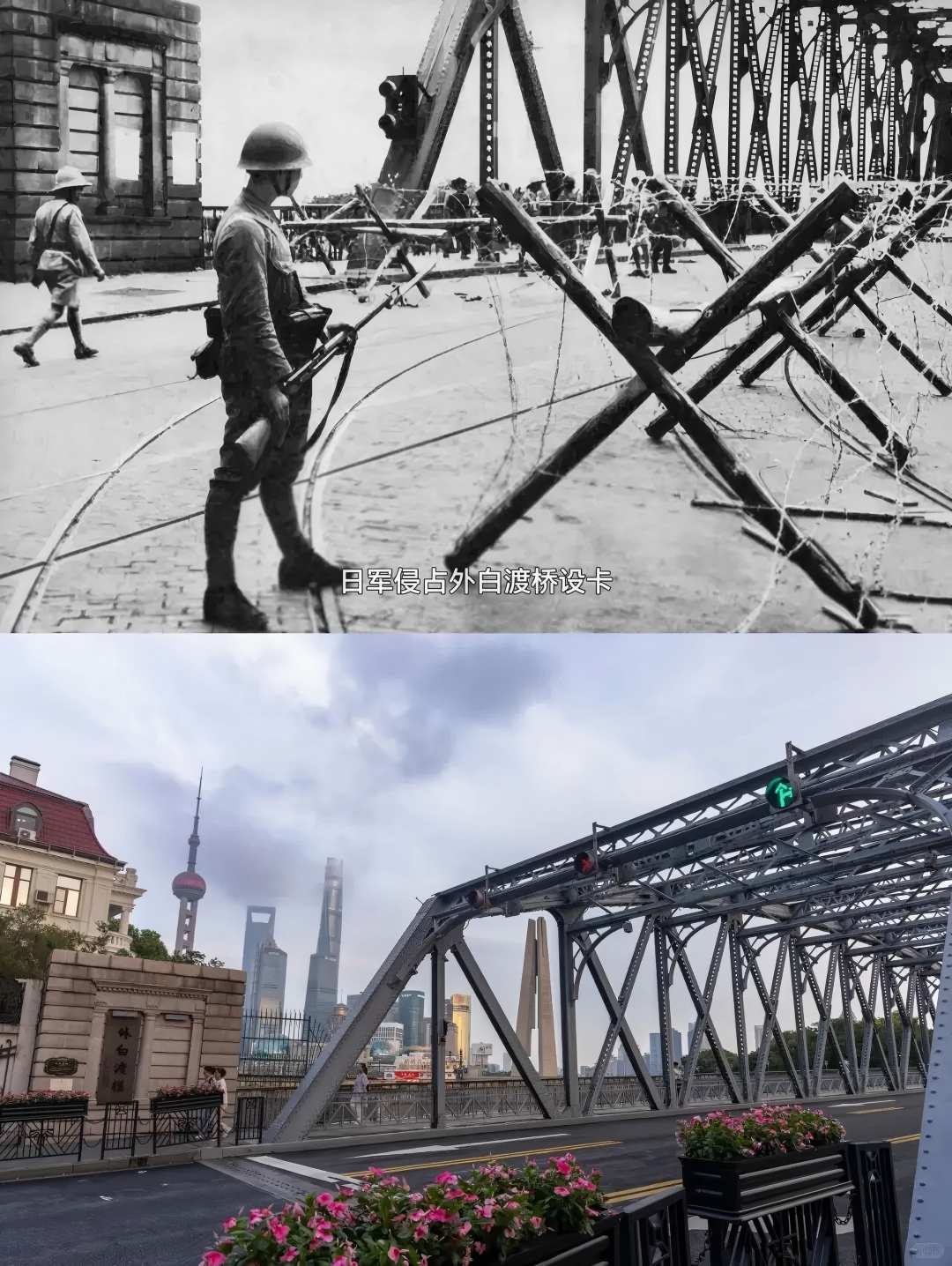
- Waibaidu Bridge (外白渡桥): Built in 1907, this green steel bridge is a symbol of Shanghai’s century of change, from wartime to a modern metropolis. You’ll also get a great view of the Oriental Pearl Tower again.
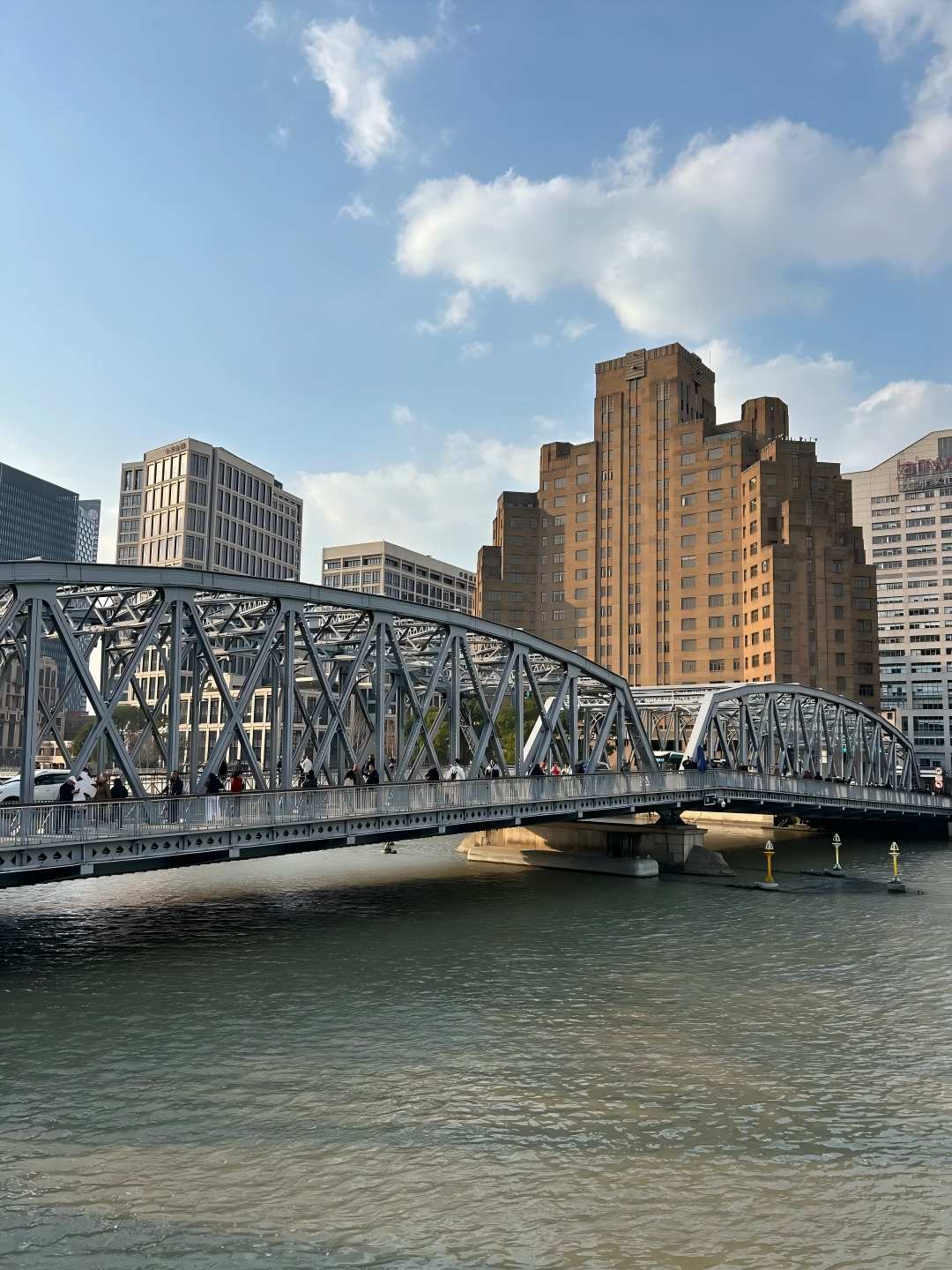
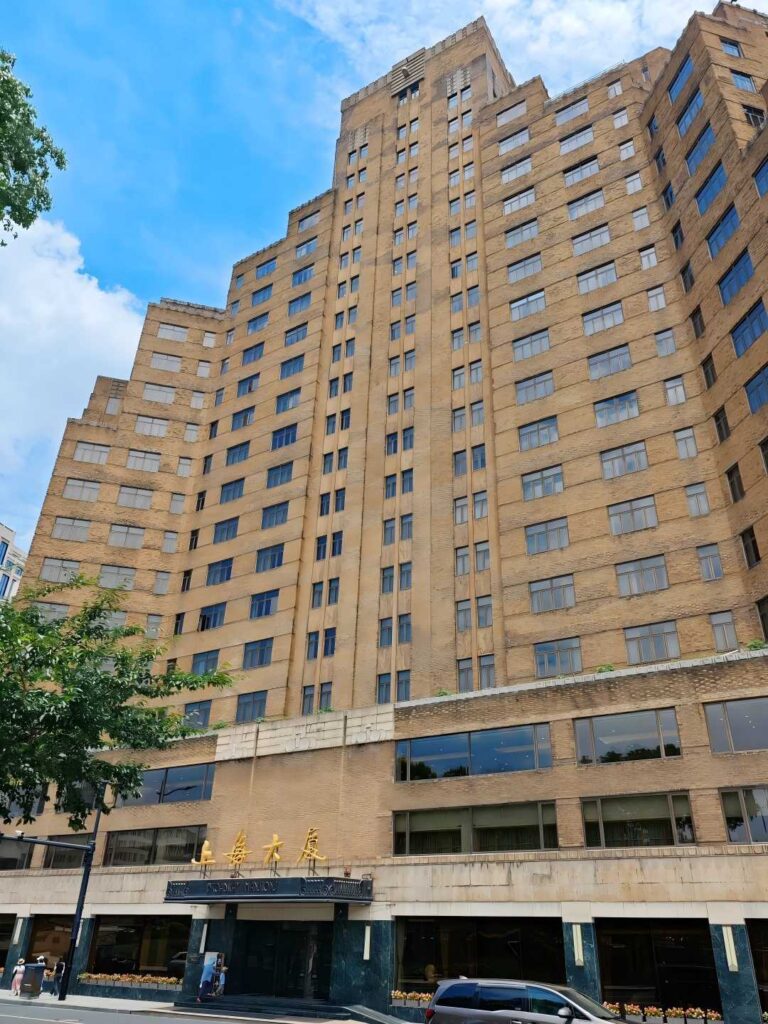
- Shanghai Mansions (上海大厦,formerly Broadway Mansions): After its completion in 1934, this was China’s tallest building, at 77 meters (250 feet) , for half a century. It has hosted some famous visitors, including North Korean leader Kim II-sung and French President Georges Pompidou.
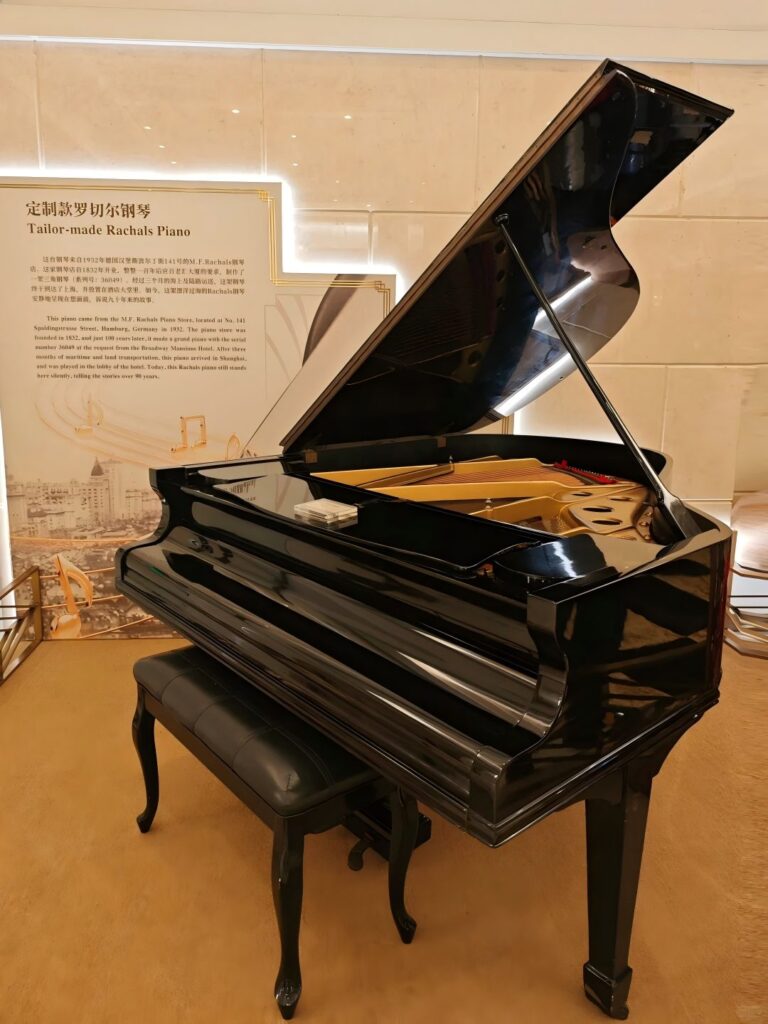
- China Securities Museum (formerly Astor House Hotel): Built in 1846, and once called the Richard’s Hotel, this spot is famous for showing the first film with sound in China. This is another place with famous past guests, such as U.S. President Ulysses S. Grant, Albert Einstein, and Charlie Chaplin.
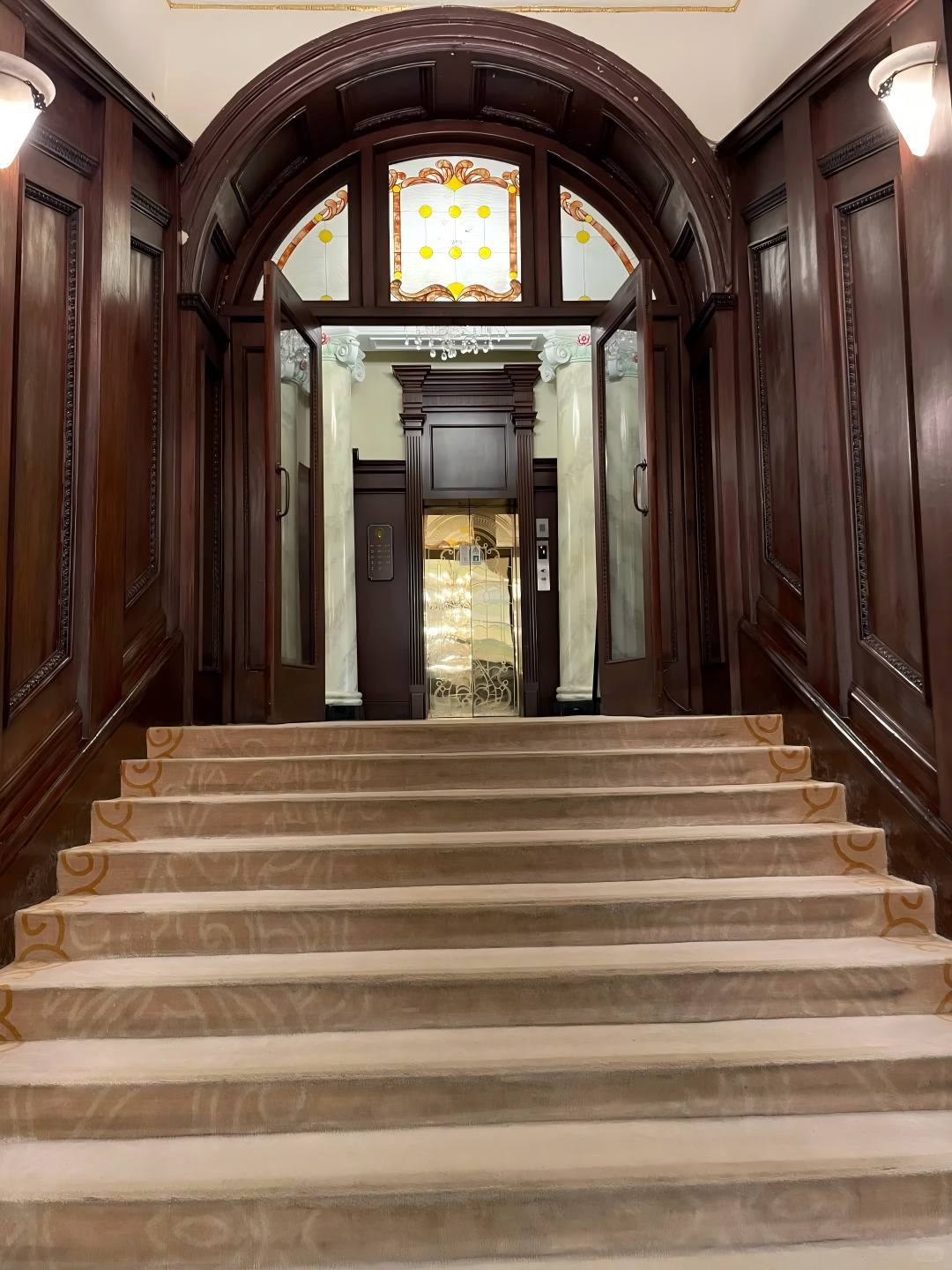
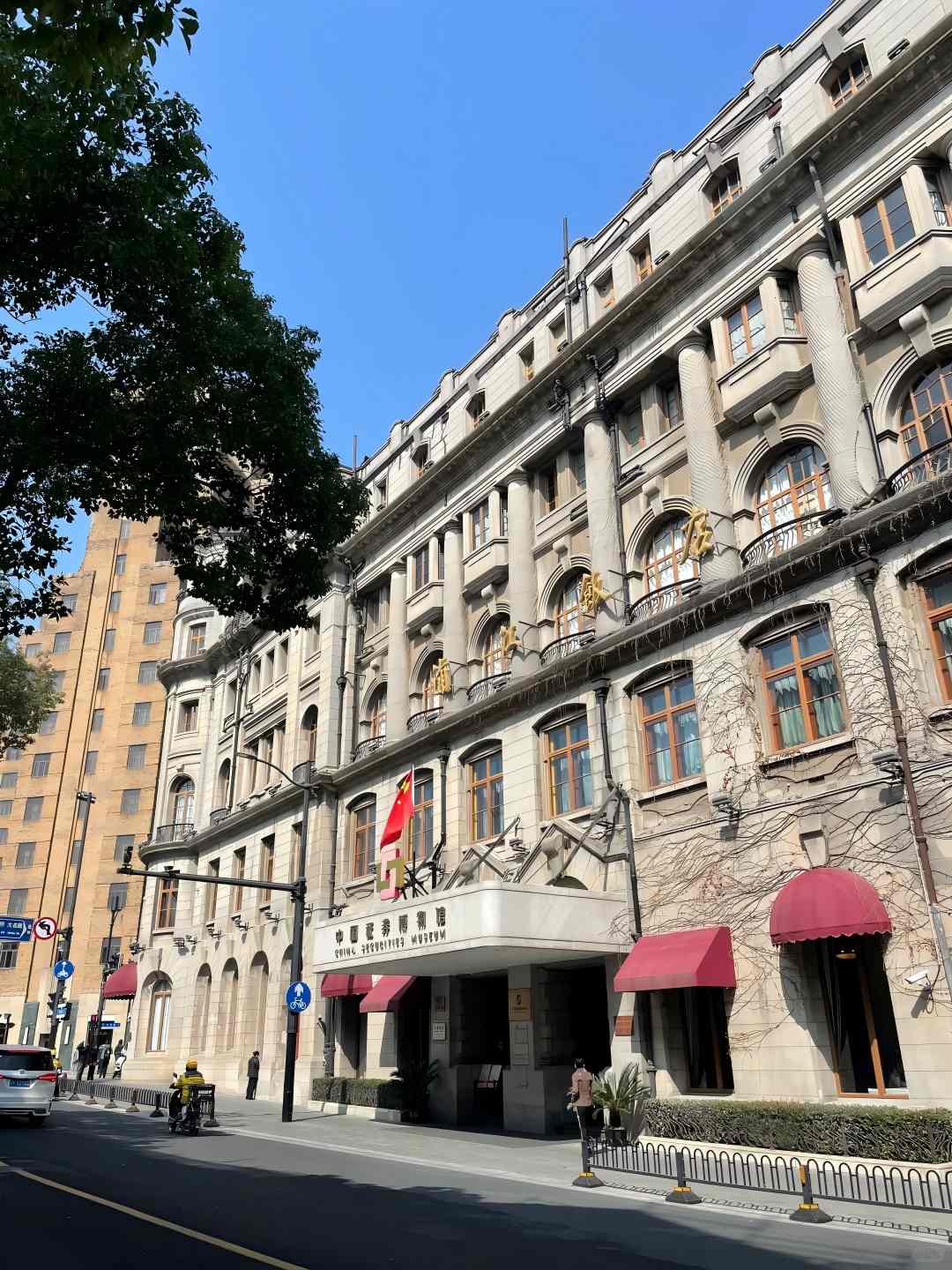
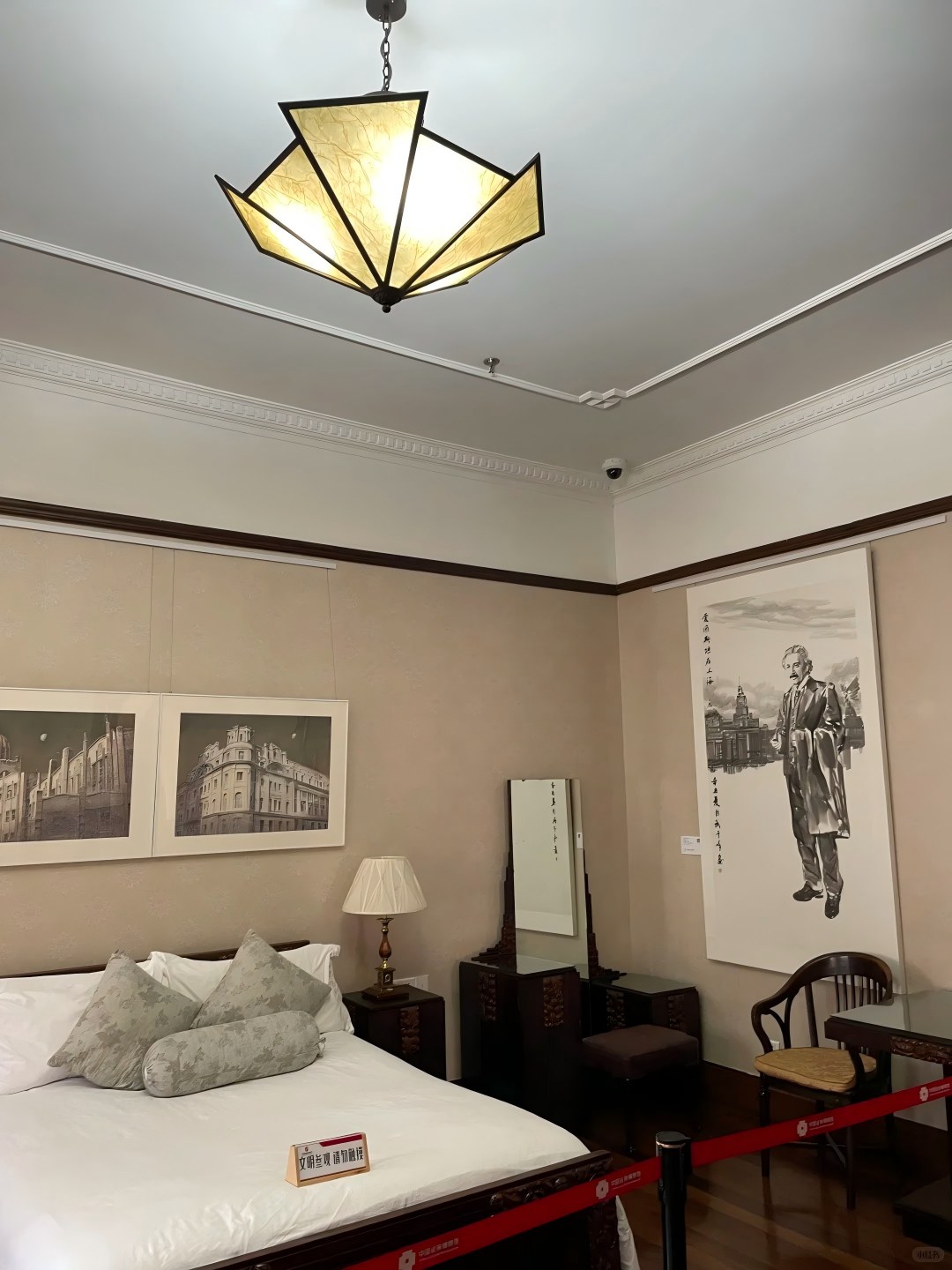
- Peace Hotel (和平饭店,formerly Sassoon House): Built in 1929, it has 160 rooms decorated in nine different national styles. President Clinton and Charlie Chaplin stayed here too!
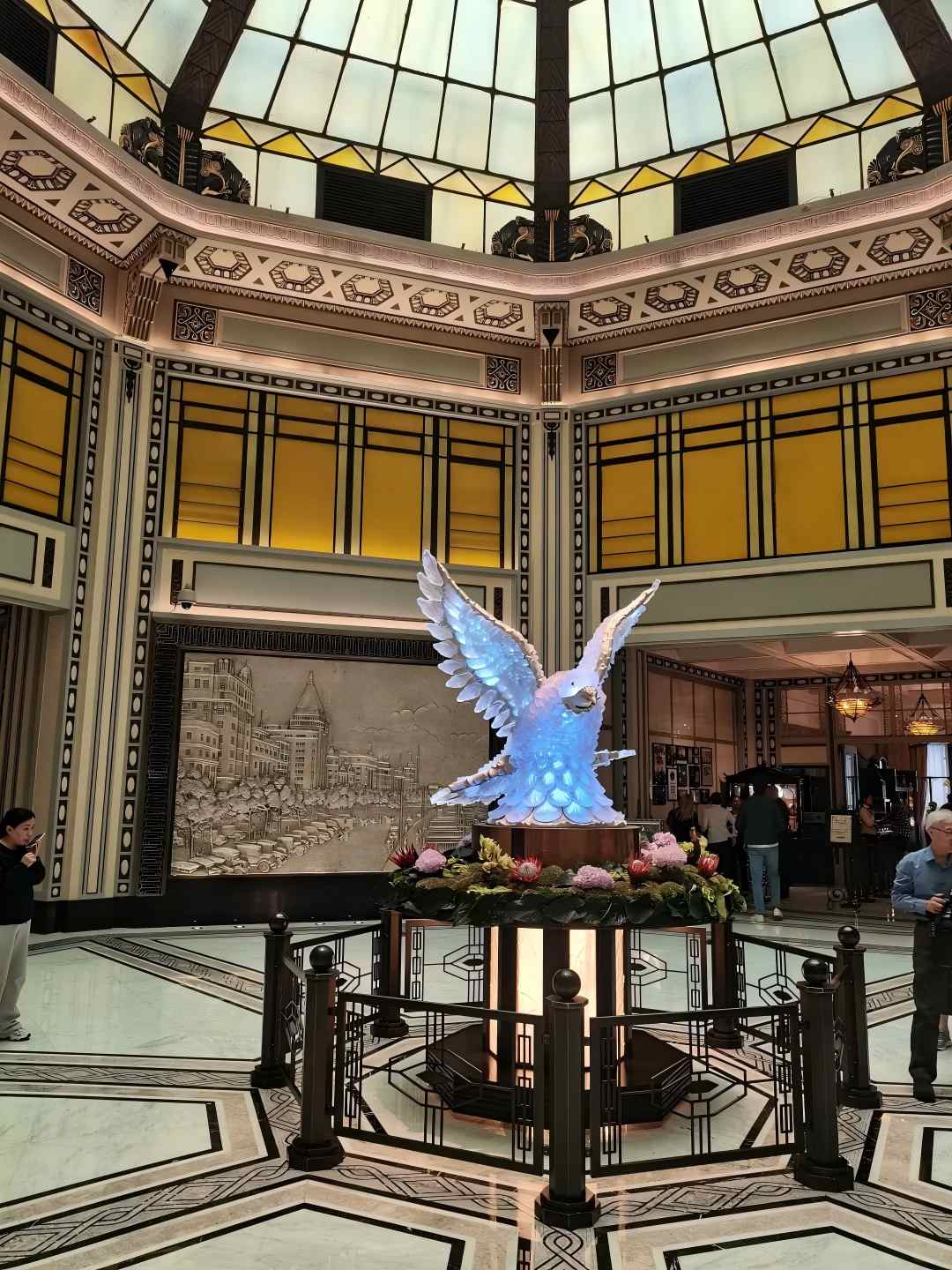
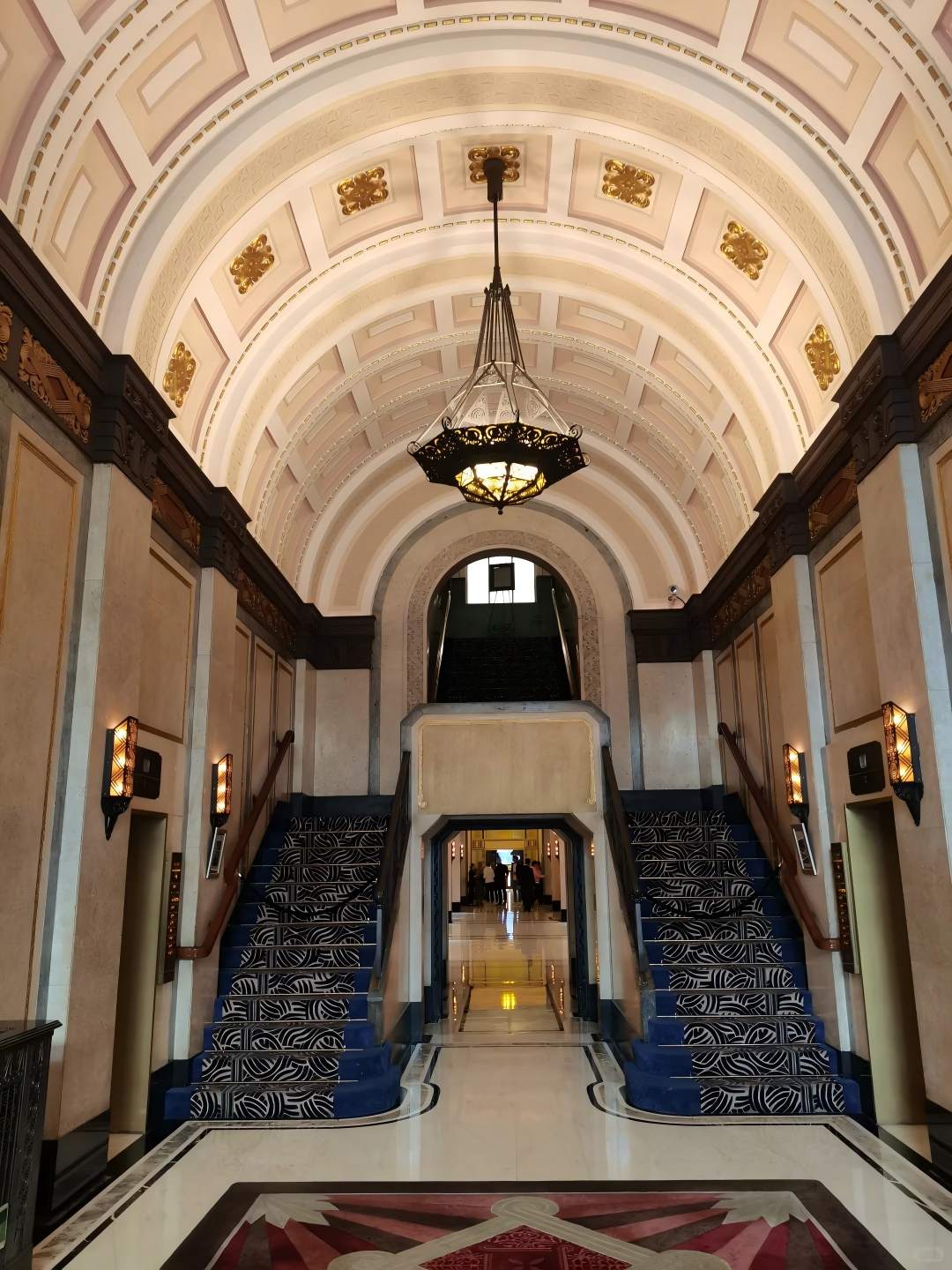
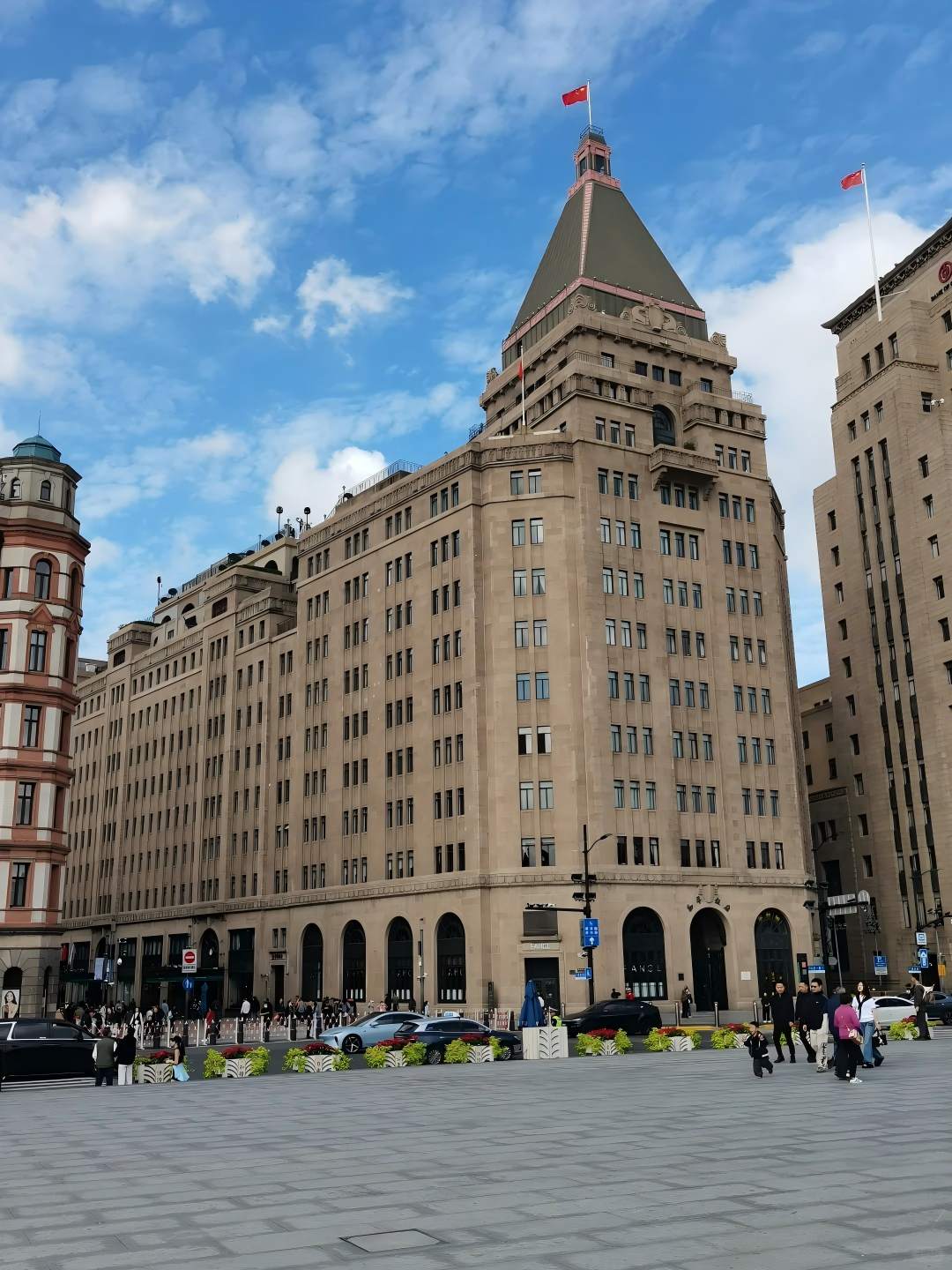
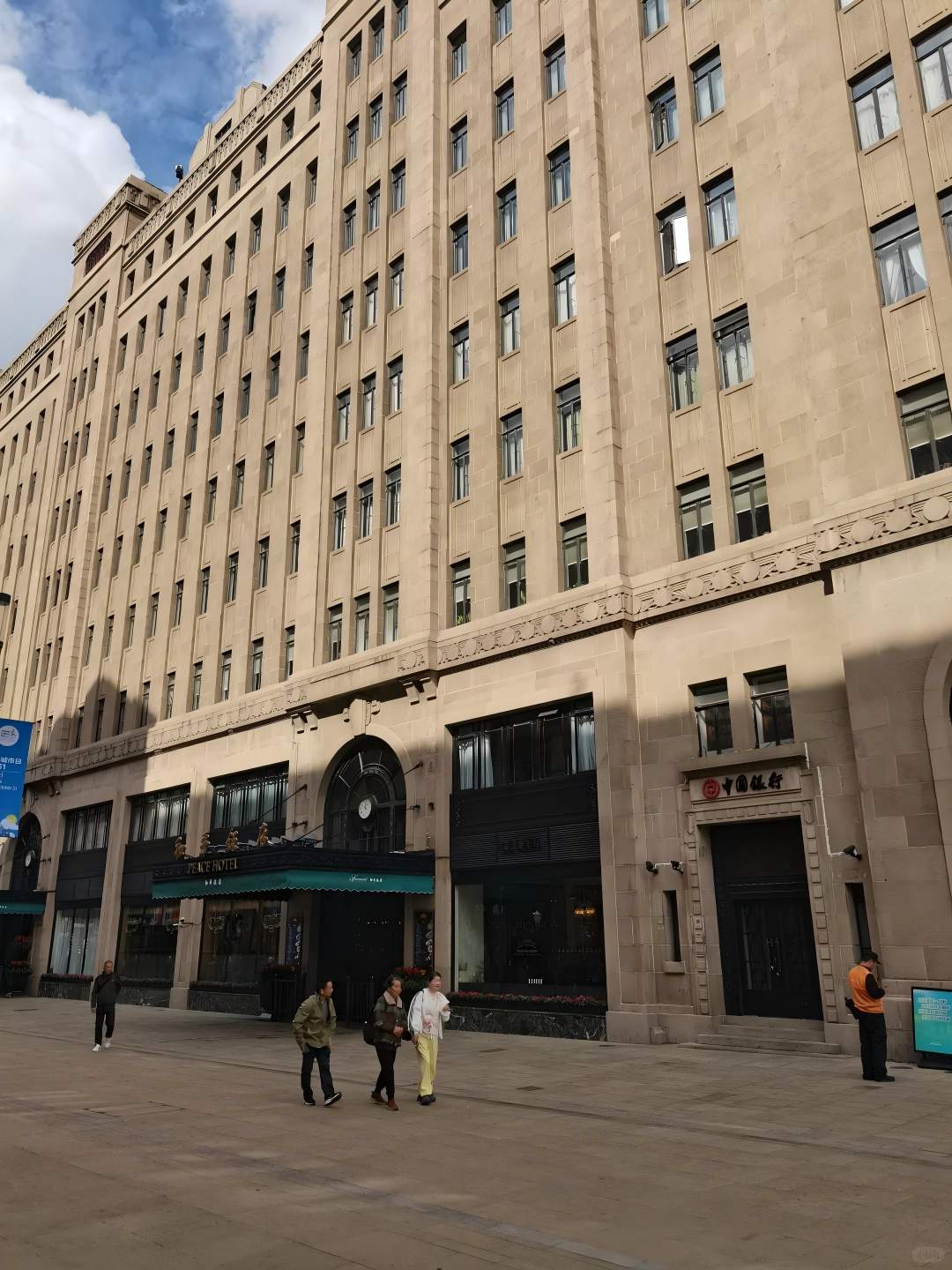
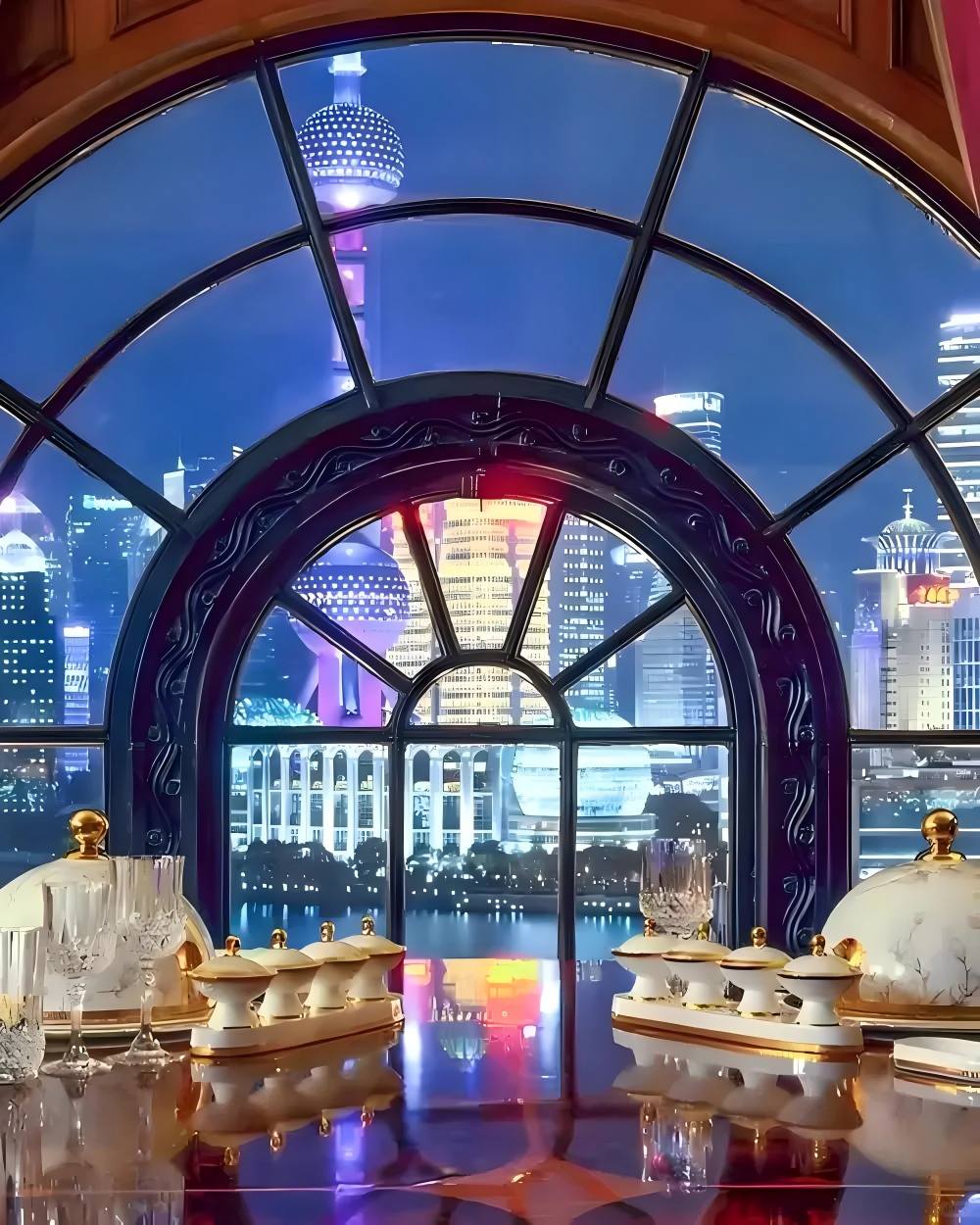
- Bund 18 (外滩18号, formerly McTyeire Bank Building): Built in 1923, this building is known for its long-time tenant, the British Chartered Bank (formerly McTyeire Bank). This New Classical-style building witnessed a century of financial history along the Bund.
- Bund No. 12 (Shanghai Pudong Development Bank Headquarters): Built in 1923 and originally the HSBC Building, this is a true representation of why the Bund is referred to as the “Wall Street of the Orient.” It is also widely considered to be the greatest masterpiece of modern Western Classical architecture.
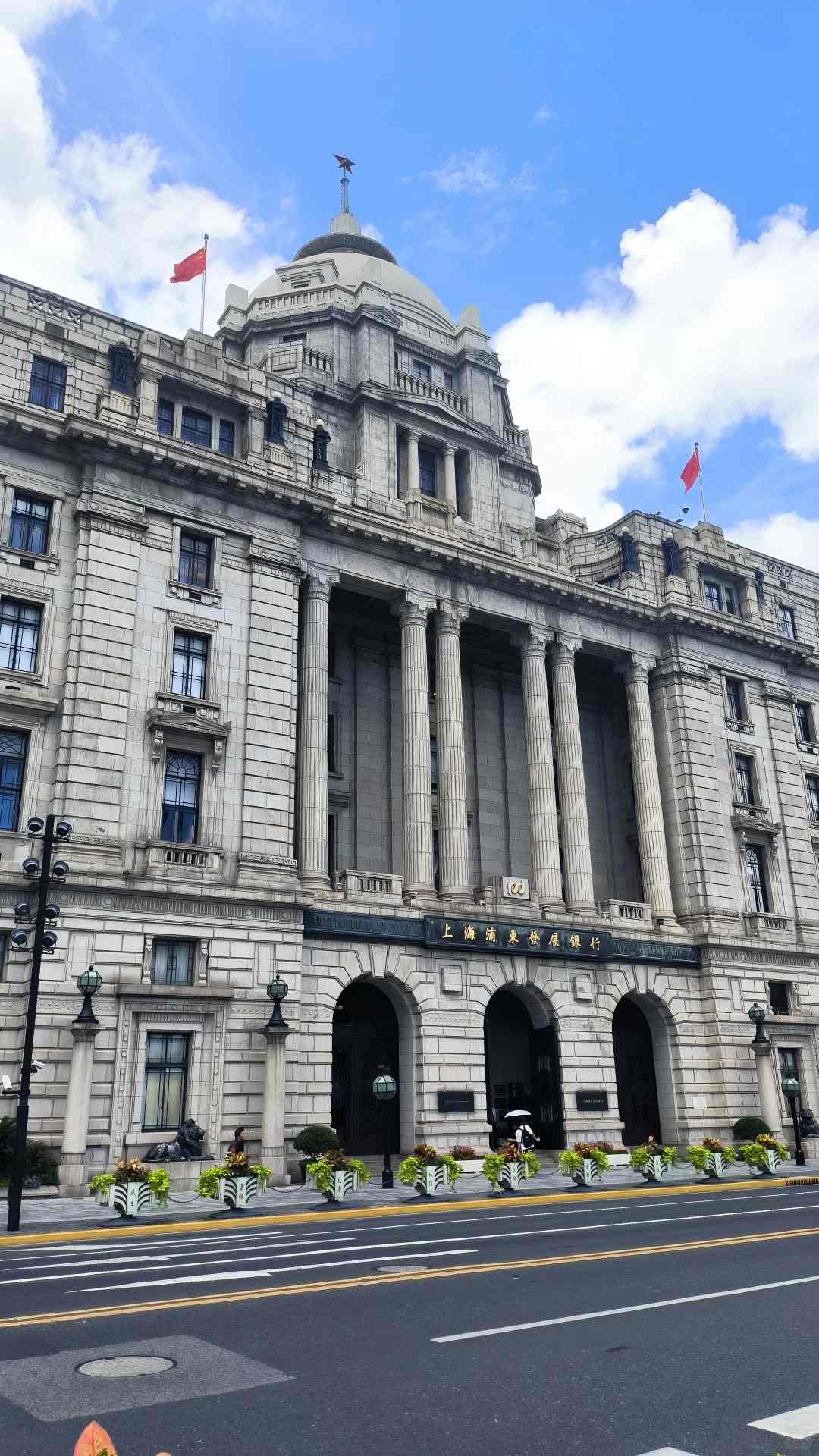
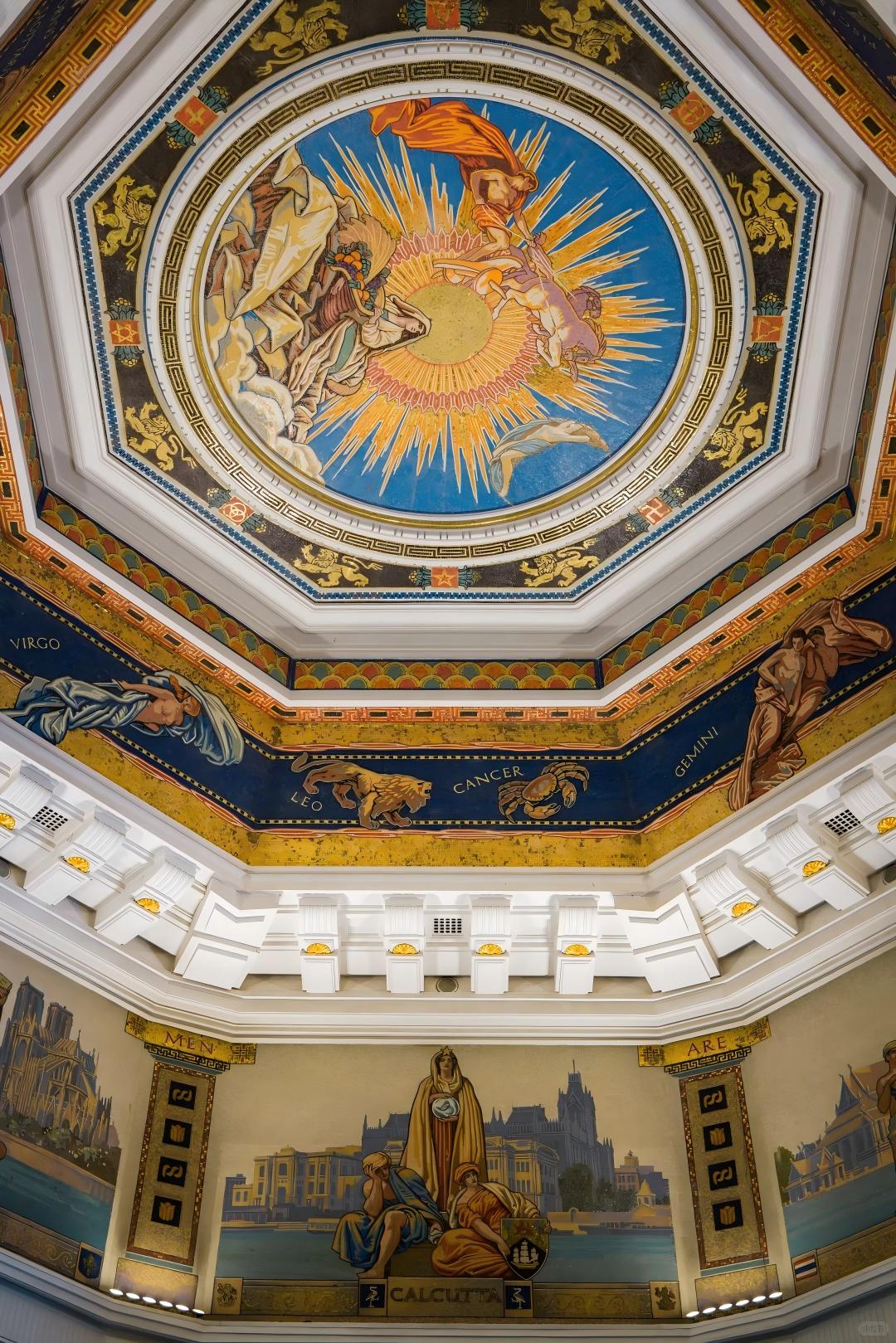
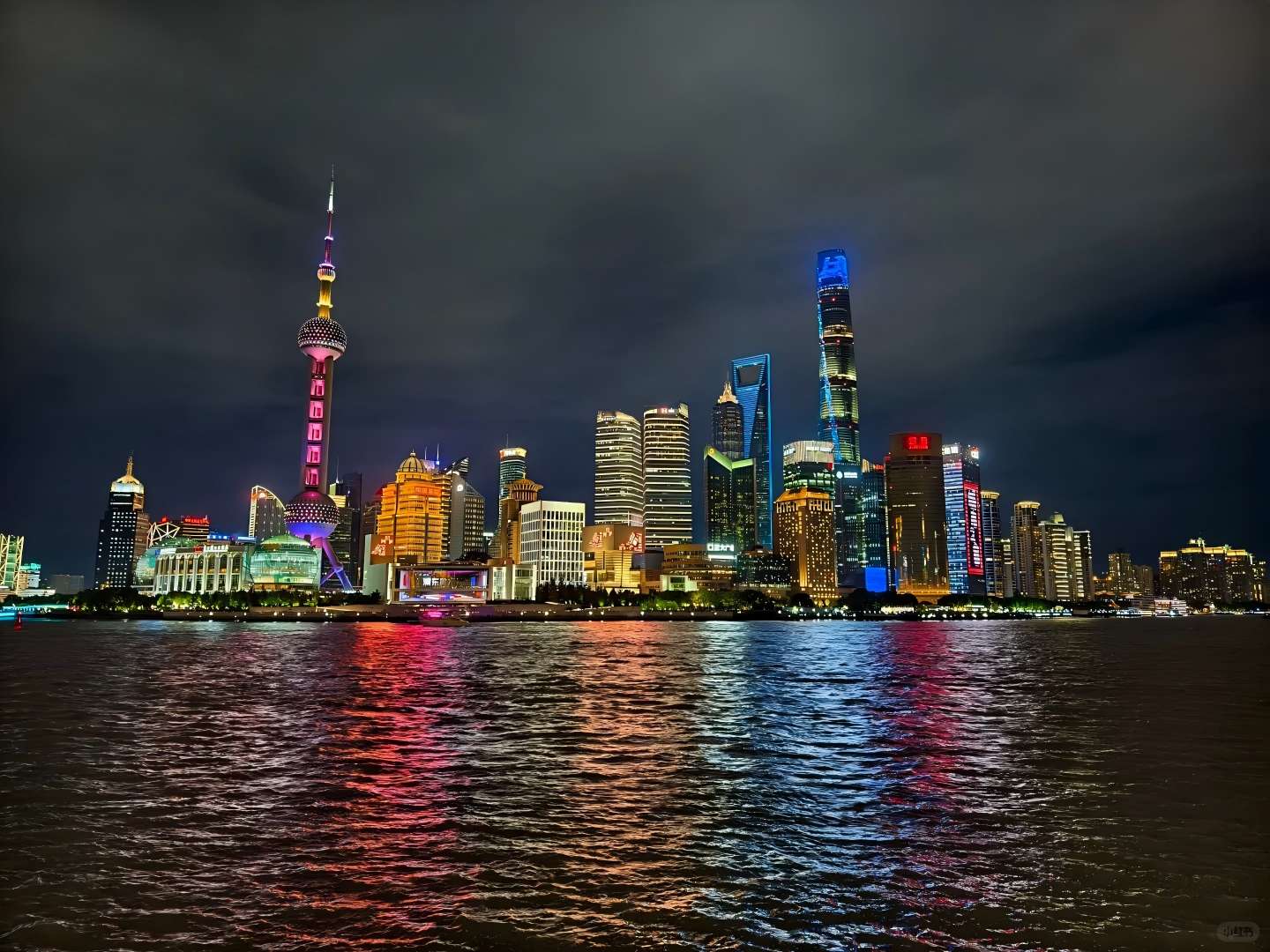
The Bund Observation Deck & Night View: After you’ve admired these historical buildings along your walk, you’ll arrive at the Bund Observation Deck along the riverside.
If you’ve followed this itinerary, the building lights should soon come on (around 6:00 p.m. in the winter). This is it—the true highlight of the day! Here you’ll experience the most spectacular, illuminated nighttime view of Shanghai.
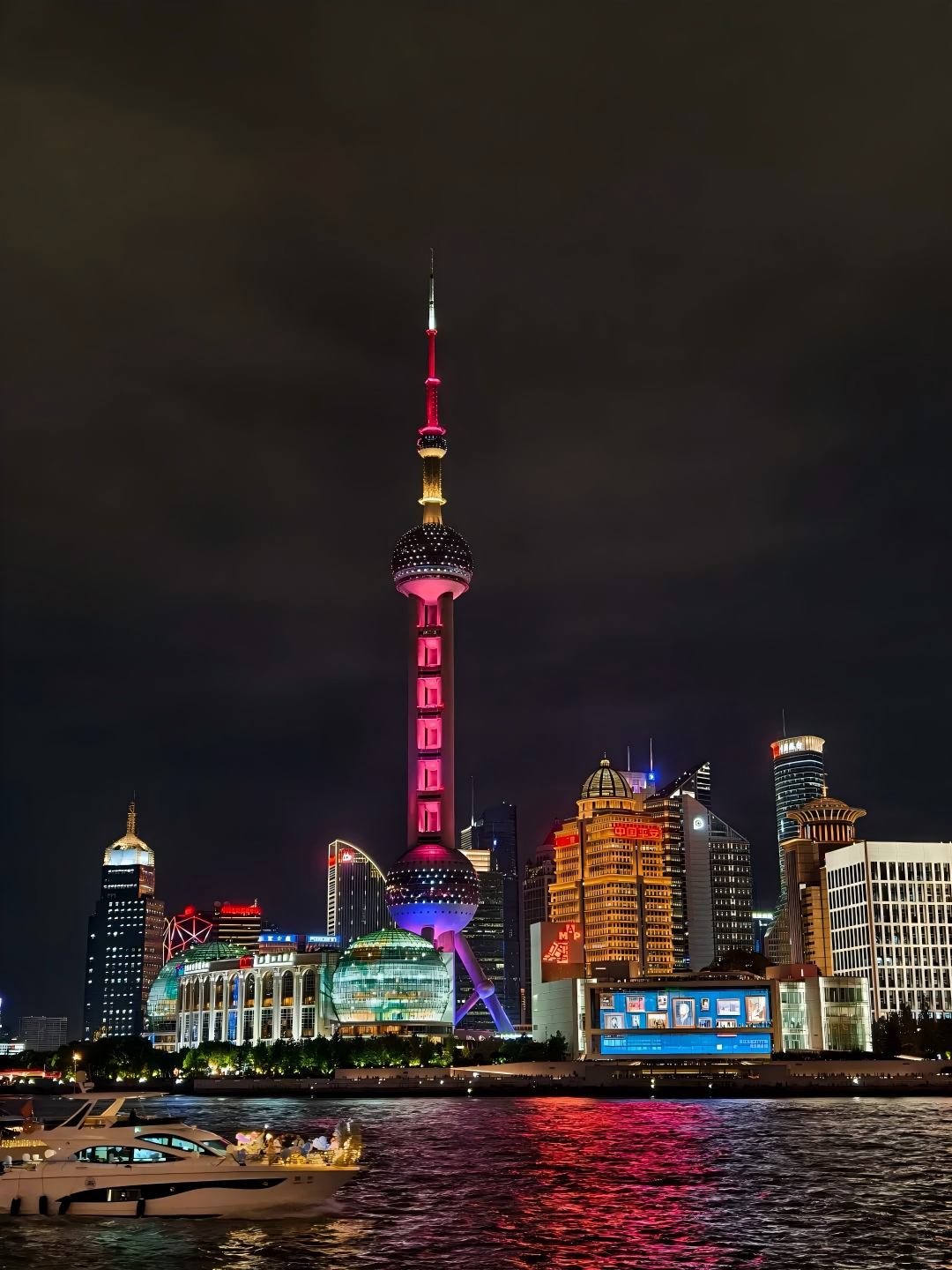
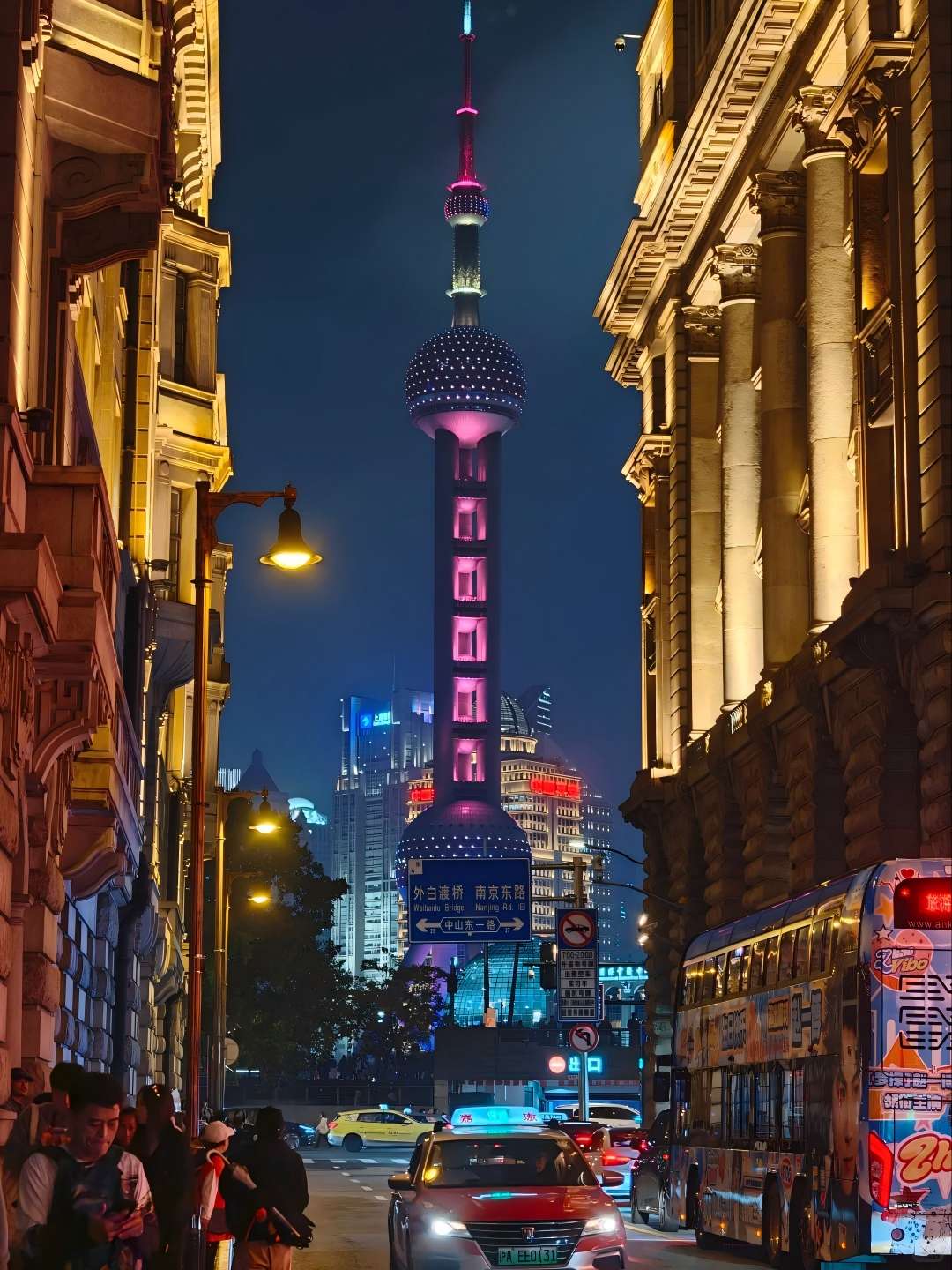
Phase 4: Nanjing Road and a Perfect Wrap-Up
Nanjing Road Pedestrian Street: After enjoying the night view at the Bund, head to Nanjing Road Pedestrian Street. It’s one of the most famous streets in all of China, full of history, trendy shopping, and lots of food. It’s perfect for refueling after a long walk.
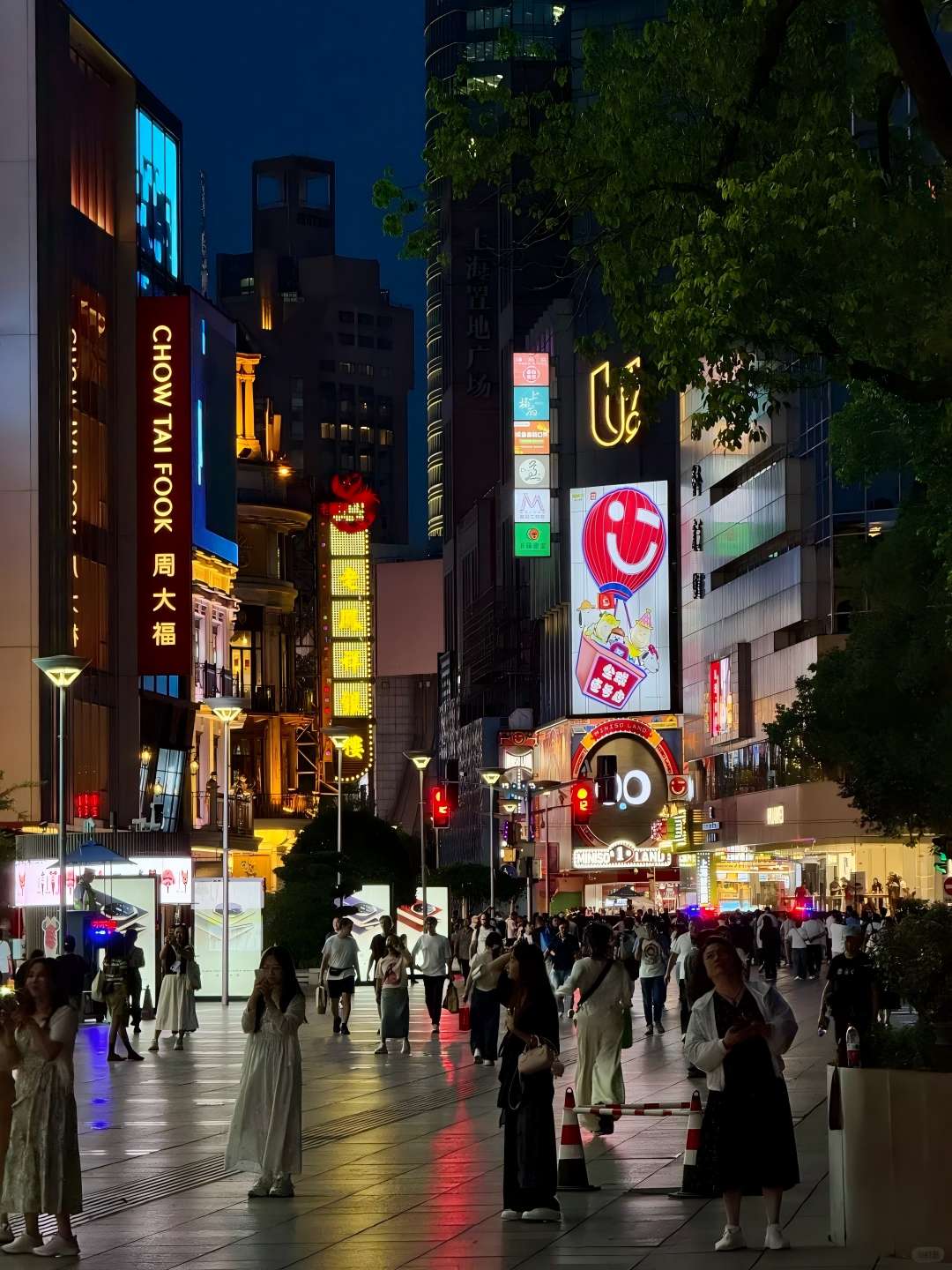
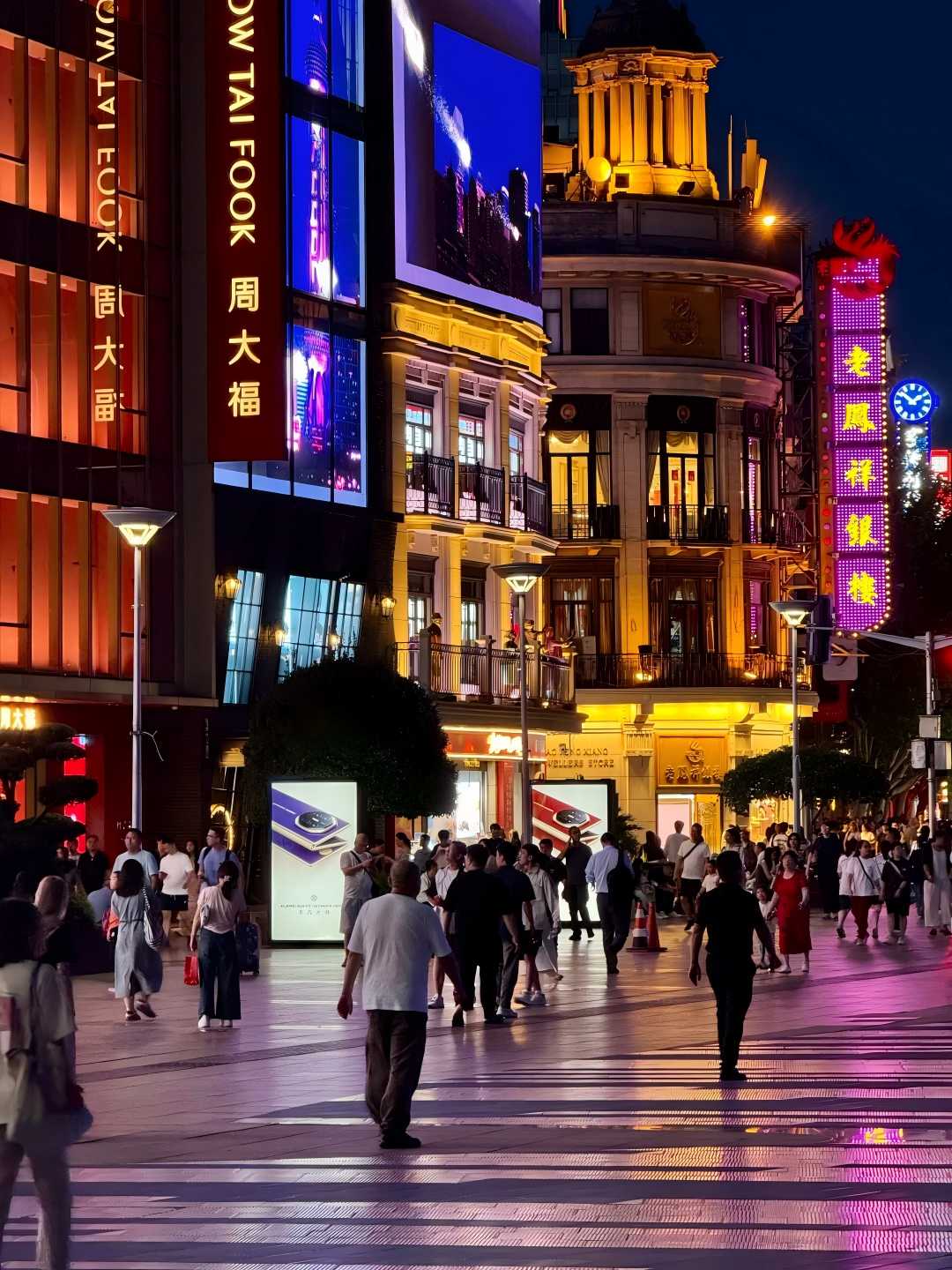
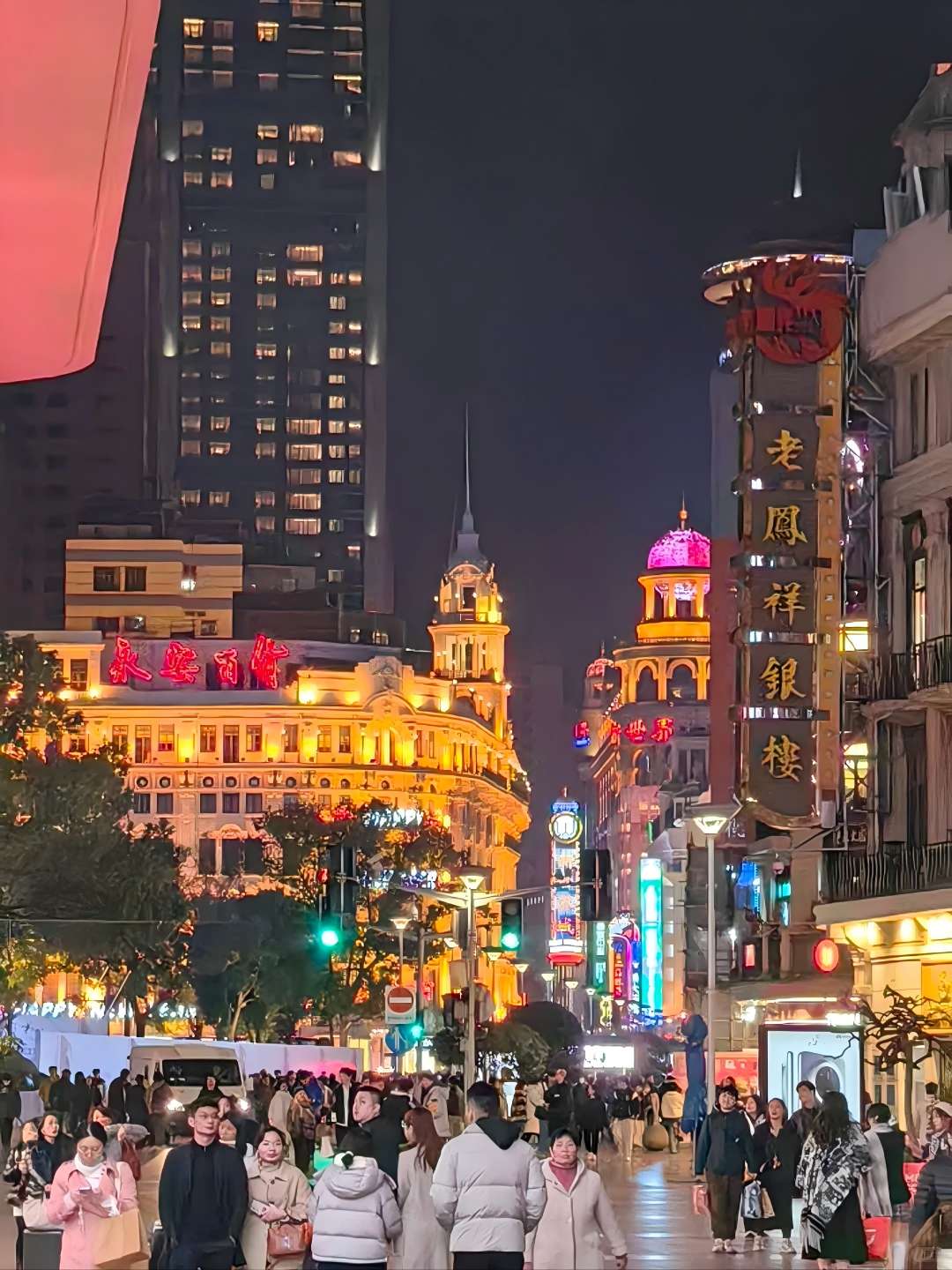
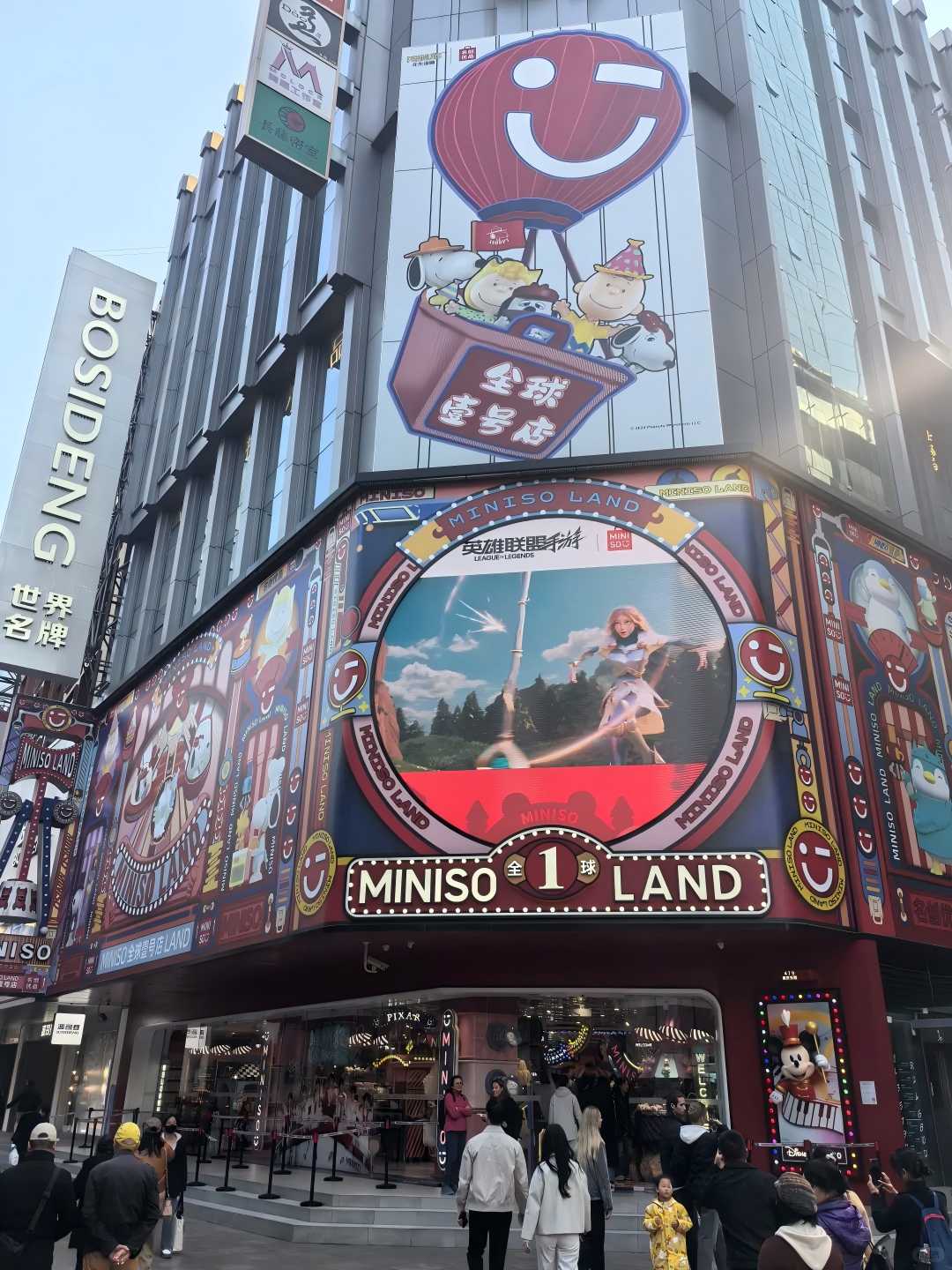
Nanjing East Road Station: About halfway down this street is the Nanjing East Road Metro Station. If you’re tired, this is an easy spot to catch the subway back to where you’re staying. Either way, this street is the perfect end to your Shanghai adventure.
I truly hope you have an amazing time following this route! If you have any questions while you’re planning your trip, I’m here to help!