
Yongqing Fang, Guangzhou – A Complete Travel Guide for First-Time Visitors
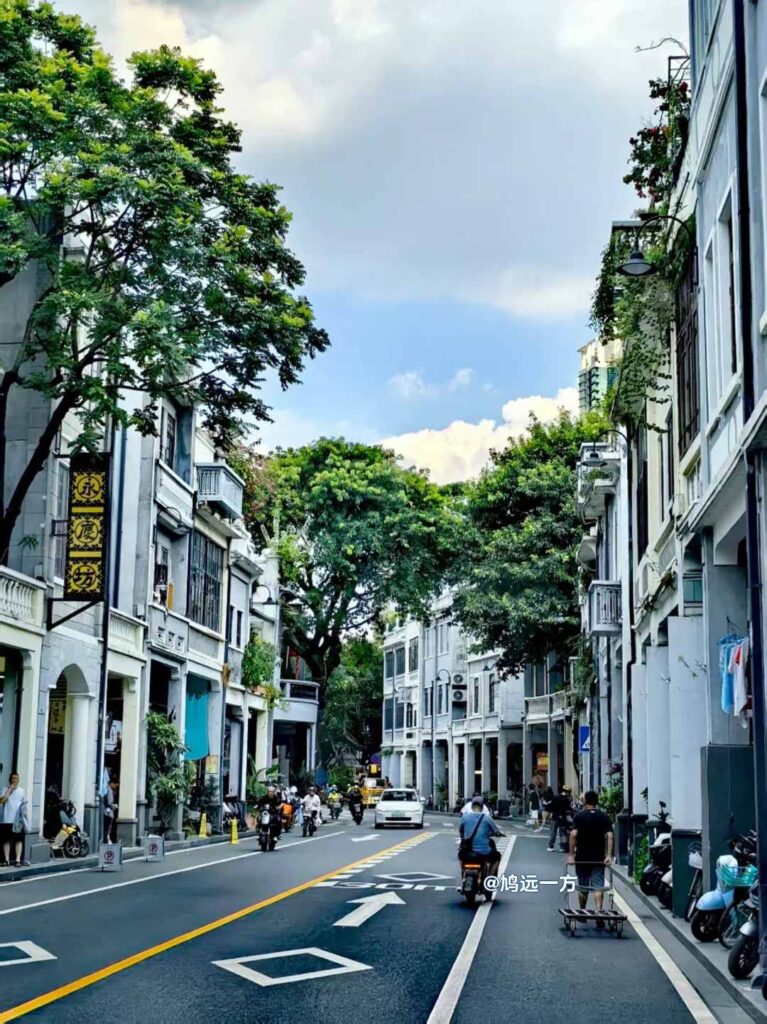
Guangzhou is often associated with glass skyscrapers, shopping malls, and fast-paced business districts. But the city’s older side is still very much alive, especially in its qilou arcades, narrow lanes, gray-brick homes, street snacks, and everyday neighborhoods.
Yongqing Fang is one of the best places to experience the older, more local side of Guangzhou. This restored historic neighborhood brings together small shops, cafés, cultural spaces, and one of the city’s best-preserved stretches of qilou arcade buildings. Nearby, you’ll also find homes once linked to several important figures from modern Chinese history.
As you wander through the area, you’ll come across traditional crafts and local culture. It’s a good place for a slower day or afternoon, and also to buy souvenirs that are more unique to Guangzhou.
Is Yongqing Fang Worth Visiting?
Yes—especially if you want to see a more authentic and everyday side of Guangzhou. I particularly recommend it for first-time or international visitors.
It feels more unique than attractions in the city that are primarily for photos and sightseeing. You don’t need to know much before you visit, and when you arrive you’ll quickly see how Guangzhou’s history, architecture, crafts, food, and everyday life are showcased here.
There are also many traditional architectural details here, including:
- qilou arcades — covered storefront buildings typical of old Guangzhou
- gray-brick homes
- granite-paved alleys
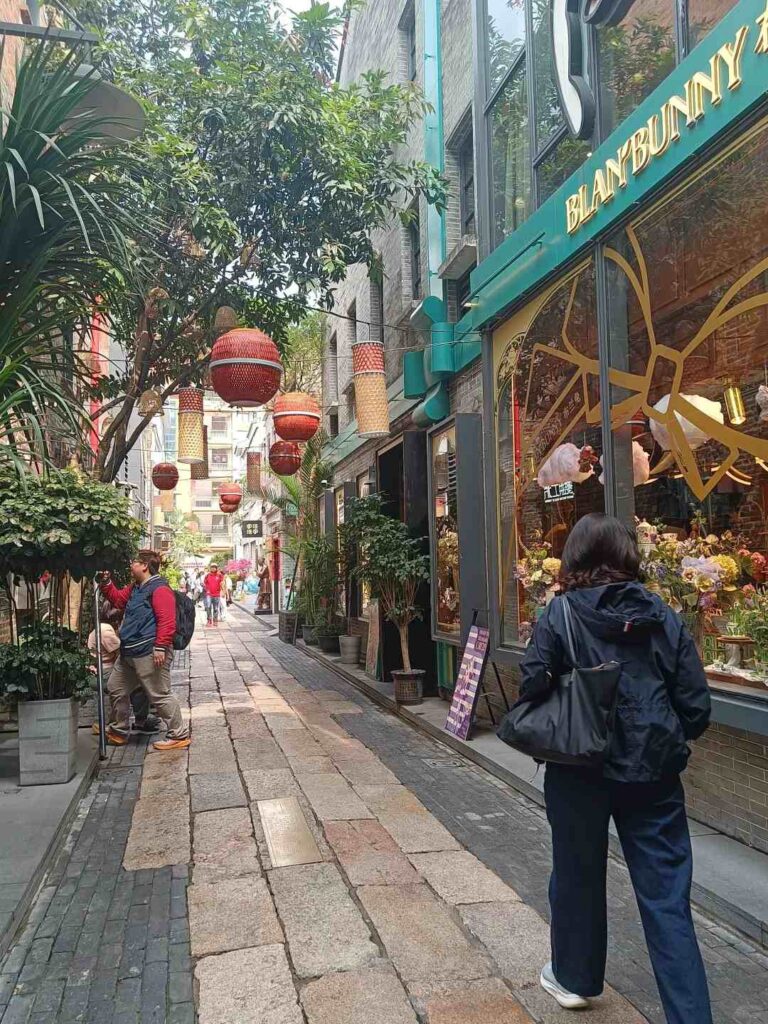
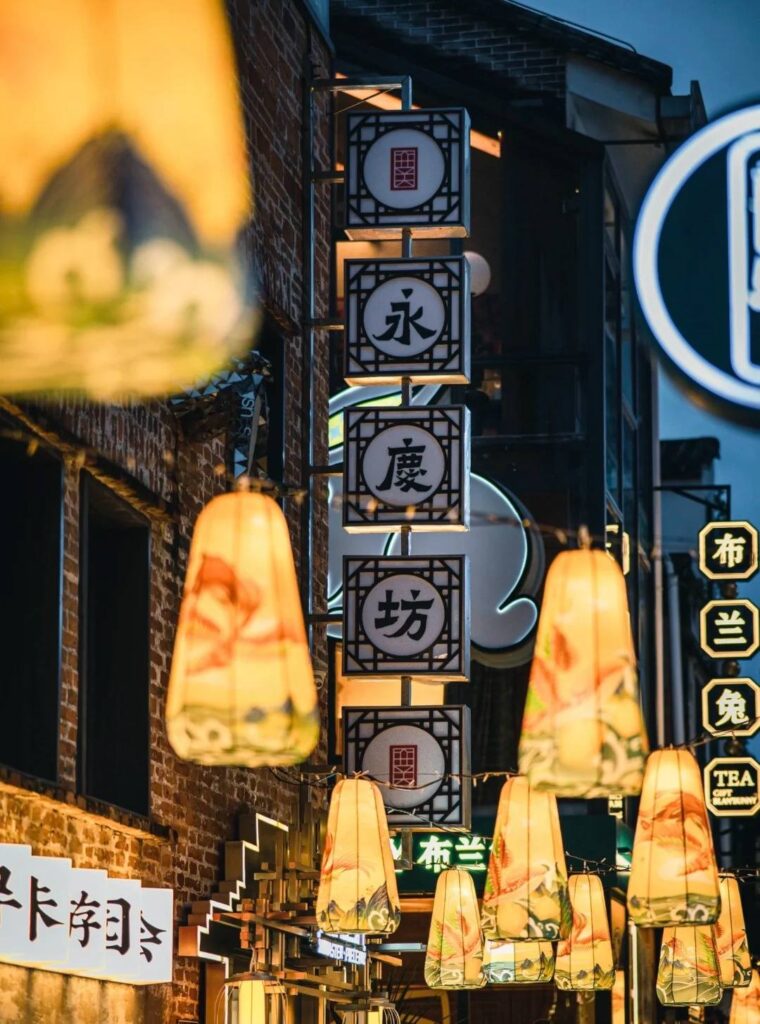
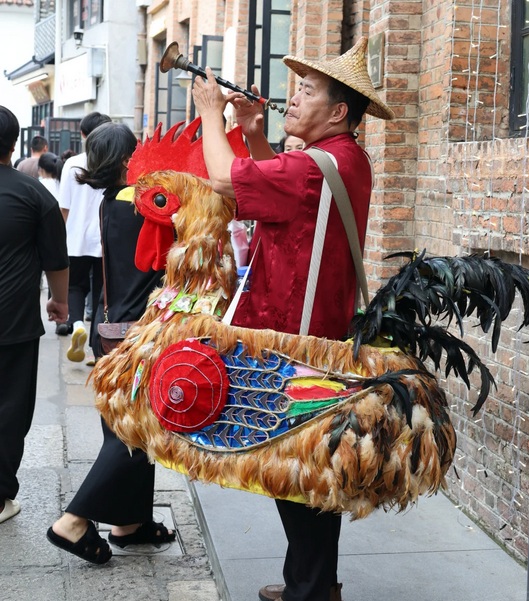
Yongqing Fang is one of the best places in Guangzhou to see cultural heritage and several types of traditional crafts in one small area. Its Intangible Cultural Heritage District has more than ten master craft workshops, covering:
- Guangcai painted porcelain (广彩瓷器)
- Guang embroidery (广绣)
- lion dance traditions (传统醒狮)
- traditional pastry-mold making (饼印制作)
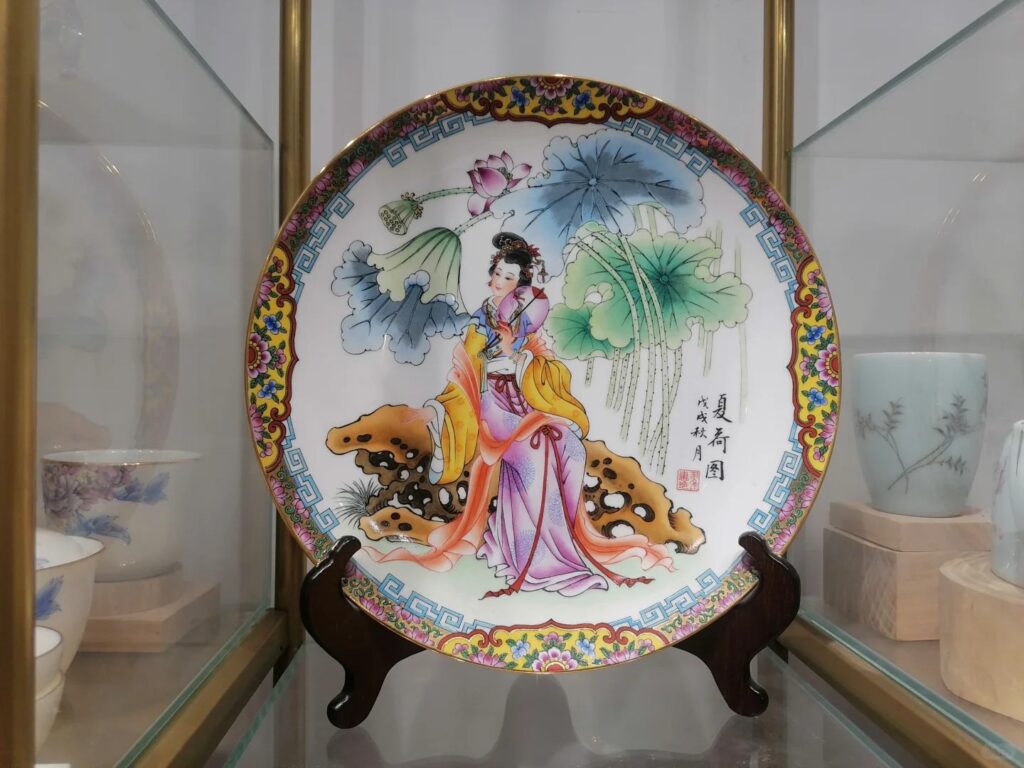
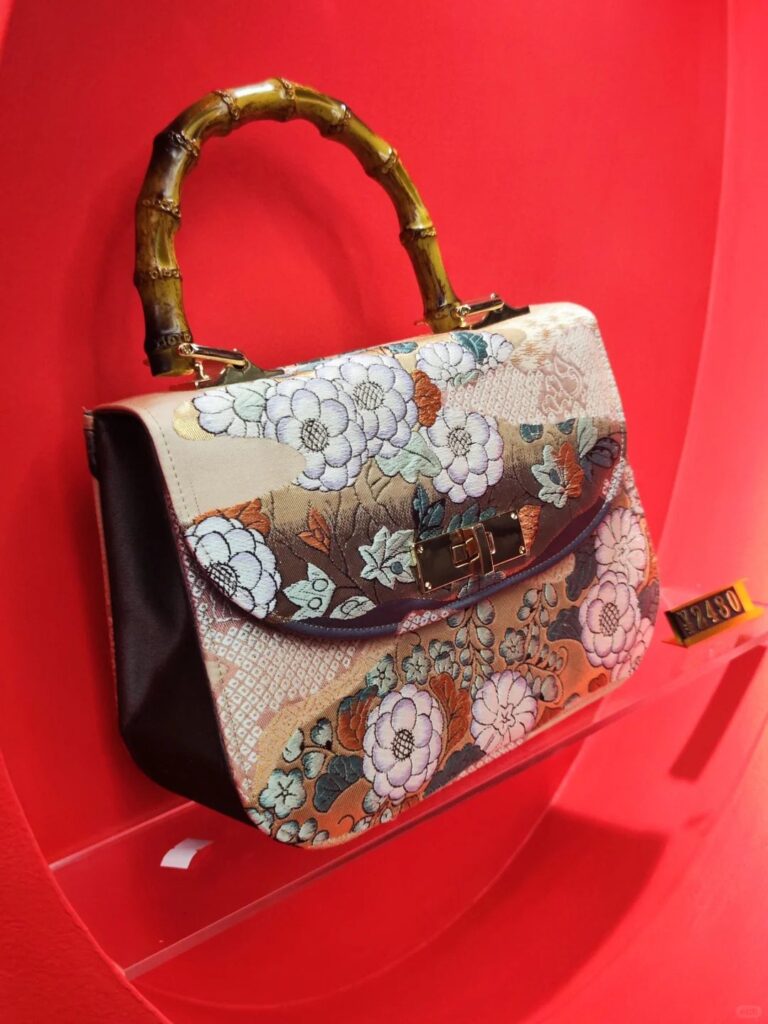
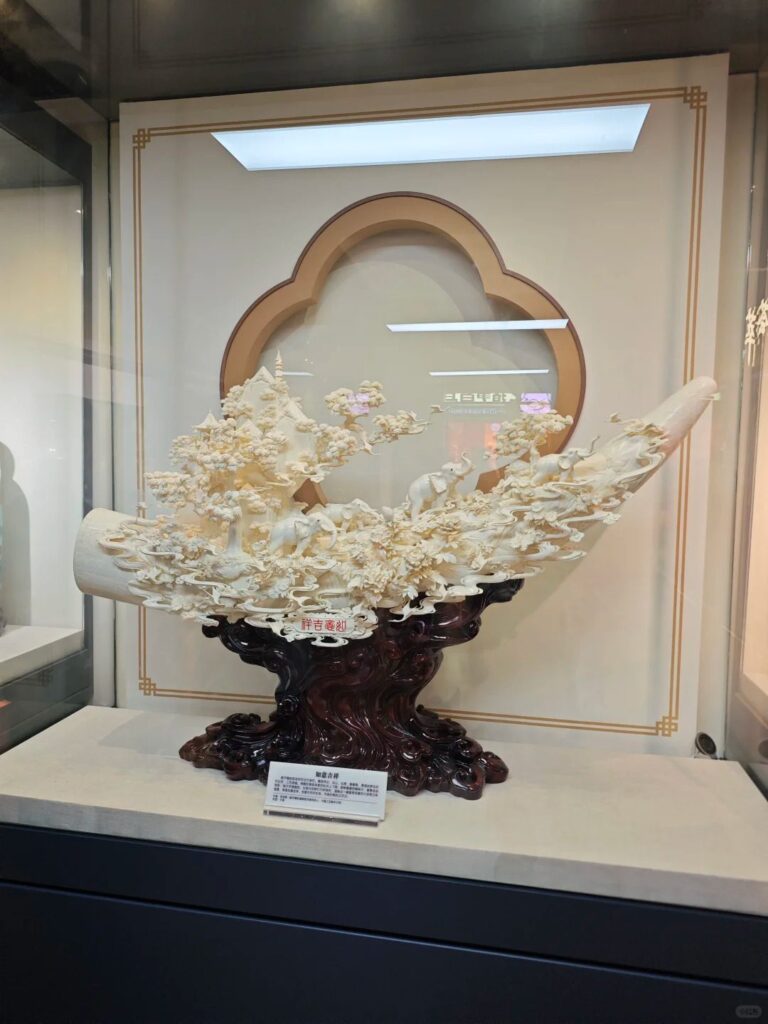
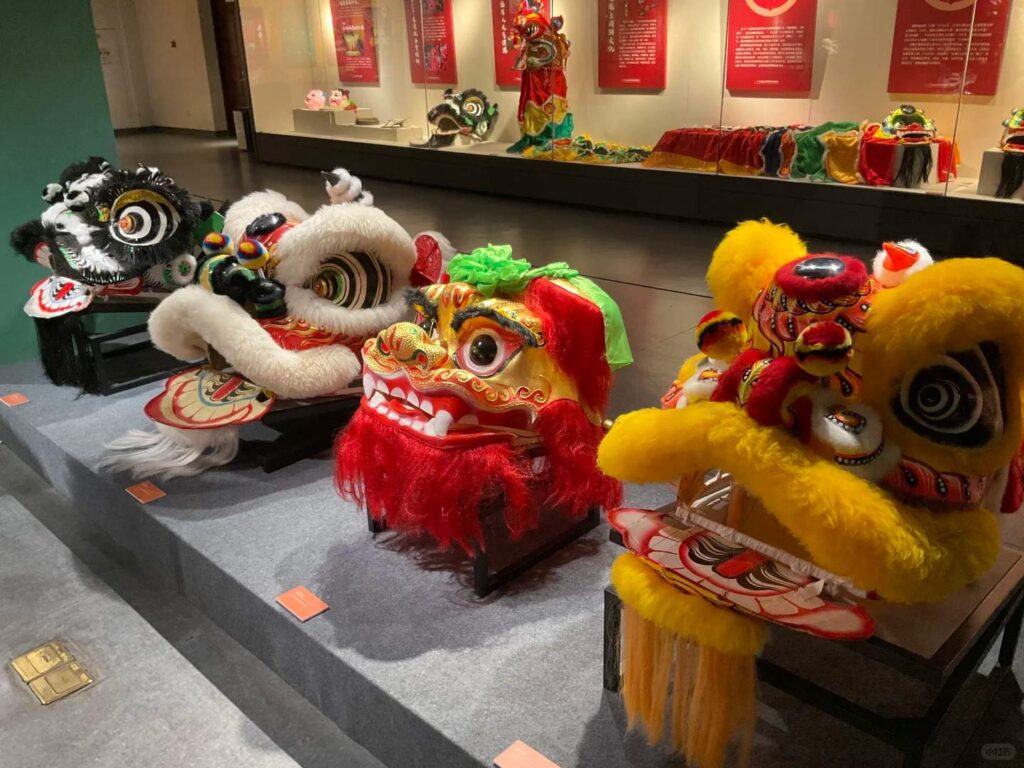
You can watch some of these crafts be made up close, and some workshops also offer hands-on activities, which makes for a more memorable experience than just buying a souvenir in a gift shop. It also gives you a better sense of the time, skill, and detail behind traditional Chinese art.
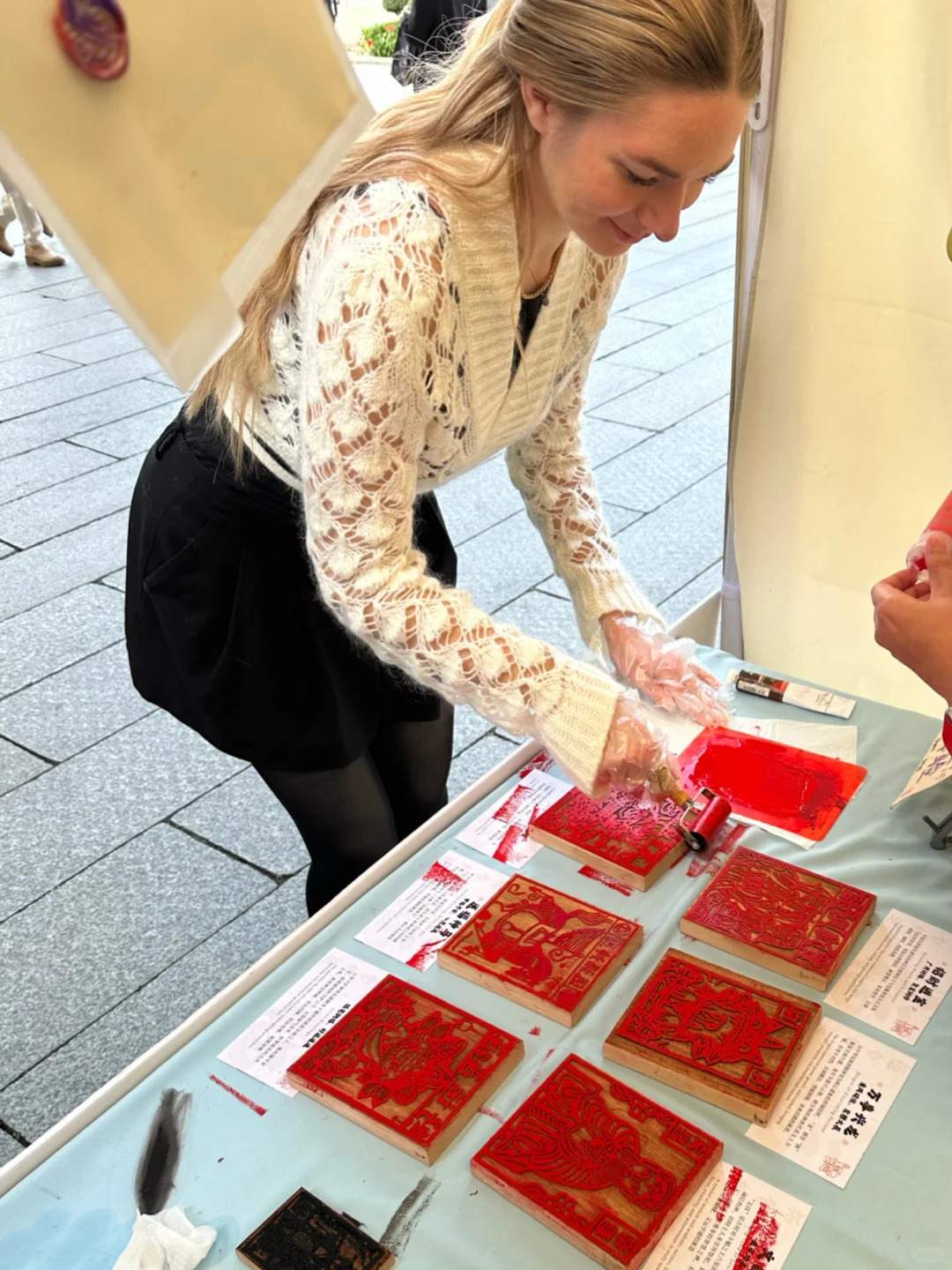
The neighborhood is enjoyable to explore on foot, with plenty of good photo spots and places to eat. If you’re short on time during your visit to Guangzhou but still want a glimpse of local culture, Yongqing Fang fits well within a one-day itinerary.
How to Get There
By Metro
The easiest way to get there is to take Metro Line 1 or Line 6 to Huangsha Station. Take Exit B, then walk about 500 meters to Yongqing Fang.
You can also take Metro Line 1 to Changshou Lu Station. Take Exit D1, then walk about 800 meters.
By Taxi or Ride-Hailing App
A taxi or ride-hailing app is the simplest option, just enter “Yongqing Fang” as your destination.
By Bus
Several buses stop near Yongqing Fang, including routes 3, 6, 82, and 105. Get off near the Enning Road or Yongqing Fang stop.
Bus routes can change, so I’d check Amap (Gaode Maps) before you leave. Search for “Yongqing Fang,” then choose the best route from where you are.
What to See in Yongqing Fang
1. Cantonese Opera Art Museum
Cantonese opera is one of Guangdong’s most important traditional art forms, and this museum gives you a taste of Lingnan culture, a region of southern China.
The Cantonese Opera Art Museum is a beautiful garden-like complex with exhibition halls, courtyards, landscaped gardens, a stage by the water, a small theater, and Cantonese opera performances.
Highlights include:
- Lingnan-style architecture, with detailed wood carvings and painted details under the eaves.
- Exhibits on Cantonese opera history, costumes, and stage props.
- Live Cantonese opera performances, usually at 11:00 a.m., 3:00 p.m., and 7:30 p.m. Check the latest schedule before you go, as times can change.
- Displays of traditional crafts, including wood carving, stone carving, and ceramic work.
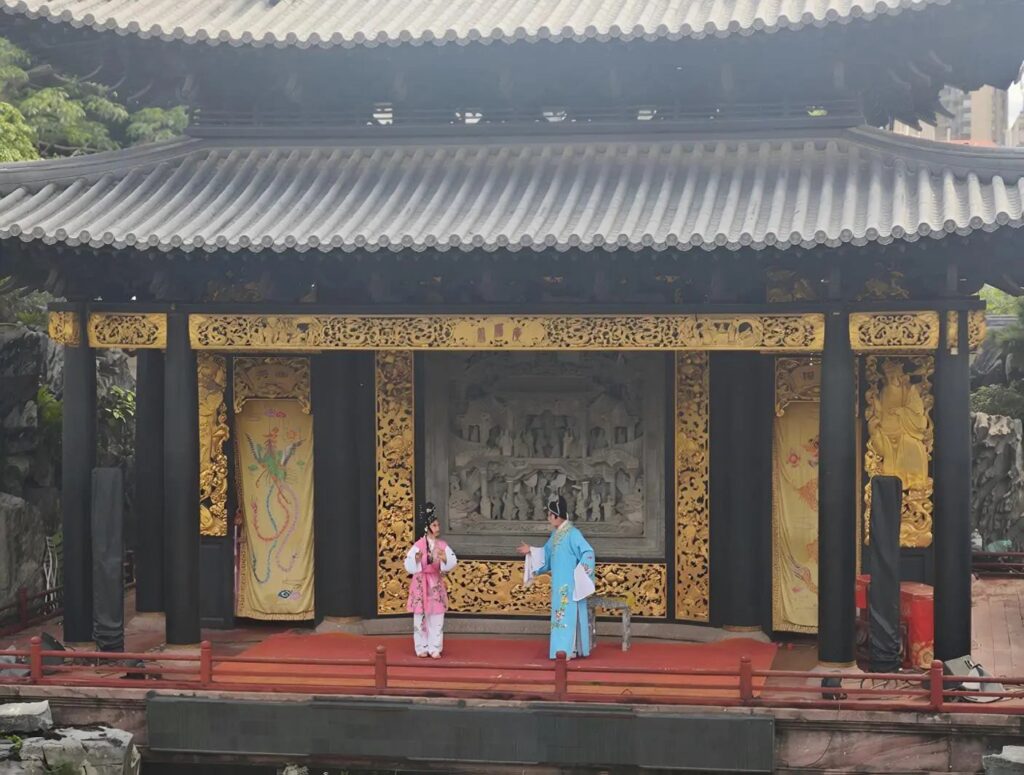
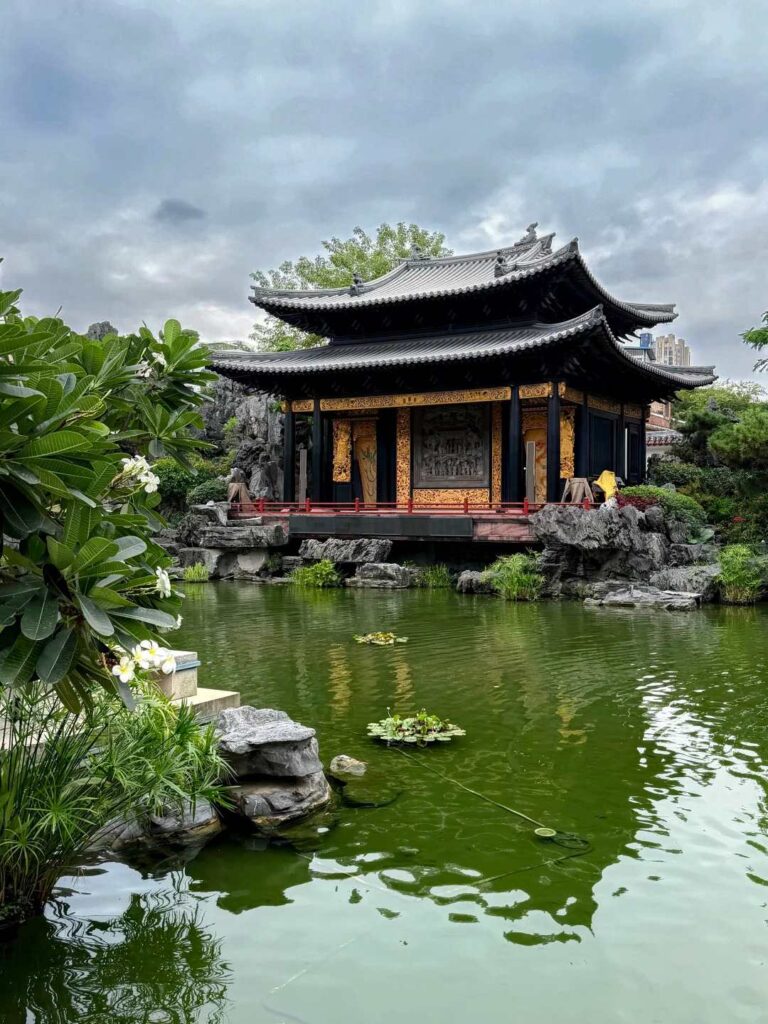
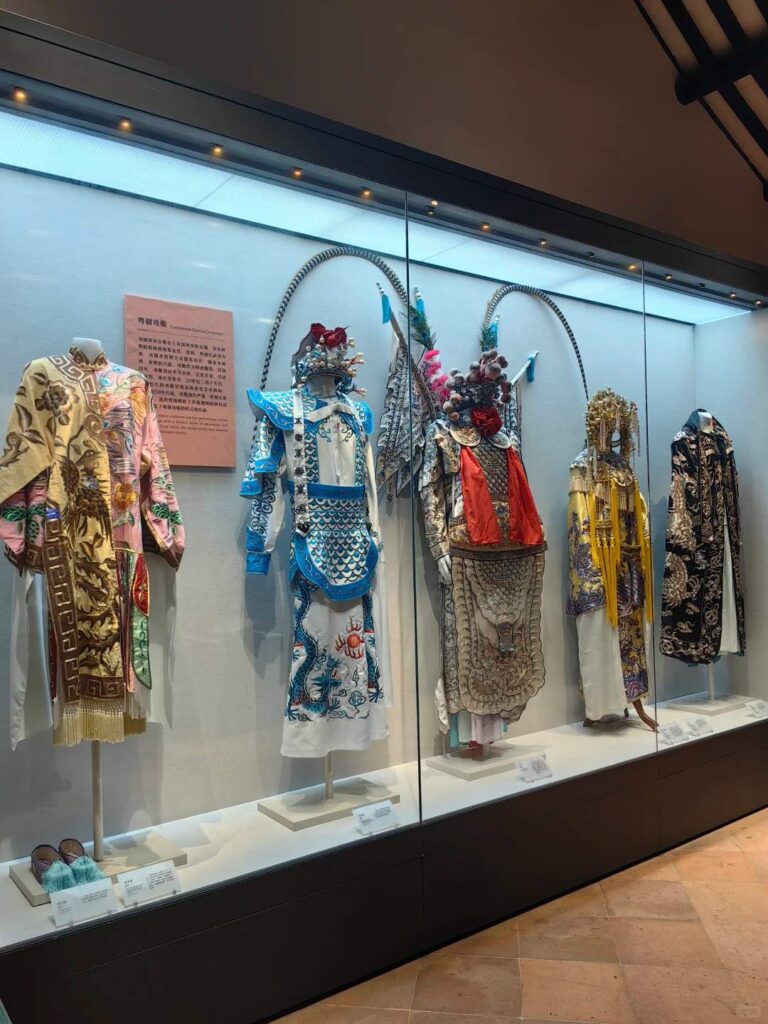
I recommend visiting even if you don’t speak Cantonese. You can still enjoy the singing style, costumes, performances, and the beauty of the buildings and gardens. And you don’t need to stay for an entire performance; you can just stop by for a few minutes and then keep exploring.
Opening hours: 9:00 a.m.–9:00 p.m.
Last entry: 8:30 p.m.
Closed: Monday
Admission: Free
2. Bruce Lee’s Ancestral Home
Bruce Lee is still one of the world’s most famous martial artists and film stars. If you like kung fu movies, his name will probably be familiar.
The house was built by Bruce Lee’s father, Lee Hoi-chuen. A visit here gives you a closer look at his family roots.
Inside, you’ll find:
- The layout, furniture, and everyday details of a traditional Xiguan mansion, a type of old Guangzhou residence
- Displays about Bruce Lee’s life and career
- Martial arts moves demonstrated through an interactive 3D projection
- Personal items and replica movie props
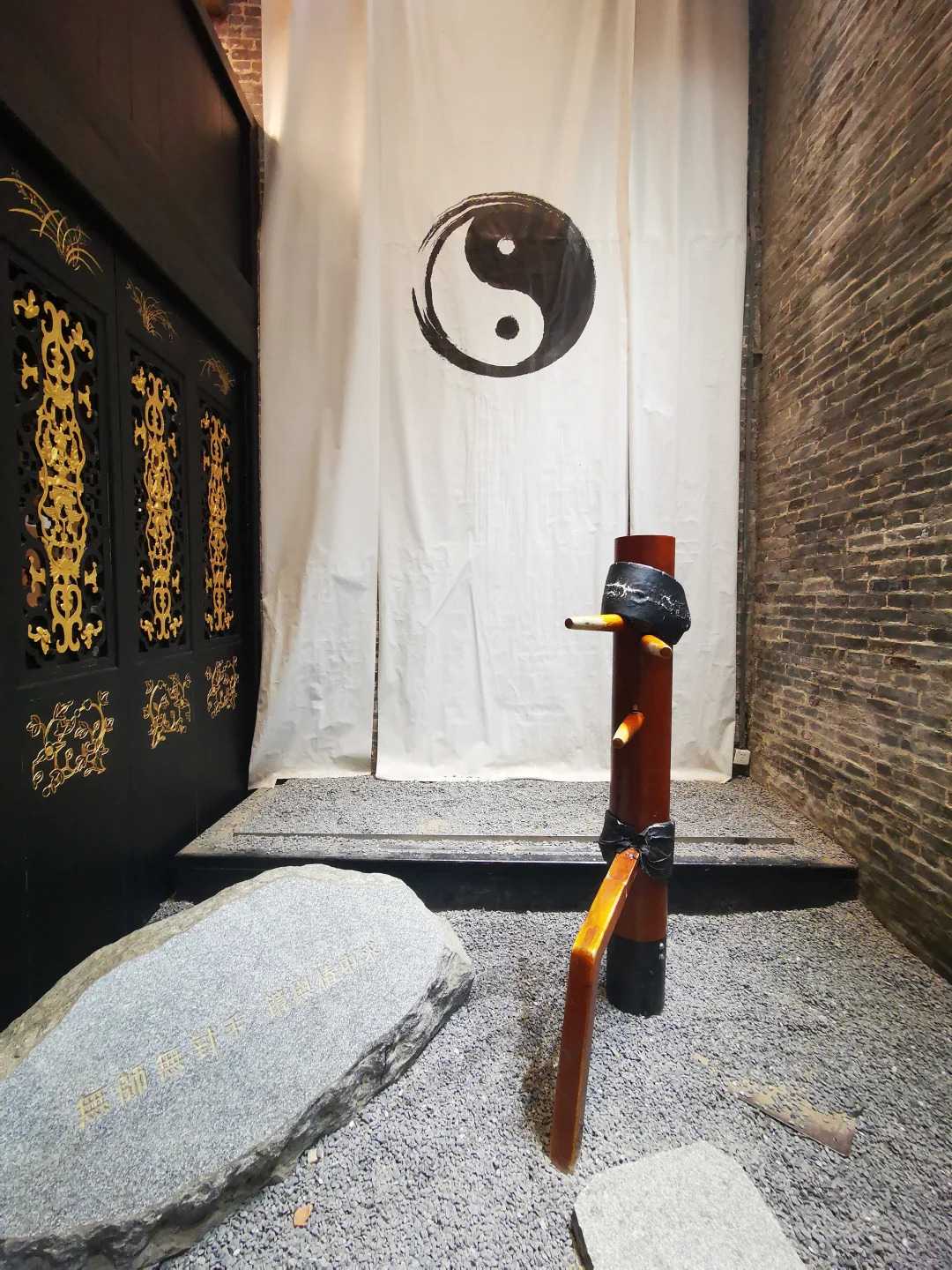
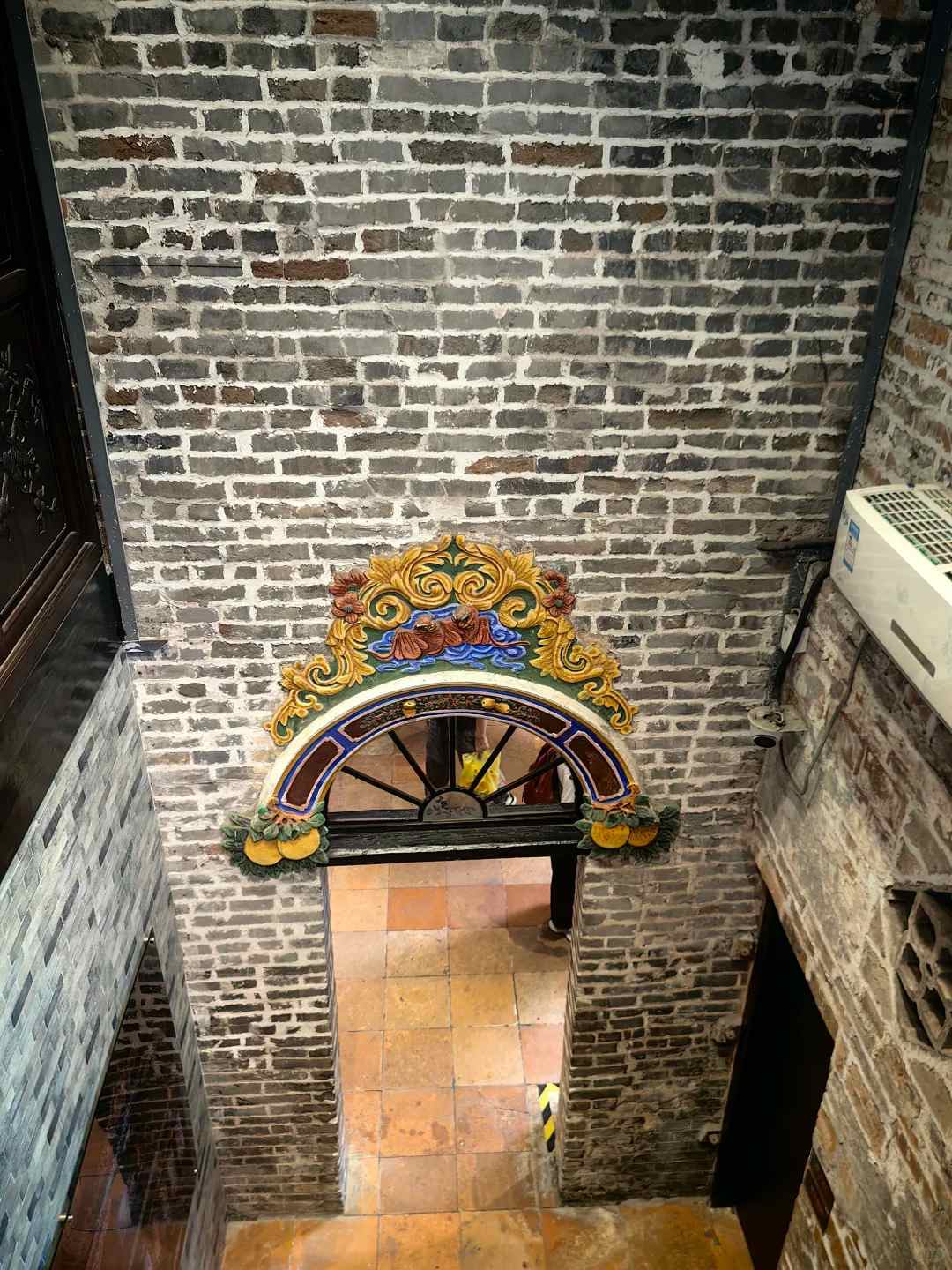
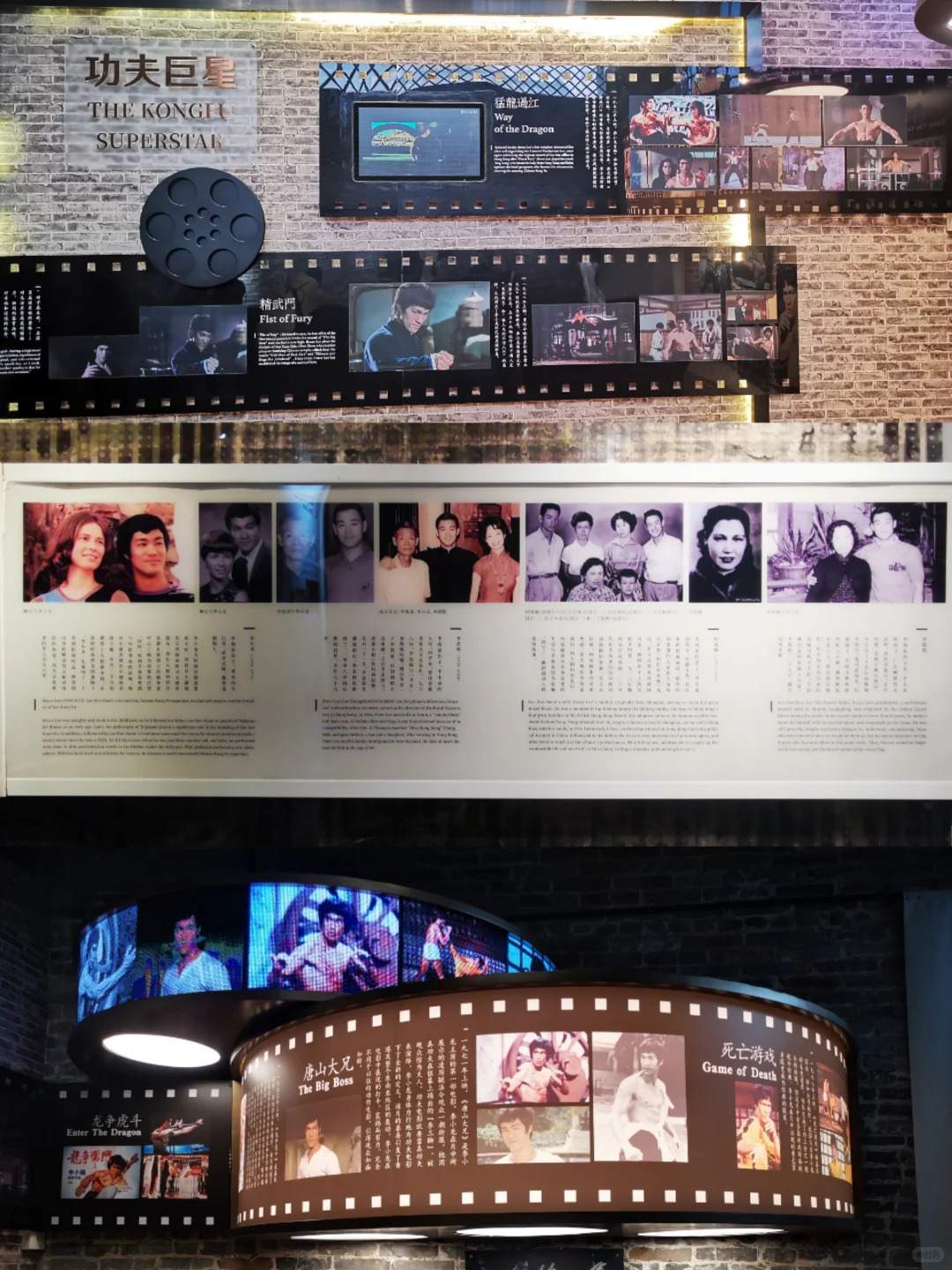
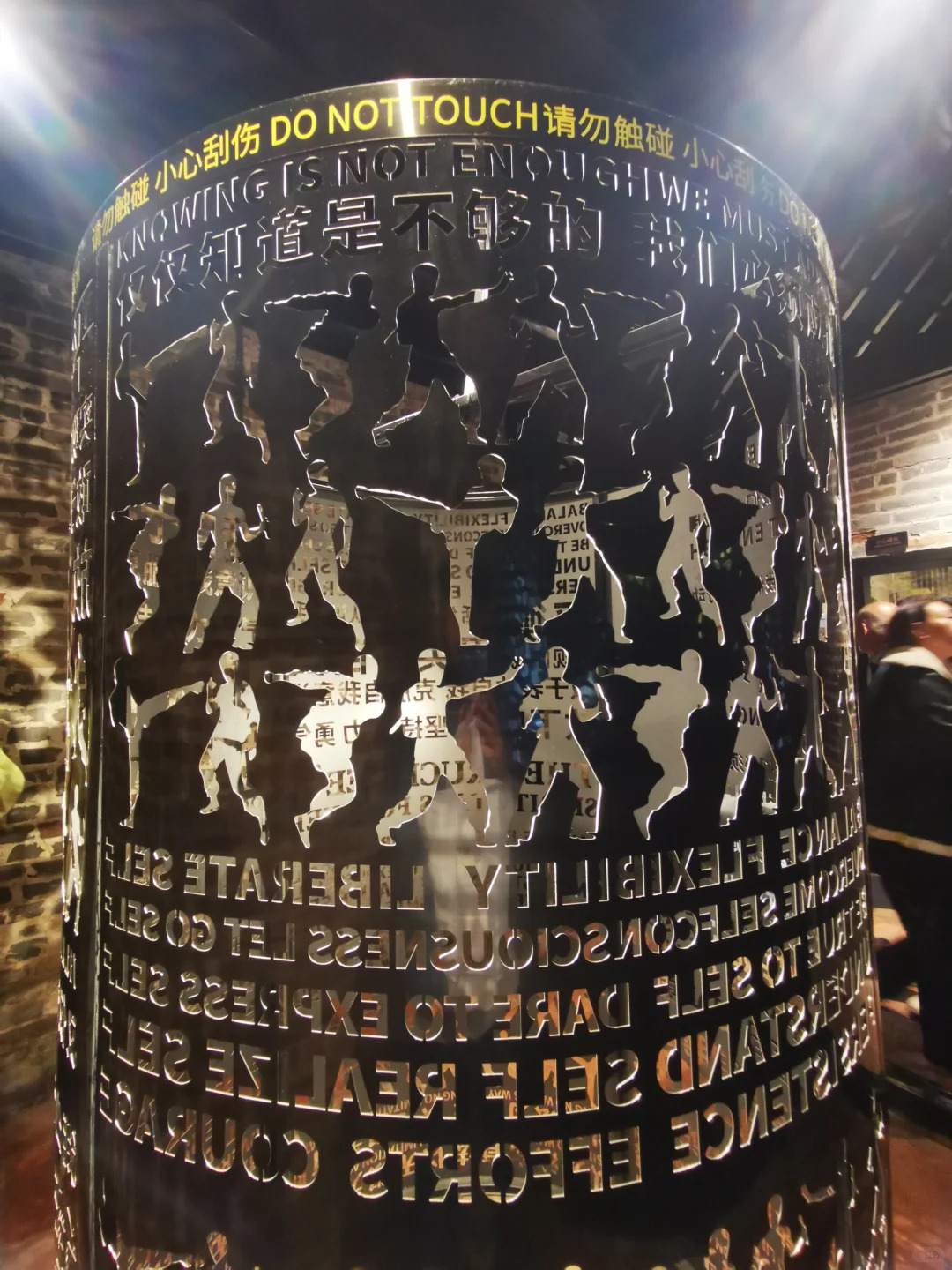
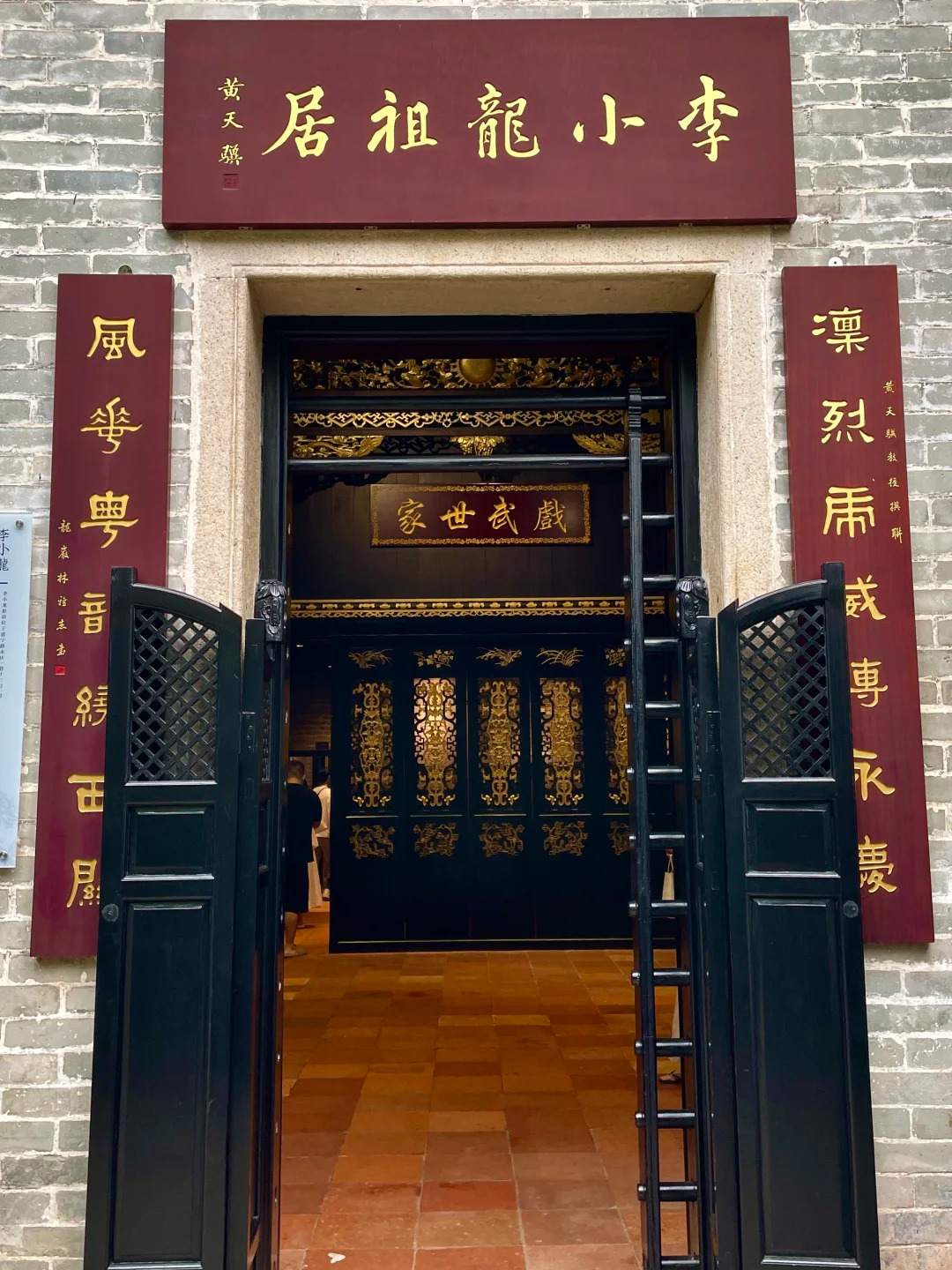
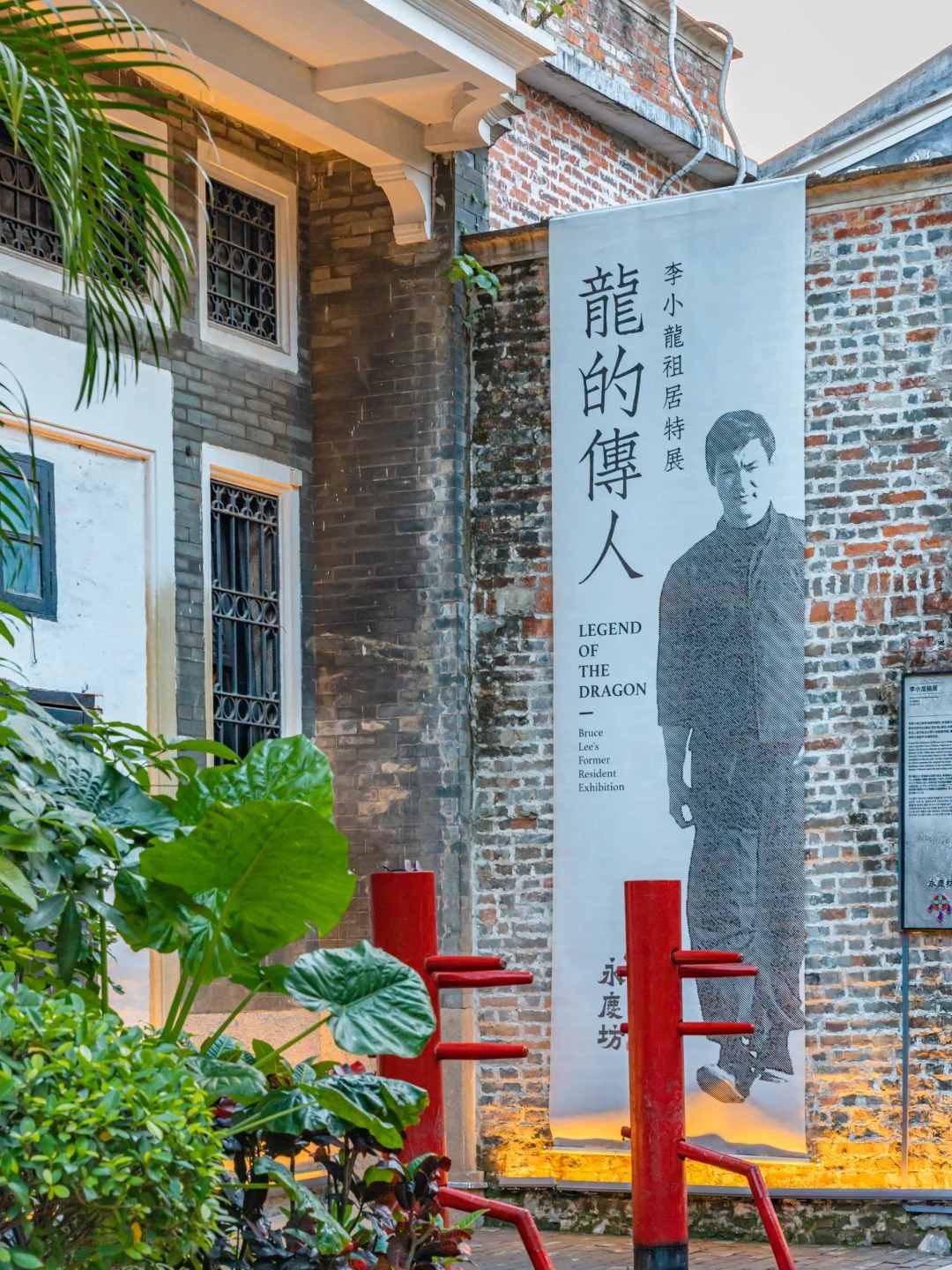
It’s a quick stop, but worth visiting if you’re interested in Bruce Lee, kung fu films, or traditional Xiguan houses.
3. Former Residence of Zhan Tianyou
The Former Residence of Zhan Tianyou, often called the “Father of China’s Railways,” has preserved much of its original Xiguan mansion layout. Inside, you’ll find documents, objects, and displays related to his life.
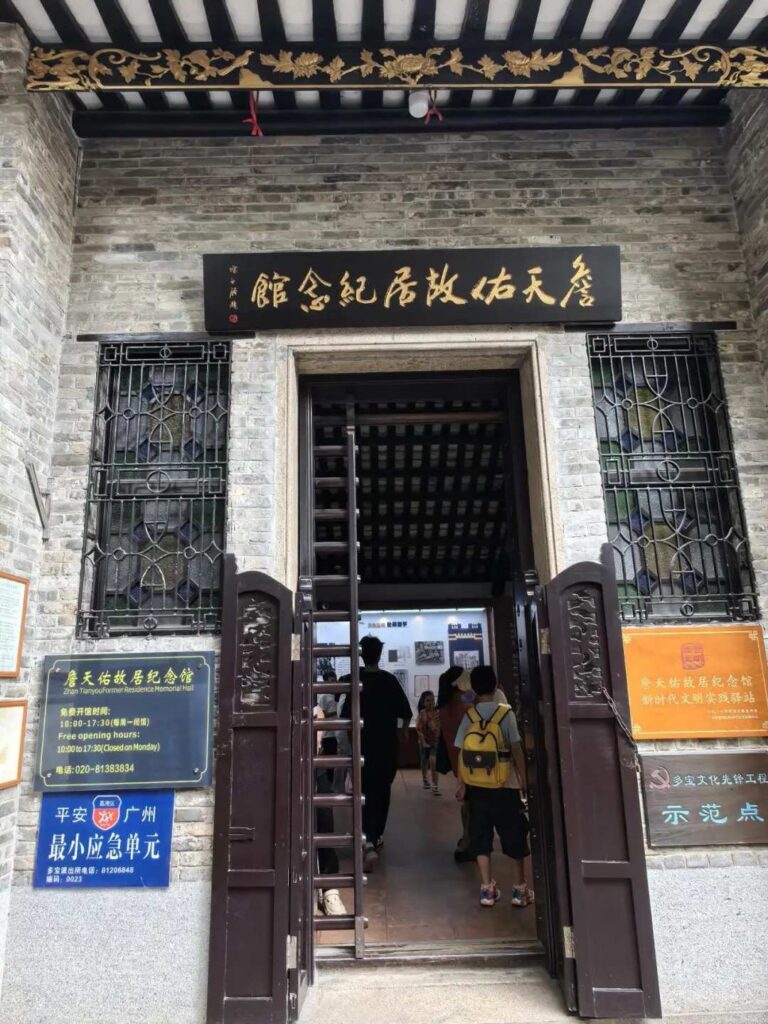
That said, Zhan Tianyou may not be familiar to many international visitors, and not all exhibits have English explanations. It’s free to enter, so it can be worth a quick look if you’re already nearby, but I wouldn’t make a special trip here unless you’re especially interested in Chinese railway history.
If you mainly want to see the inside of a traditional Xiguan mansion, Bruce Lee’s Ancestral Home is probably enough.
4. The Qilou Arcades Around Enning Road
Enning Road is often described as one of Guangzhou’s most beautiful old streets, with a nearly one-kilometer stretch of qilou arcade buildings.
As you walk, you may see older residents hanging laundry, old shops still open for business, and small restaurants that have been part of the neighborhood for many years. It’s hard to find another place in Guangzhou with such a well-preserved yet lively row of qilou buildings.
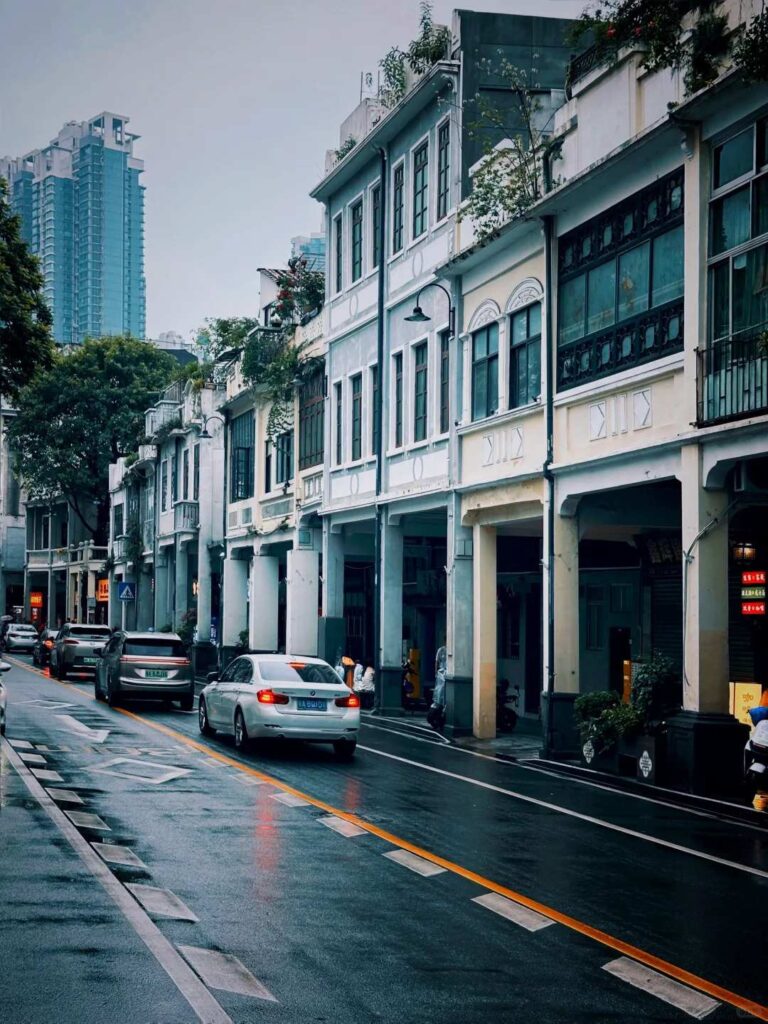
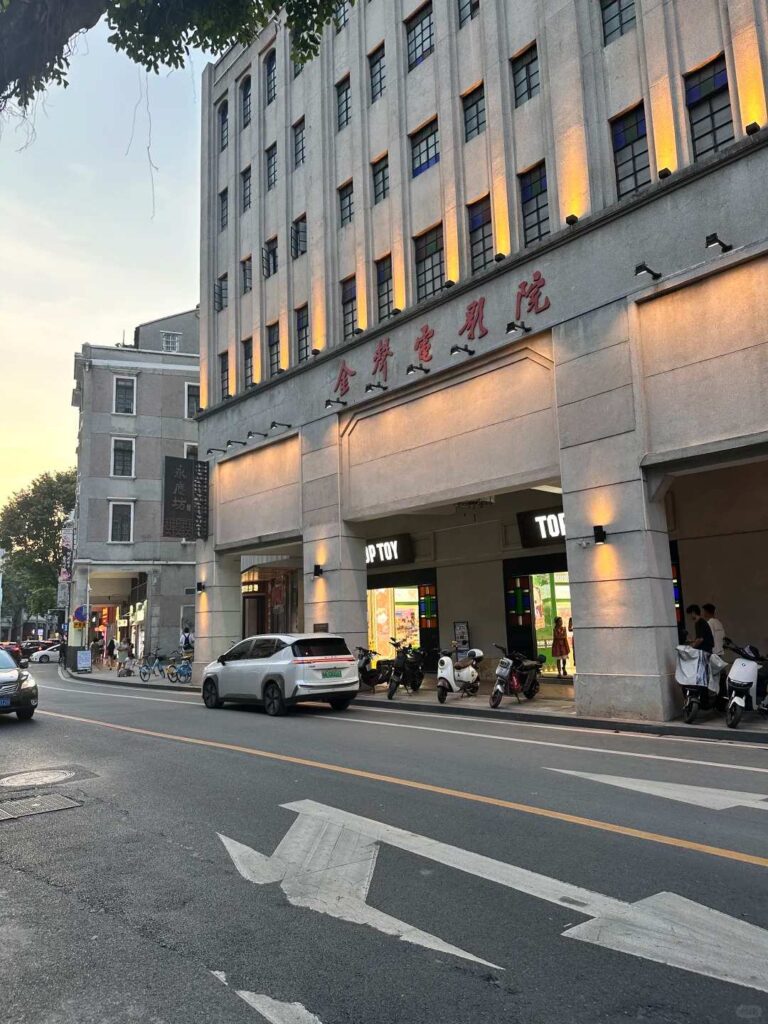
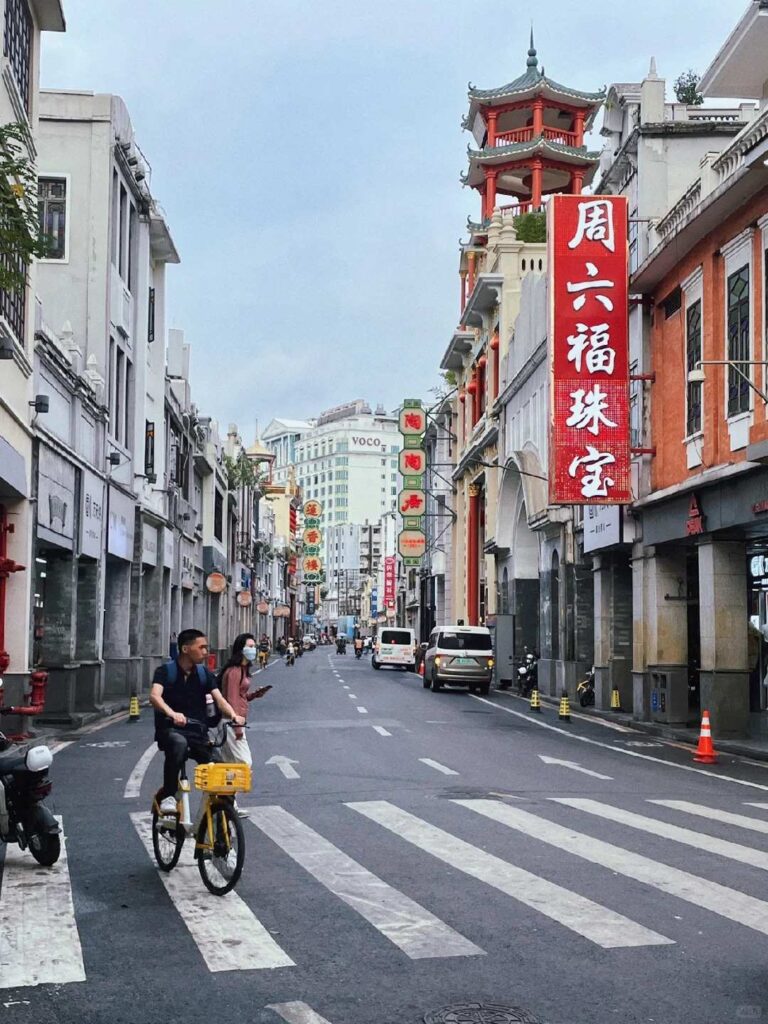
These qilou buildings mix Chinese and Western design elements. Look for details like:
- Covered walkways supported by columns, offering shade and shelter from the rain.
- Facades with carvings and colored-glass windows.
- Old shops and local restaurants along the street.
- Great photo spots, especially if you want to capture scenes of old Guangzhou streets.
Cost: Free. No ticket is required; it’s an open street area.
5. Dieyue Bridge/Moon Bridge
Dieyue Bridge, also known as Moon Bridge, is one of the easiest photo stops to add while you’re exploring Yongqing Fang.

After the lights come on around 7:00 p.m., the bridge arch is reflected in the water, creating a full circle. It looks like a glowing full moon on the water, which is why it draws so many people in the evening.
Best Photo Spots in Yongqing Fang
Yongqing Fang is a great area for photos, especially if you want shots that show unique parts of Guangzhou rather than big city scenes. These are the four spots I’d make time for:
- The qilou facades along Enning Road.
- The Lingnan-style gardens and red walls at the Cantonese Opera Art Museum.
- The reflection under Moon Bridge.
- The waterfront views around the Lizhiwan area.
Where to Eat in Yongqing Fang
Beyond the sights, food is one of the best reasons to leave extra time for Yongqing Fang during your trip to Guangzhou. The area is especially good for classic Cantonese snacks, with many small, casual food shops in and around the neighborhood.
Here are some of the places that I recommend:
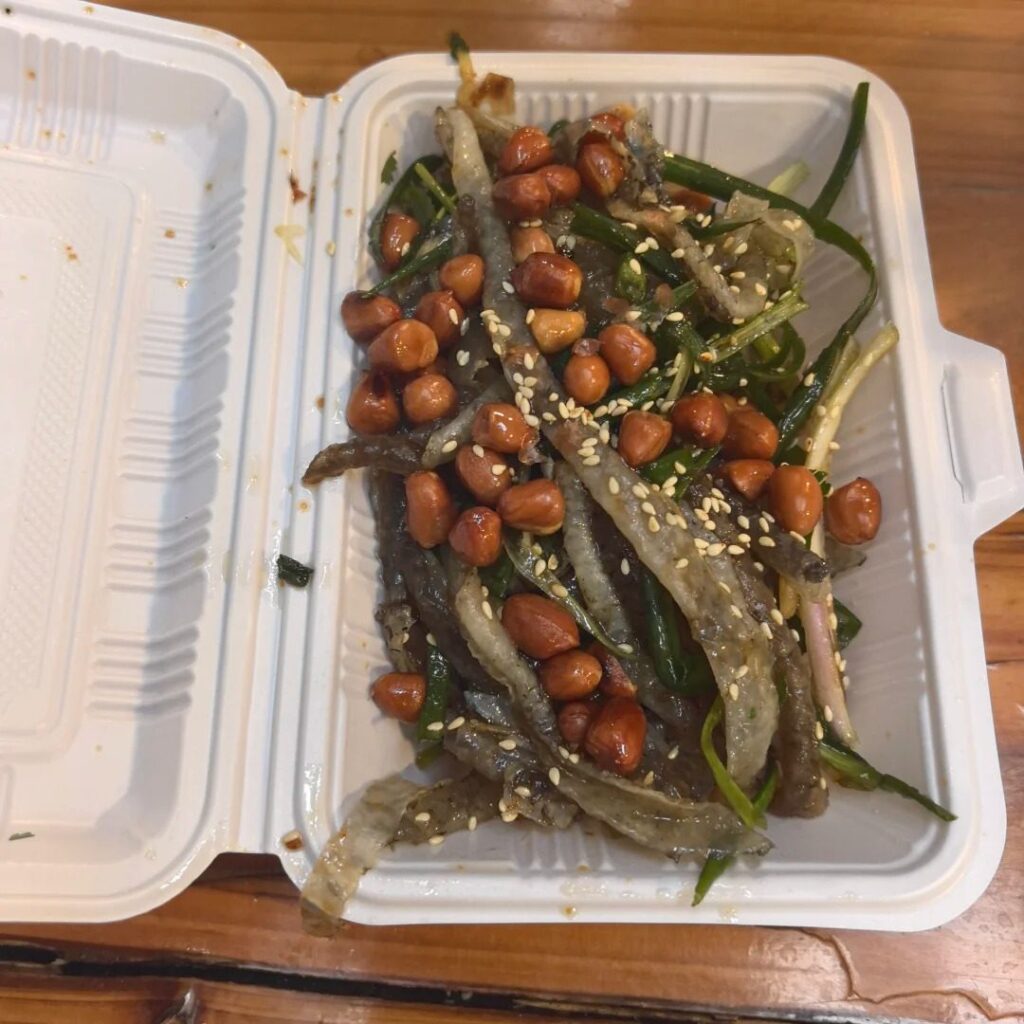
1. Chen Tian Ji Fish Skin (陈添记鱼皮)
This long-running Xiguan shop has been known for its fish-skin dish since 1958. Come here if you want to try something very local and a little different from the usual tourist snacks.
2. Sheng Ji Rice Noodle Rolls (生记肠粉)
The rice noodle rolls and congee (a savory rice porridge) are both good here, and it’s a popular spot for locals too. It’s an easy choice for a simple but filling breakfast or lunch.


3. Kai Ji Desserts (开记甜品)
Kai Ji is best known for its sweet mung bean soup flavored with vanilla and dried tangerine peel.
4. Nanxin Milk Desserts (南信牛奶甜品)
Try the double-skin milk pudding, ginger milk pudding, or mango pomelo sago. They’re classic Cantonese desserts, and especially good if you like smooth, milky textures.
5. Ling Ji (凌记濑粉)

I’d come here to try the Liwan-style lai fun noodles, which are thick rice noodles. It’s a simple local choice with comforting food.
6. Li De Noodle House (丽的面家)

Try the tossed noodles with shrimp roe, bamboo-pressed noodles, pork liver congee, or wonton noodles. It’s a reliable choice if you want a traditional Guangzhou-style noodle-shop meal.
7. Ya Xin Four Seasons Drinks (亚信四季饮)
Their signature mango-coconut milk drink is especially good on a hot day.
8. Renxin Dessert Shop (仁信老铺)
Their double-skin milk pudding is thicker and has a richer milk flavor than some other versions.
Sit-Down Restaurants Near Yongqing Fang
In general, Yongqing Fang wouldn’t be my first choice for a full sit-down meal, mainly because prices here are higher than in many other parts of Guangzhou. But if you don’t mind spending a bit more, there are two well-established restaurants nearby to consider:
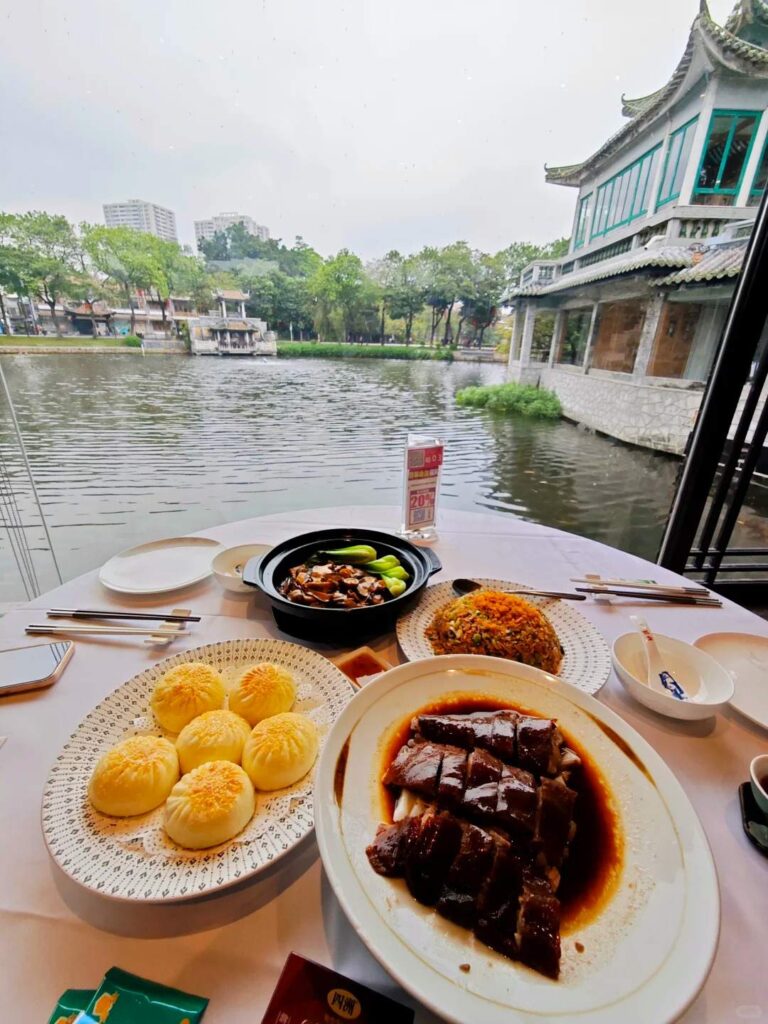
Panxi Restaurant (泮溪酒家)
Panxi Restaurant is an old local restaurant known for classic Cantonese food. The food is good, but the setting is what makes it memorable. The restaurant is inside a garden, so the experience is reflective of traditional Lingnan style.
Tao Tao Ju (陶陶居)
Tao Tao Ju has been around for more than 100 years, and its main location is right next to Yongqing Fang. It’s a good choice for dim sum, known locally as morning tea, as well as afternoon tea or a full Cantonese meal.
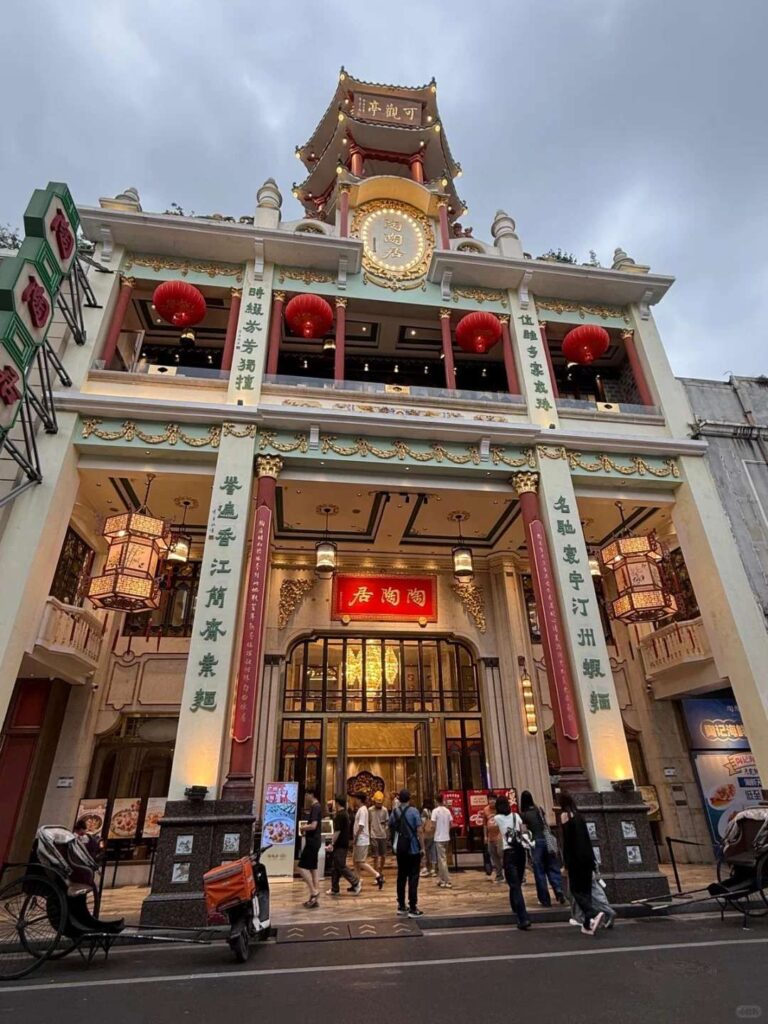
Dishes to consider include seafood red rice noodle rolls (海鲜红米肠), roast goose (烧鹅), chicken feet (凤爪), beef chow fun (牛肉河粉), garlic pork ribs (蒜香排骨), and wonton noodles (云吞面).
Where to Take a Coffee Break
There are quite a few cafés in Yongqing Fang, and most of them are fairly similar in terms of drinks and desserts. If you want one that feels a little more special, I’d choose Qing Hing · Cafe & Bistro, one of the newer cafés in the area. In addition to coffee and cake, you can also get pasta, grilled dishes, and a wider dessert menu.
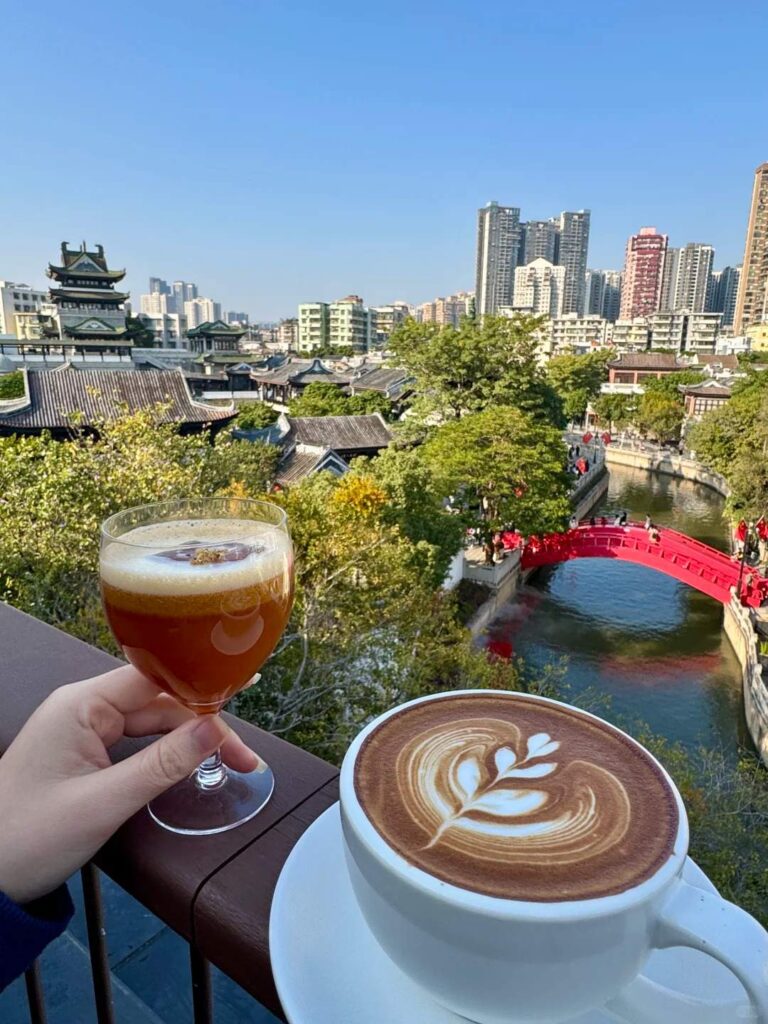
What I like most is the location. The café is on the fifth floor, so you can sit down with a drink or a meal and look out over the streets of Yongqing Fang. It’s relaxed and makes a nice break from walking around.
Shopping Around Yongqing Fang
Sansheng Youxin
This shop sell stationery, postcards, paper goods, and small Guangzhou-themed and Xiguan-themed gifts. Prices are fairly reasonable, so it’s a good place to get small souvenirs or add a few travel stamps to your notebook.
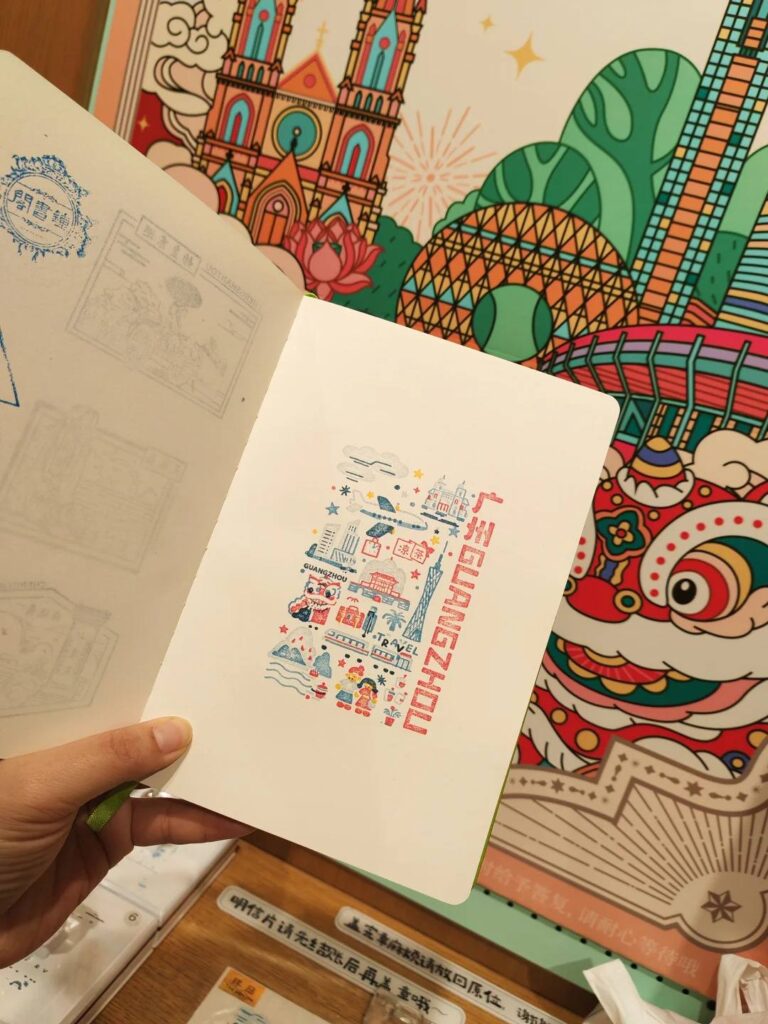
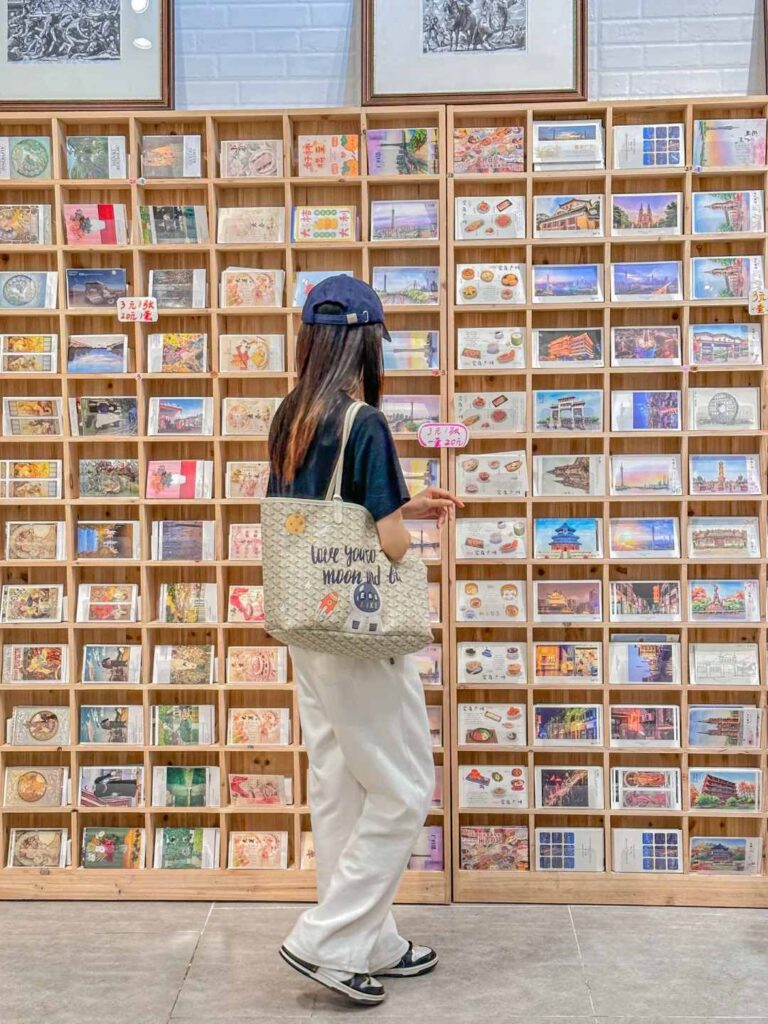
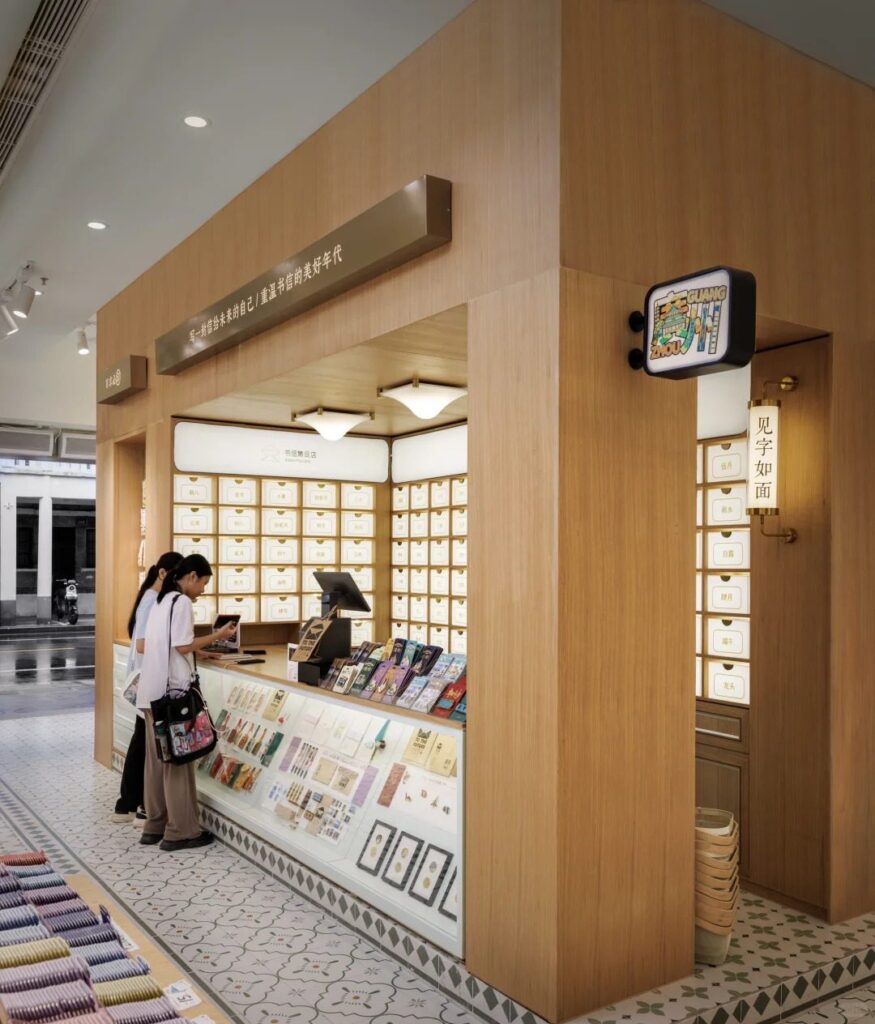
One fun thing you can do here is write a postcard to be mailed to yourself or to a friend. It’s a small souvenir you’re more likely to keep, and I’ve always felt that a handwritten note during travel feels more meaningful than a text message.
Yongqing Fang also has quite a few streetwear shops and small fashion boutiques.
Here are a few worth checking out while you’re in the area:
MASONPRINCE
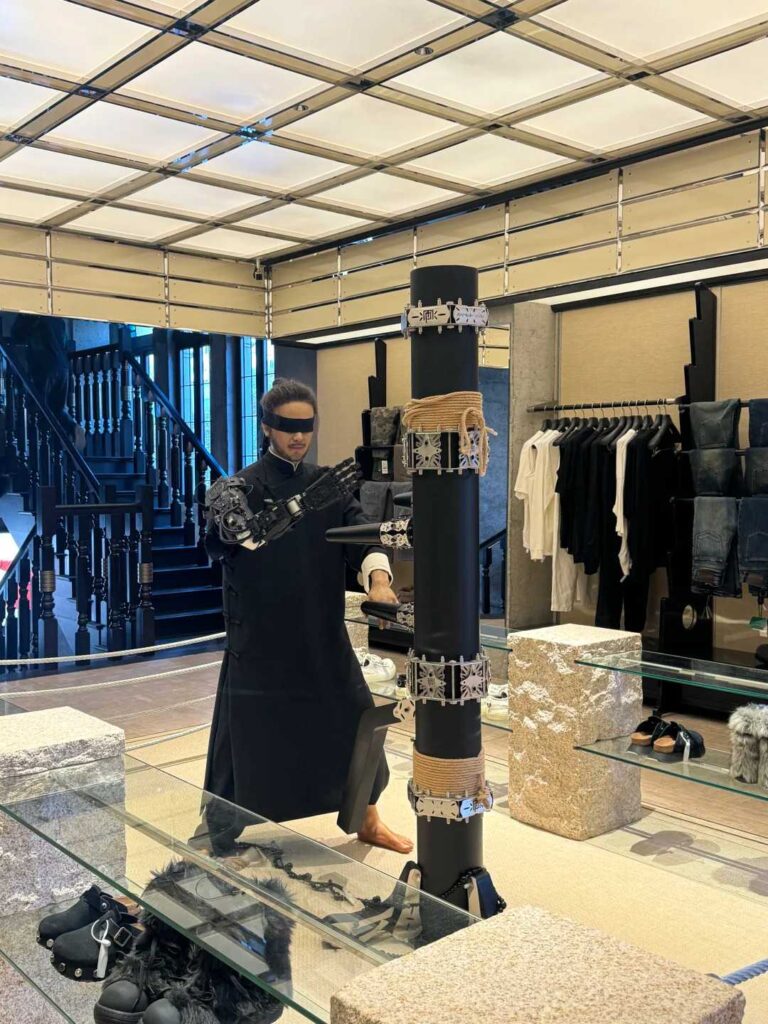
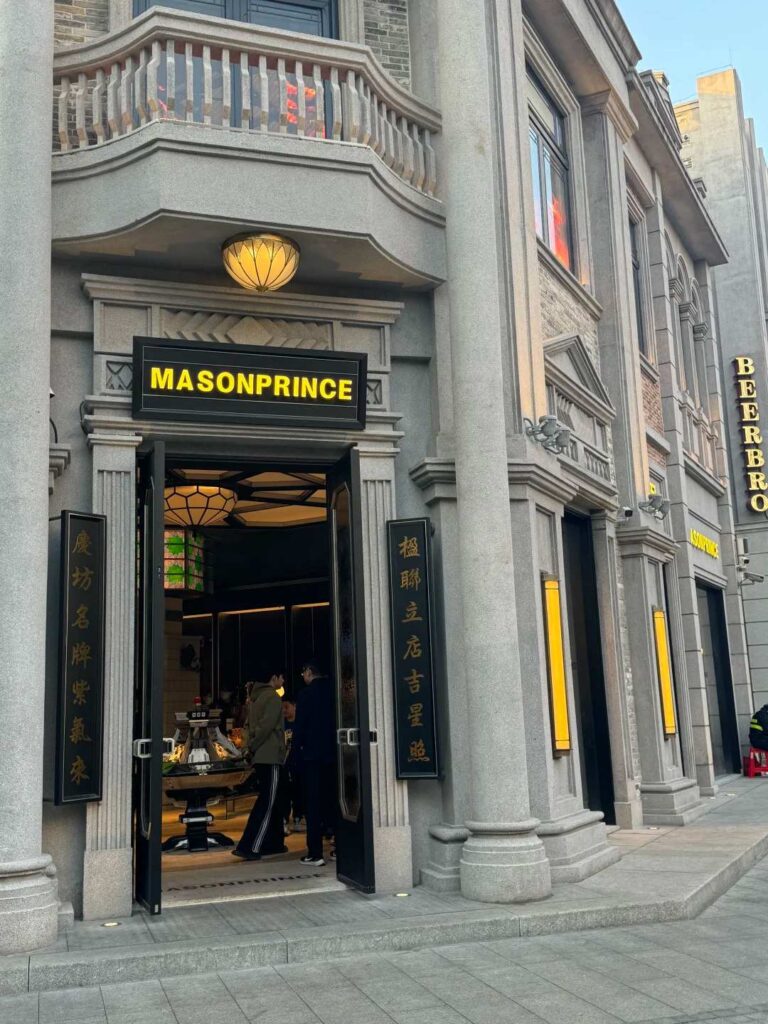
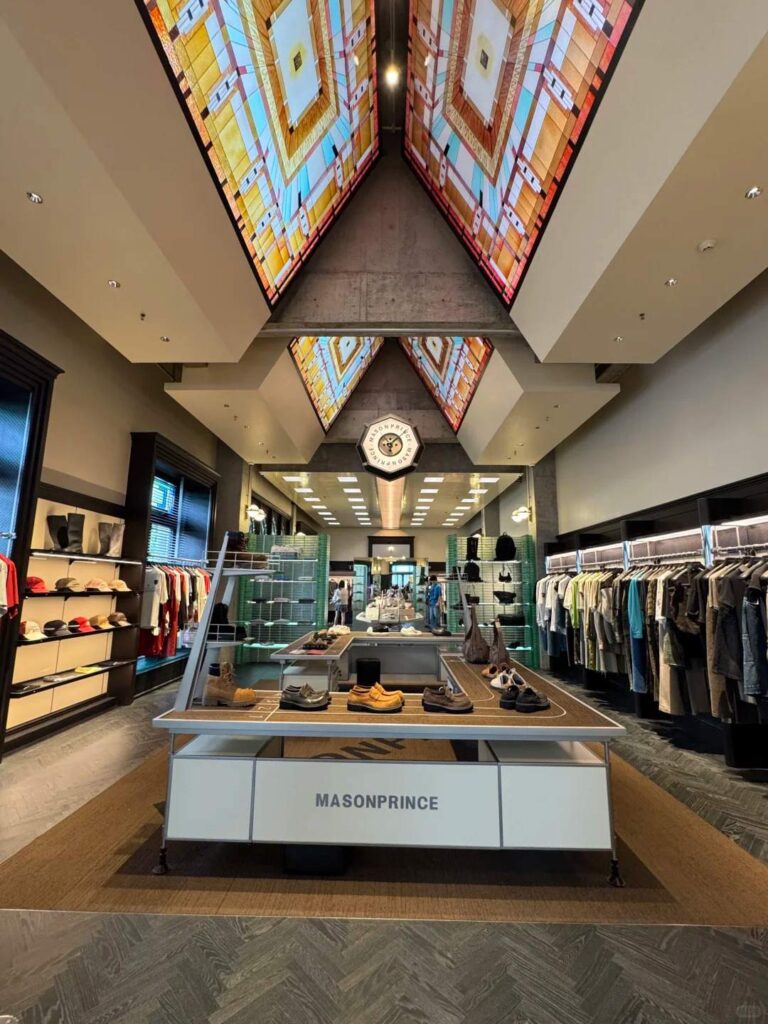
MASONPRINCE is one of the most popular streetwear brands in China, so I recommend it if you like trendy streetwear. The store mixes a vintage-style interior with futuristic displays, so it’s a cool spot for photos even if you’re only browsing.
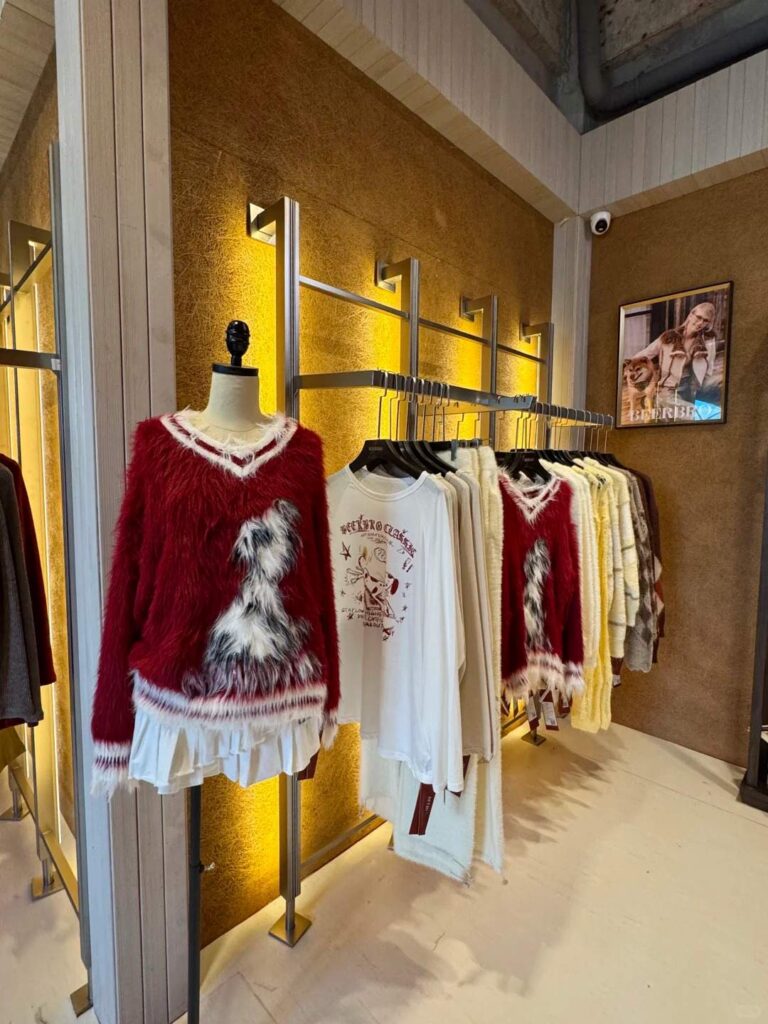
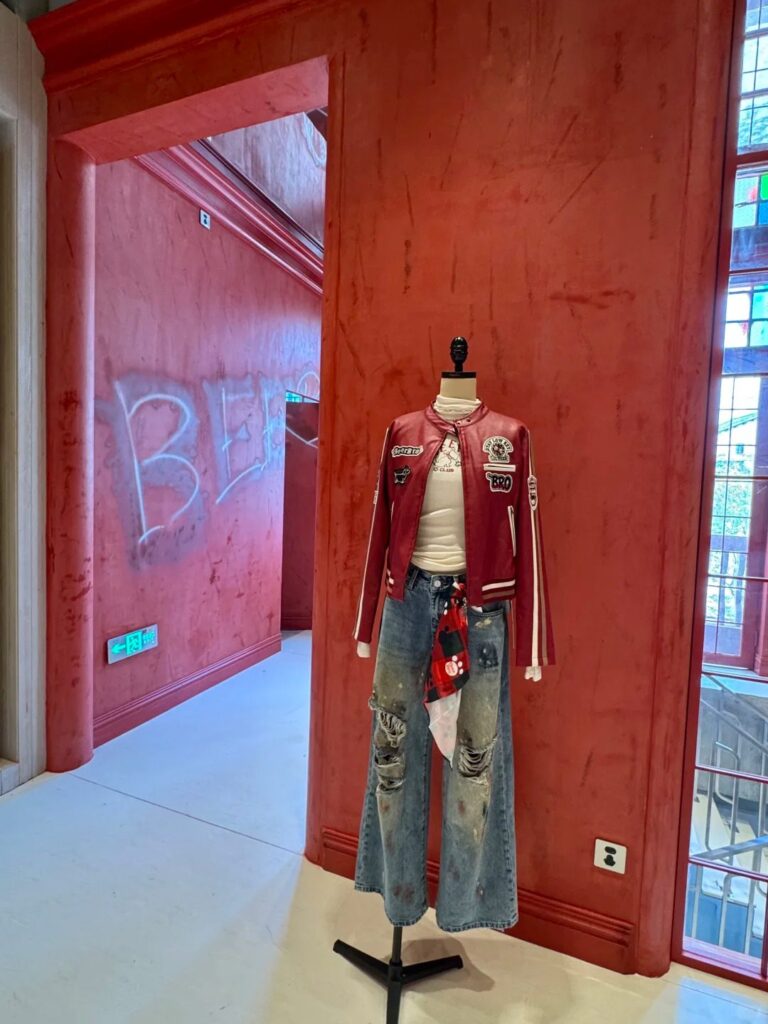
BEERBRO
BEERBRO mainly sells women’s clothing that’s modern and affordable. It’s probably best for younger women, or anyone who likes bold outfits.
BONELESS
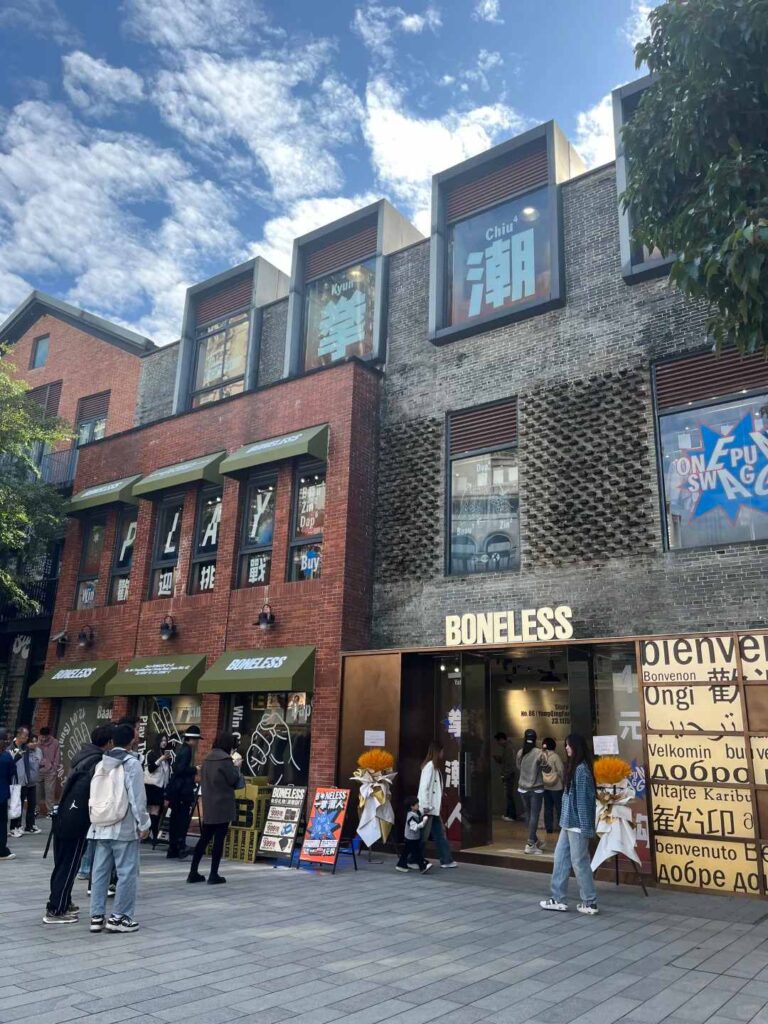
BONELESS is one of the better-known streetwear stores in Yongqing Fang, selling casual streetwear and accessories. The name comes from the skateboard trick “boneless,” so the clothes are mostly casual skater-style.
Of course, there are many other small shops in Yongqing Fang too. Leave yourself a little time to browse as you walk around.
Suggested Walking Route
If you only have half a day, focus on Yongqing Fang itself and skip the sites nearby.
A good half-day route:
Yongqing Fang entrance → Enning Road qilou arcades → Cantonese Opera Art Museum → Moon Bridge
If your schedule allows, I suggest starting around 4:00 p.m, which gives you time to see the area in late-afternoon light and stay until the lights come on. Before dark, it’s easier to see the qilou buildings, narrow lanes, and architectural details, but in the evening, the area has a softer atmosphere. That said, you don’t need to rearrange your day just to make this timing work. Yongqing Fang is still worth visiting at any time of day.
Liwan Lake Park
If you have more time, add nearby Liwan Lake Park to your route as a relaxing stop after Yongqing Fang.
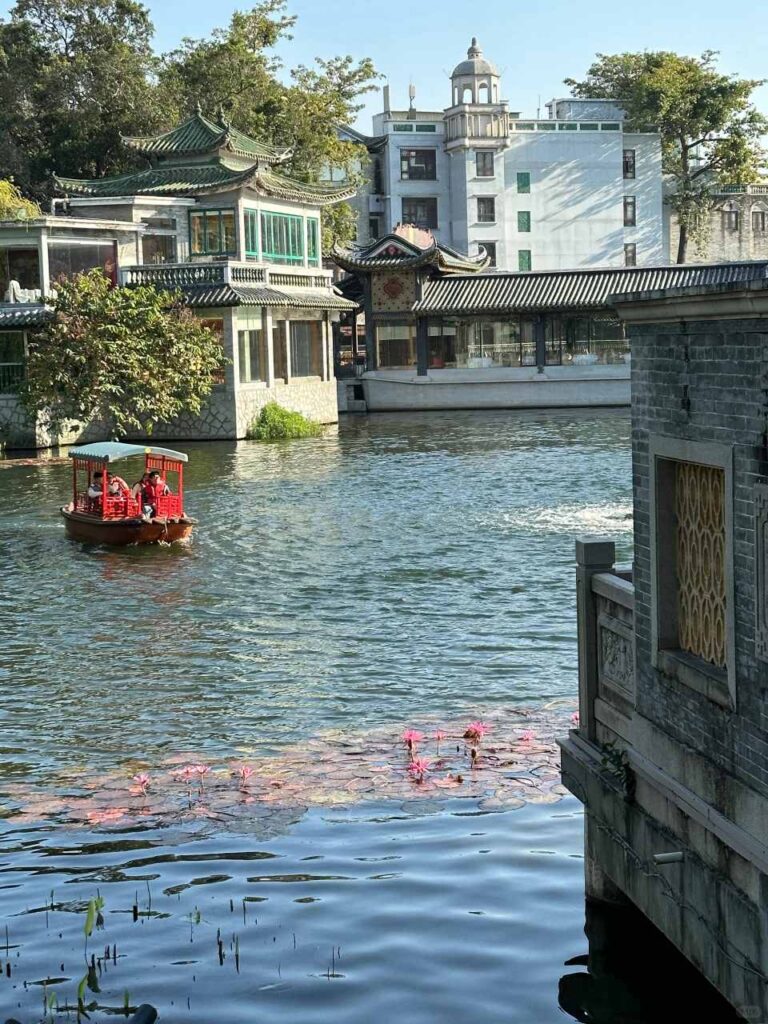
With its lake, bridges, covered walkways, pavilions, and old streets, it has the feel of a quiet Lingnan-style garden. It also still has the old waterside-neighborhood atmosphere that is harder to find in Guangzhou today. You can take a boat ride, or simply walk through the park and enjoy local life by the water.
 Liwan Lake Park
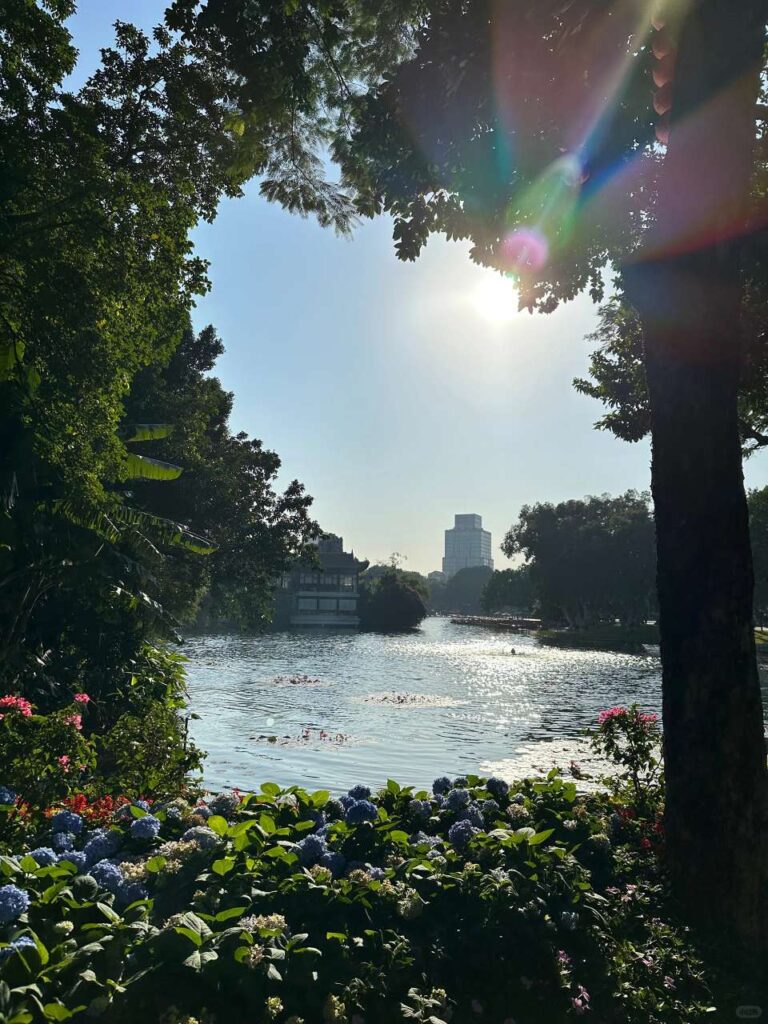 Liwan Lake Park
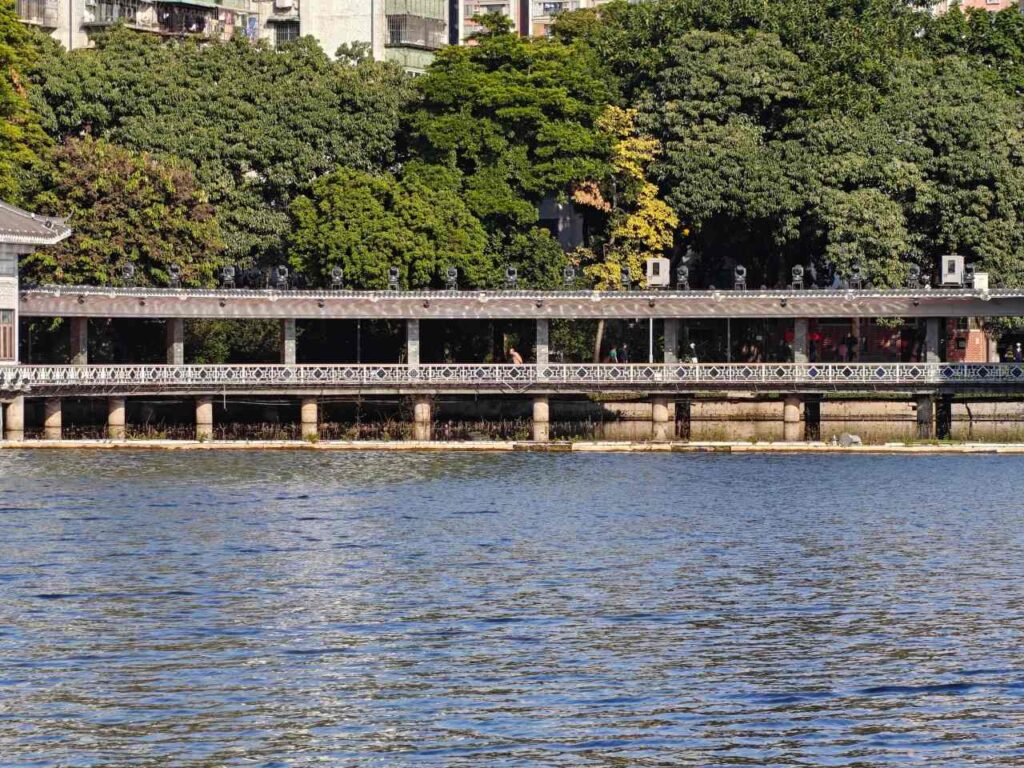 Liwan Lake Park
If you add Liwan Lake Park, a longer route could look like this:
Yongqing Fang entrance → Enning Road qilou arcades → Cantonese Opera Art Museum → Lizhiwan Canal → Liwan Lake Park → Changshou Lu Station
If you still have energy after this route, add Pantang Ancient Village before heading to the metro.
Final Thoughts
Yongqing Fang is one of the places in Guangzhou that I definitely recommend visiting. The area has been revitalized around old Guangzhou’s qilou arcade buildings, but it has kept much of its neighborhood character. It’s historic and full of culture, but still energetic with shops, cafés, restaurants, and local life.
I wrote this guide after visiting Yongqing Fang myself, then added a few extra tips from recent posts by other travelers on Chinese social media. I’ve focused on the places I think are worth your time, whether you want to walk around, eat, take photos, shop a little, or just get a better feel for old Guangzhou. If I come across more interesting shops or useful updates in the future, I’ll add them to this guide.
If you have any questions about Yongqing Fang or traveling in Guangzhou, feel free to leave a comment or get in touch and I’ll do my best to get back to you.
Read More:
Things to Do in Guangzhou
Where to Stay in Guangzhou


