Xintiandi: Modern Shanghai in the Old City
If you want to see an area of Shanghai that feels both historic and modern, Xintiandi is my recommendation. Just south of Huaihai Middle Road, it’s a great place for a walk, a coffee break, or dinner after a day of sightseeing.
It is built around restored shikumen houses, so even though the area is now filled with cafés, bars, restaurants, and boutiques, it still holds on to some of the look and feel of old Shanghai.
Why Visit Xintiandi
Xintiandi does not feel like a historical site separate from the rest of the city. People come here to eat, meet friends, stroll the streets, and spend the evening outdoors. So while the architecture gives you a glimpse of Shanghai’s past, the neighborhood is still lively. And if you are short on time, it is also a quick way to experience different aspects of the city’s culture in one area.
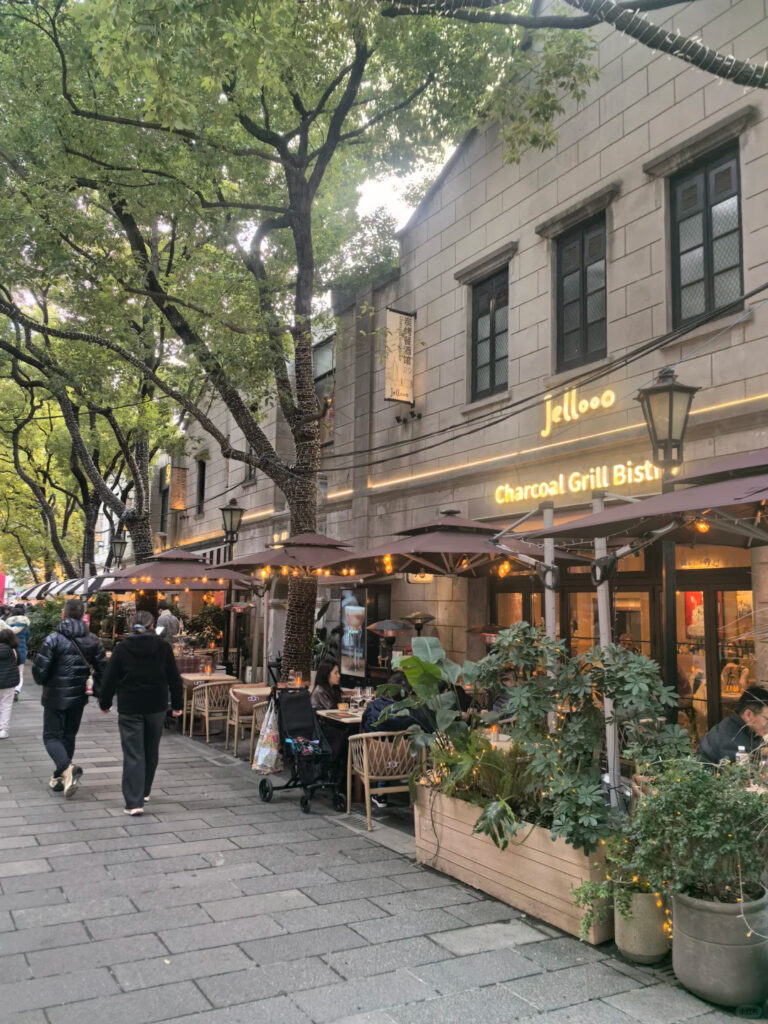
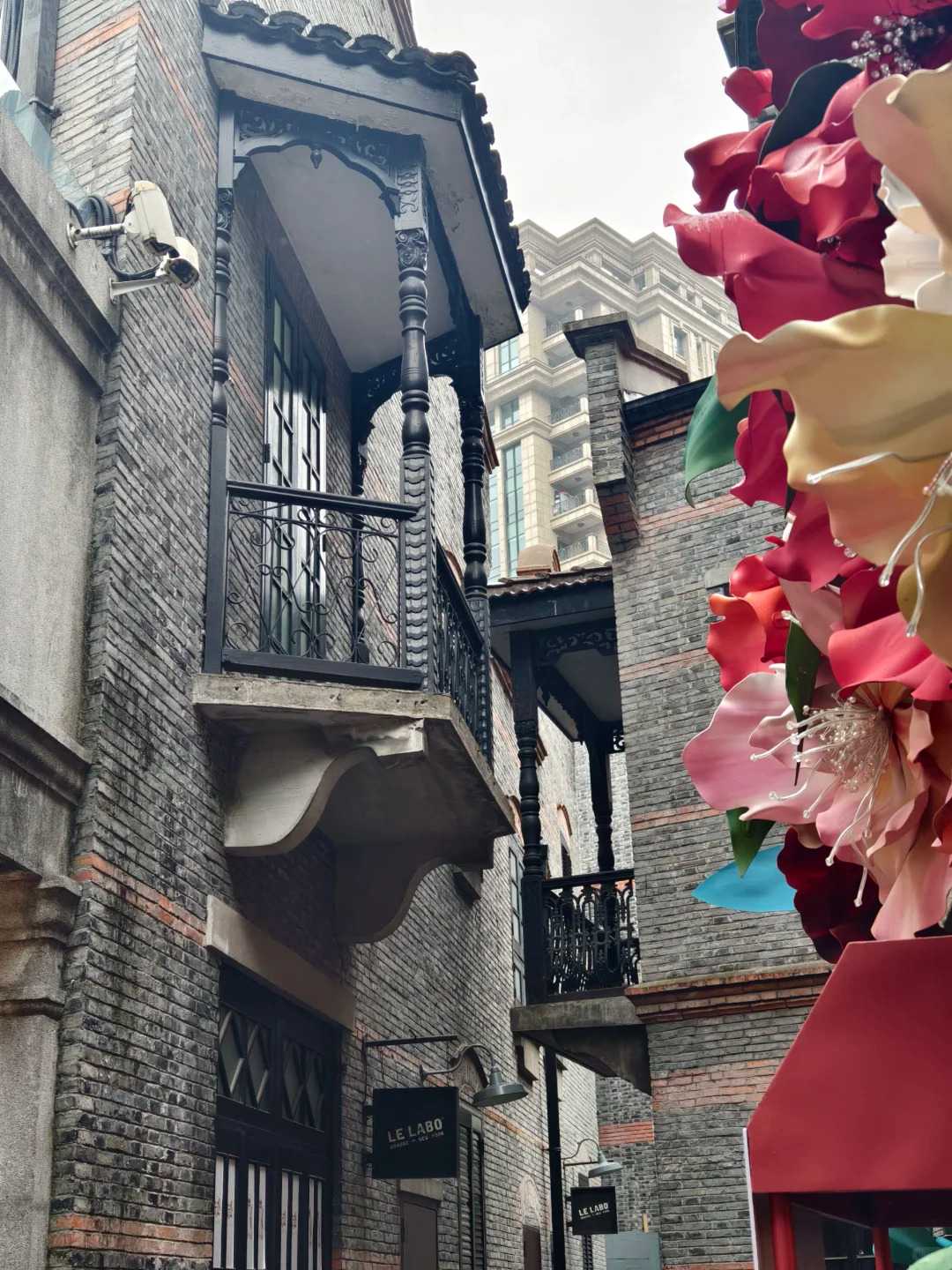
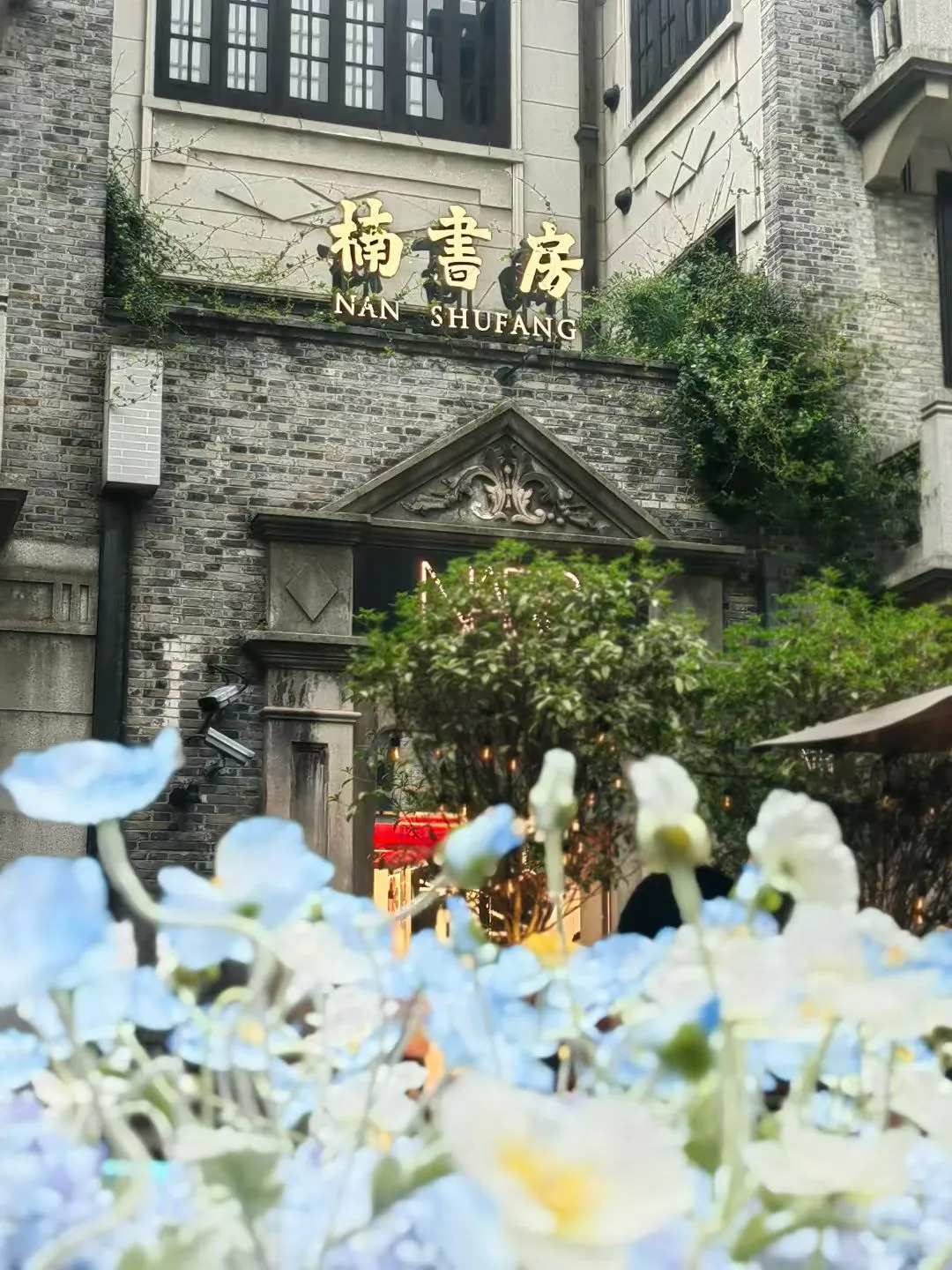
Once you’re in Xintiandi, it is the streets themselves that stand out most, rather than any one particular spot. The narrow lanes, old brickwork, stone-framed entrances, and small architectural details all give the neighborhood a lot of character.
Who Will Enjoy Xintiandi
Xintiandi is a good choice if you enjoy historic architecture, city walks, photography, cafés, bars, or a more relaxed nightlife. It is especially enjoyable for first-time visitors to Shanghai, couples, friends traveling together, and anyone looking for a casual stop between bigger tourist sites.
If you are more interested in classical Chinese gardens, temples, or streets of local snacks, this probably would not be the first area to prioritize.
Shikumen Houses
The shikumen houses are a big part of what makes Xintiandi memorable. One of Shanghai’s most distinctive traditional housing styles, they are characterized by red-brick walls, black wooden doors, and heavy stone doorframes, sometimes with decorative Chinese details carved above the entrance.
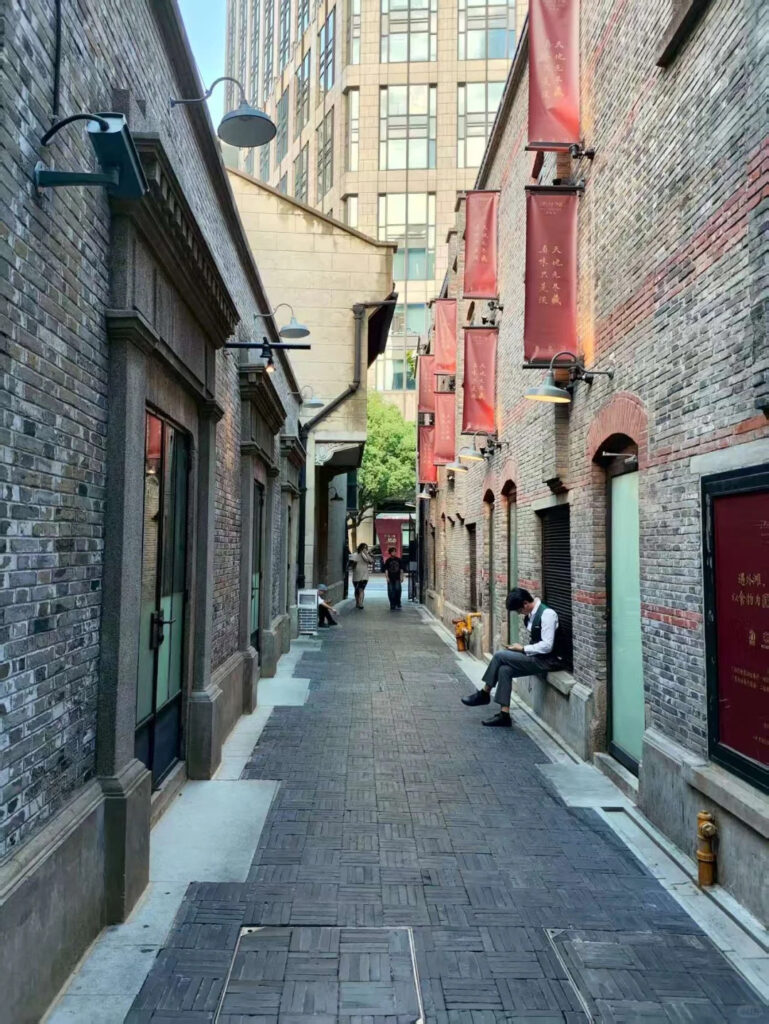
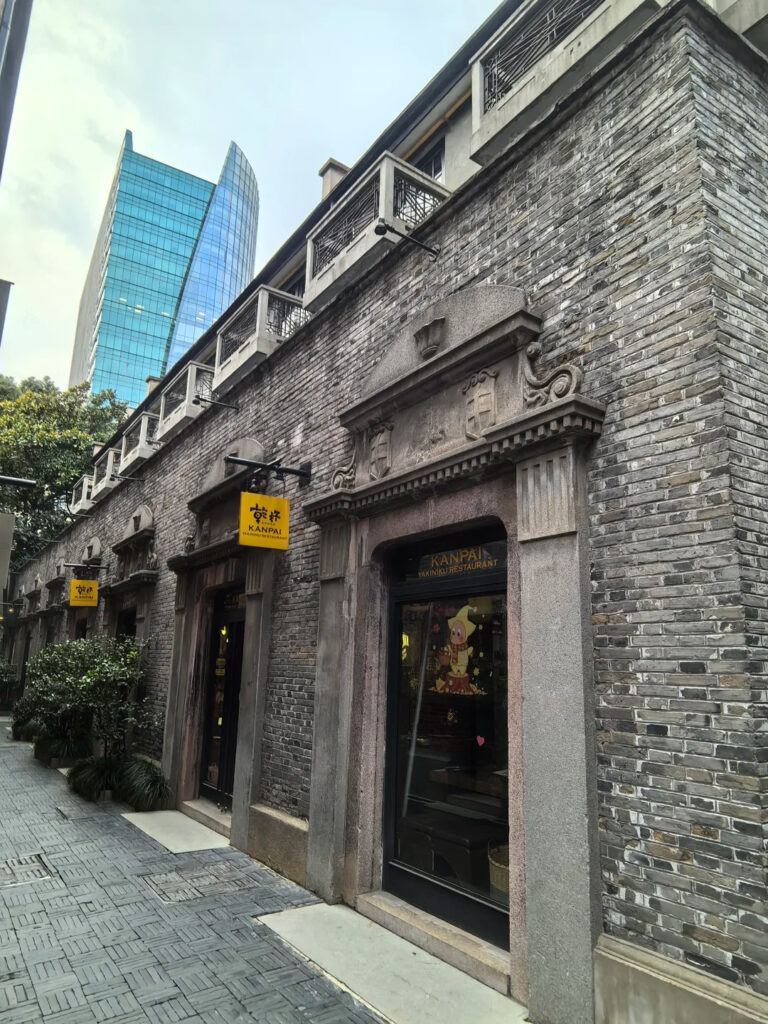
First built in the late 19th and early 20th centuries, shikumen houses were once home to many Shanghai families, which is part of what makes them so interesting today. Their design blends elements of a traditional Chinese home with a Western row house, a style that is common in Shanghai architectural style.
What I like most about shikumen is that it’s very different from the historic architecture many travelers expect to see in China. In contrast to some popular tourist sites, these houses represent the authentic history of Shanghai.
Site of the First CPC National Congress
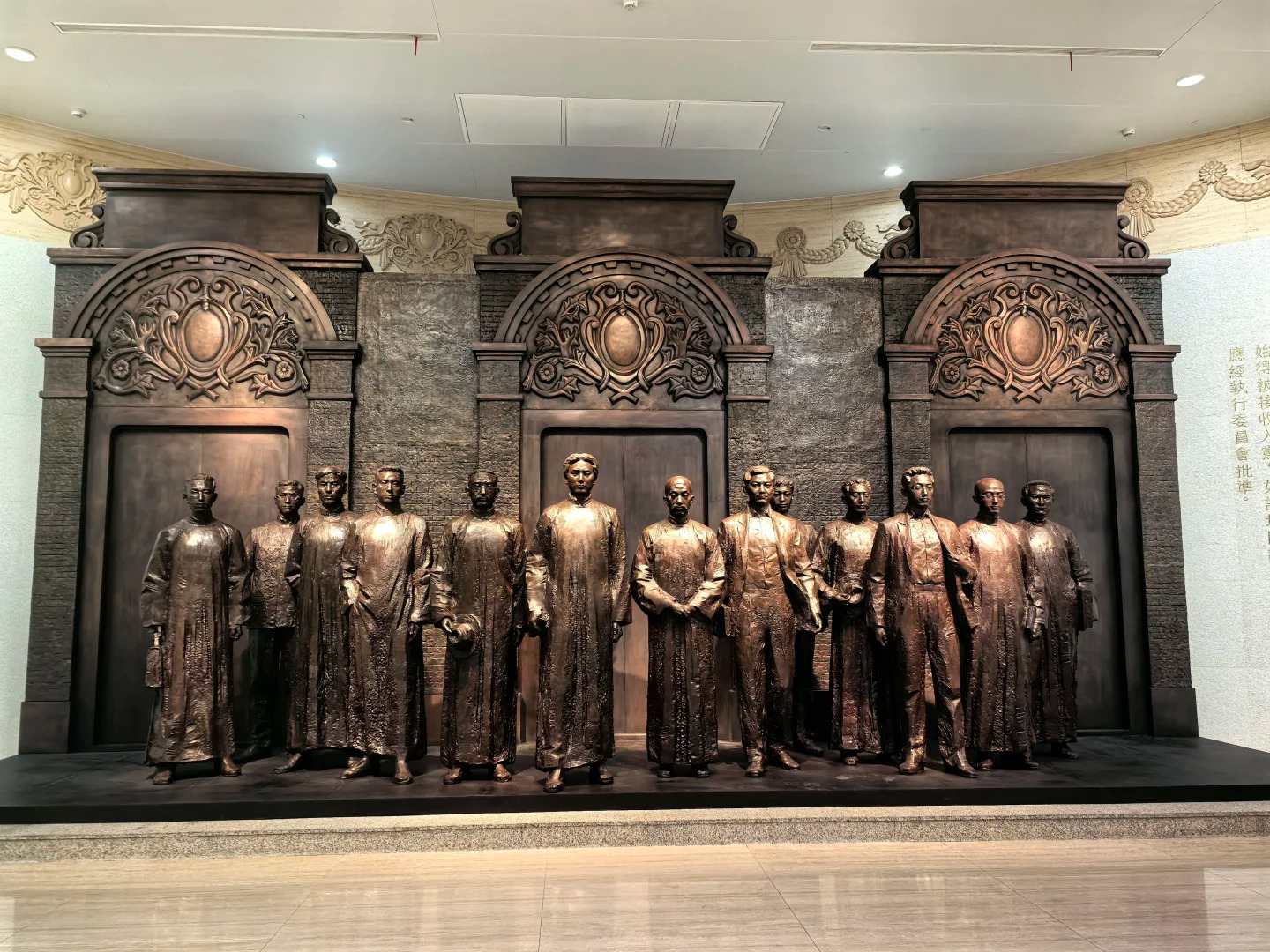
Near Xintiandi, there is another historical site that I suggest adding to your walk: the former site of the First National Congress of the Communist Party of China. In 1921, the meeting was held in a nearby shikumen building. For visitors who want to better understand modern Chinese history, this is an interesting place to check out.
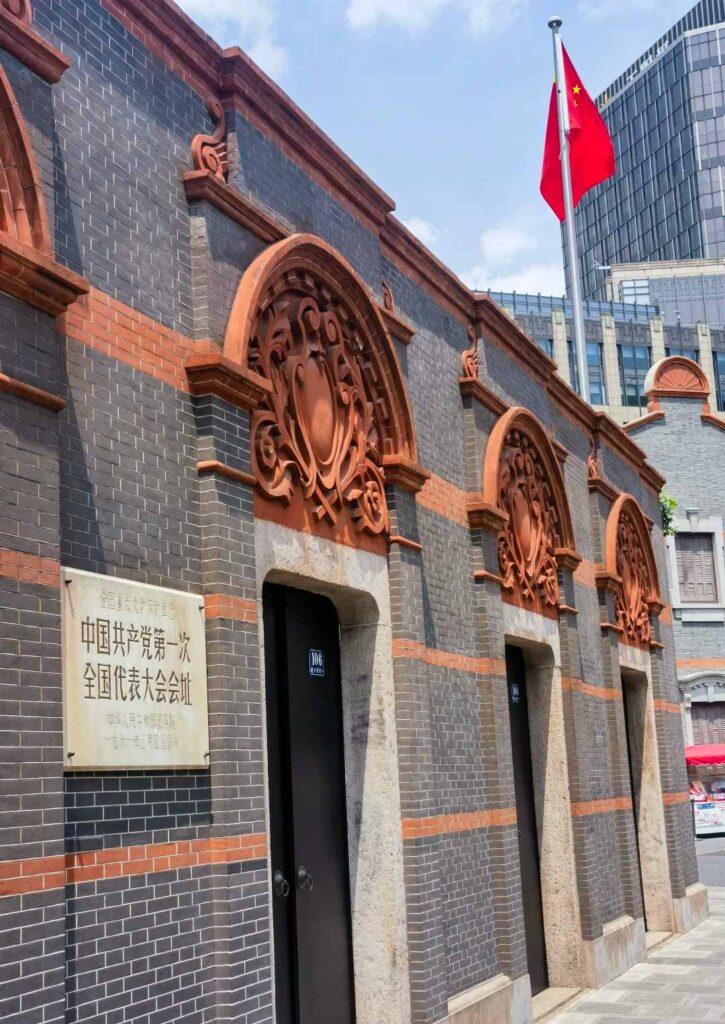
Inside, the rooms are simple, with modest furnishings and historical photographs. The space is small, but in an ordinary shikumen residence like this, a meeting took place that would shape the course of modern Chinese history.
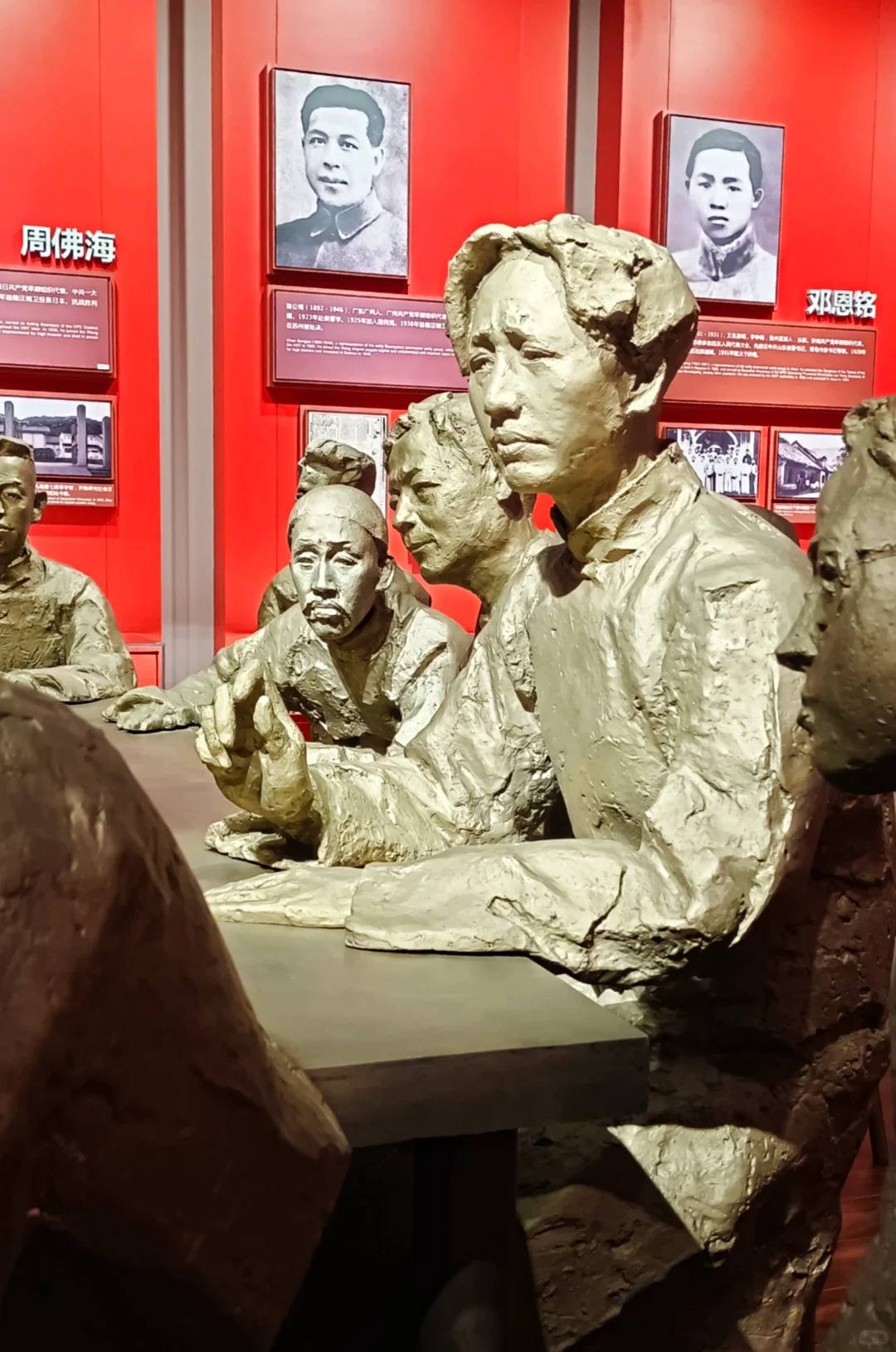
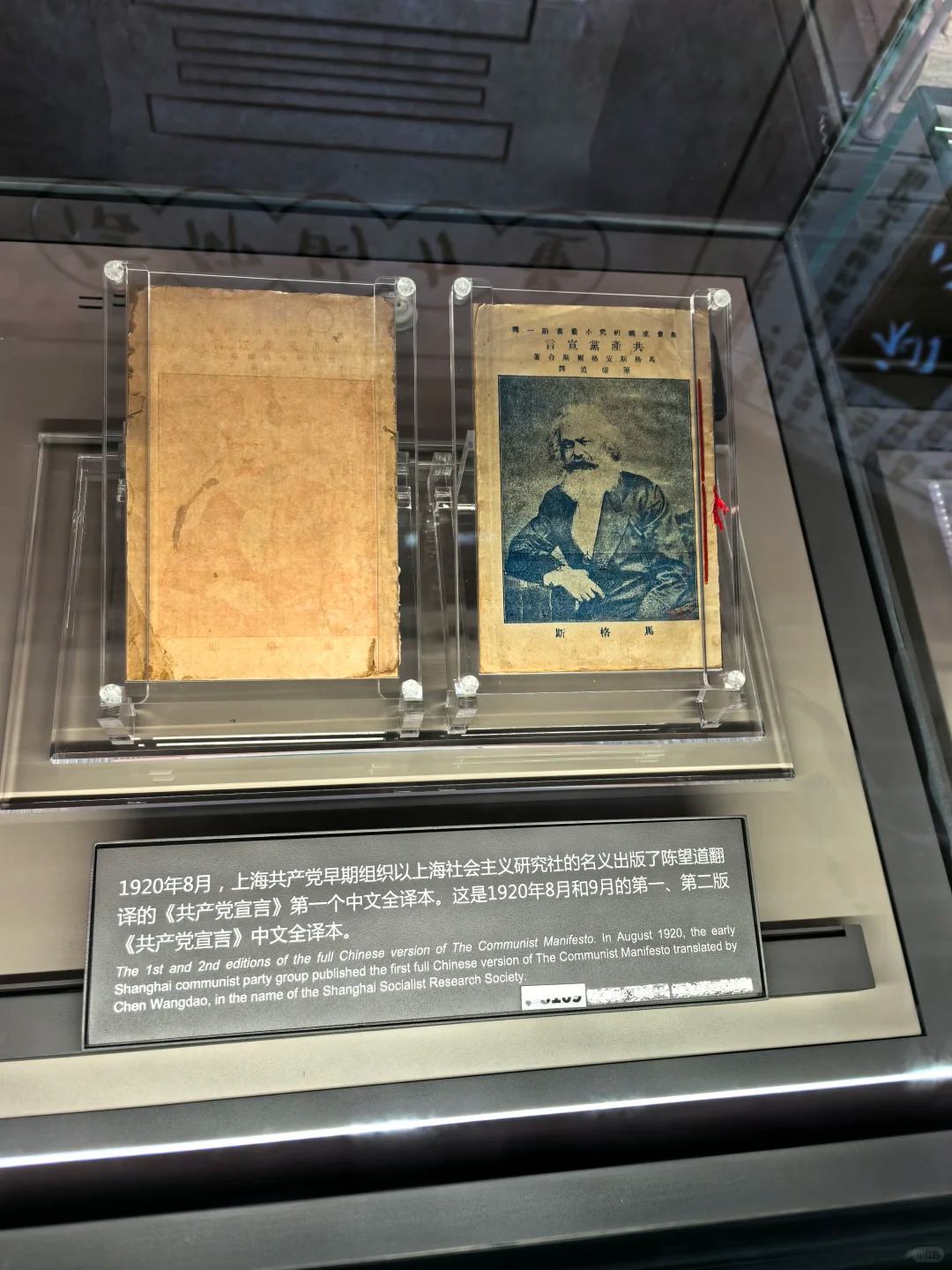
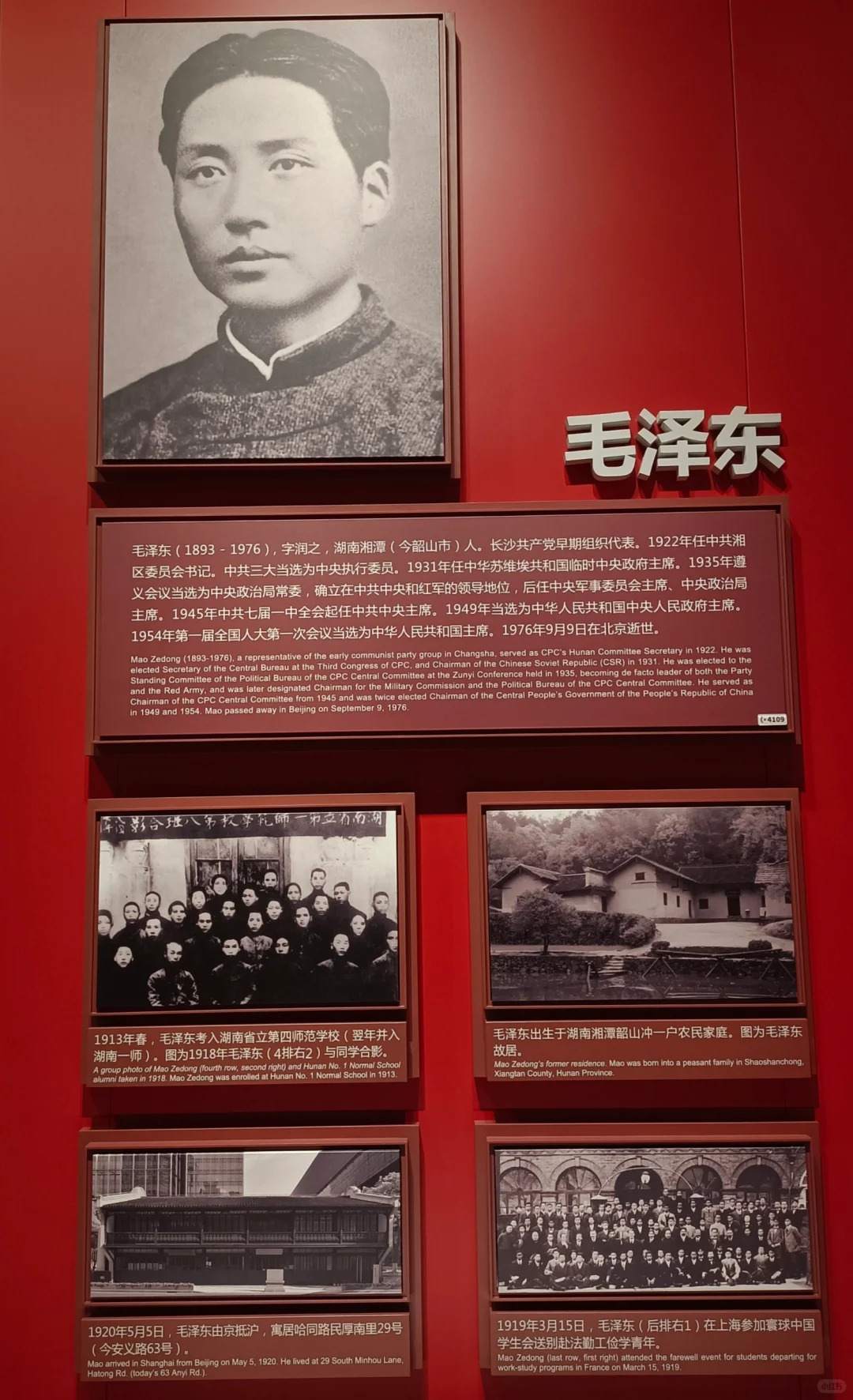
The exhibition halls include artifacts, photographs, and documents that help explain the background of the Party’s founding years. Many of the displays have both Chinese and English captions, so it’s enjoyable even if you do not read Chinese. If you are interested in the origins of the Communist Party of China and the historical importance of the site, it is worth adding to your Xintiandi visit.
How Xintiandi Became What It Is Today
As Shanghai modernized, Xintiandi was redeveloped in a way that kept the original shikumen facades. Since opening in 2001, it has become one of the city’s best-known neighborhoods, and a big part of its appeal is the way old and new Shanghai exist together.
Xintiandi is divided into two main sections: North Block and South Block. North Block is better if you are most interested in shikumen architecture and the history of the neighborhood, though there are still many upscale restaurants and well-known stores. South Block is more modern, relaxed, and artsy, with more restaurants, shops, and outdoor seating in one area. If you have time, I do suggest seeing both sections to experience different versions of Xintiandi.
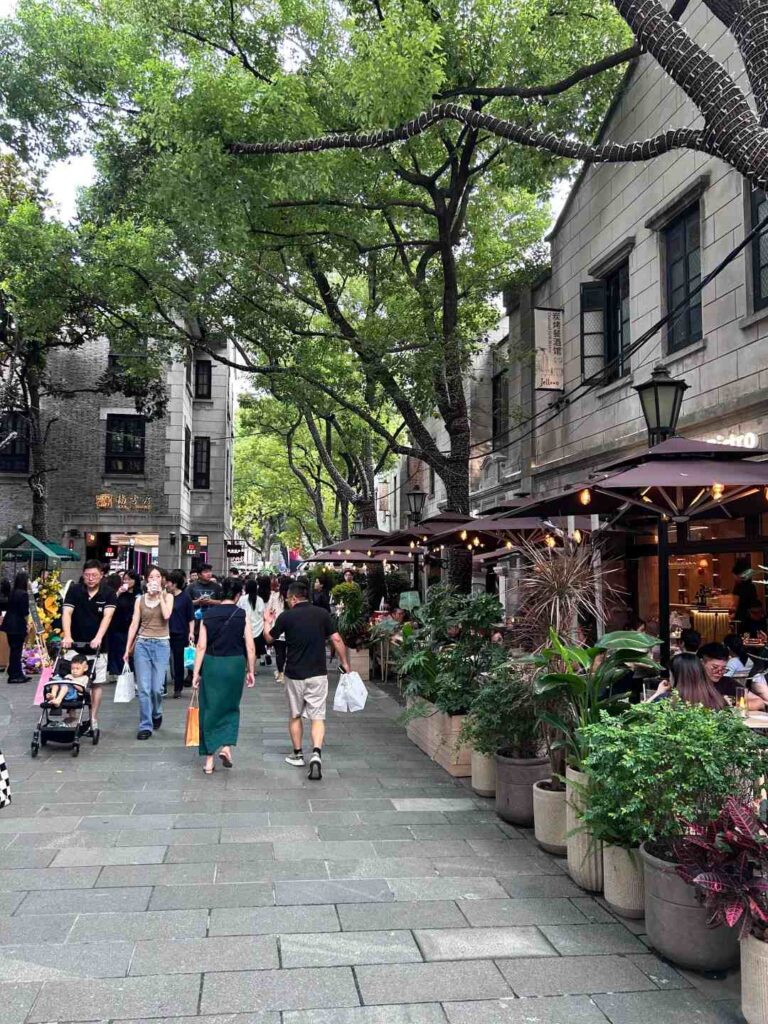
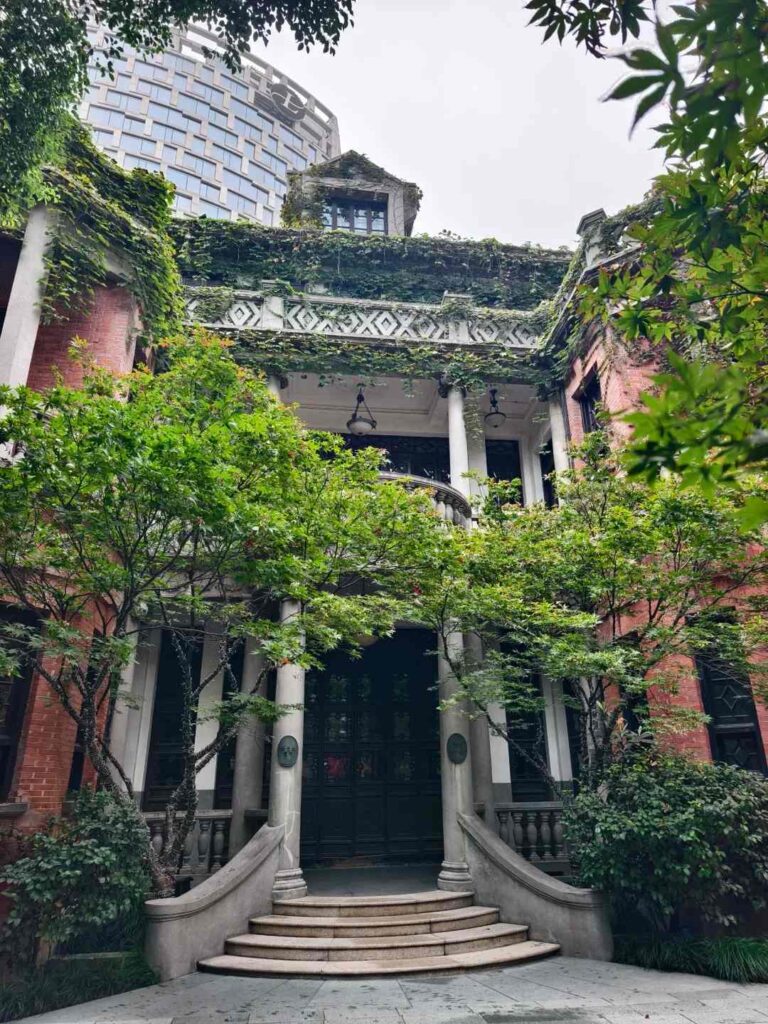
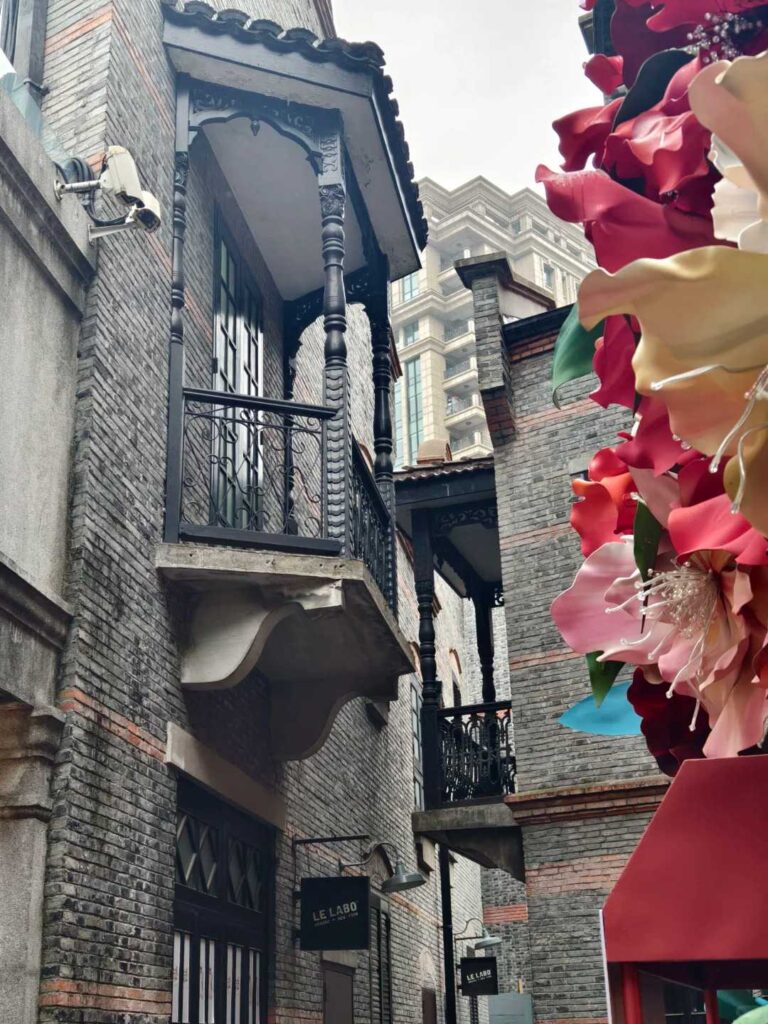
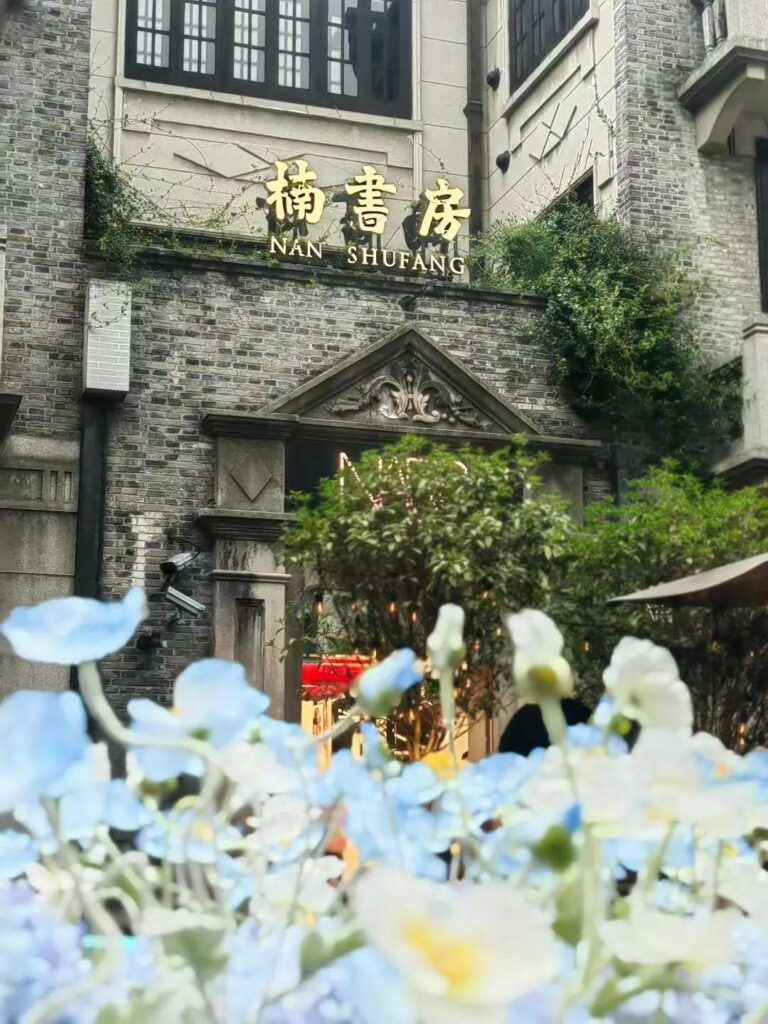
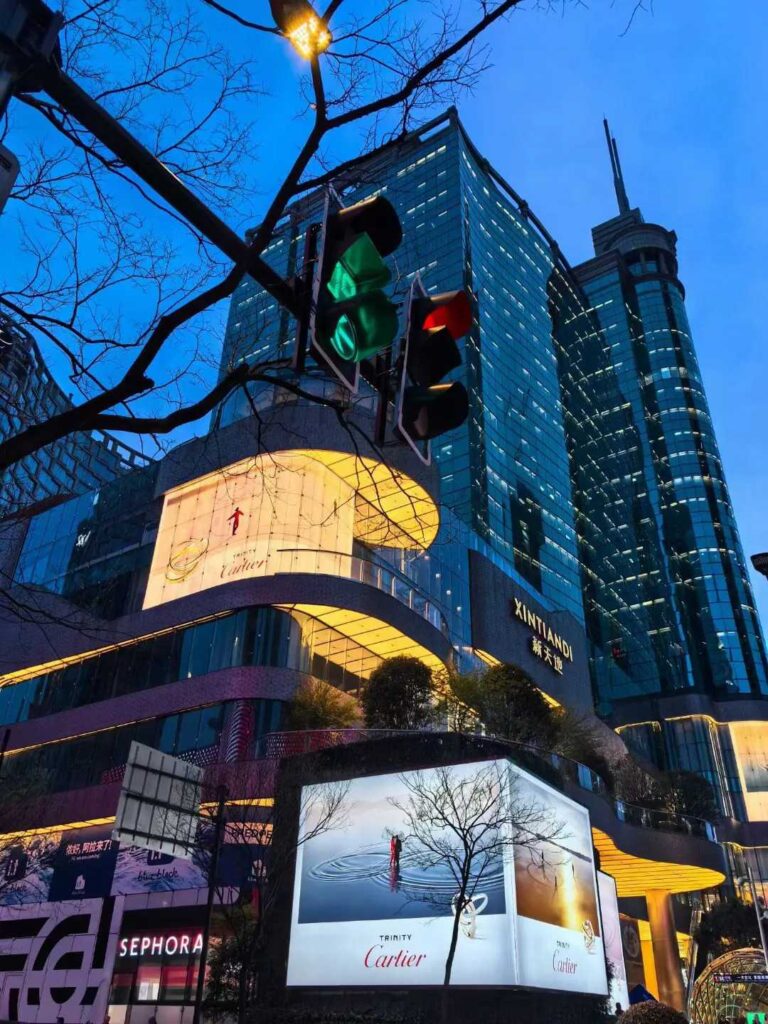
One of the things I like about Xintiandi is that it is not a generic shopping district. There are luxury brands, cafés, fragrance shops, and beautiful storefronts, but the neighborhood still has its own unique character.
On one side, there are the stone shikumen houses and quiet pedestrian lanes. On the other, there are glass offices, bright screens, and modern buildings. This shift in style and age makes the area distinctly Shanghai.
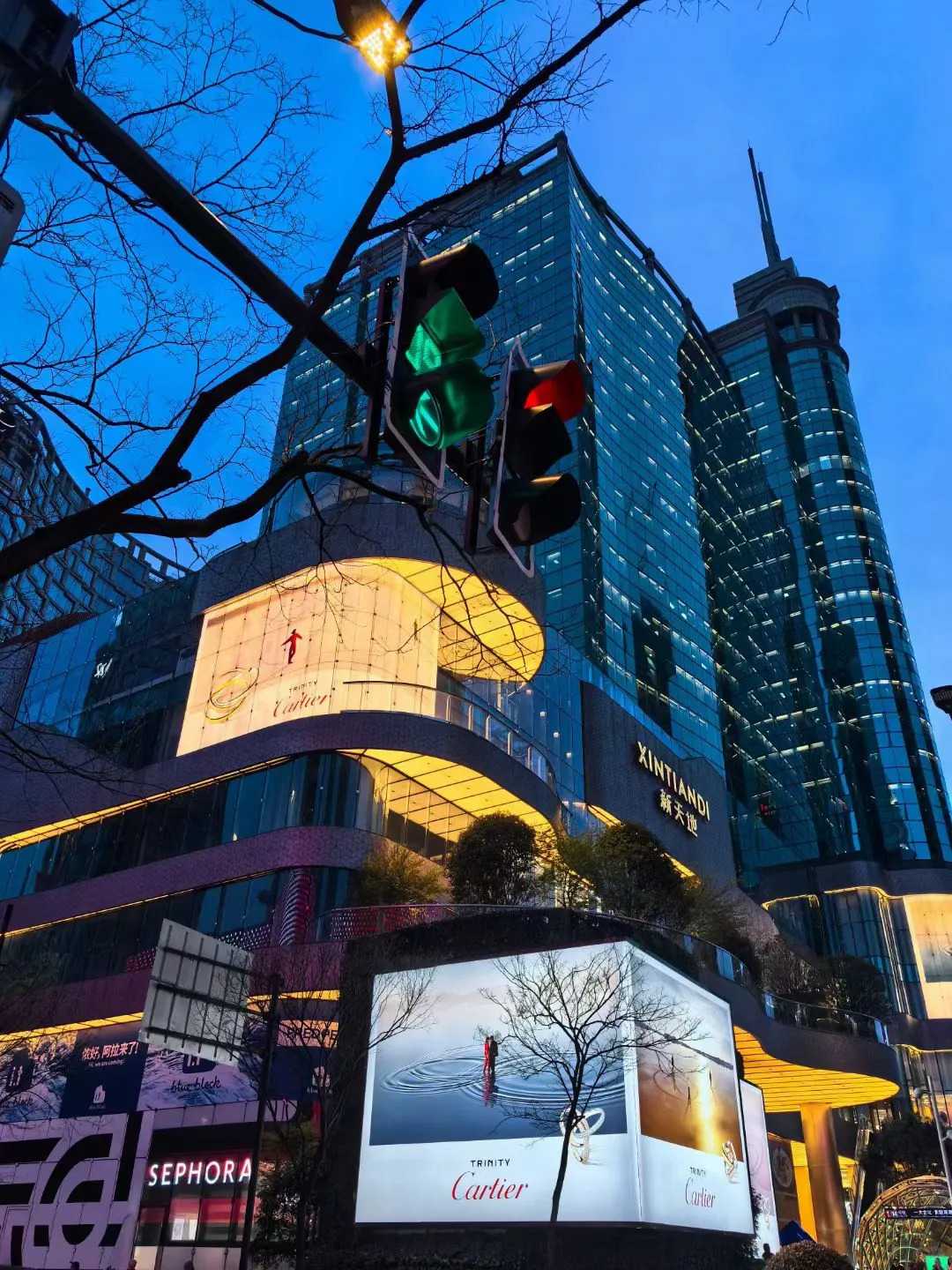
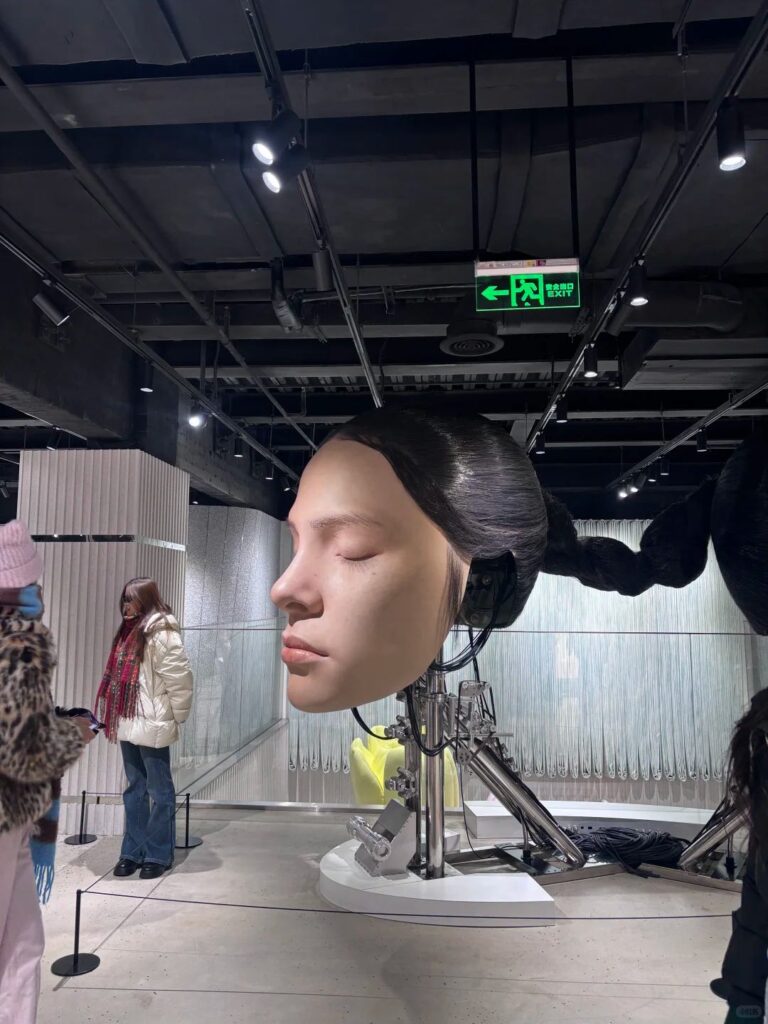
Some of the shops are memorable for their interiors, too. One eyewear store, for example, looks like an art installation, with bold displays and a giant human face inside that stands out when walking by.
The fragrance shops also tend to draw people in. Some visitors stop to try a few scents, relax in the chairs outside, and take photos before. This relaxed atmosphere is part of what gives the neighborhood its easygoing charm.
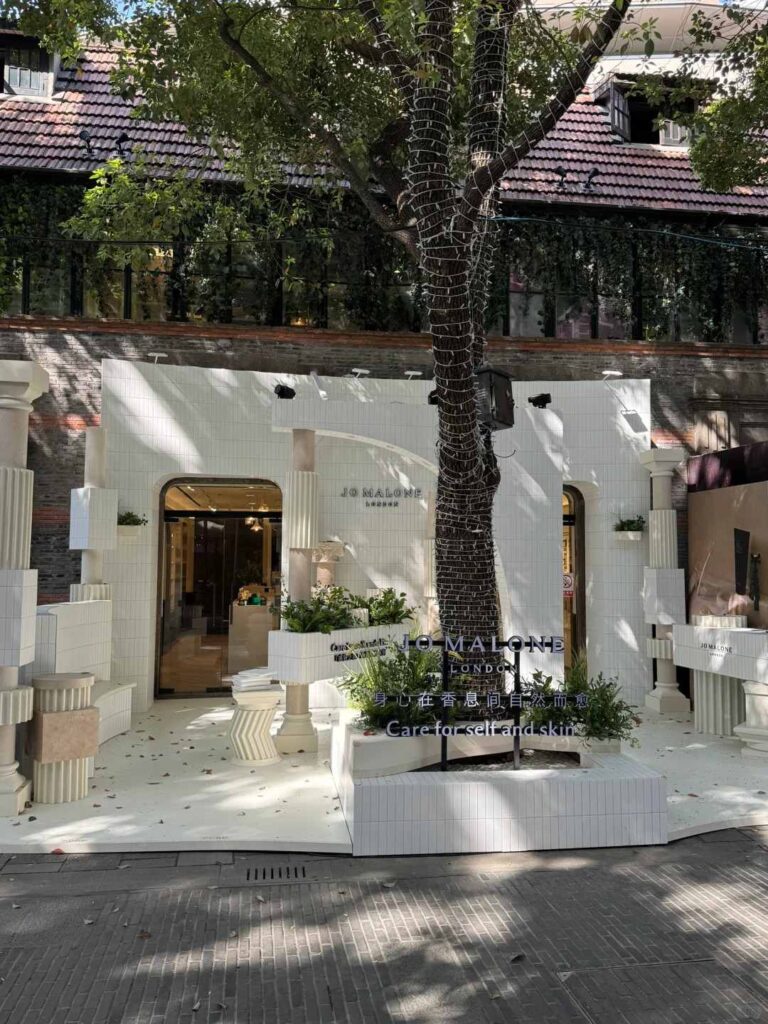
Xintiandi is memorable for its unique combination of architecture, cafés, and street life. The patios are filled with people, the smell of coffee is ever-present, and everywhere you look, old Shanghai and modern city life exist together.
A Good Place for Coffee, Dinner, or a Drink
Xintiandi is a good place to stop for coffee, dinner, or drinks. There are plenty of cafés, restaurants, and bars, and it’s easy to spend a few hours in the area. There are also dessert, chocolate, and ice cream shops scattered throughout the area for a sweet treat afterwards.
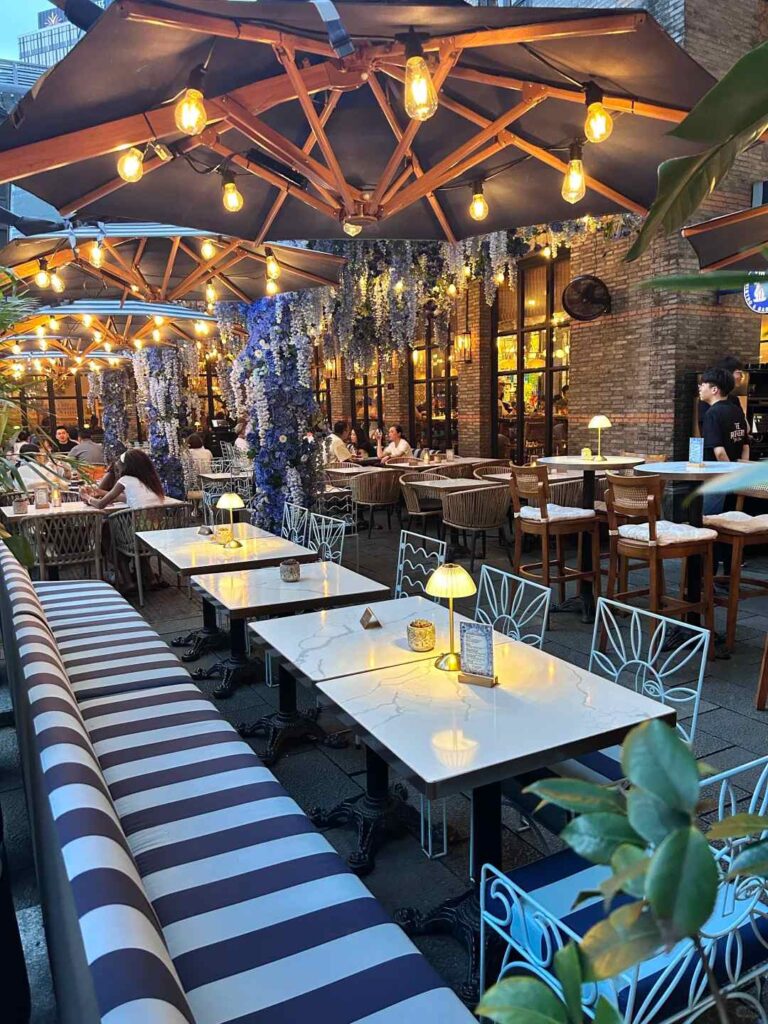
If you are looking for cheap local Shanghai food, however, this is probably not the best place. Most restaurants here are more about the setting than local flavor, and prices tend to be higher. For more local food, I recommend exploring the surrounding streets instead. Walk toward Huaihai Road and you are more likely to find places that are more authentic.
Come in the Evening if You Can
Early evening is one of the best times to visit Xintiandi. Once the lights come on, the shikumen buildings look even better, and the area is more lively.
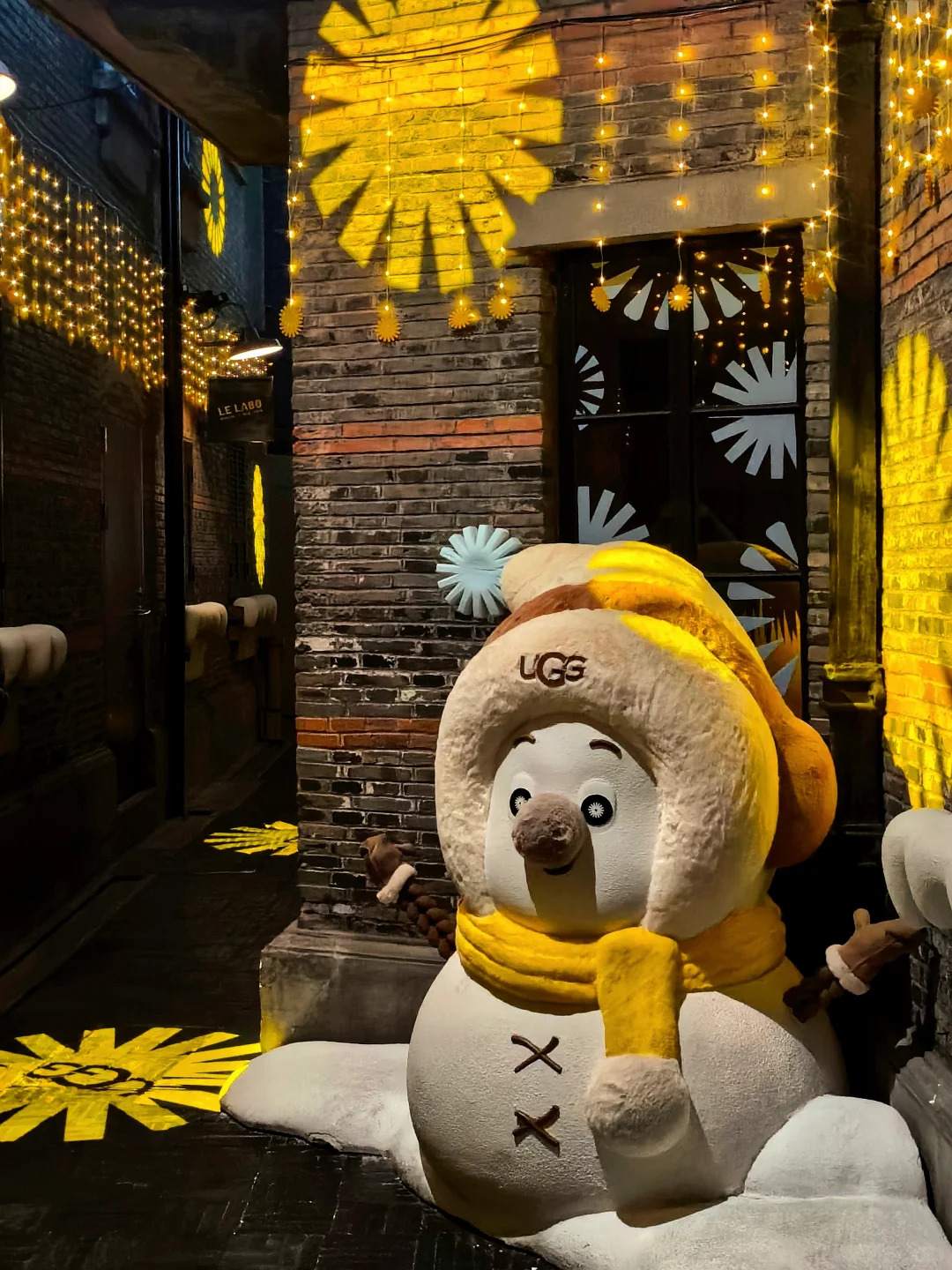
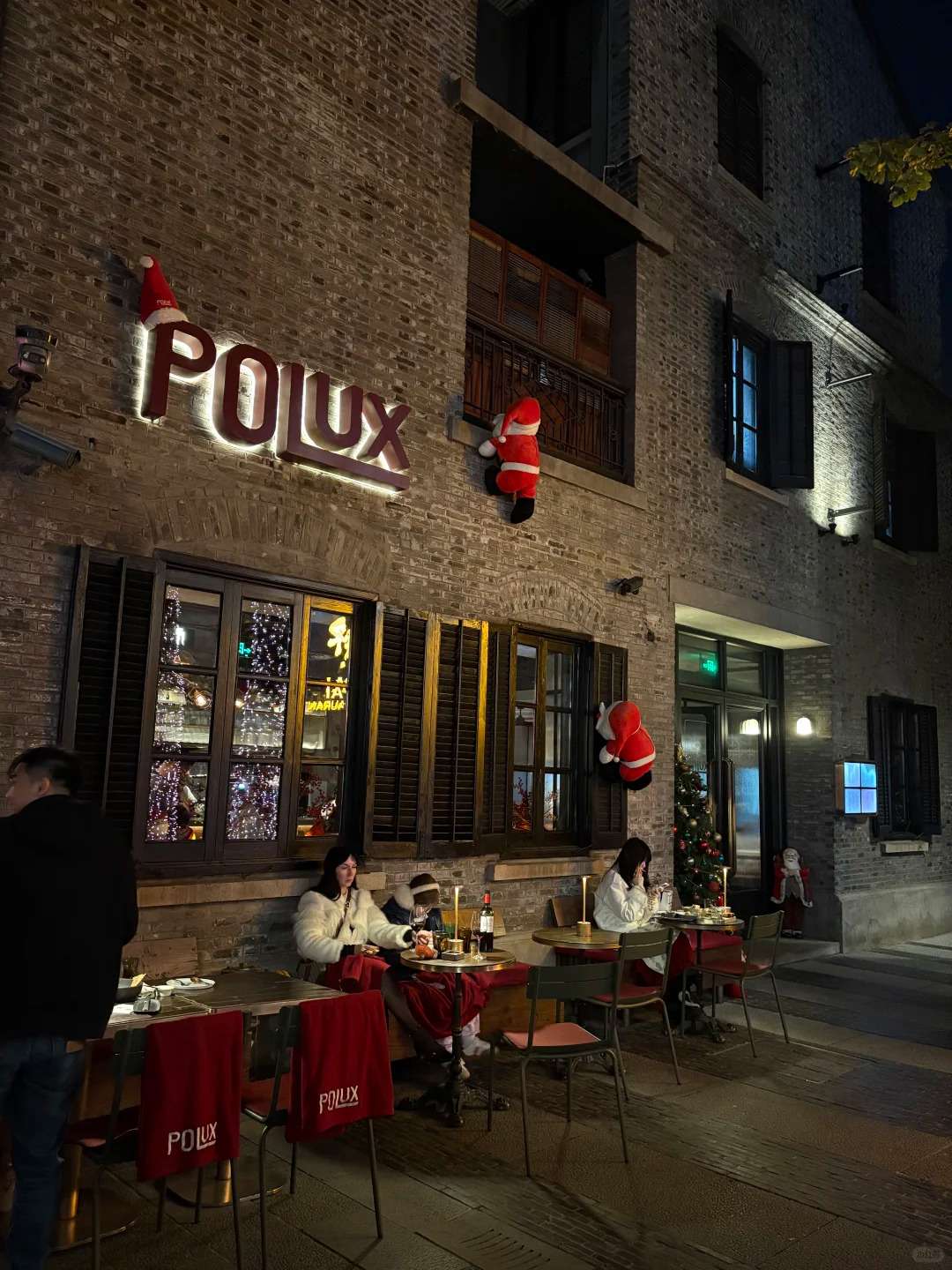
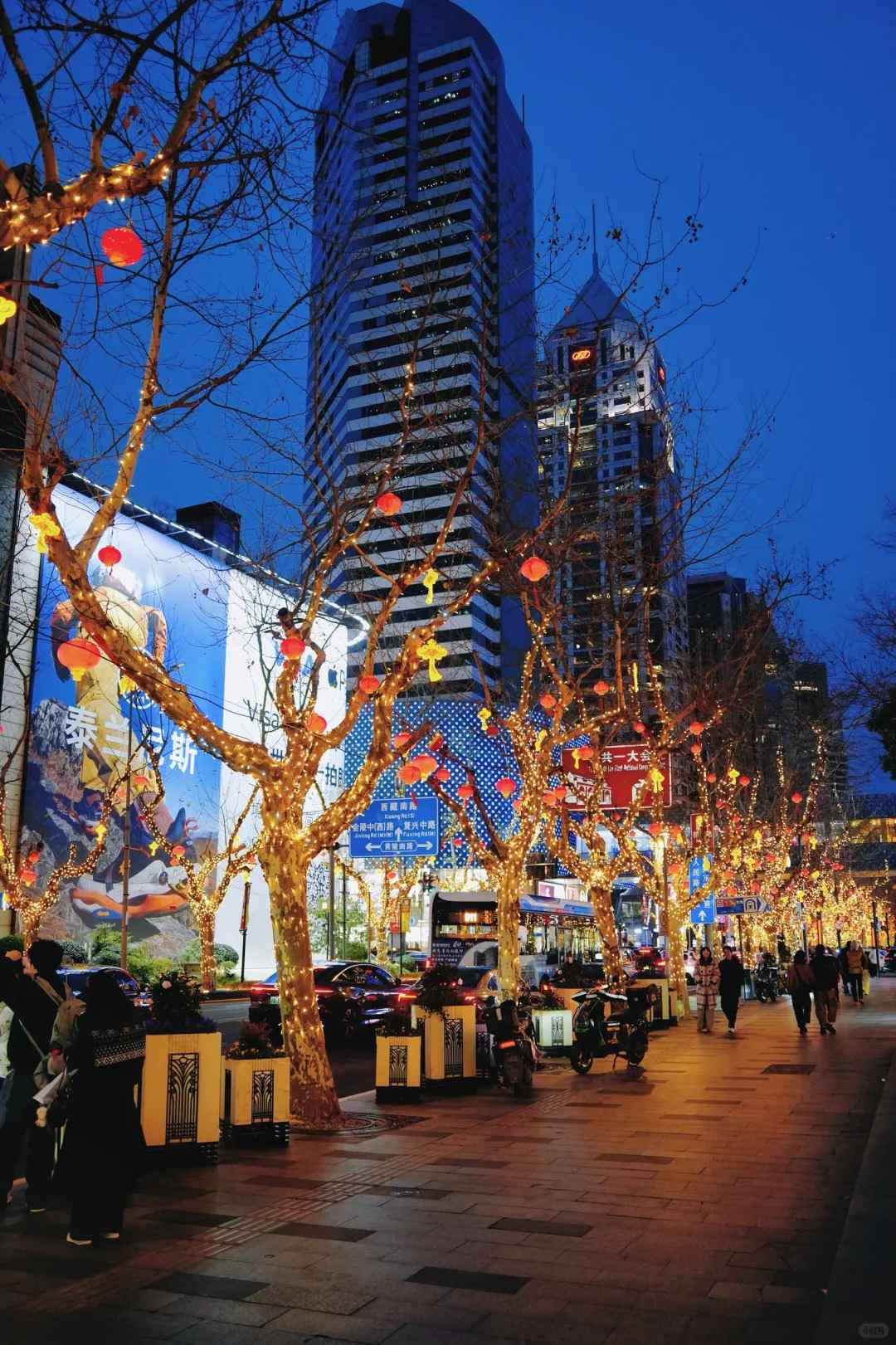
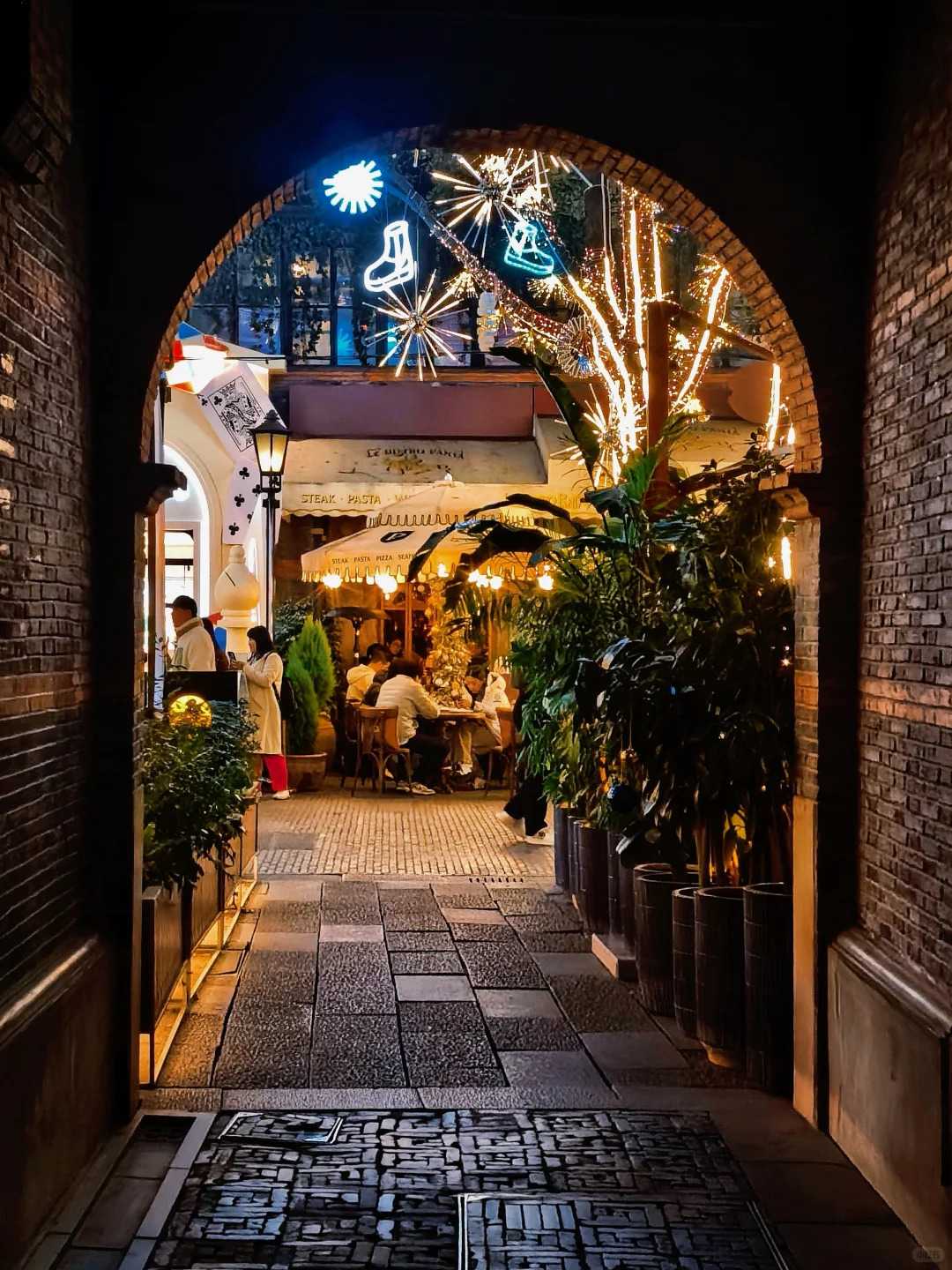
It is a popular area for bars, especially among younger crowds and international visitors. Even so, it feels more relaxed than some of Shanghai’s louder nightlife districts, making it a better choice for an after-dinner drink than a big night out.
A Great Place for Photos
Xintiandi is also a really nice place to take photos, not for one single landmark or spot, but the streets as a whole. Between the red-brick walls, shikumen doorways, old-fashioned lamps, outdoor terraces, and the occasional high-rise in the background, the neighborhood is a lovely representation of Shanghai culture.
Walking Route Through Xintiandi
If you want an easy route through this part of Shanghai, I suggest starting at South Huangpi Road Station and making your way through K11 Art Mall, Xintiandi Plaza, Xintiandi North Block, New Lane, and the Style I and Style II areas. This route gives you a good mix of food, shopping, street scenes, and photo spots.
If you arrive via Metro Line 1 or Line 14 and get off at Site of the First CPC National Congress · South Huangpi Road Station, you can take Passageway No. 2 straight into the B1 level of K11 Art Mall, which is an easy starting point.
Stop 1: K11 Art Mall
K11 was one of the first malls in Shanghai to blend art with retail. Along with shops and restaurants, it also hosts exhibitions from time to time. Once you are done there, you can walk directly from the B1 level to the next stop, Xintiandi Plaza.
Stop 2: Xintiandi Plaza
Xintiandi Plaza is the most food-focused of the stops on this route, so it’s a good time for a meal, a coffee, or a short break before you keep walking.
Stop 3: Xintiandi North Block
North Block is one of the most photogenic parts of the neighborhood, and probably the best place on this route to take in Xintiandi’s shikumen architecture. The old stone-gate houses and the more polished storefronts sit side by side in a way that feels very natural here.
Stop 4: Site of the First CPC National Congress
Right next to North Block is the Site of the First CPC National Congress. If you are interested in modern Chinese history, it’s already along the way. If not, you can skip it and keep moving.
Stop 5: Xintiandi New Lane
New Lane is not very large, but it is still worth stopping by. If you are short on time, a quick look at a few of the main spots is enough before continuing on toward Xintiandi Style I.
Stop 6: Xintiandi Style I
Once you spot the large bear installation, you have arrived at Xintiandi Style I. This area is easy to recognize thanks to its playful design and popular teddy bear café, which a lot of people come specifically to see.
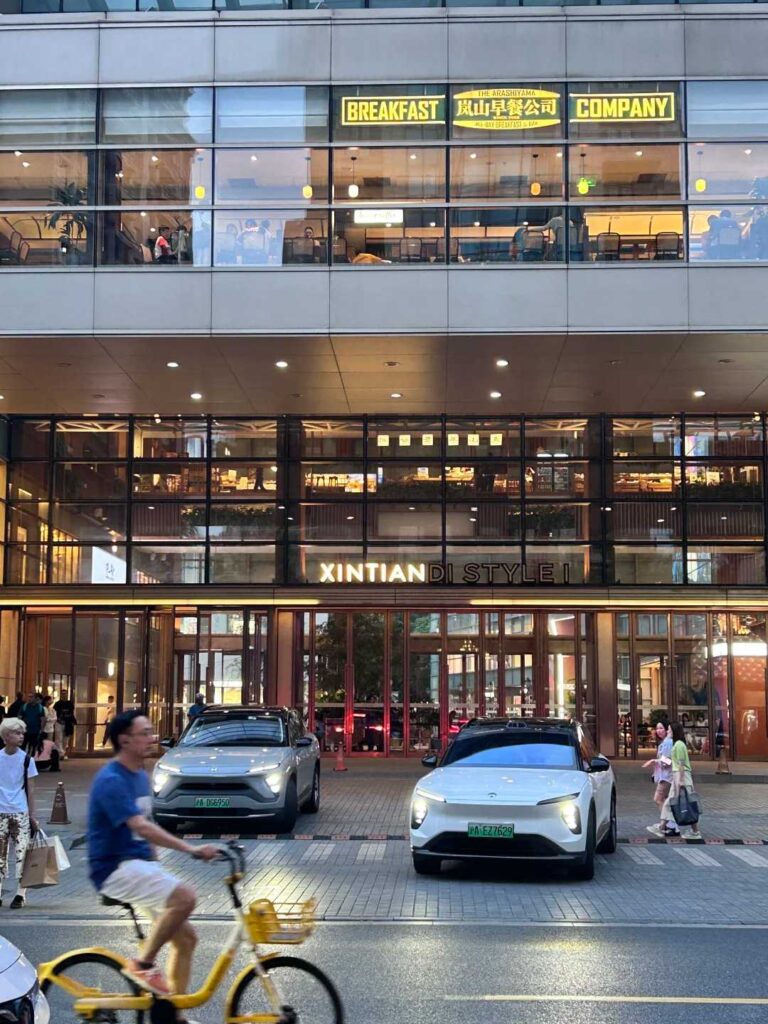
After walking through Style I, you can continue straight on to Style II using the second-floor passageway.
Stop 7: Xintiandi Style II
If you like younger or trendy brands, Style II is probably the part of the route where you will want to spend a little more time. It has lots of smaller shops and a more fashion-forward scene.
If you still have time afterward, you can continue on to Tianzifang, which is about 1.5 kilometers from Xintiandi. The two areas are often compared, but I think they feel quite different. Xintiandi is more modern and international, while Tianzifang feels denser and closer to everyday life.
Easy to Reach
Xintiandi is easy to get to by metro.
You can take Line 10 or Line 13 to Xintiandi Station and walk from Exit 6. Another easy option is Line 1 to South Huangpi Road Station, which is also nearby.
Several bus routes stop in the area as well, including City Sightseeing Bus Route 1 and buses 146 and 805.