Best Things to Do in Shanghai: A Complete Travel Guide
Shanghai really is one of China’s most iconic cities and its most developed metropolis—an essential stop for countless international travelers. The city’s appeal lies in how it combines the elegance of traditional Eastern charm with the vibrancy of a modern hub.
To me, the magic of the city is not just in the dazzling skyline of the Bund or the skyscrapers, even though they are captivating. What really draws me to the city is the old alleyways under the shade of French plane trees, the local snack shops you patiently look for, and the relaxed pace of everyday life. Shanghai is the ideal city for city walks, where you find meaning in small, authentic moments.
As a Chinese traveler, I have visited Shanghai five times, and every visit brings a new experience.
That’s why I want to share the most popular attractions I have personally experienced, as well as the authentic, lesser-known destinations that give you a taste of local life. I cross-checked these recommendations with locals on Chinese social media to make sure this guide is comprehensive. I hope this helps you see a richer, warmer side of Shanghai.
Feel free to choose a destination that matches your preference, or tell me what you enjoy, and I can customize the perfect itinerary for you!
Table of Contents
- Best Things to Do in Shanghai
- 1. Nanjing Road Pedestrian Street (Nanjing Lu) – Must-See
- 2. The Bund (Wai Tan) – Must-See
- 4. Yu Garden and City God Temple (Cheng Huang Miao) – Must-See
- 5. Wukang Road (武康路) – Strolling Through Shanghai’s Slow and Elegant Life
- 6. Suzhou Creek (Suzhou He) – Riverside Walk: A Hidden Urban Gem
- 7. Jing’an Temple (Jing’an Si) – A Golden Sanctuary in the City’s Heart
- 8, Longhua Temple (Longhua Si) – A Serene and Classical Buddhist Sanctuary
- 9. Shanghai Wild Animal Park – A Family Adventure
- 10. Xintiandi – The Perfect Blend of History and Modernity
- 11. Tianzifang (田子坊) – A Rustic, Bohemian Artistic Maze – Must-See
- 12. Middle Huaihai Road (淮海中路) – Shanghai’s “Champs-Élysées” and a Must-See
- 13. Zhujiajiao Ancient Town (朱家角) – A Must-See Water Town Escape from the City
- 14. Shanghai People’s Park (人民公园) – An Oasis for Observing City Life
- 15. Shanghai Museum (上海博物馆) – The Essence of Chinese History and Art
- 16. Shanghai Astronomy Museum (上海天文馆) – The World’s Largest Planetarium
- 17. 1933 Laochangfang – The Labyrinth of Industrial Aesthetics
- 18. Shanghai Disneyland (上海迪士尼乐园) – Fantasy Meets Innovation
- 19. “ERA: Intersection of Time 2” – An Unforgettable Acrobatic Spectacle
- 20. AP Plaza – The Underground “Knock-off” Market
- 21. Experience Chinese Massage and Tuina Culture
- Practical Tips for Your Trip
- Final Thoughts
Best Things to Do in Shanghai
1. Nanjing Road Pedestrian Street (Nanjing Lu) – Must-See
- Cost: Free
- Best for: Feeling Shanghai’s energy and prosperity
- My Take: China’s most famous walking street
Known as “The No. 1 Commercial Street in China,” Nanjing Road is more than just a shopping destination; it is a giant “live show” of city life. The street flows like a river, adorned with dazzling shops and flashing neon signs. Here, you will see tourists from all over the world mixing with local families and trendy youth. It is incredibly lively.
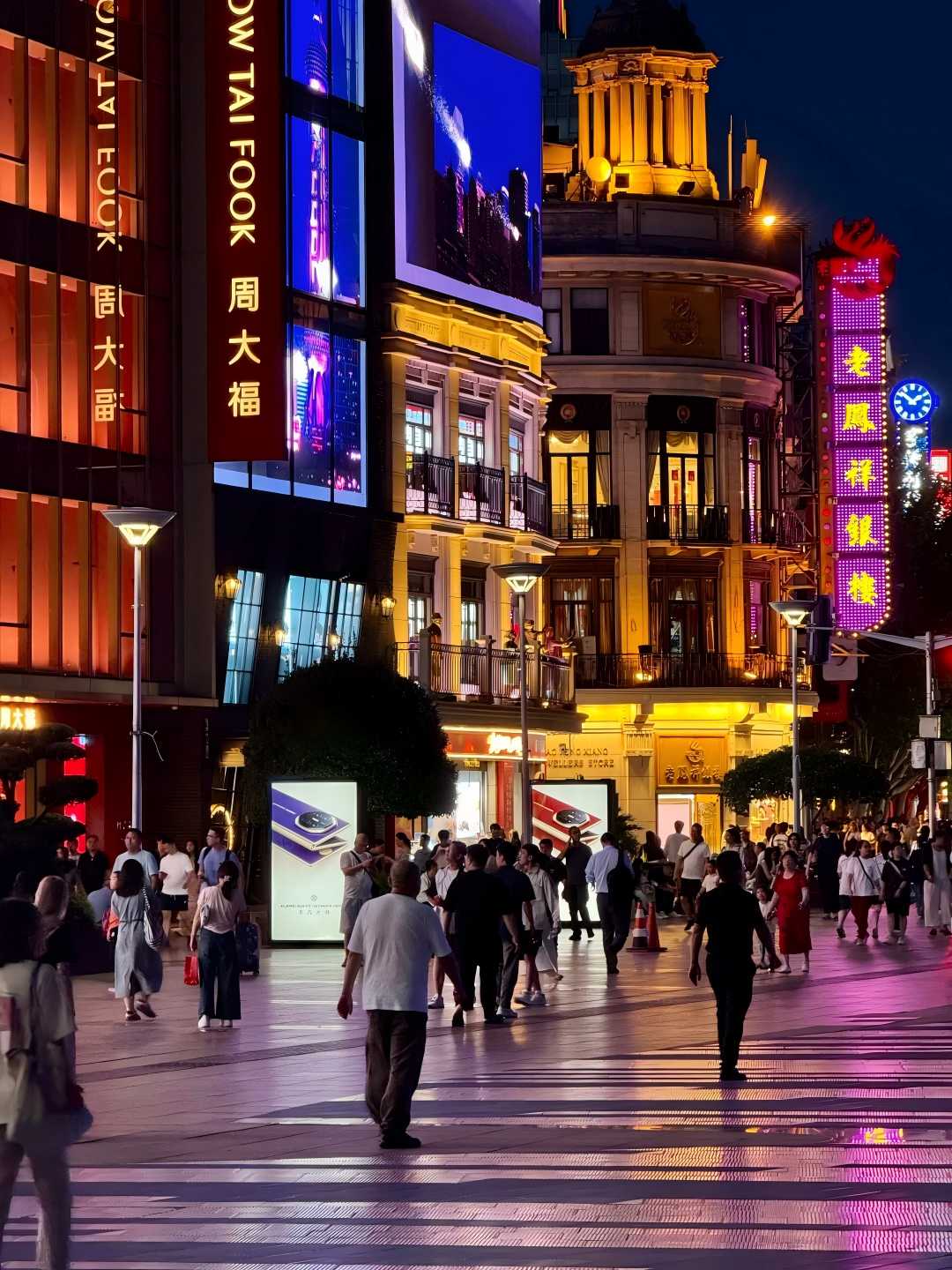
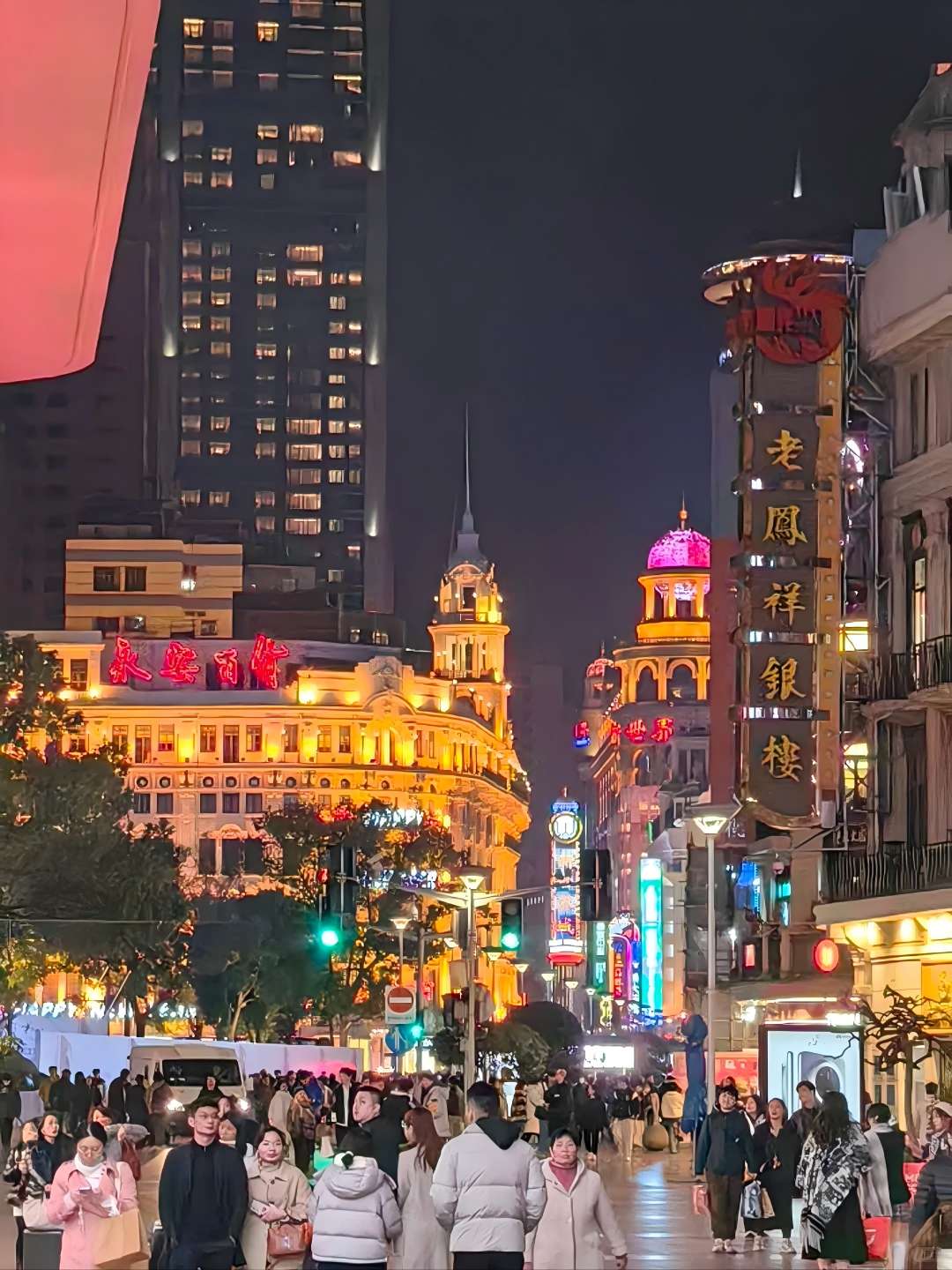
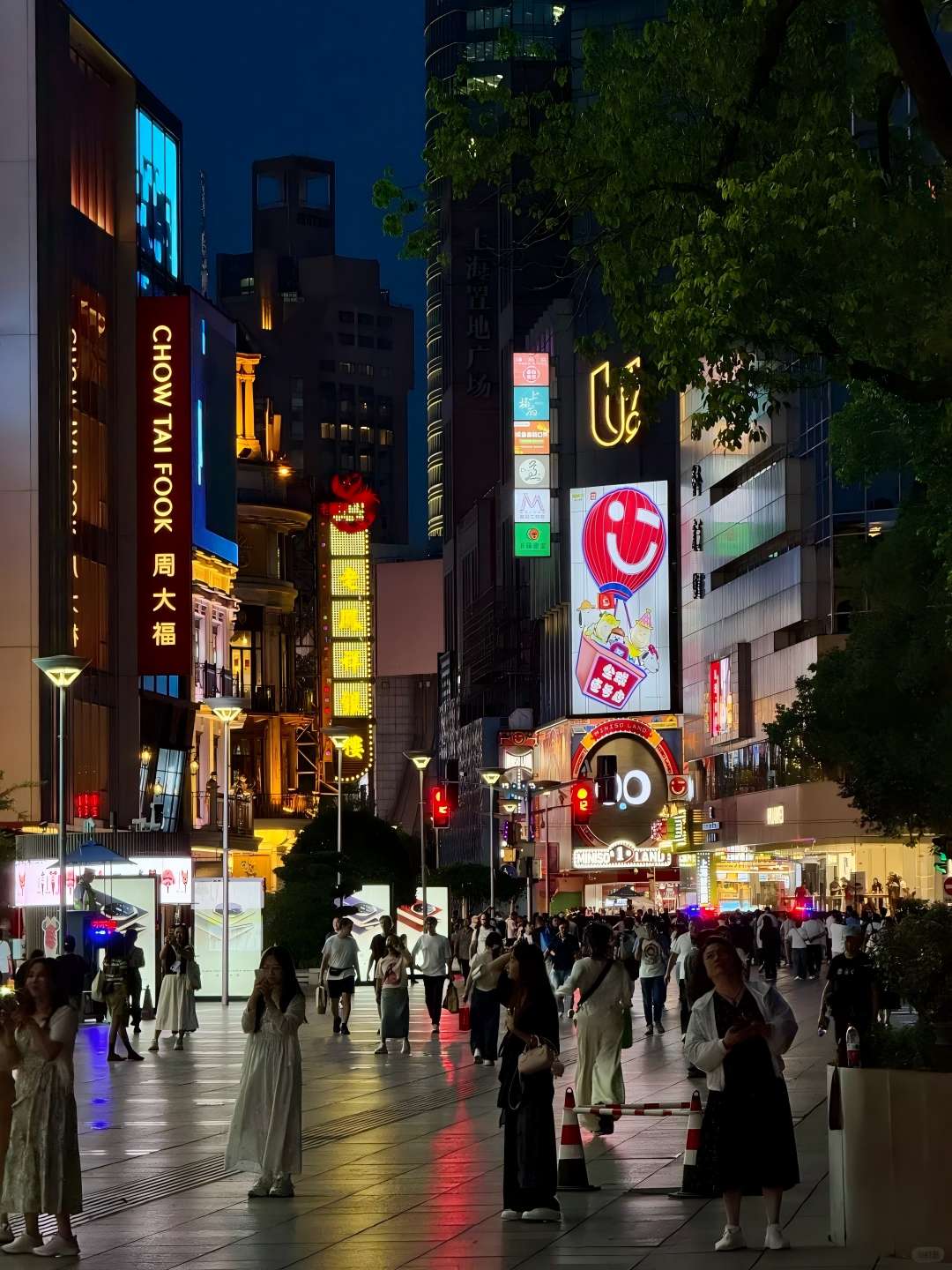
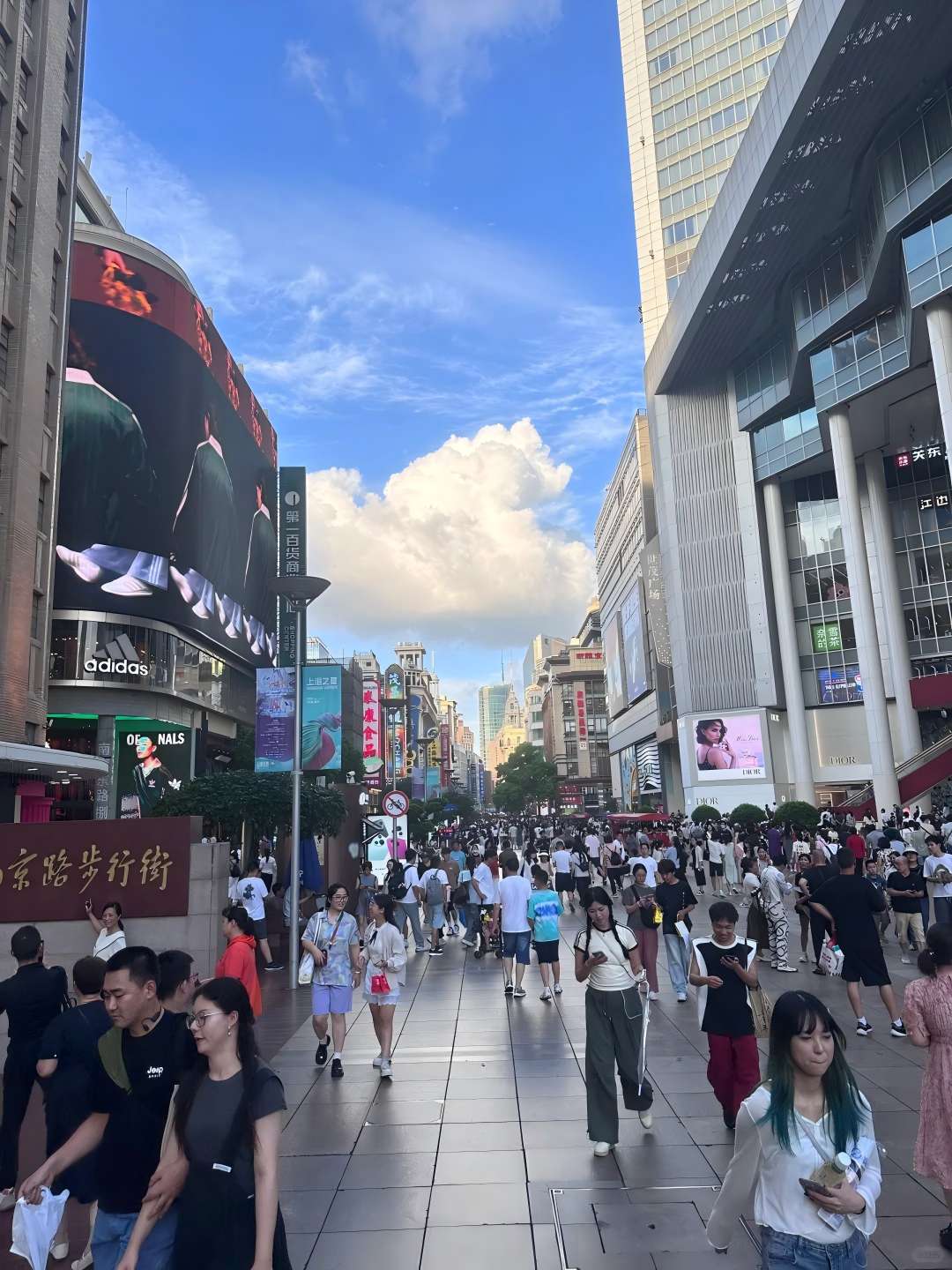
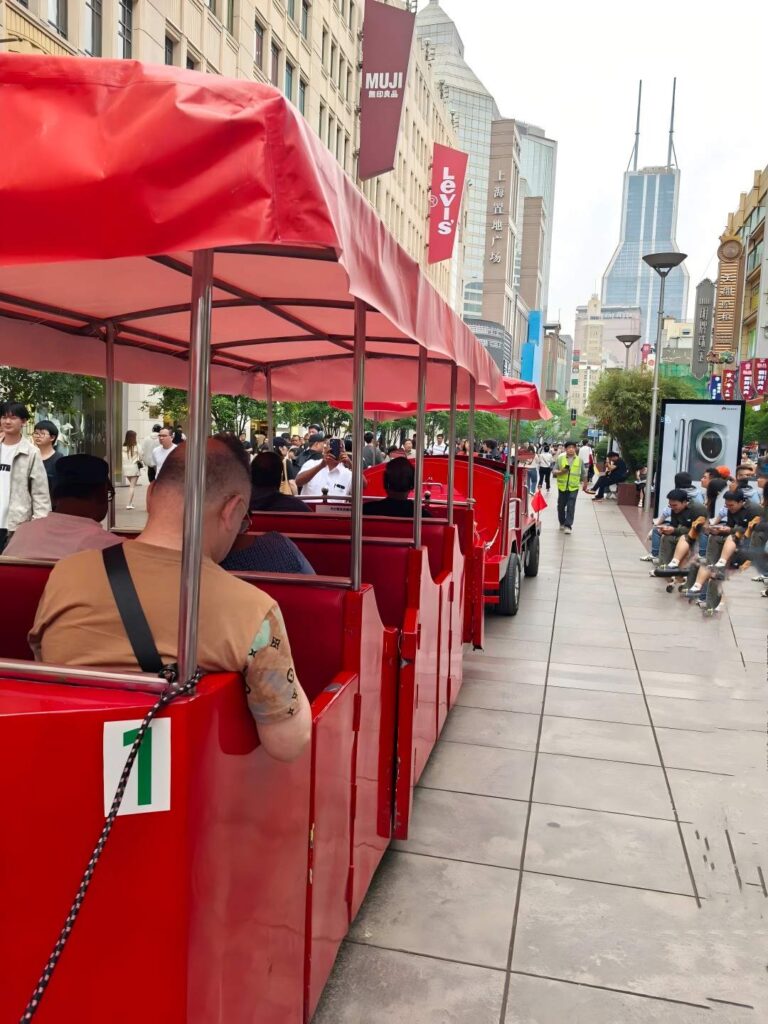
The street is strictly pedestrian-only, with one exception: the iconic “Ding Ding” sightseeing tram. It runs the length of the street and offers a fun, affordable ride (10 RMB, 1.5 USD). If walking isn’t your thing, hop on board to watch the bustling crowds and commercial architecture roll by.
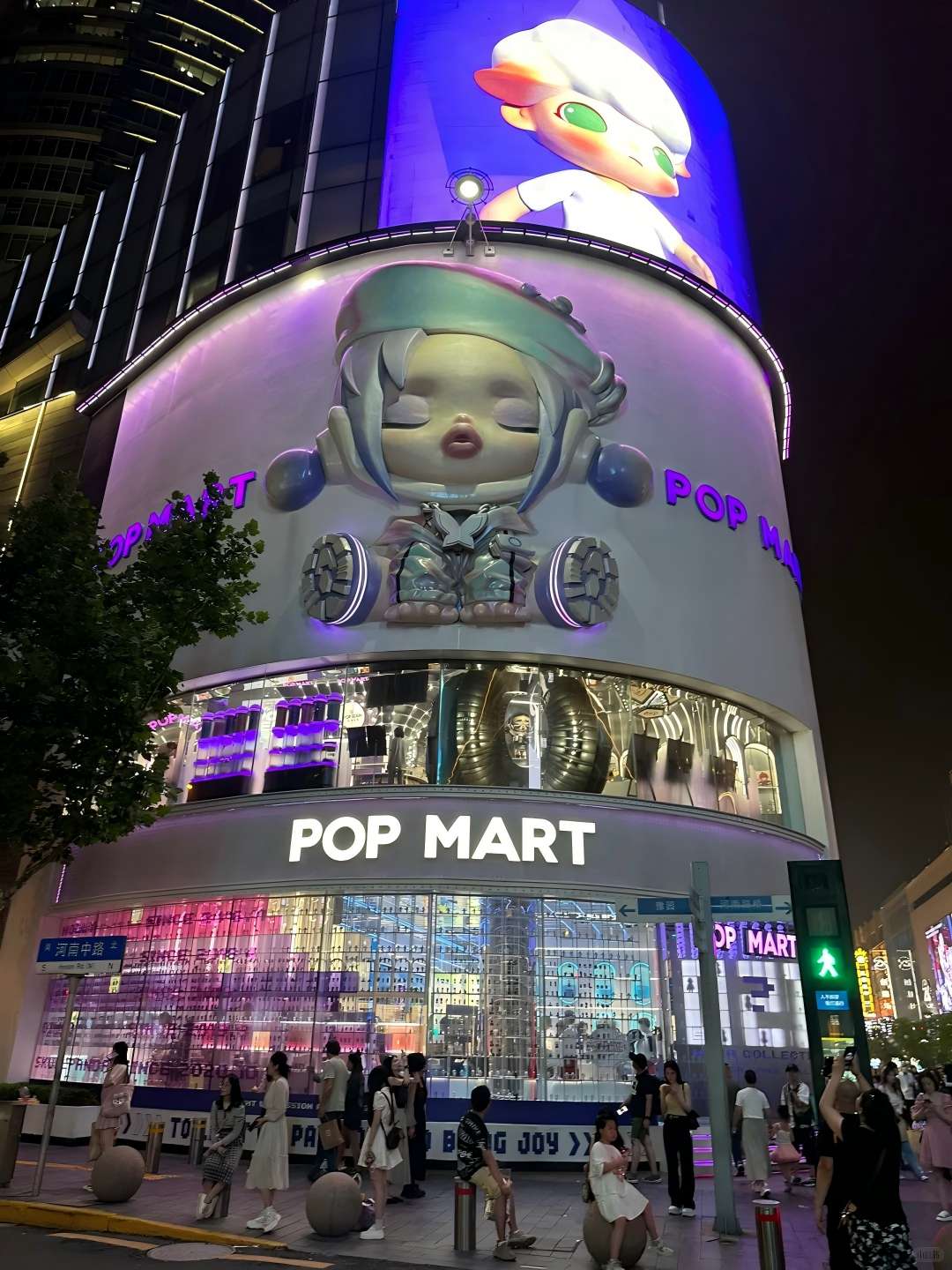
When night falls, Nanjing Road transforms. The neon lights blaze to life, the crowds thicken, and the whole place vibrates with the electricity of modern Shanghai. It’s a visual pulse of the city’s confidence and speed that stays in your memory.
Recommended Stops:
- LEGO Flagship Store: A must-visit for fans. It features massive custom builds like the Oriental Pearl Tower and an old-Shanghai rickshaw (great for photos!). Upstairs, you’ll find intricate miniatures of global landmarks, including Big Ben and the Eiffel Tower.
- M&M’s World: A paradise for chocolate lovers. The highlight is the towering “Chocolate Wall,” featuring M&M’s in every color imaginable.
- TOPTOY Global Flagship Store: A large, three-story playground of collectible toys, blind boxes, and Chinese-brand building blocks. You can find Shanghai-inspired miniatures like butterfly pastries and soup dumplings (xiaolongbao).
- POP MART: The largest POP MART store in the world. The first floor categorizes popular characters like SKULLPANDA, MOLLY, and DIMOO by color. The second floor uses advanced 3D printing to create a futuristic, cosmic scene. If you are into designer toys and figurines, this is heaven.
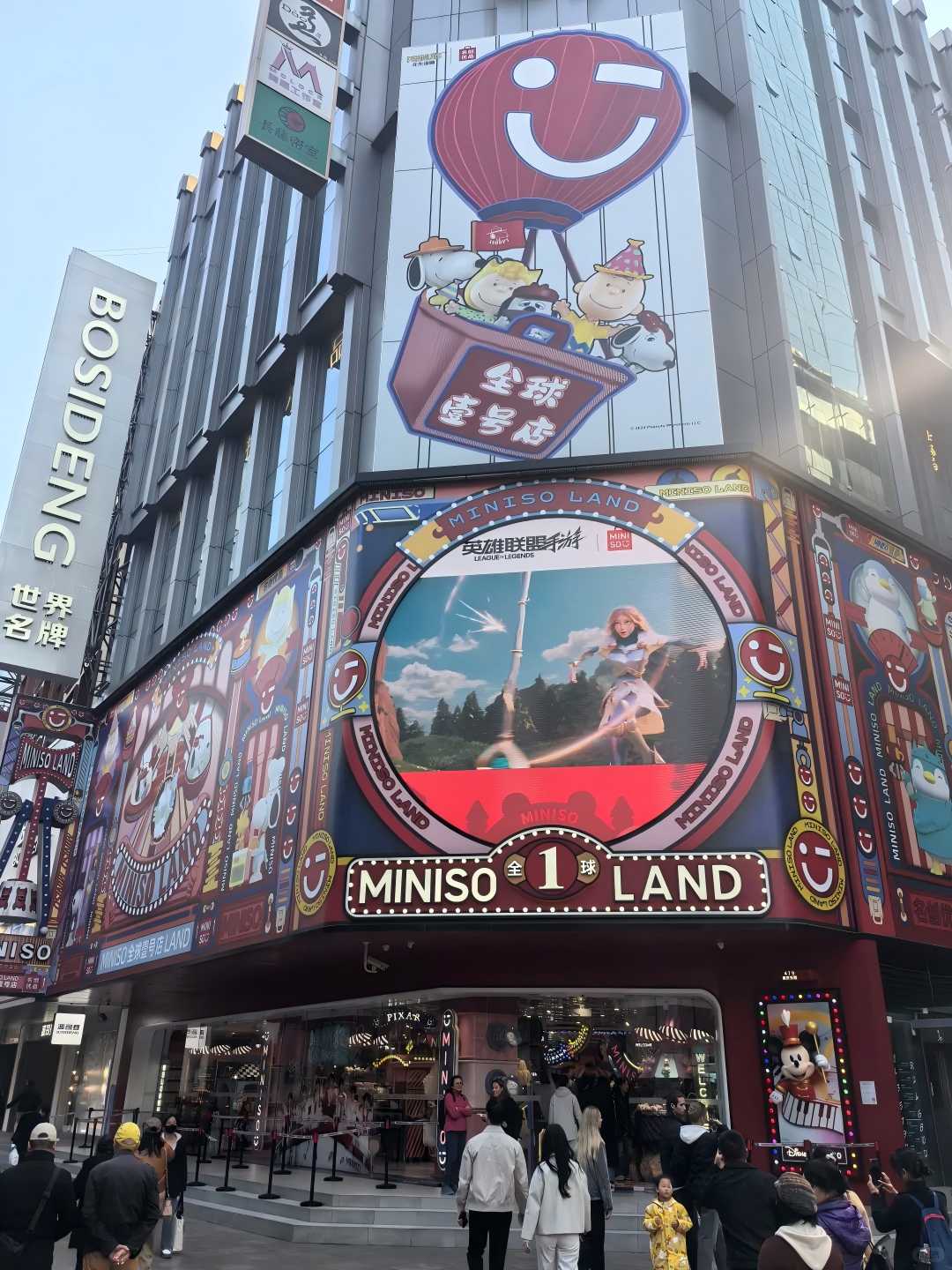
- Shanghai Miniso Global No. 1 Store: A three-story shop packed with merchandise from major franchises, including Zootopia, Winnie the Pooh, Butter Bear, and Hello Kitty. It is the ideal place for casual browsing and picking up cute, affordable gifts.
2. The Bund (Wai Tan) – Must-See
- Cost: Free
- Best for: Witnessing the dialogue between past and present Shanghai.
- My Take: Experiencing the magnificent aura of century-old Shanghai.
The Bund is likely the first image that comes to mind when tourists think of Shanghai. Located along the Huangpu River, its true magic lies in the visual dialogue between the past and the present.
The Puxi Side (The Past): Standing on the Puxi side (the west bank), you face a mile-long stretch of historic buildings known as the “allery of World Architecture.” Mostly built in the late 19th and early 20th centuries, these structures once housed foreign banks, trading firms, and consulates. The architectural styles are diverse, ranging from Gothic and Baroque to Neoclassical, yet each one tells a story from Shanghai’s era as the “Wall Street of the Orient.” Walking along the river to admire the stone facades and intricate carvings is a must.
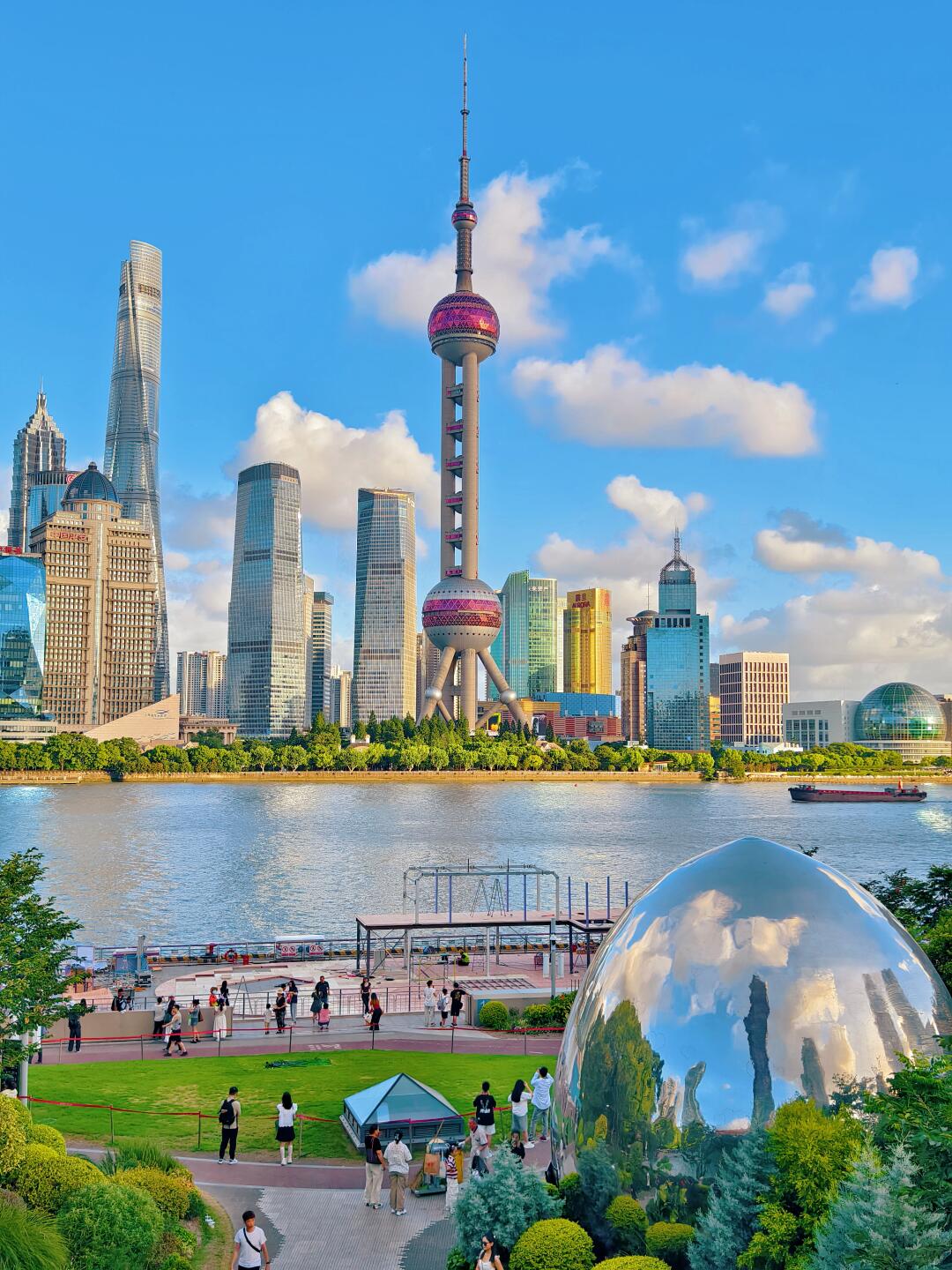
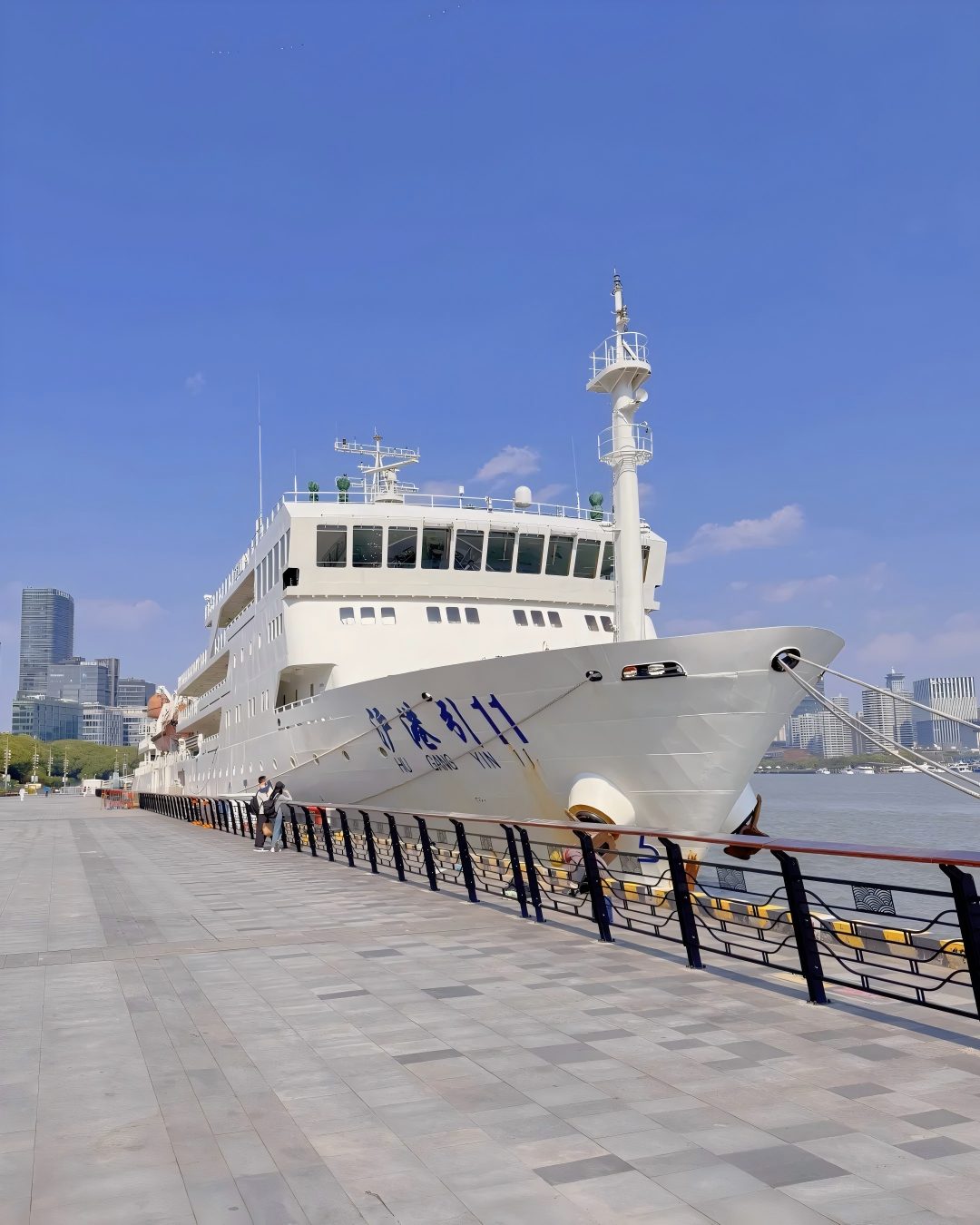
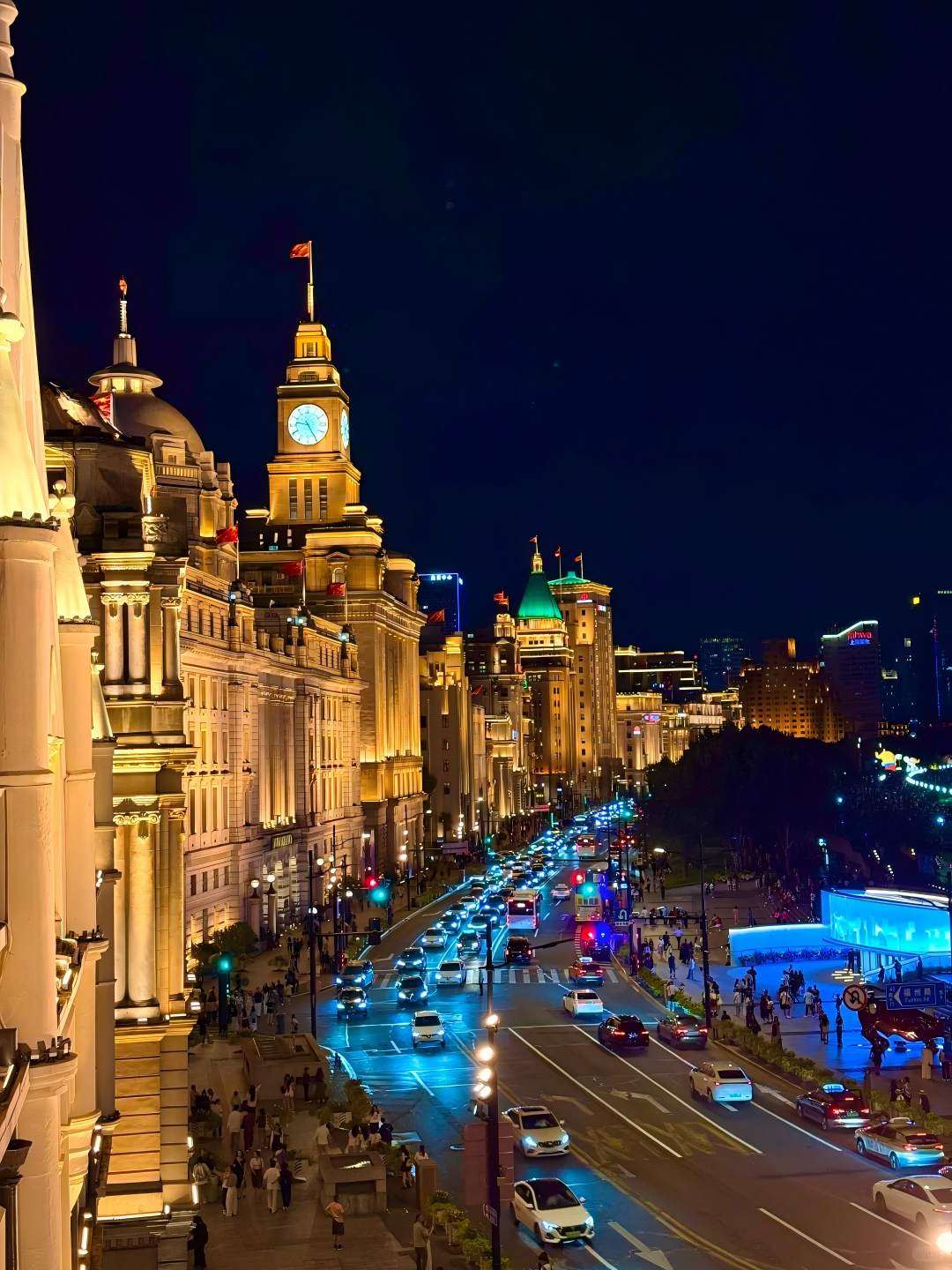
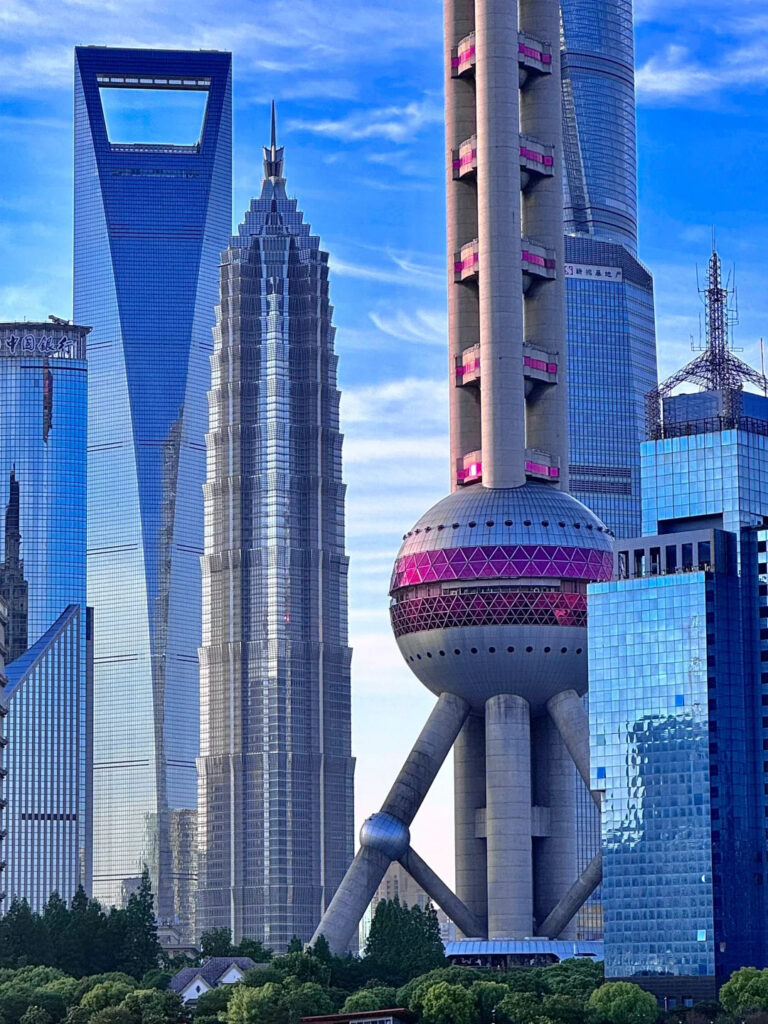
The Pudong Side (The Future): However, the Bund’s real magic happens when you look across the river to Pudong (Lujiazui). There, you’ll see an awe-inspiring skyline anchored by the Oriental Pearl Tower. The historic architecture of the Bund and the modern skyscrapers of Lujiazui face each other across the water, creating a contrast unlike anywhere else in the world.
My Suggestion: I highly recommend arriving at the Bund around 3 or 4 p.m. This allows you to stay from late afternoon through sunset and into the evening. By doing so, you witness the “magical moment” on both sides of the river: the transition from solemn, classical architecture to the dazzling light show of the modern city. This day-to-night experience is hands-down the best way to appreciate the Shanghai skyline.
Read More: The Bund Shanghai and Beyond
3. Lujiazui – Must-See
- Cost: Free to roam (Observation decks require tickets).
- Best for: Experiencing the ambition of modern Shanghai.
- My Take: The symbol of Shanghai’s “present and future”—highly recommended!
If the Bund represents Shanghai’s history, then Lujiazui is the undisputed symbol of its “present and future.” Located directly across the river, this is one of China’s most important financial centers.
The most striking feature of Lujiazui is the cluster of world-class skyscrapers that pierce the clouds. Iconic buildings like the Oriental Pearl Tower, Jin Mao Tower, Shanghai World Financial Center, and the Shanghai Tower all stand here, creating the city’s famous futuristic skyline.
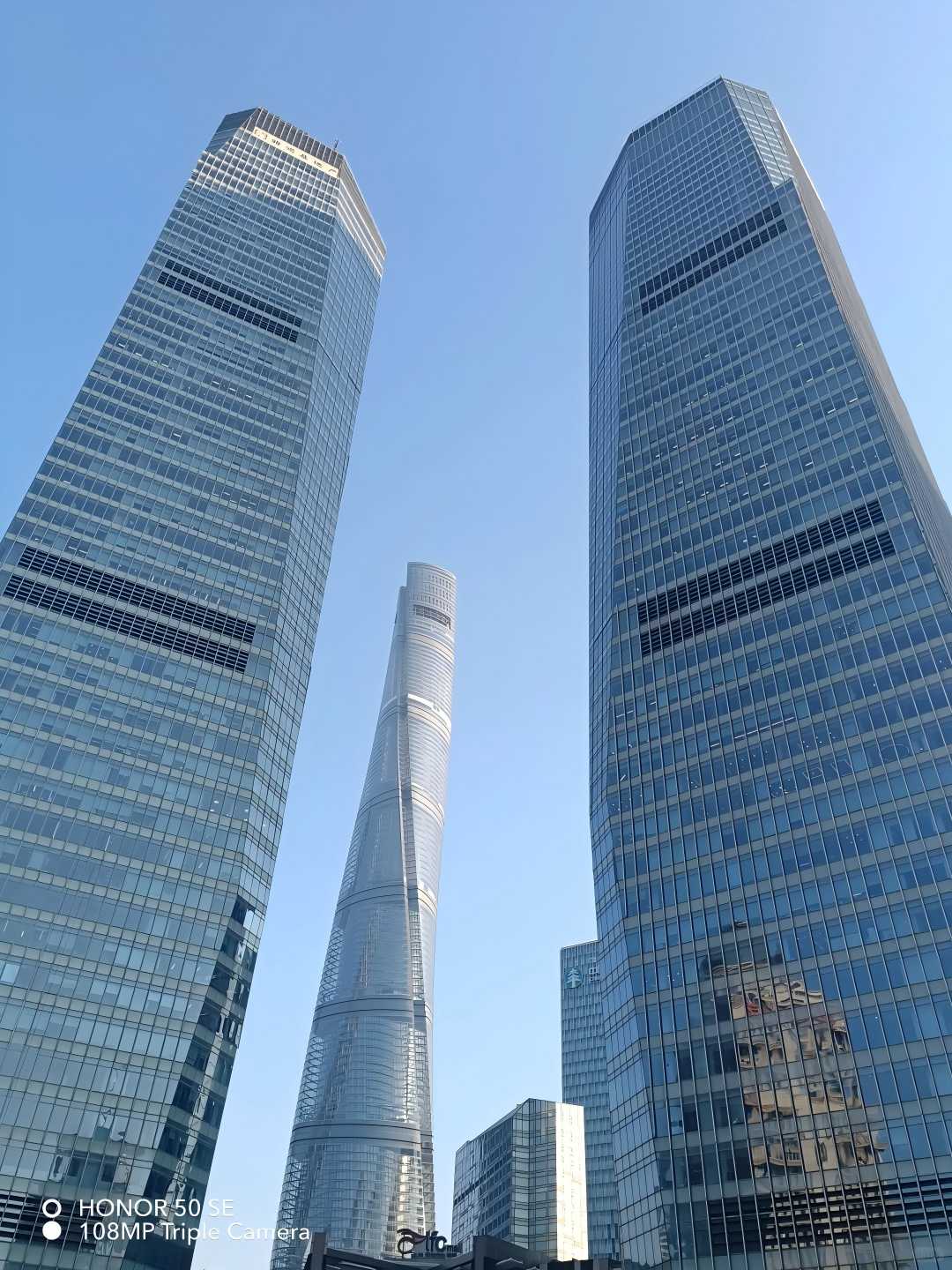
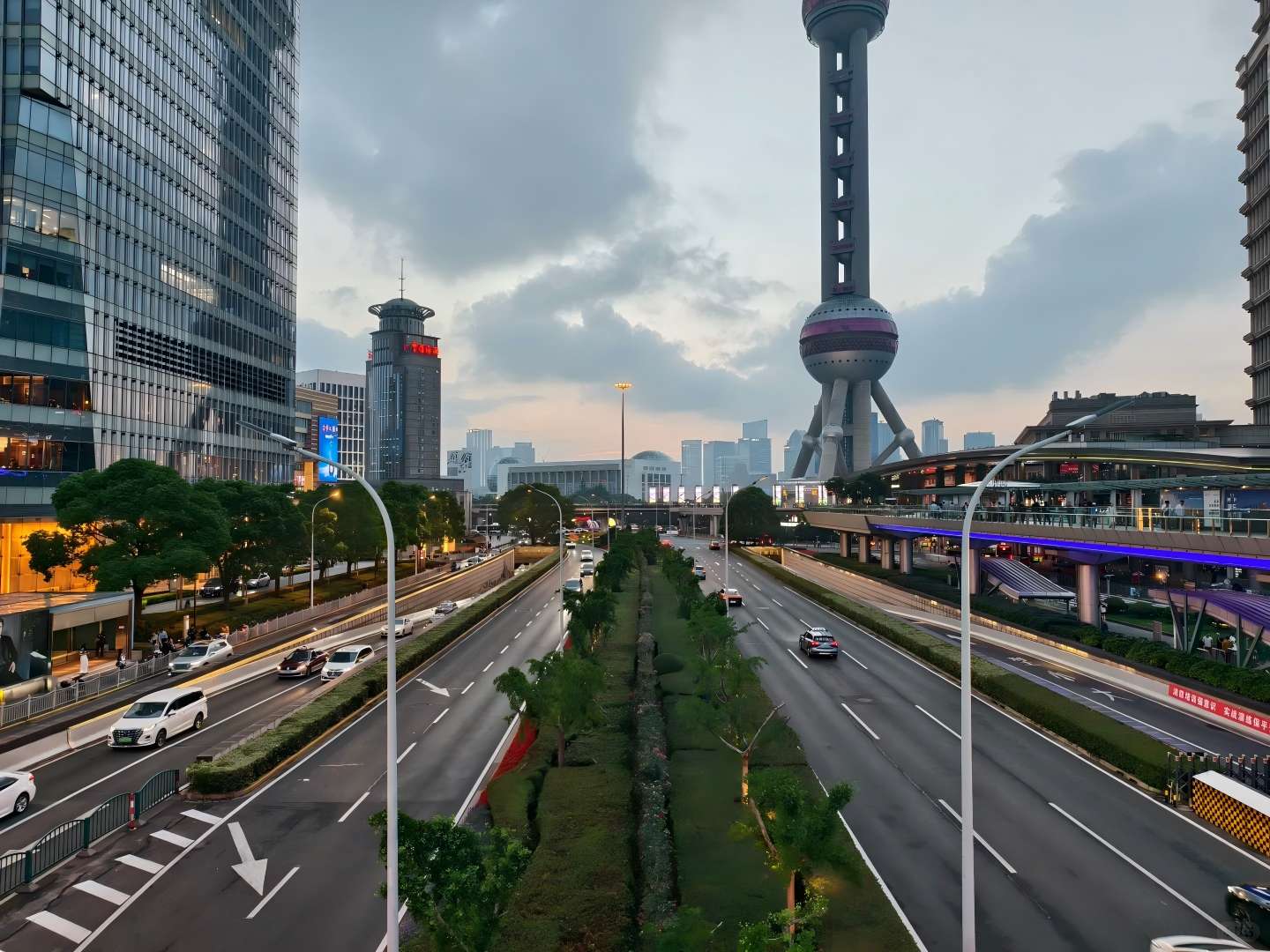
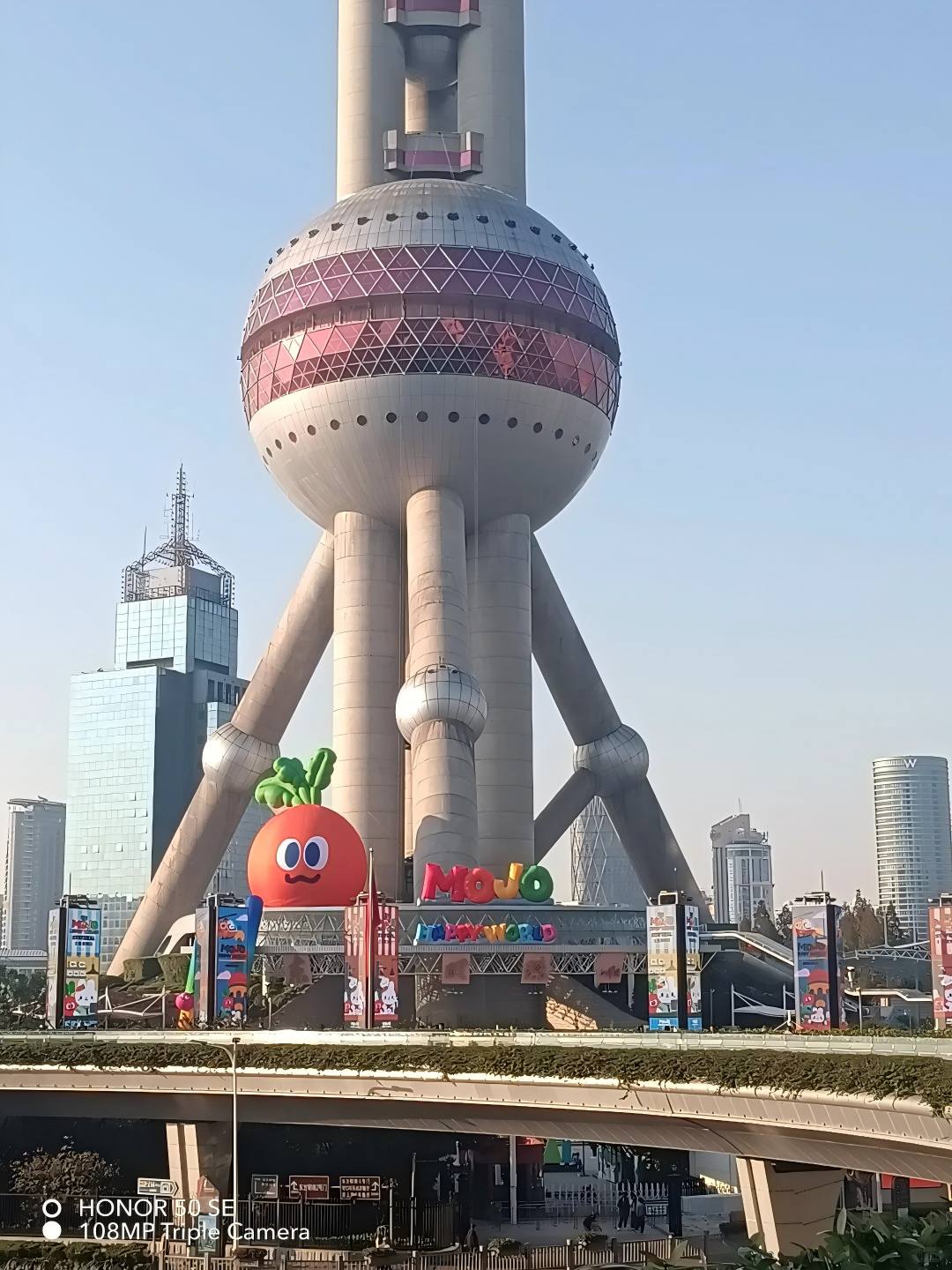
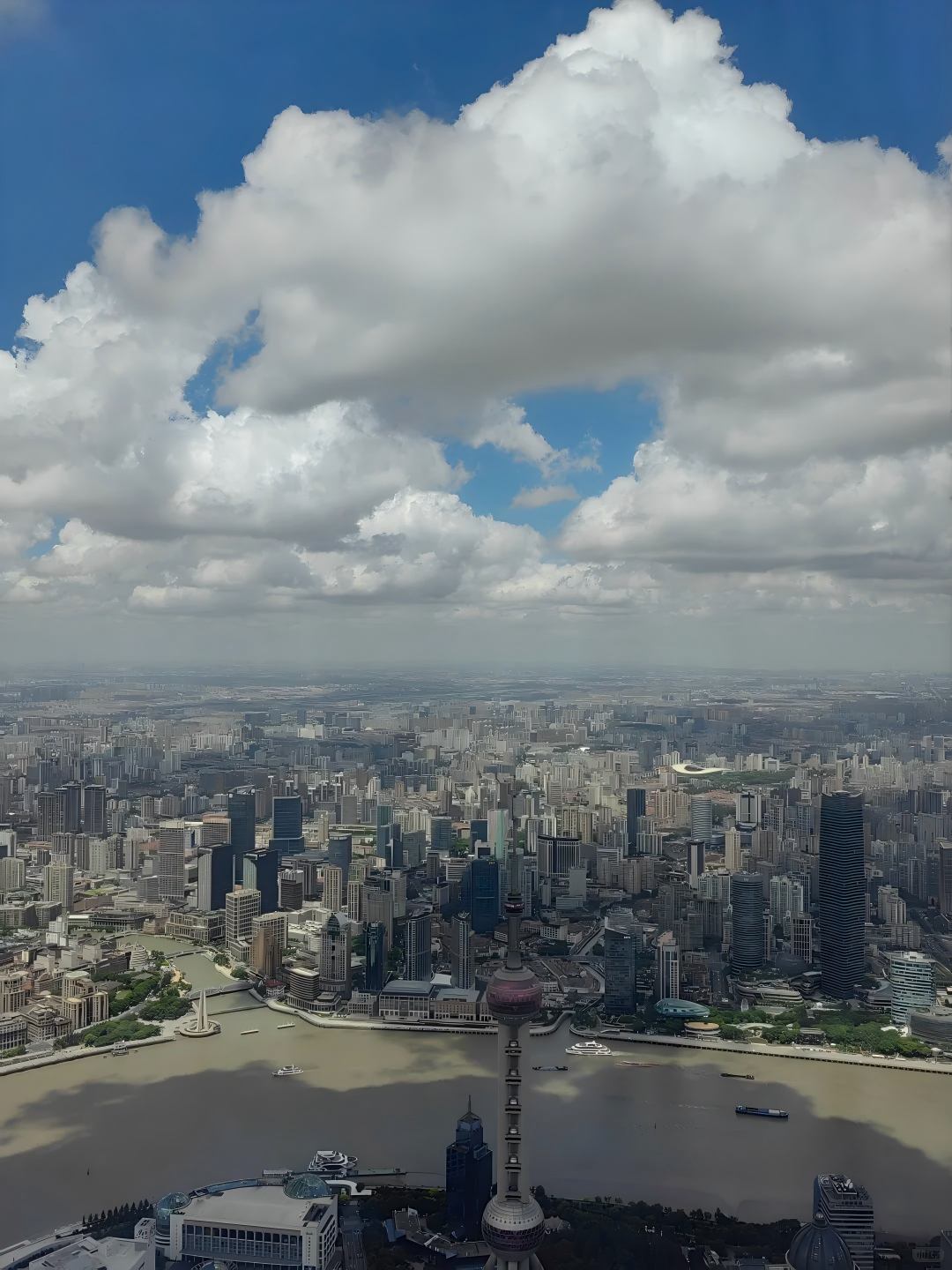
I strongly suggest visiting an observation deck in one of these giants. Looking down from hundreds of meters up offers a “city in the sky” perspective that will leave you astonished by the sheer scale of this metropolis.
My Pick: I recommend the “Top of Shanghai Observatory” in the Shanghai Tower. As the tallest building in China, its observation deck soars to 546 meters (1,791 feet). The elevator ride itself is a thrill, whisking you to the top in a breathtaking 55 seconds. Tickets cost around 180 RMB ($26 USD).
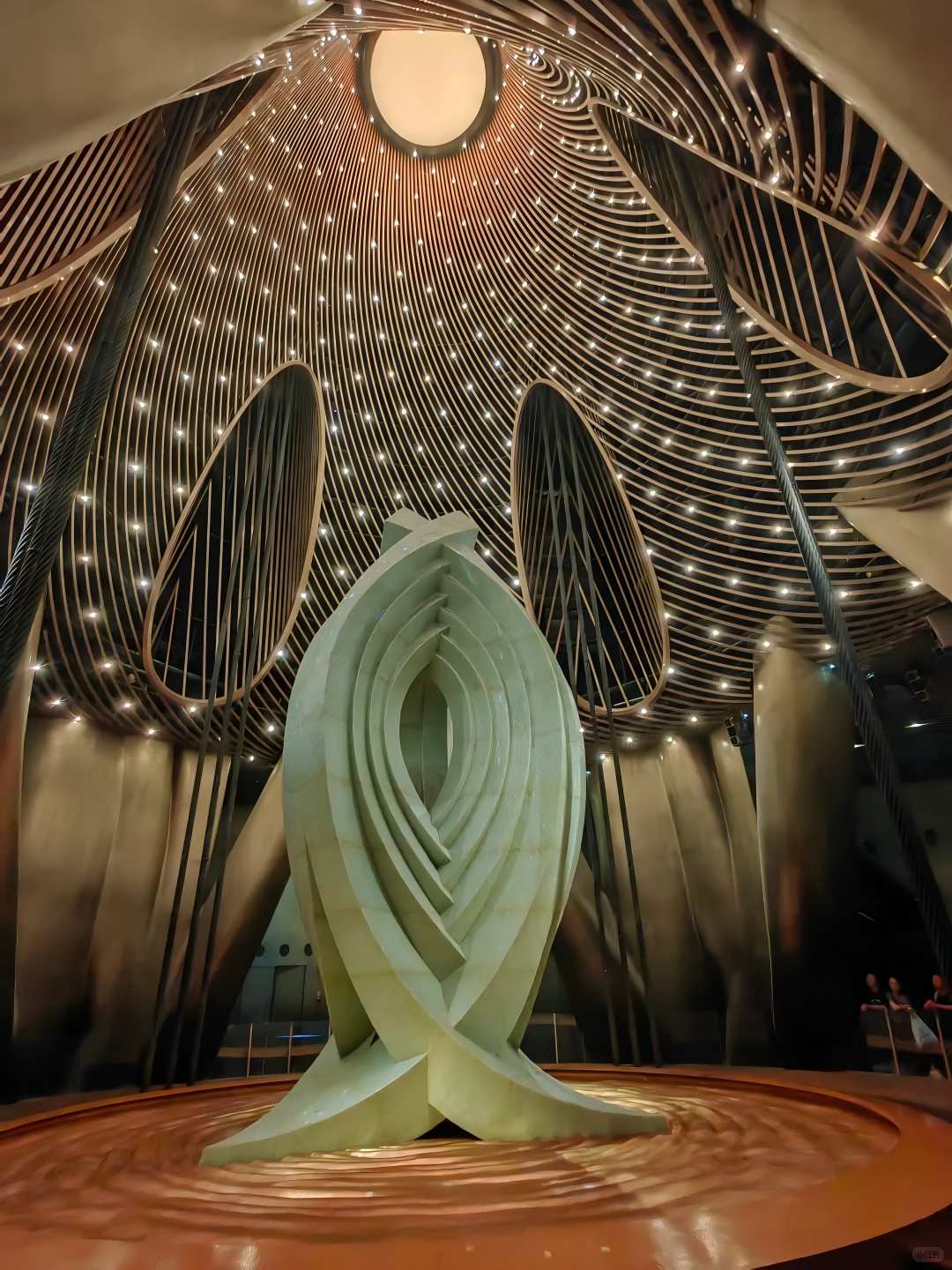
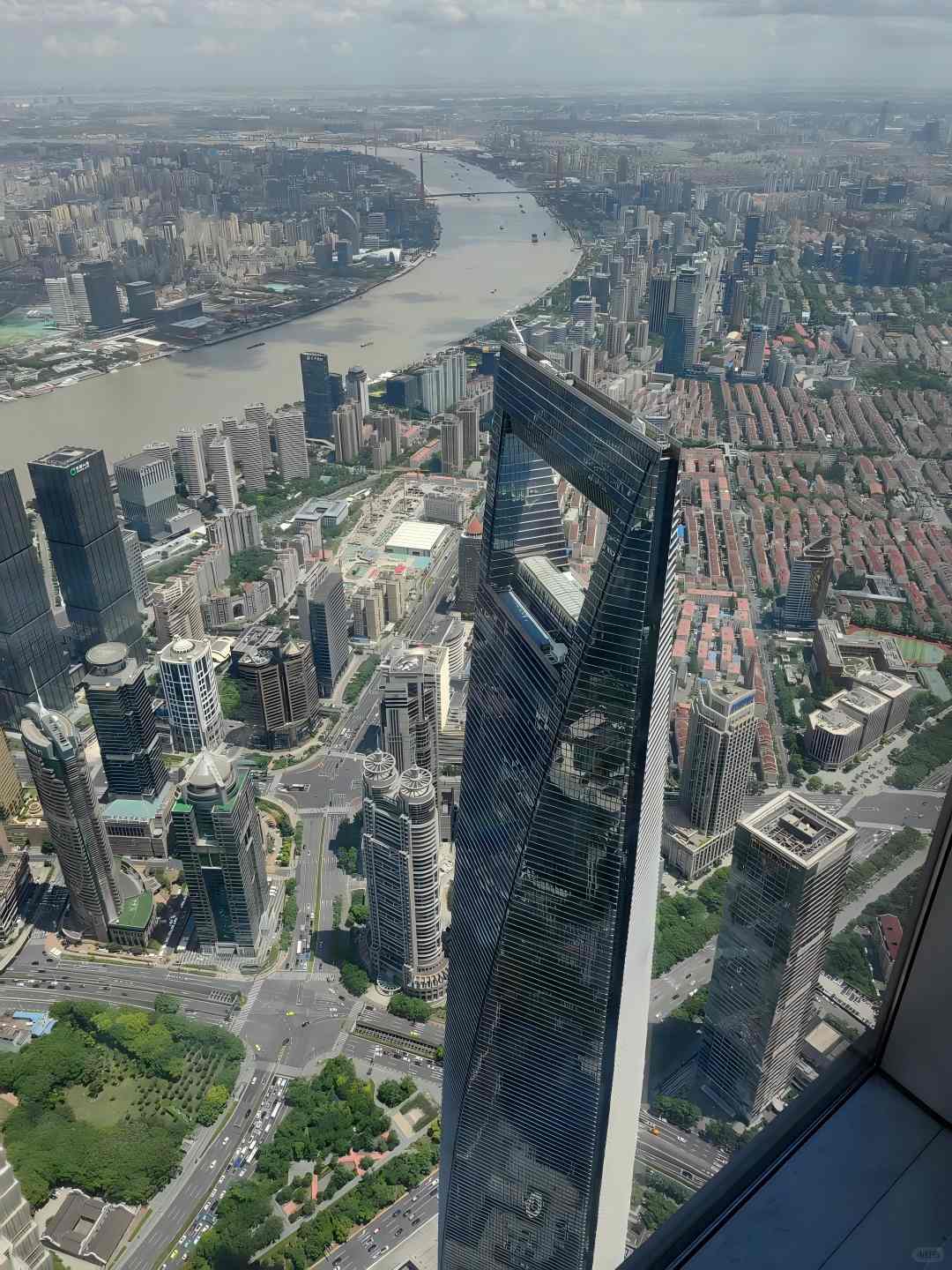
Pro Tip: Lujiazui is easily accessible by Metro (Line 2). Since it sits directly opposite the Bund, I recommend planning to visit both places on the same day—crossing the river by ferry or subway to see the city from both angles.
4. Yu Garden and City God Temple (Cheng Huang Miao) – Must-See
- Cost: Entrance fee applies (Garden only); The Bazaar is free.
- Best for: Discovering “Old Shanghai” and traditional Chinese folk culture.
- My Take: AA spot filled with classical Chinese garden art and the most vibrant sense of local life. Highly recommended!
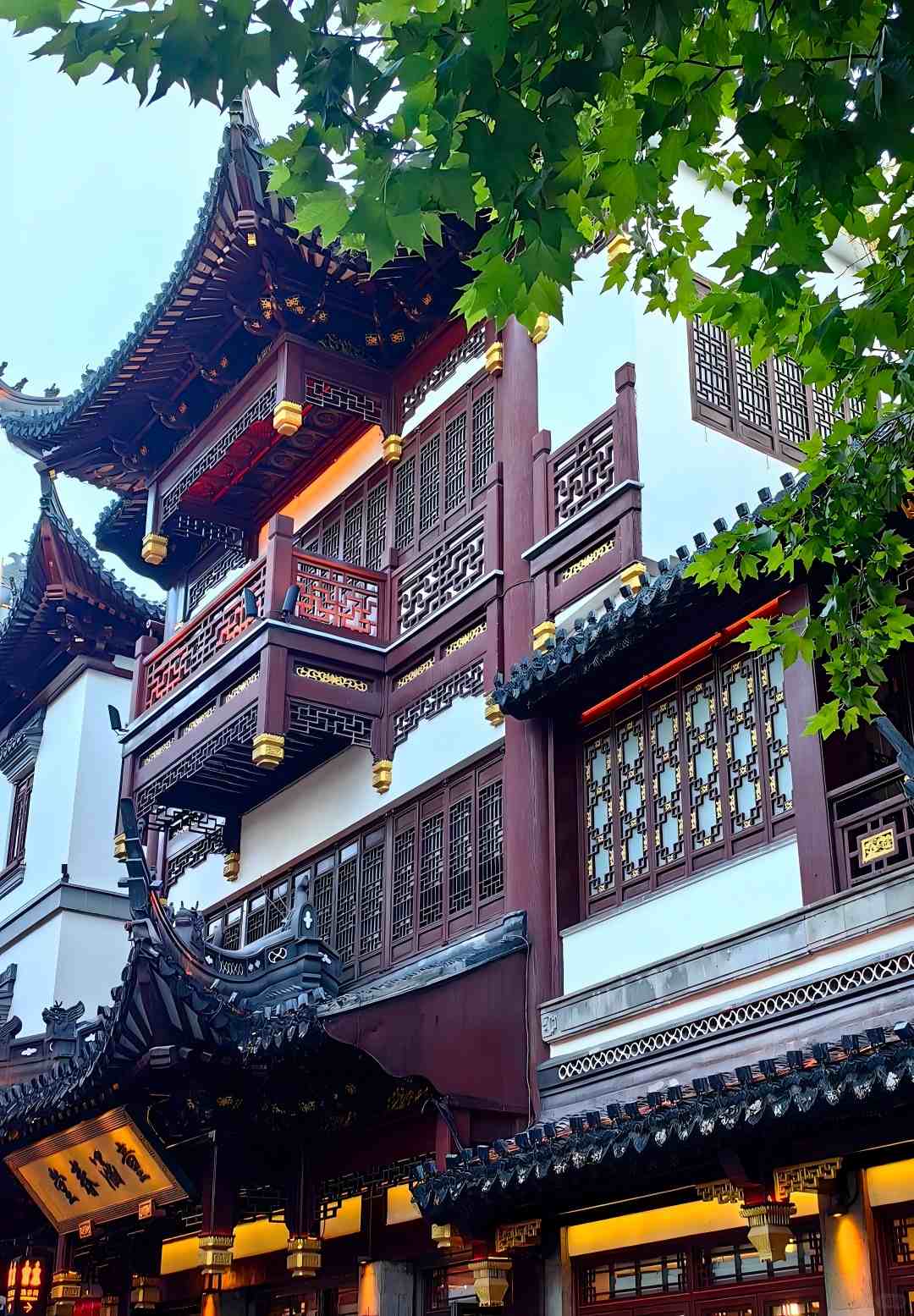
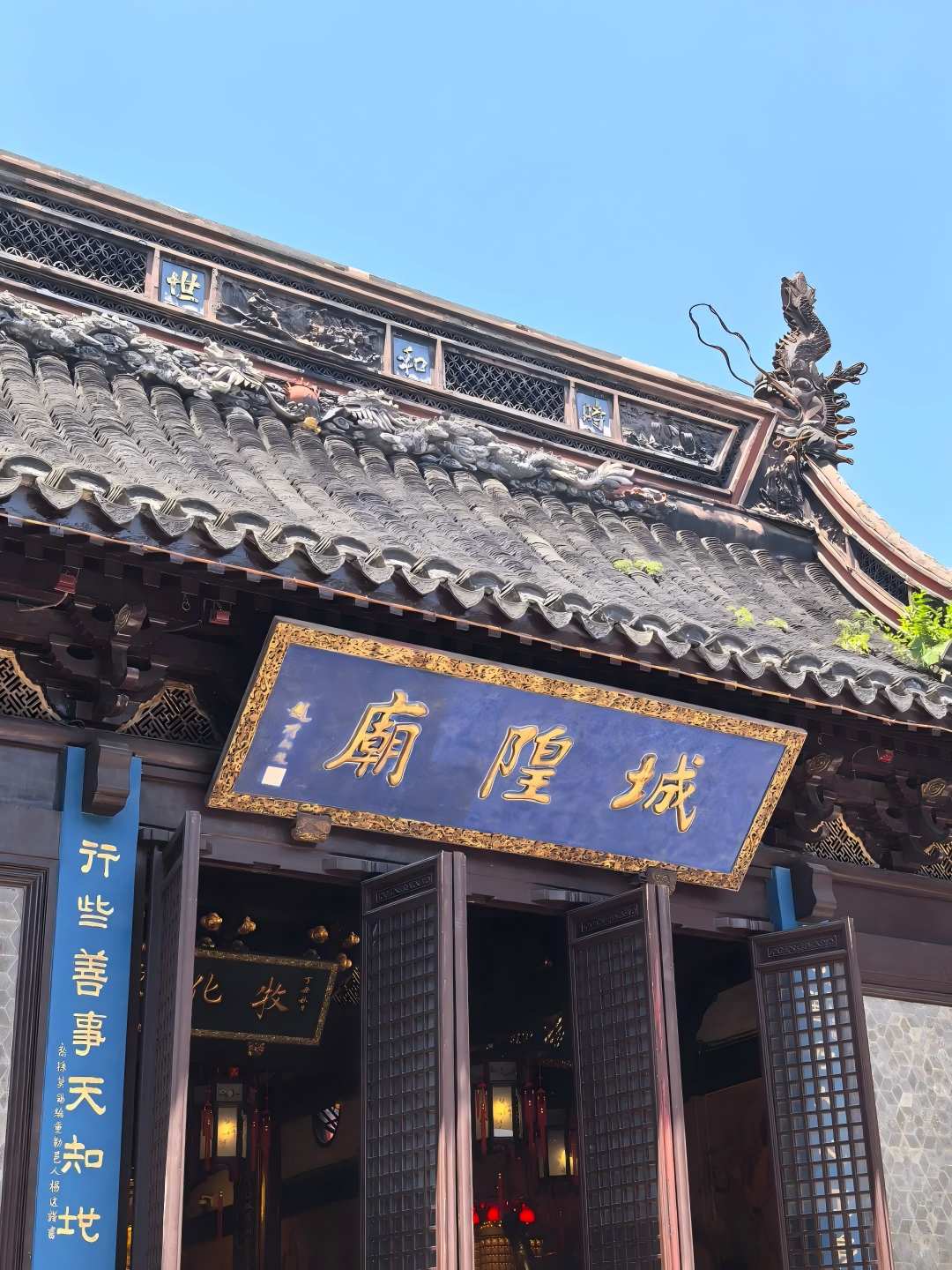
Yu Garden and the surrounding City God Temple are incredible places to experience “Old Shanghai” and traditional Chinese folk culture. Located in the heart of the old town, stepping here feels like you’ve instantly traveled back to ancient China—a world totally different from the modern city outside.
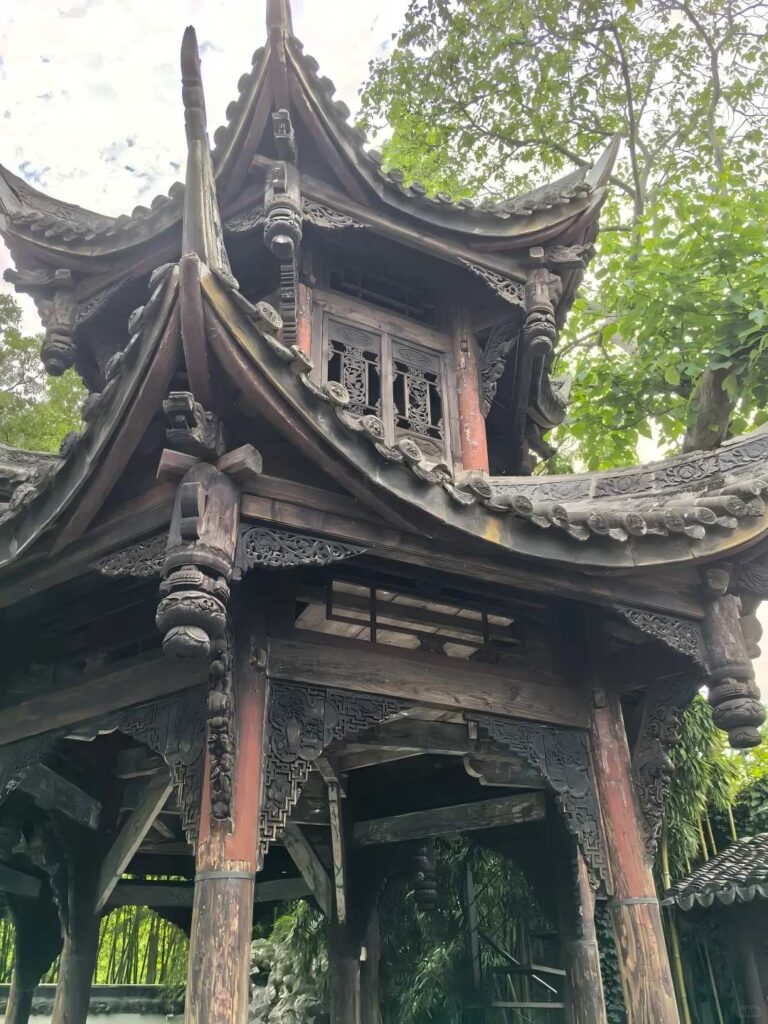
Yu Garden: This is a famous classical garden of the Jiangnan region (Lower Yangtze River), first built during the Ming Dynasty over 400 years ago. The design is incredibly intricate, with pavilions, flowing streams, exquisite rockeries, and winding corridors that embody the subtle elegance of traditional Chinese garden art. Here, picturesque and secluded paths lead into quiet serenity, where you can slow down and appreciate the fine details of brick and wood carvings.
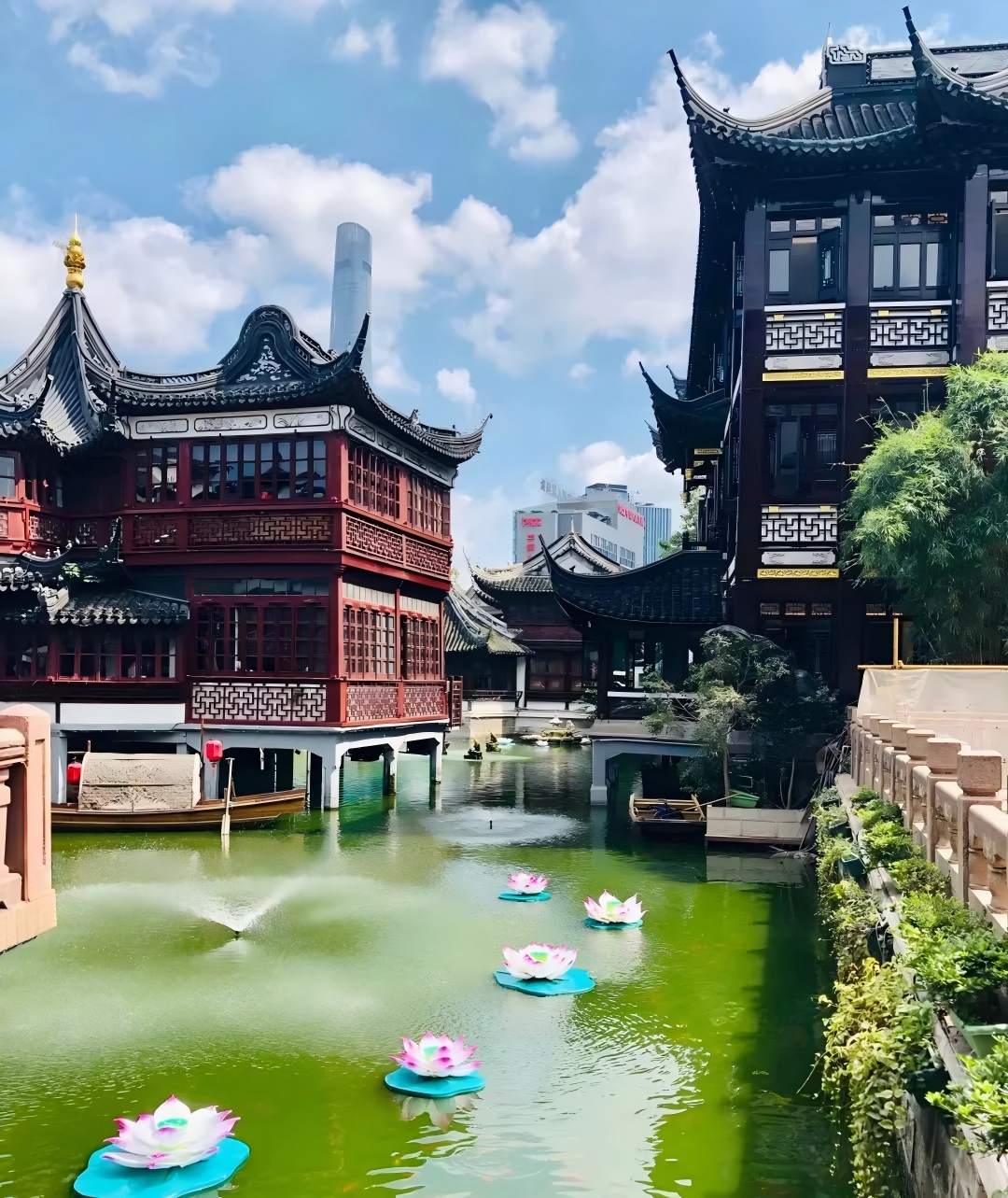
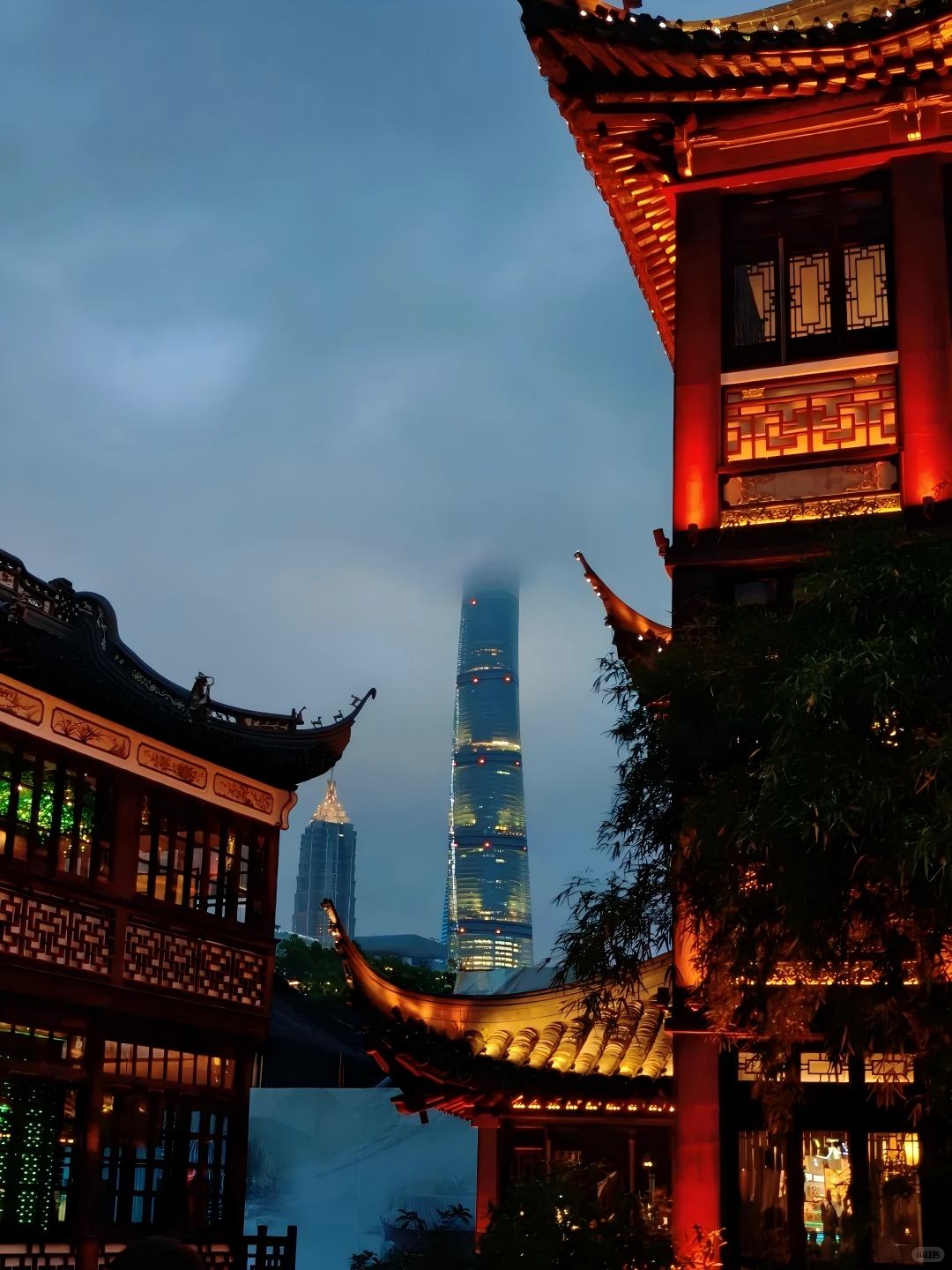
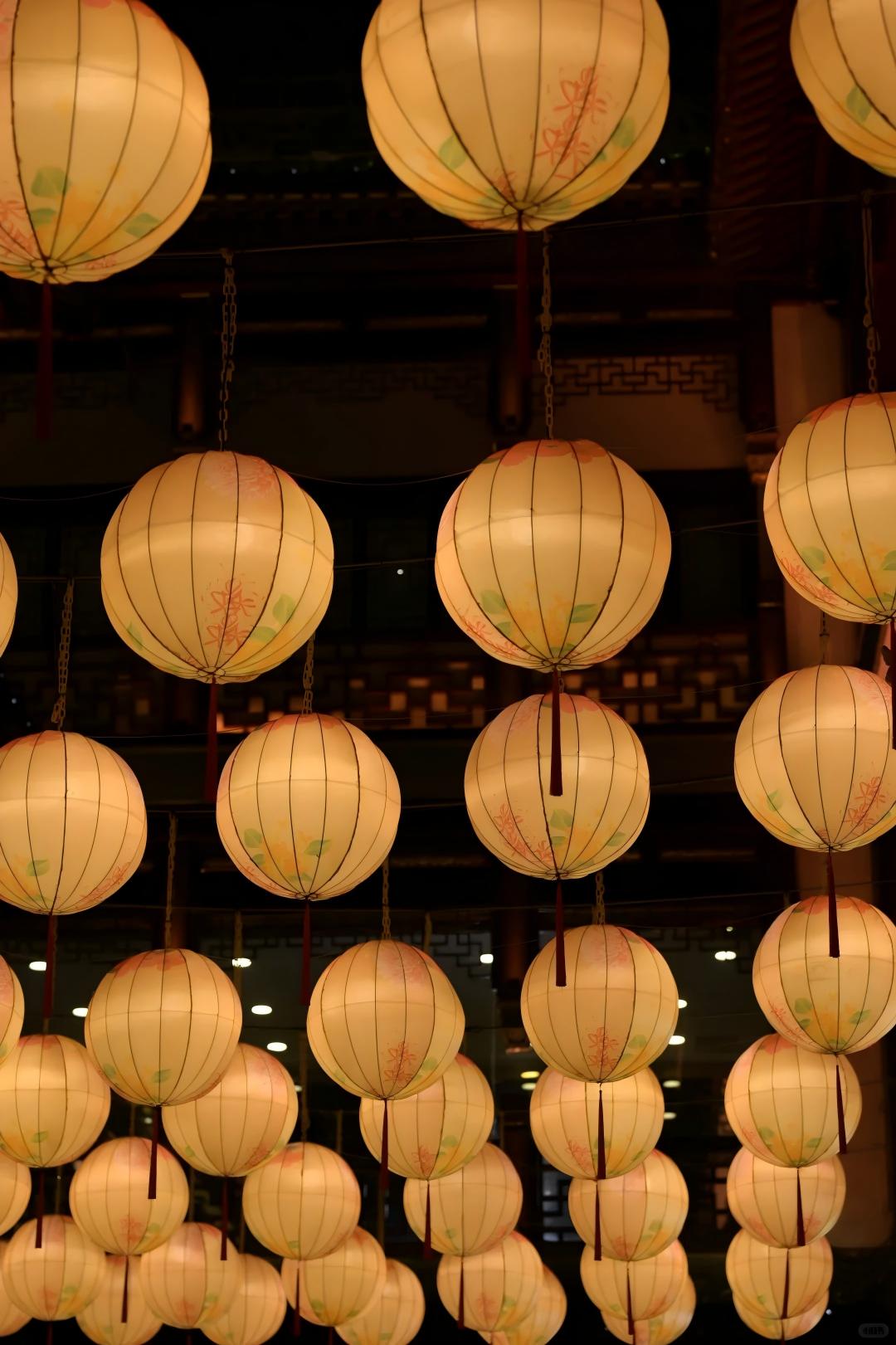
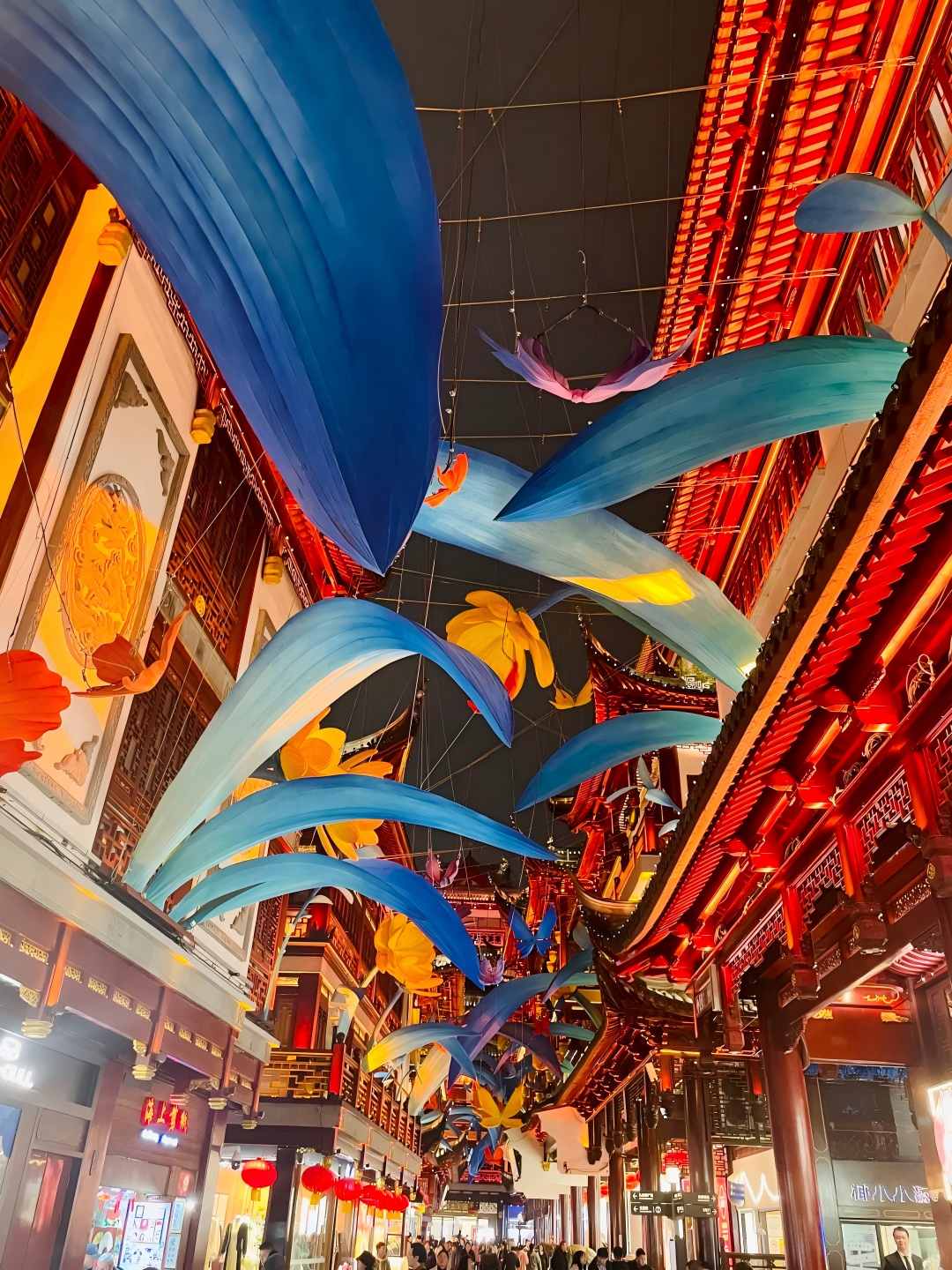
City God Temple / Yuyuan Bazaar: The commercial area that grew around the City God Temple is a thriving marketplace, overflowing with traditional Chinese folk flavor. This is a wonderful place to buy unique Chinese handicrafts and souvenirs, and try some authentic Shanghai snacks. The antique-style buildings, the high-hanging red lanterns, and the lively crowds give this area a powerful “yānhuǒ qì” (a Chinese term meaning a rich, warm sense of everyday life and human connection).
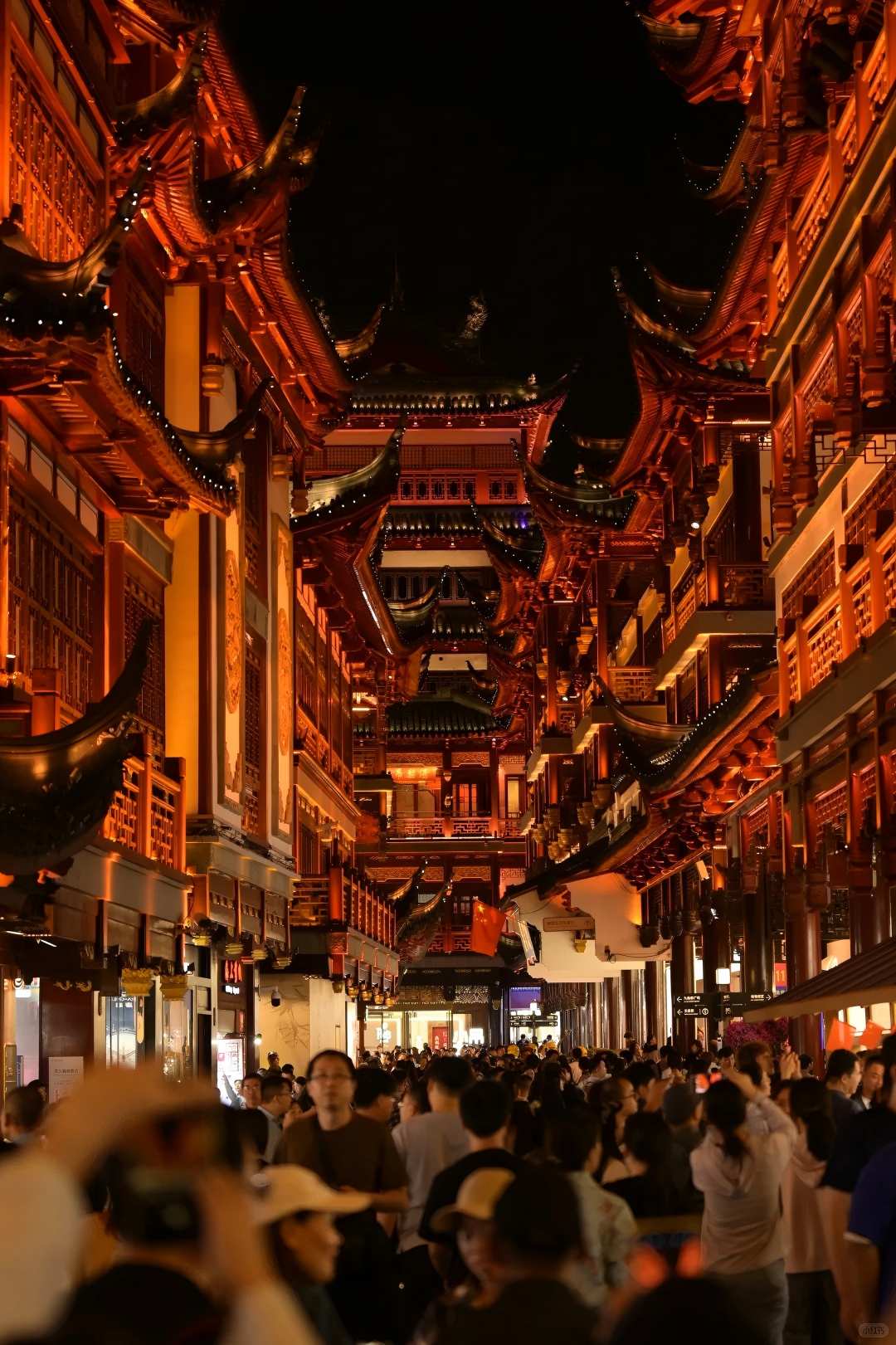
My Suggestion:
I recommend visiting after 4:00 PM. As dusk settles, the lanterns and golden illuminations on the old buildings turn on, transforming this ancient area into a glittering spectacle filled with the warm drama of Eastern beauty.
The City God Temple is also very close to the Bund and Lujiazui, so it’s entirely possible to visit all three attractions in one day.
Read More: Yu Garden Travel Guide
5. Wukang Road (武康路) – Strolling Through Shanghai’s Slow and Elegant Life
- Cost: Free
- Best for: Historic architecture, French plane trees, and café culture.
- My Take: A peaceful, historical, and culturally rich street perfect for a relaxing walk.
Wukang Road is a street steeped in history and romance. Stretching for 1,183 meters (0.74 miles) and established in 1907, it was once a core area of the Shanghai French Concession. Because of this, it retains an old-school elegance. While it might not be on every traditional tour list, it is the ideal place to slow down and connect with the city’s hidden stories.
The most noticeable feature of Wukang Road is the beautiful European-style villas and garden houses that line the street. Many were built in the early 20th century and served as residences for famous historical figures. These buildings exude a strong historical atmosphere.
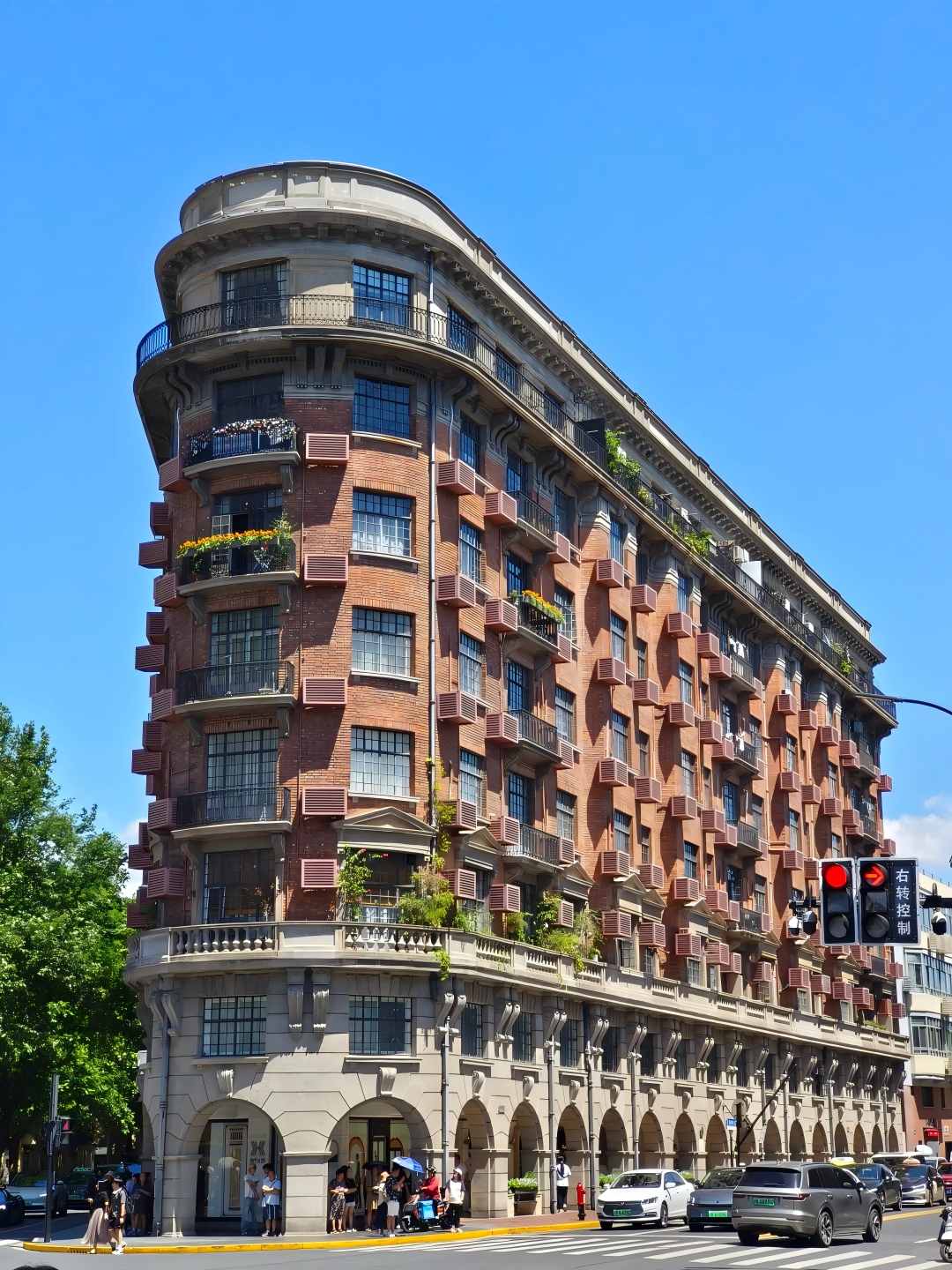
The standout is the distinctively shaped Wukang Mansion located at the intersection. Resembling a giant ocean liner docked at the corner, it is a fantastic city landmark and a perfect photo backdrop.
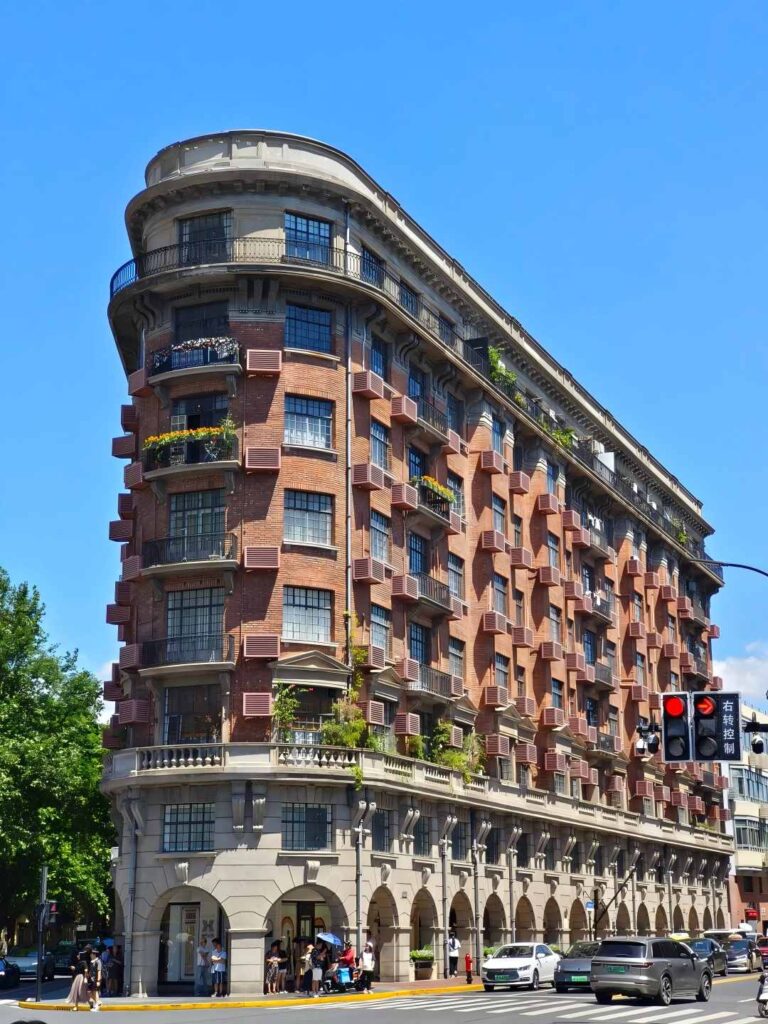 Wukang Road
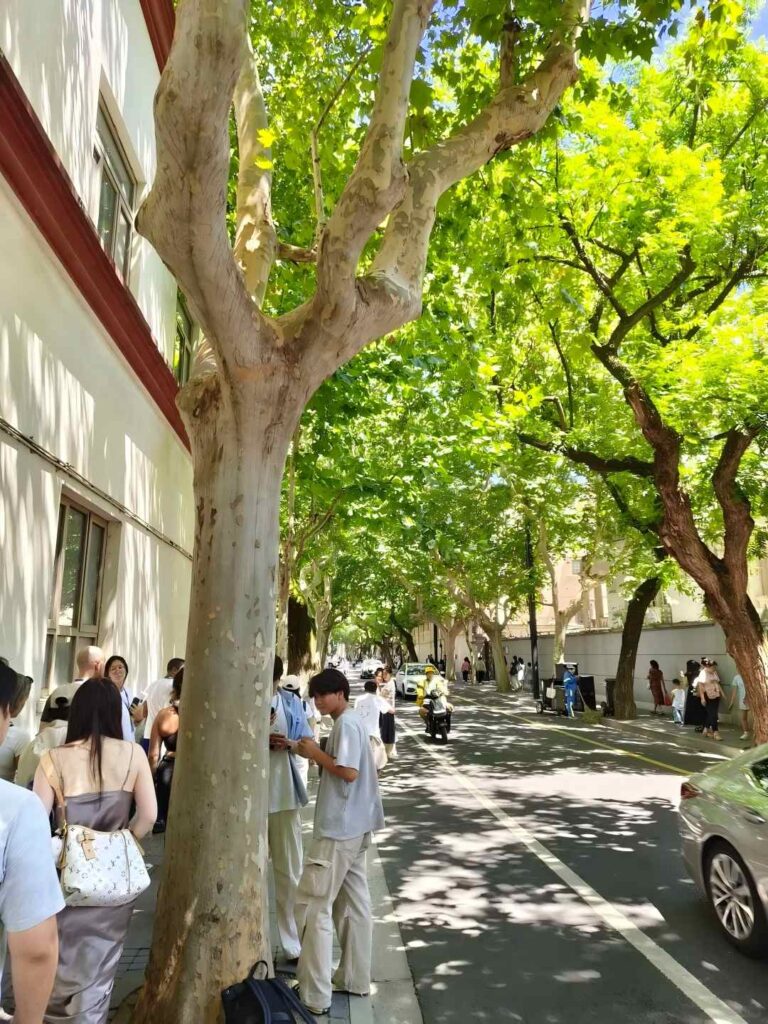 Wukang Road
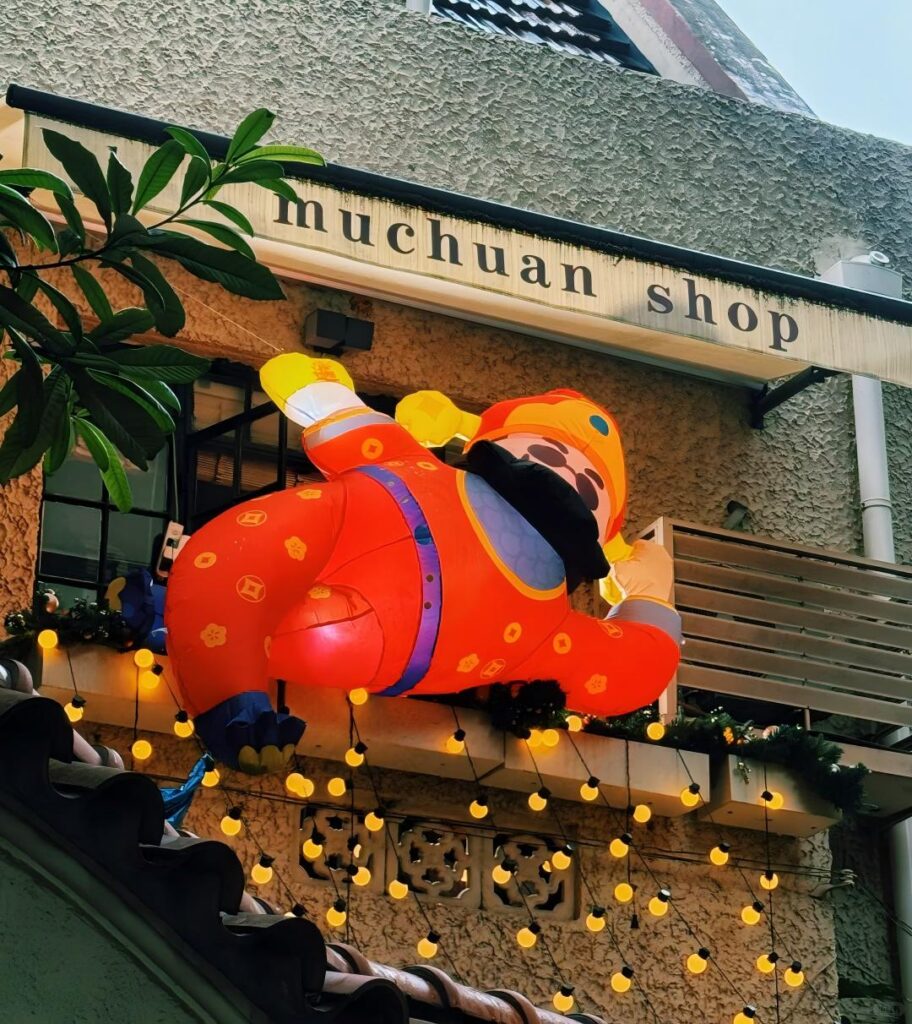 Wukang Road
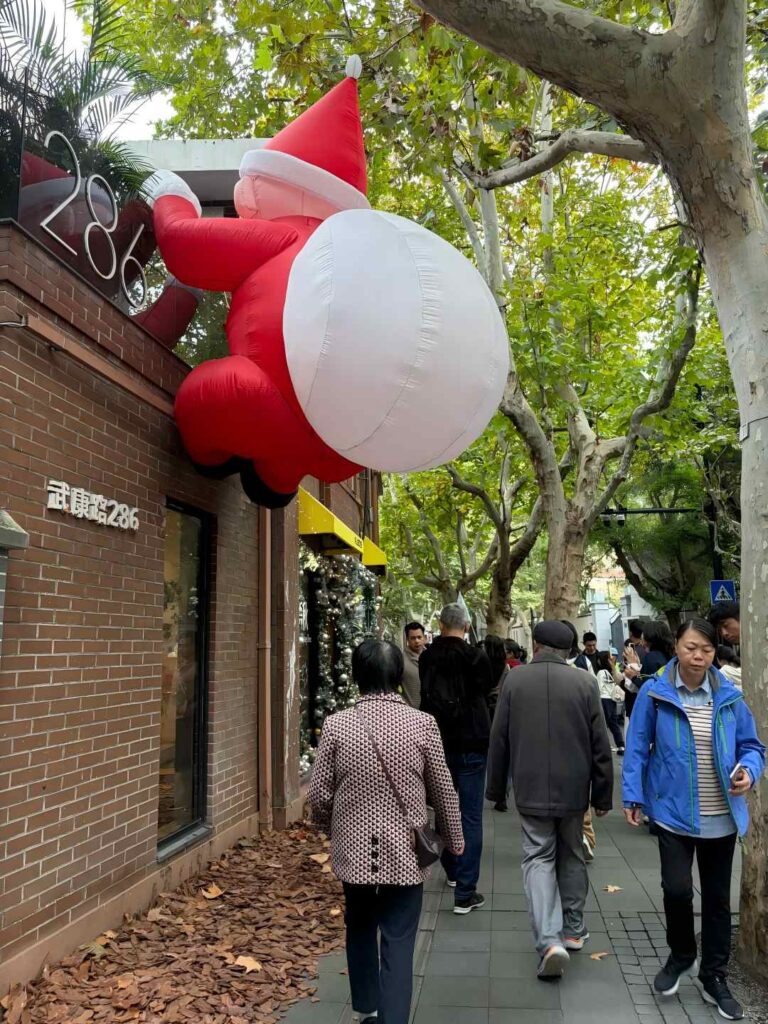 Wukang Road
Tall French plane trees line both sides of the road. Walking beneath them, you feel as though you’ve quietly stepped back into the early 20th century, getting to see the unique, colonial-era architectural style.
Beyond the architecture, Wukang Road is the perfect spot to experience Shanghai’s “Slow Life.” The street is dotted with independent cafés, designer boutiques, and galleries hidden inside old villas. Grab a coffee, sit under the trees, and feel the city’s elegance and quietness come together.
My Walking Suggestions:
- Café Culture: There are many unique coffee shops along the road (look for the ones with long lines!). Since it gets busy on weekends, be prepared for a bit of a wait.
- Classic Route: Wukang Road is best experienced as part of a larger city walk. I recommend strolling down Wukang Road, continuing to the nearby Anfu Road, and then heading toward Jing’an Temple. This combination is a classic, immersive way to explore the city.
- My Personal Itinerary (Approx. 2 hours): Metro Line 10/11 at Jiaotong University Station (Exit 7) → Wukang Mansion (Photo Op) → Former Italian Consulate → Wukang Court → Romeo’s Balcony → Browse shops along the way (e.g., Wiggle Wiggle, LOOKNOW&FLOW) → Finish by heading toward Jing’an Temple.
6. Suzhou Creek (Suzhou He) – Riverside Walk: A Hidden Urban Gem
- Cost: Free
- Best for: Industrial heritage, the fusion of old and new architecture, and authentic local vibes.
- My Take: A truly unique, lesser-known route that shows a different side of the city.
This riverside walk offers an experience unlike any other. If Wukang Road represents the romance and bohemian charm of the French Concession, then Suzhou Creek reveals the pulse of authentic daily life in Shanghai.
As a less-traveled route, it allows you to immerse yourself in genuine local scenes—you’ll see children playing, seniors fishing, and joggers running along the river. Tucked along the banks, you’ll also find stylish little bars and coffee shops, creating a relaxed and comfortable atmosphere.
It’s a less-traveled route, making it easier for visitors to immerse themselves in the genuine, daily scenes of local people—you’ll see children playing, seniors fishing together, and young people jogging along the river. There are also some stylish little bars and coffee shops tucked along the banks. It creates a special feeling of comfort and relaxation.
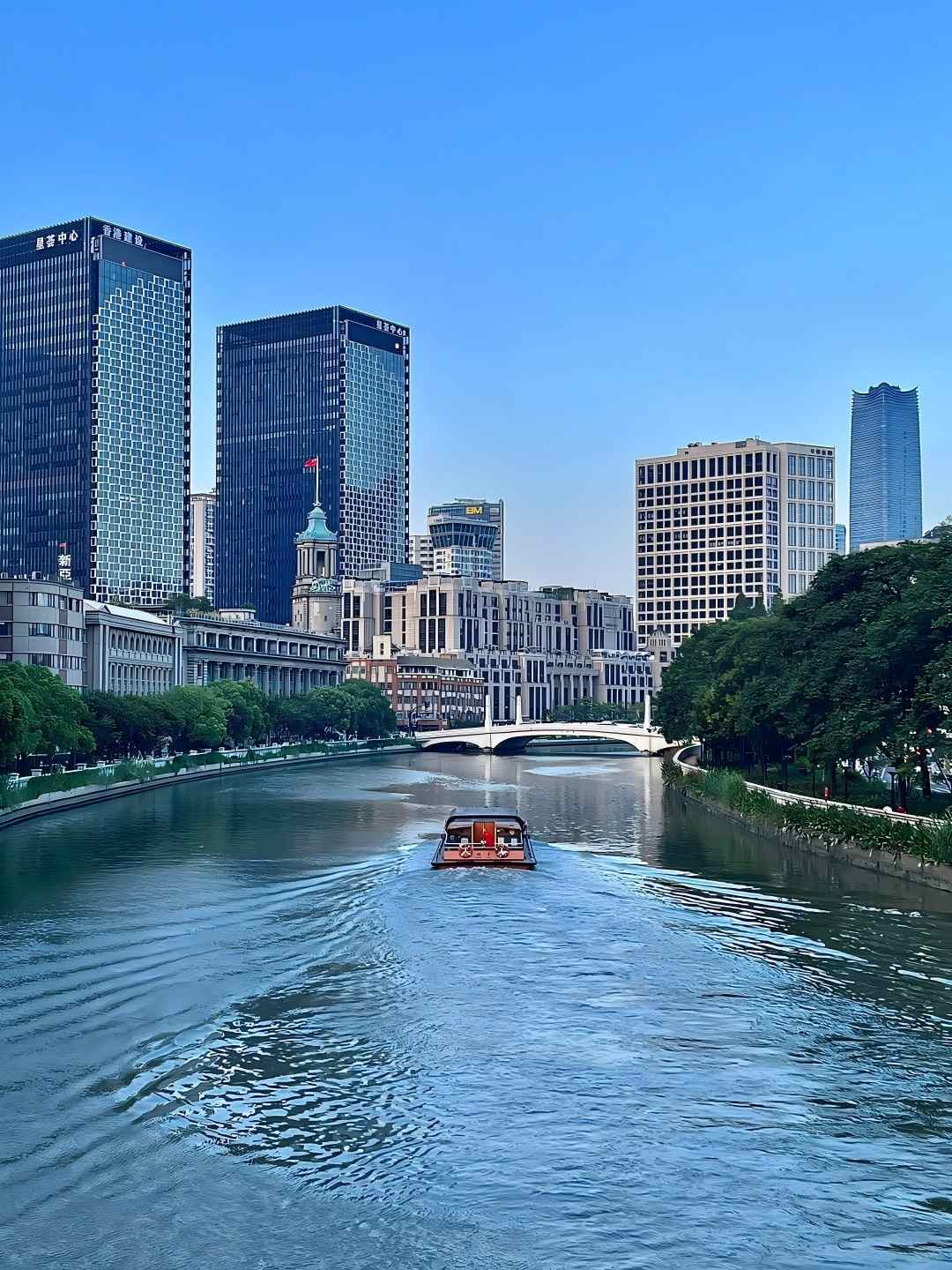
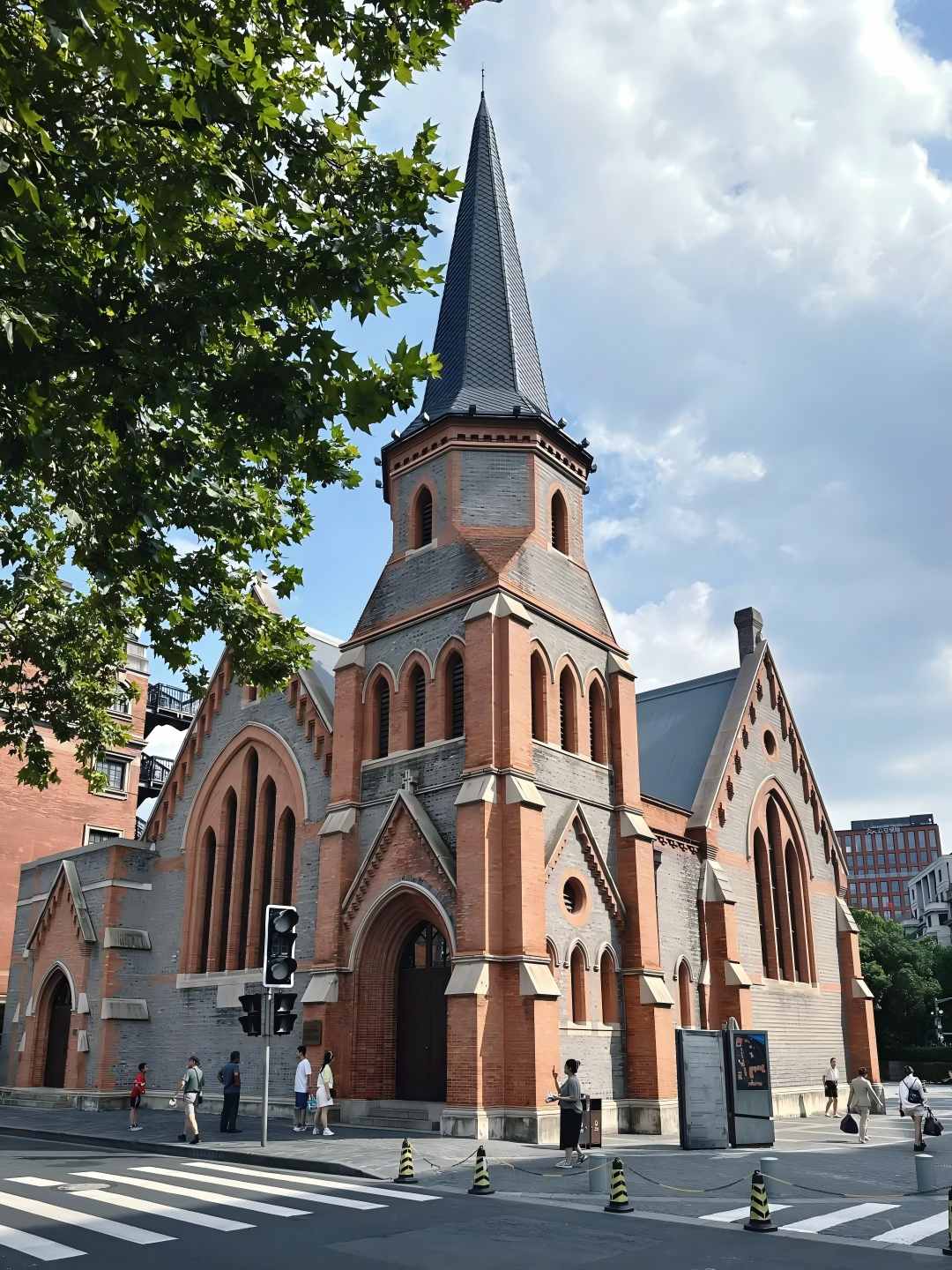
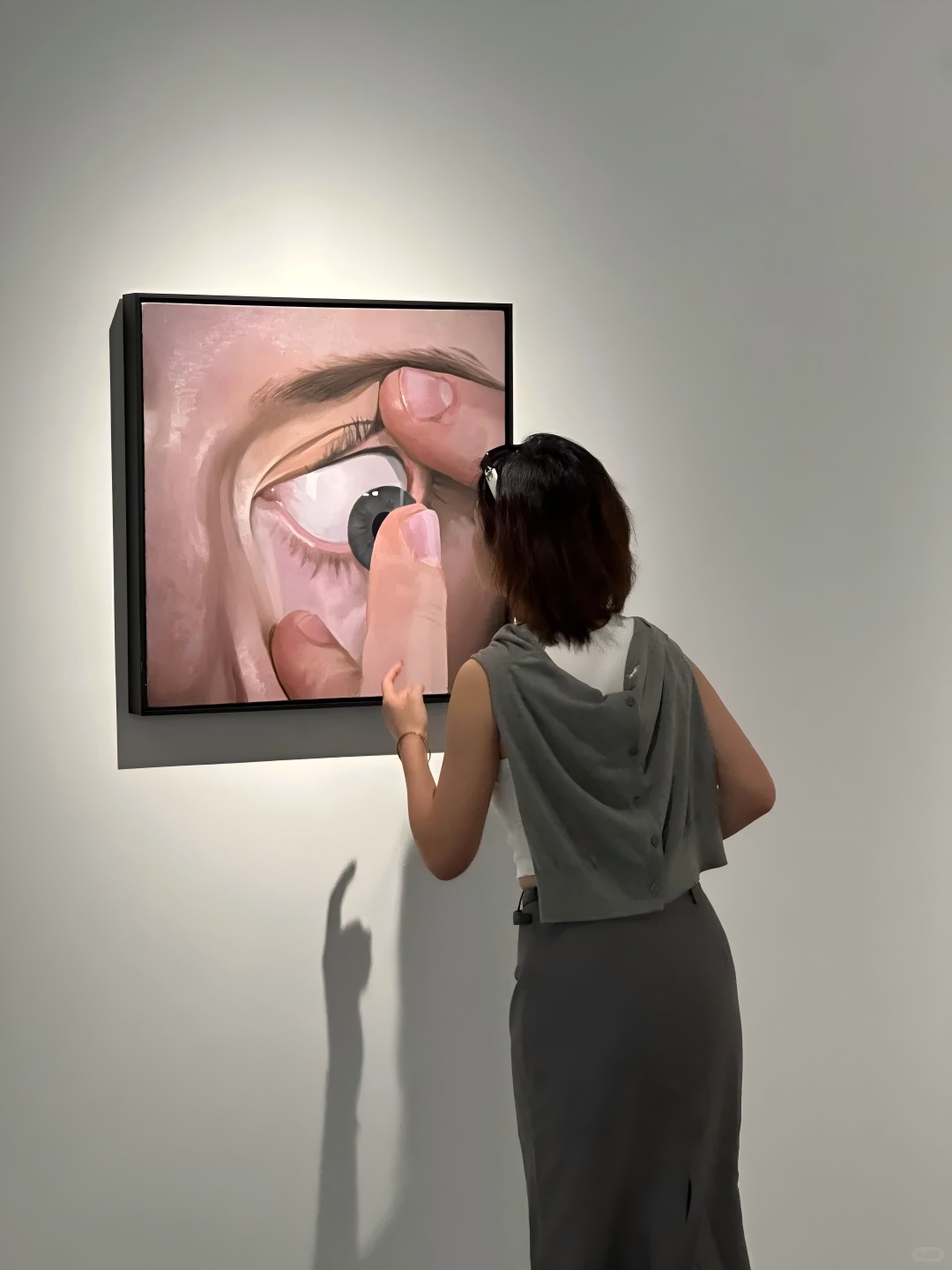
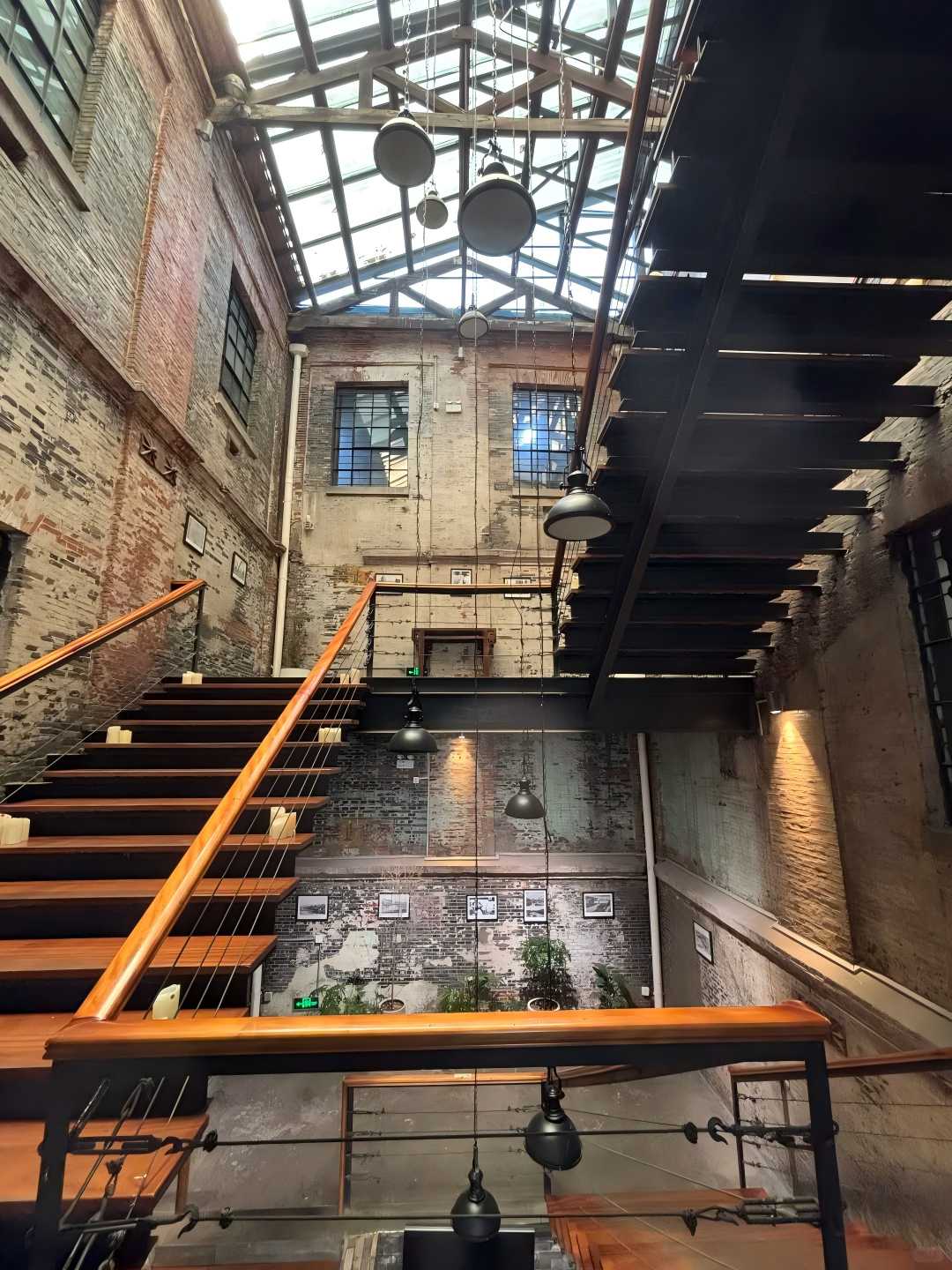
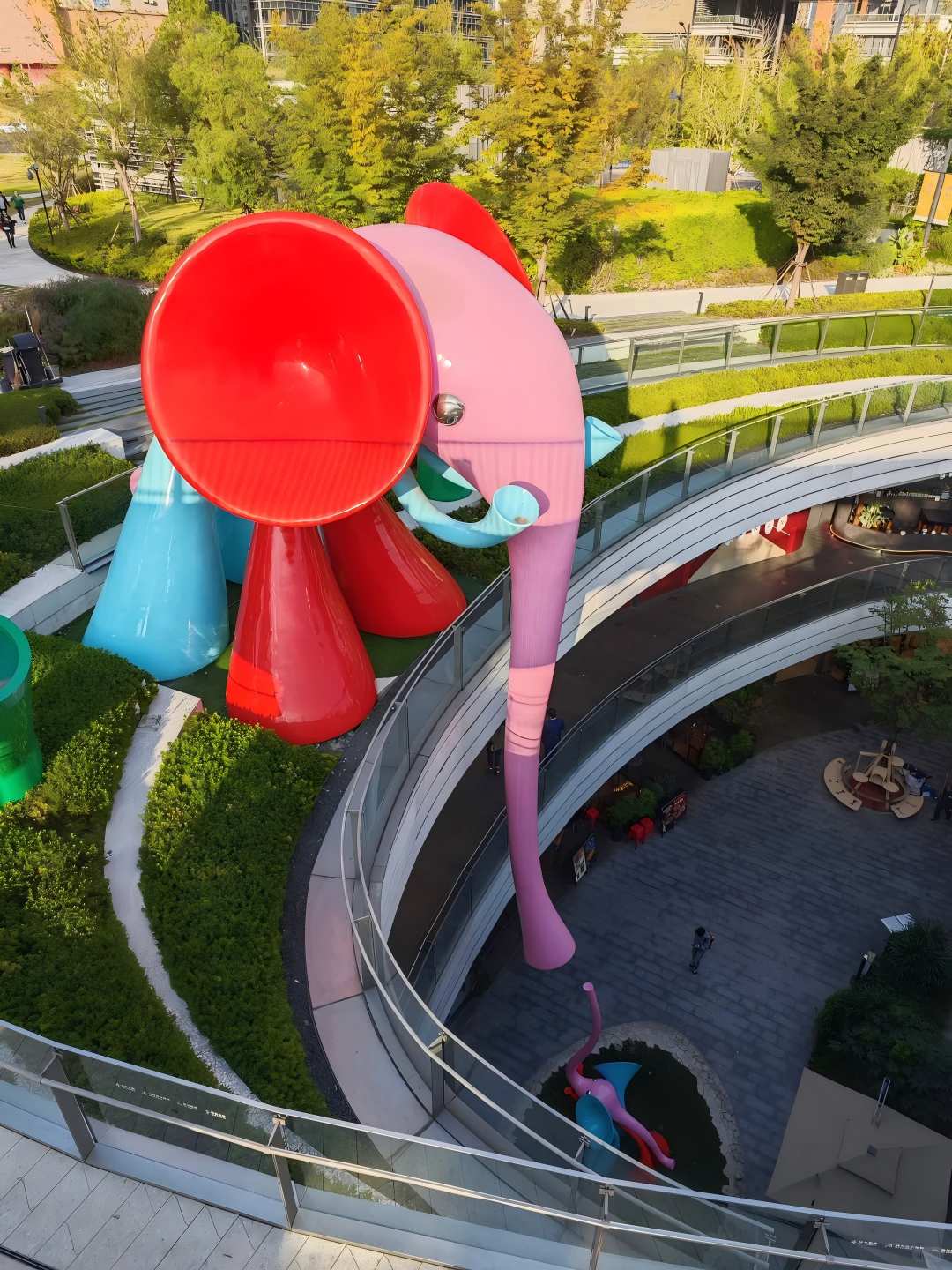
Suzhou Creek was once Shanghai’s industrial lifeline, leaving behind a rich industrial legacy.
- Fuxin Flour Mill: You can see the restored remains of this significant factory (the famous M50 Creative Park is also nearby).
- Sihang Warehouse War Memorial: A crucial site from the 1937 Battle of Shanghai. The western wall is still riddled with real bullet holes from the fierce fighting against Japanese aggression. It is a visually powerful and moving sight.
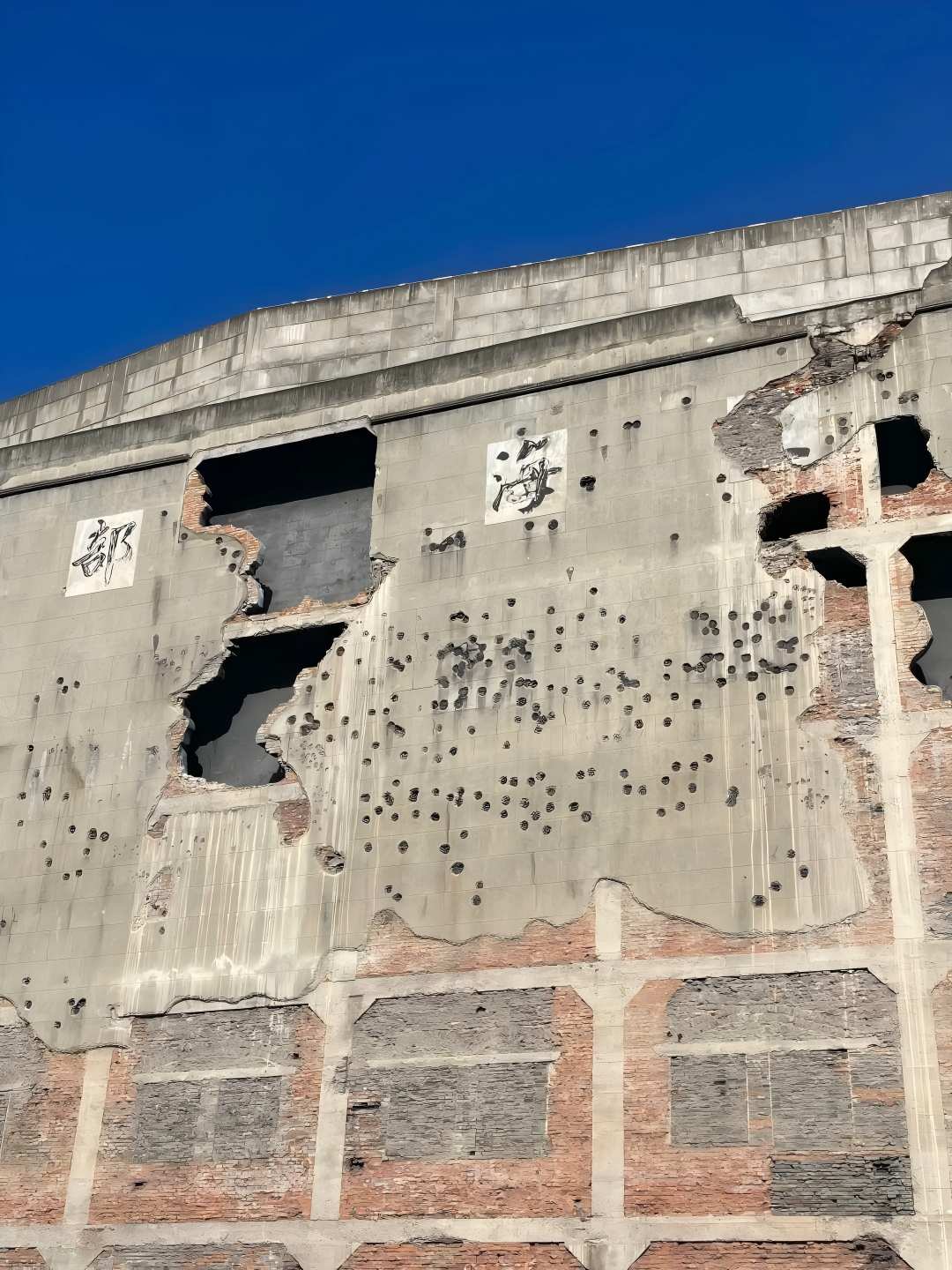
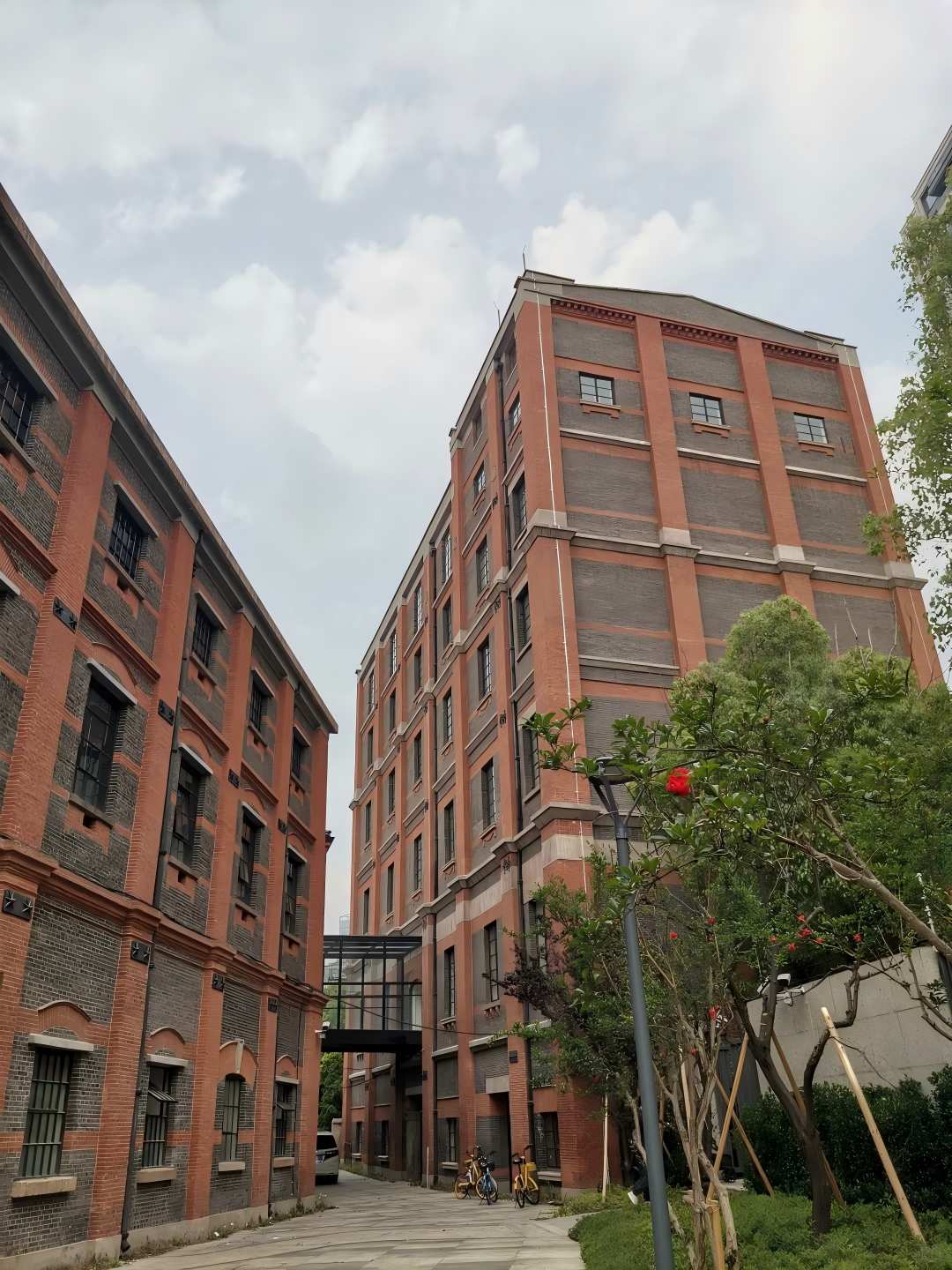
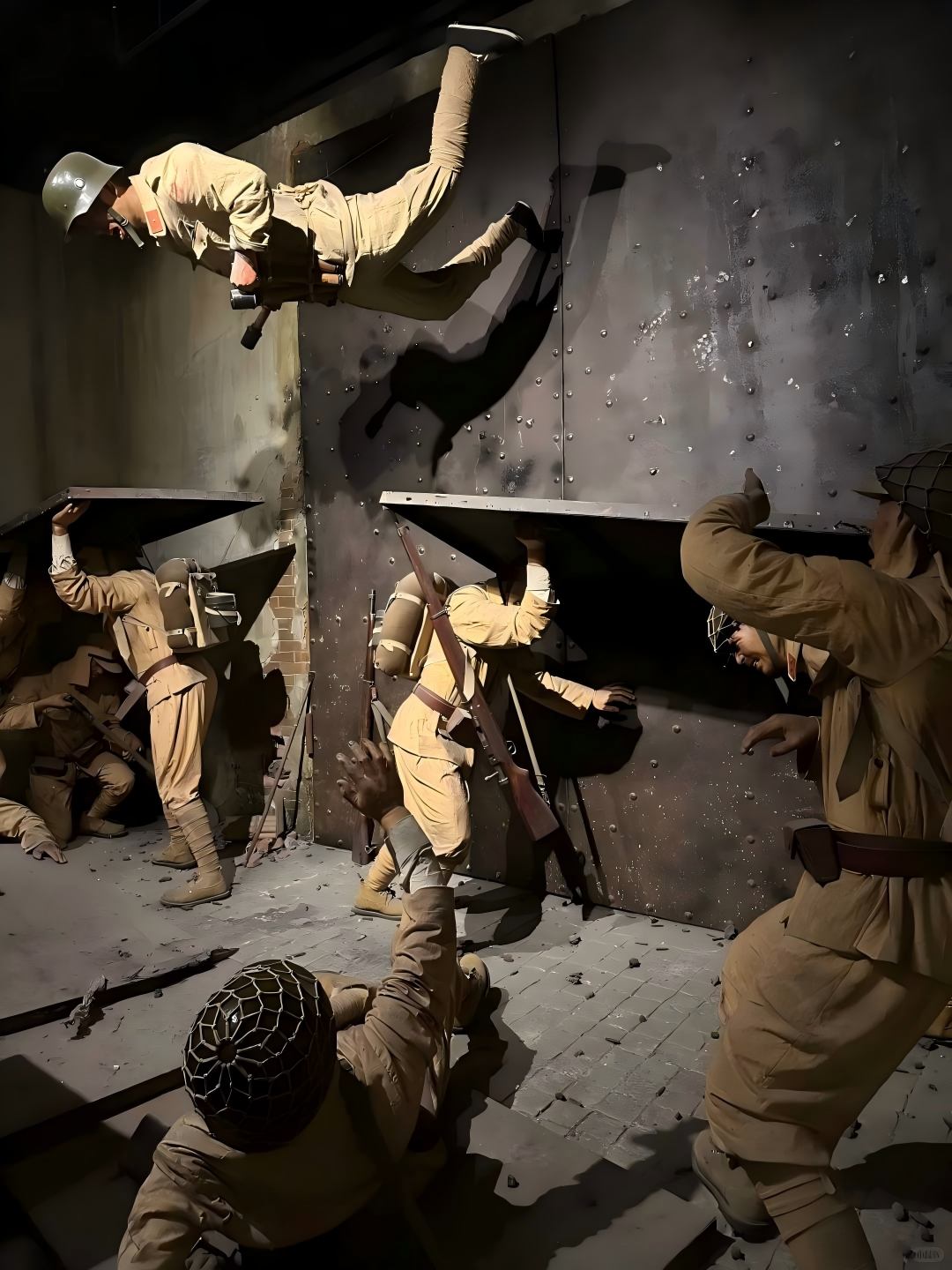
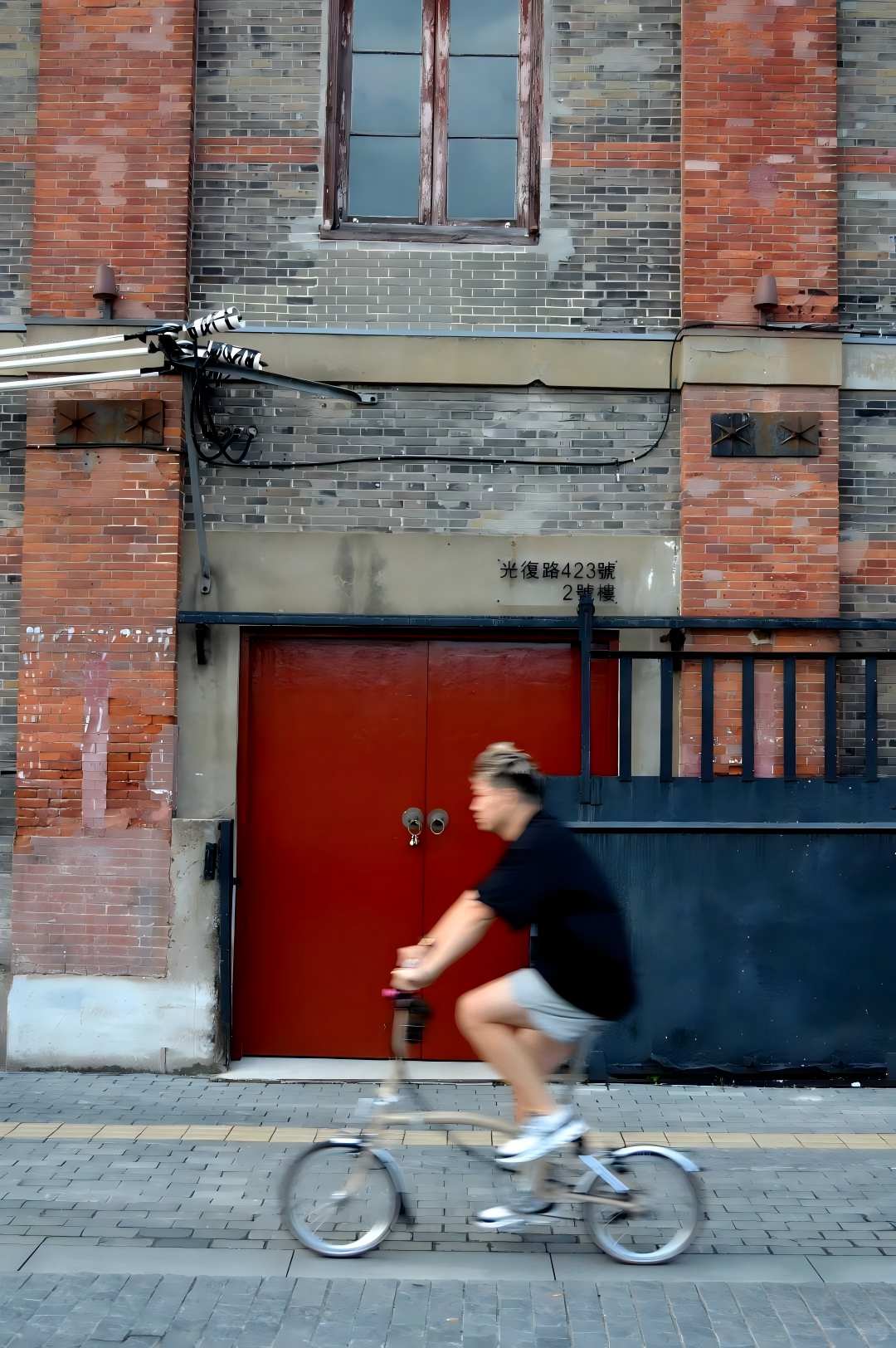
Standing right next to these historic scars are modern landmarks like the Fotografiska Museum and MIXC World. This juxtaposition of gritty history and trendy modernity creates an incredibly layered feel unique to this area.
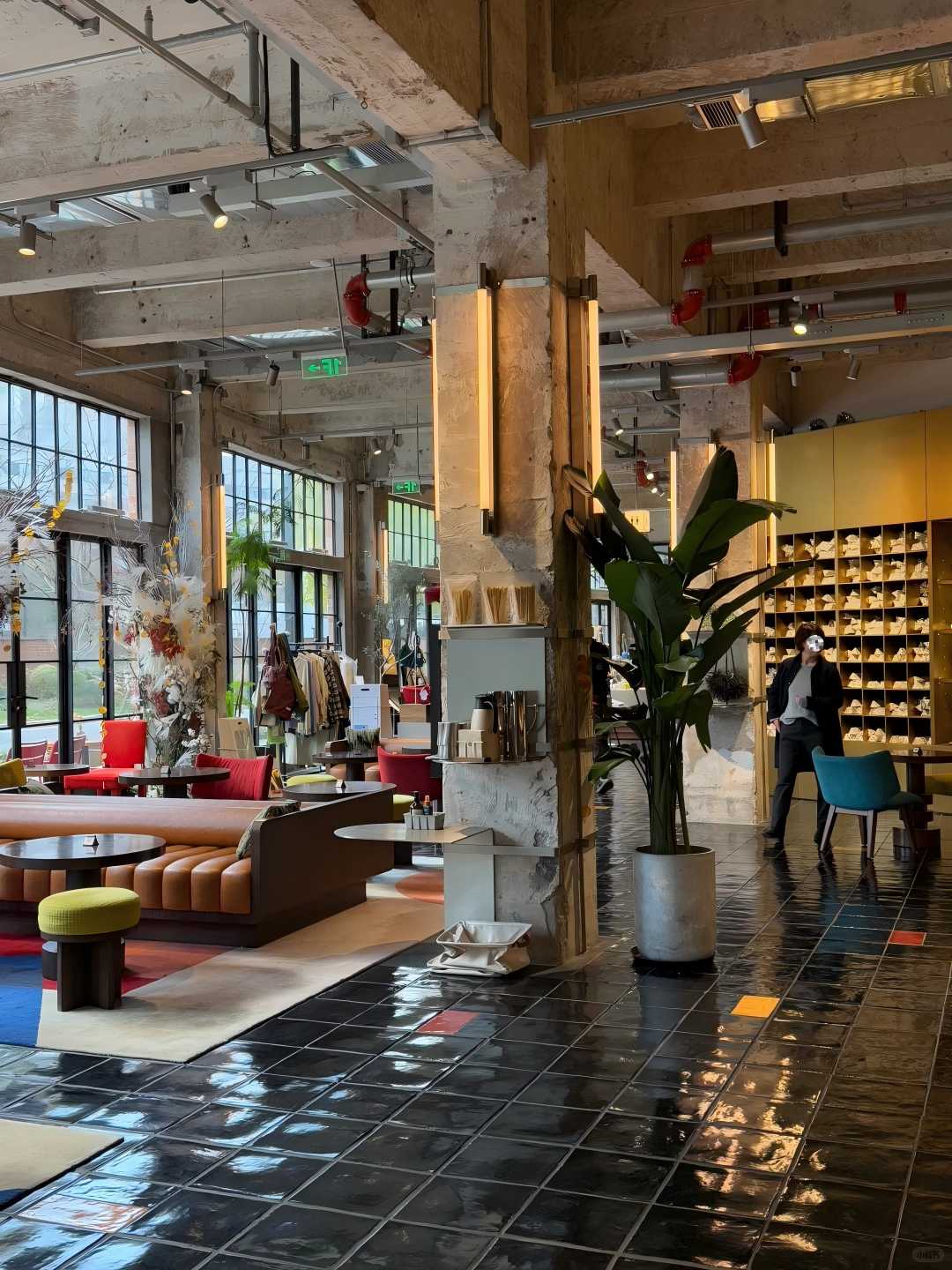
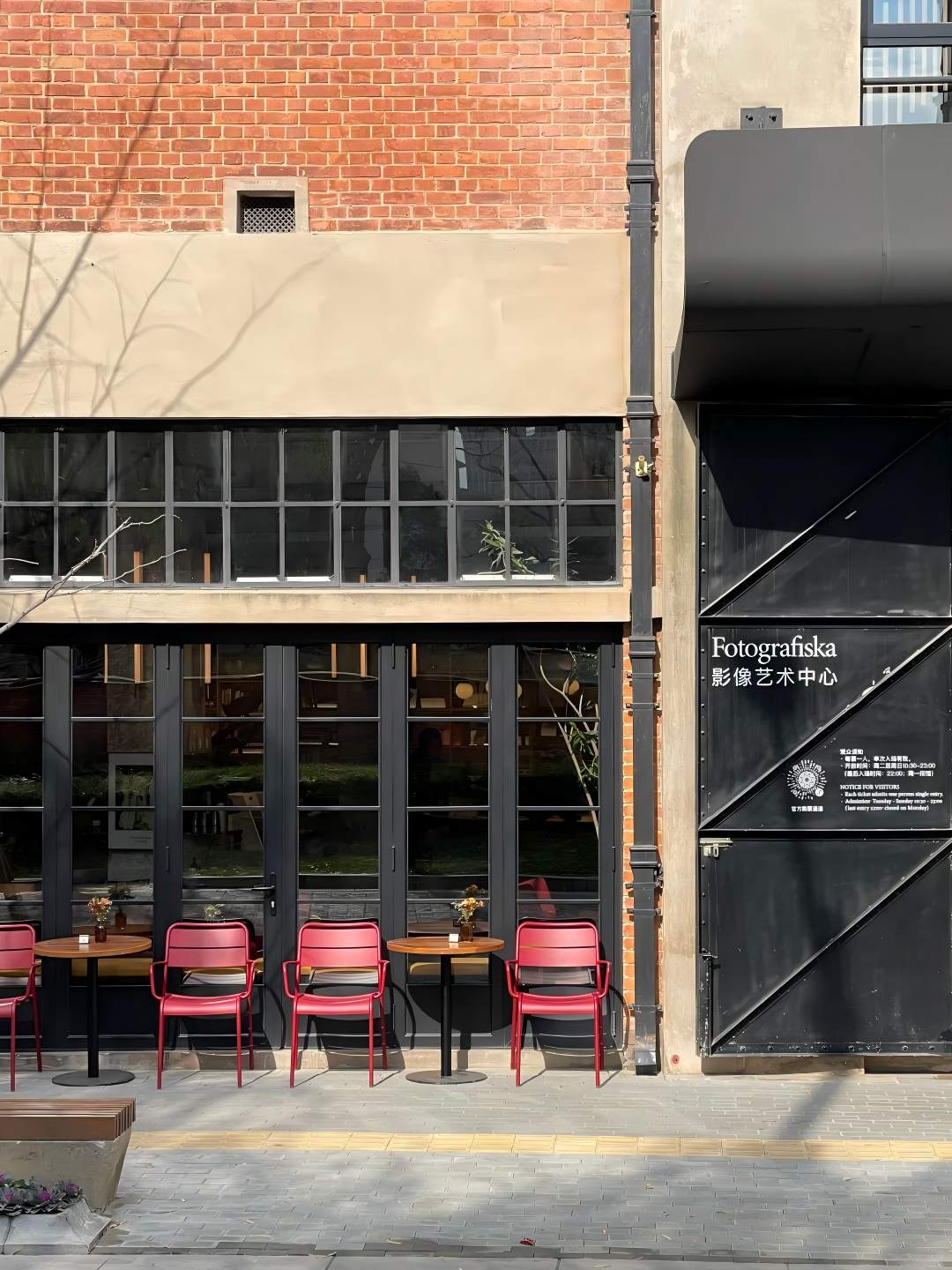
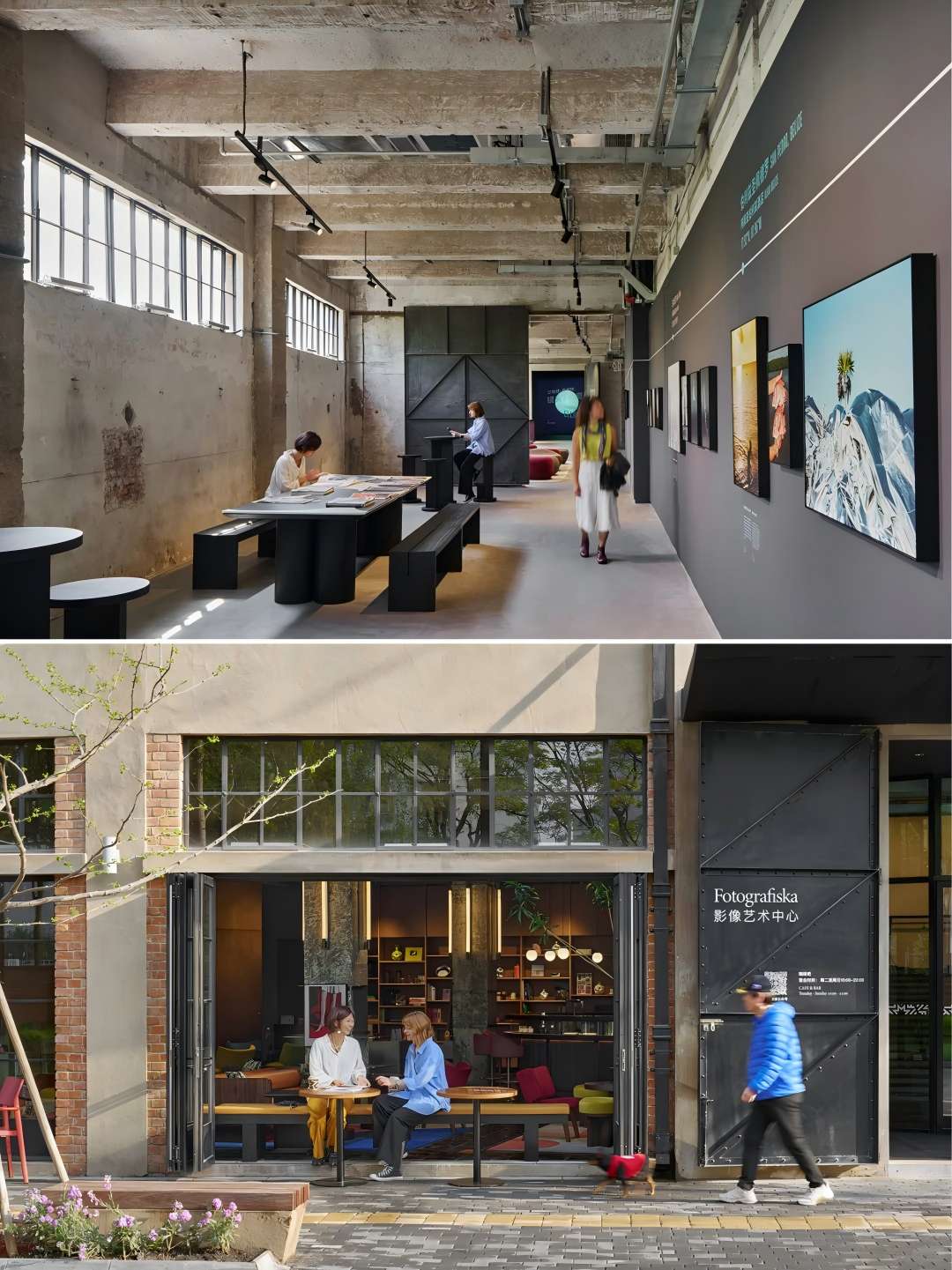
My Recommended Route: Fuxin Flour Mill → Fotografiska → Sihang Warehouse War Memorial → MIXC World / Former Shanghai General Chamber of Commerce → Waibaidu Bridge → The Bund.
- Time: Approx. 1 hour of walking (plan for more if entering museums).
- Why it works: This convenient path leads you through quiet river scenery directly into the bustle of the Bund, connecting two major worlds in one trip.
7. Jing’an Temple (Jing’an Si) – A Golden Sanctuary in the City’s Heart
- Cost: 50 RMB (approx. $7 USD)
- Best for: The surreal contrast between the ancient and the ultra-modern.
- My Take: The most visually stunning—and expensive—temple in Shanghai.
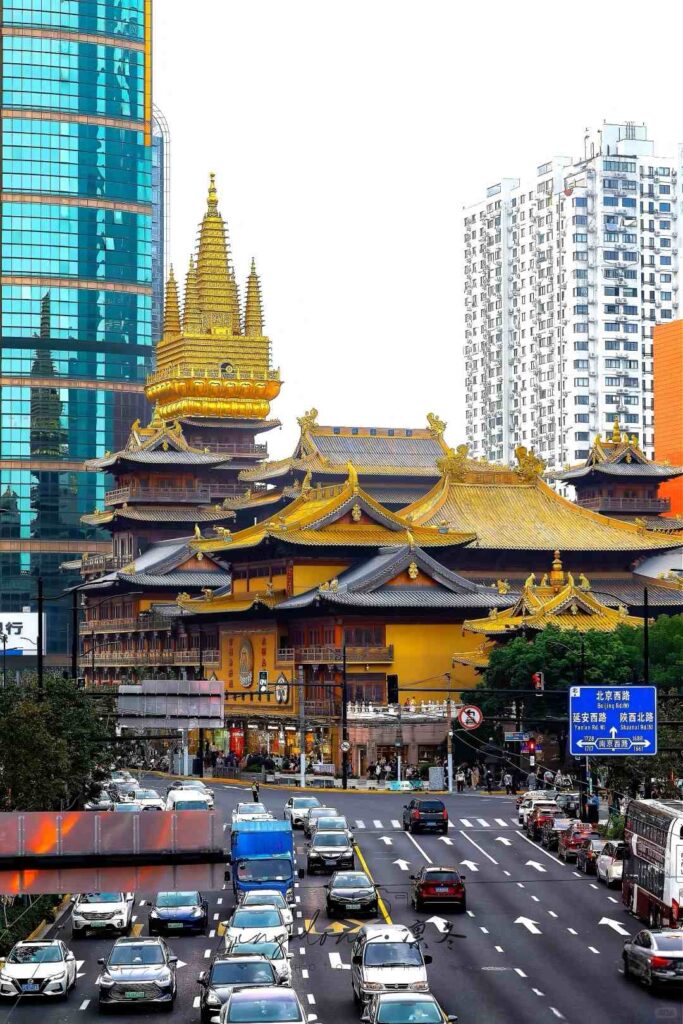
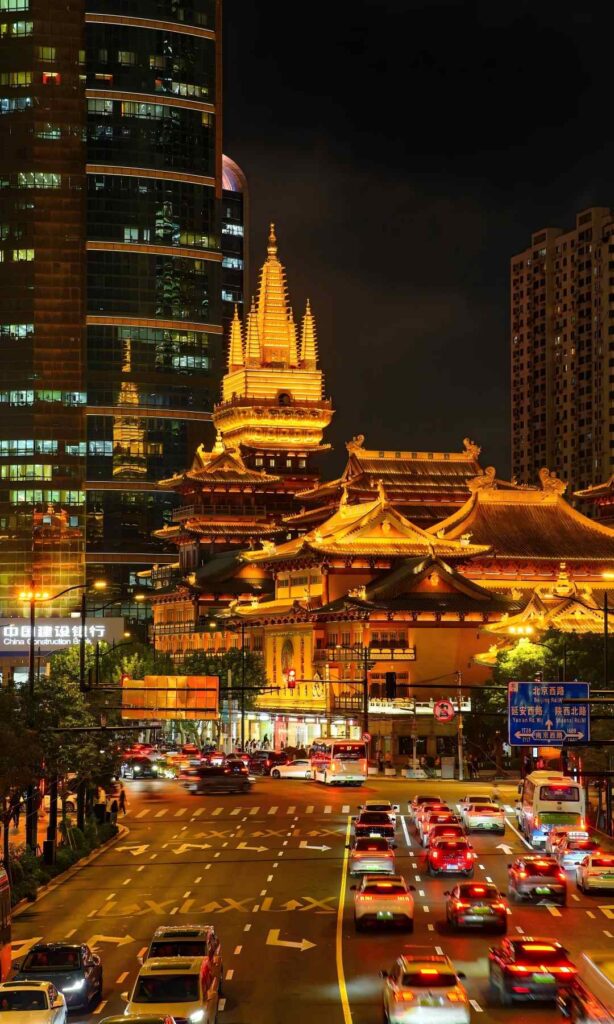
What makes Jing’an Temple incredible is its prime location. Unlike most temples tucked away in mountains or quiet corners, this one sits boldly in the busiest commercial district of Shanghai.
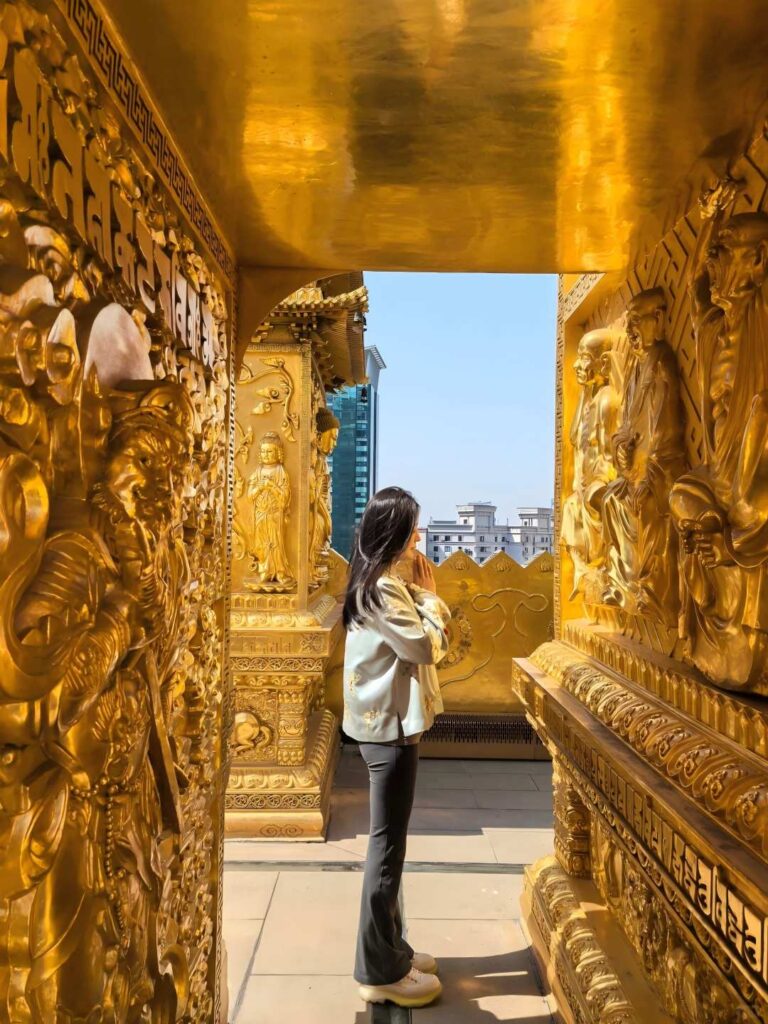
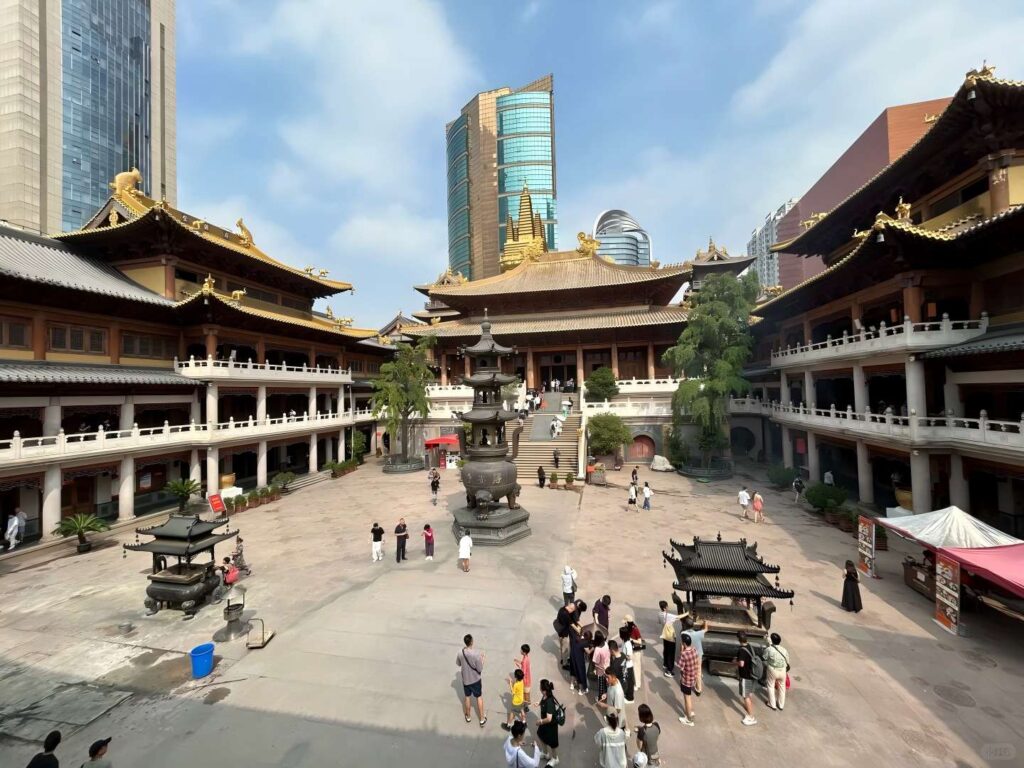
When you arrive, you see a magnificent, golden, ancient temple surrounded by Shanghai’s most incredible skyscrapers and international luxury shopping malls. This stark contrast between ancient civilization and the modern metropolis is one of the most striking parts of Shanghai. A peaceful Buddhist sanctuary suddenly appearing in the middle of the noisy downtown area is in itself a magical, photograph worthy scene.
 Jing’an Temple
 Jing’an Temple
 Jing’an Temple
 Jing’an Temple
The temple boasts a rich history dating back almost 1,800 years. Once you step inside, the city noise fades, replaced by a sense of serenity. The air is faintly scented with burning sandalwood incense. The highlights are the beautiful traditional architecture and the massive Buddha statue—standing 8.8 meters tall and crafted from 15 tons of pure silver.
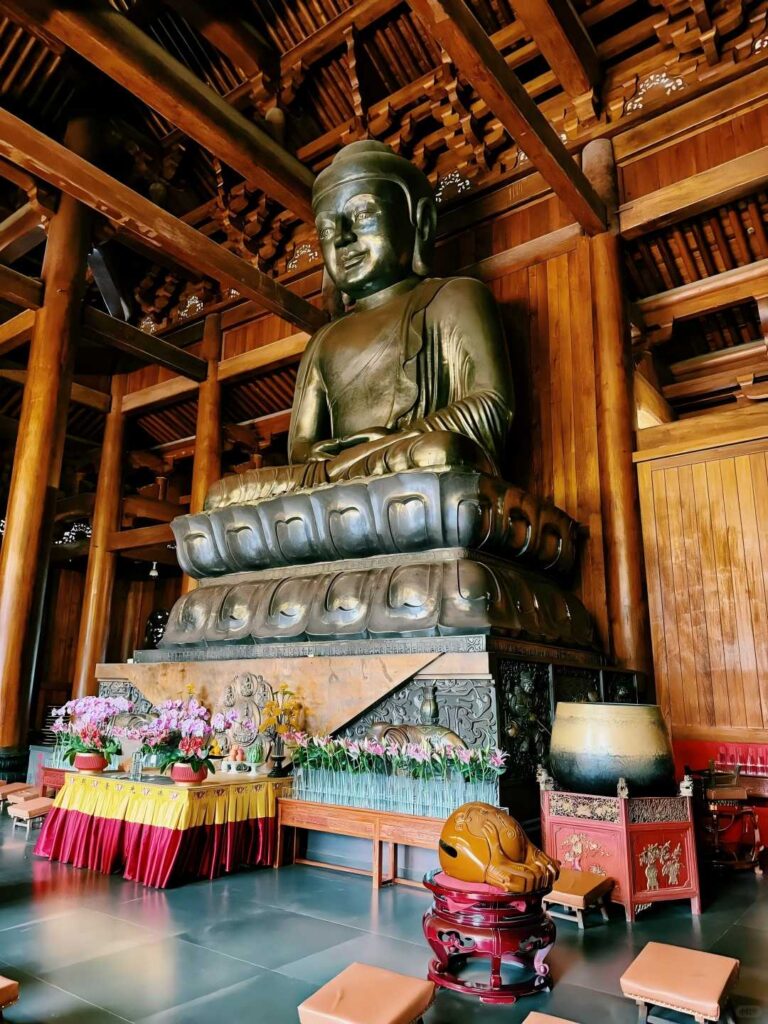
Note on Cost: While many Chinese temples are free, Jing’an Temple charges an entry fee to manage the massive crowds it attracts due to its central location.
Visiting Advice:
Be Honest with Yourself: If you are not deeply interested in Buddhist culture or architecture, don’t feel obligated to pay to go inside.
- The Best View: For many, the highlight is the exterior. Seeing the golden roofs gleaming against the backdrop of glass skyscrapers from the street is free and offers the best photo op.
- Alternative: If you want a more authentic (and free) temple experience, save your time for Longhua Temple (mentioned below), which is larger and more peaceful.
Read More: Jing’an Temple: A Thousand-Year-Old Temple in the Heart of Shanghai
8, Longhua Temple (Longhua Si) – A Serene and Classical Buddhist Sanctuary
- Cost: Free (Small fee for incense/flowers if you wish to offer them)
- Best for: Seeing Shanghai’s oldest temple, Song Dynasty architecture, and trying famous vegetarian noodles.
- My Take: An authentic, peaceful destination for seeking connection with history.
Longhua Temple is Shanghai’s oldest and largest Buddhist monastery, with a history dating back nearly 2,000 years to the Three Kingdoms period. Compared to the dense, golden Jing’an Temple in the city center, Longhua feels much calmer and more expansive. Its park-like setting offers a breath of fresh air.
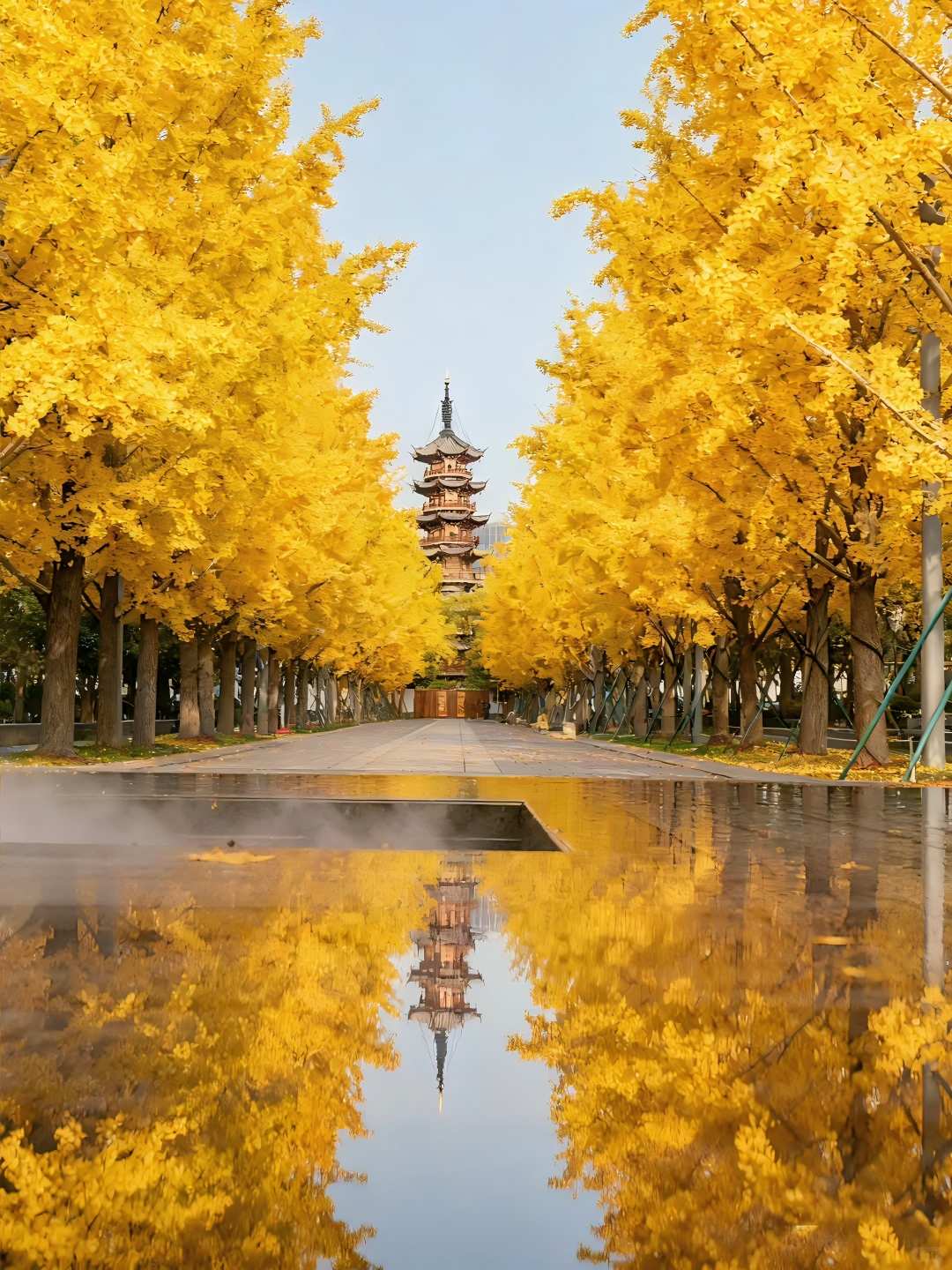
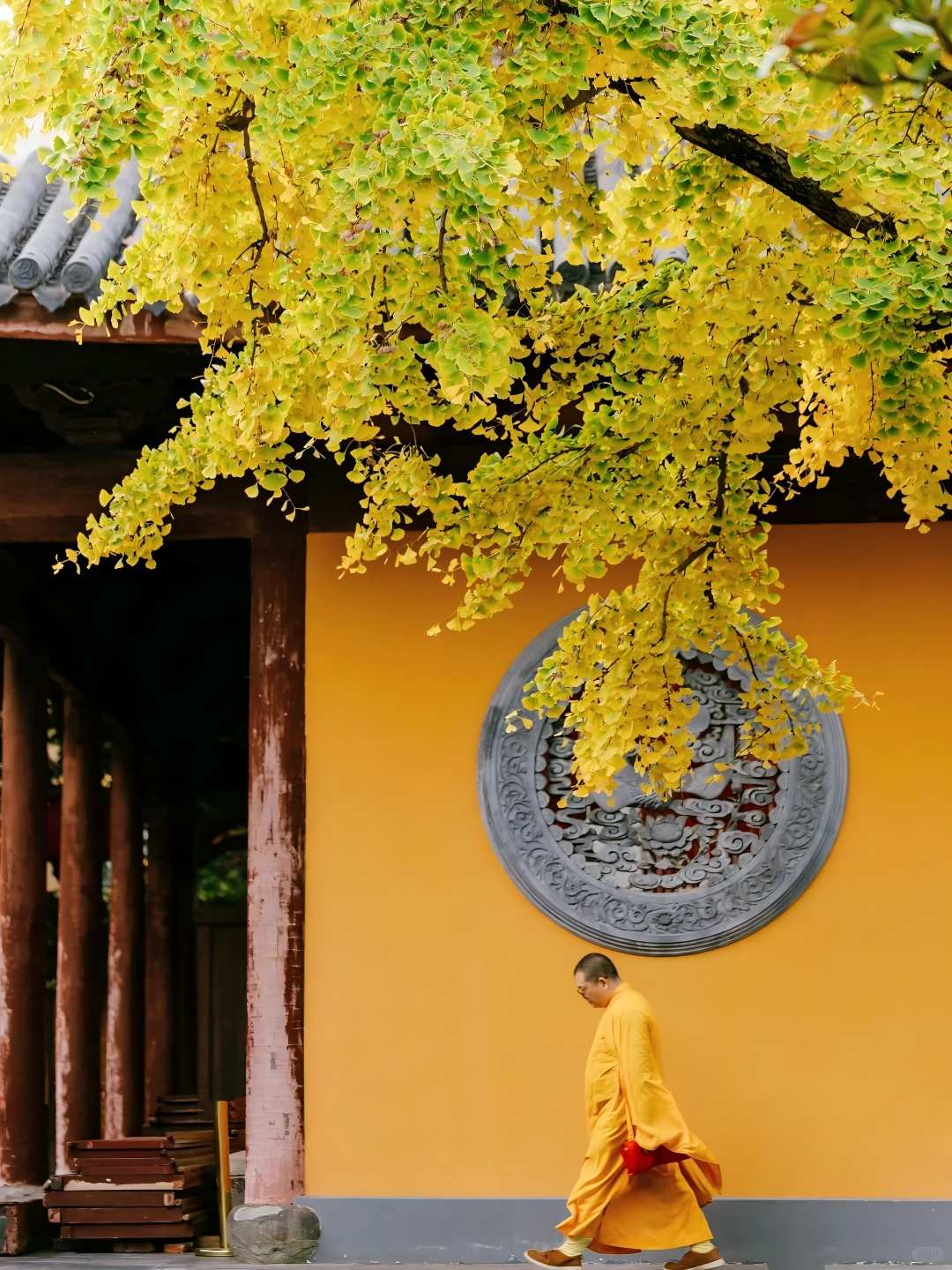
The Pagoda: The most distinctive landmark here is the towering Longhua Pagoda. This seven-story, octagonal brick-and-wood structure is one of the few remaining Song Dynasty pagodas in the region. Although you cannot climb it, its ancient elegance makes for a perfect photo opportunity and stands as an iconic symbol of old Shanghai.
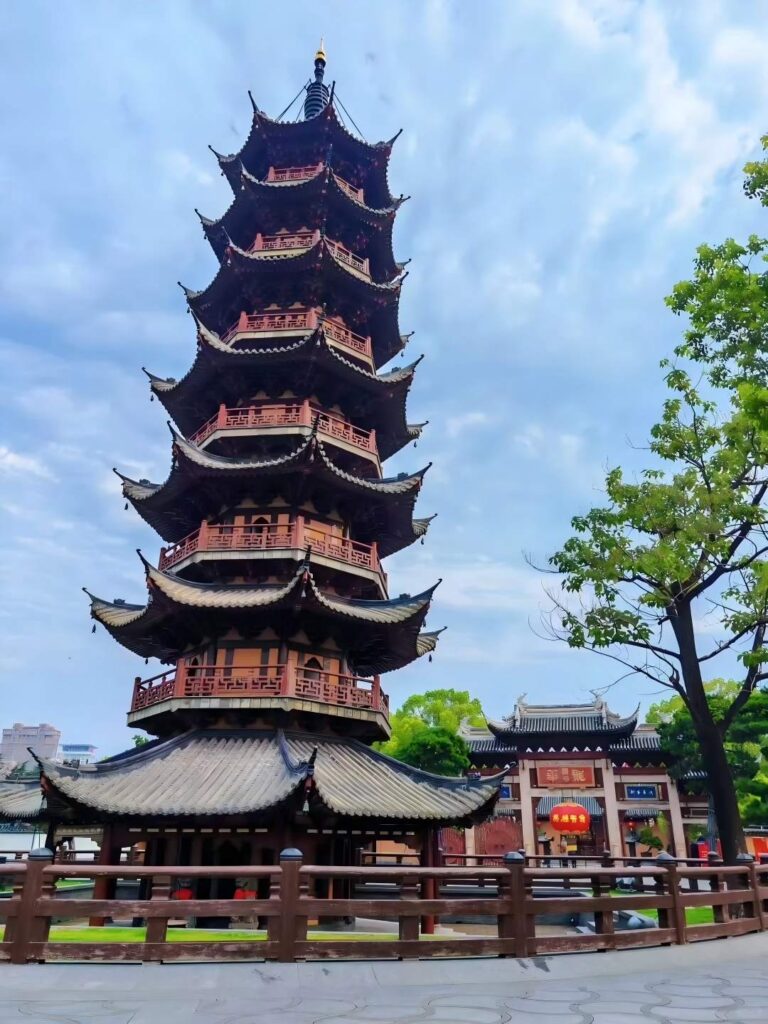
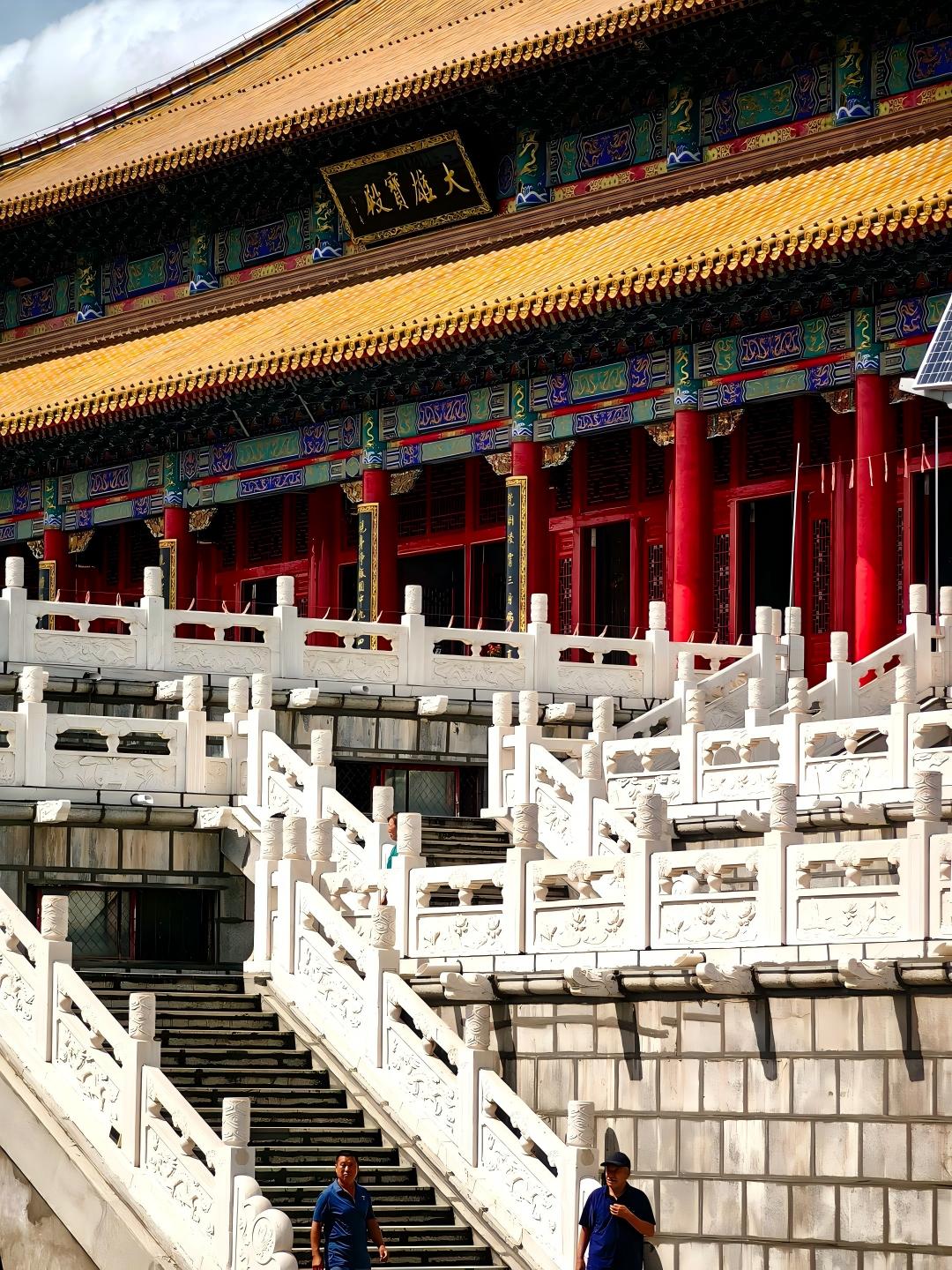
The temple’s inner halls are grand and alive with tradition. You’ll see devout followers praying and the air thick with the scent of burning incense, creating a deeply spiritual atmosphere. It is a textbook example of traditional Jiangnan garden-style temple architecture.
Visit and Dining Tips:
- Must-Try Food: The Longhua Vegetarian Noodles (served at the temple’s canteen/restaurant) are legendary. Even if you aren’t vegetarian, you must try them. The mushroom broth is savory and rich—a perfect example of how delicious simple, meat-free Chinese cuisine can be.
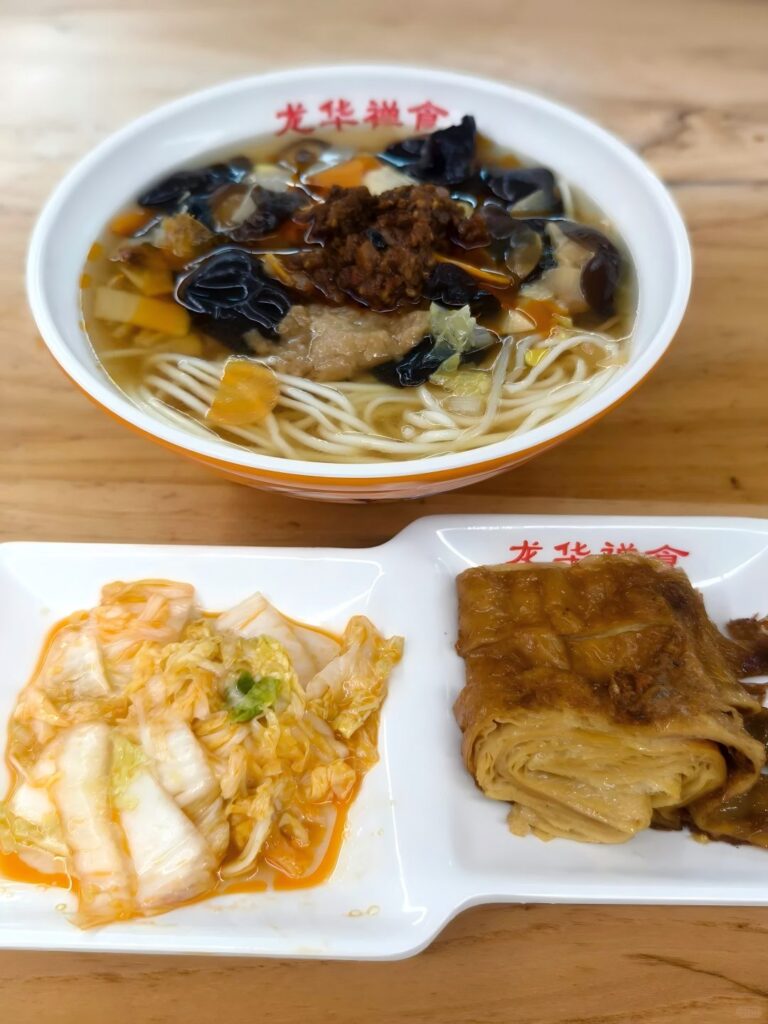
- Cultural Timing: If you visit on the 1st or 15th day of the Lunar Month, the temple is bustling with lively ceremonies and local worshippers.
- Public Transit: Take Metro Line 11 or 12 to Longhua Station (Exit 2). It’s a short 10-minute walk to the entrance.
If you are looking to escape the modern skyscrapers and find peace, Longhua Temple is definitely a soulful and rewarding stop.
9. Shanghai Wild Animal Park – A Family Adventure
- Cost: Ticketed (Prices vary by season).
- Best for: The “Safari Zone” experience, seeing Giant Pandas, and family fun.
- My Take: A fantastic break from the city, especially if you have kids.
If you are traveling with children or are an animal enthusiast, the Shanghai Wild Animal Park is a perfect day trip. It offers a complete contrast to the city’s skyscrapers, providing a chance to connect with nature. This is a massive park where rare animals from all over the world roam.
The Safari Zone The park’s biggest draw is its “Safari Zone” (Drive-through area). Instead of walking, you ride a secure bus into a wilderness environment to get up close to apex predators like lions, tigers, and bears roaming freely. It is completely different from viewing animals behind glass in a traditional zoo; it feels authentic and thrilling, almost like a “mini African safari.”
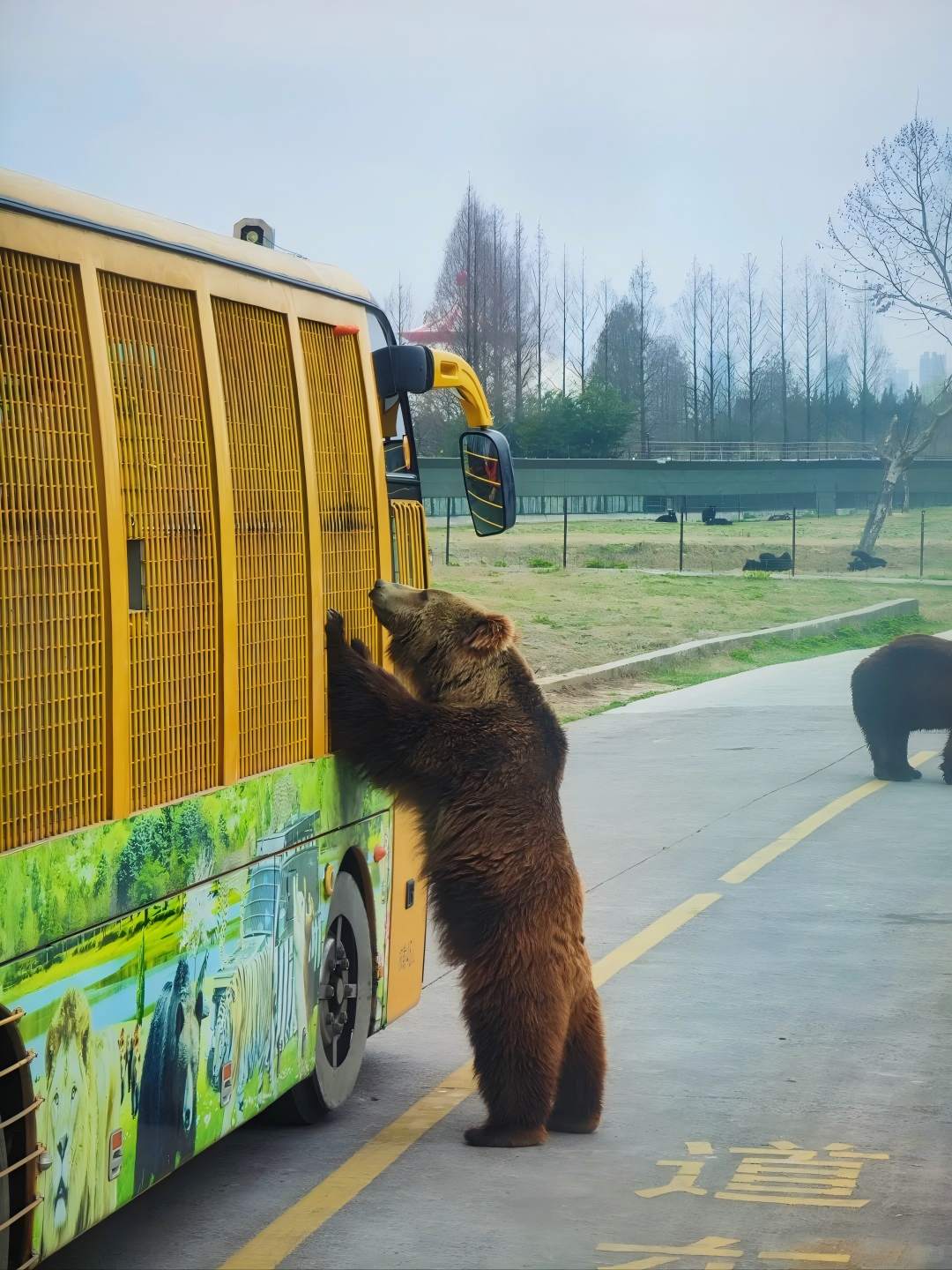
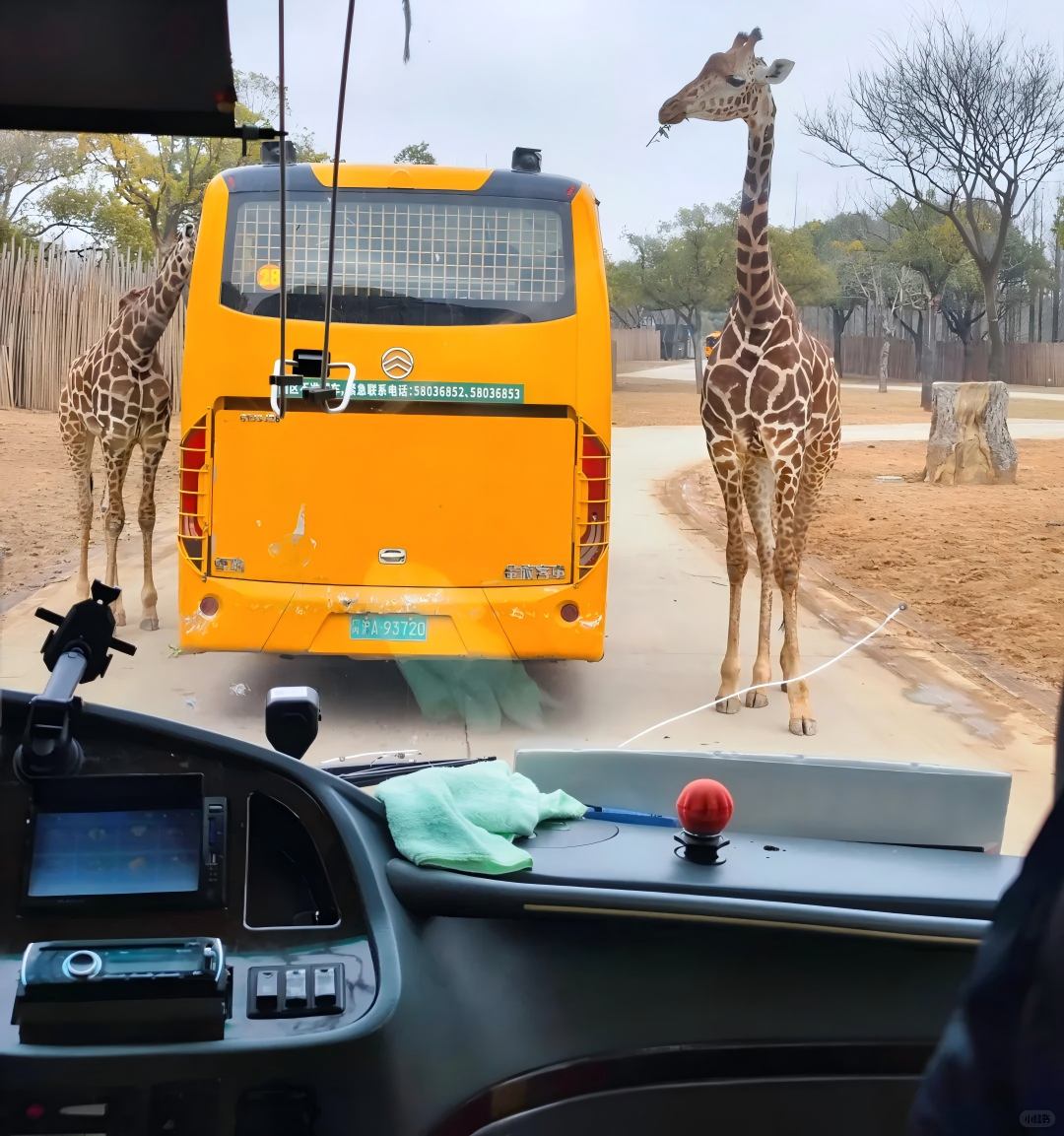
Beyond the safari, the pedestrian zone is well-designed for a relaxing stroll. Here, you can meet China’s icons, including the Giant Panda and Golden Snub-nosed Monkey, as well as giraffes, flamingos, and kangaroos. The park also hosts various educational and interactive programs suitable for the whole family.
Beyond the safari, the pedestrian zone is well-designed for a relaxing stroll. Here, you can meet China’s icons, including the Giant Panda and Golden Snub-nosed Monkey, as well as giraffes, flamingos, and kangaroos. The park also hosts various educational and interactive programs suitable for the whole family.
Important Logistics:
- Location: The park is located in Pudong, quite far from the city center (about 1 to 1.5 hours by car or metro from the Bund).
- Planning: Because of the distance and the park’s size, you should plan to spend a full day here. It’s a bit of a trek, but worth it for the unique animal encounters.
Read More: Shanghai Wild Animal Park Guide — Tips, Opening Hours, and Tickets
10. Xintiandi – The Perfect Blend of History and Modernity
- Cost: Free to roam.
- Best for: Experiencing Shanghai’s unique Shikumen (stone gate) architecture and nightlife.
- My Take: The most comfortable and stylish way to see traditional Shanghai homes.
Xintiandi is a unique pedestrian district that perfectly fuses Shanghai’s traditional history with a modern cosmopolitan lifestyle.
The highlight here is the “Shikumen” (Stone Gate) architecture—Shanghai’s most iconic traditional housing style. These two-to-three-story structures feature distinctive stone door frames and heavy wooden doors. Xintiandi cleverly preserved the vintage brick facades and historical charm of the exterior, while transforming the interiors into chic restaurants, cafés, bars, and boutiques.
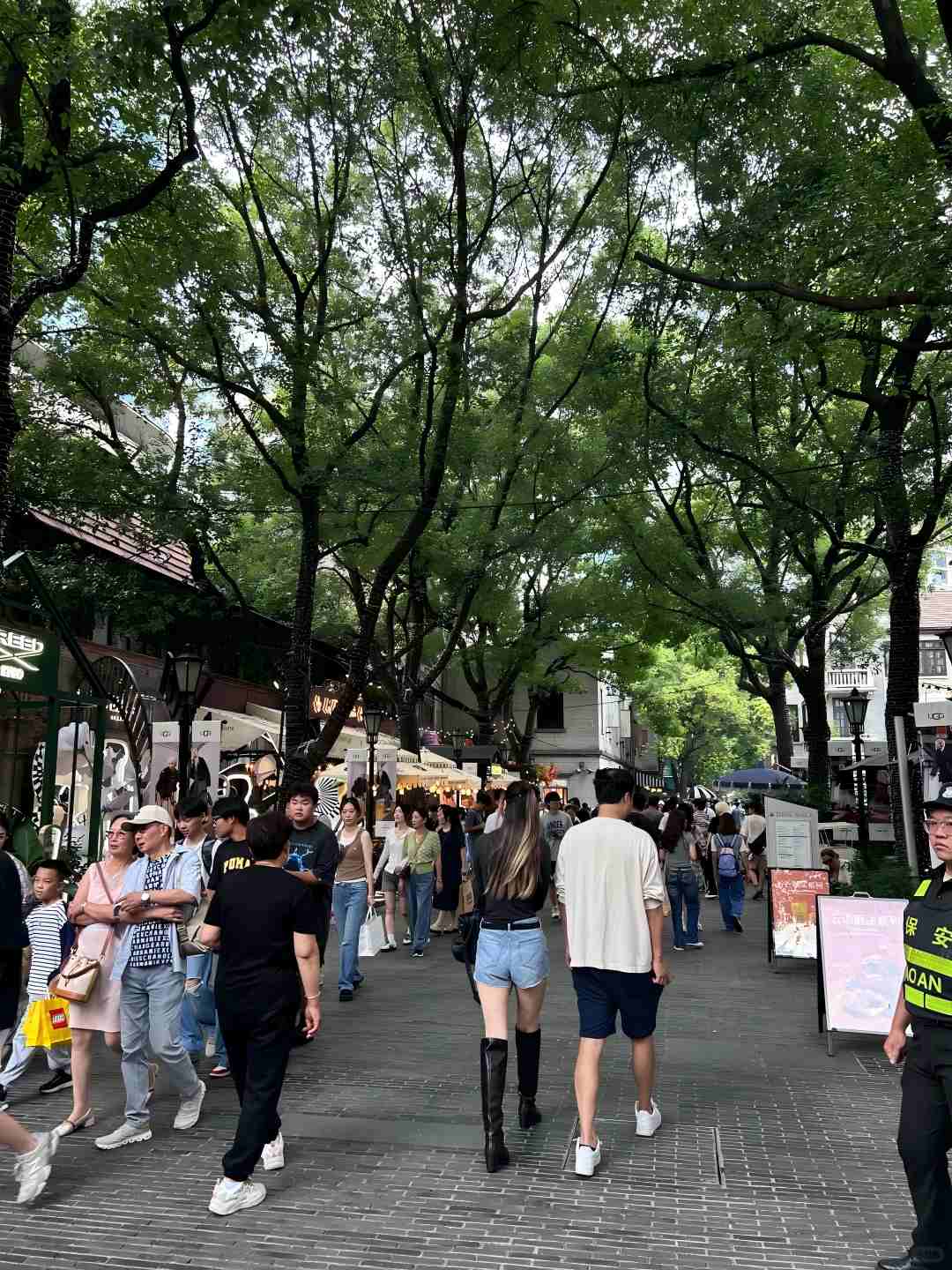
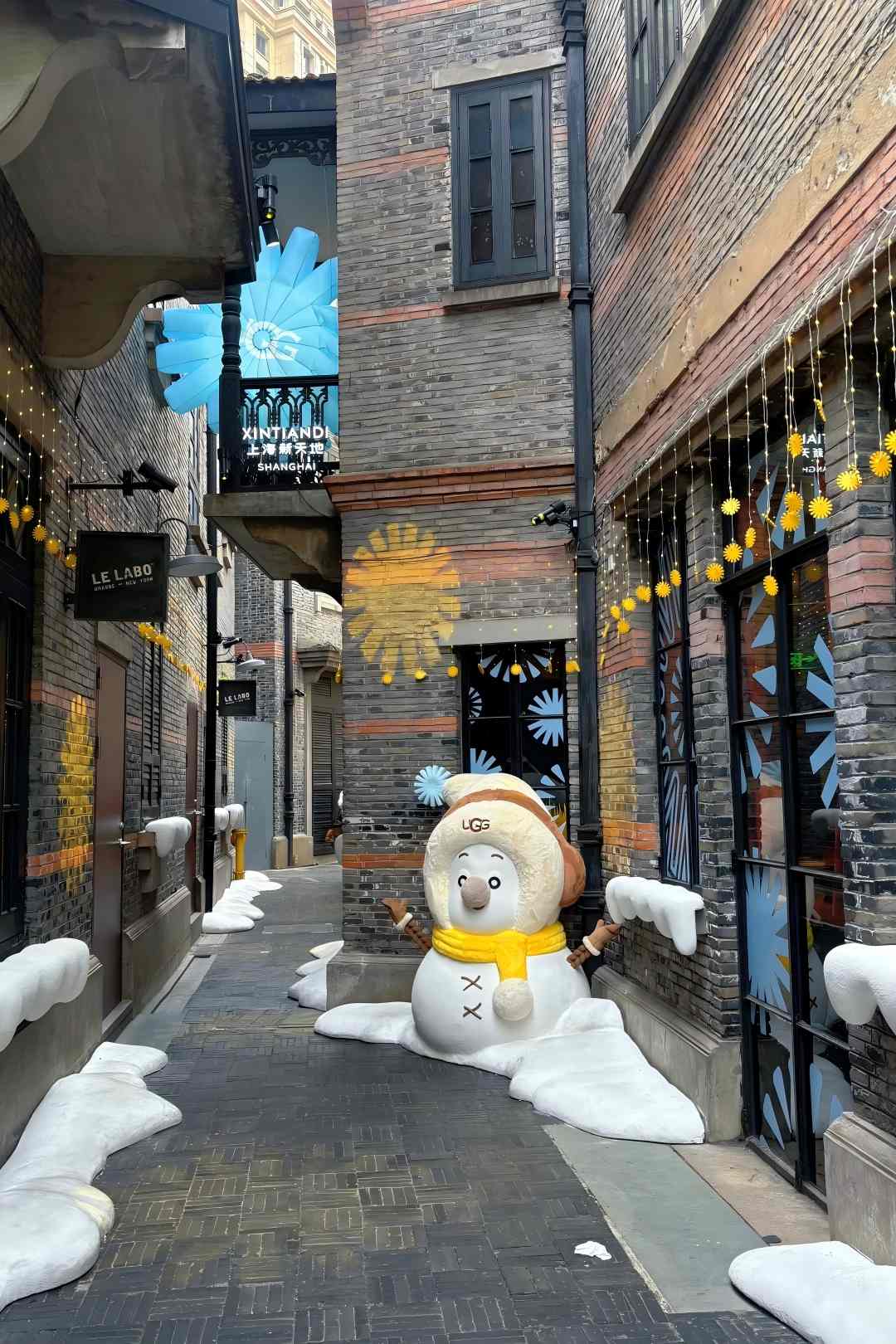
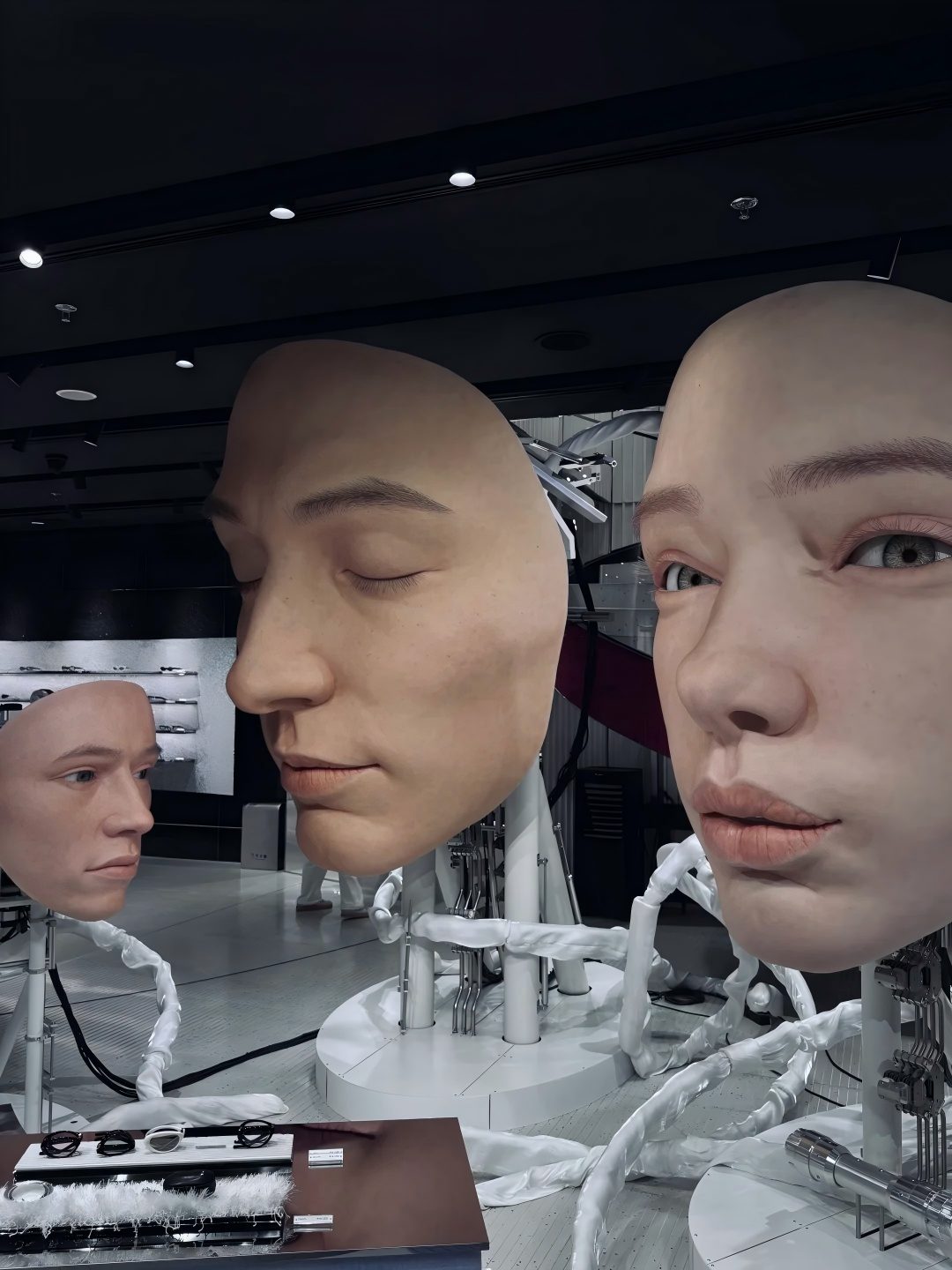
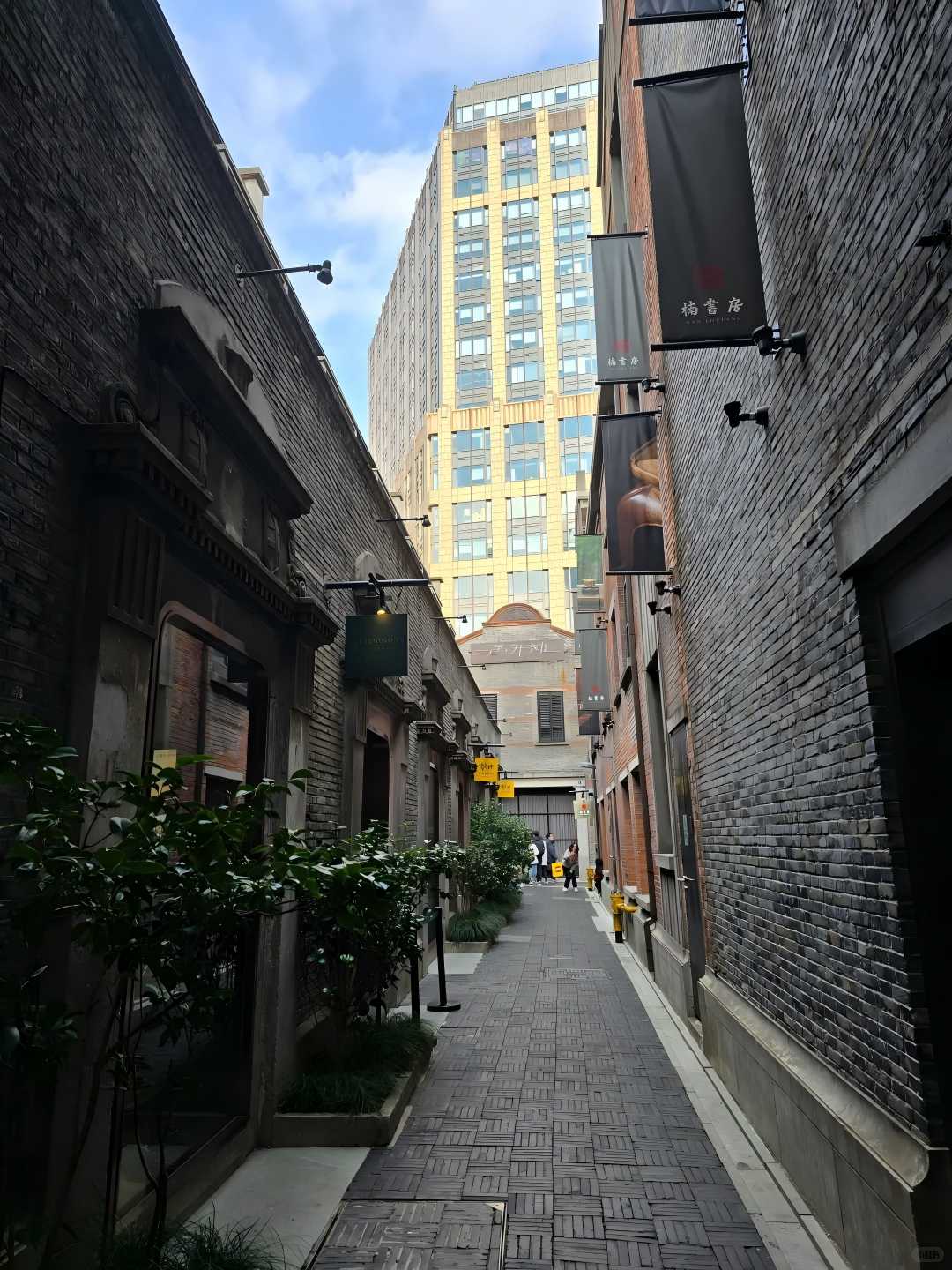
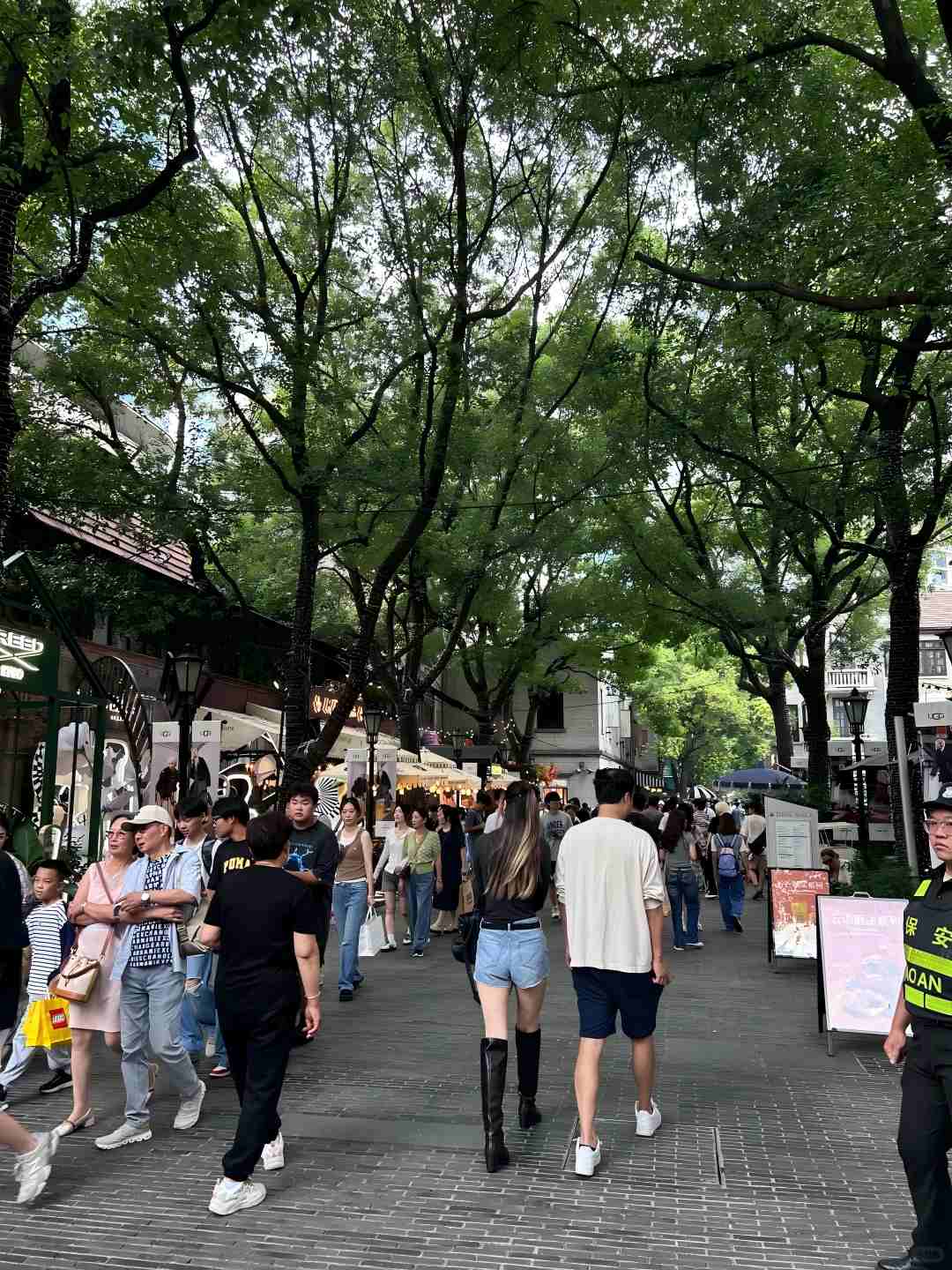
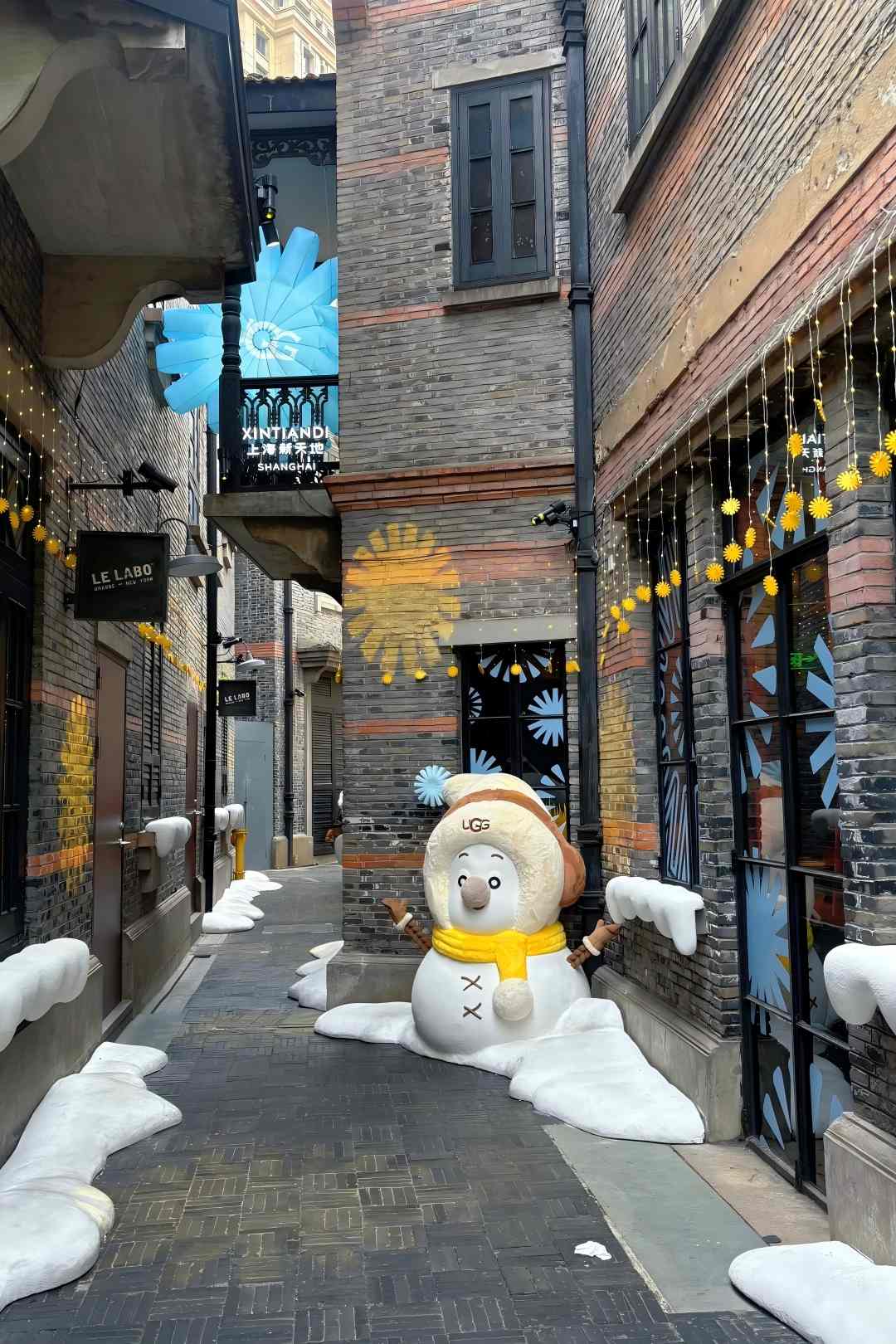
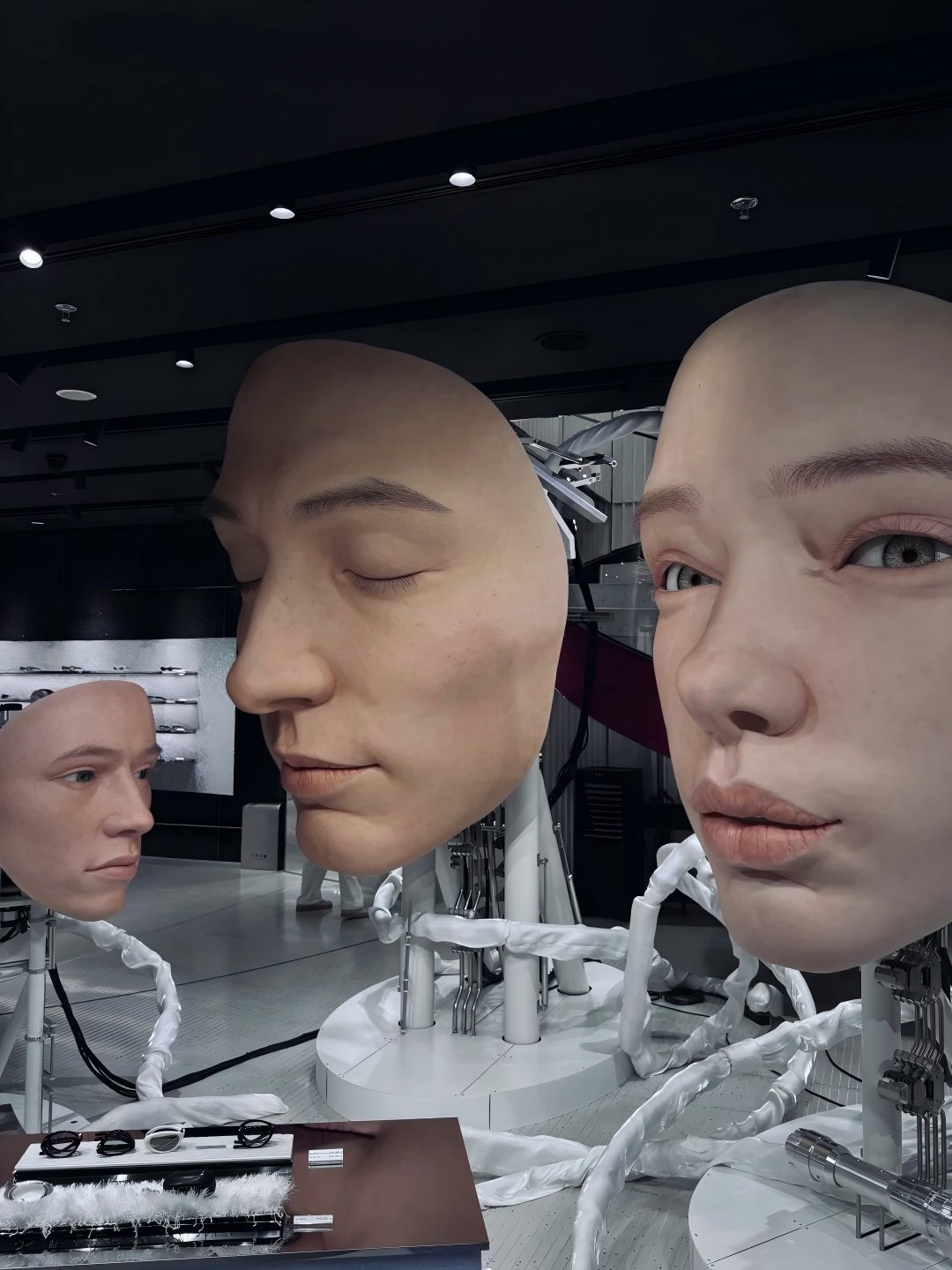
For international travelers visiting Shanghai for the first time, this is the most accessible way to understand this lane-house culture. You can enjoy a fine meal inside a century-old building, or sit at an outdoor (al fresco) café to soak in the atmosphere where East meets West.
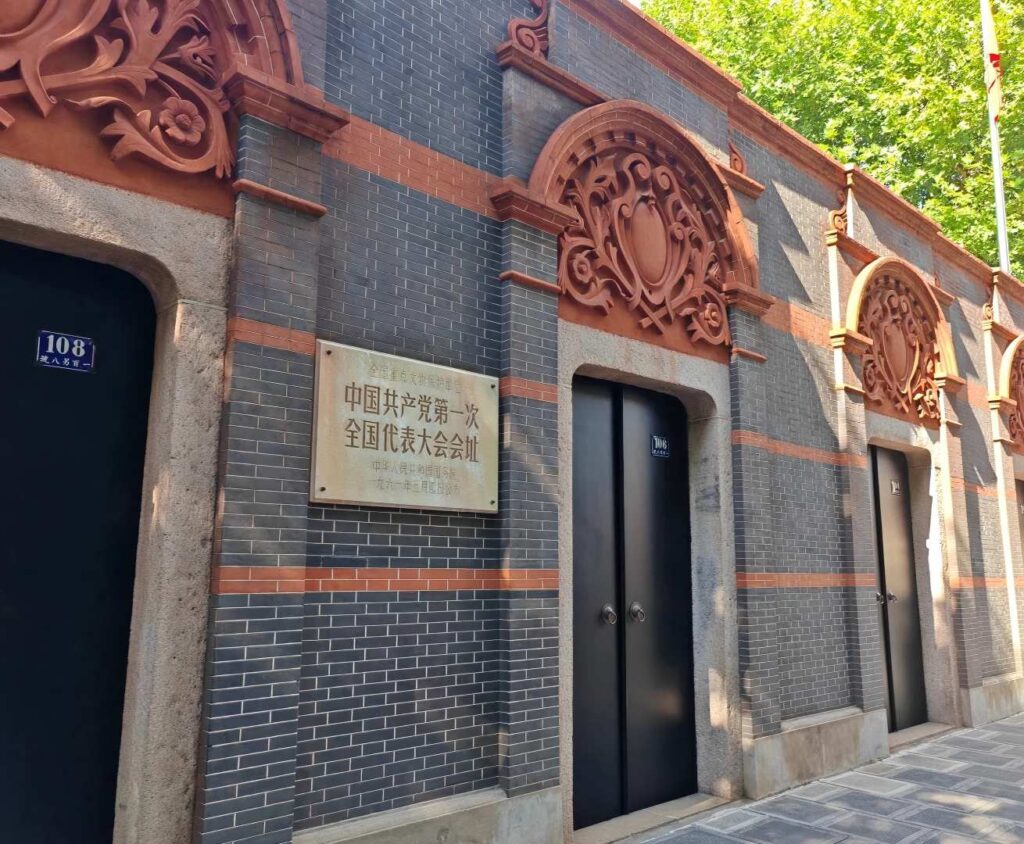
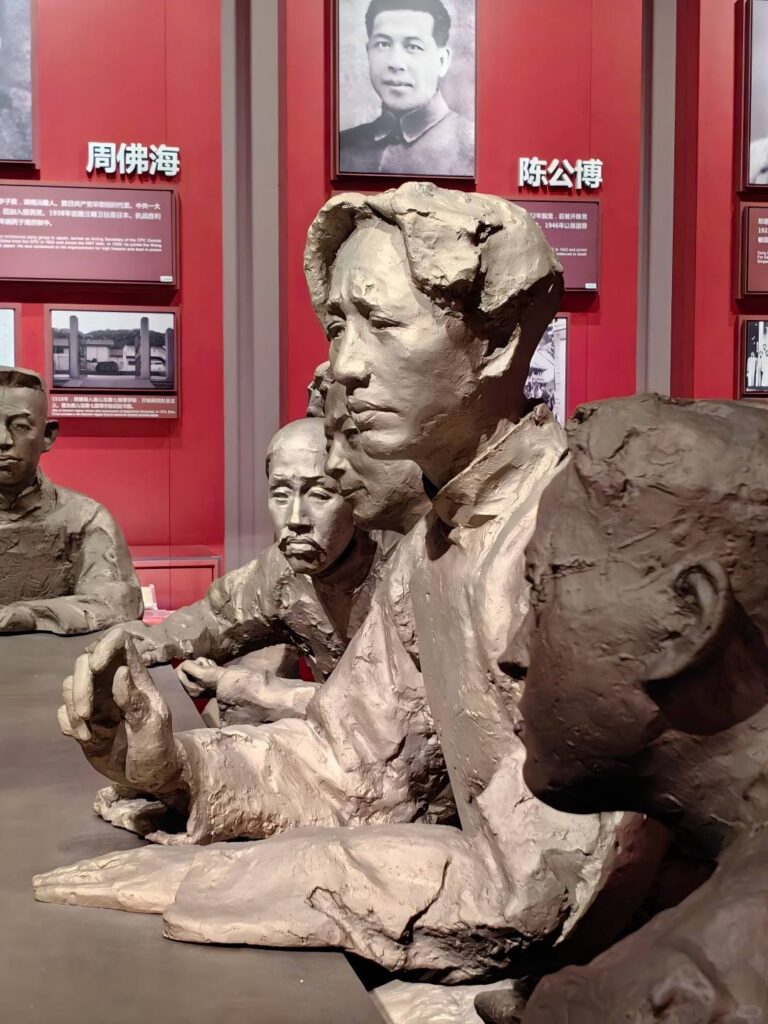
Right next to Xintiandi is a memorial site that holds great significance for Chinese people—the Memorial Hall of the First National Congress of the Communist Party of China. This is where the Chinese Communist Party was founded in 1921. If you are interested in this period of history, you might want to visit.
11. Tianzifang (田子坊) – A Rustic, Bohemian Artistic Maze – Must-See
- Cost: Free.
- Best for: Getting lost in alleyways, hunting for independent art, and seeing authentic local life.
- My Take: The best place to see the raw, creative side of Shanghai living alongside everyday locals—Highly recommended!
Compared to the polished and trendy Xintiandi, Tianzifang feels more rustic and authentic. It is a creative district woven into a complex of old Lilong (traditional residential lanes). While it retains the classic Shikumen architecture, it has been injected with a vibrant, youthful energy.
The area is a labyrinth of narrow, winding alleyways that make every turn feel like an exploration. These lanes are packed with unique craft shops, art studios, designer boutiques, and cozy cafés. You won’t find many big chain stores here; instead, it is filled with small spaces bursting with personality and creativity.
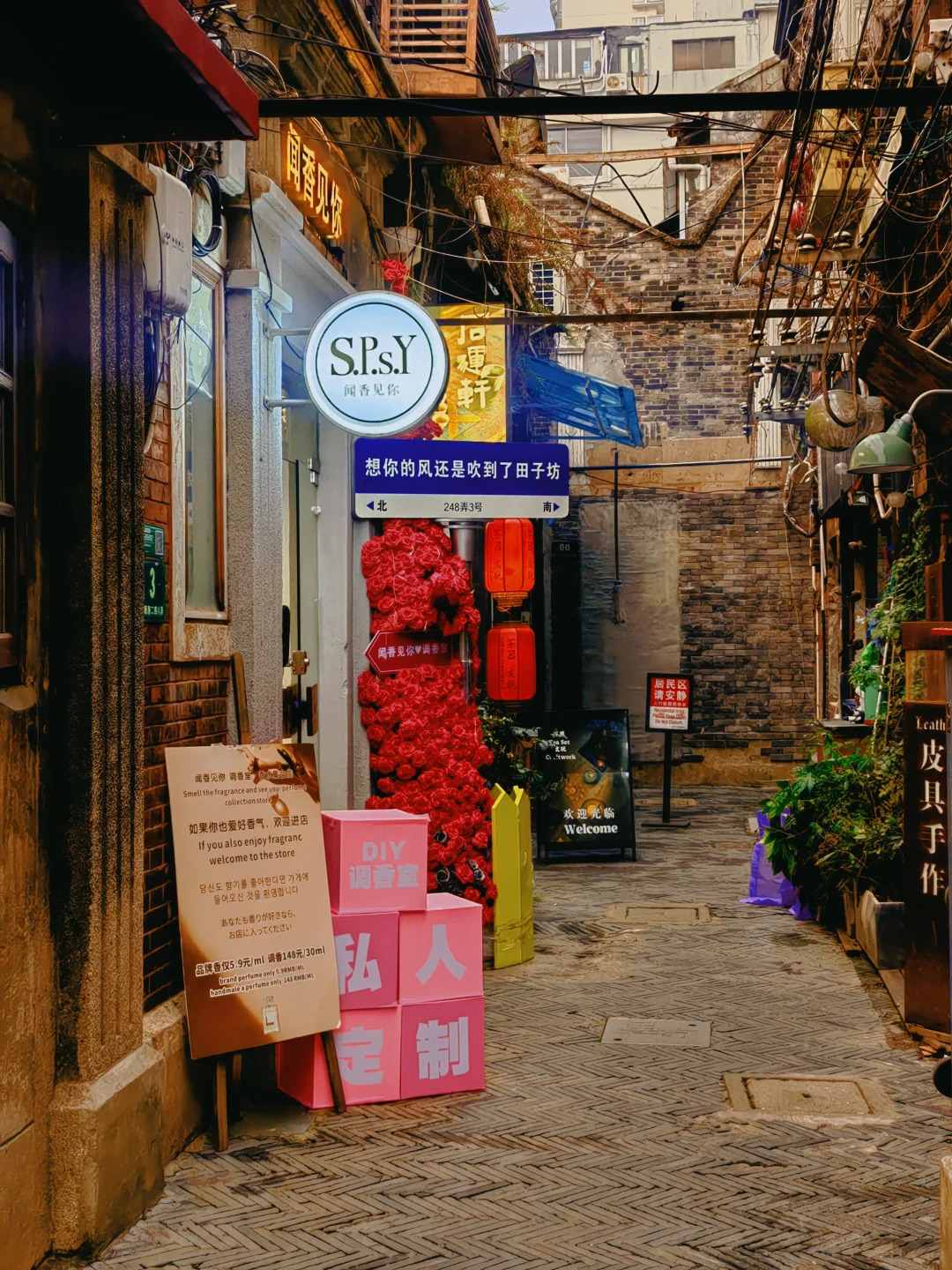
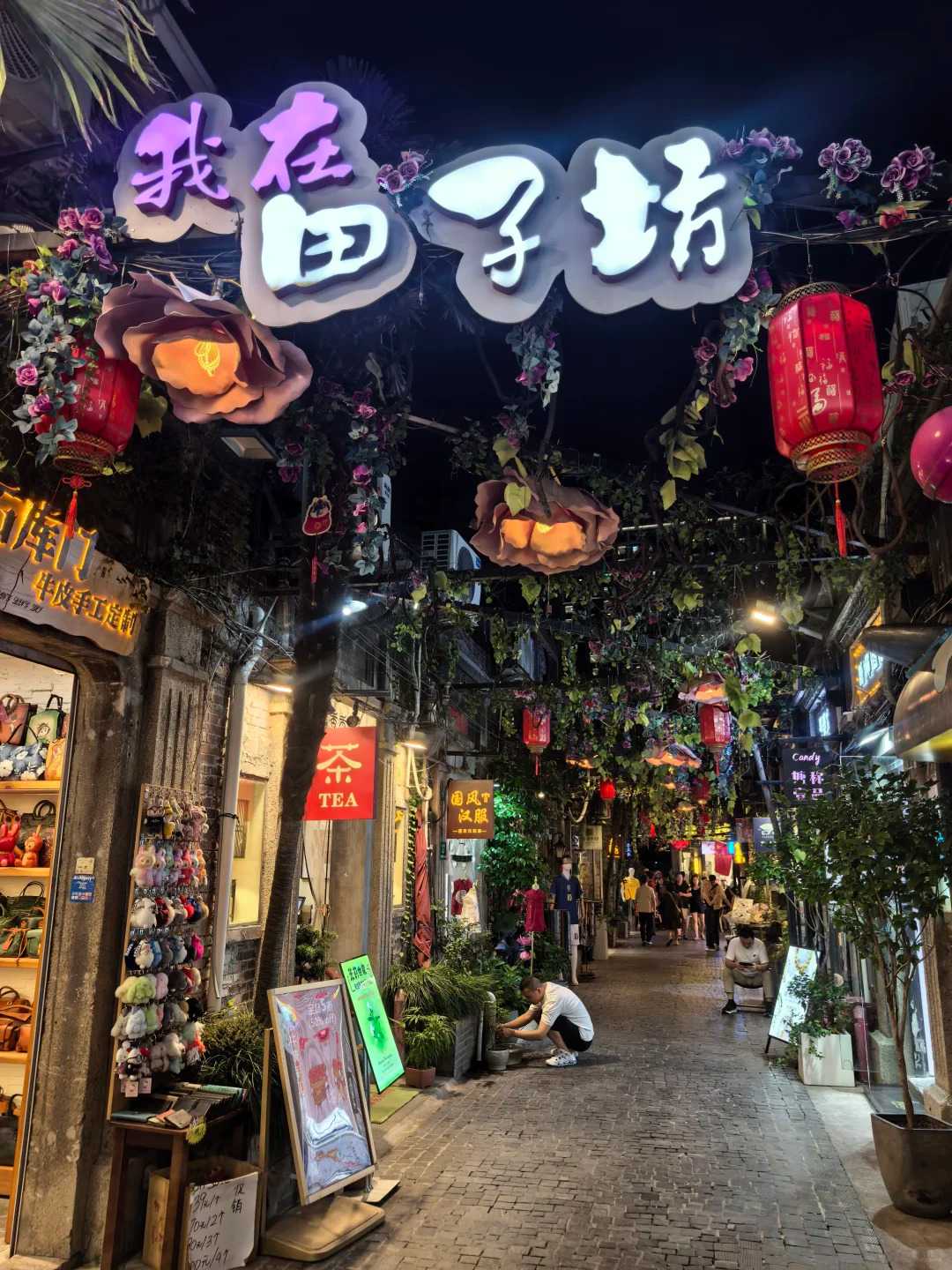
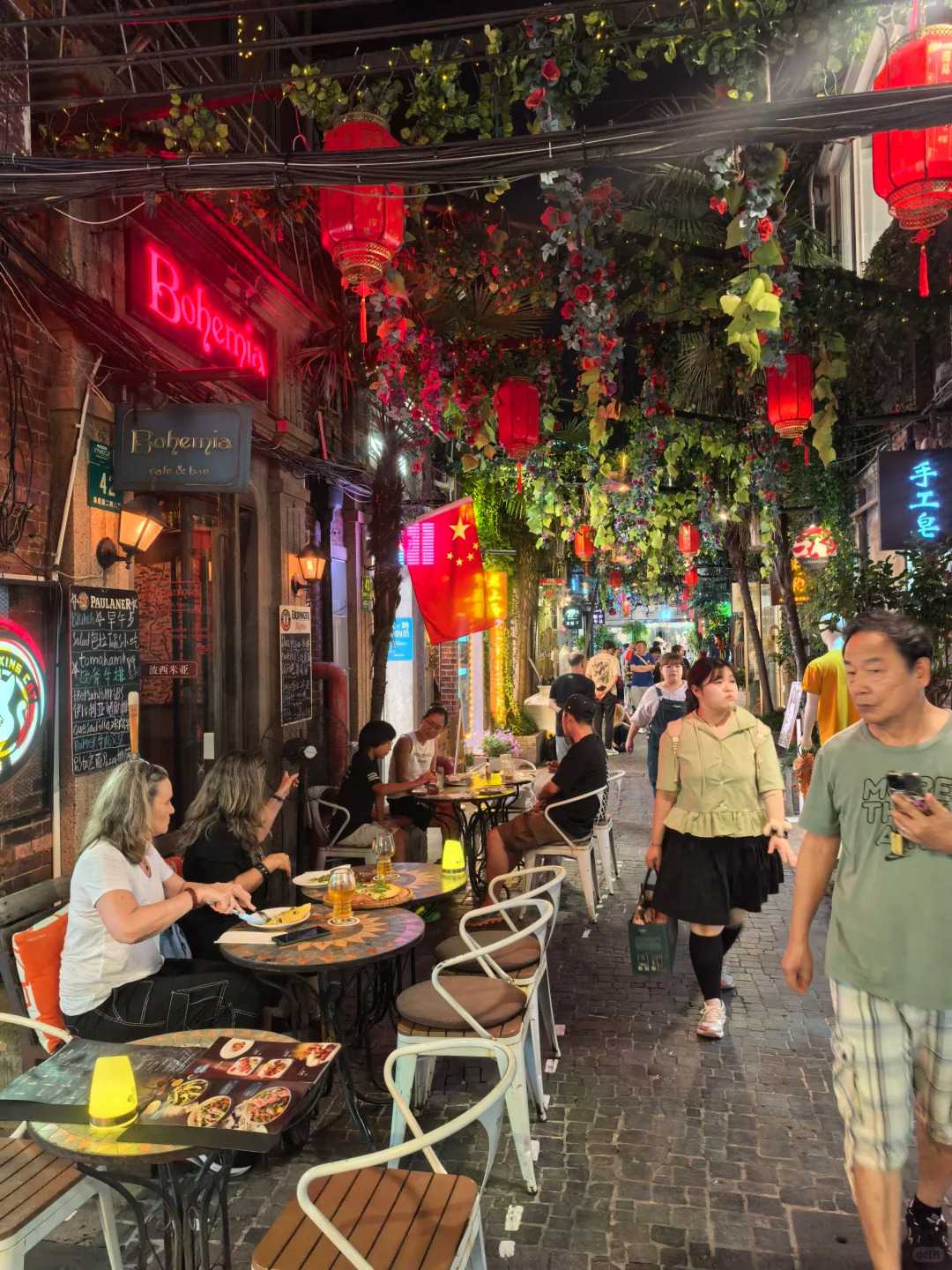
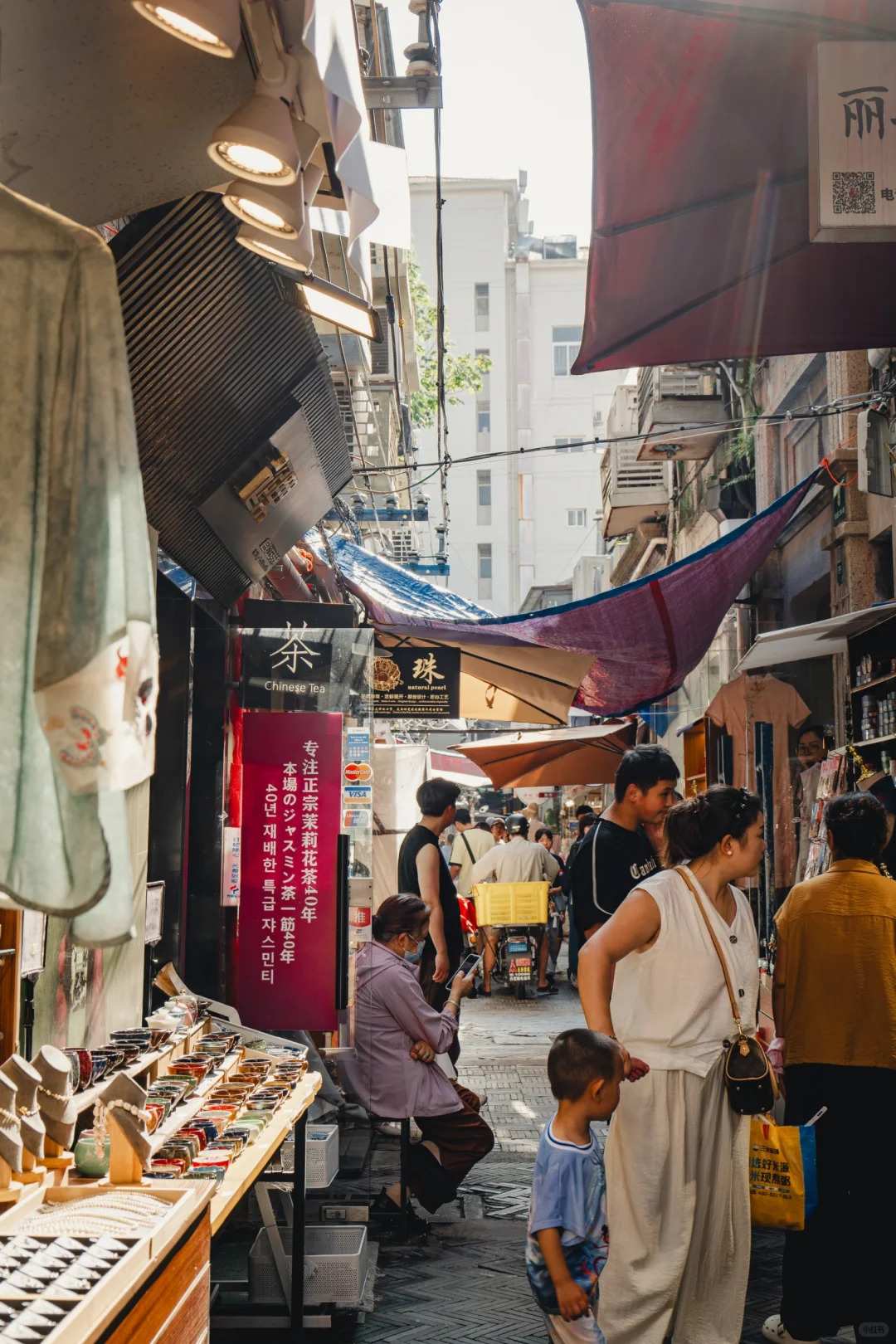
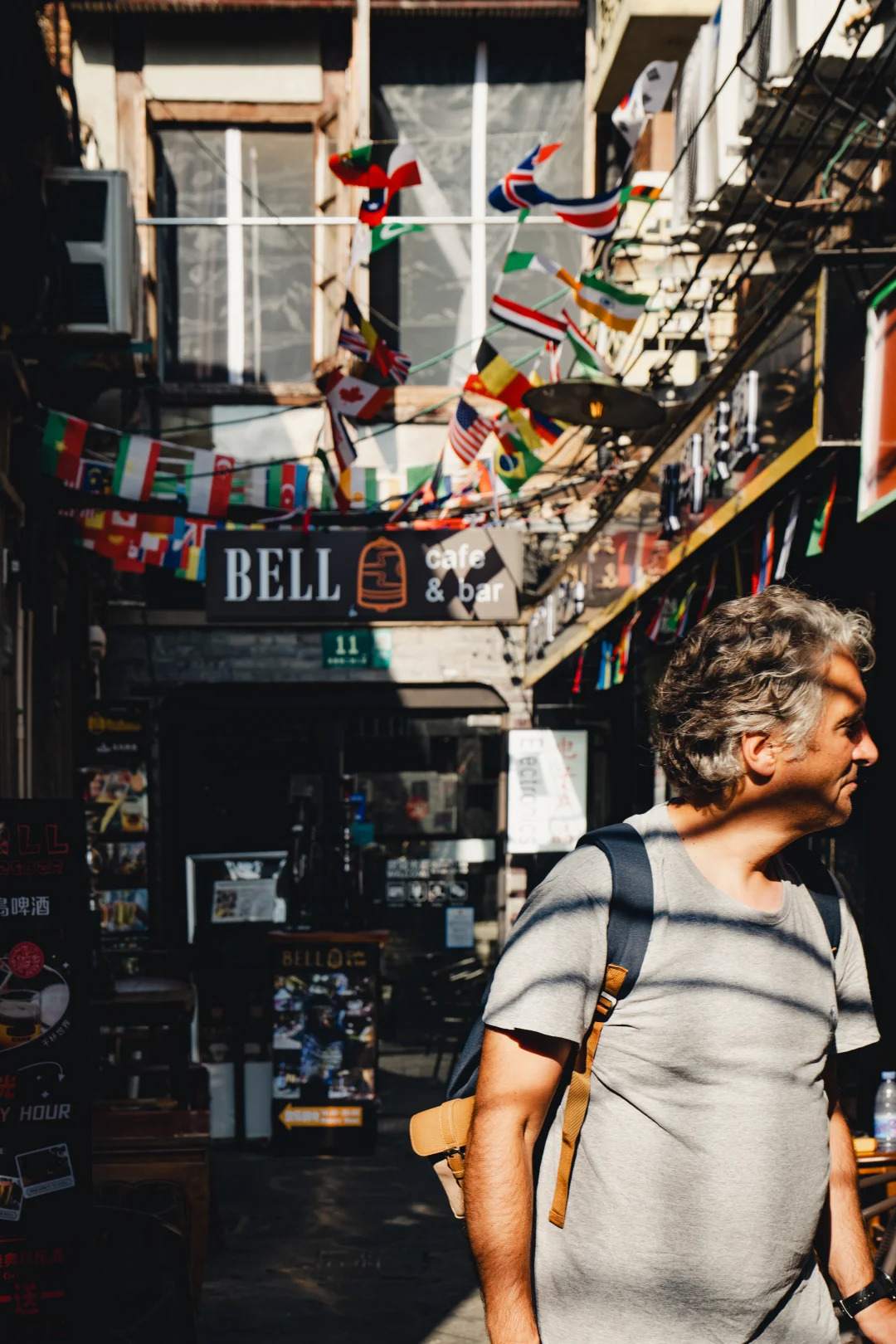
Tianzifang’s real charm lies in its perfect blend of unfiltered local life and artistic flair. It is a place of contrasts: you might see an elderly resident hanging laundry outside their window right next to a trendy modern art gallery. This eclectic mix makes it perfect for aimless strolling and soaking up the city’s diverse, vibrant energy.
Visiting Tip: Xintiandi and Tianzifang are very close (less than 2 km / 1.2 miles apart). If you have time, you can easily combine them into a single afternoon trip to compare the polished vs. the rustic side of Shanghai’s lane houses.
12. Middle Huaihai Road (淮海中路) – Shanghai’s “Champs-Élysées” and a Must-See
- Cost: Free.
- Best for: High-end shopping, elegant architecture, and exploring quiet side streets.
- My Take: I highly recommend the refined experience of this popular street.
Middle Huaihai Road is one of the most famous streets in Shanghai. Locals often enjoy it more than Nanjing Road due to its elegant feel. It represents the classic and sophisticated lifestyle of old Shanghai. The road’s development was heavily influenced by French culture, earning it the nickname “Shanghai’s Champs-Élysées.”
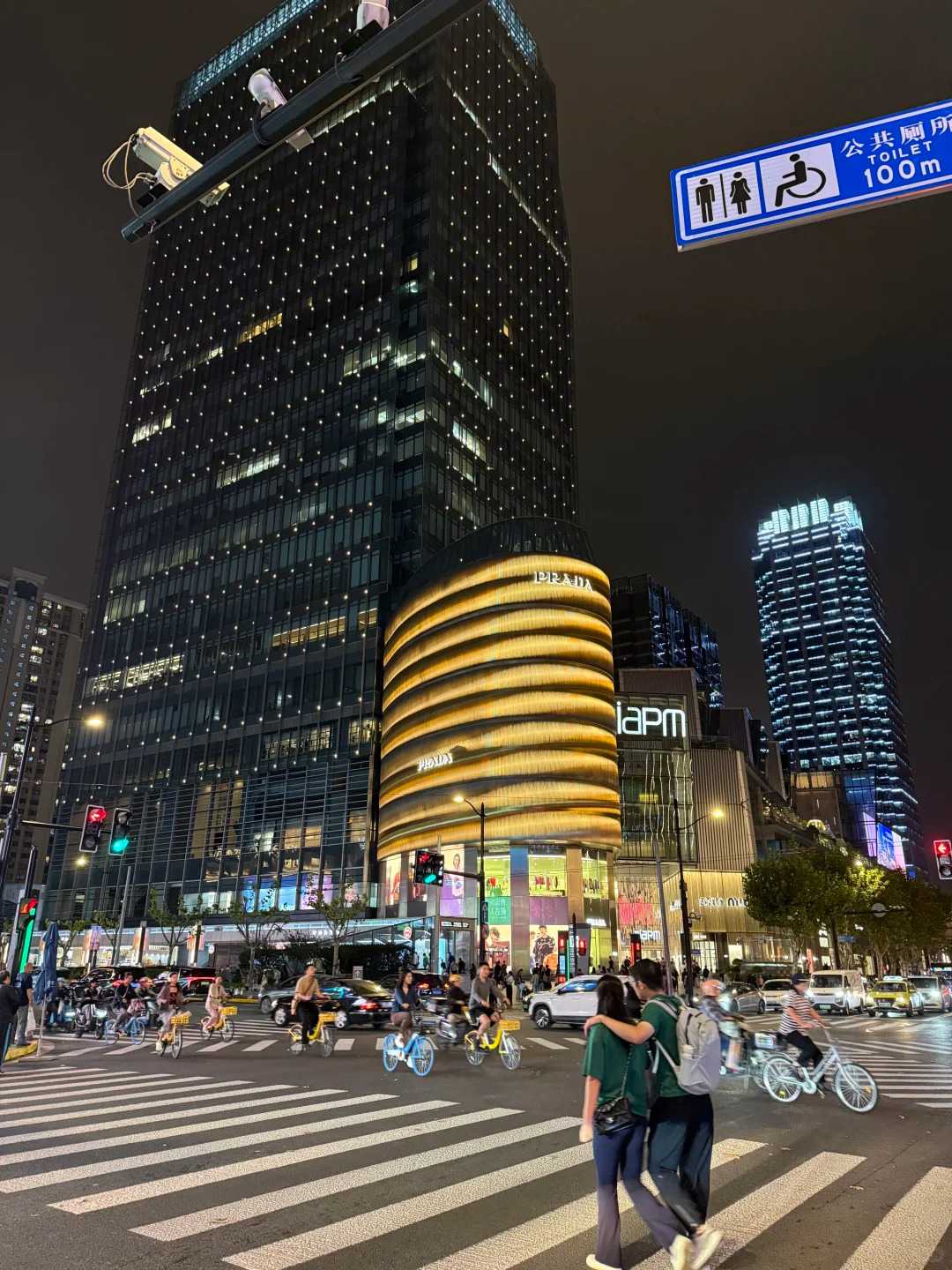
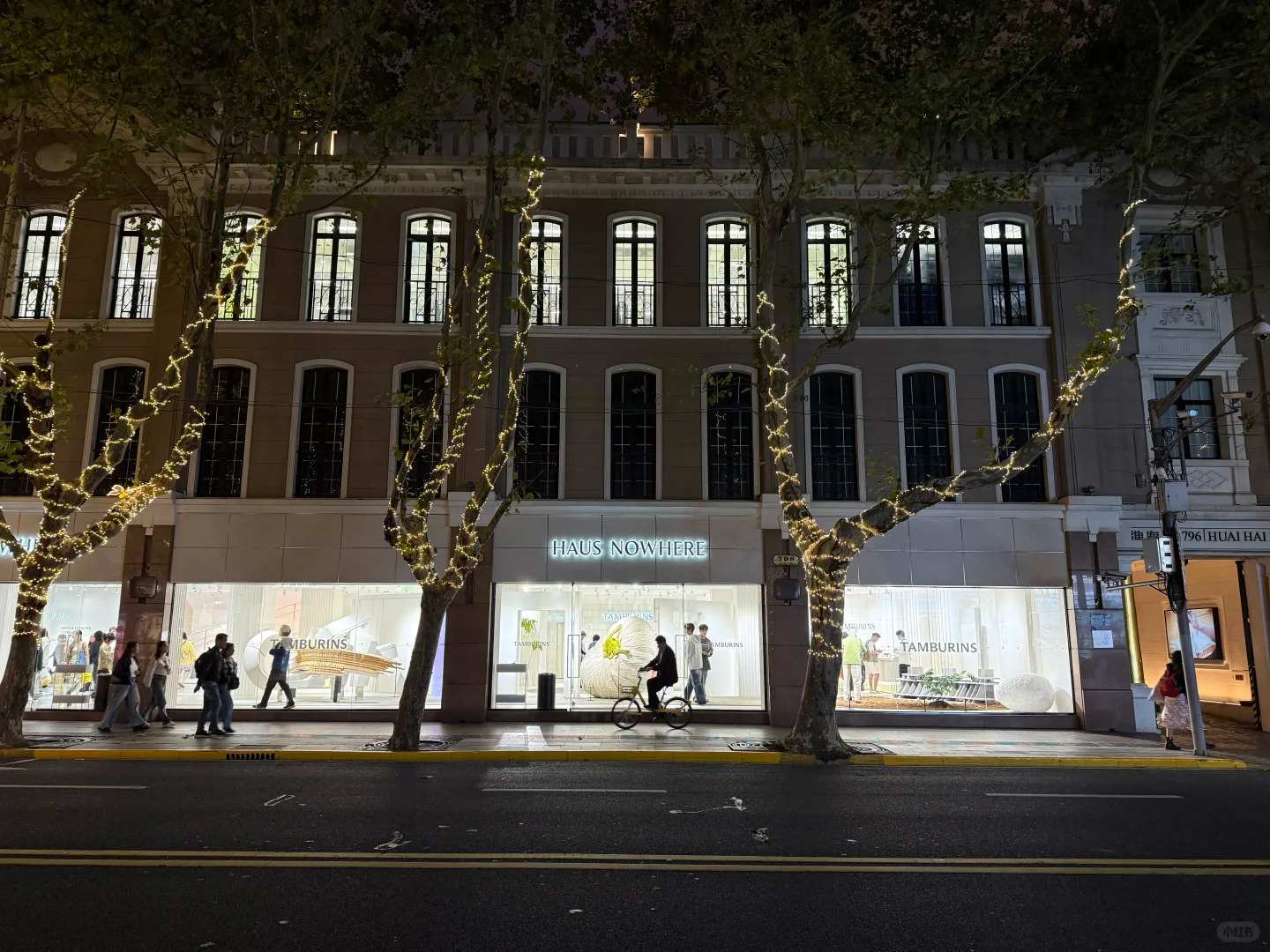
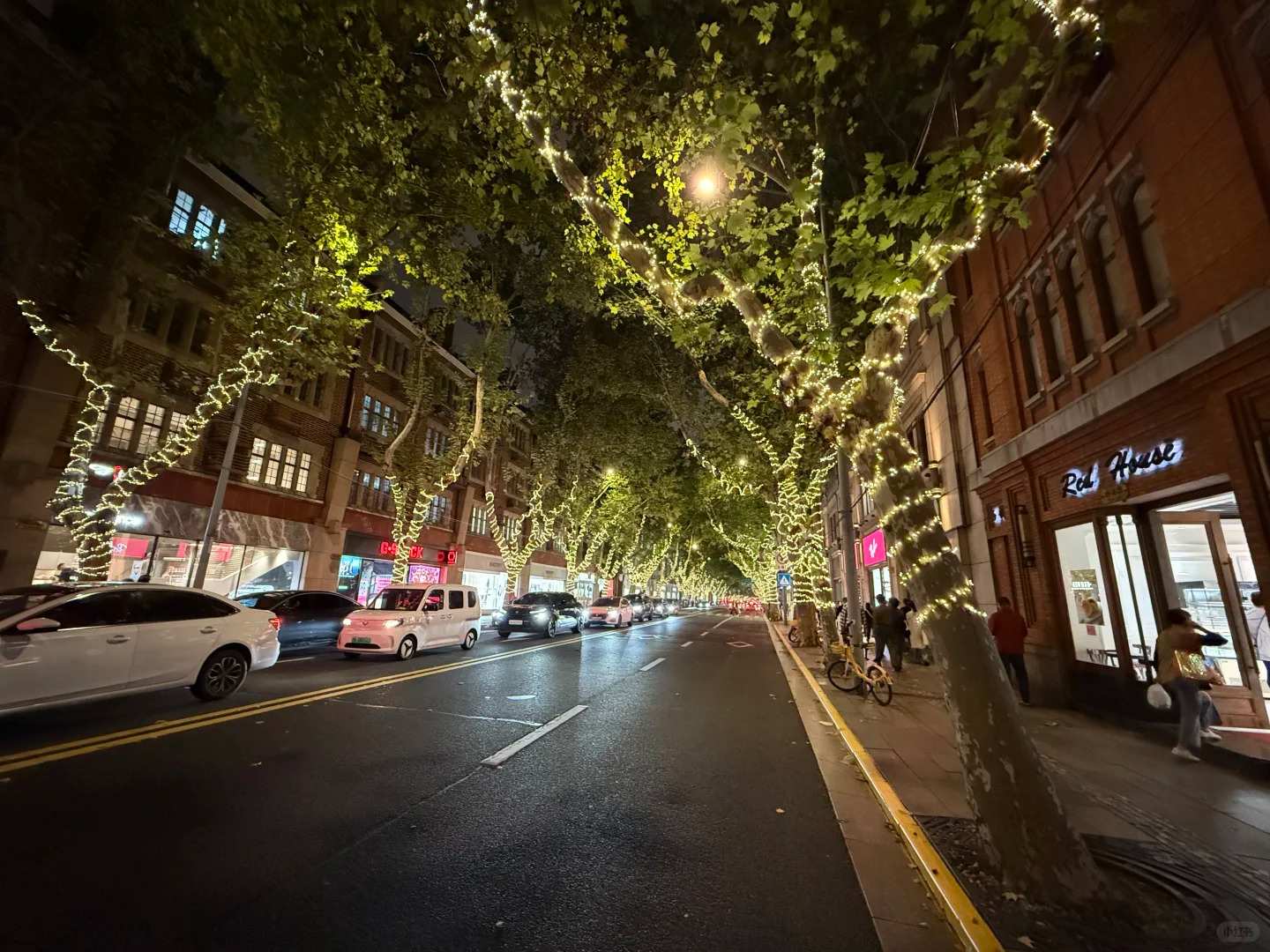
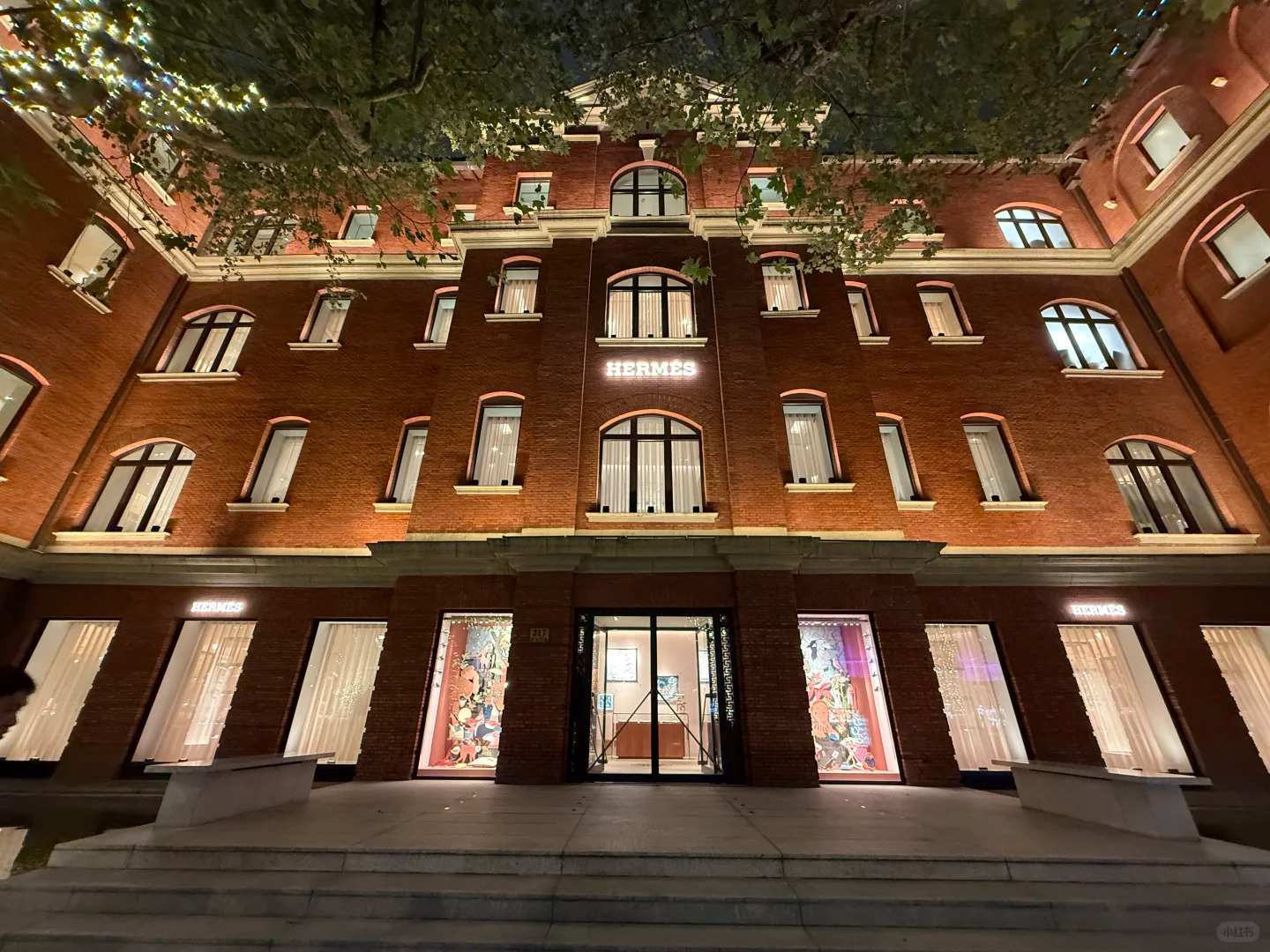
Middle Huaihai Road is a shopping paradise for travelers, featuring luxury brands and trendy department stores. Even if you don’t want to shop, walking along the avenue and admiring the architecture and stunning window displays is still a fun experience.
There are also many quiet side streets that branch off the main road. These smaller streets hide old villas and unique shops. I’d suggest exploring some of these alleys to discover authentic Shanghai and its historic charm.
13. Zhujiajiao Ancient Town (朱家角) – A Must-See Water Town Escape from the City
- Cost: Free (some areas and boat rides have fees).
- Best for: Jiangnan water town scenery, traditional boat rides, and classic architecture.
- My Take: It is the classic Shanghai water town experience—perfect for a day trip. —highly recommended!
Zhujiajiao is one of the most famous ancient water towns near Shanghai. If you want to escape the city and experience the charm of a traditional Chinese water village, this is a wonderful choice. It has been called the “Venice of Shanghai,” as it showcases the classic scenery of winding canals and historic stone bridges.
Getting there is very convenient. You can take Metro Line 17 to Zhujiajiao Station, Exit 1. You can easily make a round trip in one day.
The heart of the town is a network of rivers crossed by dozens of ancient stone bridges. One of the best things to do here is to take a traditional sculling boat tour to admire the riverside homes from the water. The buildings feature classic white walls and black tile roofs dating back to the Ming and Qing Dynasties. For international visitors, it really feels like stepping into a different era.
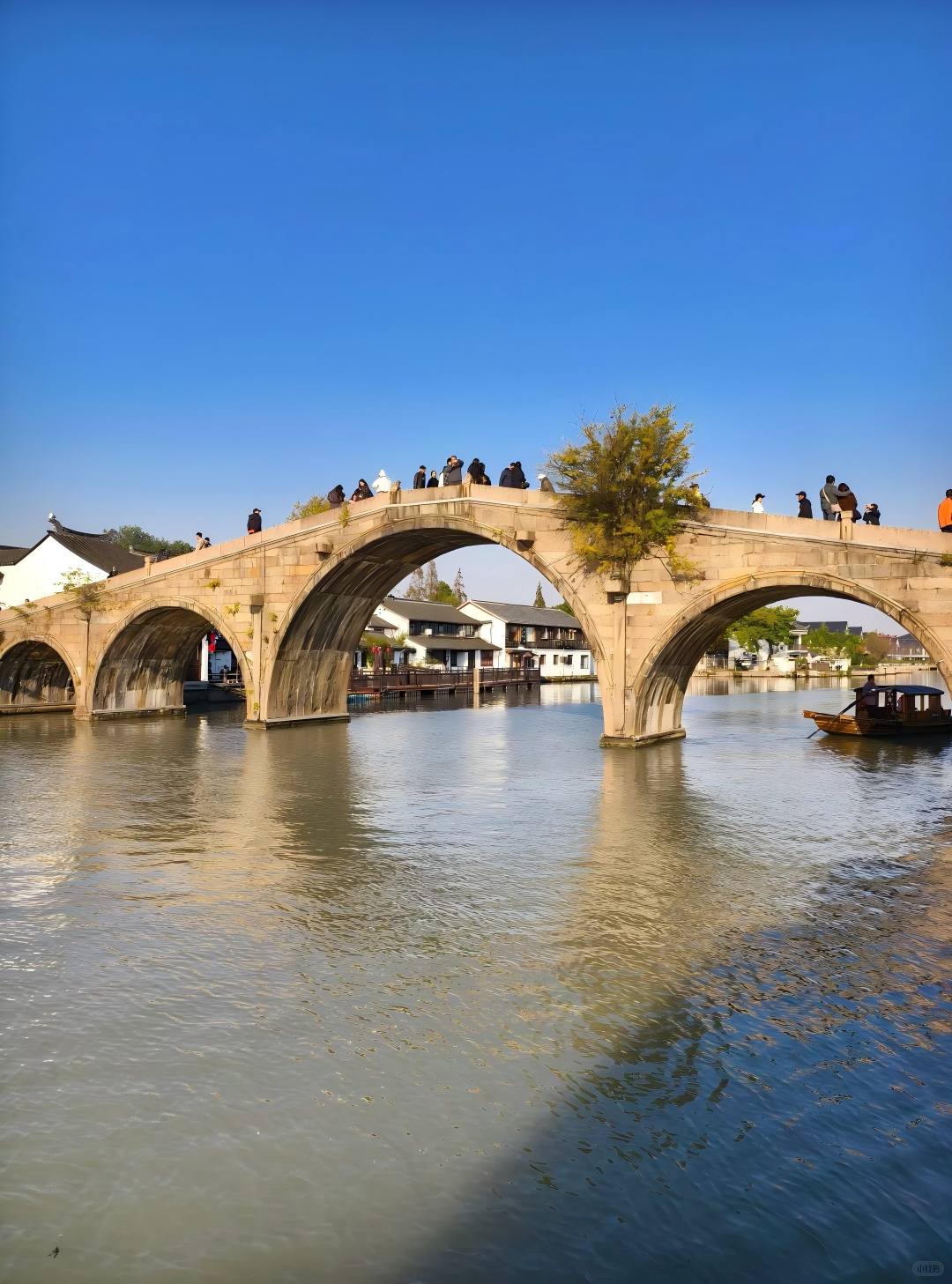
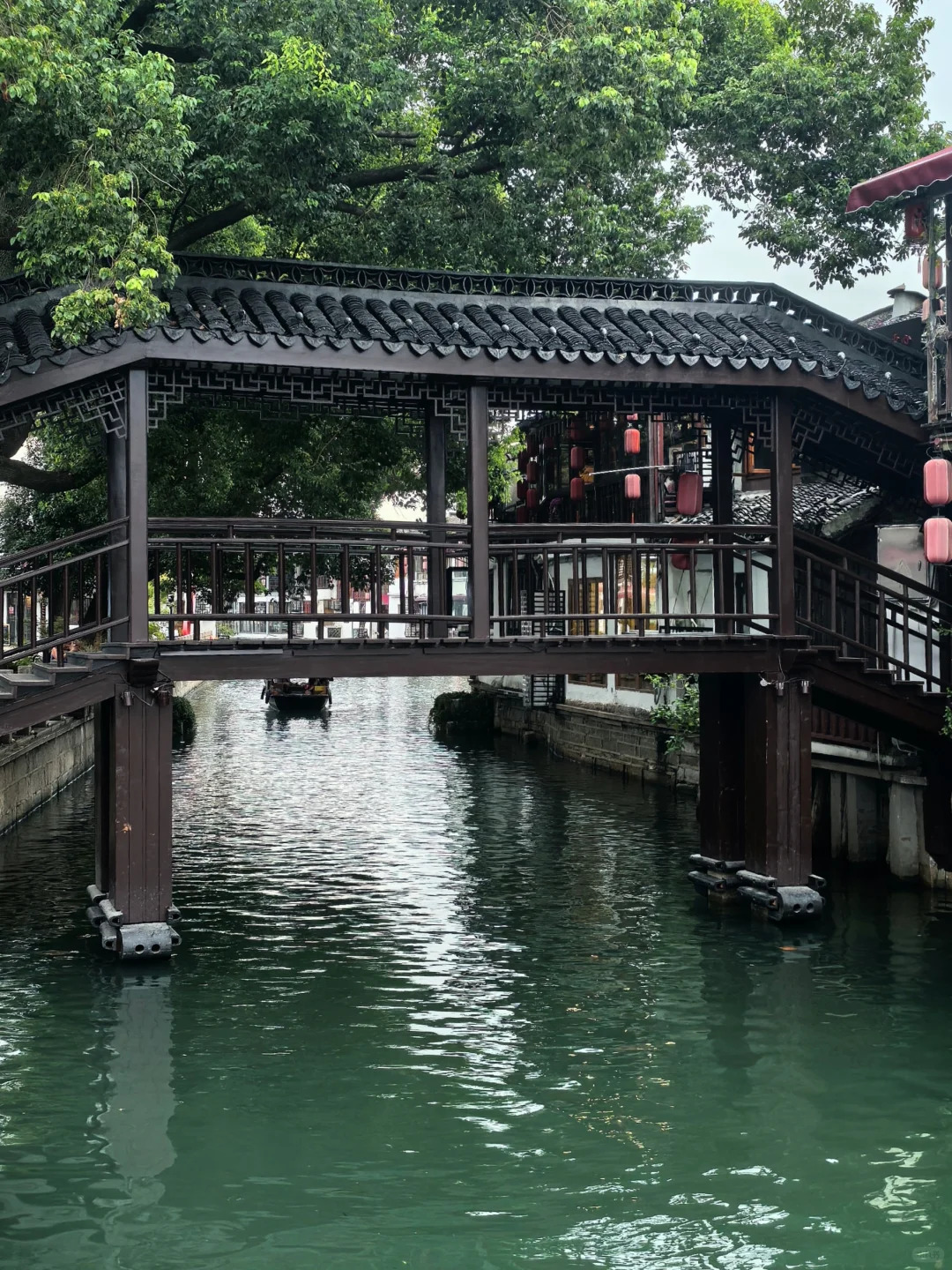
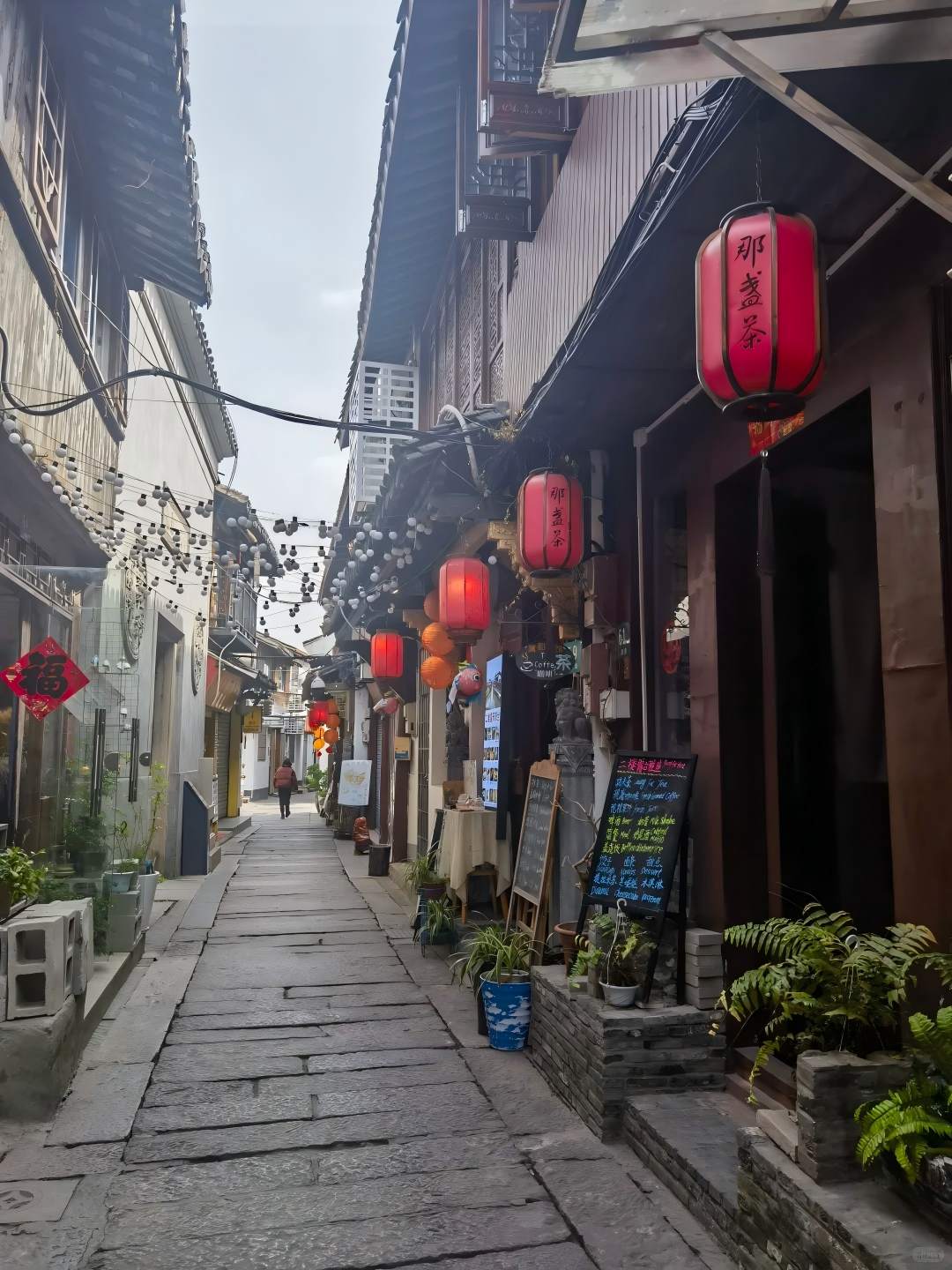
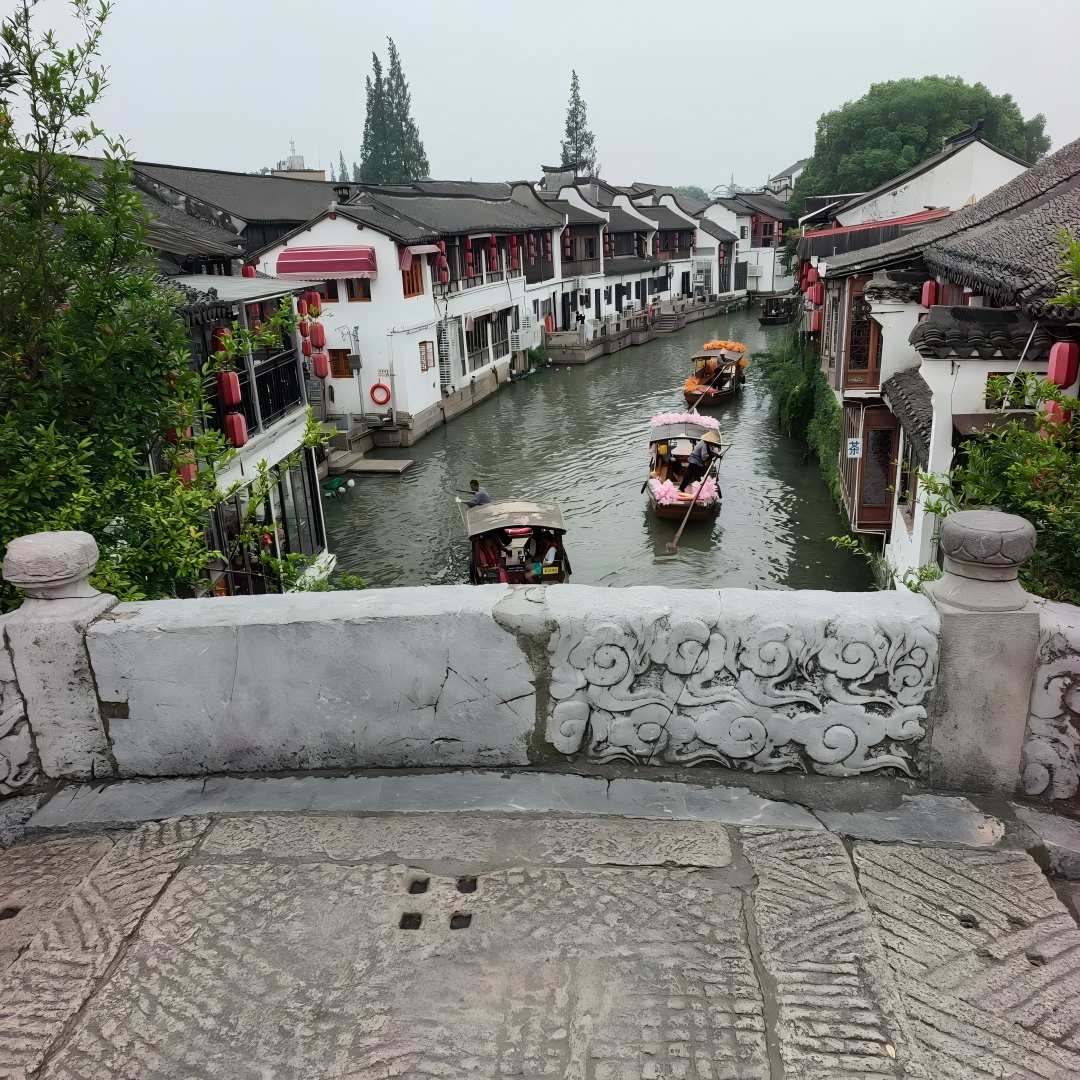
The local snacks and handicraft shops in town are also unique. You can enjoy local specialty pastries or buy traditional handicrafts for souvenirs. Many local residents still live in Zhujiajiao, giving the area a more authentic atmosphere than other spots designed specifically for tourists.
Read More: Zhujiajiao Day Trip from Shanghai
14. Shanghai People’s Park (人民公园) – An Oasis for Observing City Life
- Cost: Free.
- Best for: People-watching and experiencing local Shanghai culture.
- My Take: An excellent window into the local community spirit
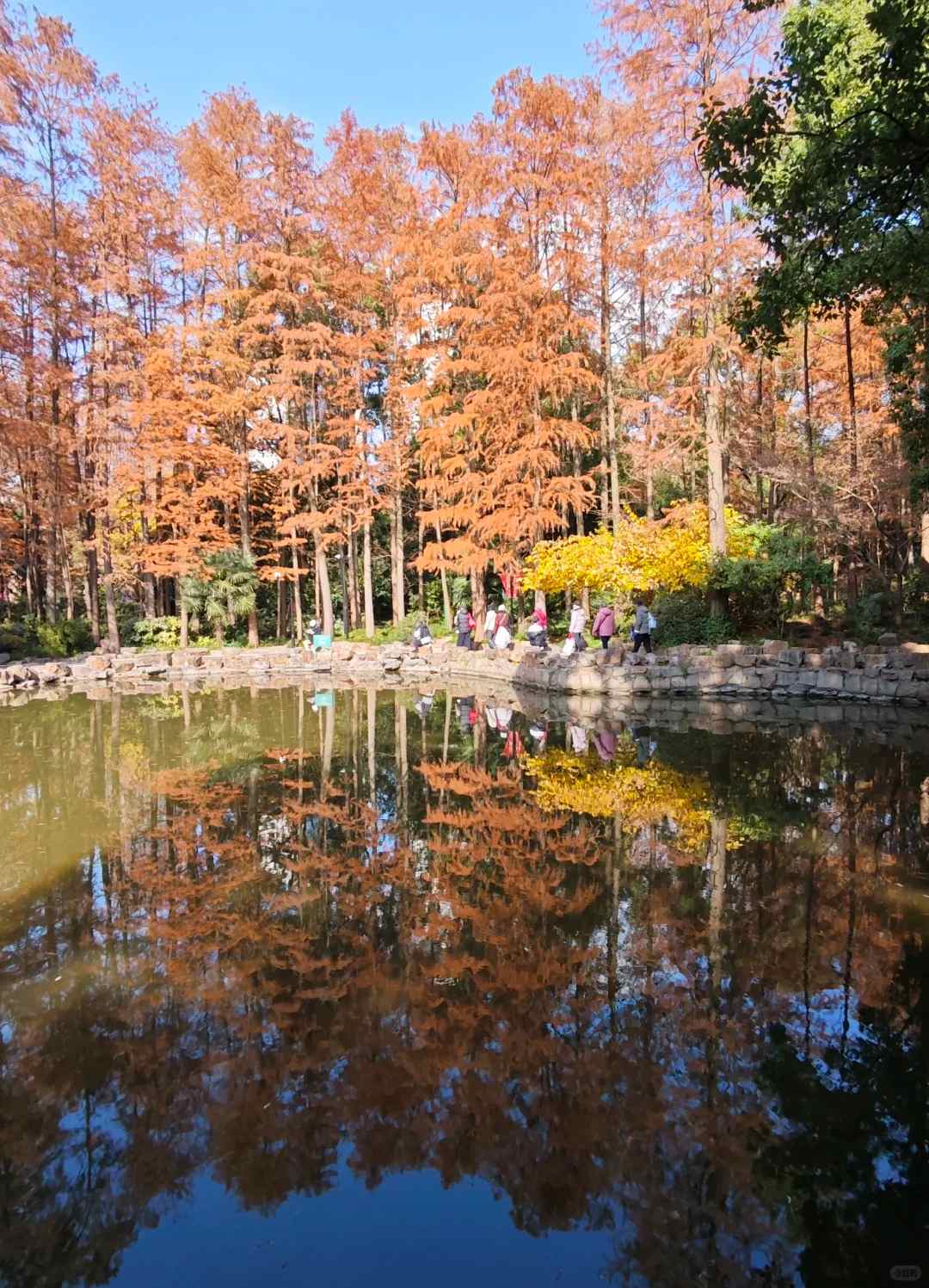
Despite being in the heart of Shanghai’s bustling downtown, right next to Nanjing Road and People’s Square, People’s Park is arare green oasis in this massive metropolis. It’s not just a place to relax, but a prime spot to observe the daily lives of Shanghai’s residents.
This park will show you retired life in Shanghai; in the mornings, people gather to square dance (Chinese-style square dancing), practice Tai Chi, or even write water calligraphy on the pavement by the lake. These vibrant community activities are a fascinating way to understand Chinese culture.
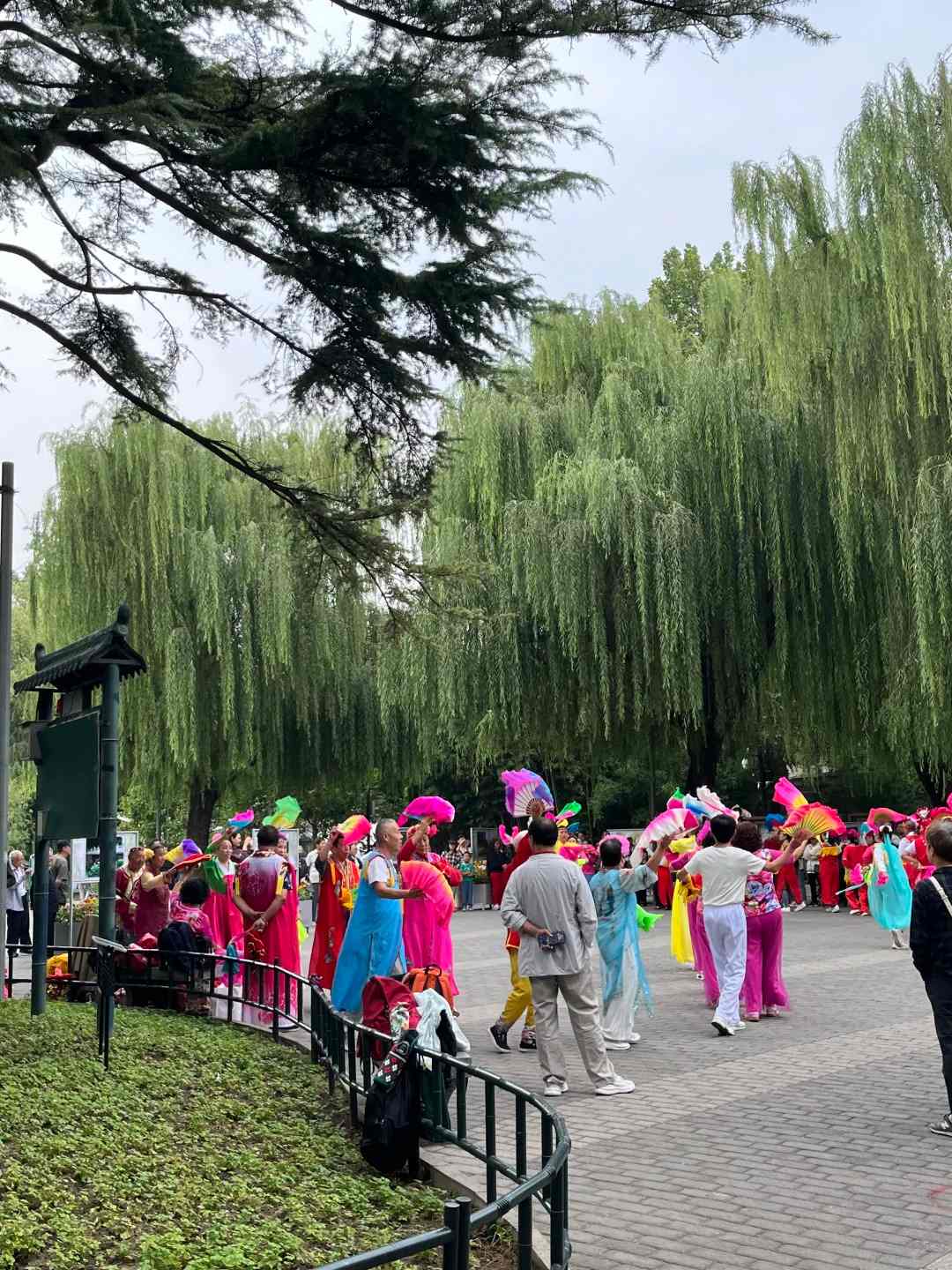
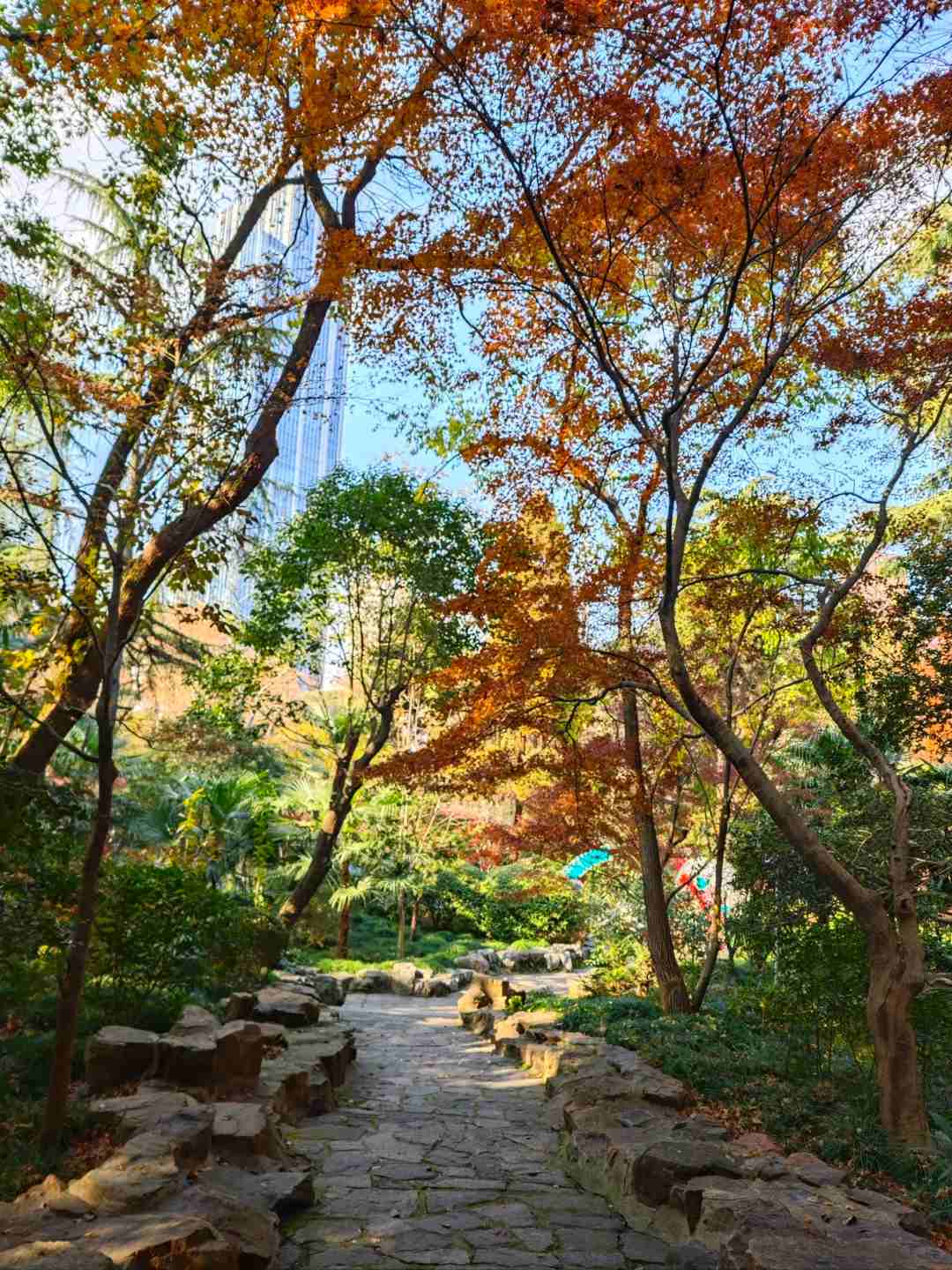
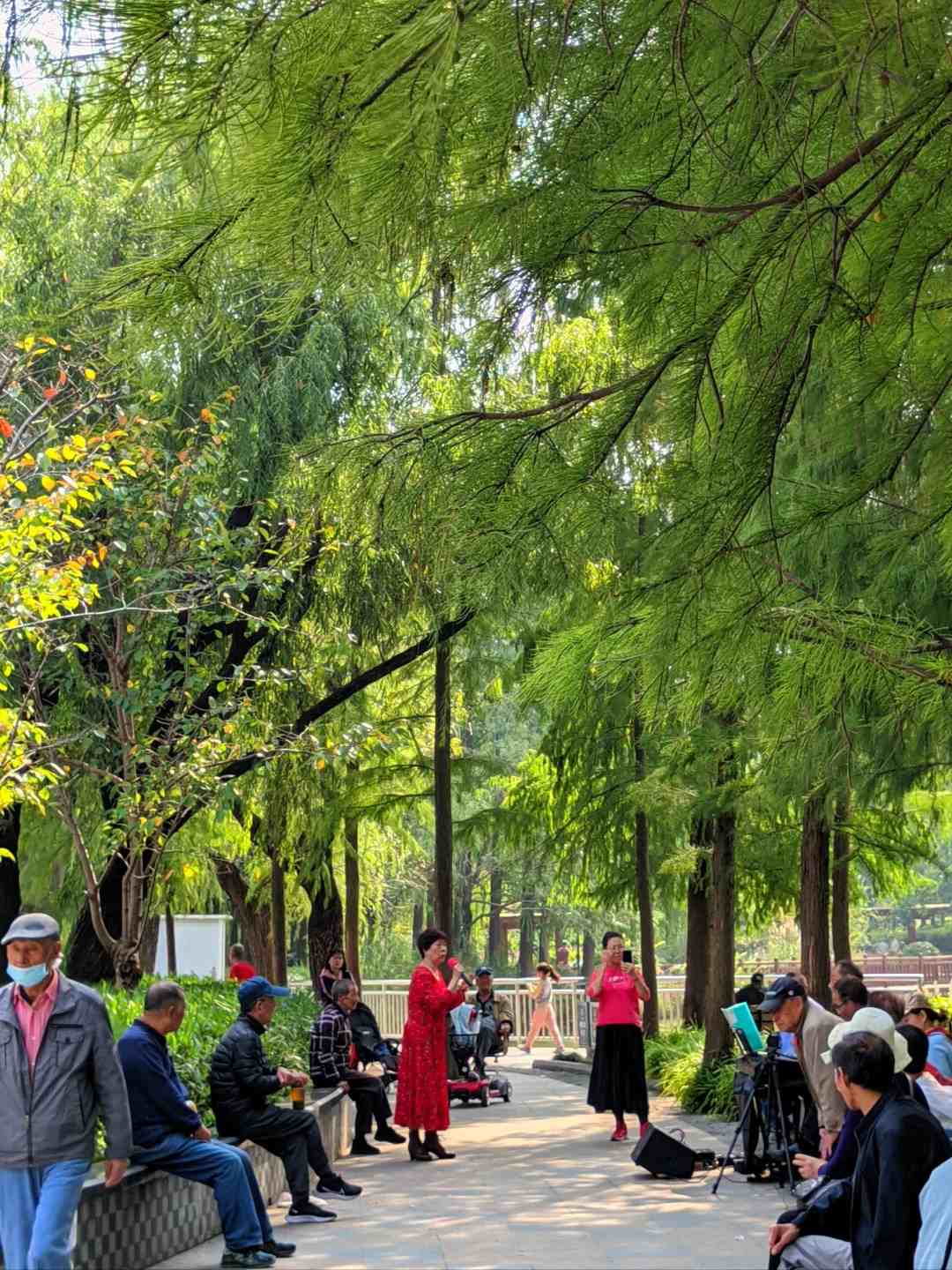
The most unique experience, however, is the weekend “Marriage Market.” This is a fascinating event where parents search for partners for their adult children. They clip papers onto umbrellas or strings, listing their child’s age, occupation, income, and other details. It’s a distinctive social phenomenon that offers a deep look into Chinese family traditions and societal expectations.
The most unique experience is the weekend “Marriage Market.” This is a peculiar time in which parents search for partners for their adult children. They hang pieces of paper on umbrellas or strings, listing their child’s age, occupation, income, and other details. It’s a strange but must-see social phenomenon that offers a glimpse into Chinese family traditions and societal pressures.
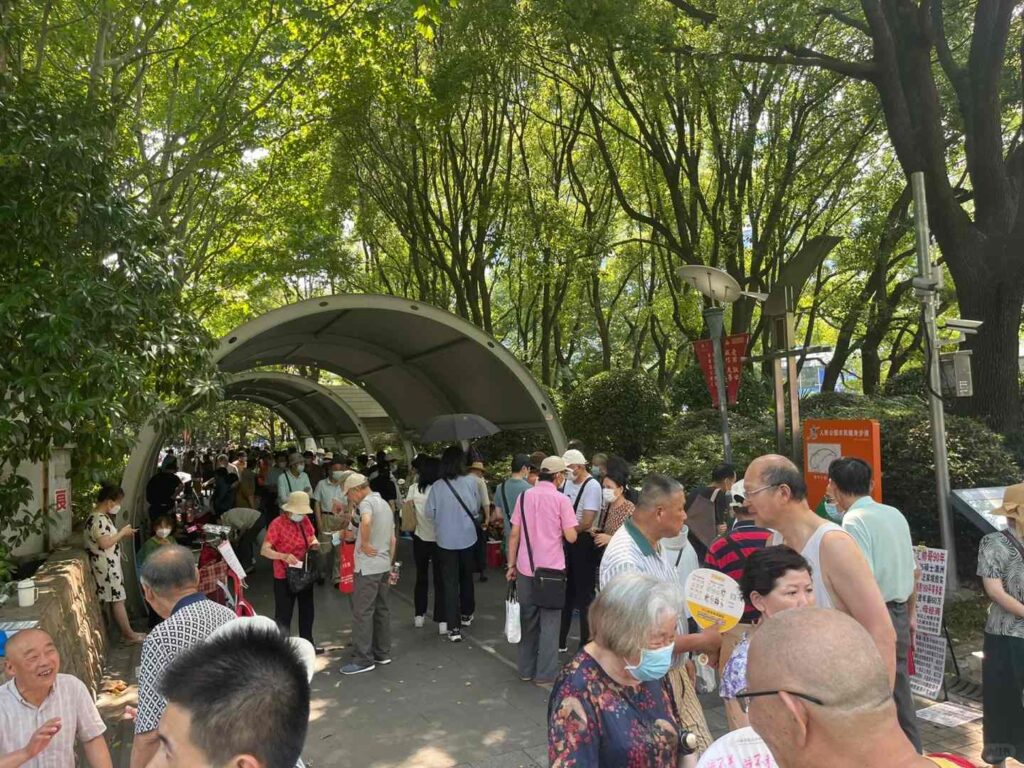
While there are no grand monuments here, People’s Park is the perfect quiet spot to sit and feel the city’s heartbeat.
15. Shanghai Museum (上海博物馆) – The Essence of Chinese History and Art
- Cost: Free.
- Best for: Ancient Chinese art, bronzes, and ceramics.
- My Take: One of China’s premier museums and a must-visit for history buffs.
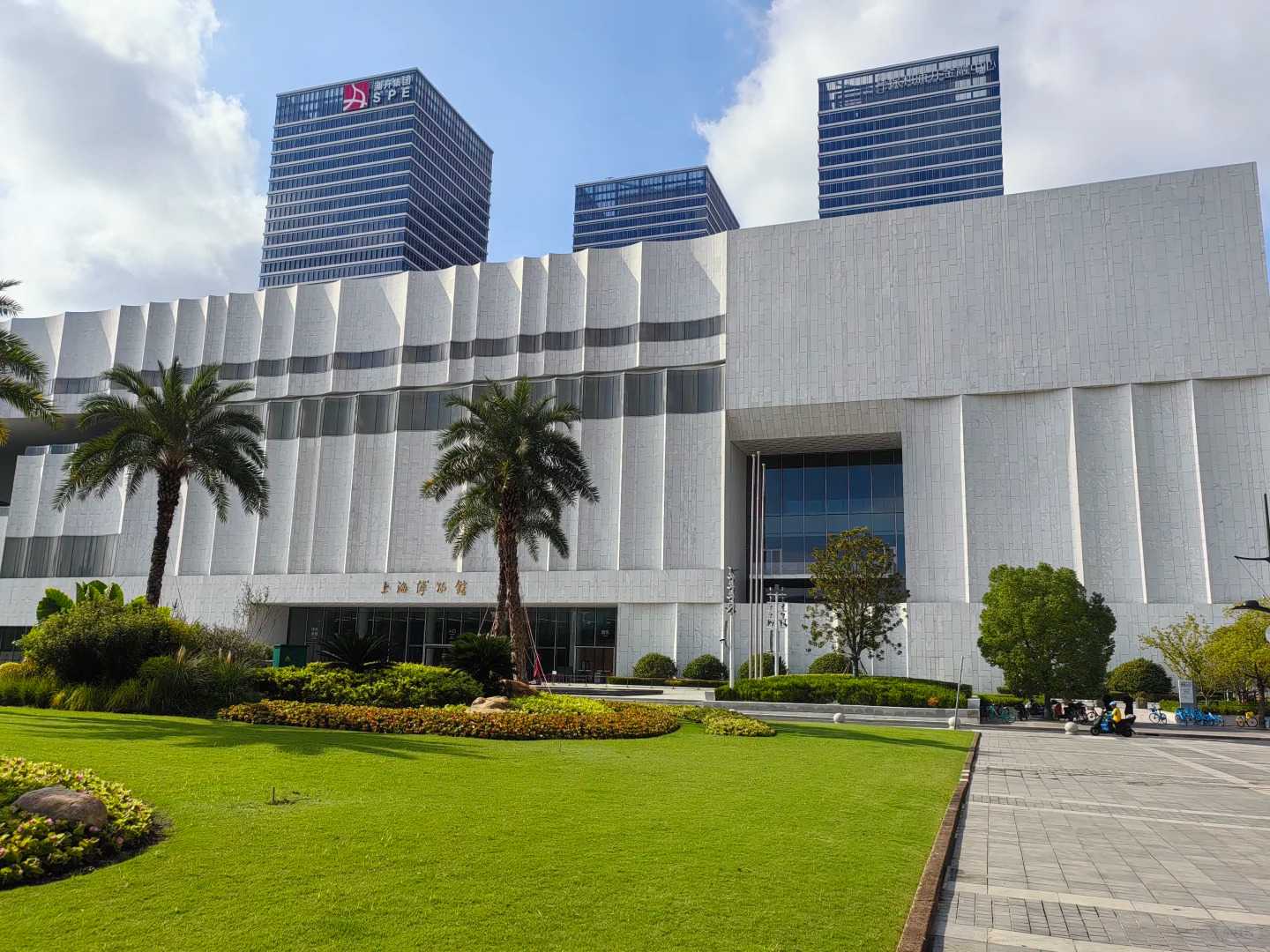
Located in the center of People’s Square, the Shanghai Museum is a treasure trove of ancient art. Its distinctive architecture—a round dome atop a square base—symbolizes the ancient Chinese philosophical concept of “heaven is round, earth is square.” This is an essential stop for a deep dive into China’s long history and civilization.
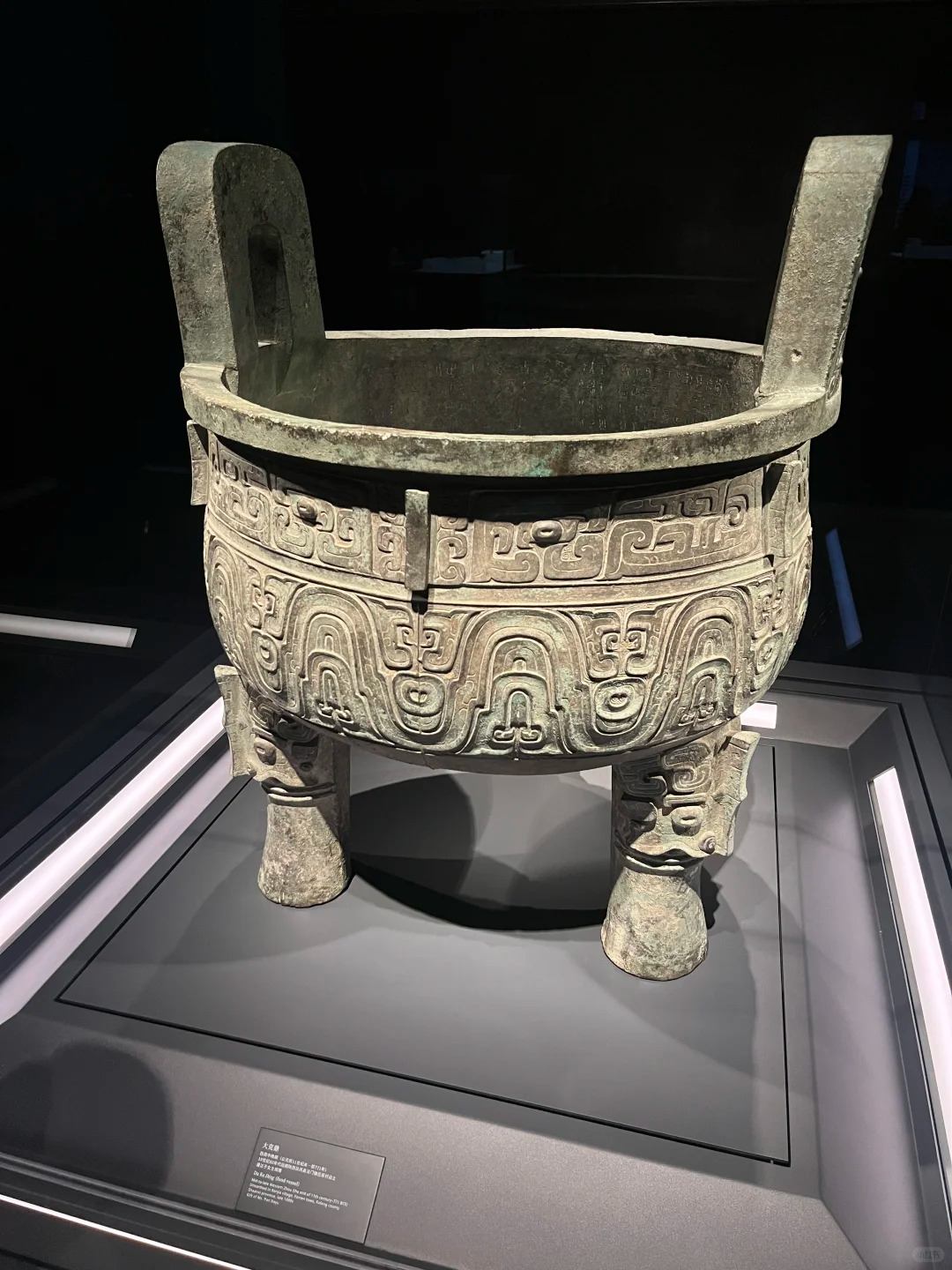
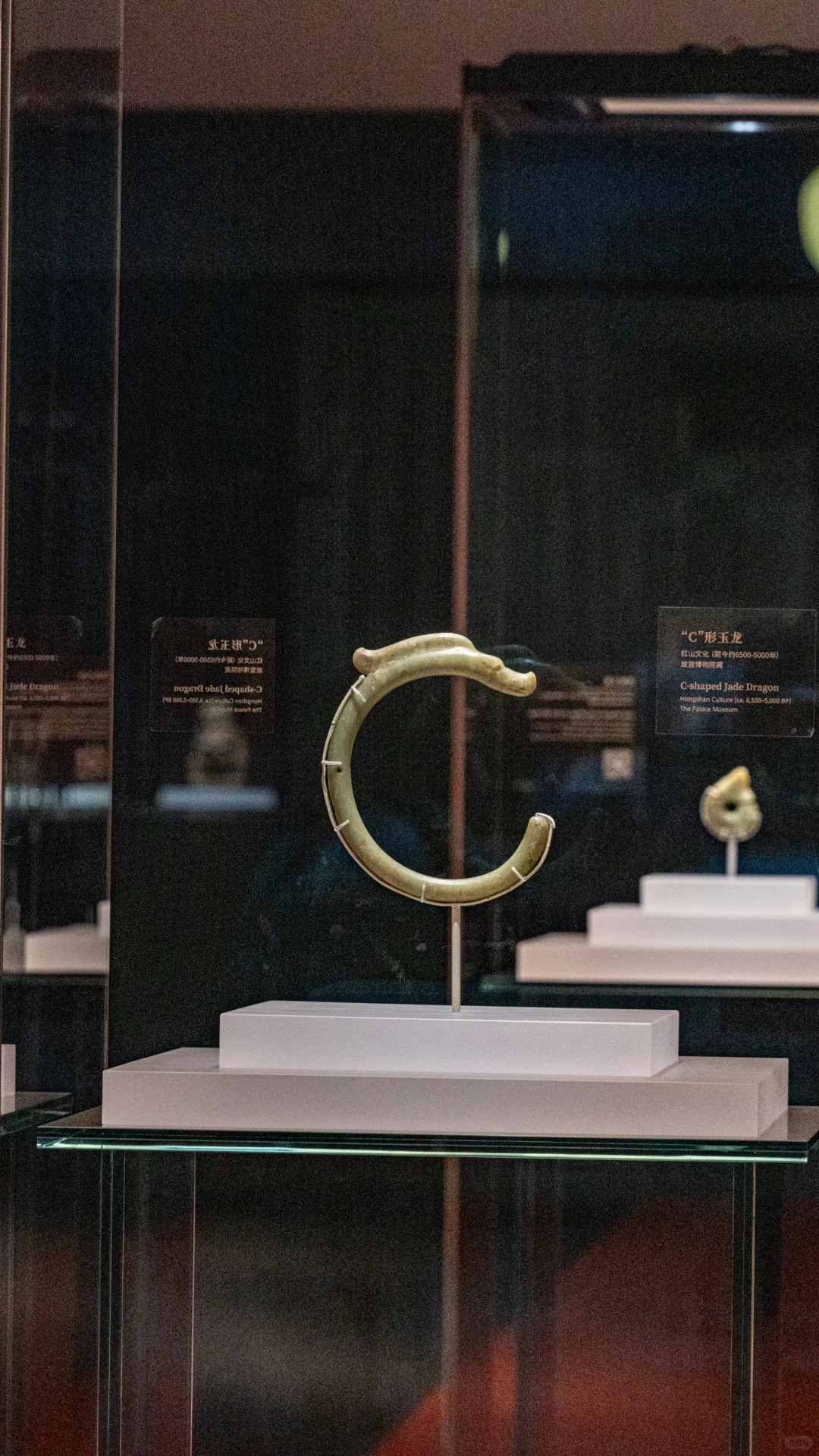
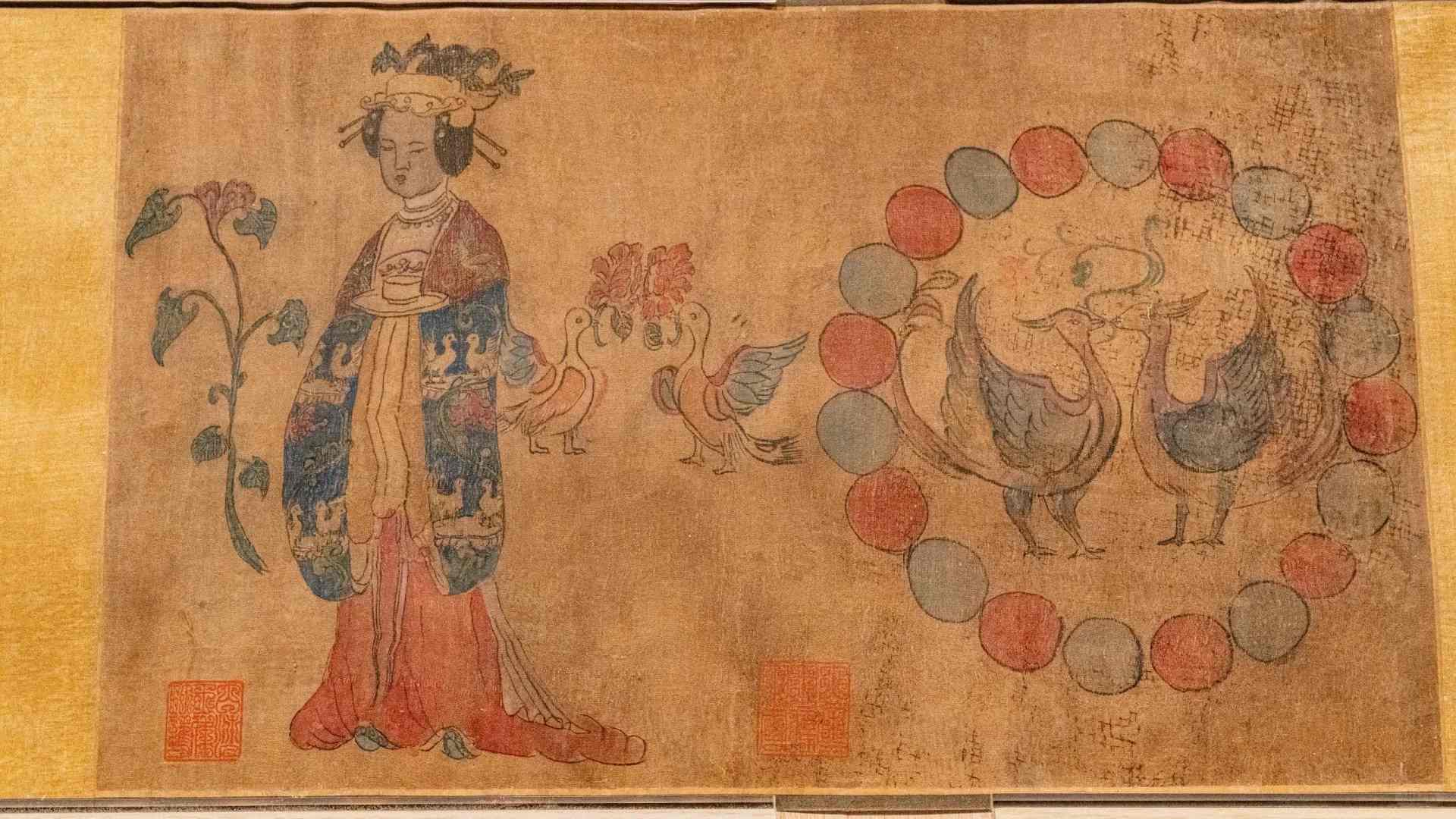
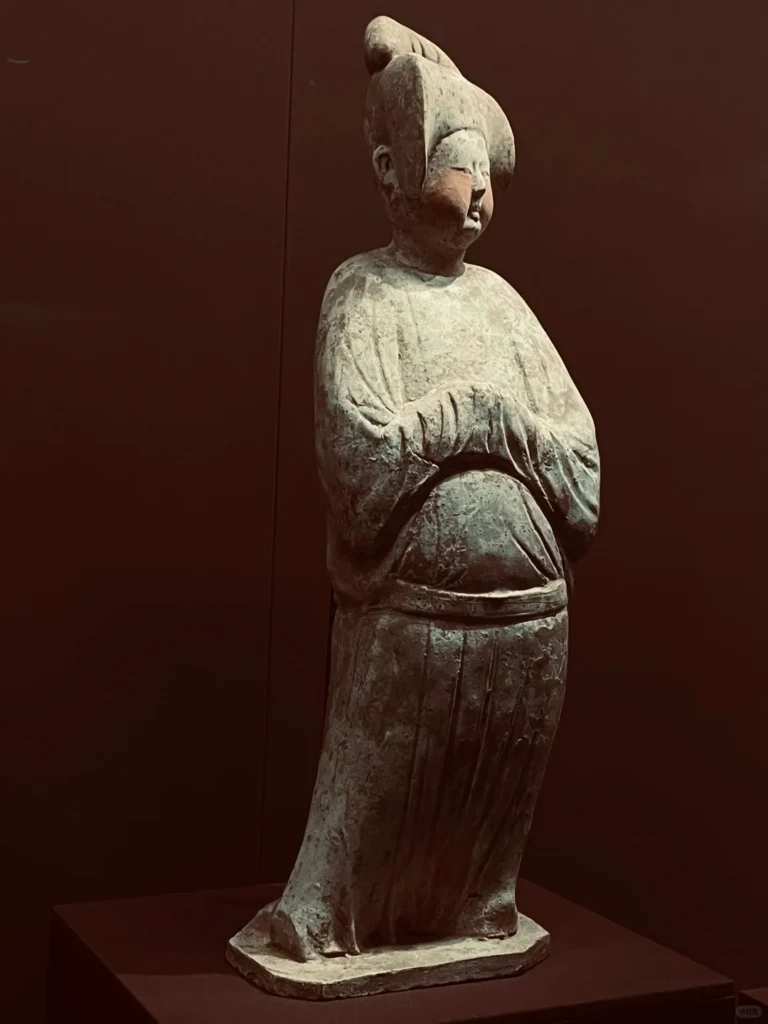
The museum boasts a world-class collection of ancient artifacts, particularly its renowned bronzes, ceramics, and sculptures. The displays showcase the superb craftsmanship of ancient Chinese artisans and the evolution of aesthetics across different dynasties.
For visitors unfamiliar with Chinese history, the museum is well-organized and easy to navigate, with detailed descriptions in English.
Unlike some of the city’s modern attractions, the Shanghai Museum offers a quiet reflection on thousands of years of history. If you are a history enthusiast, an art lover, or simply curious about Chinese culture, be sure to set aside at least half a day for your visit.
Pro tip: Since admission is free, it’s often crowded. I highly recommend making a reservation a few days in advance to secure your spot.
Read More: Shanghai Museum East branch Guide
16. Shanghai Astronomy Museum (上海天文馆) – The World’s Largest Planetarium
- Cost: 30 RMB (Approx. $4 USD)
- Best for: Immersive space exhibits and futuristic architecture.
- My Take: A “must-visit” for anyone fascinated by science, the universe, and the future.
The Shanghai Astronomy Museum is not just the world’s largest planetarium; it is a stunning architectural marvel. Located in Lingang, Pudong New Area, it is a bit of a trek from the city center, but absolutely worth the trip. For anyone curious about the cosmos, this is truly an out-of-this-world experience.
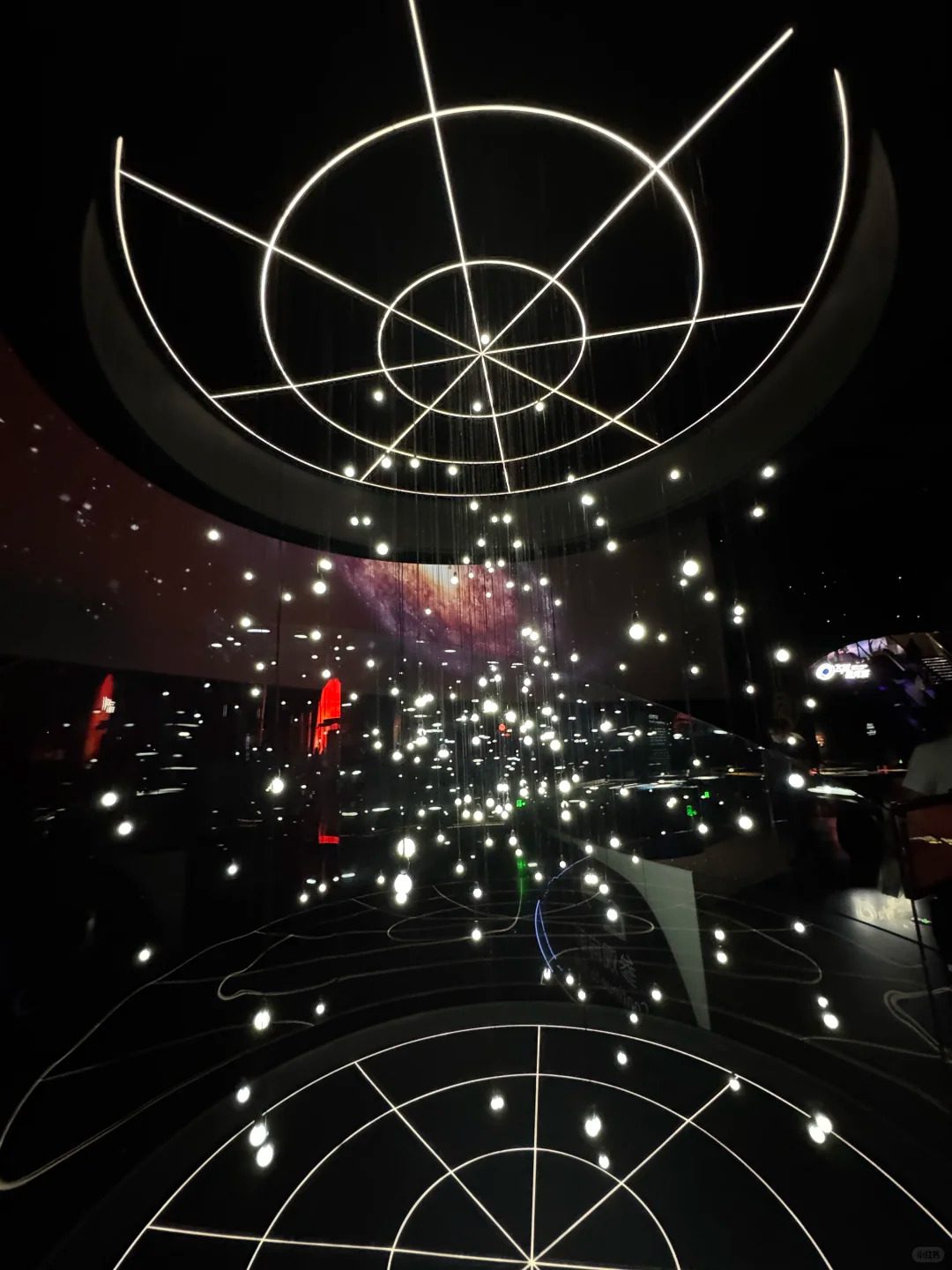
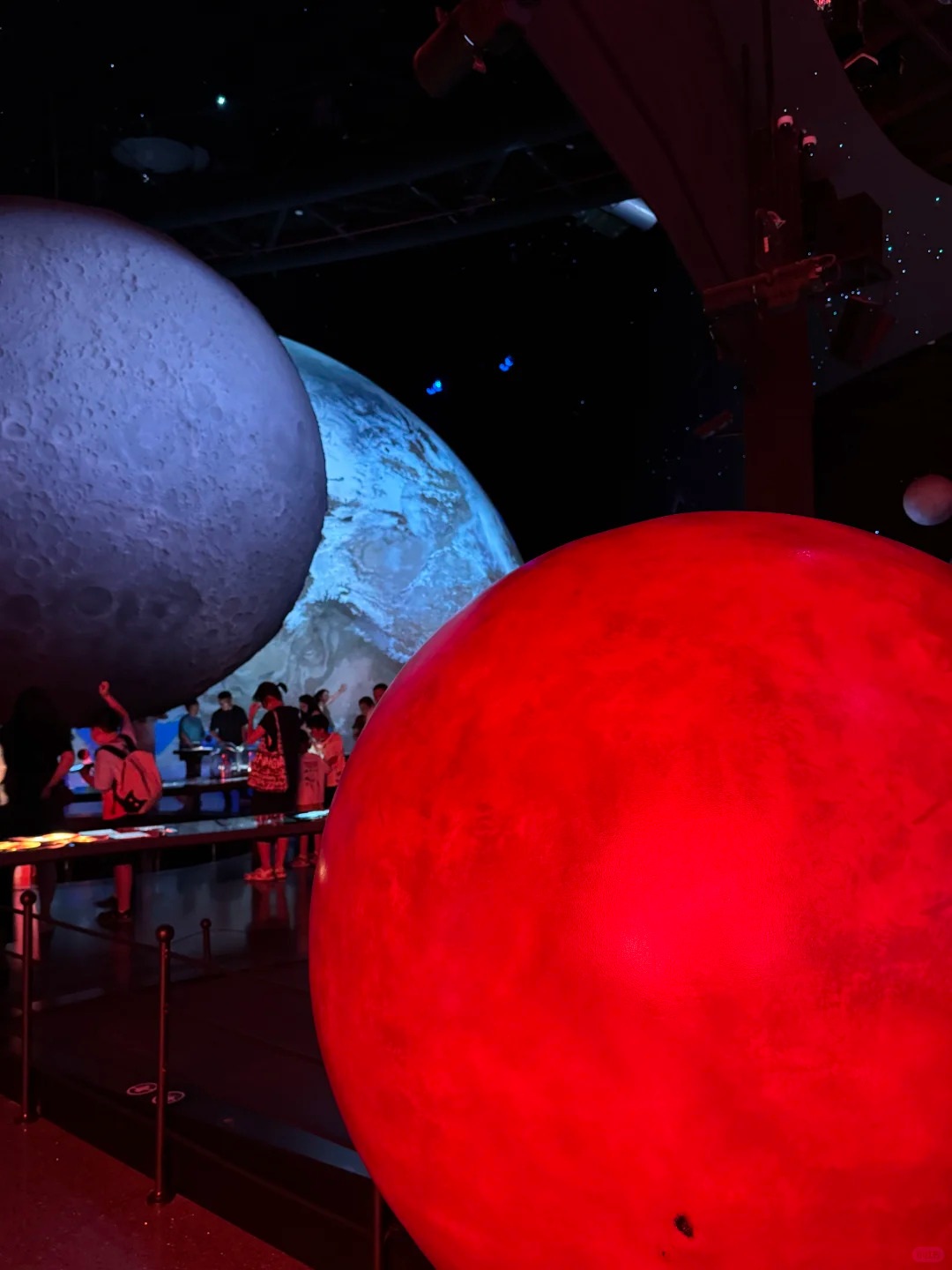
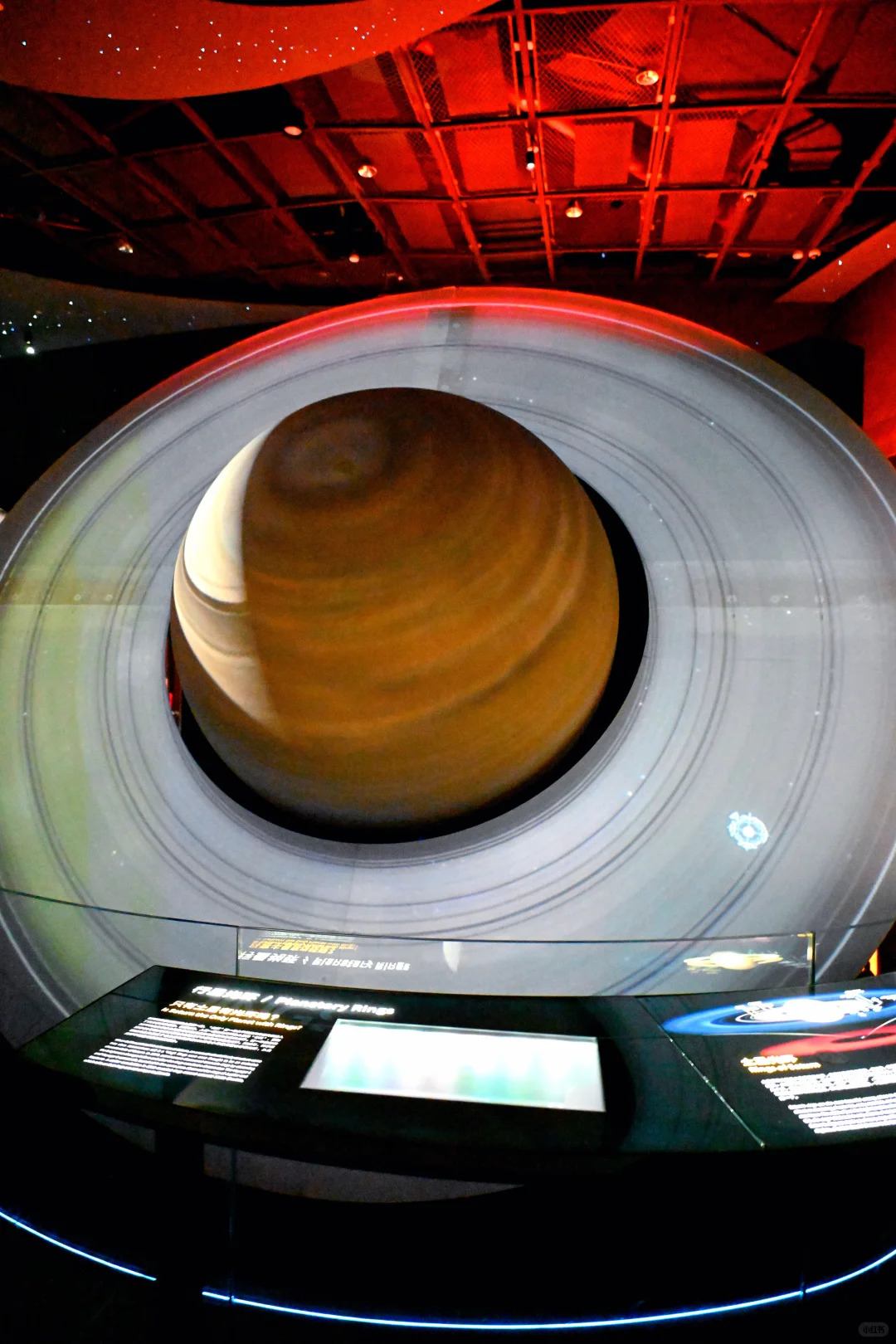
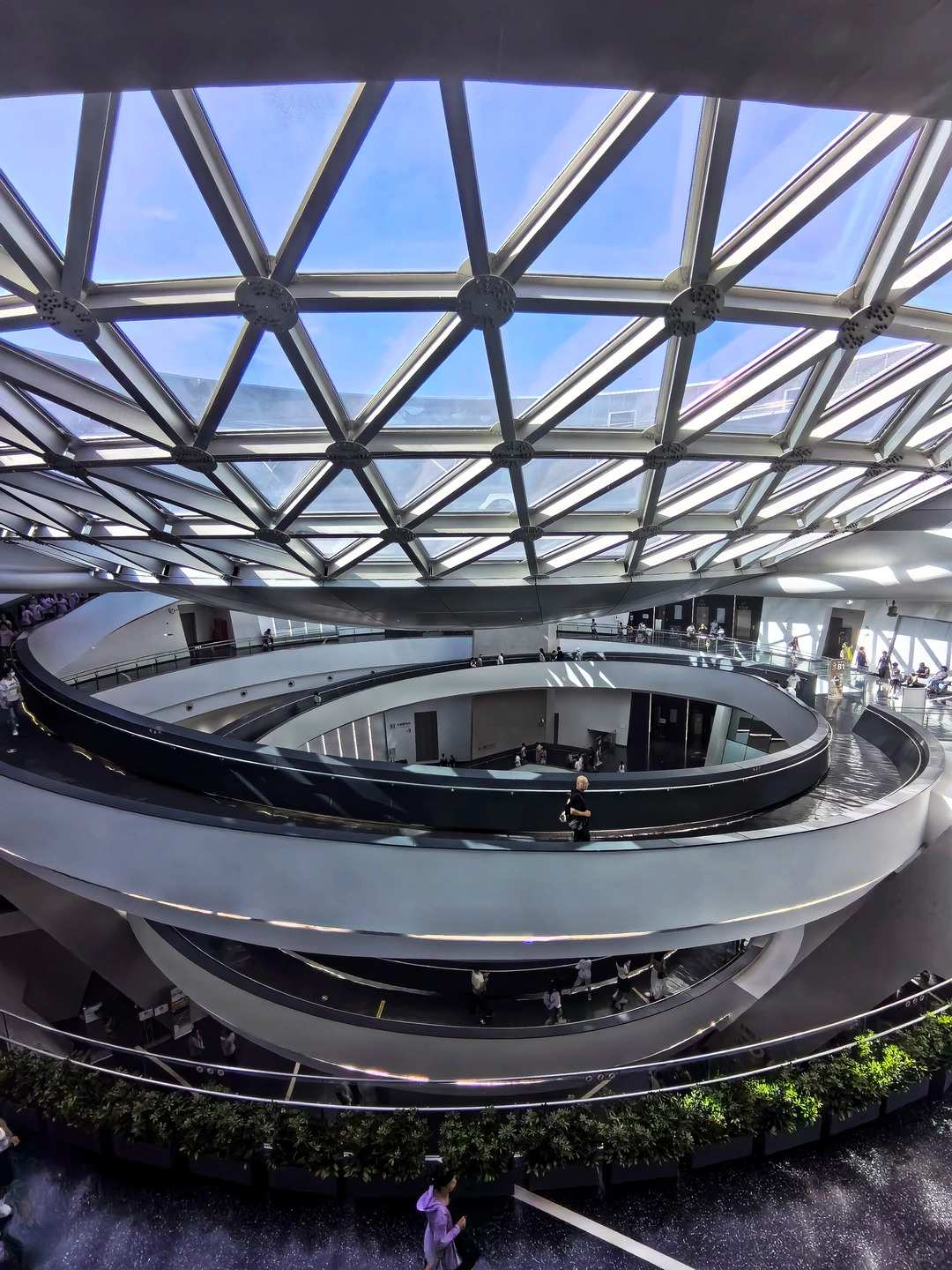
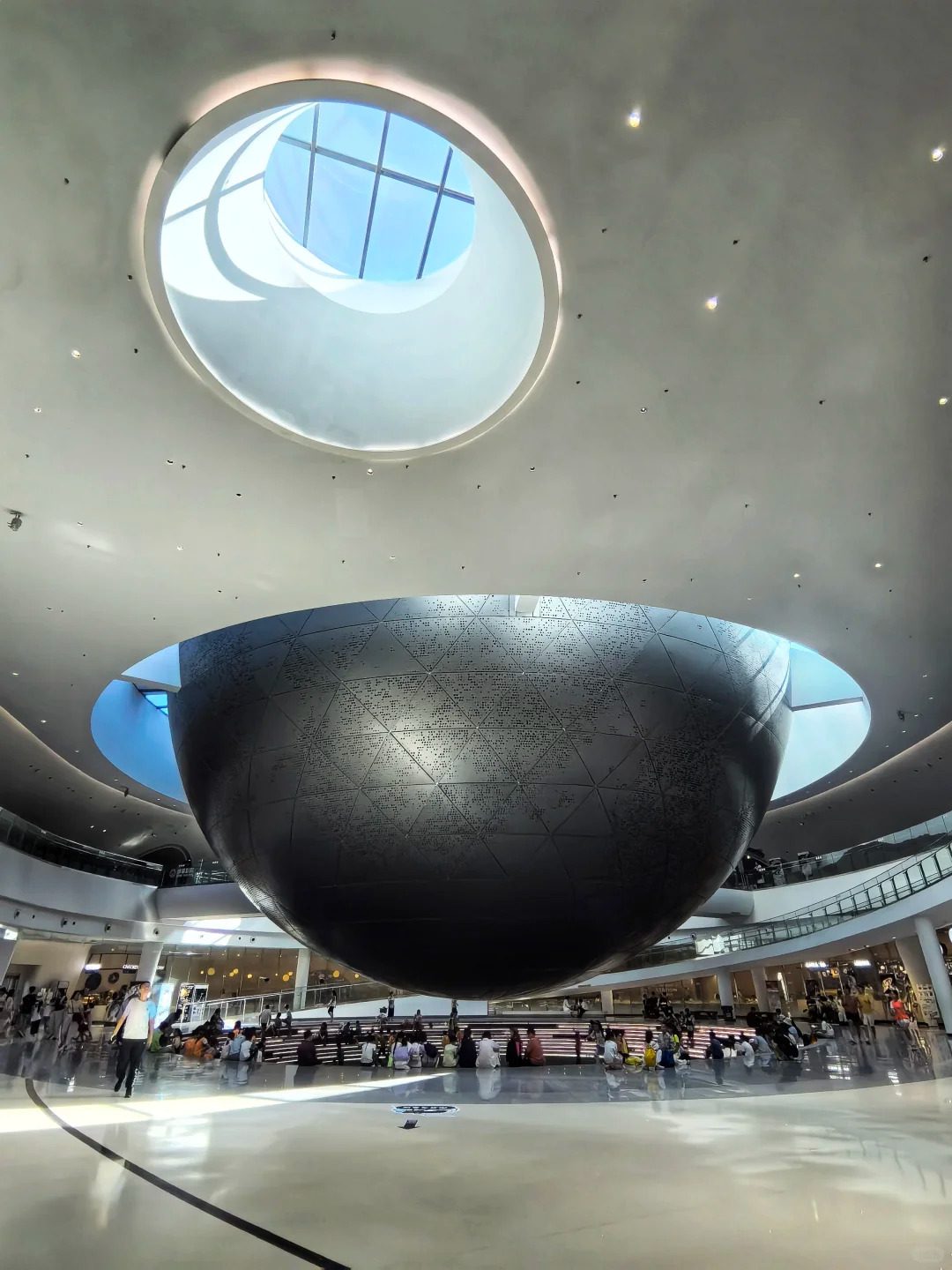
What makes this museum special is how it moves beyond traditional models and data. Instead, it uses cutting-edge technology and immersive designs to transport visitors into space. The building itself is an astronomical instrument, featuring three iconic architectural forms—the Oculus, the Inverted Dome, and the Sphere—that track the path of the sun and stars (Learn More >>>). The exhibits cleverly combine visual, auditory, and interactive elements, making complex science fun and accessible.
If you are interested in space exploration, the origins of the universe, or future tech, be sure to add this spot to your itinerary—especially if you are traveling with kids.
Pro tips:
- Timing: While tickets are assigned to morning or afternoon slots, entry times can sometimes be flexible. However, definitely aim for a weekday visit, as weekend tickets vanish in seconds.
- The Booking Challenge: Tickets are 30 RMB but are notoriously difficult to get. They are released 7 days in advance at 9:30 AM sharp via the museum’s official WeChat Mini Program/Account.
- Foreigner Alert: Since booking requires WeChat (and often a Chinese interface), I highly recommend asking your hotel concierge or a Chinese friend to help you snag tickets the second they are released.
17. 1933 Laochangfang – The Labyrinth of Industrial Aesthetics
- Cost: Free.
- Best for: Architecture lovers, photographers, and fans of the “Gotham City” aesthetic.
- My Take: A visually stunning maze that feels like a concrete fortress. Perfect for moody, cinematic photography.
1933 Laochangfang is a creative hub defined by its stark, intricate architecture. Originally designed by a British architect in the 1930s as a massive slaughterhouse, the building’s history adds a layer of dark intrigue to its beauty.
The interior is a mesmerizing labyrinth of concrete, featuring crisscrossing “cattle bridges” (rough-floored ramps designed to prevent livestock from slipping), spiraling walkways, and atrium pillars. The complex geometry creates a dramatic interplay of light and shadow, making it a world-class backdrop for visual art.
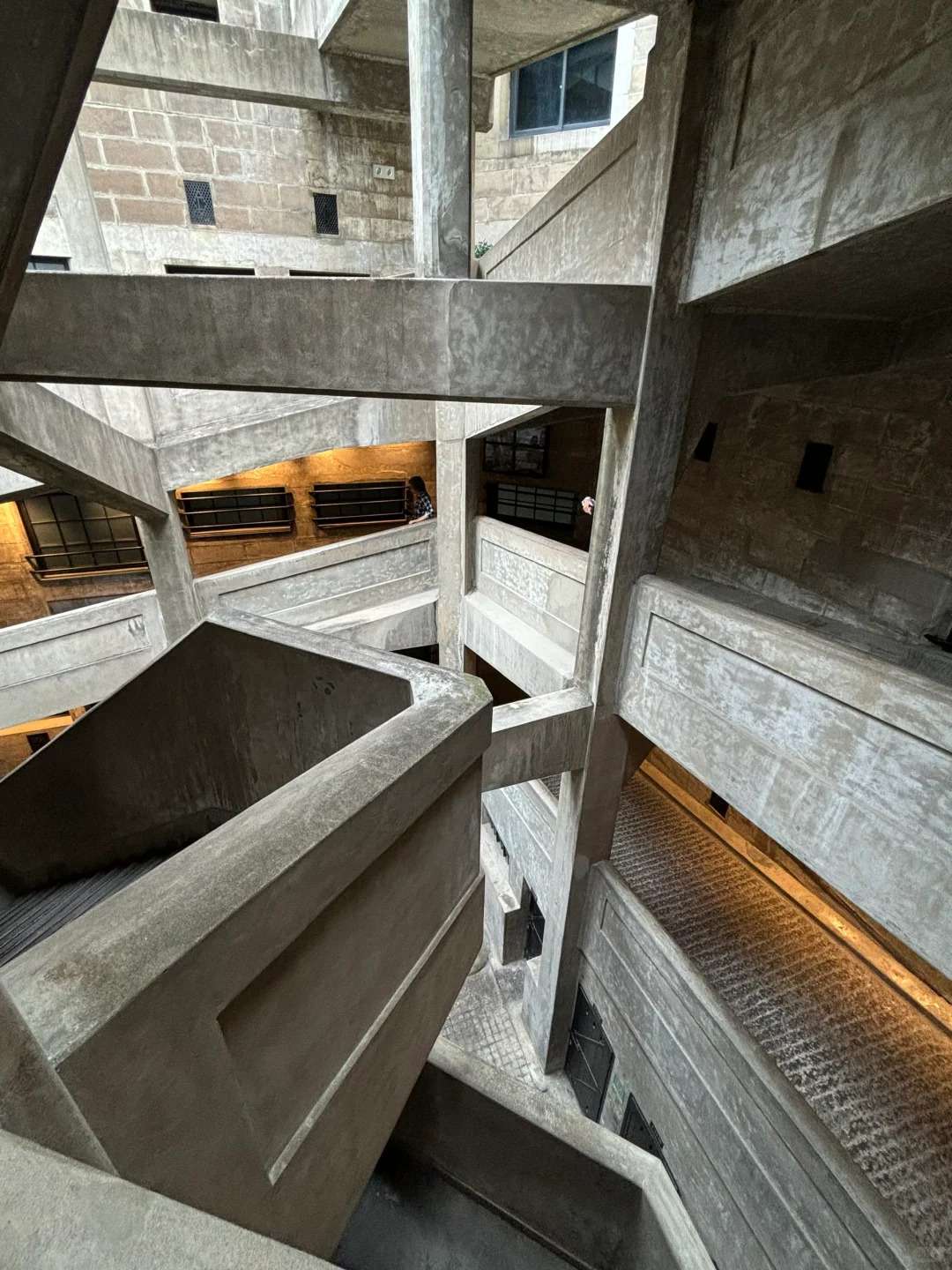
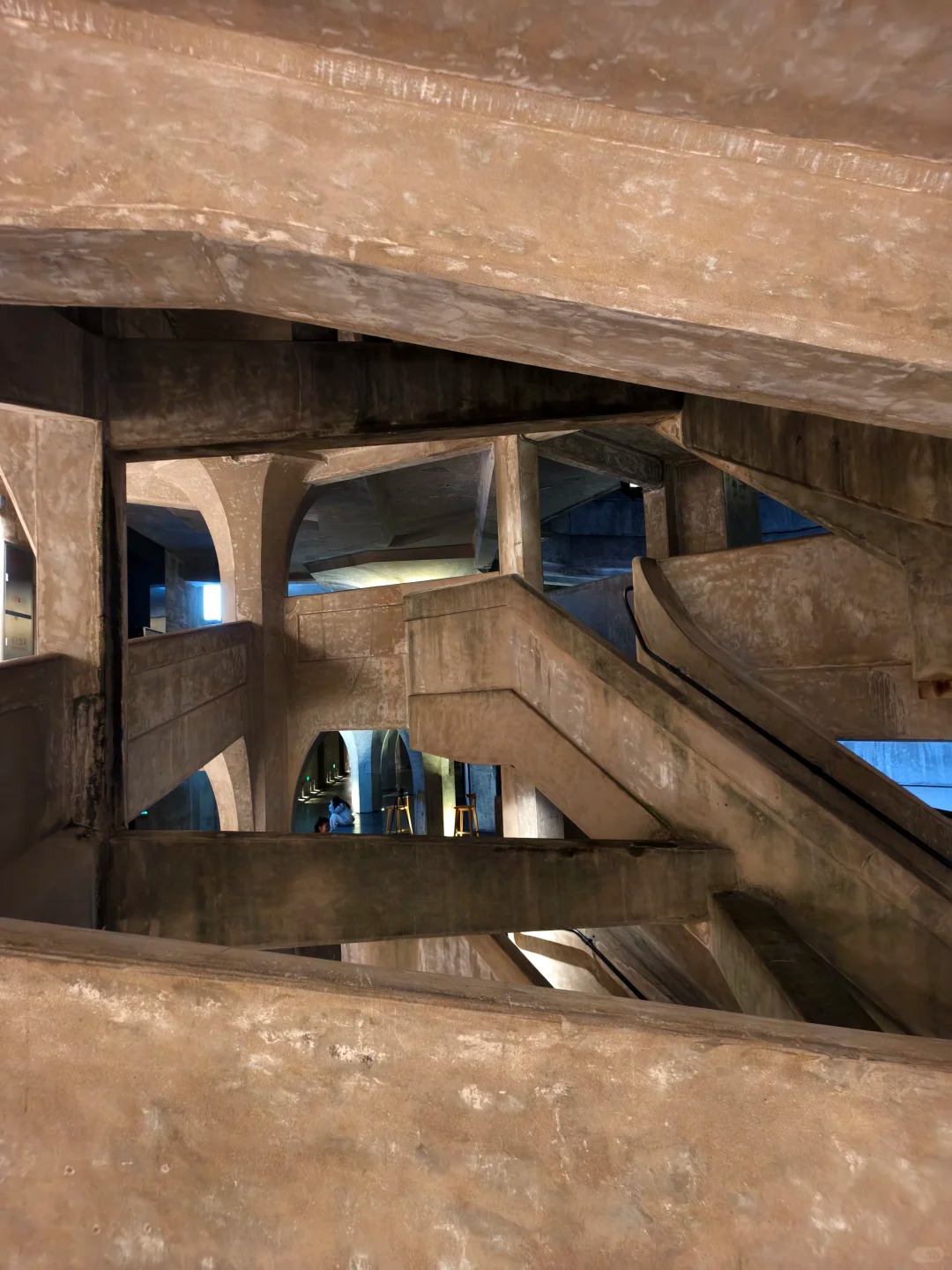
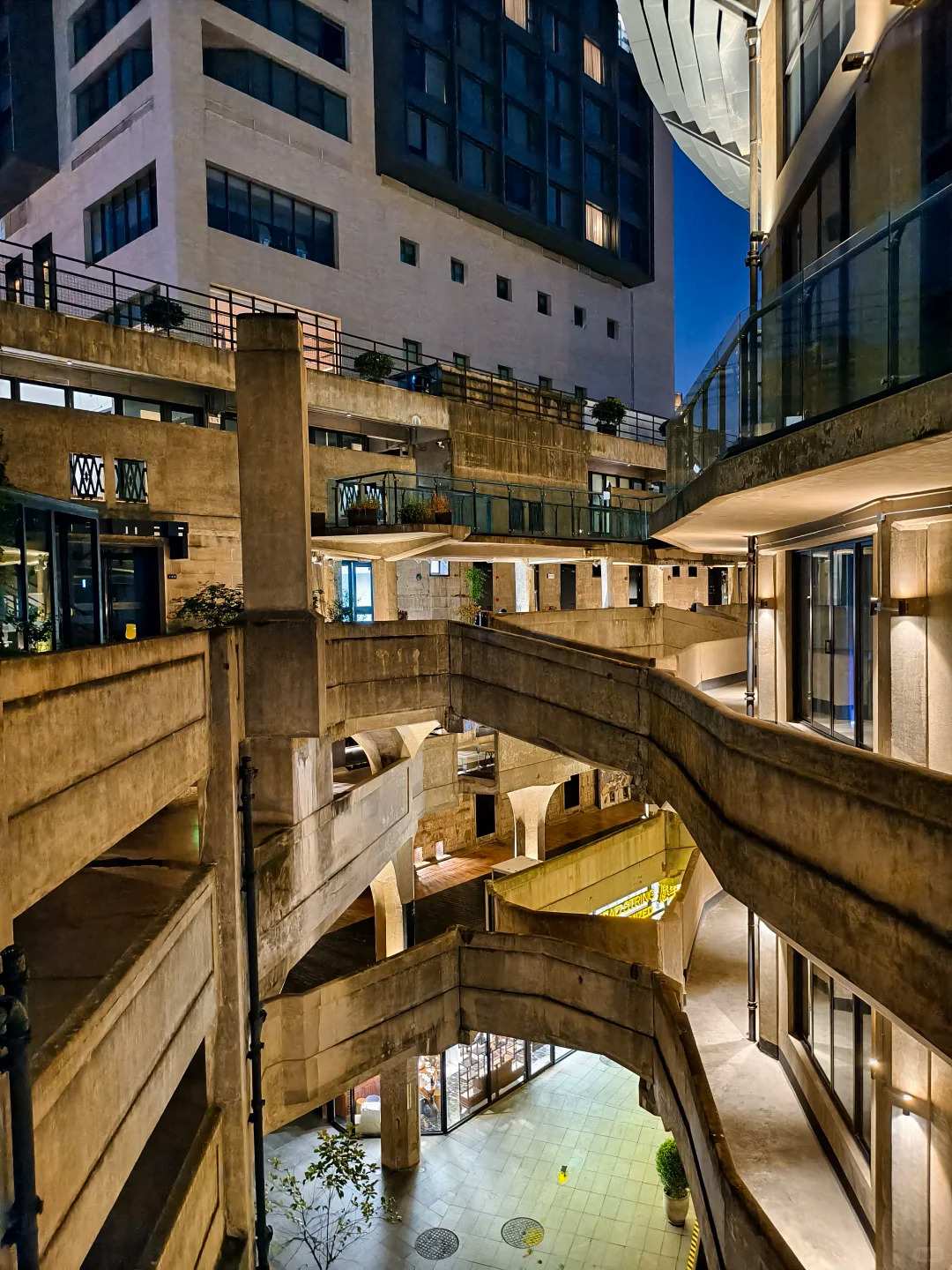
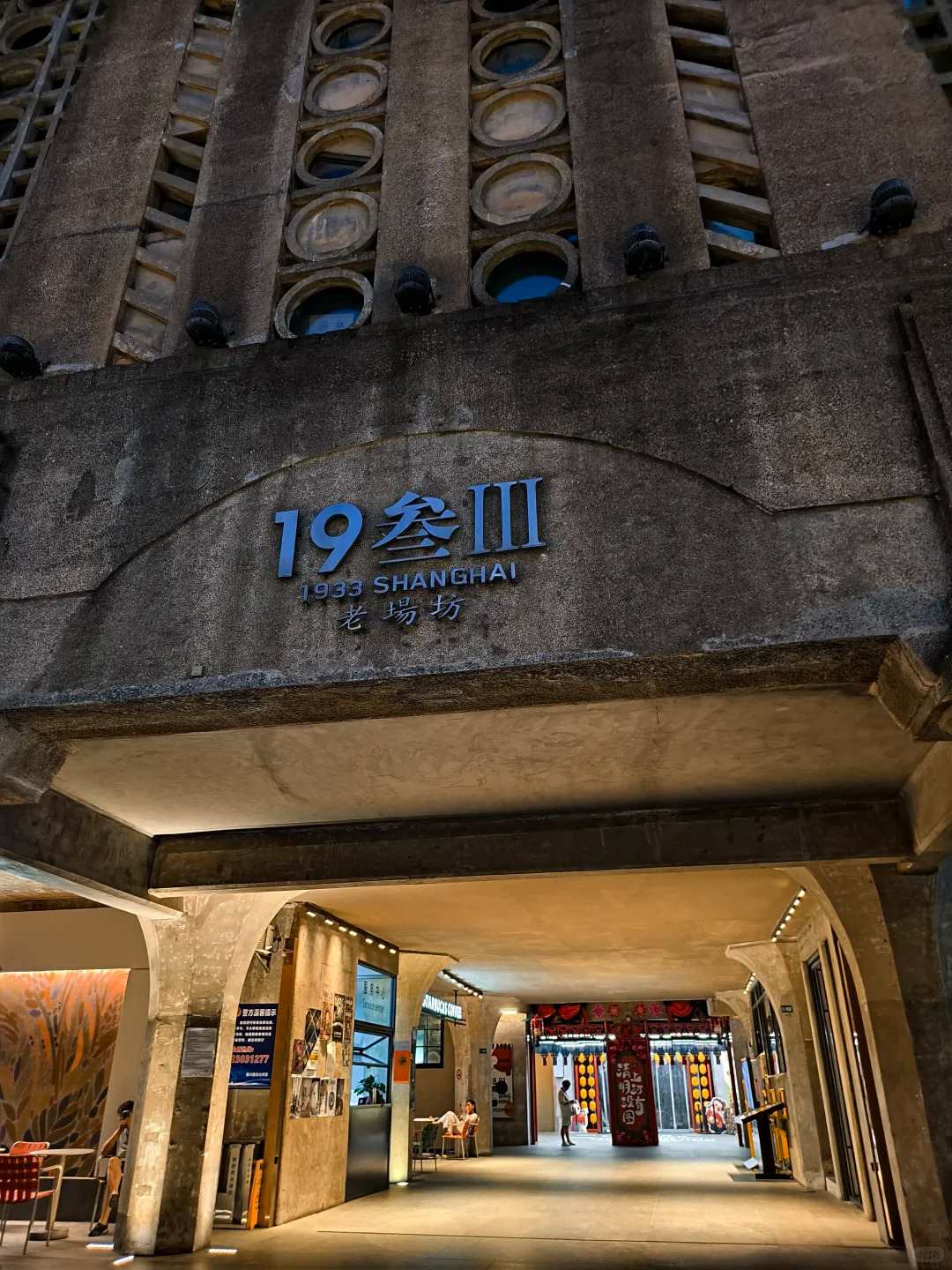
Today, the space has been transformed into a center for lifestyle and culture, housing design studios, exhibition spaces, and trendy restaurants. It is a prime example of how Shanghai has repurposed its industrial heritage into a vibrant, modern landmark.
Today, 1933 Laochangfang has transformed into a center for fashion, creativity, and culture. It houses various design studios, art exhibition halls, specialty restaurants, and creative shops. It’s a perfect demonstration of how Shanghai has transformed historical relics into vibrant, modern landmarks that serve as models for urban renewal.
Nighttime experience: While it’s bustling during the day, visiting at night offers a different vibe. The Brutalist architecture and its eerie history give the space a mysterious, almost ghostly atmosphere—thrilling for those who enjoy a touch of the macabre!
18. Shanghai Disneyland (上海迪士尼乐园) – Fantasy Meets Innovation
- Cost: Ticketed (Prices vary by season).
- Best for: High-tech thrills, immersive lands, and unique cultural touches.
- My Take: A favorite spot for kids and Disney fans, and one of the newest and most innovative Disney Parks.
Shanghai Disneyland is one of the newest and most innovative Disney parks in the world. Beyond the classic magic, it excels in “distinctly Chinese” cultural integration. You’ll see beloved Disney characters alongside parades and designs that subtly weave in traditional Chinese elements, offering a familiar yet unique experience.
Shanghai Disneyland is one of the newest and most innovative Disney theme parks today. In addition to the universal magic of Disney parks, Shanghai Disney excels in cultural integration. You’ll see classic Disney friends, but also parades, performances, and other elements that showcase traditional Chinese culture. It allows you to enjoy American entertainment with a sense of local friendliness.
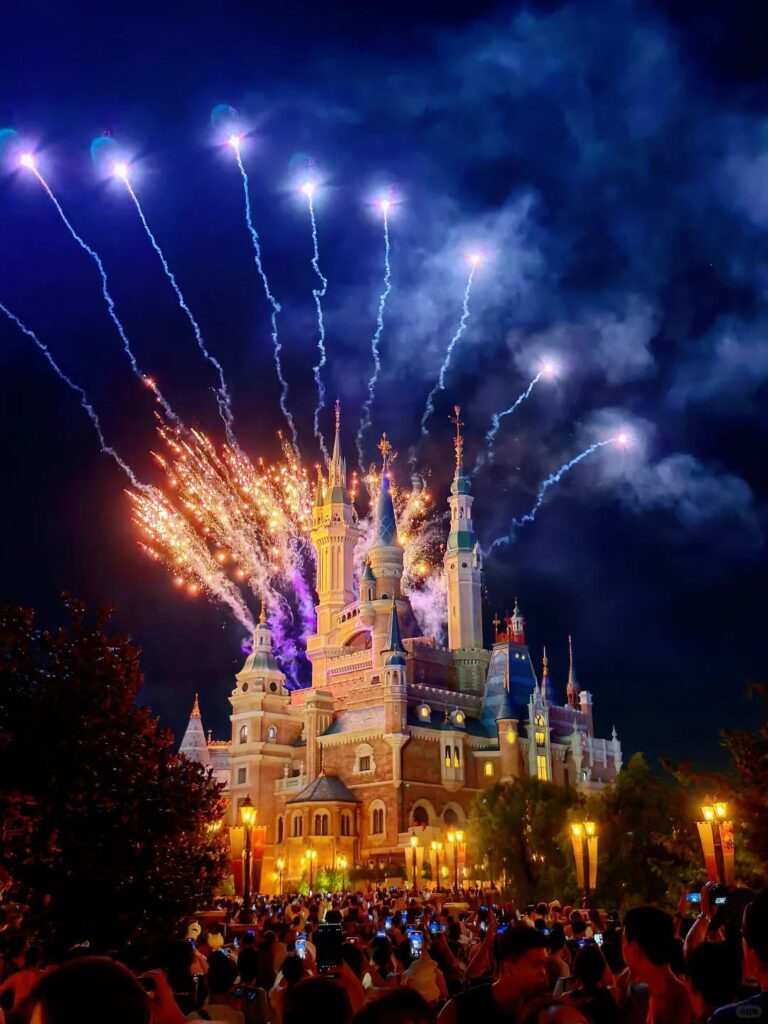
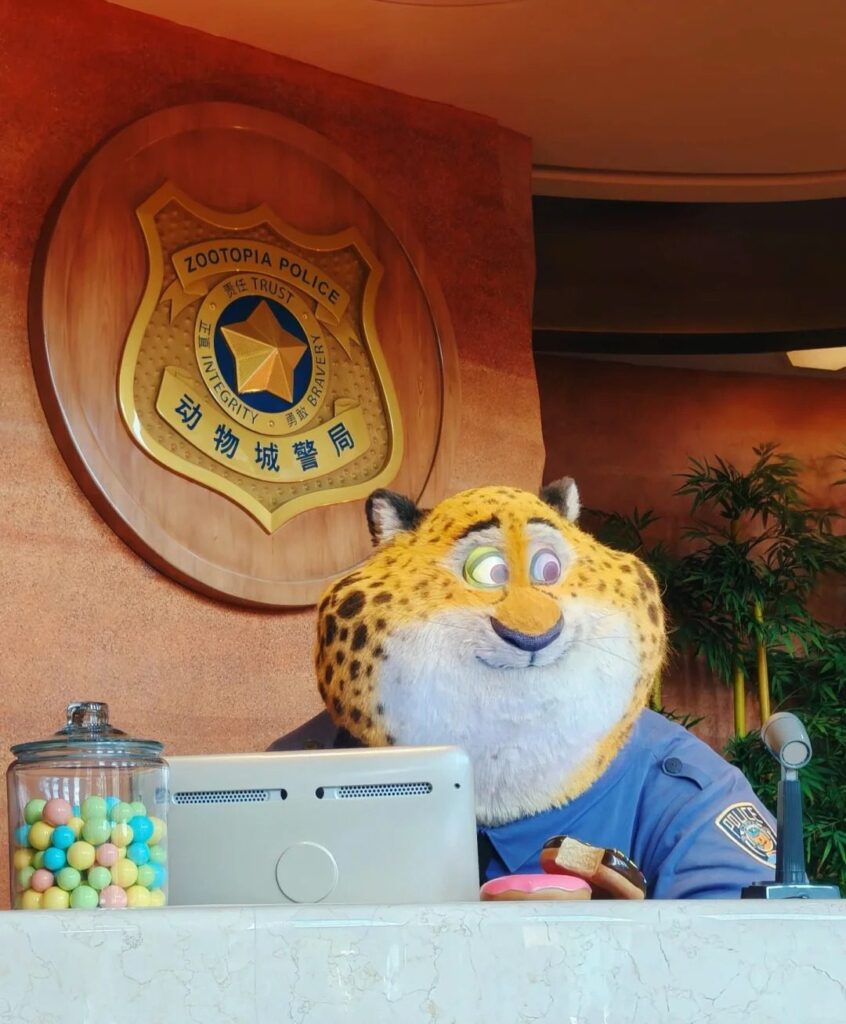
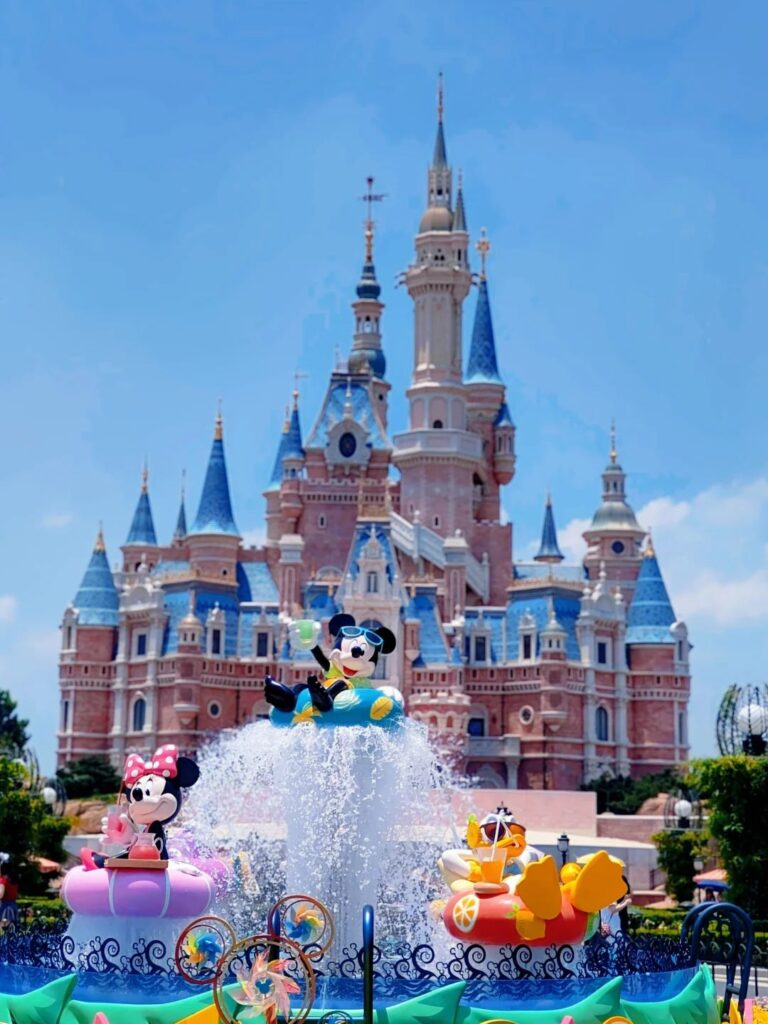
The park is famous for its massive scale and cutting-edge technology. Two highlights set it apart:
- TRON Lightcycle Power Run: Located in Tomorrowland, this visual masterpiece is one of the fastest and most thrilling coasters in Disney history. (While now also in Florida, the Shanghai original remains an icon).
- Treasure Cove: A global exclusive. This is the only pirate-themed land in any Disney park worldwide, featuring the jaw-dropping “Battle for the Sunken Treasure” ride.
Whether it’s the adrenaline-pumping rides or the evening fireworks over the Enchanted Storybook Castle (the largest Disney castle ever built), Shanghai Disneyland is a magical, polished experience.
19. “ERA: Intersection of Time 2” – An Unforgettable Acrobatic Spectacle
- Cost: Ticketed (Various seating tiers).
- Best for: Jaw-dropping acrobatics and high-tech stage effects.
- My Take: The best show in Shanghai nightlife and a world-class performance without a language barrier.
“ERA 2” is far more than a traditional circus; it is a high-tech multimedia extravaganza blending ancient Chinese acrobatic arts with modern storytelling. It is hands-down the best evening entertainment for international visitors.
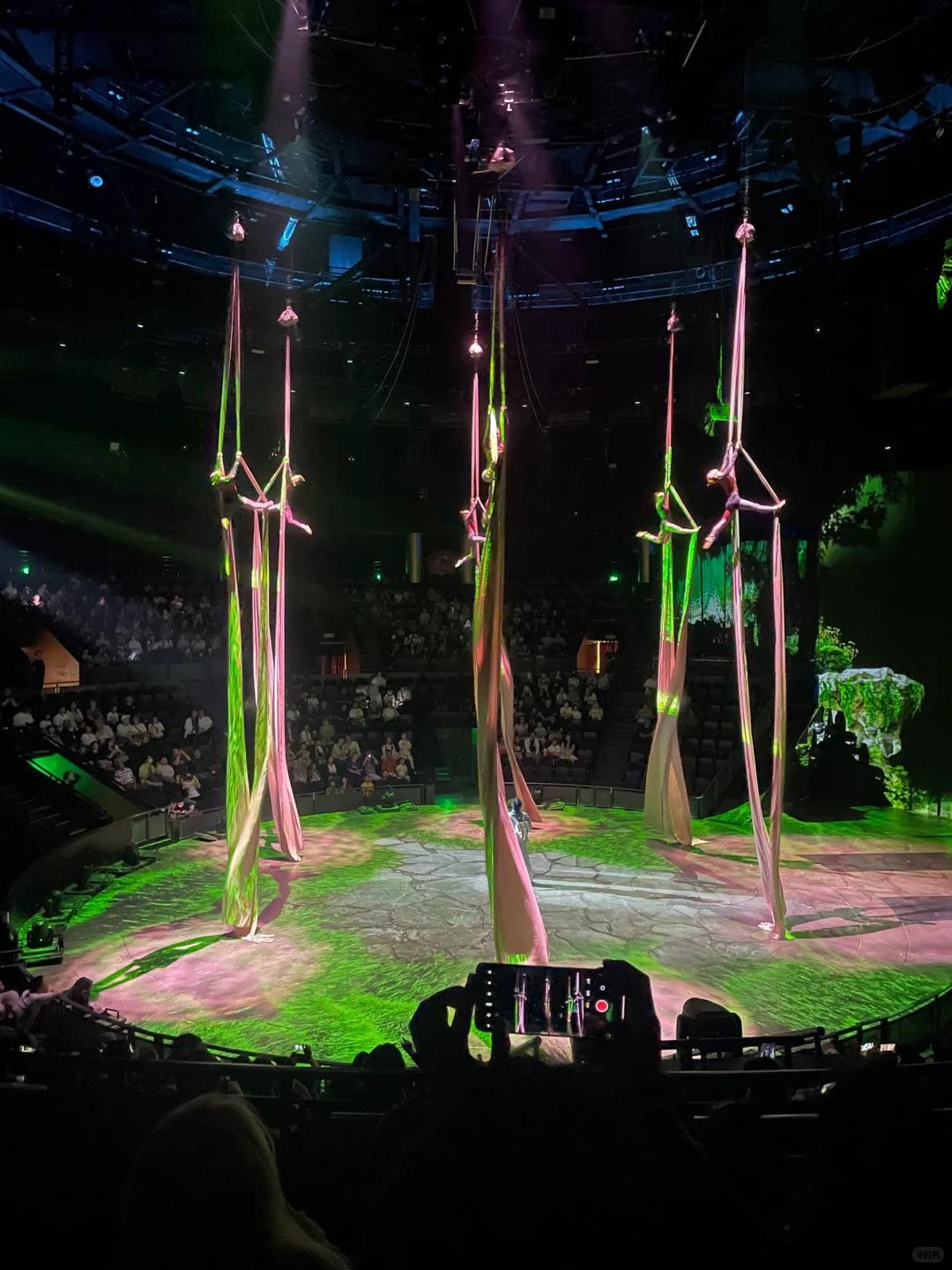
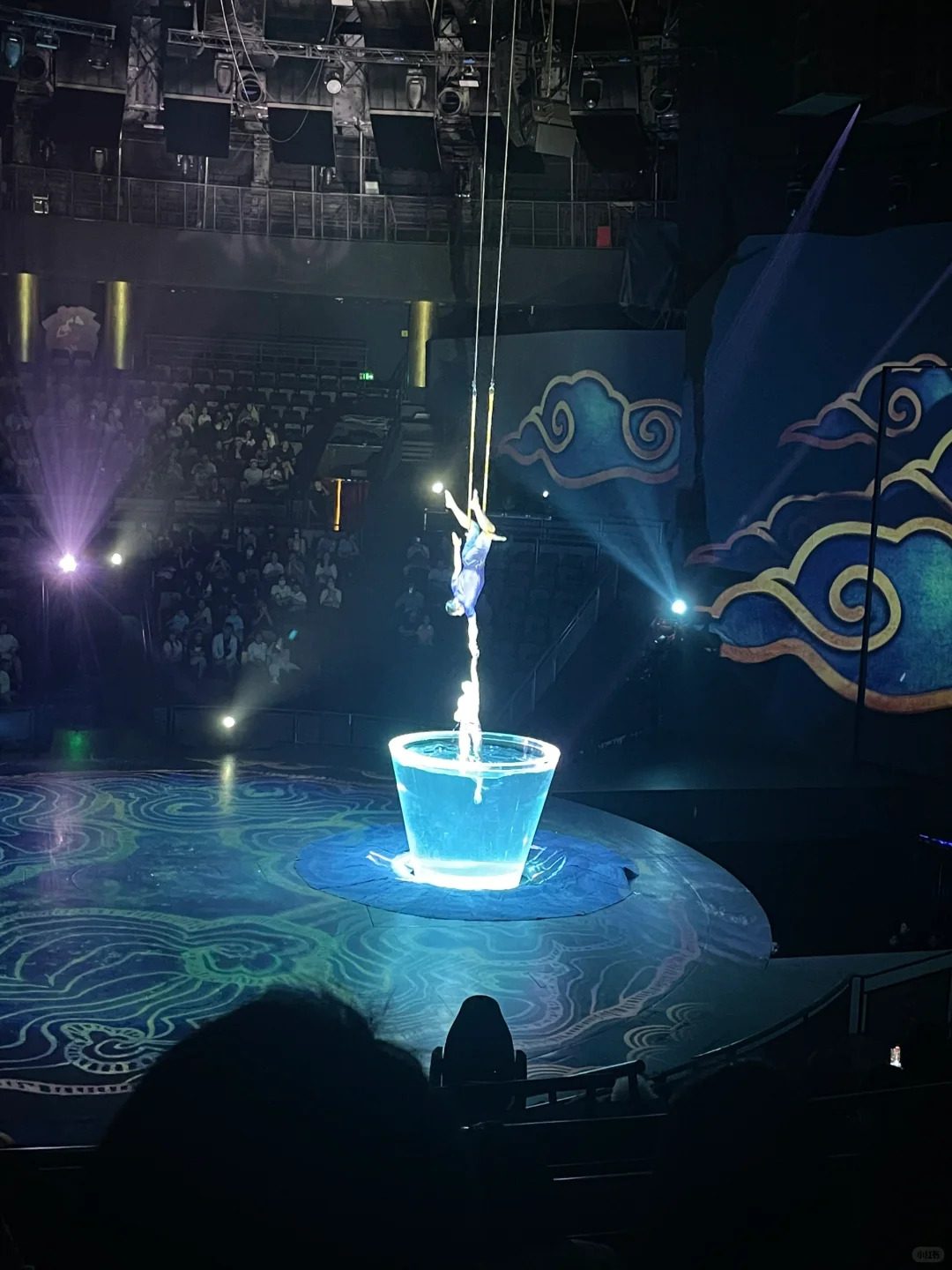
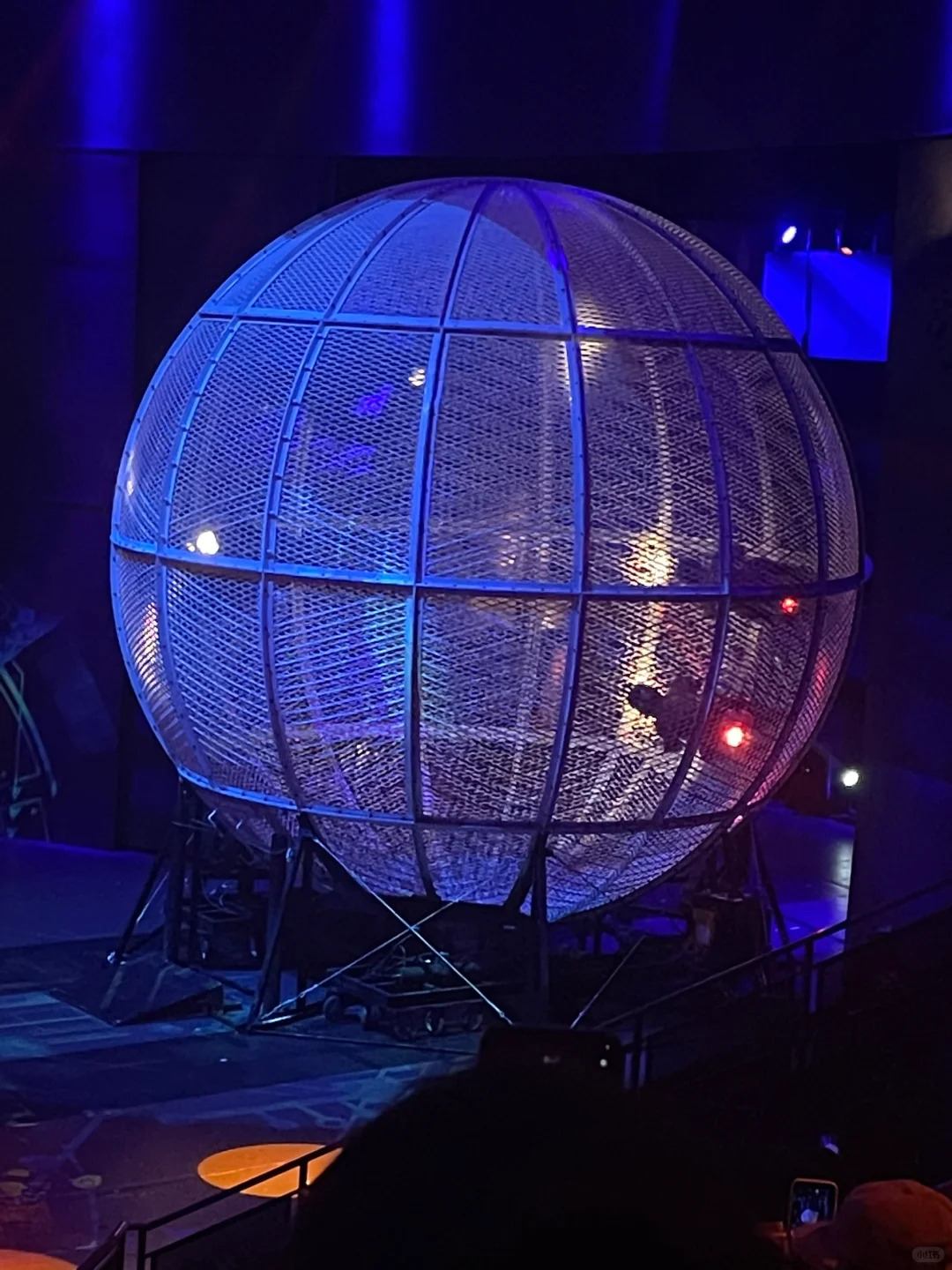
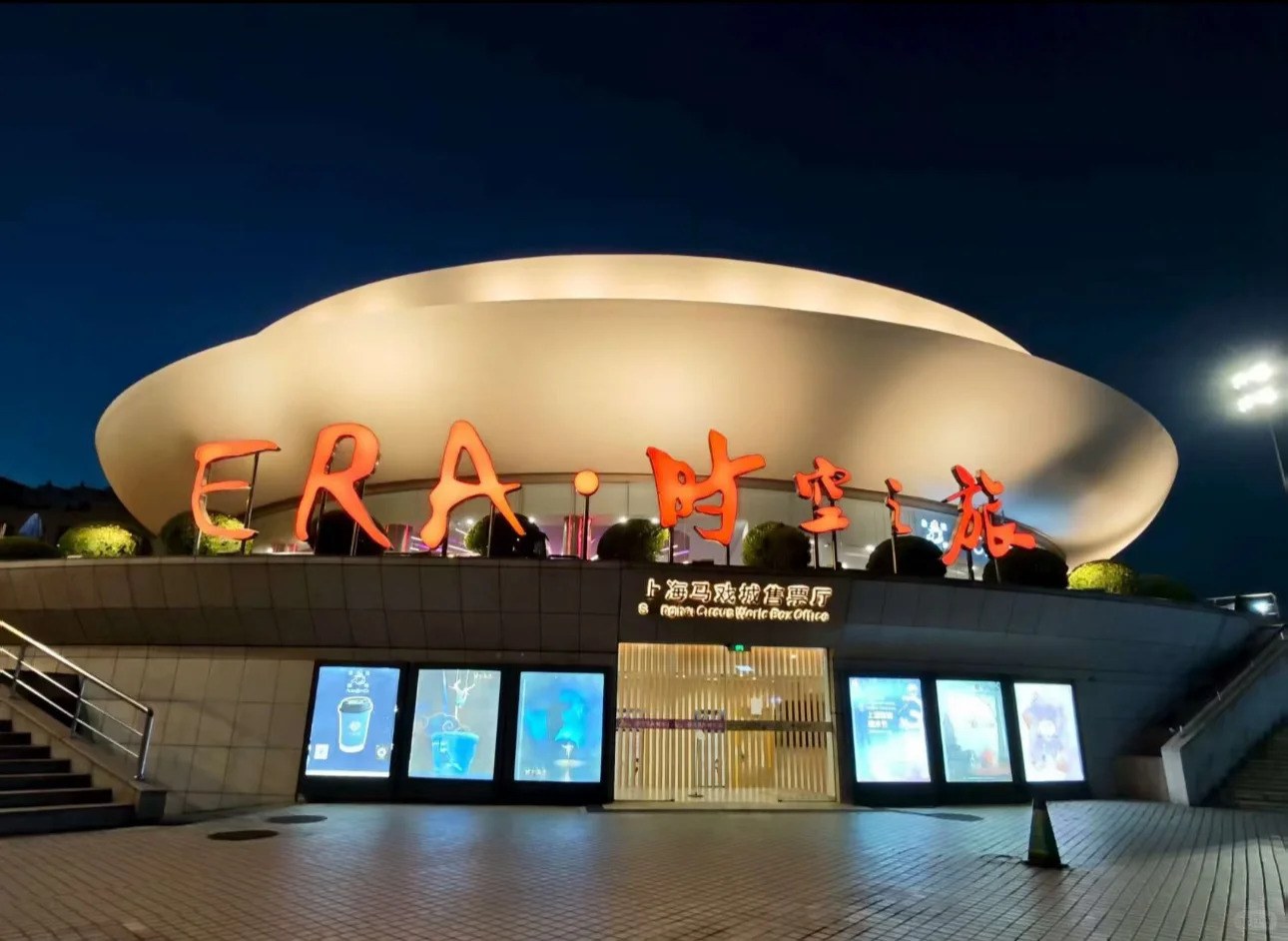
The show’s core is its superhuman acrobatics. Performers showcase incredible strength, balance, and bravery, woven into a narrative about Shanghai’s evolution. Major highlights include the heart-stopping “Wheel of Death” and mesmerizing holographic projections.
Why it fits your itinerary:
- No Language Barrier: Unlike many other theater performances in Shanghai that require Mandarin skills, ERA is a purely visual spectacle. The language of gravity-defying stunts is universal.
- Cultural Context: It’s a modern, fast-paced way to experience a traditional Chinese art form without feeling like you’re in a history lecture.
20. AP Plaza – The Underground “Knock-off” Market
- Cost: Free to browse
- Best for: Bargaining battles and picking up souvenir “replicas.”
- My Take: A chaotic, fun experience—if you have the stomach for hard bargaining.
AP Plaza is Pudong’s premier destination for “replicas,” conveniently located underground at the Shanghai Science and Technology Museum station (Line 2).
As the largest market of its kind in Shanghai, you can find everything from “Gucci” bags to the latest “Nike” sneakers.
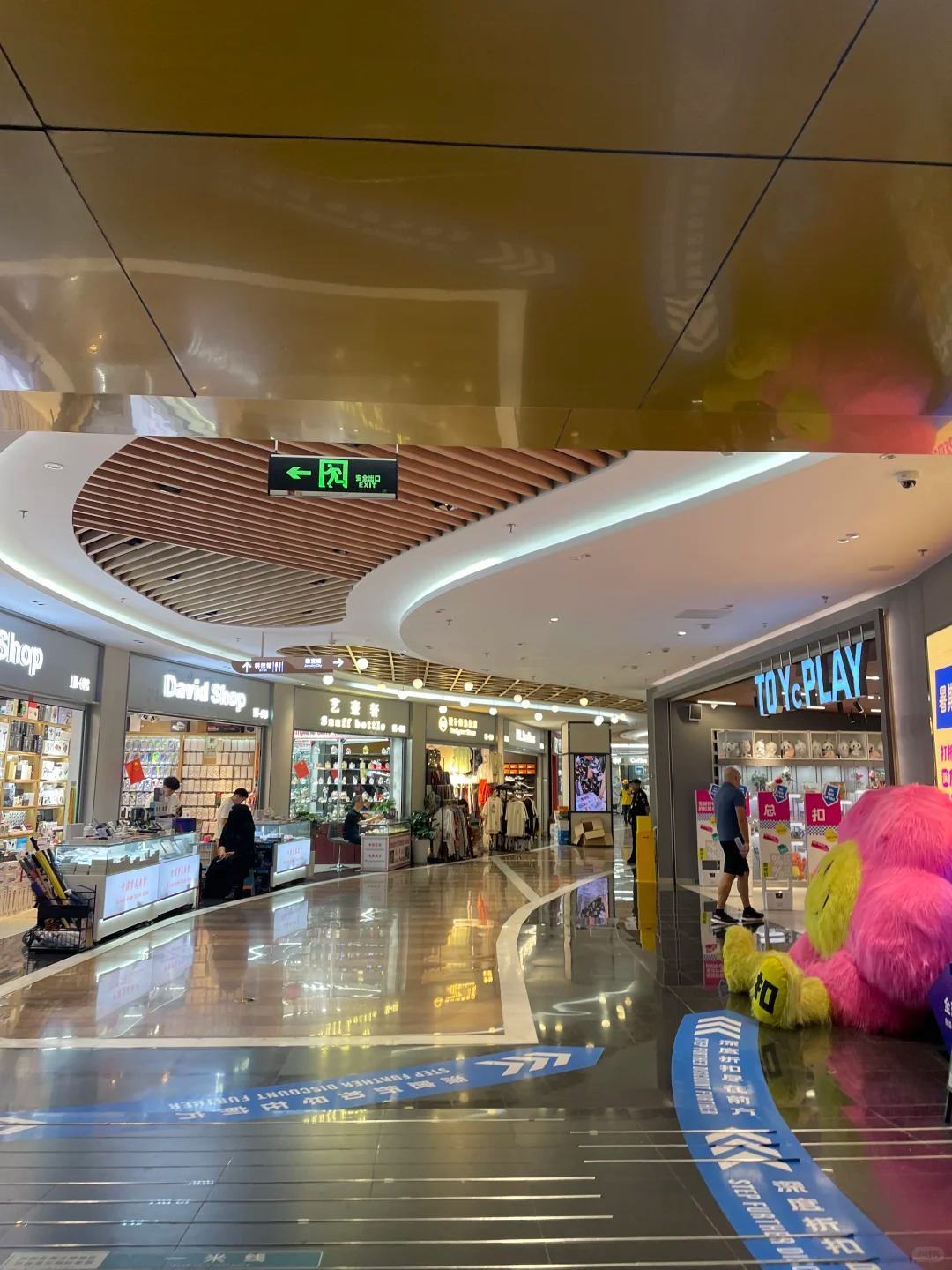
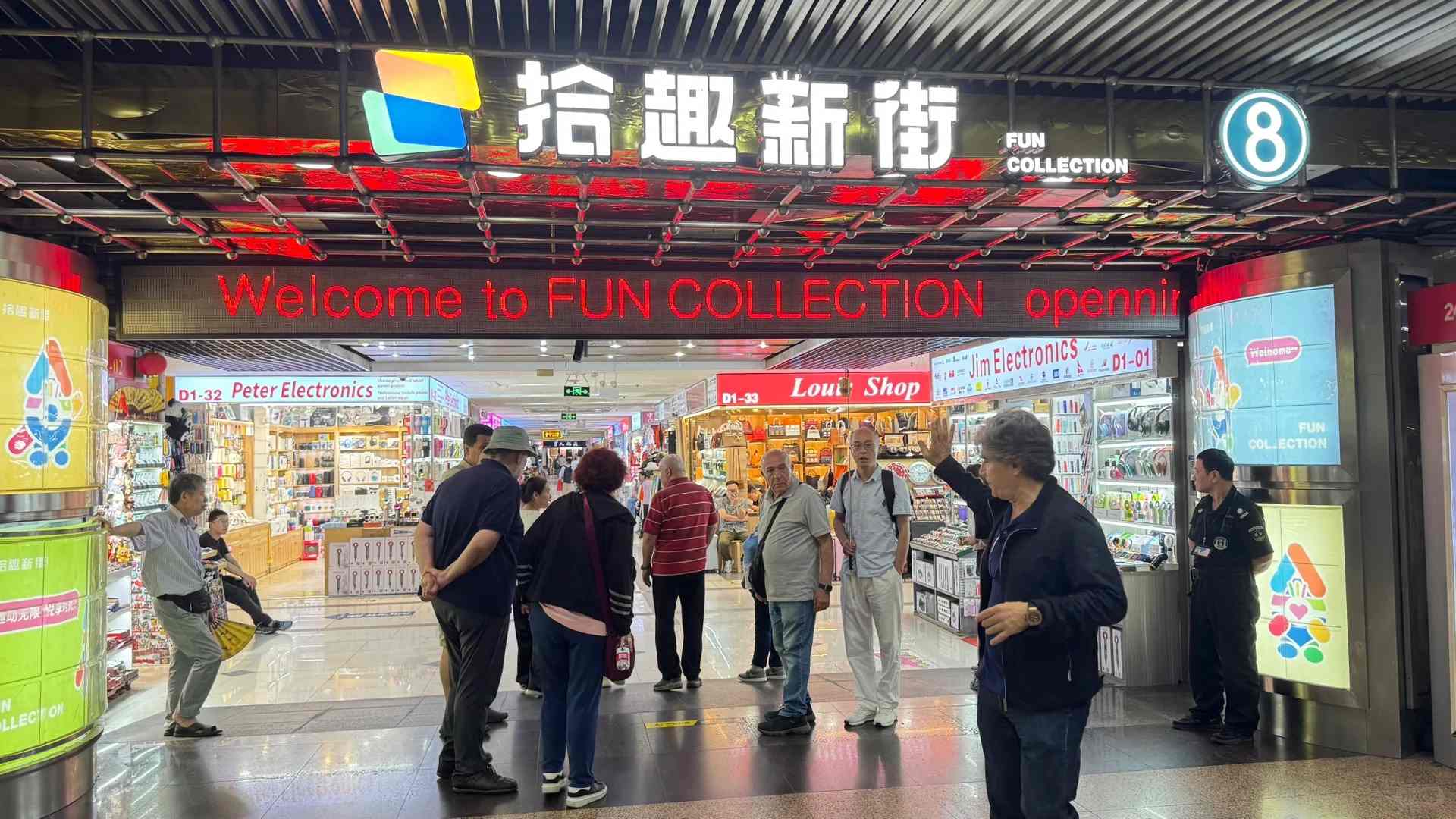
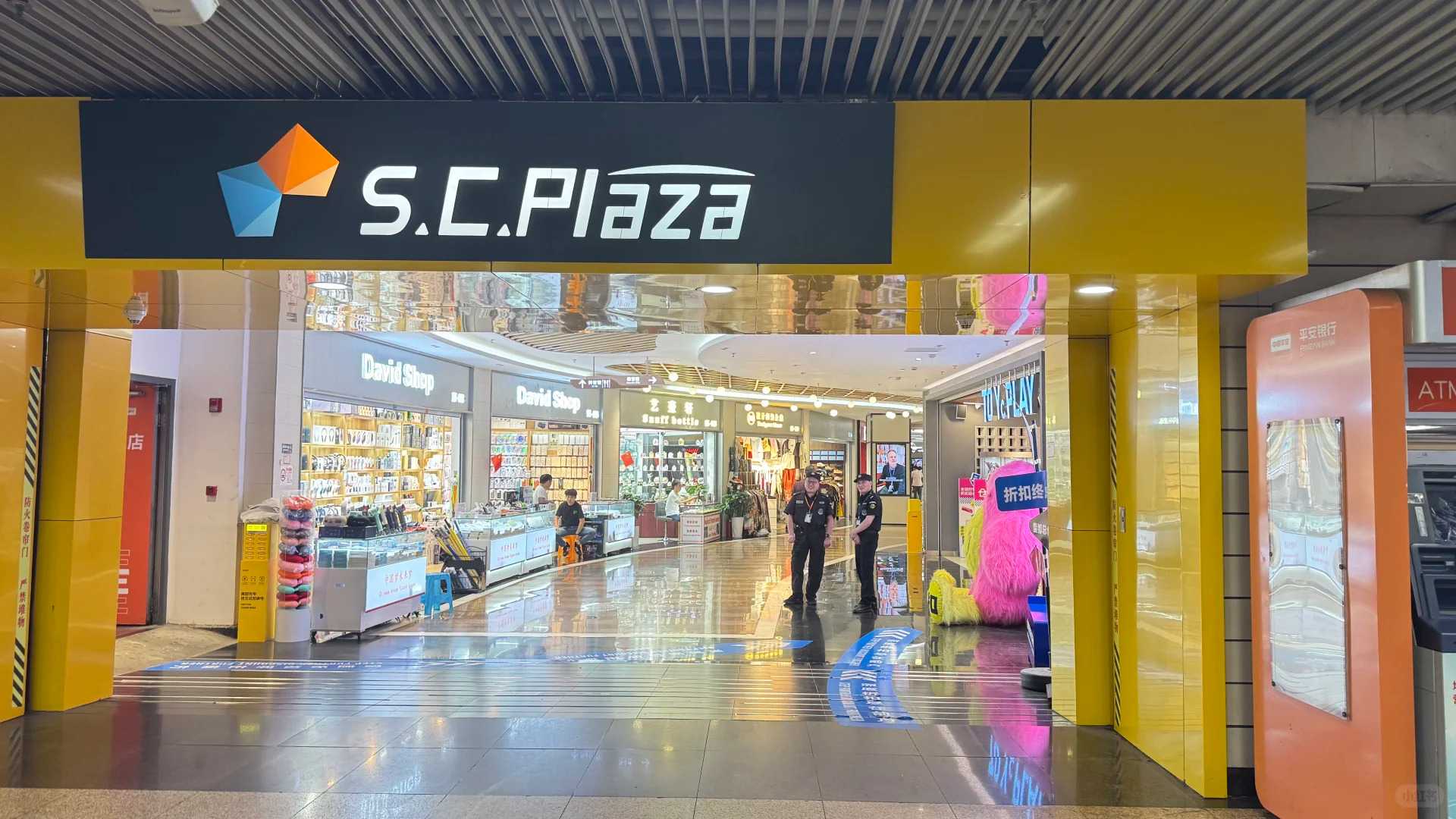
You’ll notice the crowd is almost entirely foreign tourists, as locals prefer buying online. This means vendors are pros at dealing with travelers—so keep your guard up!
Pro Tip: The Art of the Deal Shopping here is a contact sport. You must be bold.
- Shop Around: Don’t buy at the first shop. The exact same item is likely sold in ten other stalls nearby.
- The Rule of Thumb: Ignore the price tag. If they ask for 300 RMB, counter-offer with 130 or 150 RMB. It feels aggressive, but it’s necessary.
- The “Walk Away”: If they refuse your price, slowly walk away. 90% of the time, they will chase you down and accept your offer.
21. Experience Chinese Massage and Tuina Culture
- Cost: Fees apply (Very affordable compared to the West).
- Best for: Deep tissue relief and experiencing traditional wellness.
- My Take: It’s not just relaxation; it’s a cultural immersion that resets your body.
When in Shanghai, skipping a traditional Chinese massage or “Tuina” would be a mistake. Unlike the gentle oil massages common in the West, Chinese Tuina is rooted in medical principles and focuses on acupoints and meridians.
Be prepared for intensity. Chinese therapists use strong pressure to release tension. It might feel bordering on painful at moments (“good pain”), but the sense of relief you feel afterward is incredible. It’s the perfect antidote to a long flight or a day of walking.
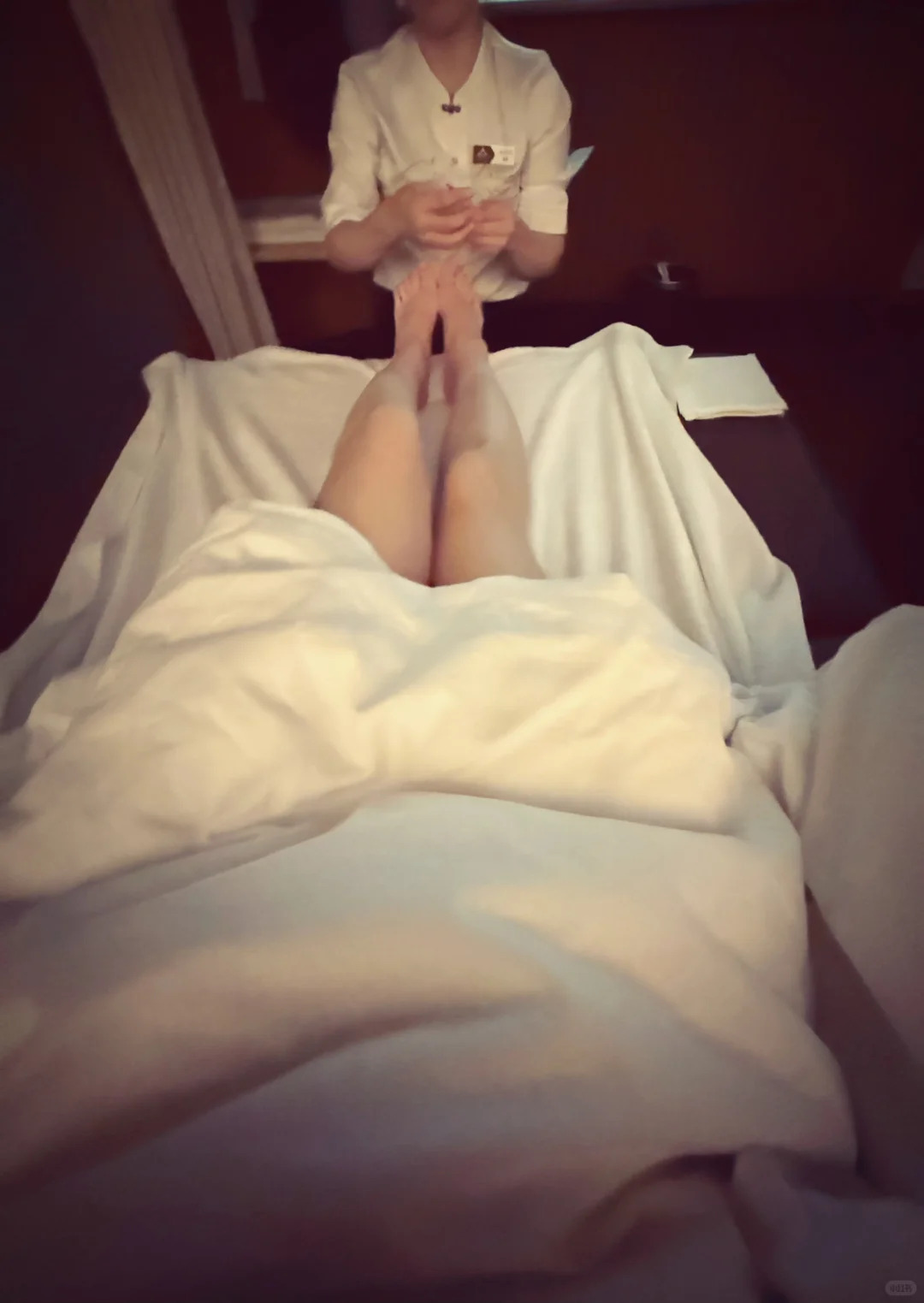
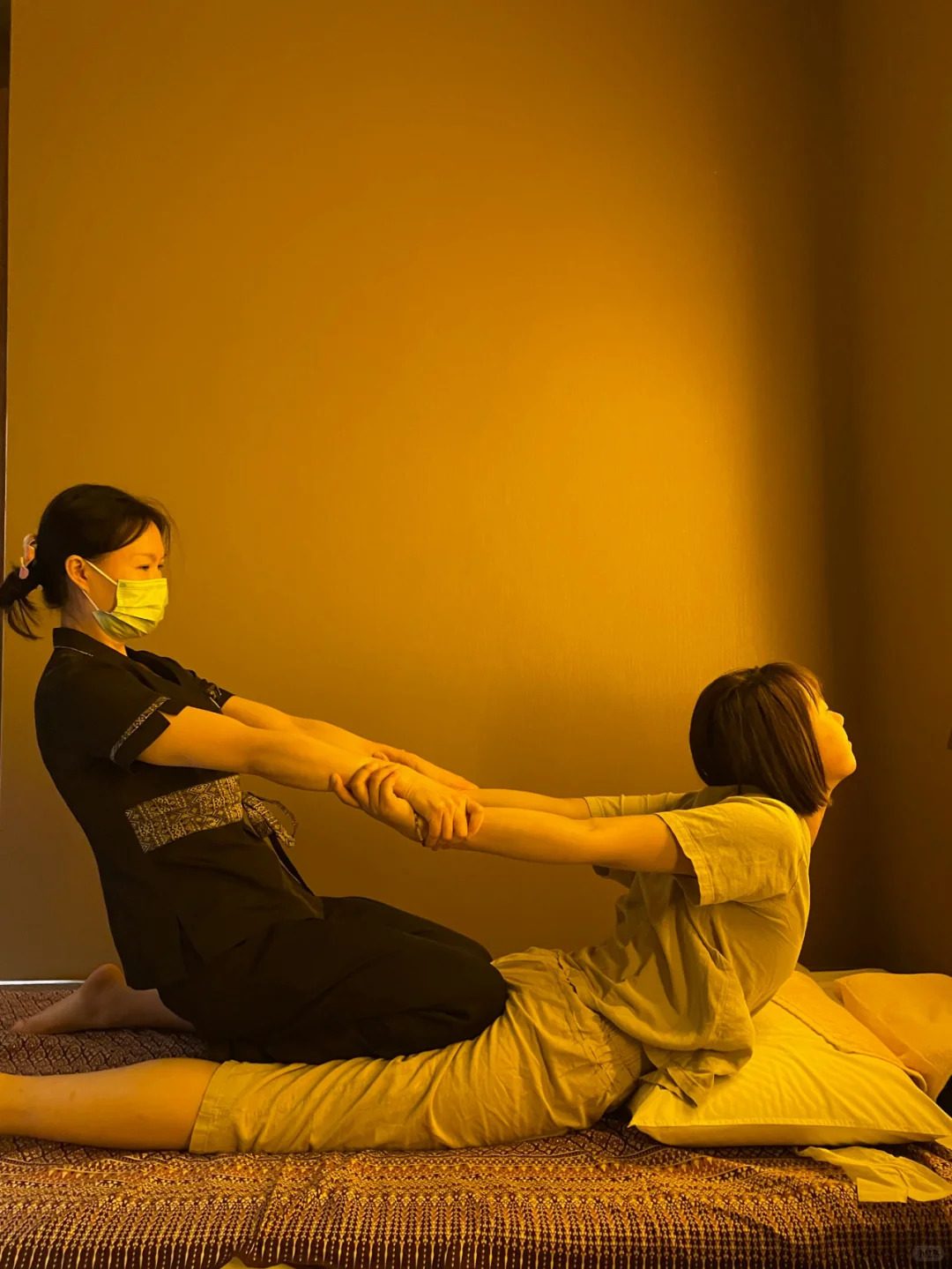
Blind Massage (A Unique Experience): I highly recommend trying a “Blind Massage” center. These clinics provide skilled employment for visually impaired therapists, who are renowned for their heightened sense of touch and technique. It’s a professional, authentic, and reasonably priced experience.
Pro Tip:
You can find highly-rated spots using local apps like Dianping or Meituan.
- How to choose: While the apps are in Chinese, you can still recognize the Star Ratings. Look for shops with a score above 4.5 to ensure quality.
- Booking: Since the booking interface is in Chinese, ask your hotel concierge or a Chinese friend to help you make the appointment. It’s often 30% cheaper than hotel spas and offers a much more local vibe.
Practical Tips for Your Trip
I’ve covered Shanghai’s top attractions, but you should pick and choose the ones that best fit your interests and schedule. Since many spots are clustered together, it’s easy to group them into the same day.
Transportation:
The Metro is King: The subway (Metro) is my top recommendation. The network is extensive, putting almost every major attraction within easy walking distance of a station. It is efficient, punctual, and the best way to avoid Shanghai’s notorious traffic jams.
Payment: Forget ticket machines. You can simply scan into the station using the Alipay or WeChat transport QR codes.
Passes: If you plan to be on the go all day, buy a One-Day or Three-Day Metro Pass for unlimited rides—it’s a great value.
Taxis/Ride-Sharing: If you must take a taxi, try to avoid rush hours (morning and evening). Traffic in the city center can be gridlocked, making the Metro a much faster option.
Shared Bikes: You’ll see yellow or blue bikes everywhere. If your legs get tired during a city walk, scan a bike via Alipay or WeChat. It’s a convenient way to cover ground quickly while still seeing the sights.
Shopping Advice:
Price Check: If you spot a souvenir you love at a major tourist attraction, pause before buying. Prices inside scenic areas are often inflated. You can usually find the exact same item for a fraction of the price outside of the attraction.
Extended Travel:
If you have extra time, I highly recommend a day trip to Suzhou or Hangzhou. Both are just a short high-speed train ride away and offer the classic “Old China” charm that contrasts beautifully with modern Shanghai.
Final Thoughts
Shanghai is a vibrant metropolis where the old meets the new, offering something for everyone. Whether you are hunting for history, unique adventures, or incredible food, this city promises unforgettable memories. Its diversity is exactly why travelers from around the world continue to flock here.
Shanghai is a vibrant city that blends the old and the new, where there’s something for everyone. Whether you’re looking for unique experiences, want to explore historical sites, or hope to sample Shanghai’s food culture, the city promises unforgettable memories. Shanghai is full of a diverse variety of experiences, attractions, and restaurants, which is why it continues to be a popular destination for travelers from around the world.
If you have any other questions about Shanghai or traveling in China, I’m here to help.
Wishing you a wonderful journey to Shanghai!