Is Shanghai Safe for Tourists? – A Local’s Honest Take
If you’re visiting a foreign country, safety is likely a top priority, especially if you’re taking your family. Shanghai is one of the largest metropolises in China and a popular tourist destination. Is Shanghai Safe for Tourists?
I’ve traveled with my own kids around the country, and I’ve visited and stayed in Shanghai myself. As someone born and raised in China, I’ll share everything you need to know about the real Shanghai—like you’re my own friend.
1. Is Shanghai Safe for Foreign Tourists?
I can tell you with absolute certainty: Shanghai is extremely safe.
Even though the city is massive—we’re talking over 24 million people—the crime rate is incredibly low, like in many other Chinese cities.
When you first arrive, you may feel overwhelmed by the sheer scale of the city, the fast pace, the intense crowds, and the security cameras you see everywhere. But once you actually experience it yourself, you’ll find a sense of order and security, and most tourists adjust very quickly. In other words, you can travel to Shanghai with total peace of mind.
2. Is Public Transit Safe?
Shanghai’s subway system is the #1 way I recommend getting around the city. It’s incredibly extensive, clean, and can get you pretty much anywhere. It’s also super cheap—the most expensive ticket is usually no more than 14 RMB (about $2 USD).
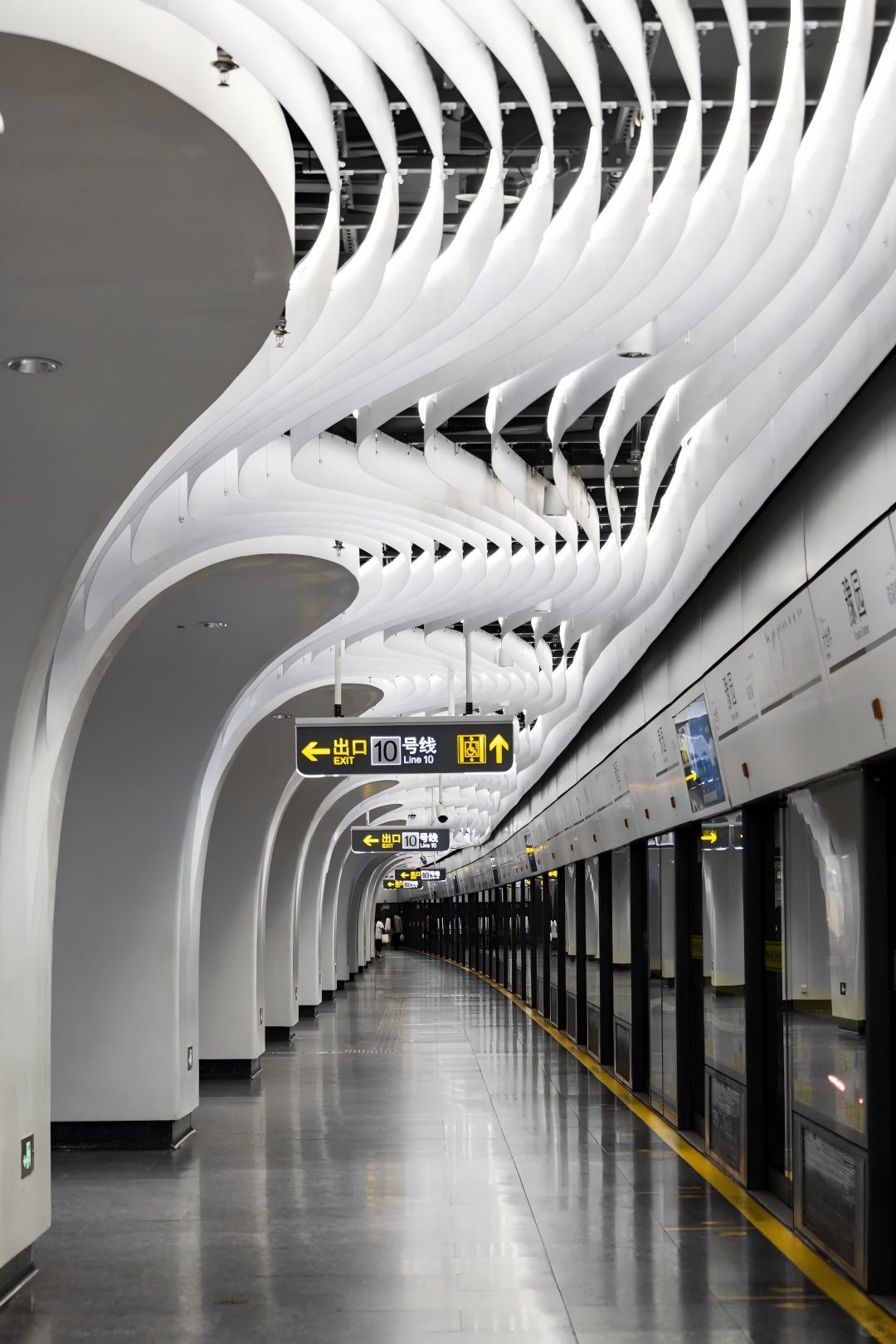

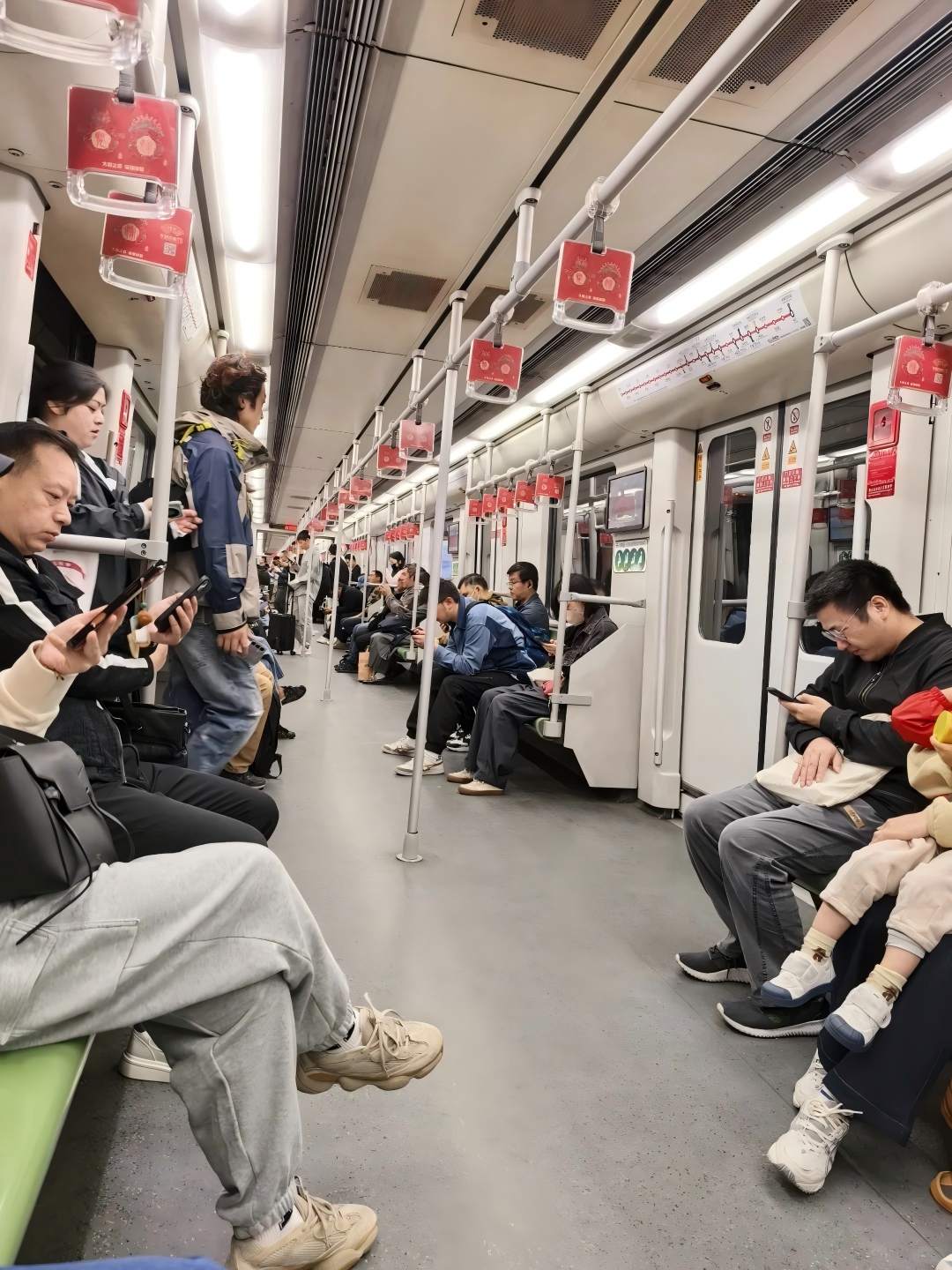
Despite being crowded, riding the subway is very safe, and pickpockets or attacks are not a concern.
In China—and not just in Shanghai—pickpockets are actually very rare these days, likely because China has largely become a “cashless society.” People leave the house with just their phone; hardly anyone carries a wallet anymore.
And thieves generally don’t bother stealing phones because they’re useless if they aren’t unlocked, police can easily track devices using built-in tracking (Find My Phone) features, and stealing is overall just too risky.
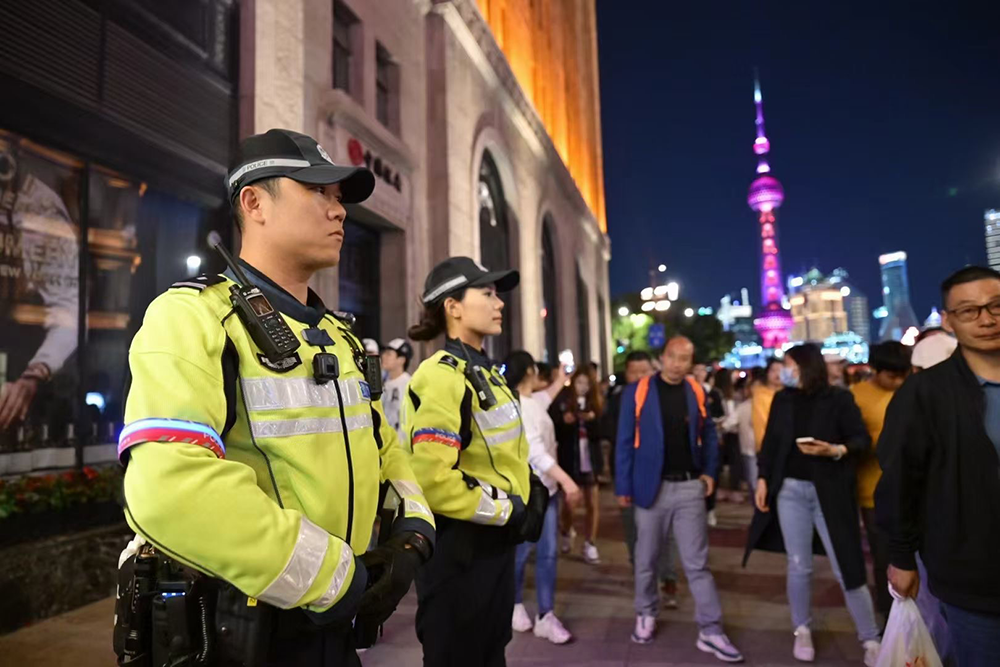
If you do run into any trouble, you can easily ask the police for help, as you’ll often see them on the streets. In contrast to some countries, police in Shanghai aren’t feared, and it is understood that they are there to help citizens and tourists rather than prevent crimes. So if you happen to get lost, lose something, or have a question, you can feel comfortable asking the police and be assured that they will do their best to help.
3. Is Shanghai Safe at Night?
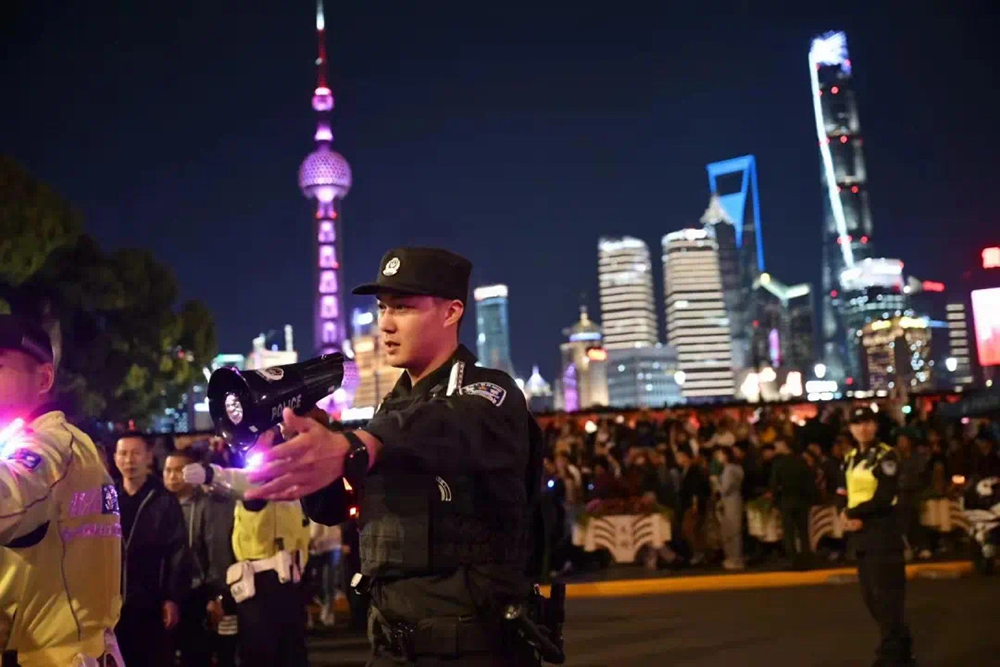
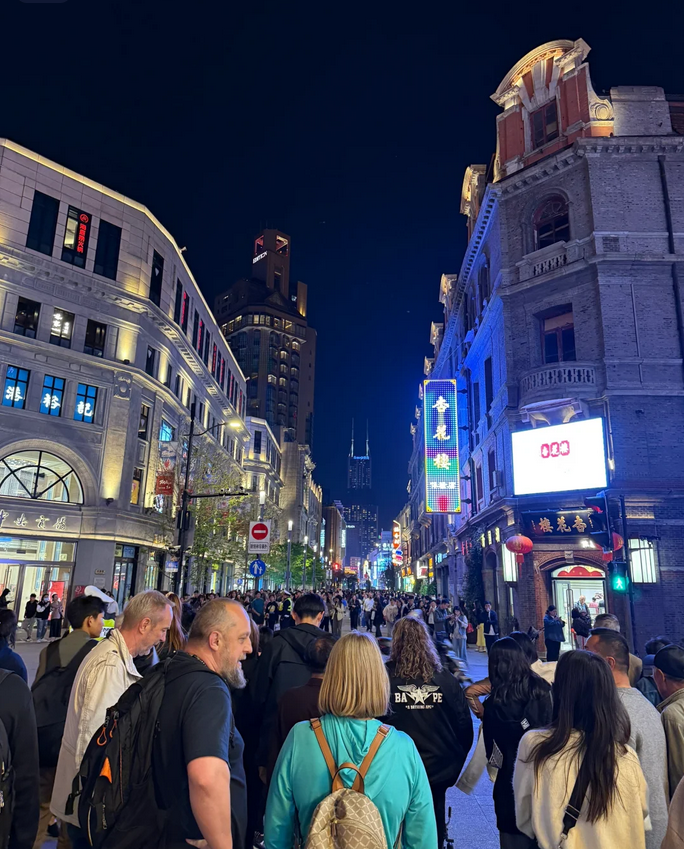
Nighttime in Shanghai is not only just as safe as daytime, but it’s even more energetic when the city lights are shining. Shanghai’s most famous attraction, the Bund, lights up beautifully at night. But it’s not just this beautiful waterfront area, the whole city is both beautiful and safe after dusk.
The Bund is a waterfront area and a protected historical district in central Shanghai.
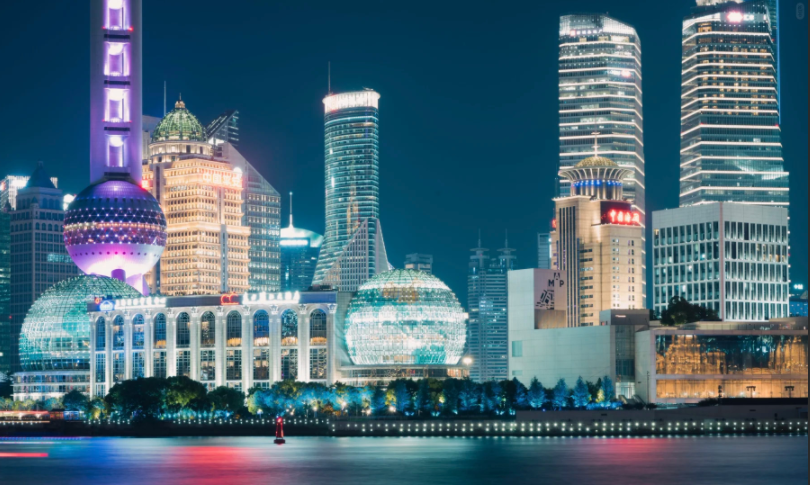
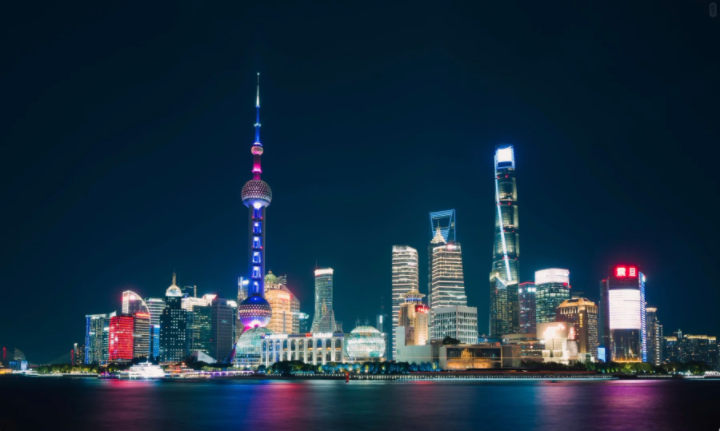
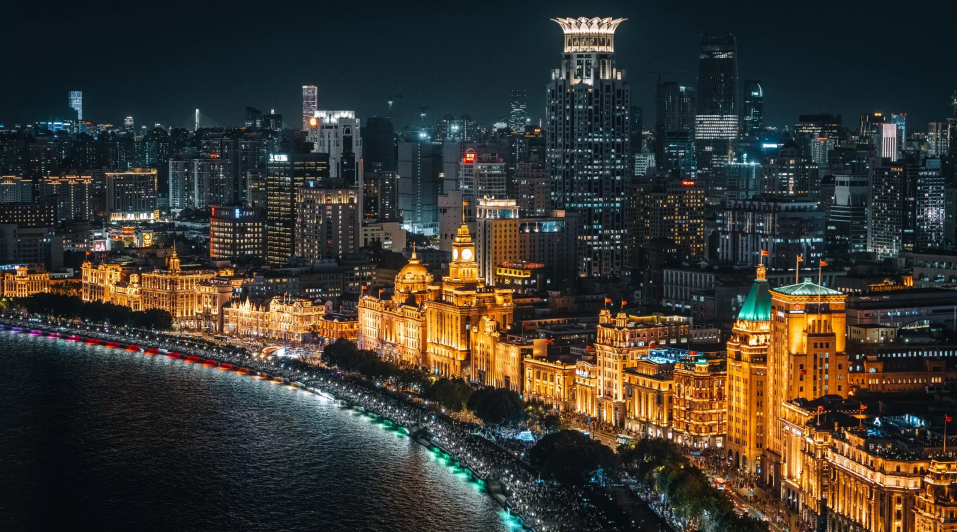
My advice: Go enjoy Shanghai’s nightlife!
Nightlife in Shanghai is safe and active. As you step out of your hotel, you’ll see people taking walks, shopping, and live-streaming.
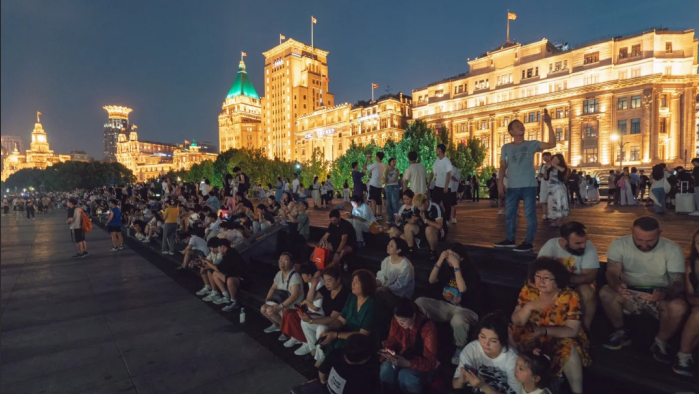
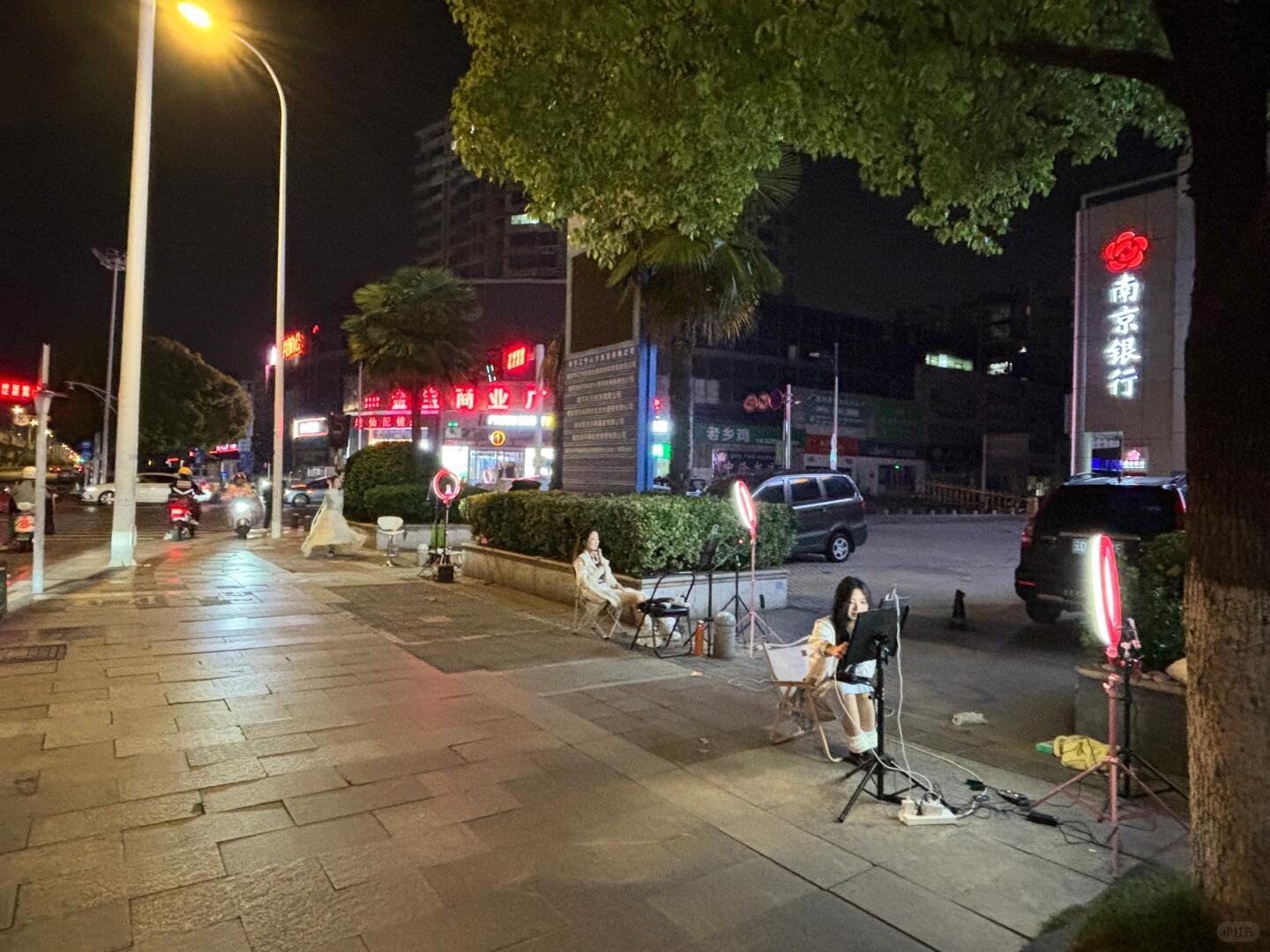
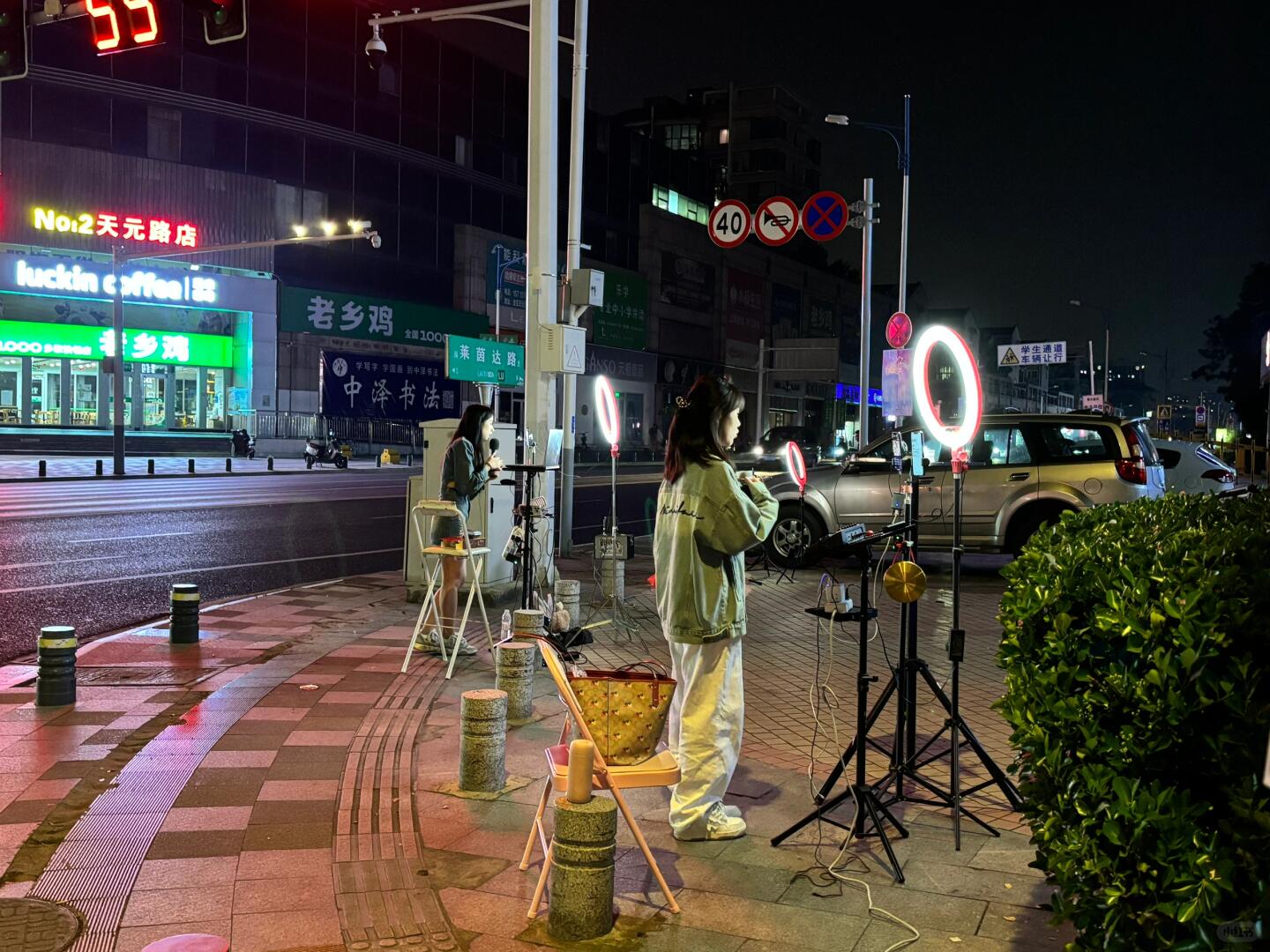
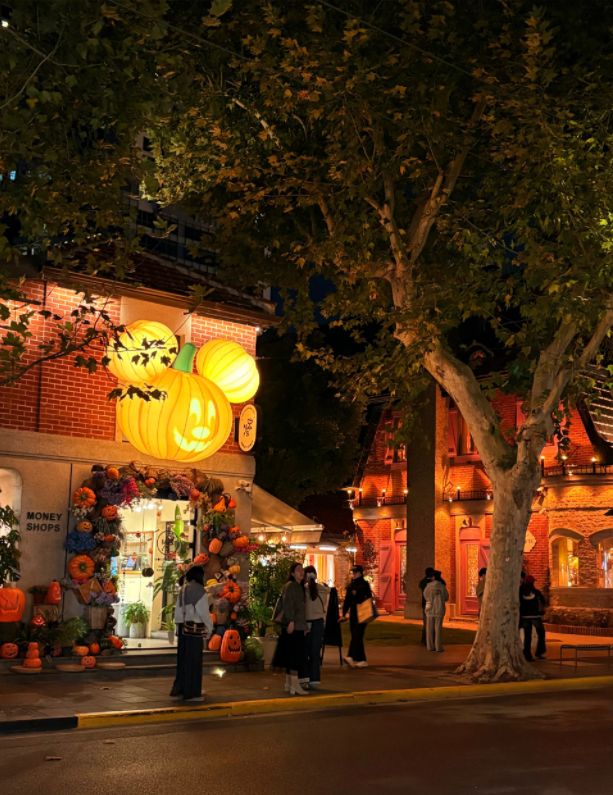
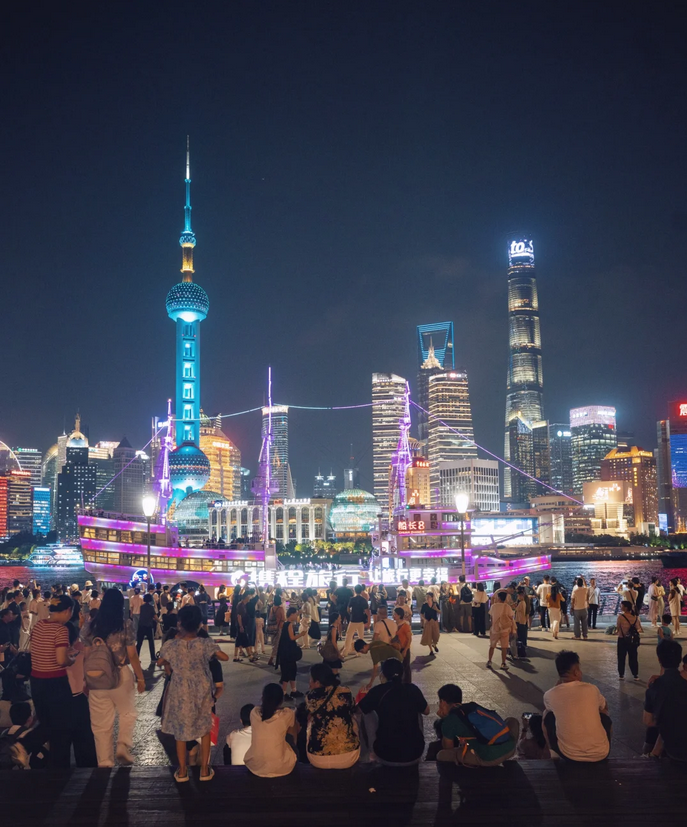
Even walking down smaller streets feels safe, and you don’t need to worry about anyone following you. This safety is common across cities in China, but especially in a bustling metropolis like Shanghai.
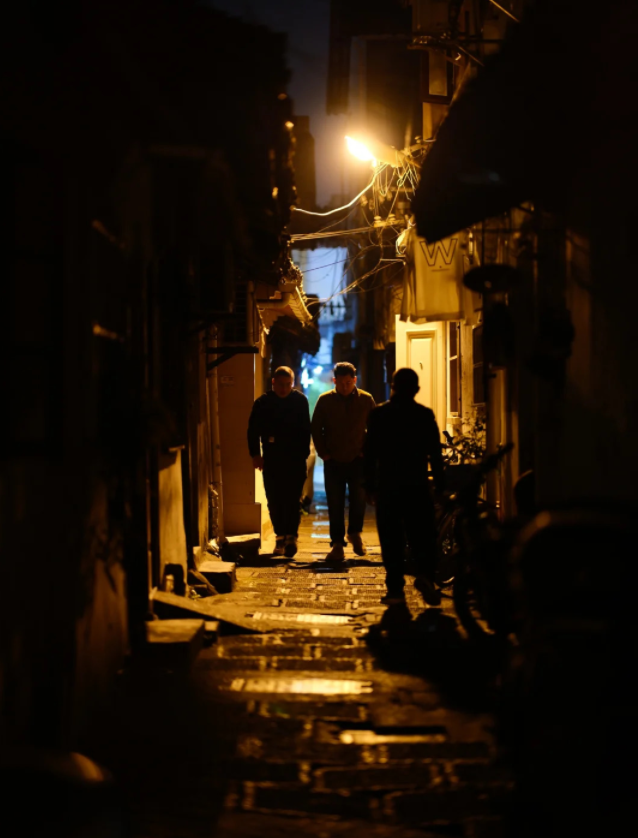
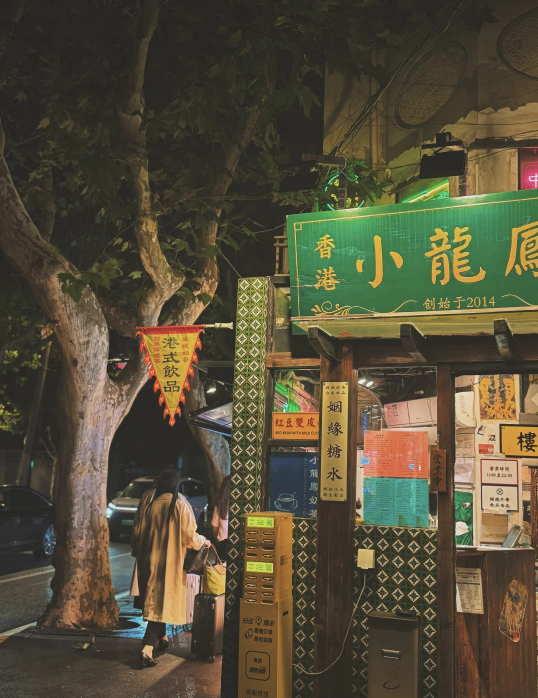
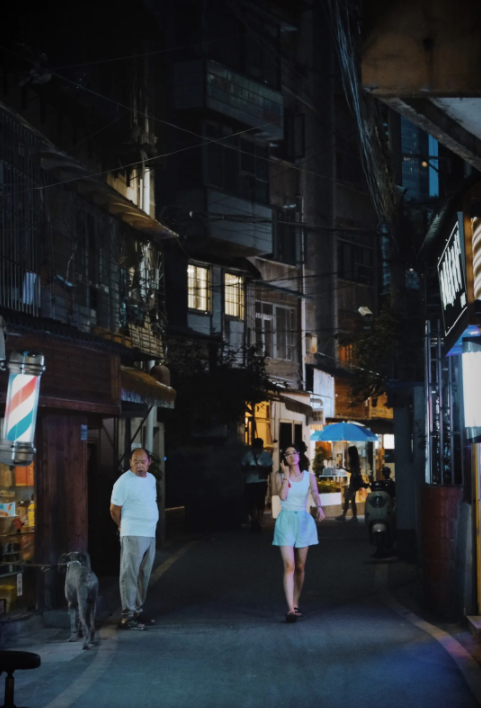
Don’t believe me? See what others are saying.
Since China implemented visa-free travel for many countries, tourism has increased. Check out YouTube, TikTok, or Reddit and you’ll see many users surprised by how safe the environment is. Tourists from around the world have shared the same stories. Whether you’re walking alone at night or using expensive cameras in a crowd, the sense of security is clear.
4. Will Foreigners Experience Discrimination?
Absolutely not.
There is a saying in Chinese culture: “It is a delight to have friends coming from afar.” In a busy international city like Shanghai, as long as you follow the laws and are polite, you will always receive respect and friendliness in return. In fact, you might even get what is sometimes referred to as “Special Care.”
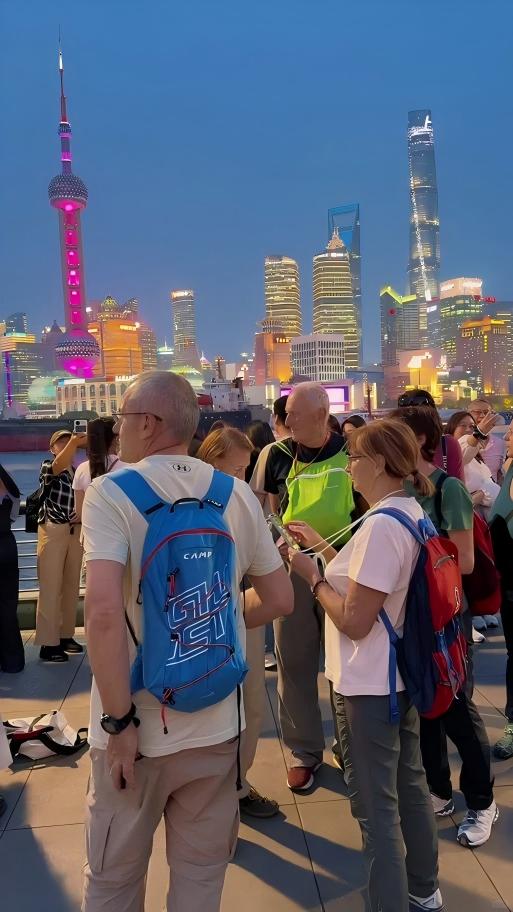

It has long been believed in China that “foreign affairs are no small matter.” This is evident in how public services often prioritize issues involving foreigners, sometimes above locals. For example, if a tourist and a citizen both lose their phones, the police may prioritize helping the tourist first.
For cultural context, my generation was raised with the idea that other countries were highly developed, and that their people held themselves to a very high standard of conduct and manners. This mindset led many of us to “look up” to foreigners, which is why we tend to treat them with deference and respect.
While this mindset is changing as younger generations in China feel more confident engaging with the rest of the world, this habit of special treatment still exists in some situations.
So please rest assured: You will be treated fairly and warmly here.
5. Is Shanghai Safe for the LGBTQ+ Community?
The LGBTQ+ community is safe in daily life across China, and Shanghai is no exception.
The vast majority of Chinese citizens do not discriminate based on sexual orientation or gender identity, and younger generations in particular are understanding and respectful.
Public displays of affection aren’t common, so it’s understandable if travelers feel uncomfortable being seen as a “novelty.” But any staring is usually just curiosity, rather than hate.
Shanghai does have bars, events, and social spaces for the LGBTQ+ community; they are low-key but operate freely. The Chinese government generally takes a “tacit acceptance” approach towards the LGBTQ+ community, so as long as laws aren’t broken and public order isn’t disturbed, they won’t interfere.
That being said, the country does not allow the public promotion of LGBTQ+ content, such as street advocacy, public events, or obvious political actions. These events will likely be stopped, and could lead to legal penalties for disturbing public order.
Nonetheless, LGBTQ+ identity and freedoms in China are not denied, and citizens can safely socialize, work, and live without fear. LGBTQ+ travelers should be mindful of public political expression, but can always express themselves authentically.
6. Is it Safe to Take Taxis?
Taking a taxi is very safe in Shanghai. The government requires all drivers to be registered and the cars regularly undergo strict inspections. Regular taxi cabs, which are usually blue or yellow, are considered safe and trustworthy.
Still, I recommend using Ride-Sharing Apps.
- Apps to use: Didi or Amap (Gaode)—both of these can be set to English.
- Why: This is what most of the locals use and are a lot easier for foreigners. They are cheaper, cleaner, and the fare is set by the app before the ride. This prevents you from being ripped off and avoids potential language barriers between you and the driver. Plus you get trip recording and an emergency button for added safety. (Read More: Amap Using Guide)
My Go-To Transportation Tips:
- Always have the address saved in Chinese: Whether on your phone or written down, always keep your destination handy. It is the smartest way around an unfamiliar city.
- Dodge the Rush Hour: Trust me, traffic is awful! Between 7:30–9:00 AM and 5:30–7:00 PM, your best bet is the subway. It may get packed, but it will be faster.
- Go Green: If the trip is short, grab a shared bike with Alipay/WeChat. Or take the subway instead.
7. Is Street Food Safe?
Street food is a big part of daily life in Shanghai. It is generally safe to eat, and where you will find the city’s real flavor. Locals enjoy it daily, and for newcomers, it is one of the best ways to taste authentic Shanghai.
When I travel, I personally enjoy trying the local flavors of where I go. Of course, hygiene standards can vary. Street stalls are not held to the same standards as restaurants, but getting seriously sick is rare. You might get an upset stomach as your body adjusts to new cooking styles, but that is usually the extent of it.
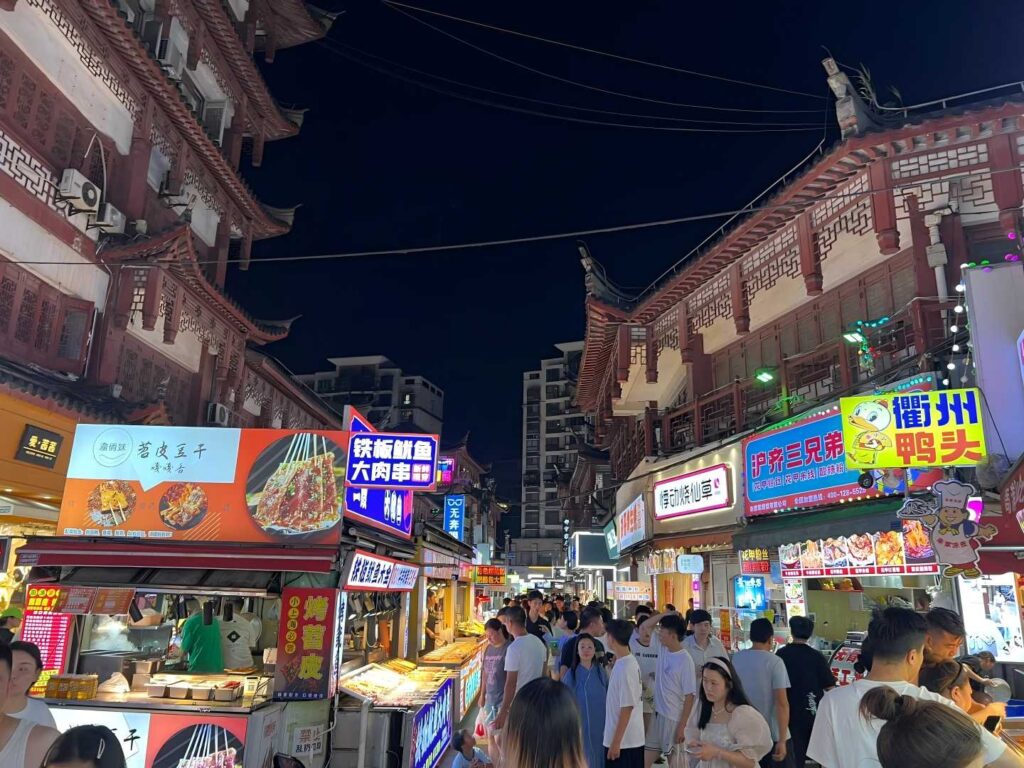
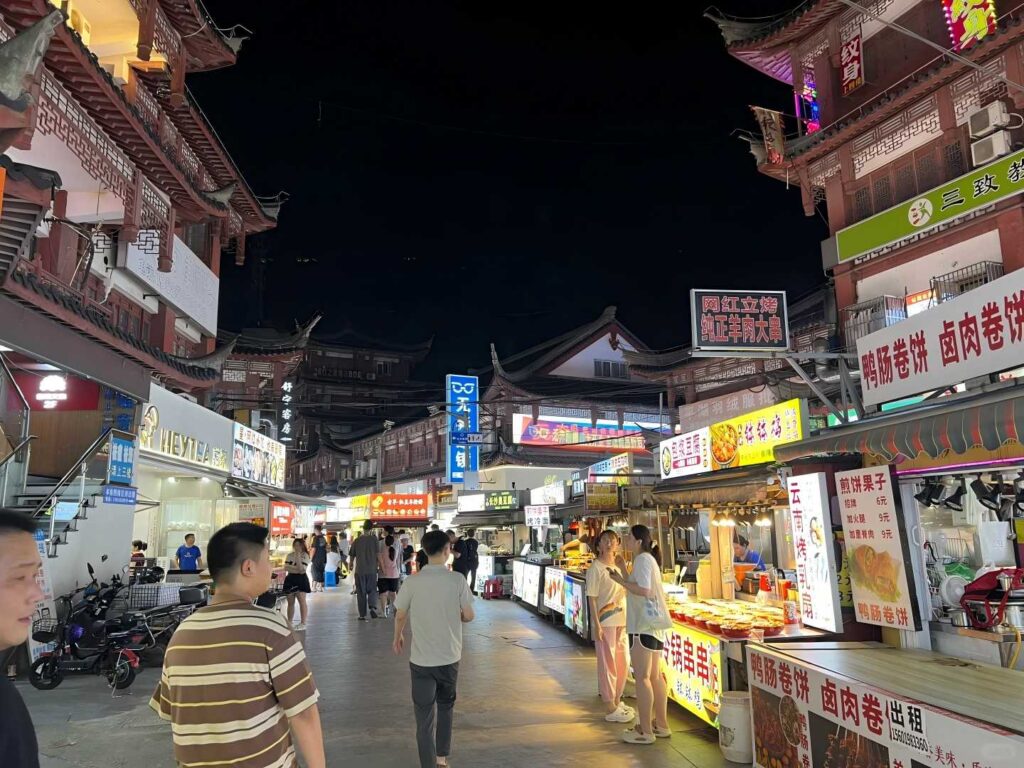

Some of my foreign friends have found the food to be too spicy or a bit oily for their taste. I have never gotten sick, but I know a few who got the occasional “runs” before.
Personal Advice: Take chances, be adventurous, and try it. But be smart about it! Look for vendors that have long lines, fresh-looking ingredients, and clean setups. Locals know which places are good. That way, you try new flavors without worrying about your stomach later.
8, Is street photography safe in Shanghai?
Yes, taking street photos in Shanghai is safe. It can be a very pleasant experience with all the city sights. But you need to be careful. Let me explain:
When you walk around Shanghai, you notice how photogenic the city is. People here are used to documenting their lives with a camera. From the old to the kids alike. Personal privacy is actually not as guarded as it is in the West, and people will not confront you because they accidentally came out in your picture’s background.
However, there is one line you must not cross. I mean it seriously:
Avoid photographing police officers, military personnel, or government buildings.
Etch it into your head when you visit. Public officials, military personnel, and public buildings are to remain off camera. It is viewed as very suspicious behavior to aim a camera at the police or government facilities, especially for a foreigner. Security personnel will take note and it could lead to an investigation. It could get you stopped or even questioned.
You may get curious and want to capture these parts of Chinese life, but the best action is to hold back and show respect.
8. Are There Scams?
In a city as big as Shanghai, scams are going to exist. But tourists rarely encounter them. Most scams target the locals, not visitors, mainly due to the language barrier. Fluent English speakers are relatively rare in China, and those that can, usually have more legitimate ways of making money.
Scams are not unheard of, but it is unlikely that you will get caught up in one. Stay alert like you would anywhere, but no need to be on edge.
9, Is it safe to travel to Shanghai as an American?
I know there are tensions between China and the U.S. right now. As a visitor, you may worry about being disrespected or receiving unfair treatment. The concern is fair, but I can honestly that you should not worry.
First off, the government is not discriminating against American tourists. The current attitude is to welcome people from all over the world, so that they can enjoy and discover China.
If the government was actively discriminating against American tourists, then they would not make their visit easy. Instead, U.S. Citizens are offered 144-hour visa-free transit policies. Chinese people want more Americans to visit and actually understand the country. The more photos and videos people share on social media, the more people can see the real China. For me, that makes me excited for those unable to make the trip over here.
I will admit that I have seen the Western reports of China’s attitudes towards travelers. My take is that they are full of misinformation and bias.
Secondly, your regular Chinese folk does not hold a grudge towards Americans.
The people here do not care much about politics. The ones that do, are often frustrated with the U.S. government. Not the individual people. We understand there is competition between nations, but people-to-people, we welcome the American visitor. It helps our economy, and more importantly, it reduces the misunderstandings between us.
Here is the truth:
When a person is walking down the street, we cannot tell if they are American, Russian, or European. We can only tell they are human beings.
So, when you are in Shanghai, concerns of being discriminated over your nationality should be the last thing on your mind. Instead, treat your visit as an opportunity to see how safe the city really is.
10, Is it safe to interact with the police in Shanghai?
Interacting with the police in Shanghai is safe. Here in China, police officers are sincerely esteemed with affection. We call them the “People’s Police” or “Uncle Police.” Since kindergarten we are told, “if you have a problem, find a policeman.”
When you walk in our city streets, you notice how many police officers there are in Shanghai. Some direct the traffic, others are on patrol. No need to be nervous around them. They are there to make everyone feel safe. The police in Shanghai tend to be well trained and easy-going, even amicable. So, if you ever need directions, help, or find yourself in trouble, feel free to go up to them. You can also dial the emergency number 110. Police respond fast and do their best to help.
9. The “Red Lines” You Must Know (Safety Factors)
While Shanghai is safe, as a visitor, you need to watch out for these things to avoid trouble:
- Visa Overstay (Please Avoid This at All Costs): In China, overstaying your visa is considered a serious violation. Know the time you are clear to be in the country. Staying beyond your prescribed time can leave you facing fines or detention, and it is not easy for your embassy to help you. Not an experience that you want to have.
- In the Case of an Accident, Do Not Hit-and-Run: It does not matter if you are in a car or a bicycle. If you get into an accident, never flee the scene. There are cameras everywhere in Shanghai and you will be seen. Running will only make the situation worse. The best course of action is staying calm and waiting for the police.
- Watch What You Say About Sensitive Topics: Whether online or offline, avoid discussing the government, national leaders, Taiwan, or the Uyghur/Xinjiang controversies. Locals may sometimes discuss these matters privately, but as a foreigner, discussing them is considered more sensitive. It could even throw an investigation your way. Conversations like that, are best kept beyond the border.
- Air Quality: It is a good idea to keep track of the Air Pollution Index (API). The air quality is generally good, but if you have respiratory issues it is best to stay well informed.
Is it safe to use a VPN?
Using a personal VPN is fine in China. Foreigners and even locals casually use them to go on Google or Instagram. As long as your goal is to use it for personal access, like messaging friends or looking up information, you will be okay. (Read more: Is Using a VPN in China Illegal? )
What is not allowed is selling or promoting VPN services. That is prohibited and could land you in trouble.
10. Emergency Contacts
If you plan on going to China, save these numbers to your phone. They are free to call and offer multi-language services:
| Emergency Line | Usage | Notes |
| Police (110) | Reporting crime, asking for help, lost items, disputes. | Provides multi-language service (English, Japanese, French, etc.). |
| Medical (120) | Ambulance and first aid. | Provides English service. Ambulance patients get priority. Cheap (usually under 300 RMB / $40 USD within the city). |
| Fire (119) | Fire or rescue emergencies. | No English service listed. |
| Traffic (122) | Car accidents and traffic disputes. | No English service listed. |
Final Thoughts
With everything considered, I can offer the following peace of mind: Shanghai is certainly a safe city.
When you come here, unto this Chinese land, you will feel the sense of security. You can forget about your car getting broken into or keeping an eye on your pockets in a way that you cannot in other big cities.
Beyond safety, you will find that Chinese people are incredibly friendly to foreigners. It also helps a lot if you know a few Chinese words:
- Hello: Ni Hao (Sounds like “Knee How”)
- Thank you: Xie Xie (Sounds like “Sh-yeah Sh-yeah”)
Of course, the more you know the better, but these are a good start.
Read More: How to Travel in China Without Speaking Any Chinese?
I truly hope this guide clears up your worries about visiting Shanghai and helps you have a wonderful time. Have a great trip!
If you have any other questions about safety in China, or want to know more, feel free to leave me a message or contact me. I’ll get back to you as soon as I can.